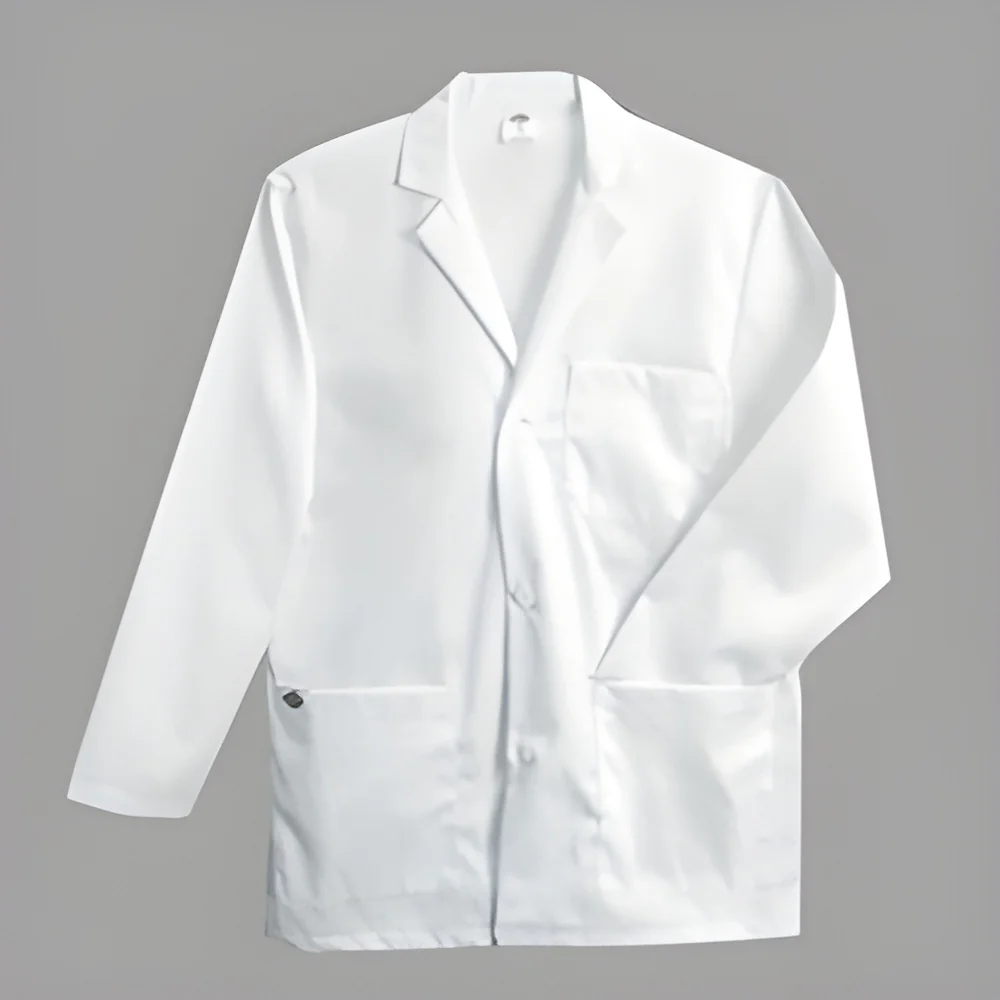
What are Lab Coats (Reusable & Disposable)?
Lab coats are protective garments commonly worn in laboratory settings, healthcare facilities, and various industrial environments. They serve as a barrier between the wearer and potentially hazardous materials, ensuring safety and maintaining hygiene. Lab coats can be categorized into two main types: reusable and disposable. Reusable lab coats are typically made from durable materials that can withstand multiple washes, while disposable lab coats are designed for single-use applications, offering convenience and hygiene.
These lab coats are essential in various business applications, including research laboratories, pharmaceutical companies, hospitals, and manufacturing facilities. They protect not only the wearers but also the environments in which they operate. In industries where cleanliness and safety are paramount, lab coats help prevent contamination and exposure to harmful substances. As regulations around safety and hygiene become more stringent, the demand for lab coats, both reusable and disposable, continues to grow across multiple sectors.
The relevance of lab coats in today's market is underscored by their widespread adoption in critical industries. With increasing emphasis on workplace safety and personal protective equipment (PPE), lab coats are no longer just a uniform but an essential component of operational protocols. The market is seeing innovations in materials and design, catering to specific industry needs, which further enhances the importance of these garments.
๐๐ฒ๐ ๐๐ฒ๐ฎ๐๐๐ฟ๐ฒ๐ ๐ฎ๐ป๐ฑ ๐ฆ๐ฝ๐ฒ๐ฐ๐ถ๐ณ๐ถ๐ฐ๐ฎ๐๐ถ๐ผ๐ป๐
Lab coats, whether reusable or disposable, come with specific features and specifications that address the diverse needs of users. These specifications help businesses determine the appropriate type of lab coat for their specific applications.
Key specifications include:
1. Material Composition
- Reusable lab coats are often made from cotton, polyester, or blended fabrics for durability and comfort.
- Disposable lab coats are typically made from lightweight, non-woven materials for single-use convenience.
2. Size Range
- Available in various sizes to accommodate different body types, ensuring a comfortable fit for all users.
3. Closure Type
- Lab coats may feature snap, zipper, or tie closures, allowing for easy wear and removal.
4. Sleeve Length
- Options include short, long, or three-quarter sleeves, depending on the level of protection needed.
5. Pockets
- Many lab coats include pockets for convenient storage of tools and personal items.
6. Color Options
- Available in a variety of colors, allowing for departmental color coding or personal preference.
7. Resistance Features
- Some lab coats are designed to be water-resistant or chemical-resistant, offering additional protection against spills.
8. Washability
- Reusable lab coats are typically machine washable and designed to maintain their protective properties after several washes.
In summary, understanding the specifications of lab coats is vital for businesses to choose the right products that meet their safety and operational needs.
๐๐ผ๐บ๐บ๐ผ๐ป ๐๐ฝ๐ฝ๐น๐ถ๐ฐ๐ฎ๐๐ถ๐ผ๐ป๐ ๐ฎ๐ป๐ฑ ๐จ๐๐ฒ ๐๐ฎ๐๐ฒ๐
Lab coats find extensive use across a variety of industries, tailored to meet specific requirements in each sector.
1. Healthcare: In hospitals and clinics, lab coats protect medical staff from contamination, while also providing a professional appearance.
2. Pharmaceuticals: Researchers and technicians wear lab coats to prevent cross-contamination during drug development and testing.
3. Food Processing: Lab coats help maintain hygiene standards in food production facilities, ensuring that employees do not introduce contaminants.
4. Research Laboratories: Scientists wear lab coats to protect themselves from chemicals, biological materials, and other hazardous substances in experimental settings.
5. Manufacturing: In production environments, lab coats protect workers from dirt, dust, and potential chemical spills.
6. Educational Institutions: Students and educators in science classes use lab coats to promote safety and responsibility in laboratory practices.
7. Veterinary Clinics: Lab coats are worn by veterinary staff to maintain cleanliness and prevent the spread of infections.
๐ฃ๐ฟ๐ผ๐ฑ๐๐ฐ๐ ๐ฉ๐ฎ๐ฟ๐ถ๐ฎ๐ป๐๐ ๐ฎ๐ป๐ฑ ๐ฆ๐๐ฏ๐ฐ๐ฎ๐๐ฒ๐ด๐ผ๐ฟ๐ถ๐ฒ๐
Lab coats come in several variants to cater to the unique needs of different industries. Each variant is designed with specific features that enhance functionality and safety.
Reusable Lab Coats
These lab coats are crafted from high-quality materials that can endure multiple washes. They provide a cost-effective solution for businesses with regular lab work, ensuring long-term use while maintaining protective qualities.
Disposable Lab Coats
Designed for single-use, these lab coats offer convenience and hygiene, making them ideal for environments where contamination is a concern. They are lightweight, easy to wear, and can be discarded after use, reducing the risk of cross-contamination.
๐๐ฒ๐ป๐ฒ๐ณ๐ถ๐๐ ๐ฎ๐ป๐ฑ ๐๐ฑ๐๐ฎ๐ป๐๐ฎ๐ด๐ฒ๐
Choosing the right lab coat can significantly enhance safety and operational efficiency within an organization.
Key benefits include:
1. Enhanced Safety: Lab coats provide a protective barrier against spills, chemicals, and biological materials, reducing the risk of accidents.
2. Improved Hygiene: Disposable lab coats help maintain high hygiene standards by preventing cross-contamination in sensitive environments.
3. Cost Efficiency: Reusable lab coats offer long-term savings as they can be washed and reused, making them a sustainable choice for businesses.
4. Comfort and Flexibility: Many lab coats are designed with breathable fabrics and adjustable features, ensuring comfort during long hours of wear.
5. Professional Appearance: Lab coats contribute to a polished, professional look for staff, reinforcing the seriousness of their roles.
6. Compliance Support: Wearing lab coats helps organizations meet industry safety and hygiene regulations, reducing the risk of legal liabilities.
๐๐๐๐ถ๐ป๐ด ๐๐๐ถ๐ฑ๐ฒ ๐ณ๐ผ๐ฟ ๐๐ฎ๐ ๐๐๐๐ฒ๐ฟ๐
When sourcing lab coats, businesses should consider several factors to ensure they make informed purchasing decisions.
1. Quality Assessment: Evaluate the materials and construction of lab coats to ensure they meet the necessary safety and durability standards.
2. Supplier Verification: Conduct thorough research on suppliers to verify their credibility and track record in delivering quality products.
3. Pricing and MOQ: Compare prices and minimum order quantities (MOQ) from different suppliers to find a balance between cost and quality.
4. Delivery and Lead Times: Check the logistics capabilities of suppliers to ensure timely delivery that aligns with your operational needs.
5. Compliance Requirements: Ensure that the chosen lab coats meet relevant industry regulations and standards to avoid compliance issues.
๐๐ผ๐บ๐ฝ๐น๐ถ๐ฎ๐ป๐ฐ๐ฒ ๐ฎ๐ป๐ฑ ๐๐ฒ๐ฟ๐๐ถ๐ณ๐ถ๐ฐ๐ฎ๐๐ถ๐ผ๐ป๐
Lab coats must adhere to various quality standards and certifications to ensure they are safe and effective for their intended use.
Relevant quality standards include ISO 9001, which emphasizes quality management systems, and HACCP, ensuring food safety in relevant applications. Compliance with Good Distribution Practices (GDP) is also essential in pharmaceutical contexts.
Industry certifications such as CE mark indicate that lab coats meet European safety, health, and environmental protection standards.
Furthermore, safety and testing requirements are paramount, particularly for reusable lab coats, which should undergo rigorous testing to ensure they maintain their protective qualities after repeated washing.
Regional compliance considerations may vary, so businesses should ensure that their lab coats align with local regulations to guarantee safety and legal adherence.
Why Source Lab Coats (Reusable & Disposable) from Pepagora?
Pepagora offers a reliable platform for sourcing lab coats, emphasizing quality and trust.
Verified Supplier Network: Pepagora connects buyers with a network of verified suppliers, ensuring that all products meet high standards of quality and compliance.
Streamlined RFQ Process: The request for quotation (RFQ) process is designed to be straightforward, allowing businesses to easily compare options and make informed purchasing decisions.
Trade Assurance and Support: Pepagora provides trade assurance, offering buyers protection and dedicated support throughout the purchasing process.
Regional Coverage: With a strong presence in India, the GCC, and Southeast Asia, Pepagora ensures that businesses across these regions can access quality lab coats tailored to their needs.