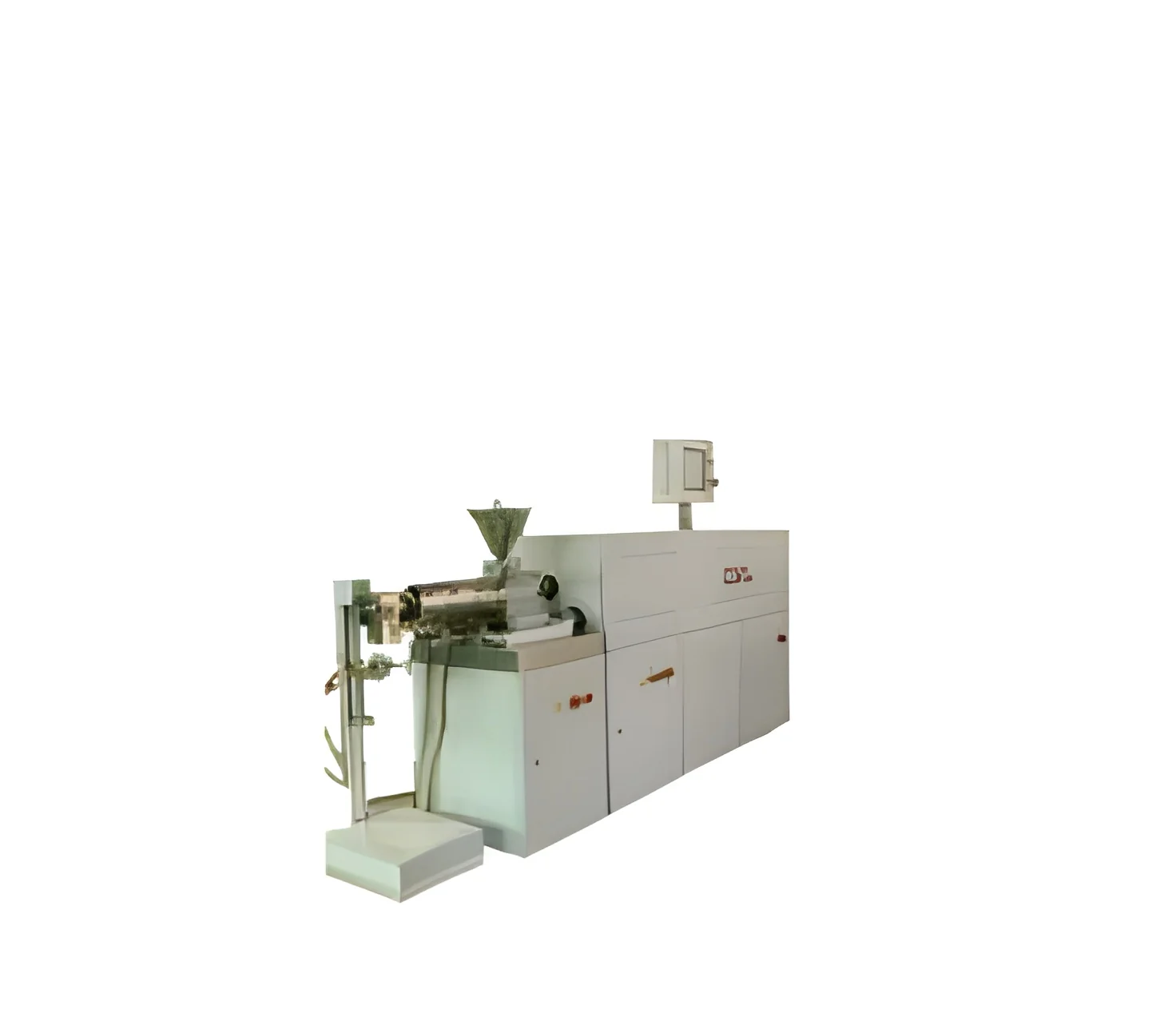
What are Polymer Testing & Certification?
Polymer testing and certification is a critical process that evaluates the properties and performance of polymer materials. This encompasses a variety of tests that assess mechanical, thermal, and chemical characteristics to ensure compliance with industry standards. The certification process confirms that the materials meet specific quality and safety regulations, which is essential for manufacturers and suppliers in the polymer industry.
The primary uses of polymer testing and certification include quality assurance, product development, and regulatory compliance. Businesses utilize these services to verify that their products meet the necessary specifications for durability, safety, and performance. This is particularly relevant for industries such as automotive, aerospace, and consumer goods, where material integrity is paramount. The growing demand for high-quality polymer products in various sectors highlights the importance of rigorous testing and certification processes.
As industries increasingly rely on polymers for a wide range of applications, the relevance of testing and certification continues to grow. The market is evolving, with advancements in technology leading to more sophisticated testing methods. This ensures that products not only perform well but also comply with international standards, ultimately enhancing market competitiveness.
Key Features and Specifications
Polymer testing and certification services are designed to meet the diverse needs of various industries. These services include a range of features and specifications to ensure comprehensive evaluation and compliance.
Key specifications include:
1. Mechanical Testing
- Evaluates tensile strength, elongation, and impact resistance.
- Parameters typically include stress-strain curves and hardness measurements.
2. Thermal Analysis
- Assesses thermal properties such as glass transition temperature and melting point.
- Parameters often range from -50°C to 300°C depending on the polymer type.
3. Chemical Resistance Testing
- Determines the effects of various chemicals on polymer integrity.
- Commonly tested against acids, bases, and solvents.
4. Flammability Testing
- Analyzes the ignition properties and burning behavior of polymers.
- Compliance with industry-specific flammability standards is essential.
5. Environmental Testing
- Simulates real-world conditions to assess durability.
- Includes exposure to UV light, humidity, and temperature variations.
6. Aging Tests
- Evaluates the long-term stability and performance degradation over time.
- Important for predicting lifespan and reliability.
7. Regulatory Compliance
- Ensures products meet international standards such as CE marking.
- Verification of adherence to safety and environmental regulations.
8. Reporting and Documentation
- Provides detailed reports and certification documents.
- Essential for compliance verification and customer assurance.
In summary, the diverse specifications of polymer testing and certification services are tailored to ensure that products meet stringent industry standards and customer expectations.
Common Applications and Use Cases
Polymer testing and certification find applications across a wide range of industries, ensuring that materials meet required safety and quality standards.
1. Automotive: Testing is crucial for components such as bumpers, dashboards, and interior materials to ensure durability and safety under various conditions.
2. Aerospace: Polymers used in aircraft manufacturing must undergo rigorous testing for weight, strength, and resistance to extreme temperatures.
3. Consumer Goods: Products like packaging, toys, and household items are tested for safety, compliance, and performance to meet consumer expectations.
4. Electronics: Certification is essential for polymer materials used in insulation and casings to ensure fire safety and durability.
5. Medical Devices: Polymers used in medical applications are tested for biocompatibility and reliability, which is critical for patient safety.
6. Construction: Materials like pipes and insulation require testing for strength, thermal properties, and resistance to environmental factors.
7. Energy: Polymers used in renewable energy applications, such as solar panels and wind turbine components, are subjected to extensive testing for performance and longevity.
Product Variants and Subcategories
The field of polymer testing and certification offers various services tailored to specific needs and applications. While specific subcategories are not available, the following variants highlight the diversity in testing methods.
Standard Testing Services
These services encompass basic mechanical and thermal testing, ensuring compliance with fundamental industry standards.
Advanced Analytical Testing
This variant includes specialized tests such as chemical resistance and flammability testing, suitable for high-performance applications.
Regulatory Compliance Services
Focused on ensuring that products meet specific regulatory requirements, this variant aids businesses in navigating complex certification processes.
Customized Testing Solutions
Tailored testing services designed to address unique client needs and specific industry requirements, offering flexibility and precision.
Benefits and Advantages
Sourcing polymer testing and certification provides numerous advantages for businesses in various sectors. Understanding these benefits can help companies make informed decisions.
Key benefits include:
1. Quality Assurance: Ensures that products meet industry standards, enhancing reliability and customer trust.
2. Regulatory Compliance: Facilitates adherence to safety and environmental regulations, reducing legal risks.
3. Market Competitiveness: High-quality certified products can differentiate brands and enhance market positioning.
4. Risk Mitigation: Identifying potential material failures early through testing helps prevent costly recalls and liability issues.
5. Enhanced Product Development: Testing provides valuable data that can inform design improvements and innovations.
6. Customer Confidence: Certification signals to customers that products are safe and reliable, boosting brand reputation.
Buying Guide for B2B Buyers
When sourcing polymer testing and certification, various factors should be considered to ensure effective decision-making.
1. Quality Assessment: Evaluate potential testing providers based on their accreditation and reputation. Look for ISO certifications and industry recognition to ensure high-quality standards.
2. Supplier Verification: Vet suppliers thoroughly to confirm their expertise and capabilities in polymer testing. This may involve reviewing past projects and client testimonials.
3. Pricing and MOQ: Consider the cost of testing services and any minimum order quantities. Compare pricing structures among different providers to find the best value.
4. Delivery and Lead Times: Assess the logistics of service delivery. Inquire about turnaround times for testing and certification to align with project timelines.
5. Compliance Requirements: Ensure that the testing services comply with relevant industry regulations and standards. This is crucial for maintaining legal and market compliance.
Compliance and Certifications
Compliance with quality standards and certifications is essential in the field of polymer testing and certification. Key standards include ISO 9001, which outlines quality management systems, and industry-specific certifications such as CE marking.
Testing requirements also encompass safety standards that address the flammability and chemical resistance of polymer materials. These standards ensure that products are safe for consumer use and meet regulatory expectations.
Regional compliance considerations may vary, making it important for businesses to understand the specific regulations that apply in their market. This includes awareness of local laws regarding material safety and environmental impact.
Why Source Polymer Testing & Certification from Pepagora?
Pepagora provides a trusted platform for sourcing polymer testing and certification, offering several key advantages to businesses.
Verified Supplier Network: Pepagora connects buyers with a network of verified suppliers, ensuring that companies engage with reputable testing and certification providers. This reduces the risk associated with sourcing.
Streamlined RFQ Process: The Request for Quotation (RFQ) system simplifies the procurement process, allowing businesses to quickly obtain quotes from multiple suppliers. This enhances efficiency and facilitates informed decision-making.
Trade Assurance and Support: Pepagora offers trade assurance, which provides buyers with protection throughout the procurement process. This includes support for any issues that may arise, ensuring peace of mind.
Regional Coverage: With a strong presence in India, the Gulf Cooperation Council (GCC), and Southeast Asia, Pepagora ensures that businesses can access reliable polymer testing and certification services across these regions. This broad coverage supports companies looking to expand their market reach.

 IN
IN