
 IN
INVOC & Emission Testing
2 products available
What are VOC & Emission Testing?
Volatile Organic Compounds (VOCs) and emission testing are essential processes used to measure the concentration of harmful substances released into the air from various sources. VOCs are organic chemicals that have a high vapor pressure at room temperature, which means they can easily evaporate into the atmosphere. Emission testing involves the assessment of pollutants from industrial processes, ensuring compliance with environmental regulations and standards. This testing is crucial for identifying potential health risks and mitigating environmental impact.
The primary uses of VOC and emission testing span multiple industries, including manufacturing, automotive, construction, and chemical processing. Companies perform these tests to comply with environmental regulations, improve air quality, and ensure worker safety. Businesses also utilize this data to enhance product formulations and processes, reducing the release of harmful emissions. The relevance of VOC and emission testing has grown in recent years due to increased environmental awareness and stricter regulations aimed at reducing air pollution and promoting sustainability.
In the current market context, the demand for VOC and emission testing is driven by regulatory requirements and public concern for air quality. As industries continue to evolve, the need for advanced testing methodologies and technologies is critical. Companies that invest in VOC and emission testing not only ensure compliance but also demonstrate a commitment to environmental stewardship, enhancing their reputation in the marketplace.
Key Features and Specifications
VOC and emission testing solutions offer various key features that cater to the needs of businesses looking to comply with environmental standards. These features ensure accurate measurement and reporting of emissions, enabling companies to take necessary actions for compliance.
Key specifications include:
1. Measurement Range
- This specification defines the range of VOC concentrations that can be accurately measured.
- Typically spans from low parts per billion (ppb) to high parts per million (ppm) levels.
2. Detection Method
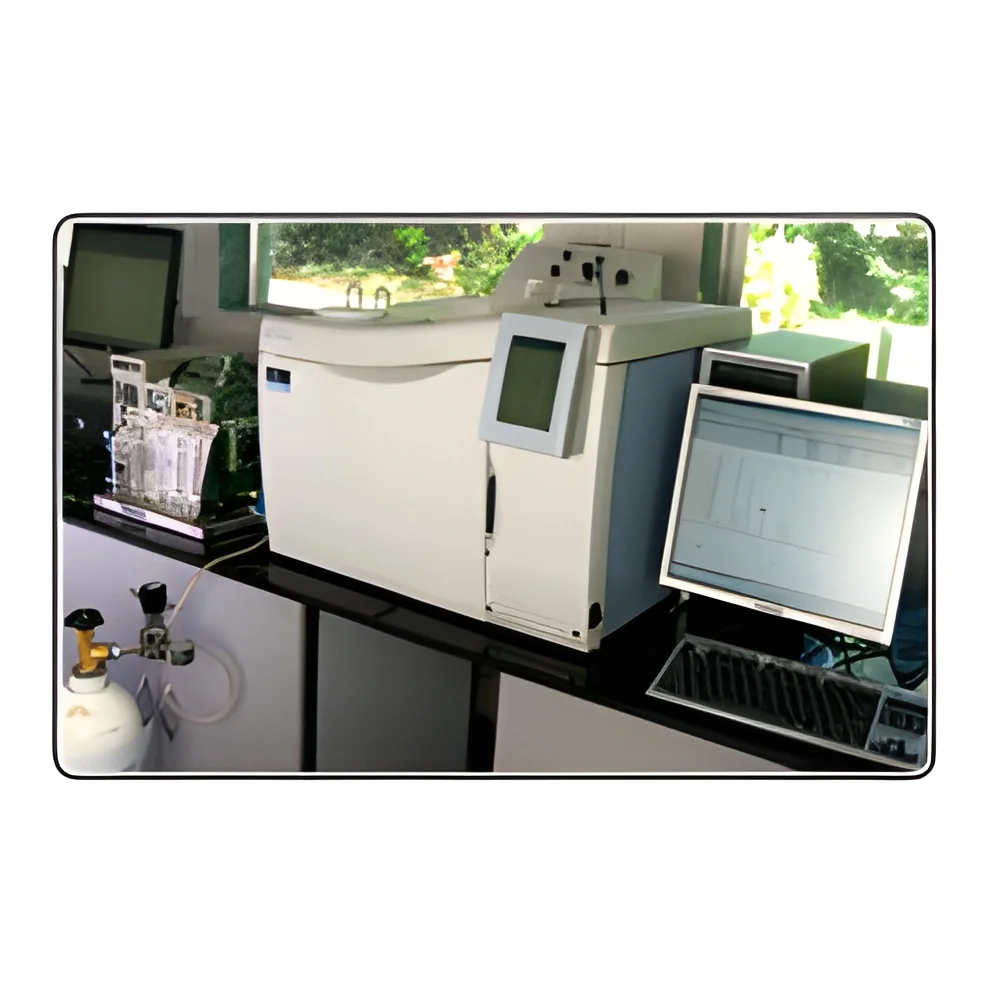
- Various methodologies such as gas chromatography, mass spectrometry, and photoionization are employed to detect VOCs.
- Each method has its strengths, depending on the application and sensitivity required.
3. Response Time
- The response time indicates how quickly the equipment can provide results after a sample is taken.
- A faster response time enhances operational efficiency and decision-making.
4. Calibration Interval
- This specification outlines how often the testing equipment needs calibration to maintain accuracy.
- Regular calibration is crucial to ensure reliable results over time.
5. Data Logging Capability
- Advanced models may include data logging features to record and store results for analysis.
- This enhances traceability and helps in long-term monitoring of emissions.
6. Portability
- Some testing devices are designed for field use, incorporating features that make them portable and easy to transport.
- Portability is essential for on-site testing in various industrial environments.
7. User Interface
- An intuitive user interface can simplify operation, allowing for ease of use even for non-technical personnel.
- Digital displays and software integration enhance user experience.
In summary, the specifications of VOC and emission testing devices are designed to meet industry standards and ensure effective monitoring of air quality. Businesses benefit from understanding these features to select the appropriate testing solution for their specific needs.
Common Applications and Use Cases
VOC and emission testing are vital across a range of industries, each with unique requirements and applications.
1. Manufacturing: In manufacturing plants, VOC testing helps maintain compliance with air quality regulations by monitoring emissions from production processes.
2. Automotive: The automotive industry utilizes emission testing to evaluate vehicle exhaust and ensure compliance with environmental standards for air pollutants.
3. Construction: In construction, VOC testing is essential for monitoring emissions from materials such as paints and adhesives, ensuring a safe working environment.
4. Chemical Processing: Chemical plants use emission testing to monitor release of hazardous air pollutants, protecting both workers and the environment.
5. Oil and Gas: The oil and gas sector conducts VOC testing to assess emissions from extraction, refining, and transportation, ensuring regulatory compliance.
6. Pharmaceutical: In pharmaceutical manufacturing, VOC testing ensures that processes do not compromise air quality, adhering to health regulations.
7. Food Processing: Food processing facilities utilize emission testing to monitor and control VOCs from packaging and processing equipment, safeguarding product quality and safety.
Product Variants and Subcategories
VOC and emission testing products are diverse, allowing businesses to choose according to their specific needs and applications.
Portable Emission Analyzers: These devices are designed for field use, offering the flexibility to conduct tests on-site. They provide real-time data and are user-friendly, making them ideal for quick assessments.
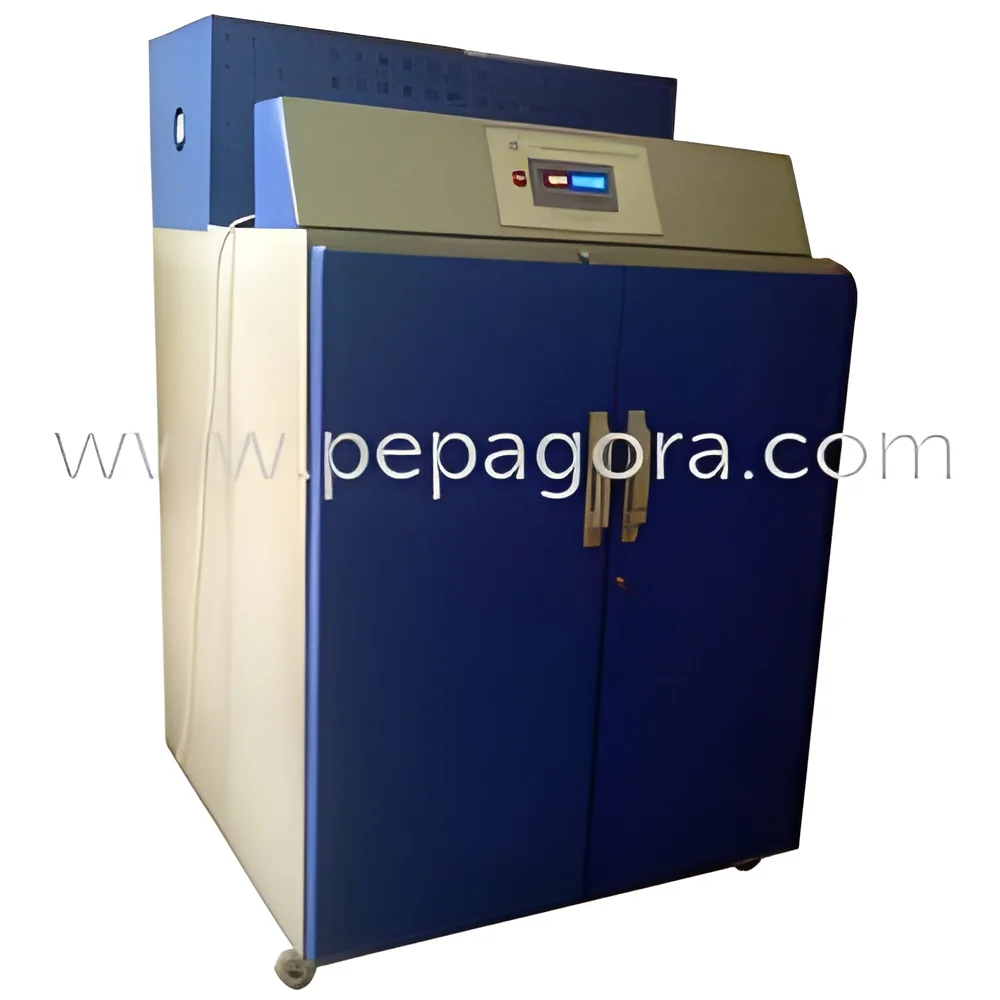
Laboratory Testing Equipment: This category includes sophisticated instruments used in controlled environments for in-depth analysis. They offer high sensitivity and precision, suitable for research and development purposes.
Continuous Emission Monitoring Systems (CEMS): CEMS are installed in industrial processes for real-time monitoring of emissions. They are vital for ensuring compliance with environmental regulations over extended periods.
Benefits and Advantages
Investing in VOC and emission testing comes with numerous benefits that enhance operational efficiency and environmental responsibility.
1. Regulatory Compliance: Ensures adherence to local and international air quality regulations, preventing potential fines and legal issues.
2. Improved Air Quality: Helps identify and mitigate sources of air pollution, contributing to a healthier work environment for employees.
3. Enhanced Reputation: Companies committed to environmental stewardship bolster their brand image and attract environmentally conscious customers.
4. Process Optimization: Identifying emission sources allows businesses to refine processes, improving efficiency and potentially reducing costs.
5. Risk Management: Regular testing helps in early detection of potential hazards, allowing for proactive measures to protect workers and the environment.
6. Data-Driven Decisions: Access to accurate testing data enables informed decision-making regarding process changes and compliance strategies.
Buying Guide for B2B Buyers
When sourcing VOC and emission testing solutions, businesses should consider several key factors to ensure they make informed purchasing decisions.
1. Quality Assessment: Evaluate the accuracy and reliability of testing equipment. Look for products that comply with recognized industry standards.
2. Supplier Verification: Vet suppliers thoroughly by checking their certifications, reputation, and customer reviews. A reliable supplier is essential for quality assurance.
3. Pricing and MOQ: Understand the cost structure and minimum order quantities. Compare prices among different suppliers to find a solution that fits your budget.
4. Delivery and Lead Times: Assess the supplier's ability to meet delivery timelines. Timely delivery is crucial for maintaining operational schedules.
5. Compliance Requirements: Ensure that the testing solutions meet specific regulatory requirements relevant to your industry. This will prevent compliance issues down the line.
Compliance and Certifications
Compliance with quality standards and certifications is crucial for VOC and emission testing products. Relevant standards such as ISO 9001, which focuses on quality management systems, ensure that products are manufactured and tested under strict quality controls. The CE marking signifies that products meet European safety, health, and environmental protection standards.
Additionally, safety and testing requirements are critical for ensuring that VOC and emission testing devices perform reliably under various conditions. Companies must also consider regional compliance, as different countries may have unique regulations governing air quality and emissions. Businesses should stay informed about these regulations to ensure their testing practices remain compliant and effective.
Why Source VOC & Emission Testing from Pepagora?
Pepagora offers a trusted platform for sourcing VOC and emission testing solutions, providing businesses with several key advantages.
Verified Supplier Network: Pepagora ensures that all listed suppliers undergo a rigorous verification process. This helps businesses find trustworthy partners who offer quality products.
Streamlined RFQ Process: The Request for Quotation (RFQ) system at Pepagora simplifies the sourcing process. Buyers can easily submit their requirements and receive competitive quotes from multiple suppliers.
Trade Assurance and Support: Pepagora provides trade assurance, protecting buyers by ensuring that suppliers deliver as promised. This support fosters confidence in the sourcing process.
Regional Coverage: Pepagora has a wide geographic reach, serving businesses in India, the GCC, and Southeast Asia. This broad coverage allows companies to find local suppliers that meet their specific needs efficiently.

Frequently Asked Questions
What are VOC & Emission Testing?
VOC (Volatile Organic Compounds) & Emission Testing refers to the assessment of air pollutants released from various products and materials. This testing is crucial for ensuring compliance with environmental regulations and safeguarding public health.
What are the different types of VOC & Emission Testing?
Different types of VOC & Emission Testing include chamber testing, field testing, and emissions monitoring from industrial processes. Each type evaluates specific sources and types of emissions to ensure compliance with environmental standards.
How do I choose the right VOC & Emission Testing?
Choosing the right VOC & Emission Testing involves considering factors such as the specific application, regulatory requirements, and the type of emissions to be tested. It's also important to evaluate the capabilities and reputation of the testing laboratory.
What are the standard specifications for VOC & Emission Testing?
Standard specifications for VOC & Emission Testing typically include guidelines set by organizations like the EPA and ISO. These standards outline the methods for sampling, analysis, and reporting of emission data.
What is the price range for VOC & Emission Testing?
The price range for VOC & Emission Testing can vary significantly based on the complexity of the tests and the type of emissions being evaluated. Generally, costs can start from a few thousand rupees and can go up to several lakhs depending on the requirements.
What quality standards apply to VOC & Emission Testing?
Quality standards for VOC & Emission Testing are governed by national and international regulations, including ISO standards and local environmental laws. Compliance with these standards ensures accuracy and reliability in testing results.
Where can I find VOC & Emission Testing suppliers in India?
VOC & Emission Testing suppliers in India can be found through B2B marketplaces like Pepagora, industry trade shows, and online directories. These platforms offer a wide range of options to connect with reputable manufacturers and service providers.
Can VOC & Emission Testing be customized?
Yes, VOC & Emission Testing can often be customized based on specific client needs and regulatory requirements. Customization may include tailored testing methods and reporting formats to suit particular applications.
What is the typical minimum order quantity for VOC & Emission Testing?
The typical minimum order quantity (MOQ) for VOC & Emission Testing services can vary depending on the supplier and the nature of the testing required. It is advisable to check with individual suppliers for their specific MOQs.
What is the typical lead time for VOC & Emission Testing?
The typical lead time for VOC & Emission Testing can range from a few days to several weeks, depending on the complexity of the tests and the workload of the testing laboratory. It's important to confirm timelines with the supplier.
Why Businesses Trust Pepagora
Thousands of companies trust Pepagora to source smarter and sell faster
Expand Your Sales Globally

Source Smarter,Grow Faster
