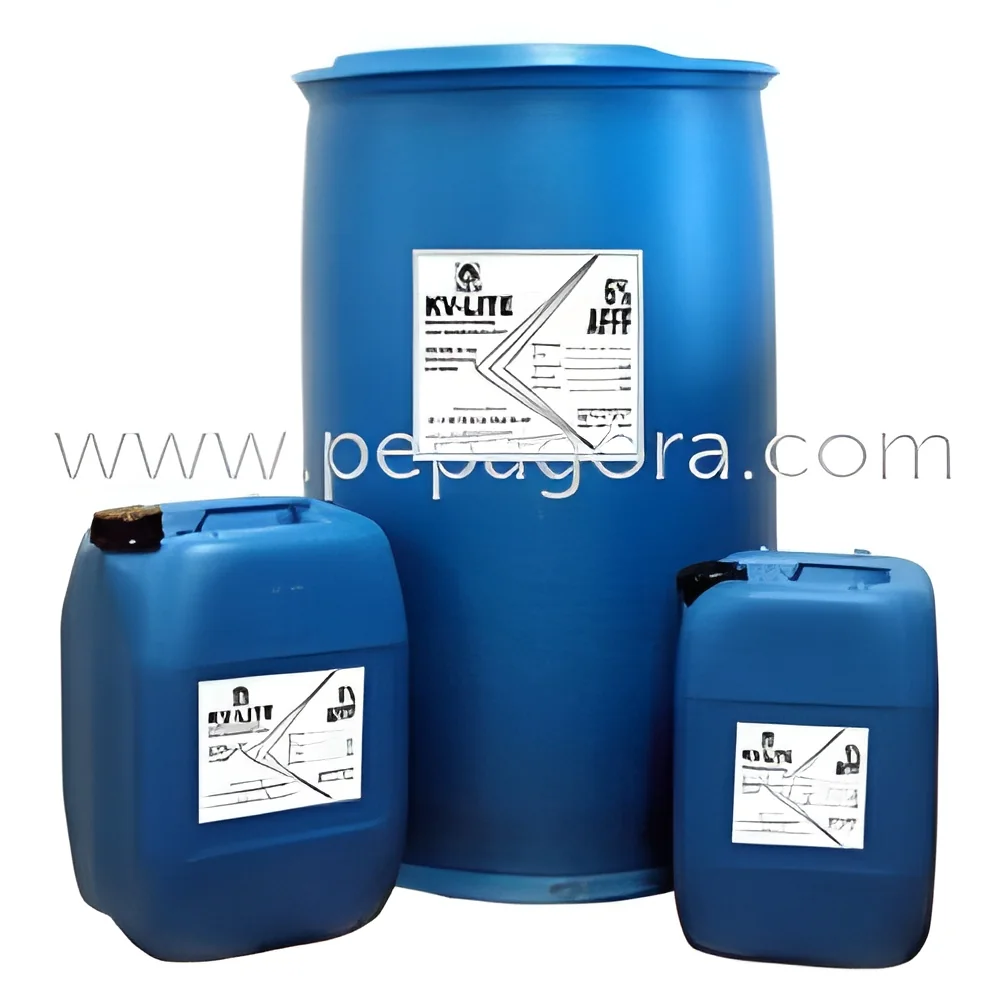
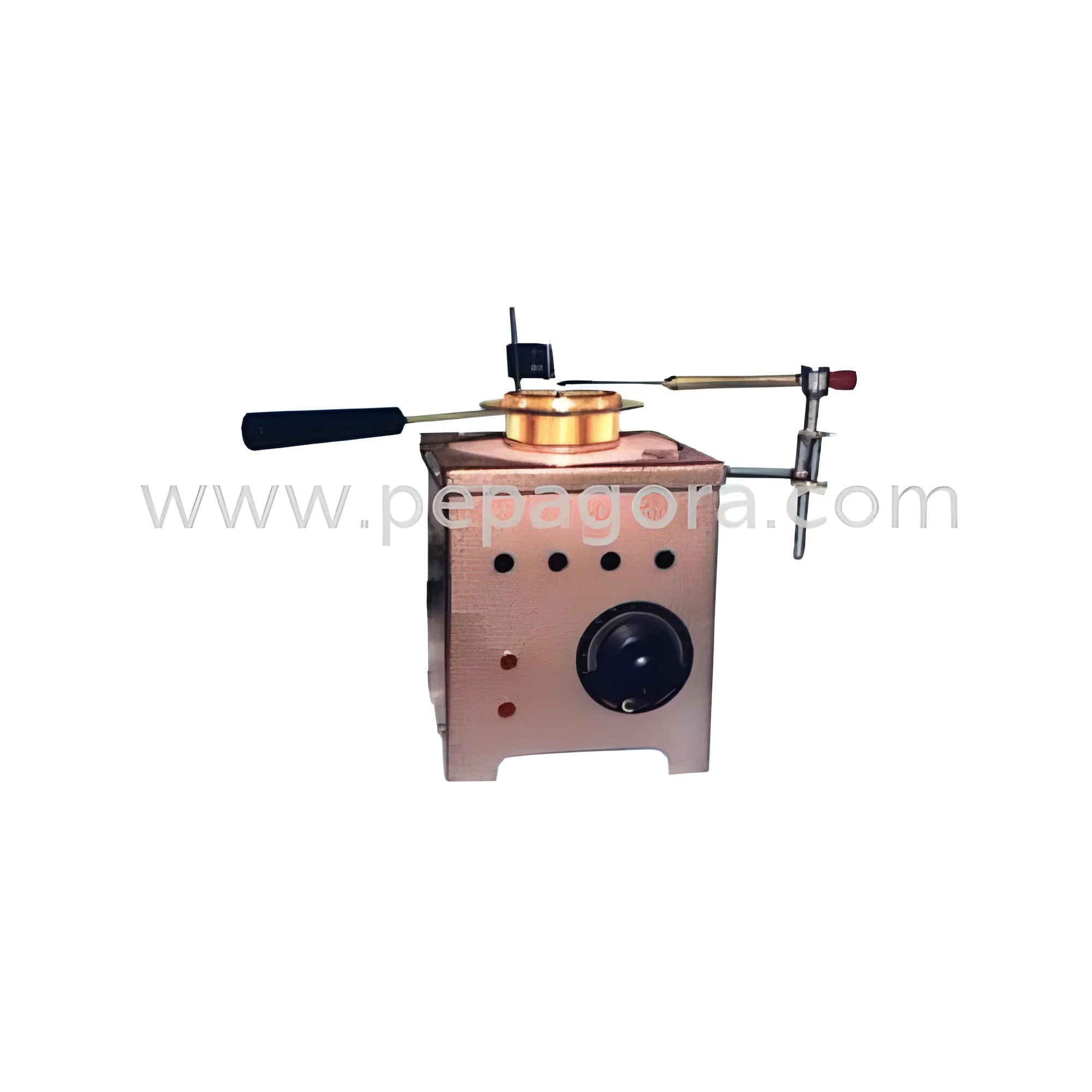
What are Flame Retardant Testing?
Flame retardant testing refers to the evaluation process of materials to determine their resistance to ignition and the rate at which they burn. This testing is essential for assessing the effectiveness of flame retardants integrated into various products. Manufacturers often conduct these tests to ensure compliance with safety regulations and to enhance the safety of their products in applications where fire hazards are prevalent.
Primary uses of flame retardant testing span multiple industries, including construction, textiles, electronics, and automotive. In construction, for example, materials must meet specific flame resistance standards to ensure the safety of buildings. In textiles, flame retardants are crucial for manufacturing upholstery and clothing that will be exposed to high heat or open flames. The significance of flame retardant testing is underscored by stringent industry regulations and consumer safety expectations, making it a vital component of product development and quality assurance.
As fire safety continues to gain importance in various sectors, the demand for reliable flame retardant testing services remains high. Companies that prioritize these tests demonstrate their commitment to safety, potentially enhancing their market reputation and customer trust.
Key Features and Specifications
Flame retardant testing encompasses various features and specifications designed to evaluate material performance accurately. These specifications help ensure that products meet safety standards and perform as expected under fire exposure.
Key specifications include:
1. Ignition Resistance
- Measures the ability of a material to resist ignition when exposed to a flame.
- Evaluates performance under specific temperature conditions.
2. Flame Spread Rate
- Assesses how quickly flames spread across a material's surface.
- Measured in inches per minute under controlled conditions.
3. Smoke Density
- Determines the amount of smoke produced when a material burns.
- Critical for assessing visibility and toxicity in fire situations.
4. Heat Release Rate
- Evaluates the amount of heat emitted during combustion.
- Important for understanding fire behavior and material safety.
5. Toxicity of Emissions
- Tests for harmful gases released during combustion.
- Ensures materials do not pose additional risks in fire situations.
6. Char Formation
- Measures the extent of char formed during burning.
- Indicates material stability and ability to prevent further combustion.
7. Compliance with Standards
- Assesses alignment with international safety standards such as UL 94 or ASTM E84.
- Ensures materials meet specific regulatory requirements.
8. Repeatability and Reproducibility
- Evaluates the consistency of test results under similar conditions.
- Ensures reliability of testing methods over time.
In summary, flame retardant testing plays a critical role in ensuring material safety, focusing on various specifications that assess performance under fire conditions.
Common Applications and Use Cases
Flame retardant testing is vital across numerous industries, ensuring that products are safe for consumer use. This testing process serves a wide variety of applications.
1. Construction: Flame retardant testing verifies that building materials, such as insulation and wall coverings, meet fire safety standards vital for occupant safety.
2. Textiles: In the textile industry, this testing ensures that fabrics used in clothing and furniture upholstery are treated effectively to resist ignition.
3. Electronics: For electronic components, flame retardant testing is crucial to prevent fire hazards due to overheating or electrical failures.
4. Automotive: In vehicles, flame retardant testing is conducted on materials used in interiors to protect passengers and meet safety regulations.
5. Aerospace: The aerospace industry relies on flame retardant testing for materials used in aircraft to minimize fire risks in-flight.
6. Marine: In marine applications, testing ensures that materials used in boats and ships are resistant to ignition and meet safety standards.
7. Consumer Products: Many consumer goods undergo flame retardant testing to ensure safety in everyday items, from children's toys to household appliances.
Product Variants and Subcategories
Flame retardant testing is a diverse field, with various approaches and methodologies tailored to specific industry needs. While subcategories may not be available, different testing variants cater to unique applications.
Standard Testing Method
This variant follows established protocols for assessing ignition resistance and flame spread, ensuring compliance with safety regulations. It is widely used across industries for preliminary evaluations.
Advanced Testing Method
Utilizing sophisticated equipment, this method provides detailed insights into material behavior under extreme conditions. It is ideal for specialized applications, such as aerospace and military.
Custom Testing Solutions
Some companies offer tailored testing services that adapt to specific client requirements. These solutions ensure that unique materials or applications receive the necessary evaluations.
Benefits and Advantages
The benefits of flame retardant testing are numerous, providing essential safety assurances for products and materials.
1. Enhanced Safety: By ensuring materials resist ignition, flame retardant testing significantly reduces fire hazards, protecting lives and property.
2. Regulatory Compliance: Businesses can meet local and international safety standards, avoiding legal issues and enhancing market acceptance.
3. Improved Marketability: Products that pass flame retardant testing can be marketed as safer options, appealing to consumers concerned about safety.
4. Risk Mitigation: Identifying potential fire risks early in the product development process helps mitigate risks and reduces liability for manufacturers.
5. Quality Assurance: Consistent testing fosters confidence in product quality, reinforcing brand reputation and customer trust.
6. Innovation Support: Flame retardant testing encourages the development of new materials and technologies that push the boundaries of safety and performance.
Buying Guide for B2B Buyers
When sourcing flame retardant testing services, several key factors should be considered to ensure quality and compliance.
1. Quality Assessment: Evaluate testing facilities based on their adherence to recognized industry standards and the accuracy of their testing methods. Look for certifications that demonstrate reliability.
2. Supplier Verification: Vet potential suppliers by reviewing their track record, customer testimonials, and compliance with industry regulations. This ensures you partner with credible and reliable testing providers.
3. Pricing and MOQ: Understand the pricing structures and minimum order quantities associated with testing services. This helps in budgeting and aligns with your project scope.
4. Delivery and Lead Times: Inquire about the turnaround time for test results. Timely testing is crucial for maintaining project schedules and meeting market demands.
5. Compliance Requirements: Ensure that the testing services adhere to necessary regulatory standards specific to your industry. This helps guarantee that your products meet safety requirements.
Compliance and Certifications
Flame retardant testing must adhere to various compliance and certification standards to ensure safety and efficacy. Relevant quality standards include ISO 9001, which outlines criteria for a quality management system, ensuring that testing processes are reliable and consistent.
Additionally, certifications such as CE signify that products meet European safety and environmental requirements. These certifications are critical for market access in regions where such compliance is mandated.
Safety and testing requirements vary by industry and region. Companies must stay informed about local fire safety regulations and ensure their products comply with these standards. Regional compliance considerations may include specific testing protocols or safety requirements unique to a location, reinforcing the importance of understanding local regulations.
Why Source Flame Retardant Testing from Pepagora?
Pepagora offers a trusted platform for sourcing flame retardant testing services, providing several advantages for B2B buyers.
Verified Supplier Network: Pepagora connects buyers with a network of verified suppliers who have demonstrated reliability and adherence to industry standards. This reduces the risk associated with sourcing and ensures quality.
Streamlined RFQ Process: The platform simplifies the request for quotation (RFQ) process, allowing buyers to quickly compare options and select the best testing service for their needs.
Trade Assurance and Support: Pepagora provides buyer protection through trade assurance programs, ensuring that transactions are secure and that buyers receive the quality services they expect.
Regional Coverage: With a strong presence in markets such as India, the GCC, and Southeast Asia, Pepagora offers extensive geographic reach, making it easier for buyers to find local testing solutions that meet their specific requirements.

 IN
IN