What are GMP Compliance Certification?
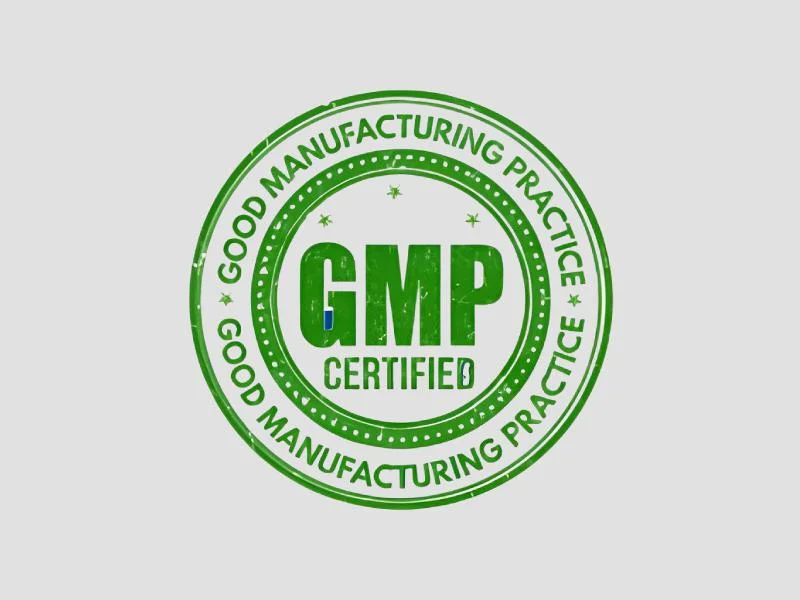
GMP Compliance Certification refers to a set of guidelines and standards that ensure products are consistently produced and controlled according to quality standards. GMP stands for Good Manufacturing Practices, which encompass the systems and processes that manufacturers must follow to ensure their products are safe, reliable, and of high quality. This certification is essential for companies in regulated industries, such as pharmaceuticals, food and beverage, and cosmetics, where product safety is critical.
The primary uses of GMP Compliance Certification include establishing credibility with customers, meeting regulatory requirements, and enhancing operational efficiency. Businesses that achieve this certification can demonstrate their commitment to quality, which can lead to increased customer trust and satisfaction. Furthermore, GMP compliance is often a prerequisite for entering certain markets, making it a vital aspect of business strategy for companies operating in regulated sectors.
In the current market context, GMP Compliance Certification is becoming increasingly relevant. With a growing emphasis on product safety and quality across industries, companies that adopt GMP practices not only comply with regulations but also gain a competitive edge. As global supply chains expand, maintaining high standards becomes crucial for market access and consumer confidence.
Key Features and Specifications
GMP Compliance Certification encompasses several key features and specifications that are important for businesses to understand. These specifications help organizations ensure that their manufacturing processes align with industry standards and best practices.
Key specifications include:
1. Quality Management System
- Establishes the framework for managing quality throughout the organization.
- Includes procedures, documentation, and continuous improvement processes.
2. Facility Requirements
- Mandates that manufacturing facilities are designed and maintained to prevent contamination.
- Includes specifications for cleanliness, layout, and maintenance.
3. Personnel Training
- Requires that all personnel are adequately trained in GMP principles.
- Involves regular training sessions and assessments to ensure compliance.
4. Equipment Validation
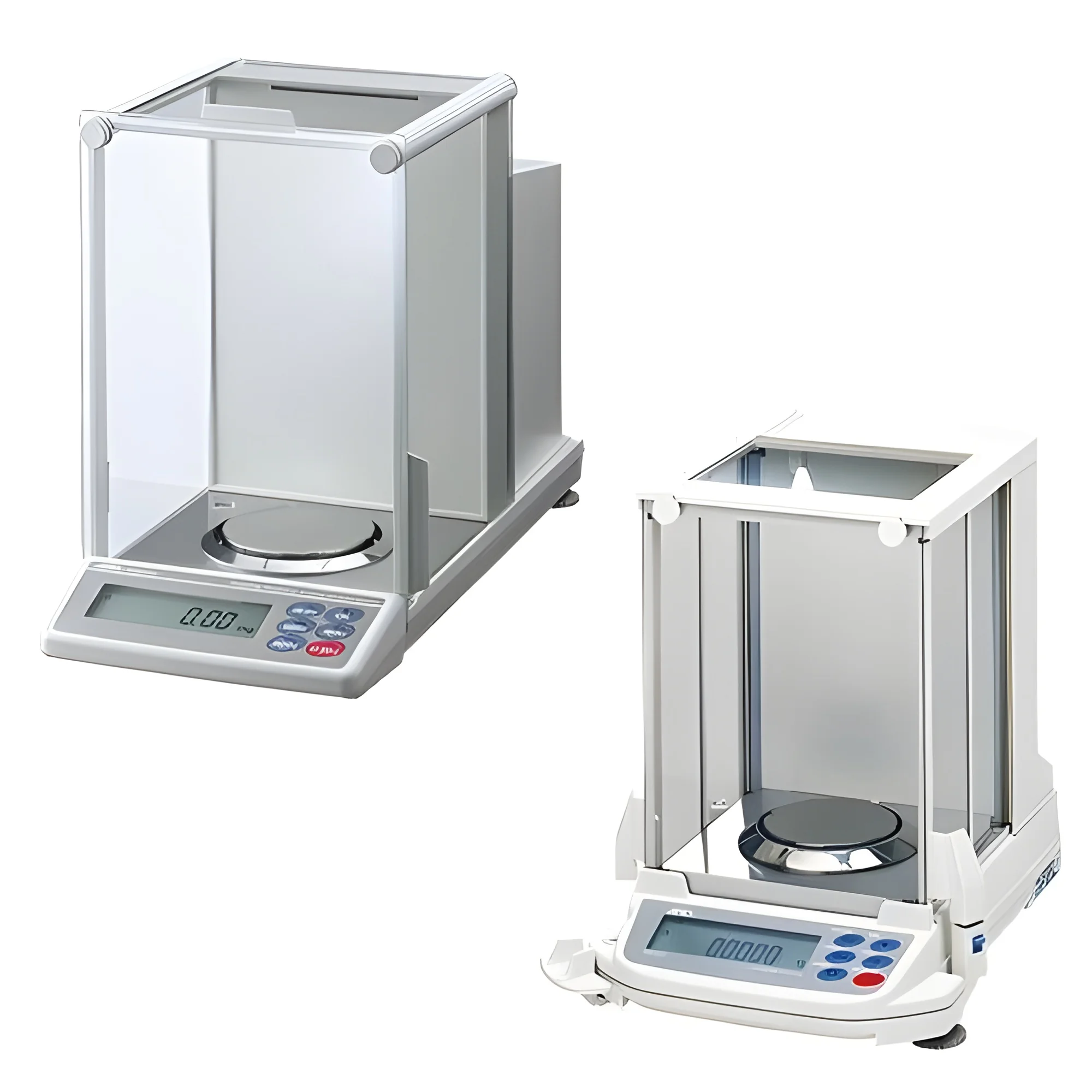
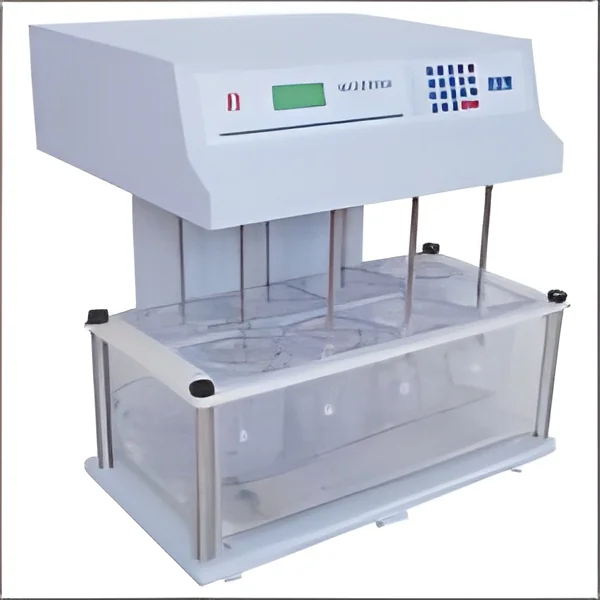
- Ensures that all equipment used in production is properly calibrated and maintained.
- Includes protocols for validation and regular maintenance checks.
5. Change Control Procedures
- Requires documentation and approval for any changes to manufacturing processes.
- Helps to ensure that changes do not adversely affect product quality.
6. Record Keeping
- Mandates thorough documentation of all manufacturing processes and quality checks.
- Ensures traceability and accountability in the production process.
7. Internal Audits
- Involves regular audits to assess compliance with GMP standards.
- Helps identify areas for improvement and ensures adherence to protocols.
8. Supplier Quality Assurance
- Requires that all suppliers meet specific quality criteria.
- Involves regular assessments and audits of supplier capabilities.
In summary, these specifications form the backbone of GMP Compliance Certification, guiding organizations in their manufacturing processes and ensuring that they meet industry standards.
Common Applications and Use Cases
GMP Compliance Certification is applicable across various industries that prioritize safety and quality in their products.
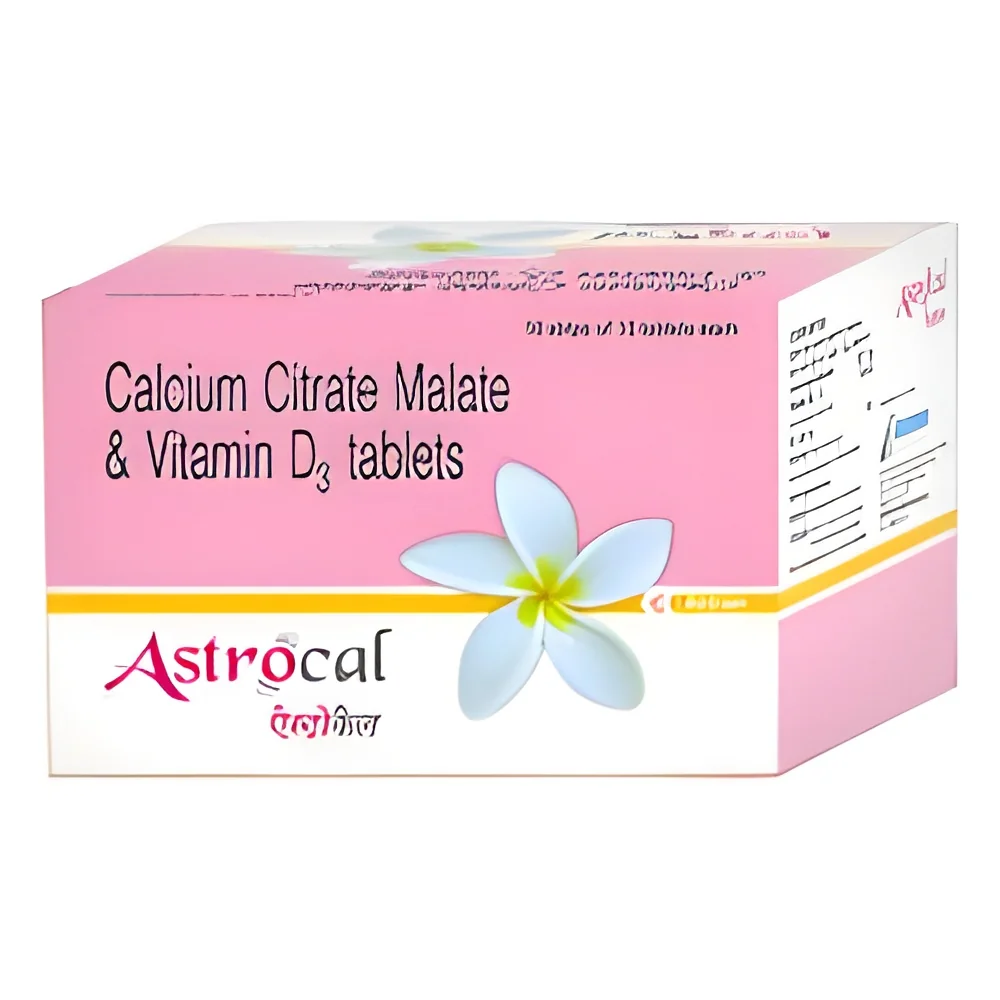
1. Pharmaceuticals: GMP compliance is crucial for pharmaceutical companies to ensure the safety and efficacy of their drugs. It covers everything from raw material sourcing to final product packaging.
2. Food and Beverage: In the food industry, GMP certification helps prevent contamination and ensures that products are safe for consumption. It applies to processing plants, packaging, and storage facilities.
3. Cosmetics: Cosmetic manufacturers must adhere to GMP guidelines to ensure that their products are safe for consumers. This includes quality checks during production and stringent labeling requirements.
4. Medical Devices: Companies producing medical devices must comply with GMP to ensure that their products meet safety standards and perform as intended.
5. Nutraceuticals: The dietary supplement industry relies on GMP certification to ensure the quality and safety of supplements, protecting consumers from harmful ingredients.
6. Biologics: Biopharmaceutical companies engaging in the production of biologics must follow GMP guidelines to ensure the integrity and safety of their products.
7. Veterinary Products: GMP compliance is essential in the production of veterinary medicines, ensuring safety and efficacy for animal health products.
Product Variants and Subcategories
GMP Compliance Certification can vary based on industry needs and specific applications. Although there are no specific subcategories available, different sectors may emphasize different aspects of GMP compliance.
Variant 1: Pharmaceutical GMP Certification
This variant focuses on stringent regulations specific to the pharmaceutical industry. It includes requirements for clinical trials, manufacturing practices, and quality control measures to ensure drug safety and efficacy.
Variant 2: Food GMP Certification
Food GMP Certification emphasizes practices that ensure food safety, including proper handling, processing, and storage. This variant is crucial for companies in the food and beverage sector to meet regulatory standards.
Variant 3: Cosmetic GMP Certification
This certification variant is tailored for cosmetic manufacturers, focusing on safety protocols, ingredient sourcing, and consumer protection measures to ensure product quality.
Variant 4: Medical Device GMP Certification
This variant addresses the specific needs of medical device manufacturers, ensuring that devices are designed, manufactured, and tested in compliance with safety regulations.
Benefits and Advantages
GMP Compliance Certification offers numerous advantages to businesses seeking to improve their manufacturing processes and product quality.
Key benefits include:
1. Enhanced Product Quality: GMP certification helps ensure that products meet high-quality standards, reducing defects and improving customer satisfaction.
2. Regulatory Compliance: Achieving GMP compliance aids companies in meeting regulatory requirements, minimizing the risk of fines and penalties.
3. Increased Market Access: Many global markets require GMP certification to enter, providing companies with broader opportunities for business expansion.
4. Improved Operational Efficiency: Implementing GMP practices can streamline processes, reduce waste, and enhance overall productivity.
5. Consumer Trust: GMP certification demonstrates a commitment to quality, fostering trust among consumers and enhancing brand reputation.
6. Risk Management: By adhering to GMP standards, companies can better identify and mitigate risks associated with product safety and quality.
Buying Guide for B2B Buyers
When sourcing GMP Compliance Certification, B2B buyers should consider several key factors to ensure they select the right certification for their needs.
1. Quality Assessment: Buyers should evaluate the quality criteria set forth by the certifying body. This includes understanding the specific requirements for their industry and ensuring that the certification aligns with their operational practices.
2. Supplier Verification: It is essential to vet suppliers providing GMP certification. This can include checking their credentials, past certifications, and customer reviews to ensure reliability.
3. Pricing and MOQ: Buyers should inquire about the cost of certification and any minimum order quantities. Understanding pricing structures will help in budgeting appropriately.
4. Delivery and Lead Times: Knowing the expected lead times for obtaining certification is crucial for operational planning. Buyers should confirm timelines with certifying bodies to avoid delays.
5. Compliance Requirements: Buyers must be aware of the regulatory needs in their specific industry and region. Ensuring that the certification meets these requirements is paramount for market access.
Compliance and Certifications
GMP Compliance Certification is closely tied to various quality standards and industry certifications that help ensure product safety and efficacy. Relevant standards include ISO 9001, which focuses on quality management systems, and HACCP (Hazard Analysis and Critical Control Points), which is critical for food safety management. Additionally, GDP (Good Distribution Practices) ensures that products are consistently stored and transported under appropriate conditions.
Industry certifications, such as CE marking, indicate compliance with European safety standards, particularly for medical devices and certain consumer products. Compliance with safety and testing requirements is also vital, as many industries require rigorous testing of products to prevent hazards.
Furthermore, regional compliance considerations must be taken into account. Different countries and regions may have unique regulatory requirements that companies must adhere to when seeking GMP certification. Understanding these nuances is crucial for successful market entry and product distribution.
Why Source GMP Compliance Certification from Pepagora?
Pepagora provides a trusted platform for sourcing GMP Compliance Certification, offering several key advantages to B2B buyers.
Verified Supplier Network: Pepagora connects buyers with a verified network of suppliers who have proven track records in providing GMP certifications. This ensures reliability and quality in the certification process.
Streamlined RFQ Process: The platform features a streamlined request for quotation (RFQ) process, making it easy for buyers to obtain multiple quotes from certified suppliers. This transparency helps in making informed purchasing decisions.
Trade Assurance and Support: Pepagora offers trade assurance, providing protection for buyers throughout the procurement process. This includes support in case of disputes or issues related to certification.
Regional Coverage: Pepagora has a wide geographic reach, covering markets in India, the GCC, and Southeast Asia. This allows buyers to access GMP compliance certification that meets local and international standards, facilitating smoother market entry and compliance.

 IN
IN