
 IN
INChemical Regulatory Compliance Audits
2 products available
What are Chemical Regulatory Compliance Audits?
Chemical Regulatory Compliance Audits are systematic evaluations conducted to ensure that a business adheres to applicable chemical regulations and standards. These audits assess the processes, documentation, and practices related to the handling, storage, and disposal of chemicals. They are crucial for identifying any compliance gaps and providing recommendations for improvements.
The primary uses of Chemical Regulatory Compliance Audits include risk management, regulatory compliance, and operational efficiency. Businesses in various sectors, such as manufacturing, pharmaceuticals, and agriculture, utilize these audits to align their practices with local and international regulations. This proactive approach not only safeguards the environment but also protects the health and safety of employees and consumers.
In the current market context, the demand for Chemical Regulatory Compliance Audits is growing due to increasing regulatory scrutiny and the rising importance of sustainability. Companies are compelled to maintain compliance with evolving regulations, making these audits a vital part of corporate governance and risk mitigation strategies.
Key Features and Specifications
Chemical Regulatory Compliance Audits offer a range of features and specifications designed to facilitate thorough evaluations. These audits are typically tailored to meet the unique needs of various industries, ensuring comprehensive coverage of regulatory requirements.
Key specifications include:
1. Comprehensive Documentation Review
- Evaluates all relevant documentation related to chemical handling and compliance
- Assesses policies, procedures, and training records
2. On-Site Inspections
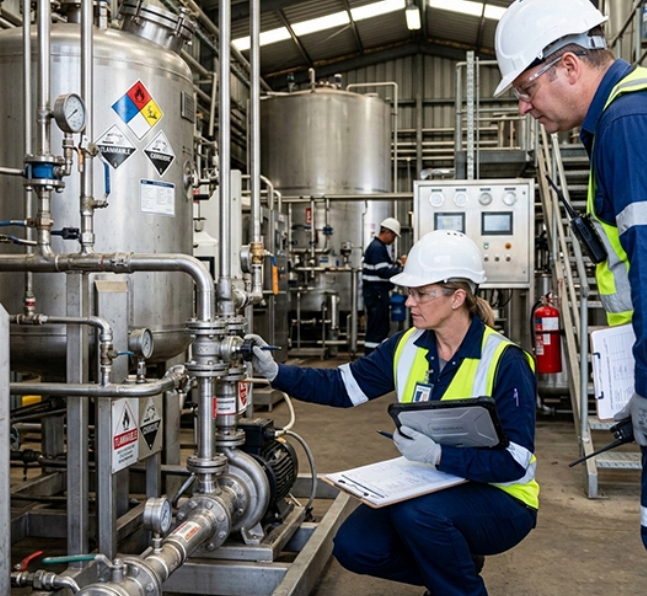
- Conducts physical inspections of facilities and processes
- Identifies potential hazards and compliance gaps
3. Risk Assessment
- Analyzes potential risks associated with chemical use and storage
- Provides a risk mitigation plan based on findings
4. Compliance Reporting
- Generates detailed reports outlining compliance status and recommendations
- Offers a clear action plan for addressing identified issues
5. Regulatory Updates
- Includes updates on relevant regulatory changes and best practices
- Ensures ongoing compliance with evolving standards
6. Training and Support
- Provides training for staff on compliance requirements and best practices
- Offers ongoing support to maintain compliance standards
In summary, Chemical Regulatory Compliance Audits are essential for ensuring that businesses meet regulatory requirements while promoting safety and sustainability.
Common Applications and Use Cases
Chemical Regulatory Compliance Audits are applicable across various industries, helping organizations adhere to strict regulatory standards.
1. Manufacturing: In manufacturing, these audits ensure that chemical processes comply with safety and environmental regulations. They help identify practices that may lead to hazardous incidents.
2. Pharmaceuticals: In the pharmaceutical industry, compliance audits verify that chemical substances are handled according to stringent health regulations. This helps maintain product safety and efficacy.
3. Agriculture: Agricultural businesses use these audits to ensure that chemicals, such as pesticides and fertilizers, are applied in accordance with legal requirements, protecting both the environment and consumer health.
4. Construction: In construction, compliance audits assess the use of chemicals in building materials and processes, ensuring they meet safety and environmental standards.
5. Food and Beverage: The food and beverage industry relies on compliance audits to ensure that chemicals used in processing and packaging meet health regulations and do not contaminate products.
Benefits and Advantages
Chemical Regulatory Compliance Audits offer several key benefits for businesses seeking to enhance their operations and ensure compliance.
1. Enhanced Safety: Regular audits help identify and mitigate potential hazards, improving workplace safety for employees.
2. Regulatory Compliance: These audits ensure that businesses meet all relevant regulations, reducing the risk of legal penalties and fines.
3. Improved Operational Efficiency: By identifying compliance gaps, businesses can streamline their processes, leading to increased efficiency and reduced costs.
4. Risk Management: Audits provide a thorough risk assessment, helping businesses proactively address potential issues before they escalate.
5. Brand Reputation: Maintaining compliance enhances a company's reputation, fostering trust among customers and stakeholders.
6. Environmental Protection: Compliance audits promote sustainable practices, contributing to environmental preservation and corporate social responsibility.
Buying Guide for B2B Buyers
When sourcing Chemical Regulatory Compliance Audits, it is essential to consider several key factors that will ensure effective evaluations.
1. Quality Assessment: Look for auditors with a proven track record and certifications. Review their methodologies to ensure they align with industry best practices.
2. Supplier Verification: Vet potential audit providers by checking their credentials, references, and industry experience. This ensures that you are working with qualified professionals.
3. Pricing and MOQ: Understand the cost structure and any minimum order quantities involved. Compare pricing among different providers to find a balance between quality and affordability.
4. Delivery and Lead Times: Inquire about the timeline for completing the audits. Ensure that the provider can meet your scheduling needs without compromising quality.
5. Compliance Requirements: Clarify the specific regulations that the audit will address. This ensures that the audit aligns with your business's regulatory obligations.
Compliance and Certifications
Compliance and certifications are critical components of Chemical Regulatory Compliance Audits. Various quality standards apply, including ISO 9001, which emphasizes quality management systems, and HACCP, which focuses on food safety. Additionally, certifications like UL and CE are essential for demonstrating compliance with safety and regulatory requirements.
Auditors must adhere to safety and testing requirements that ensure the integrity of the compliance process. Regional compliance considerations, such as local laws and regulations, are also vital. This ensures that audits are relevant and comprehensive, reflecting the specific needs of the industry and geographical area.
Why Source Chemical Regulatory Compliance Audits from Pepagora?
Pepagora provides a trusted platform for sourcing Chemical Regulatory Compliance Audits, offering several key advantages to businesses.
Verified Supplier Network: Pepagora ensures that all suppliers in their network are thoroughly vetted, providing buyers with confidence in the quality and reliability of services offered.
Streamlined RFQ Process: The quotation system simplifies the process of obtaining bids from multiple suppliers, allowing buyers to compare options quickly and efficiently.
Trade Assurance and Support: Pepagora offers buyer protection through trade assurance, ensuring that businesses receive the services as promised and addressing any issues that may arise.
Regional Coverage: Pepagora has a broad geographic reach, servicing markets across India, the GCC, and Southeast Asia. This enables companies to access compliance audits tailored to their specific regional needs and regulations.


Frequently Asked Questions
What are Chemical Regulatory Compliance Audits?
Chemical Regulatory Compliance Audits are systematic evaluations conducted to ensure that a company's chemical products and processes adhere to established regulations and standards. These audits assess compliance with local, national, and international laws governing the production, handling, and distribution of chemicals.
What are the different types of Chemical Regulatory Compliance Audits?
There are several types of Chemical Regulatory Compliance Audits, including internal audits, third-party audits, and regulatory agency inspections. Each type serves a specific purpose, such as assessing internal compliance practices or verifying adherence to regulatory requirements imposed by governmental bodies.
How do I choose the right Chemical Regulatory Compliance Audits?
Choosing the right Chemical Regulatory Compliance Audit involves evaluating the scope of your operations, the specific regulations applicable to your industry, and the expertise of the auditing firm. It is essential to select auditors with a strong track record in chemical compliance and knowledge of relevant regulations.
What are the standard specifications for Chemical Regulatory Compliance Audits?
Standard specifications for Chemical Regulatory Compliance Audits typically include adherence to ISO standards, local regulatory requirements, and industry best practices. Audits should be conducted by qualified professionals who can provide comprehensive reports detailing compliance status and areas for improvement.
What is the price range for Chemical Regulatory Compliance Audits?
The price range for Chemical Regulatory Compliance Audits can vary widely depending on factors such as the size of the company, the complexity of operations, and the scope of the audit. Typically, costs can range from a few thousand to several lakhs of Indian Rupees.
What quality standards apply to Chemical Regulatory Compliance Audits?
Quality standards for Chemical Regulatory Compliance Audits often include ISO 9001 for quality management systems and ISO 14001 for environmental management. These standards ensure that audits are conducted systematically and effectively, leading to reliable compliance assessments.
Where can I find Chemical Regulatory Compliance Audits suppliers in India?
You can find Chemical Regulatory Compliance Audits suppliers in India through various online B2B marketplaces, industry directories, and professional associations. Websites like Pepagora.com provide a platform to connect with experienced audit firms and service providers in this field.
Can Chemical Regulatory Compliance Audits be customized?
Yes, Chemical Regulatory Compliance Audits can be customized to meet the specific needs of a business. Customization may include focusing on particular regulations, industry practices, or specific operational areas that require closer scrutiny.
What is the typical minimum order quantity for Chemical Regulatory Compliance Audits?
The typical minimum order quantity for Chemical Regulatory Compliance Audits can vary based on the auditing firm and the scope of the audit. Many firms do not have a strict MOQ, but it is advisable to discuss your needs directly with the service provider to determine specific requirements.
What is the typical lead time for Chemical Regulatory Compliance Audits?
The typical lead time for Chemical Regulatory Compliance Audits can range from a few weeks to several months, depending on the complexity of the audit and the availability of required documentation. Early planning and coordination with the auditing firm can help streamline the process.
Why Businesses Trust Pepagora
Thousands of companies trust Pepagora to source smarter and sell faster
Expand Your Sales Globally

Source Smarter,Grow Faster
