IN
IN₹
Apparel & Fashion
Description
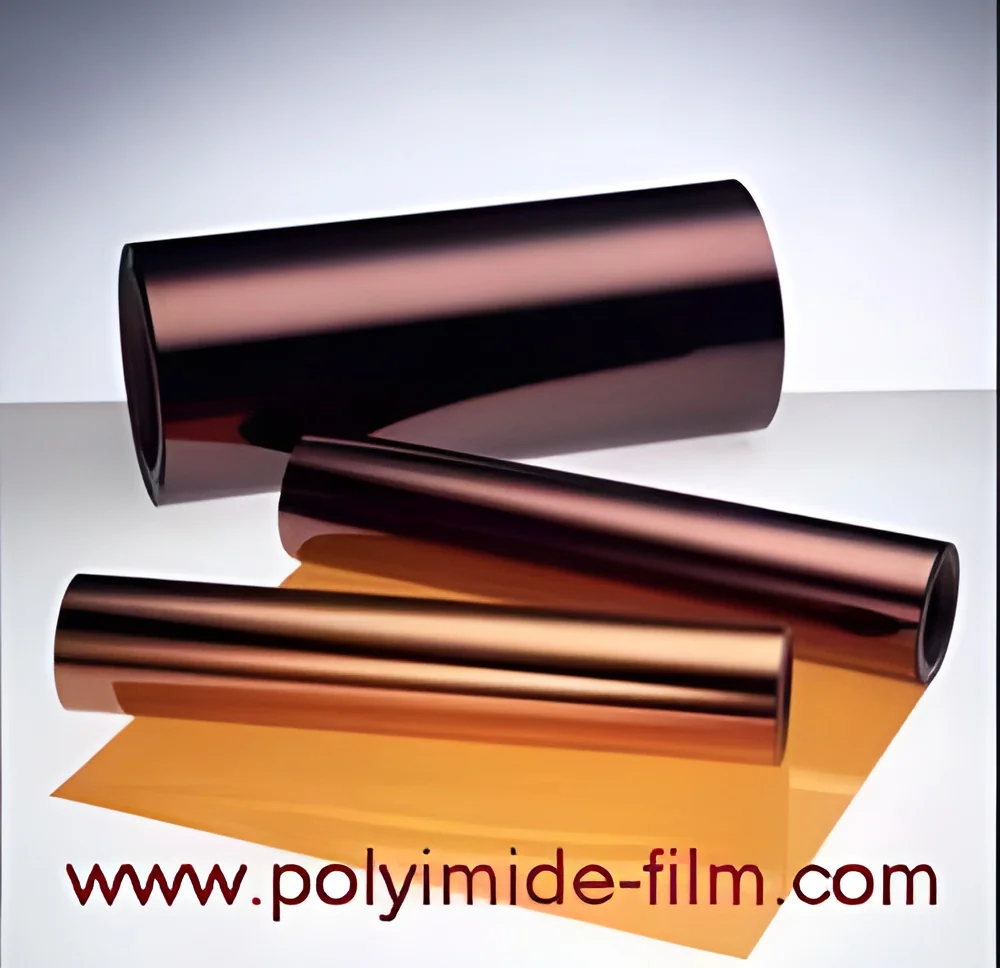
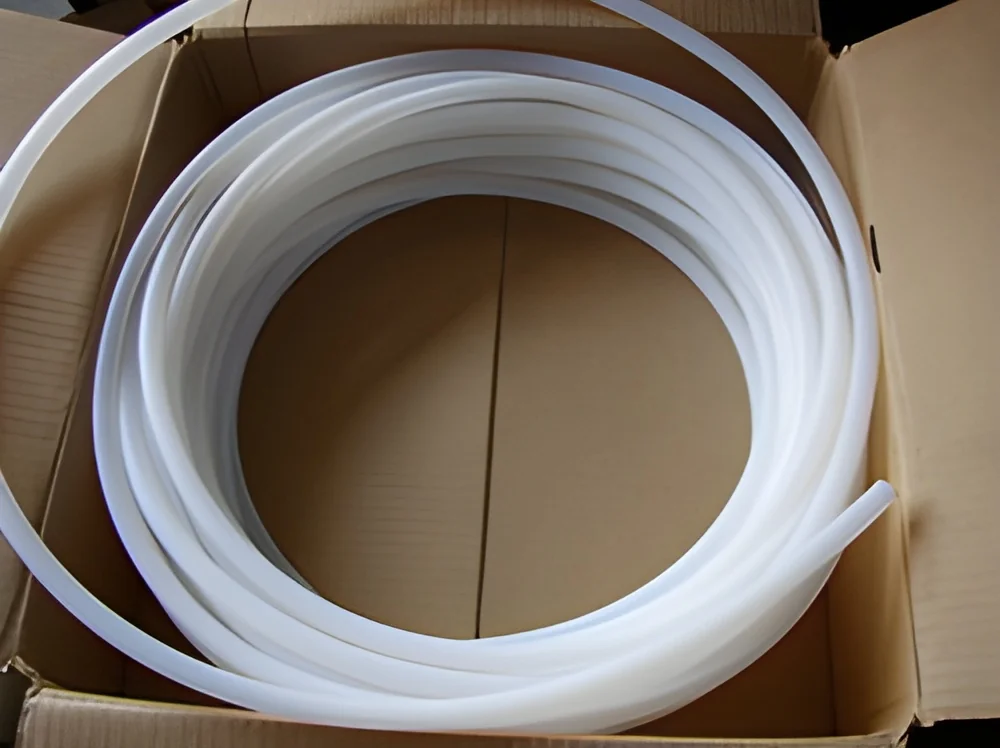
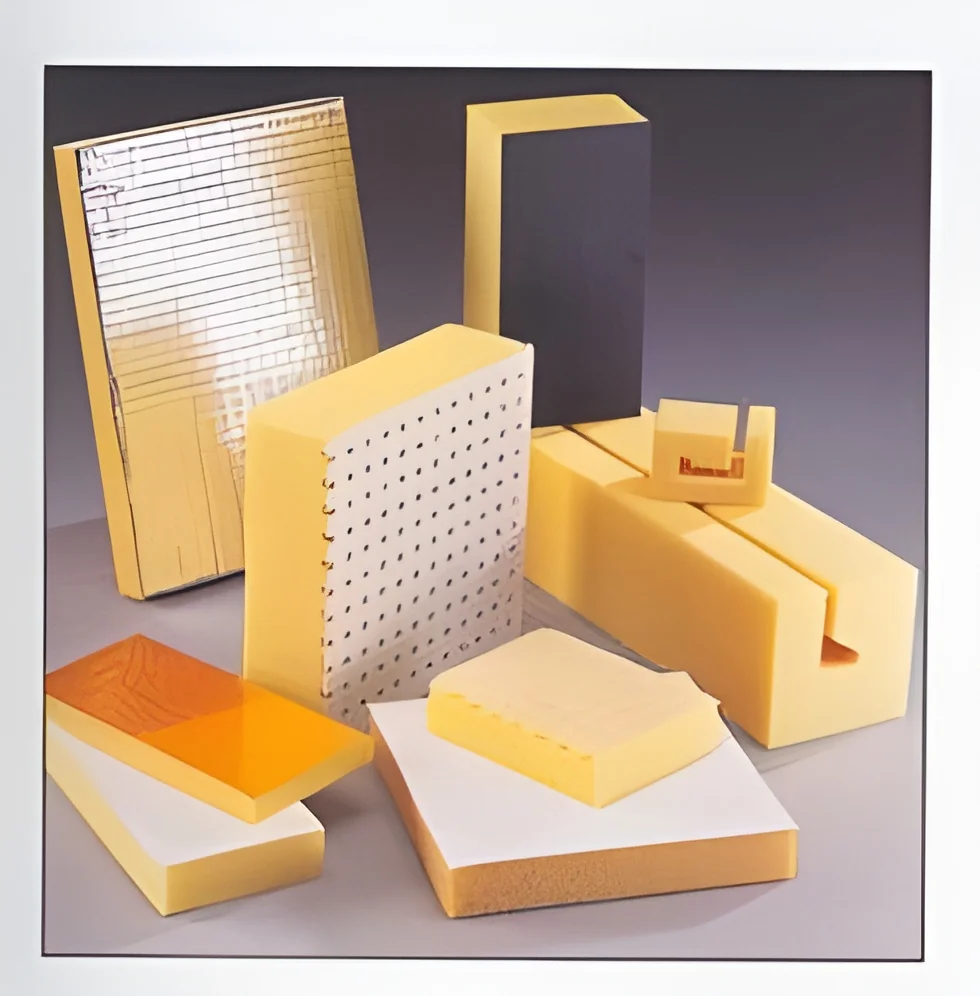
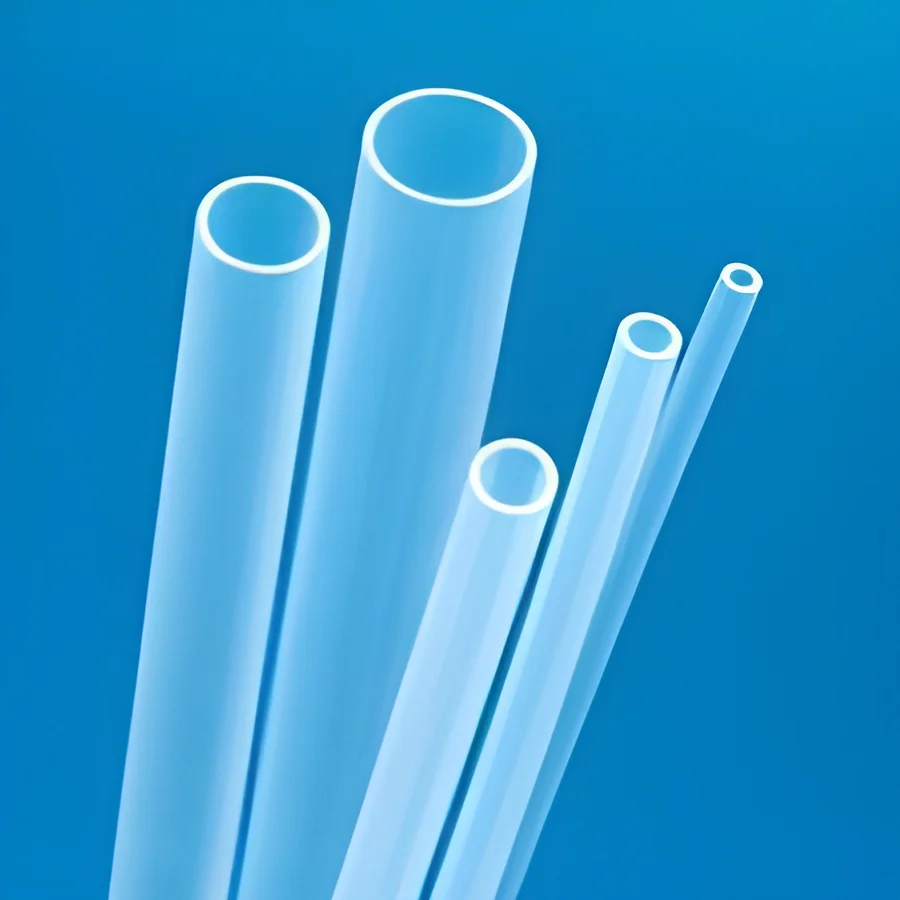
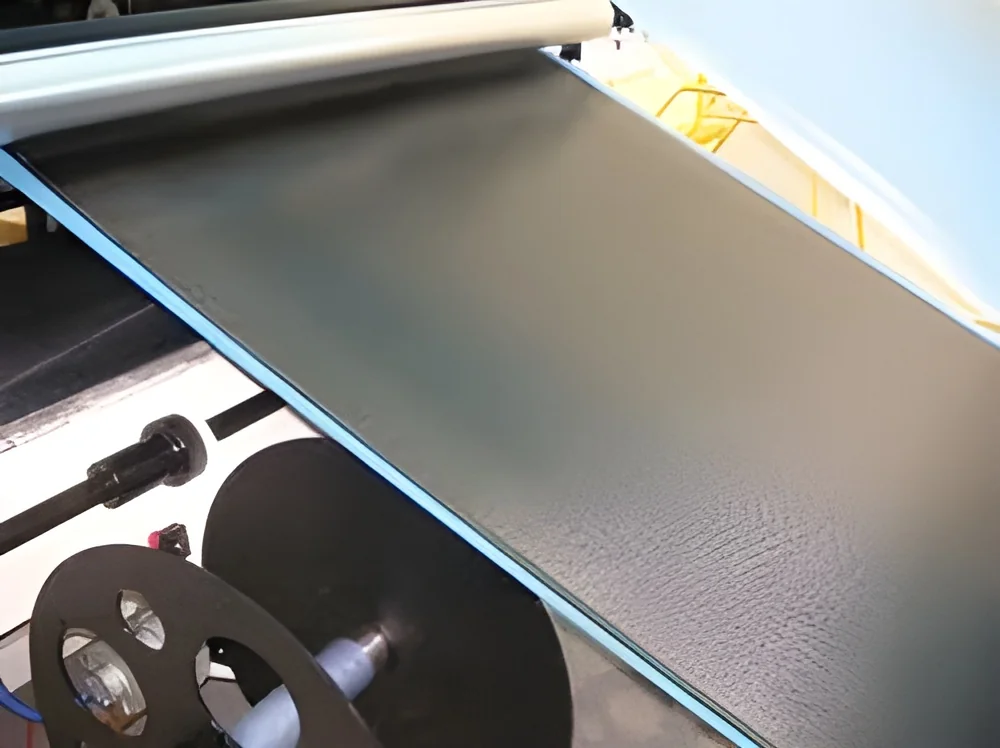
Industrial Polyimides represent the pinnacle of high-performance polymer engineering, specifically formulated to withstand the most demanding industrial environments. These advanced materials combine exceptional thermal stability with outstanding mechanical strength and chemical resistance, maintaining structural integrity across extreme temperature ranges from cryogenic conditions to over 500°C. Their unique molecular architecture provides excellent dielectric properties, low thermal expansion, and remarkable dimensional stability under thermal cycling. Available in various forms including films, resins, fibers, and composite materials, polyimides offer unparalleled design flexibility for engineers developing reliable solutions for challenging technical applications where conventional materials fail.

Multiple industries depend on polyimides for their superior performance characteristics in mission-critical applications. The aerospace sector utilizes these materials extensively for th...
Industrial Polyimides represent the pinnacle of high-performance polymer engineering, specifically formulated to withstand the most demanding industrial environments. These advanced materials combine exceptional thermal stability with outstanding mechanical strength and chemical resistance, maintaining structural integrity across extreme temperature ranges from cryogenic conditions to over 500°C. Their unique molecular architecture provides excellent dielectric properties, low thermal expansion, and remarkable dimensional stability under thermal cycling. Available in various forms including films, resins, fibers, and composite materials, polyimides offer unparalleled design flexibility for engineers developing reliable solutions for challenging technical applications where conventional materials fail.

Multiple industries depend on polyimides for their superior performance characteristics in mission-critical applications. The aerospace sector utilizes these materials extensively for thermal protection systems, structural components, and electrical insulation in aircraft and spacecraft due to their radiation resistance and low outgassing properties. Electronics manufacturers incorporate polyimides in flexible printed circuits, chip packaging, and insulation layers because of their excellent dielectric properties and thermal stability. Automotive engineers specify polyimide components for under-hood applications, sensors, and electrical systems requiring high-temperature endurance. The medical field benefits from their biocompatibility in implantable devices and sterilization compatibility. Industrial applications include high-temperature filtration, seals, bearings, and electrical insulation across energy generation, manufacturing equipment, and chemical processing facilities.

Businesses implementing polyimides gain significant operational advantages through enhanced reliability and reduced lifecycle costs. These materials deliver extended service life even in the most demanding conditions, minimizing downtime and replacement expenses while ensuring consistent performance. Their exceptional material consistency reduces manufacturing defects and improves product quality across production batches. The material's versatility across multiple industries provides supply chain stability and consistent availability from qualified manufacturers. Companies benefit from technical expertise in material selection and application engineering, ensuring optimal performance and maximum return on investment for specialized industrial applications requiring uncompromising material performance.

Key Features:
- Exceptional thermal stability maintaining performance from -269°C to over 500°C without degradation
- Outstanding chemical resistance against solvents, acids, hydrocarbons, and aggressive industrial chemicals
- Superior mechanical strength with high tensile strength, flexural modulus, and impact resistance
- Excellent dielectric properties with high insulation resistance, breakdown voltage, and arc resistance
- Low thermal expansion coefficient ensuring dimensional stability across wide temperature ranges

Benefits:
- Extended component lifespan and reduced maintenance costs in extreme operating environments
- Enhanced reliability and safety in mission-critical aerospace and electronics applications
- Consistent performance across temperature extremes ensuring operational continuity
- Design flexibility for engineers developing solutions for challenging technical requirements
- Proven material performance backed by extensive industrial testing and validation
Specifications
| Additional Information | |
|---|---|
| Country of Origin | India |
Application
Industrial polyimides are engineered for extreme environments where failure is not an option. Their unique molecular structure provides unmatched thermal stability, maintaining integrity from cryogenic temperatures to over 500°C. This makes them essential for applications requiring consistent performance under severe thermal cycling and harsh chemical exposure. Their excellent dielectric properties and mechanical strength ensure reliability in the most demanding operational conditions across multiple high-tech industries.
Manufacturers select polyimides for their versatility and proven performance in mission-critical applications. These advanced polymers offer superior chemical resistance against aggressive solvents, acids, and hydrocarbons while maintaining dimensional stability. Their low outgassing properties and radiation resistance make them suitable for cleanroom and vacuum environments. Available in various forms including films, resins, and composites, polyimides provide design engineers with flexible solutions for challenging technical requirements across aerospace, electronics, and industrial manufacturing sectors.
- Electrical insulation layers and slot liners in high-performance motors, generators, and aerospace power systems
- Flexible printed circuit boards, chip carriers, and semiconductor manufacturing equipment components
- Thermal protection systems, structural components, and insulation in aircraft, spacecraft, and satellite applications
- High-temperature filtration membranes, seals, and bearings for chemical processing and industrial equipment
- Medical device components including implantable devices and equipment requiring repeated sterilization cycles
Trade Details
| Available Stock | In Stock |
| Sample Availability | No |
Payment Terms
| Payment Terms |
|
Company Profile
Arizona Tech- Zeal, Maharashtra
 Maharashtra, India
Maharashtra, IndiaIndustrial Equipment & Machinery•Trading Company•Distributor / Wholesaler•Importer / Exporter
Factory Details
Factory SizeBelow 1000 sqm
Annual Production Capacity0
Industrial Polyimides High Thermal Stability Chemical Resistance Mechanical Strength
Industrial Polyimides offer high thermal stability, chemical resistance, and mechanical strength for demanding aerospace, electronics, and automotive applications. These high-performance polymers provide reliable solutions for extreme environments.
Min. Order Quantity: 1 unit
Shipping
Shipping fee and delivery date to be negotiated. Contact supplier now for more details.
Arizona Tech- Zeal
 Maharashtra, India
Maharashtra, IndiaIndustrial Equipment & MachineryTrading Company