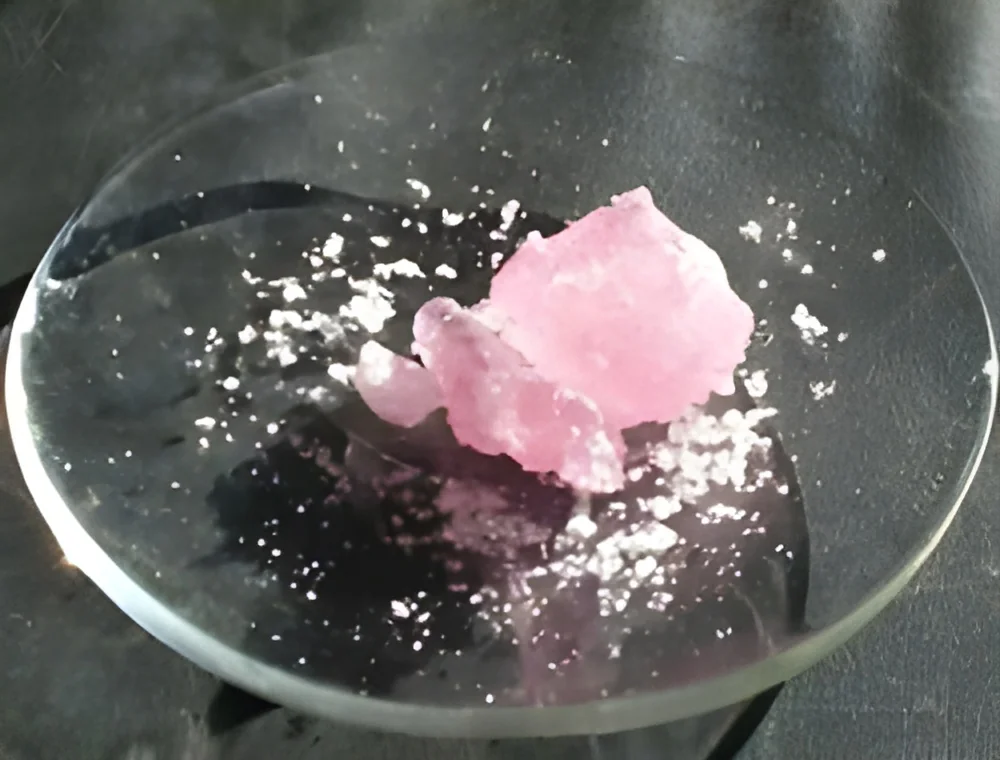
What are Waste Water Chemical Testing?
Waste Water Chemical Testing refers to the analysis of wastewater to determine its chemical composition and the presence of contaminants. It involves various testing methods designed to identify harmful substances, assess water quality, and ensure compliance with environmental regulations. By evaluating parameters such as pH, heavy metals, and organic compounds, these tests provide essential data for managing wastewater effectively.
The primary uses of waste water chemical testing include monitoring and treating water before its release into the environment. Industries such as manufacturing, agriculture, and municipal services rely on these tests to ensure that their wastewater meets legal standards. Additionally, businesses use this data to enhance their treatment processes, reduce pollution, and maintain operational efficiency.
In today's market, waste water chemical testing is increasingly relevant due to growing environmental concerns and stricter regulations. Companies are under pressure to demonstrate their commitment to sustainable practices. The demand for accurate and reliable testing solutions is escalating as industries seek to minimize their ecological footprint and comply with local and international standards.
Key Features and Specifications
Waste Water Chemical Testing offers a range of features that enhance its effectiveness and reliability. These specifications ensure that the testing process is thorough and meets industry standards.
Key specifications include:
1. Testing Parameters
- Commonly tested parameters include pH, dissolved oxygen, total dissolved solids, and biochemical oxygen demand.
- These parameters help assess the overall quality of wastewater.
2. Detection Limits
- Detection limits indicate the lowest concentration of a substance that can be reliably detected.
- These can vary based on the specific contaminant and testing method used.
3. Sample Volume
- The typical sample volume required for testing ranges from 100 milliliters to several liters, depending on the analysis.
- Adequate sample size ensures accurate results.
4. Turnaround Time
- The time taken to complete tests can vary from a few hours to several days based on the complexity of the analysis.
- Quick turnaround times are critical for timely decision-making.
5. Calibration Standards
- Calibration against known standards is essential to ensure measurement accuracy.
- Regular calibration helps maintain consistency across tests.
6. Reporting Format
- Results are typically provided in a detailed report that includes quantitative data, graphs, and compliance status.
- Clear reporting aids in understanding and decision-making.
7. Equipment Compatibility
- Many tests can be performed using standard laboratory equipment, while some may require specialized instruments.
- Compatibility ensures flexibility in testing options.
8. Compliance with Regulations
- Testing methods adhere to local and international environmental regulations.
- Compliance is crucial for businesses to avoid legal issues.
In summary, waste water chemical testing is characterized by its diverse parameters and stringent specifications, ensuring accurate and reliable results for effective wastewater management.
Common Applications and Use Cases
Waste Water Chemical Testing is utilized across a variety of industries, each with specific needs and applications.
1. Manufacturing: In manufacturing settings, testing is essential for ensuring that wastewater meets discharge standards. It helps identify contaminants that could harm the environment or machinery.
2. Agriculture: Agricultural operations utilize waste water testing to monitor runoff and irrigation water quality. This ensures that harmful chemicals do not affect crops or soil health.
3. Municipal Services: Local governments employ waste water testing in treatment plants to monitor and treat sewage. This is vital for protecting public health and the environment.
4. Food and Beverage: The food and beverage industry conducts waste water testing to ensure that byproducts do not contain hazardous substances, thereby maintaining food safety standards.
5. Mining: Mining operations require waste water testing to manage the discharge of heavy metals and other pollutants, ensuring compliance with environmental regulations.
6. Pharmaceuticals: The pharmaceutical industry tests waste water to prevent contamination from drug manufacturing processes, safeguarding both environmental and public health.
7. Energy: Energy companies, particularly those in fossil fuel extraction, perform waste water testing to monitor the impact of their operations on local water sources.
Product Variants and Subcategories
Waste Water Chemical Testing encompasses a range of product variants designed for specific applications and needs.
Portable Testing Kits: These kits are designed for on-site testing and include all necessary tools and reagents for quick analysis. They are ideal for field studies and emergency situations.
Laboratory Testing Services: Offered by specialized labs, these services provide comprehensive analysis and detailed reporting. They are suitable for industries requiring in-depth testing.
Automated Monitoring Systems: These systems continuously monitor water quality parameters in real-time. They are ideal for facilities needing constant oversight of wastewater conditions.
Benefits and Advantages
The advantages of Waste Water Chemical Testing are significant for businesses aiming for compliance and efficiency.
1. Regulatory Compliance: Regular testing ensures compliance with environmental regulations, helping avoid fines and legal issues.
2. Improved Treatment Processes: Identifying contaminants allows businesses to optimize their wastewater treatment processes, enhancing overall efficiency.
3. Risk Management: Early detection of hazardous substances minimizes risks to public health and the environment.
4. Cost Savings: Effective waste water management can lead to reduced treatment costs and lower operational expenses.
5. Enhanced Reputation: Companies committed to environmental sustainability build a positive brand image, attracting customers and partners.
6. Data-Driven Decisions: Reliable testing data supports informed decision-making, enabling businesses to implement effective strategies.
Buying Guide for B2B Buyers
When sourcing Waste Water Chemical Testing, buyers should consider several key factors to ensure they make informed decisions.
1. Quality Assessment: Look for suppliers that adhere to recognized quality standards to guarantee accurate and reliable testing results. Certifications such as ISO can be indicators of quality.
2. Supplier Verification: Conduct thorough vetting of potential suppliers to ensure they have a solid reputation and can meet your specific testing needs. Check references and past performance.
3. Pricing and MOQ: Understand the pricing structure and minimum order quantities (MOQ) required by suppliers. This helps in budgeting and planning procurement.
4. Delivery and Lead Times: Assess logistics capabilities to ensure timely delivery of testing services or products, which is crucial for maintaining operational efficiency.
5. Compliance Requirements: Be aware of local and international compliance standards that apply to waste water testing, ensuring that your chosen supplier can meet these requirements.
Compliance and Certifications
Compliance and certifications play a critical role in Waste Water Chemical Testing, ensuring that processes and results meet industry standards.
Relevant quality standards such as ISO 9001 ensure that high-quality management systems are in place. These standards guarantee that testing procedures are consistent and reliable.
Industry certifications, like CE, indicate that products meet European safety and regulatory requirements. Compliance with these certifications is essential for international trade and market access.
Safety and testing requirements are crucial to protect both the environment and public health. Regular audits and reviews of testing methods help maintain compliance.
Regional compliance considerations vary by geography. It is important for businesses to understand local regulations and ensure that their waste water testing meets specific regional needs.
Why Source Waste Water Chemical Testing from Pepagora?
Pepagora provides a trusted platform for sourcing Waste Water Chemical Testing with several key advantages.
Verified Supplier Network: Pepagora ensures that all suppliers in its network are thoroughly vetted. This gives buyers confidence in the reliability and quality of the testing services they receive.
Streamlined RFQ Process: The request for quotation (RFQ) system simplifies the procurement process. Buyers can easily compare offers and select the best option that meets their needs.
Trade Assurance and Support: Pepagora offers trade assurance, providing buyers with protection and support throughout the purchasing process. This helps reduce risks associated with international transactions.
Regional Coverage: With a strong presence in India, the GCC, and Southeast Asia, Pepagora offers extensive geographic reach. This allows buyers to access quality testing solutions tailored to their specific regional needs.

 IN
IN