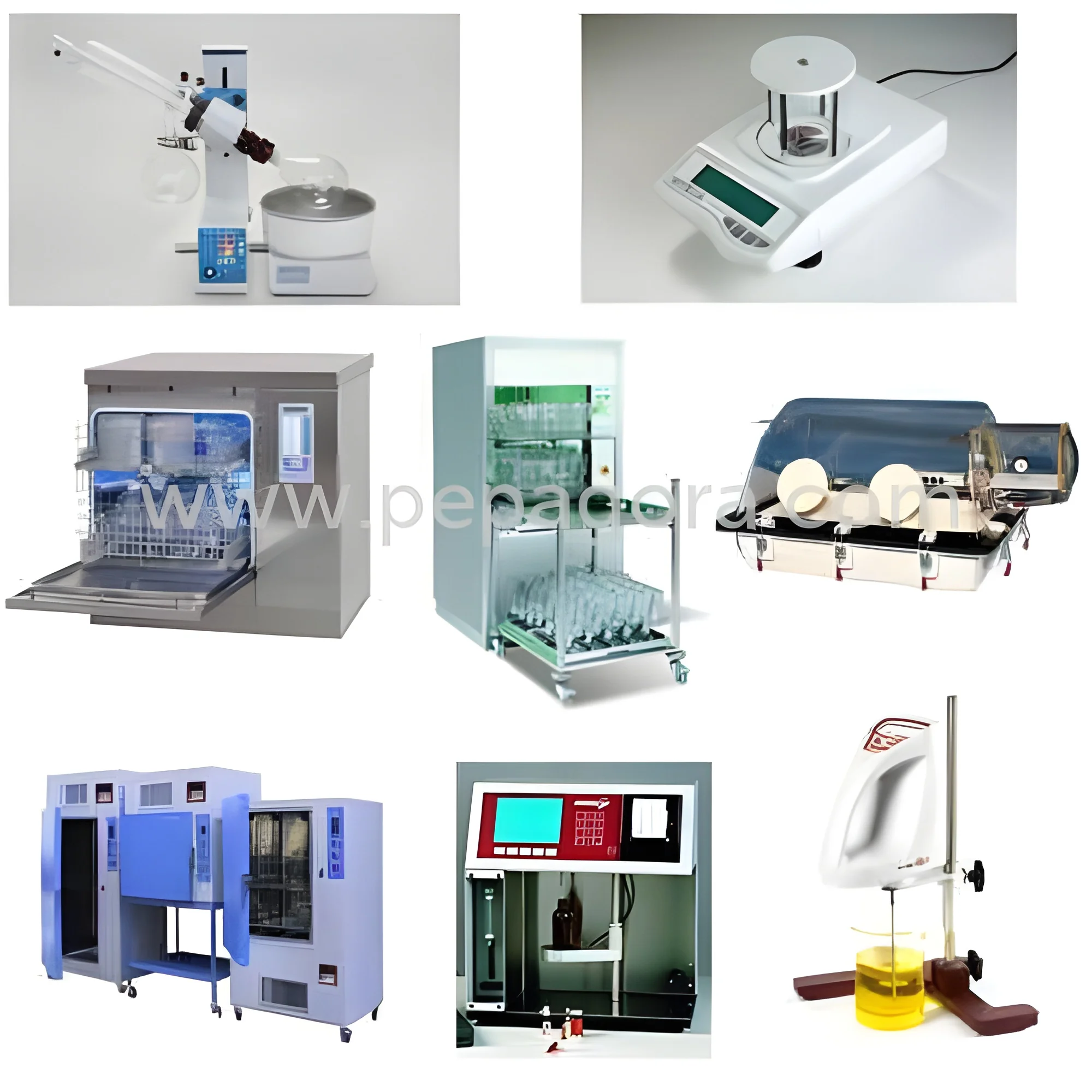
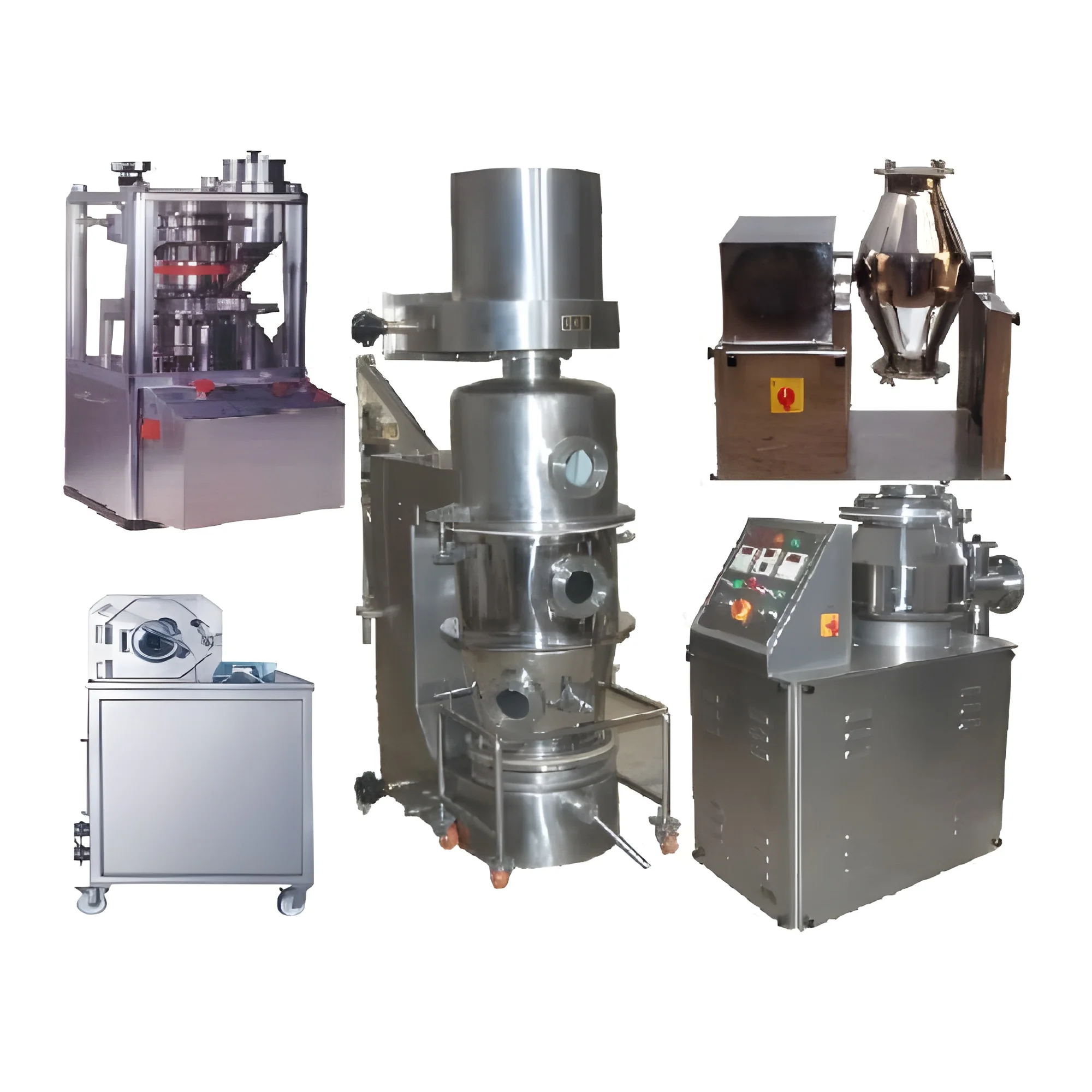
What are Third-Party Lab Testing Services?
Third-party lab testing services refer to the independent evaluation of products or materials by a separate entity, ensuring unbiased results. These services are crucial in various industries, including pharmaceuticals, food and beverage, chemicals, and consumer goods. By utilizing external laboratories, businesses can confirm that their products meet specific regulatory and safety standards before reaching the market.
These services are primarily used for quality assurance, compliance testing, and validation of product performance. Companies often engage third-party labs to conduct testing for contaminants, ingredient verification, and product durability. This helps businesses ensure that their offerings are safe for consumers and adhere to industry regulations. With increasing consumer awareness and stricter regulations, the demand for third-party lab testing services continues to grow across sectors.
In the current market context, as industries face constant scrutiny regarding product safety and quality, third-party lab testing services play a pivotal role in maintaining trust and transparency. The rise of globalization has also led to a broader need for these services, as companies navigate different regulatory environments and seek to ensure their products meet varying international standards.
Key Features and Specifications
Third-party lab testing services come with several key features that enhance their reliability and effectiveness. These features ensure compliance with industry standards and provide businesses with the confidence needed for their products.
Key specifications include:
1. Quality Standards
- Adherence to recognized standards such as ISO 9001 and HACCP.
- Ensure consistent quality and safety across products.
2. Industry Certifications
- Certifications such as CE that validate the lab's capabilities.
- Ensure that testing processes meet regulatory requirements.
3. Testing Methods
- Utilization of advanced methodologies and technologies.
- Includes chemical analysis, microbiological testing, and material testing.
4. Turnaround Time
- Rapid testing turnaround to meet business needs.
- Services often include expedited options for urgent requests.
5. Reporting and Documentation
- Comprehensive test reports detailing methodologies and findings.
- Clear documentation to support compliance claims.
6. Custom Testing Solutions
- Ability to offer tailored testing based on specific client requirements.
- Flexibility to adapt to various product types and industries.
7. State-of-the-Art Facilities
- Labs equipped with modern technology for accurate results.
- Continuous investment in equipment and processes to enhance reliability.
8. Experienced Personnel
- Team of qualified professionals with expertise in various testing fields.
- Ensures high levels of accuracy and adherence to protocols.
In summary, the key features of third-party lab testing services are designed to ensure reliability, compliance, and support for businesses in maintaining product quality and safety.
Common Applications and Use Cases
Third-party lab testing services are utilized across a variety of industries, each with its unique requirements and applications.
1. Pharmaceuticals: Testing is essential for validating the efficacy and safety of drugs. Labs conduct stability studies, potency testing, and contamination checks to ensure compliance with health regulations.
2. Food and Beverage: These services help ensure that products are safe for consumption. Testing includes microbiological analysis, nutritional content verification, and allergen testing.
3. Chemicals: Companies utilize lab testing to analyze chemical properties and ensure compliance with safety regulations. This includes toxicity testing and environmental impact assessments.
4. Consumer Goods: Testing is performed to confirm product safety, durability, and performance. This includes testing toys, electronics, and household items for compliance with safety standards.
5. Construction Materials: Labs test materials to ensure structural integrity and compliance with building codes. This includes testing concrete, metals, and other construction components.
6. Electronics: These services help ensure that electronic products meet safety and performance standards. Testing includes electromagnetic compatibility and safety assessments.
7. Agriculture: Testing is crucial for verifying the quality of agricultural products. This includes soil testing, pesticide residue analysis, and crop safety evaluations.
Product Variants and Subcategories
While third-party lab testing services encompass a broad range of testing capabilities, the diversity within the offerings allows businesses to select services that best suit their needs.
Standard Testing Services
These include routine testing for chemical composition, microbial contamination, and performance validation. They are essential for industries requiring consistent quality checks.
Specialized Testing Services
These services are tailored for specific industries or unique products, such as phytosanitary testing for agricultural products or biocompatibility testing for medical devices. They address niche requirements and regulations.
Benefits and Advantages
Utilizing third-party lab testing services provides numerous advantages for businesses seeking to ensure product quality and compliance.
Key benefits include:
1. Unbiased Results: Third-party labs offer impartial testing, ensuring that results are not influenced by the manufacturer. This fosters trust among consumers and regulatory bodies.
2. Enhanced Compliance: Engaging with accredited labs helps businesses meet regulatory standards, reducing the risk of non-compliance penalties.
3. Risk Mitigation: Regular testing can identify potential issues before products reach the market, minimizing the risk of recalls and associated costs.
4. Market Competitiveness: Products that have been thoroughly tested and certified can gain a competitive edge, as consumers often prefer trusted and verified items.
5. Improved Product Quality: Continuous testing leads to better product development and refinement, enhancing overall quality and performance.
6. Access to Expertise: Third-party labs provide access to specialized knowledge and technology that may not be available in-house, leading to better testing outcomes.
Buying Guide for B2B Buyers
When considering third-party lab testing services, businesses should evaluate several key factors to ensure they choose the right provider.
1. Quality Assessment: Look for labs that adhere to recognized quality standards and have a proven track record of reliability. Research their accreditation and certifications.
2. Supplier Verification: Vet suppliers to ensure they have the necessary expertise and experience in your industry. Request references and case studies to assess their capabilities.
3. Pricing and MOQ: Understand the pricing structure and any minimum order quantities required. Compare costs among different providers to find the best fit for your budget.
4. Delivery and Lead Times: Inquire about the expected turnaround times for testing and reporting. Ensure that the lab can meet your deadlines, especially for urgent projects.
5. Compliance Requirements: Confirm that the lab is familiar with the relevant regulations and standards applicable to your industry. This ensures that testing will meet compliance needs.
Compliance and Certifications
Compliance and certifications are critical aspects of third-party lab testing services. Relevant quality standards such as ISO 9001 ensure that laboratories maintain consistent quality management practices. These standards help in achieving operational excellence and reliability in testing processes.
Additionally, certifications like CE demonstrate that a lab has met specific safety and performance benchmarks, making them credible sources for compliance verification. It is essential for businesses to partner with laboratories that uphold these certifications, as they indicate a commitment to quality and industry best practices.
Safety and testing requirements are also paramount. Labs must adhere to safety protocols in handling materials and conducting tests, ensuring a safe working environment. Furthermore, regional compliance considerations can vary, necessitating that labs are familiar with local regulations to provide accurate testing outcomes and support businesses in meeting their legal obligations.
Why Source Third-Party Lab Testing Services from Pepagora?
Pepagora stands out as a trusted platform for sourcing third-party lab testing services, offering several key advantages to businesses.
Verified Supplier Network: Pepagora connects buyers with a network of verified suppliers who meet stringent quality and compliance standards. This ensures that businesses can trust the labs they engage with for testing.
Streamlined RFQ Process: The platform offers a user-friendly request for quotation (RFQ) process that simplifies sourcing. Businesses can quickly receive quotes from multiple suppliers, facilitating informed decision-making.
Trade Assurance and Support: Pepagora provides trade assurance, protecting buyers throughout the sourcing process. This includes support for any disputes or issues that may arise, giving businesses peace of mind.
Regional Coverage: The platform has a wide geographic reach, covering regions like India, the GCC, and Southeast Asia. This enables businesses to find local suppliers who understand regional regulations and market needs, enhancing the efficiency of the testing process.

 IN
IN