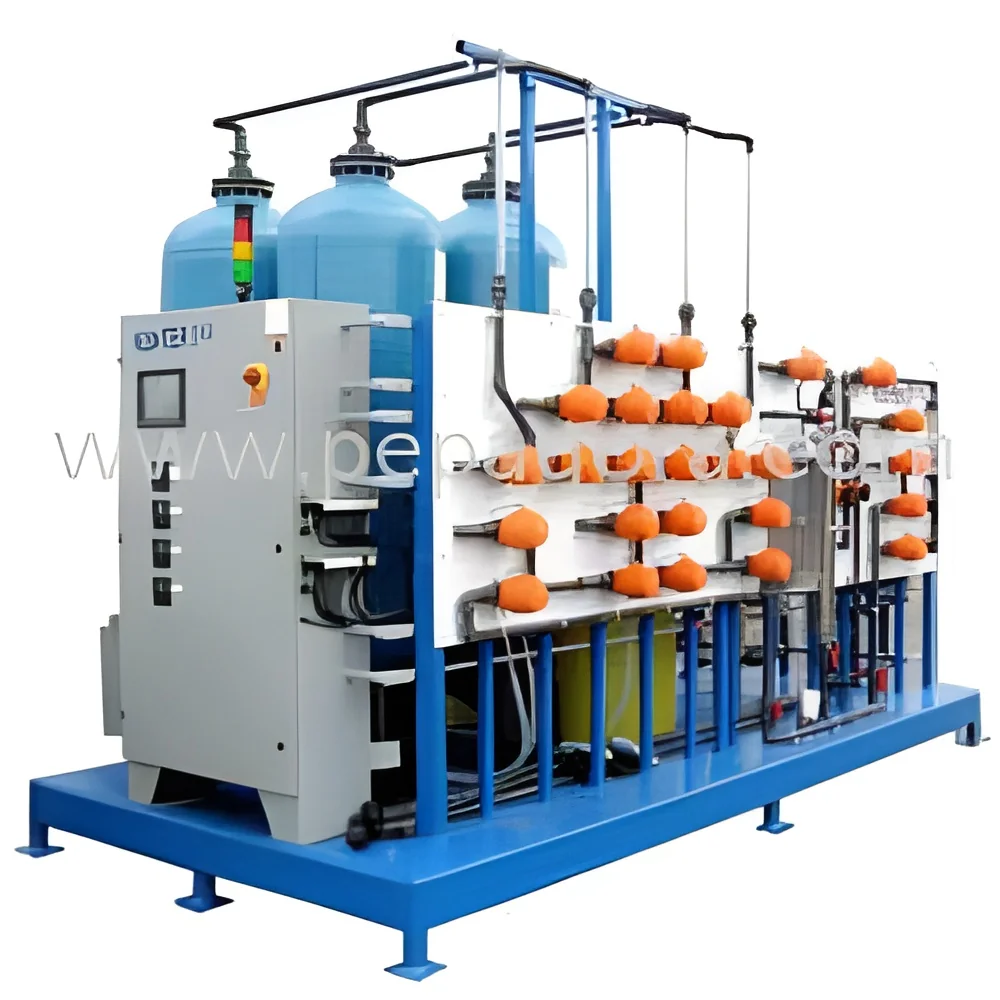
What are Heavy Metal Testing?
Heavy metal testing is a critical process used to identify and quantify the presence of harmful heavy metals in various materials. These metals, which include lead, mercury, cadmium, and arsenic, can pose significant health risks to humans and the environment if not properly managed. Testing typically involves sophisticated analytical techniques that allow for accurate detection and measurement of these toxic elements in samples drawn from a wide range of sources including soil, water, food, and industrial products.
The primary applications of heavy metal testing span multiple sectors, from environmental monitoring to food safety and quality control in manufacturing. Businesses utilize these tests to ensure compliance with environmental regulations, safeguard public health, and maintain product integrity. As industries face increasing scrutiny over safety and sustainability, the relevance of heavy metal testing continues to rise, reflecting a broader market trend towards responsible practices and regulatory compliance.
Key Features and Specifications
Heavy metal testing devices and services come equipped with a variety of features designed to deliver accurate and reliable results. Understanding these specifications is essential for businesses seeking effective solutions for their testing needs.
Key specifications include:
1. Detection Methods
- Utilizes techniques such as Atomic Absorption Spectroscopy (AAS), Inductively Coupled Plasma Mass Spectrometry (ICP-MS), and X-ray Fluorescence (XRF).
- Offers varying sensitivity levels based on the method employed.
2. Sample Types
- Compatible with various sample materials, including liquids, solids, and powders.
- Supports diverse applications, from environmental assessments to product testing.
3. Measurement Range
- Capable of detecting heavy metal concentrations across a broad spectrum, typically from parts per billion (ppb) to parts per million (ppm).
- Ensures compliance with industry standards for acceptable heavy metal levels.
4. Speed of Analysis
- Provides rapid results, with some methods allowing for real-time monitoring.
- Reduces turnaround time for critical testing.
5. Calibration Standards
- Includes built-in calibration protocols to ensure precision and accuracy.
- Complies with relevant quality control measures.
6. User Interface
- Features an intuitive interface for ease of operation.
- Often includes data logging and reporting functions.
7. Portability
- Some testing kits are designed for field use, making them convenient for on-site testing.
- Lightweight and compact design enhances usability.
8. Maintenance Requirements
- Low-maintenance designs that require minimal upkeep for sustained performance.
- Clear guidelines for regular servicing and calibration.
In summary, heavy metal testing combines advanced technology and user-friendly features to meet the rigorous demands of various industries, ensuring both safety and compliance.
Common Applications and Use Cases
Heavy metal testing serves a wide range of industries, addressing specific needs and regulatory demands.
1. Environmental Monitoring: Testing soil and water samples to assess contamination levels and ensure ecological safety.
2. Food Safety: Analyzing food products for heavy metal residues to protect consumer health and comply with safety regulations.
3. Manufacturing: Evaluating raw materials and finished products in industries like electronics, textiles, and construction to ensure they meet quality and safety standards.
4. Mining and Metallurgy: Monitoring waste materials and effluents for heavy metal content to comply with environmental regulations.
5. Pharmaceuticals: Testing medicinal products for toxic metal impurities to ensure patient safety and regulatory compliance.
6. Agriculture: Assessing soil health and crop safety by testing for heavy metals that could affect yield and food quality.
7. Waste Management: Analyzing waste products to identify hazardous substances and facilitate safe disposal.
Product Variants and Subcategories
Heavy metal testing encompasses a variety of product variants, each tailored to specific applications and user needs.
Portable Heavy Metal Test Kit
This variant is designed for field use, allowing users to perform on-site testing quickly and efficiently. Ideal for environmental assessments, it features easy-to-use procedures and immediate result displays.
Laboratory Heavy Metal Analyzer
This high-precision instrument is suited for comprehensive laboratory testing, offering advanced analytical capabilities. It is commonly used in research institutions and quality control labs for detailed analysis.
Handheld XRF Analyzer
This portable device uses X-ray fluorescence technology to provide quick and accurate readings of heavy metal content. It is particularly useful in industrial settings for material verification and compliance testing.
Benefits and Advantages
Investing in heavy metal testing solutions offers numerous advantages for businesses across industries.
1. Enhanced Safety: Regular testing helps identify hazardous metal levels, safeguarding the health of employees and consumers.
2. Regulatory Compliance: Compliance with local and international regulations is facilitated, avoiding potential fines and legal issues.
3. Improved Quality Control: Businesses can ensure the quality of their products by detecting contaminants early in the production process.
4. Environmental Protection: Helps monitor and mitigate environmental pollution, contributing to sustainable practices.
5. Risk Management: Identifying heavy metal risks enables companies to implement effective mitigation strategies, protecting their reputation.
6. Increased Marketability: Products that meet safety and quality standards are more appealing to consumers, enhancing brand reputation and sales potential.
Buying Guide for B2B Buyers
When sourcing heavy metal testing solutions, several factors should be taken into consideration to ensure the right fit for your business needs.
1. Quality Assessment: Look for products that comply with established quality standards. Assessing accuracy, reliability, and the reputation of testing methods is crucial.
2. Supplier Verification: Vet potential suppliers by checking their certifications, customer reviews, and track record in the industry. A reliable supplier will help ensure consistent quality in testing services.
3. Pricing and MOQ: Evaluate pricing structures and minimum order quantities. Understanding the cost implications can help in budget planning and avoid unexpected expenses.
4. Delivery and Lead Times: Consider the expected delivery timelines and logistics involved. Timely delivery is important for maintaining operational efficiency.
5. Compliance Requirements: Be aware of any regulatory requirements that apply to your industry. Ensure that the testing solutions you choose meet these compliance standards.
Compliance and Certifications
Heavy metal testing is governed by various quality standards and certifications that ensure reliability and safety. Compliance with ISO 9001 establishes a framework for quality management systems, ensuring consistent quality in testing processes.
In addition, adherence to HACCP (Hazard Analysis and Critical Control Points) guidelines helps identify and control potential hazards in food-related testing. CE certification indicates that products meet European safety, health, and environmental protection standards.
Safety and testing requirements are crucial in industries like pharmaceuticals and food production, where heavy metal contamination can have serious health implications. Regional compliance considerations may also vary, requiring businesses to stay informed about local regulations and standards.
Why Source Heavy Metal Testing from Pepagora?
Pepagora provides a trusted platform for sourcing heavy metal testing solutions with several key advantages.
Verified Supplier Network: Our extensive network of vetted suppliers ensures that you have access to quality products and services. Each supplier undergoes a thorough verification process to guarantee reliability.
Streamlined RFQ Process: The request for quotation process on Pepagora is designed for efficiency. B2B buyers can easily compare offerings and make informed decisions based on competitive pricing and supplier capabilities.
Trade Assurance and Support: Pepagora offers trade assurance to protect buyers throughout the sourcing process. Our dedicated support team is available to assist with any inquiries or concerns, ensuring a smooth transaction.
Regional Coverage: With a strong presence in India, the GCC, and Southeast Asia, Pepagora connects buyers with local suppliers, facilitating timely and cost-effective solutions tailored to regional needs.

 IN
IN