What are Water Quality Testing?
Water quality testing refers to the processes and methods used to determine the physical, chemical, and biological characteristics of water. These tests assess the suitability of water for various purposes, including drinking, agricultural use, and industrial applications. Accurate water quality testing is essential for meeting health standards and ensuring environmental safety.
The primary uses of water quality testing are evident in multiple sectors, including municipal water supply, wastewater management, agriculture, and industrial processes. Businesses rely on these tests to monitor water sources, ensure compliance with regulations, and protect public health. Industries such as food and beverage, pharmaceuticals, and environmental agencies frequently implement rigorous testing protocols to maintain product quality and safety.
In today’s market, water quality testing is increasingly relevant due to rising concerns over water pollution and the need for sustainable water management practices. As regulations become stricter, the demand for reliable water testing solutions continues to grow. This has led to advancements in technology and a broader range of testing products available for businesses aiming to ensure water safety and compliance.
Key Features and Specifications
Water quality testing products come equipped with various features designed to provide accurate and reliable results. Understanding these specifications is crucial for businesses when selecting the appropriate testing solutions.
Key specifications include:
1. Measurement Range
- Indicates the range of contaminants or parameters that can be tested
- Typically includes pH levels, turbidity, dissolved oxygen, and specific contaminants
2. Accuracy and Precision
- Refers to the reliability of test results
- Many products offer a precision of ±1% for accurate measurements
3. User Interface
- Describes the ease of use of the device
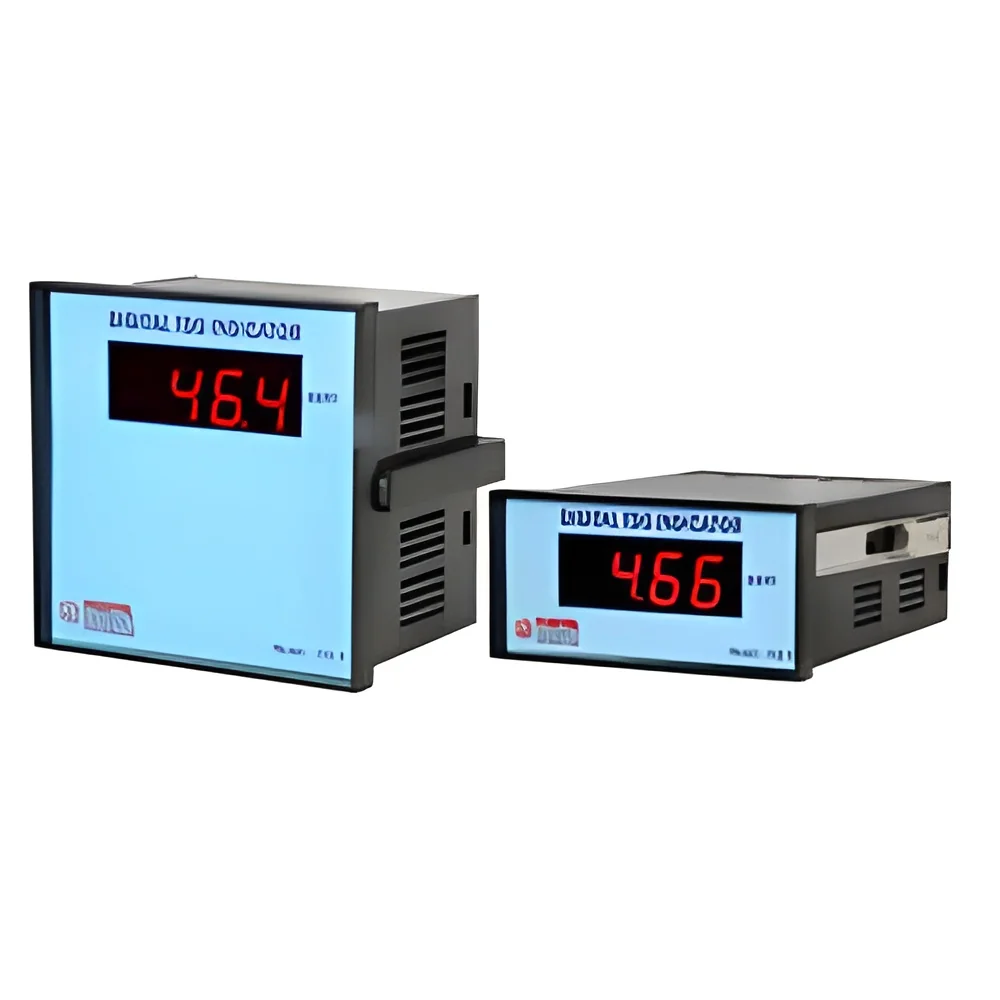
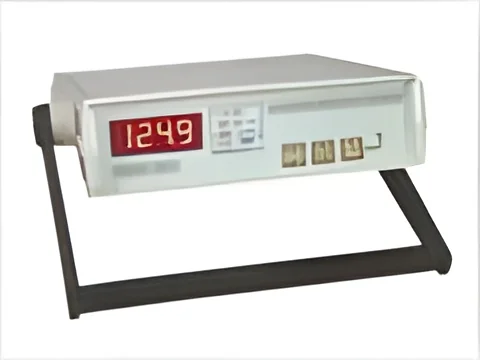
- Many models feature digital displays and intuitive controls for user convenience
4. Portability
- Indicates whether the testing equipment is designed for field use
- Portable units are lightweight and battery-operated for ease of transport
5. Data Logging Capability
- Allows users to record and store test results for future reference
- Some devices can connect to software for advanced data analysis
6. Calibration Requirements
- Outlines the frequency and method for calibrating the equipment
- Regular calibration ensures ongoing accuracy in testing results
7. Sensor Life Expectancy
- Provides information about how long the sensors will function effectively
- Many sensors offer long operational life before requiring replacement
8. Compliance Standards
- Indicates adherence to industry standards and regulations
- Many products meet CE certification for safety and quality assurance
In summary, the features and specifications of water quality testing products play a critical role in ensuring accurate assessments. Businesses must consider these parameters to select the right tools for their specific needs.
Common Applications and Use Cases
Water quality testing is vital across various industries, ensuring safety and compliance with health regulations.
1. Municipal Water Supply: Testing is conducted to monitor drinking water quality, ensuring it meets health standards and is safe for public consumption.
2. Agriculture: Farmers use water quality testing to assess irrigation water, ensuring it is free from harmful contaminants that could affect crops.
3. Food and Beverage: Companies in this industry rely on water quality testing to guarantee that water used in production processes meets stringent safety standards.
4. Environmental Monitoring: Agencies test surface and groundwater to identify pollution levels and protect ecosystems.
5. Industrial Processes: Manufacturers test water used in production to ensure it meets operational requirements and does not compromise product quality.
6. Aquaculture: Fish farms utilize water quality tests to monitor conditions, ensuring a healthy environment for aquatic life.
7. Laboratories: Research facilities conduct extensive water testing to analyze data for scientific studies and environmental assessments.
Product Variants and Subcategories
Water quality testing products come in various forms to cater to different testing requirements. Though there are no specific subcategories available, the diversity in product offerings allows businesses to select the most suitable tools for their applications.
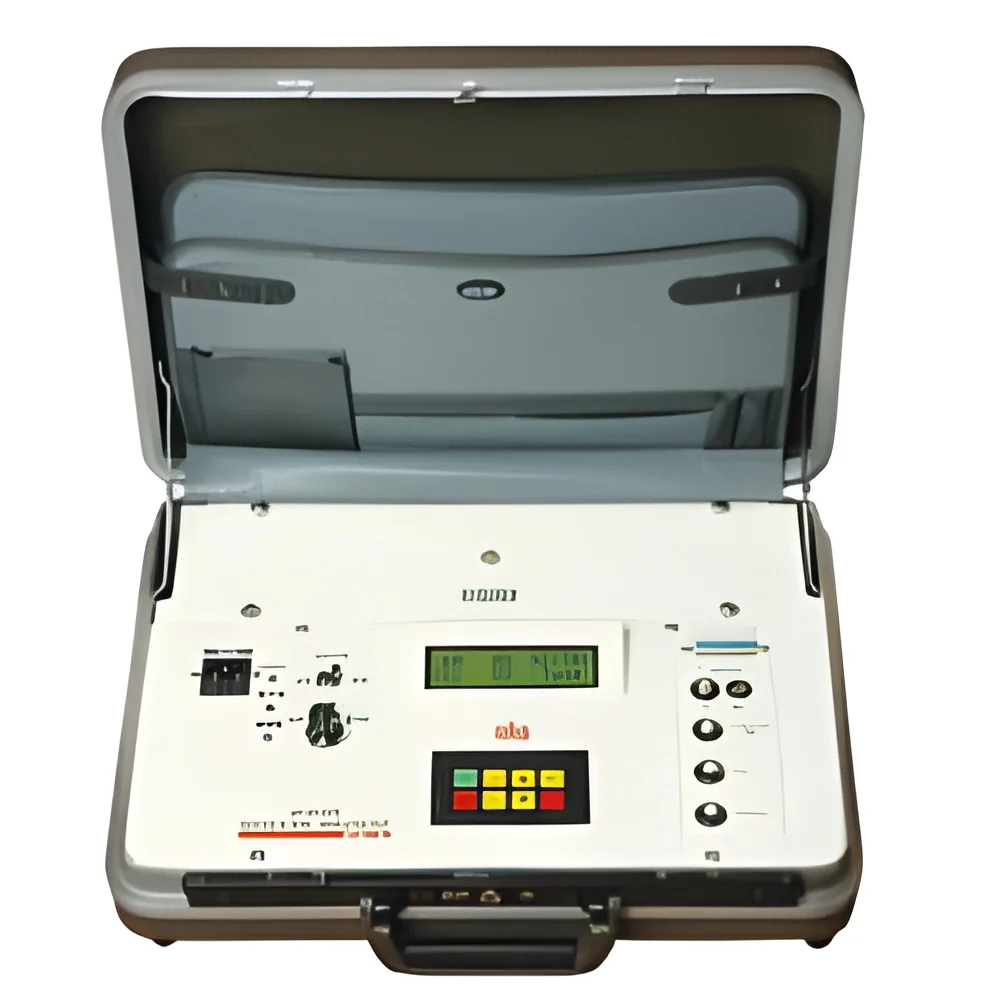
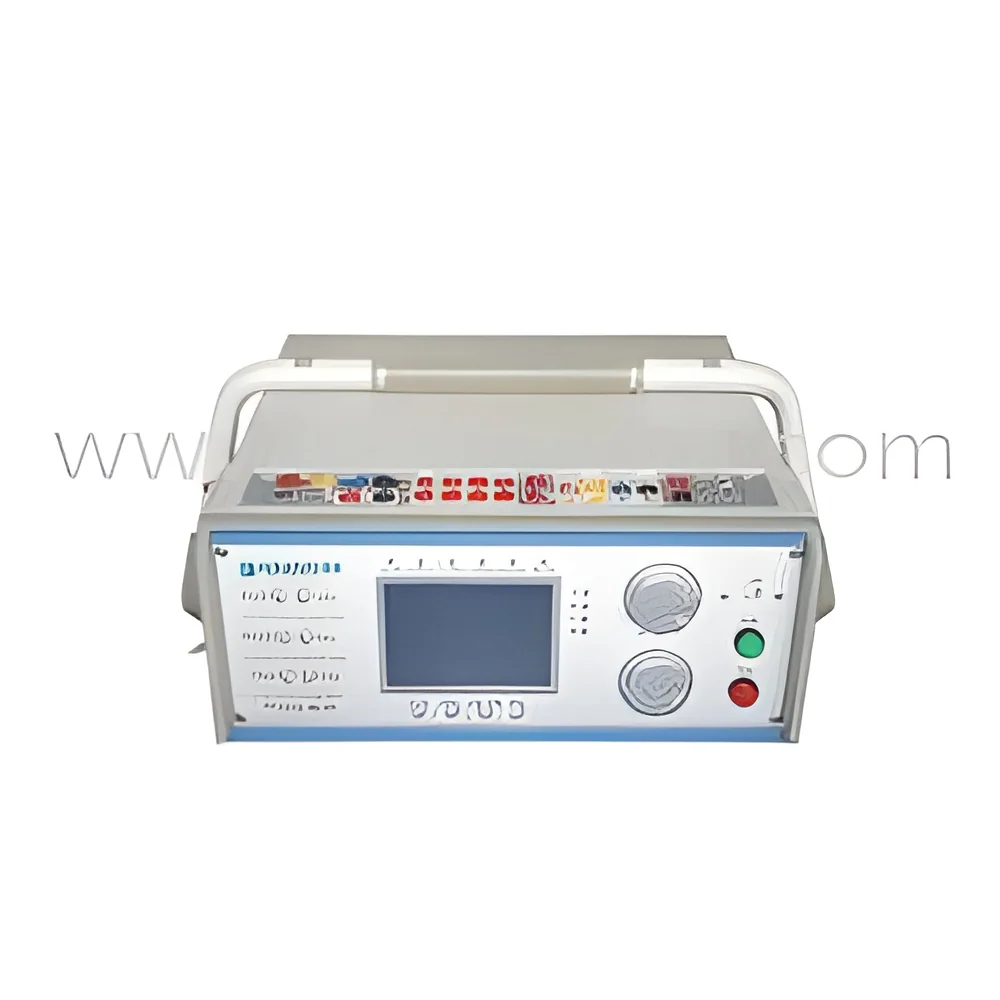
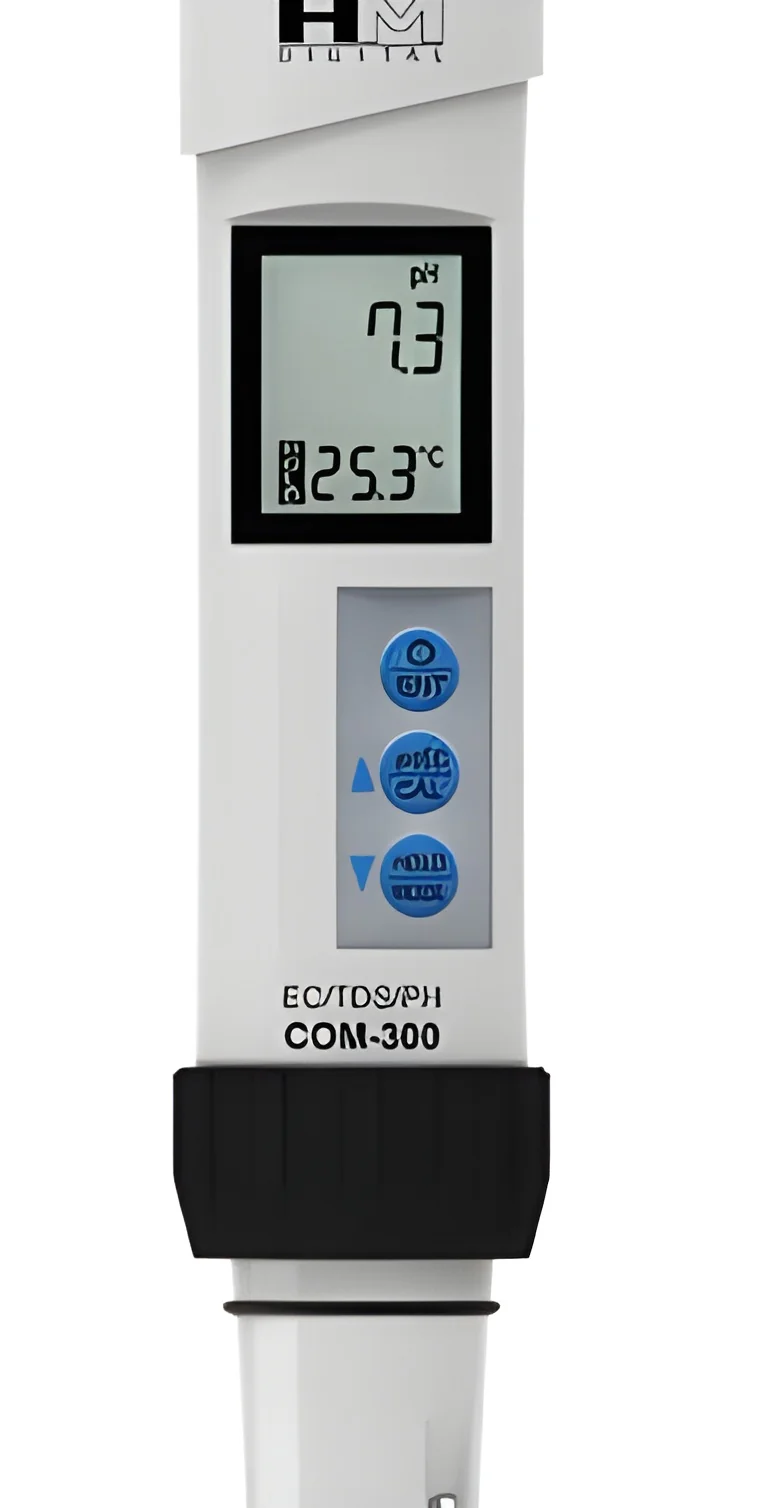
Portable Water Testers
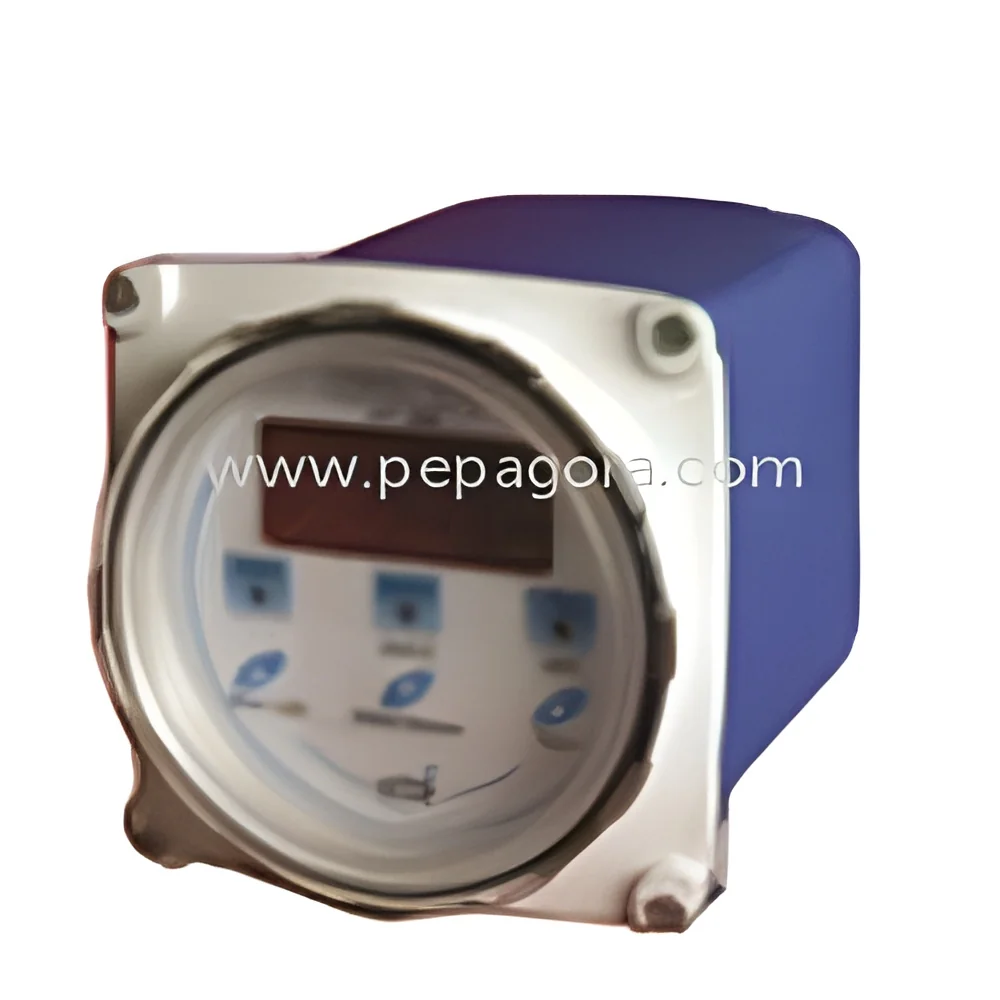
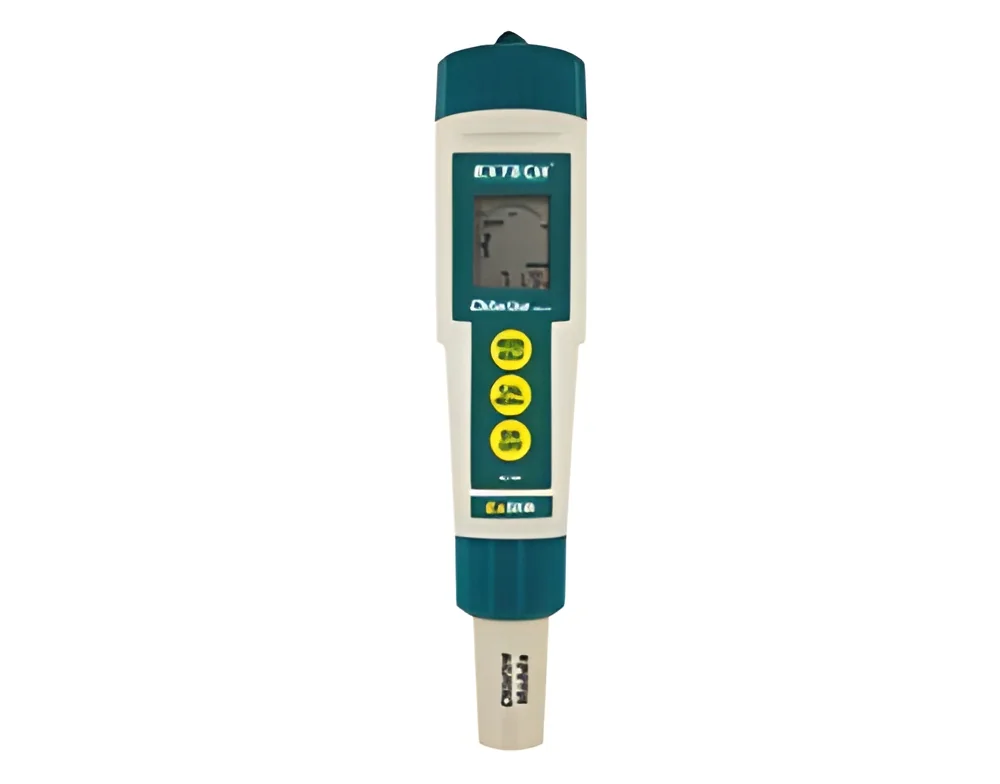
These compact devices are designed for on-site testing, providing quick and reliable results. They often feature built-in sensors for multiple parameters, making them ideal for fieldwork.
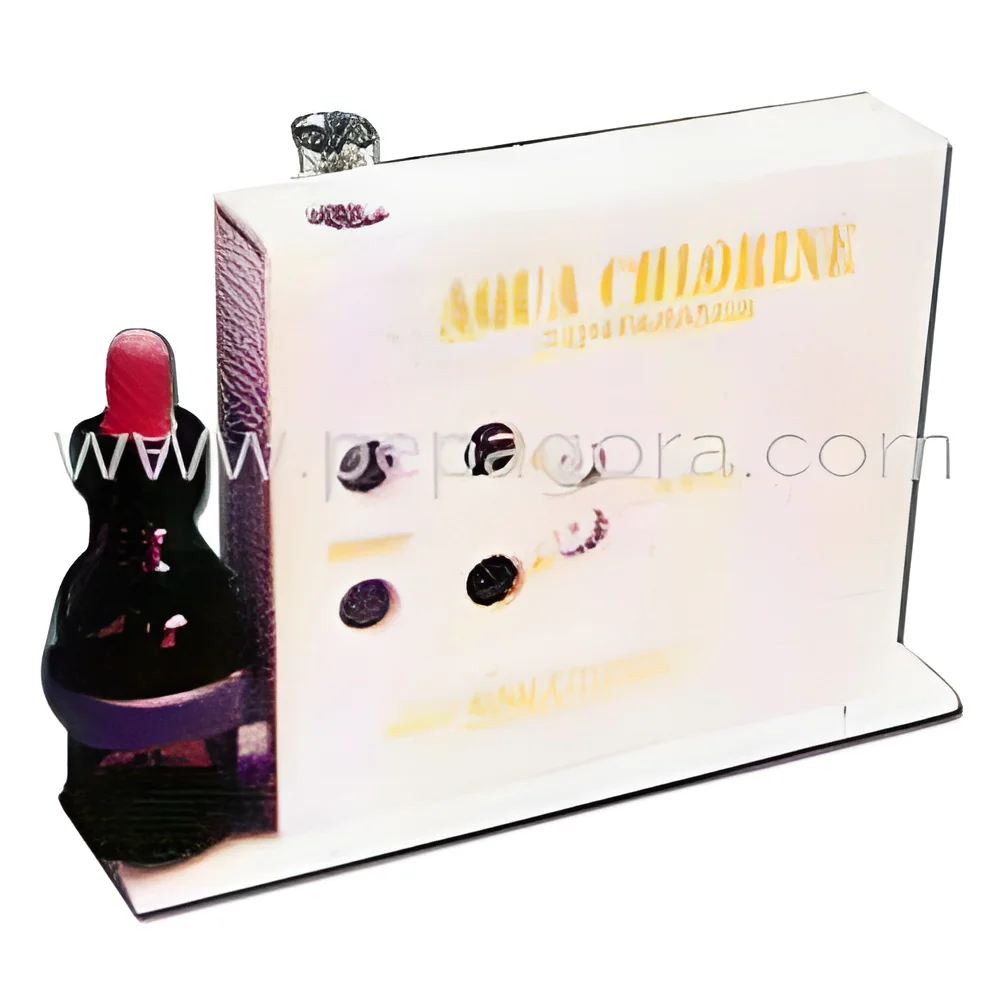
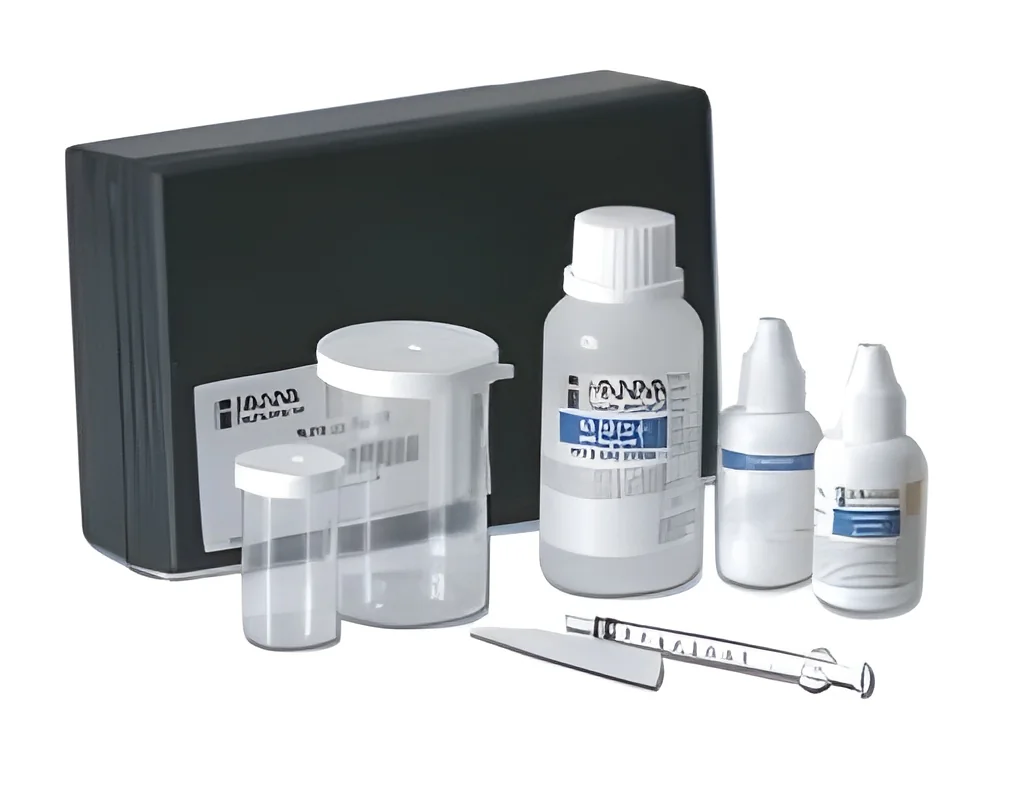
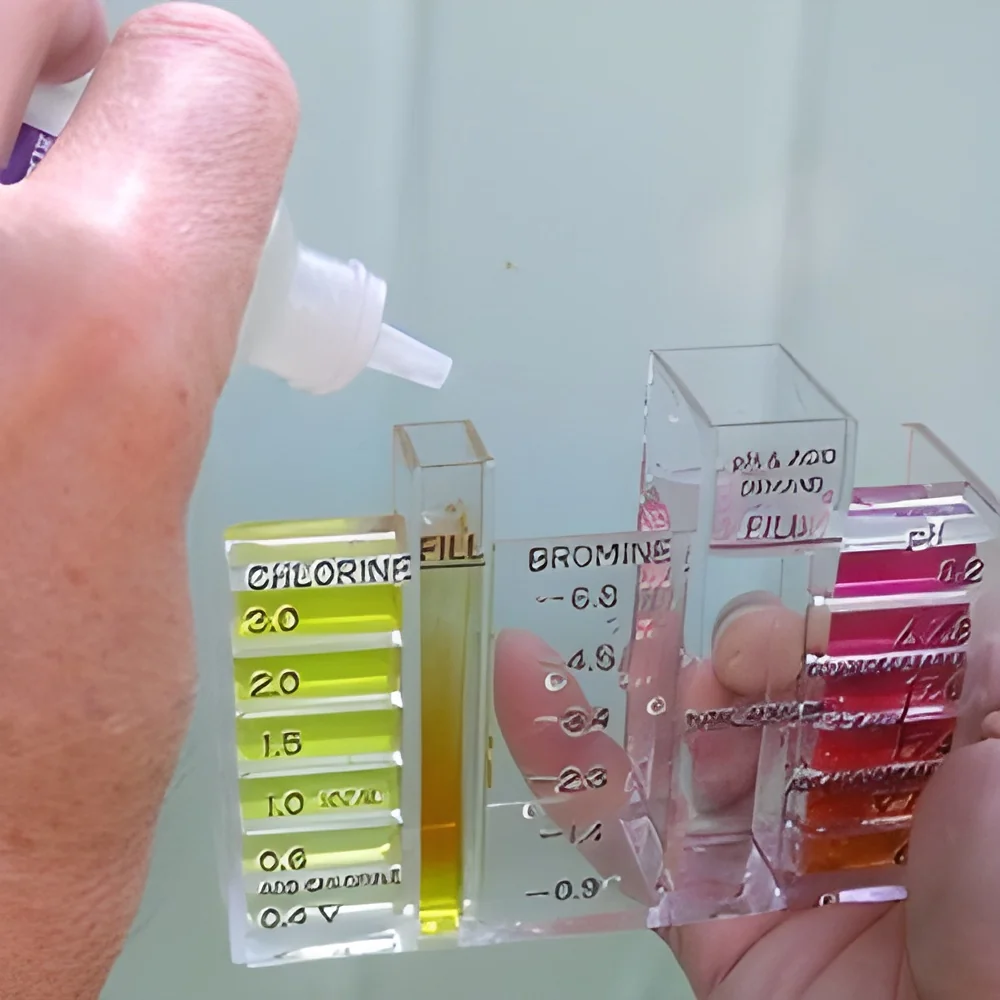
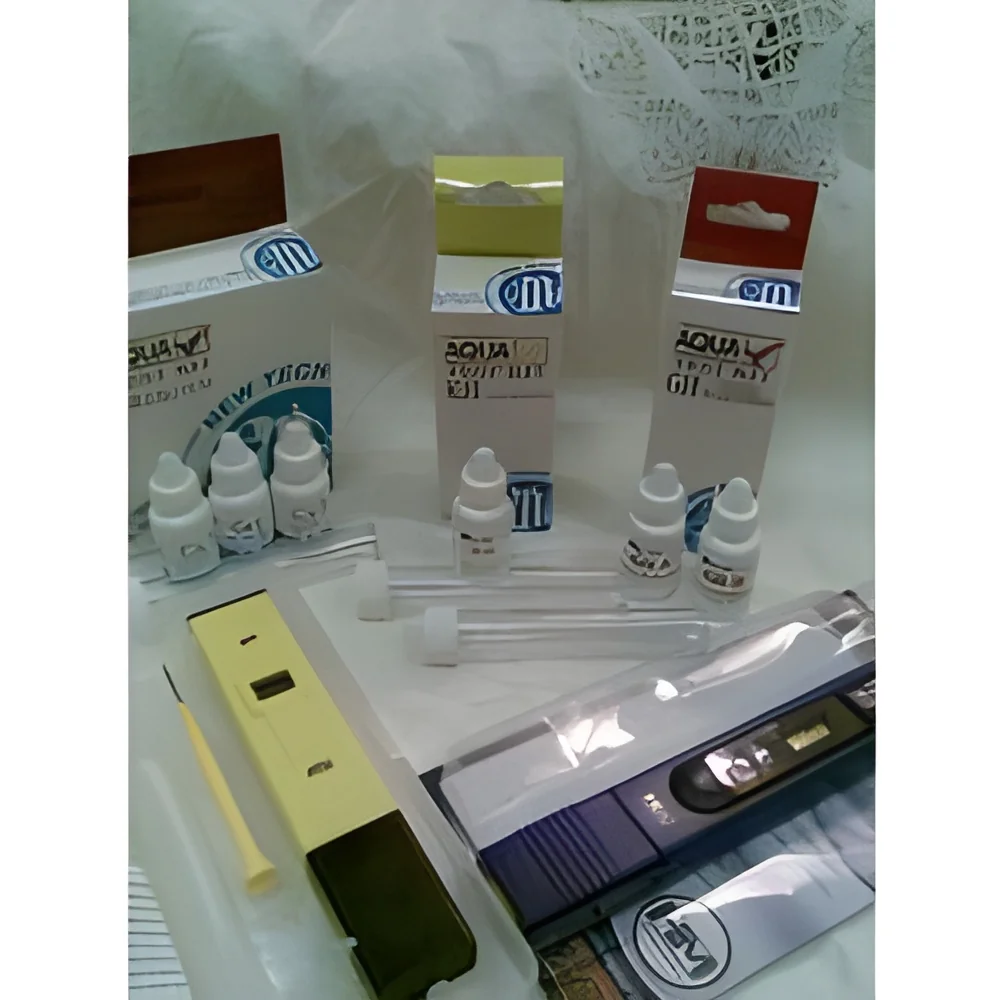
Laboratory Water Test Kits
These comprehensive kits are used in controlled settings, allowing for detailed analysis of water samples. They typically include reagents and equipment for a wide range of tests.
Multi-Parameter Probes
These advanced probes can measure several water quality parameters simultaneously. They are suitable for both field and lab testing, providing versatility for various applications.
Benefits and Advantages
Investing in water quality testing solutions offers several advantages for businesses.
1. Enhanced Safety: Regular testing helps identify contaminants, ensuring safe water for consumption and use.
2. Regulatory Compliance: Meeting industry standards and regulations is essential for operational legitimacy, and water testing helps achieve this.
3. Improved Efficiency: Accurate testing allows businesses to optimize processes, reducing waste and enhancing overall operational efficiency.
4. Environmental Protection: Monitoring water quality helps prevent pollution and protect local ecosystems, contributing to sustainability efforts.
5. Risk Mitigation: By identifying water quality issues early, companies can take corrective actions to avoid costly damage and liabilities.
6. Data-Driven Decisions: Reliable water testing data enables businesses to make informed decisions regarding water usage and treatment processes.
Buying Guide for B2B Buyers
When sourcing water quality testing solutions, companies should consider several key factors to ensure they make informed purchasing decisions.
1. Quality Assessment: Evaluate the quality of testing equipment by reviewing product specifications, certifications, and user reviews. High-quality products yield more reliable results.
2. Supplier Verification: Vet suppliers by checking their reputation, certifications, and customer feedback. A reliable supplier is crucial for consistent quality and support.
3. Pricing and MOQ: Compare prices among different suppliers and understand minimum order quantities to ensure that costs align with budget constraints.
4. Delivery and Lead Times: Assess logistics capabilities, including delivery schedules and lead times, to ensure timely access to testing products.
5. Compliance Requirements: Understand any regulatory requirements specific to the industry, as these may influence the choice of testing solutions.
Compliance and Certifications
Water quality testing products must adhere to various quality standards and certifications to ensure accuracy and safety. Key standards include ISO 9001, which outlines quality management systems, and HACCP, which focuses on food safety.
Additionally, industry certifications like CE indicate that products meet European safety and health requirements. It is essential for manufacturers to comply with safety and testing requirements to maintain product integrity and consumer trust.
Regional compliance considerations may vary based on local regulations and industry standards. Businesses should be aware of these factors when selecting water quality testing solutions to ensure full compliance.
Why Source Water Quality Testing from Pepagora?
Pepagora provides a trusted platform for sourcing water quality testing solutions, offering several key advantages to B2B buyers.
Verified Supplier Network: Pepagora connects businesses with a network of verified suppliers, ensuring that buyers can access quality products and reliable service.
Streamlined RFQ Process: The platform features a user-friendly request for quotation (RFQ) system, allowing buyers to easily compare options and obtain competitive pricing.
Trade Assurance and Support: Pepagora offers buyer protection through trade assurance, providing support throughout the purchasing process to address any concerns.
Regional Coverage: With a strong presence in India, the GCC, and Southeast Asia, Pepagora facilitates access to water quality testing solutions across diverse markets, catering to the needs of various industries.

 IN
IN