IN
IN₹
Apparel & Fashion
Description
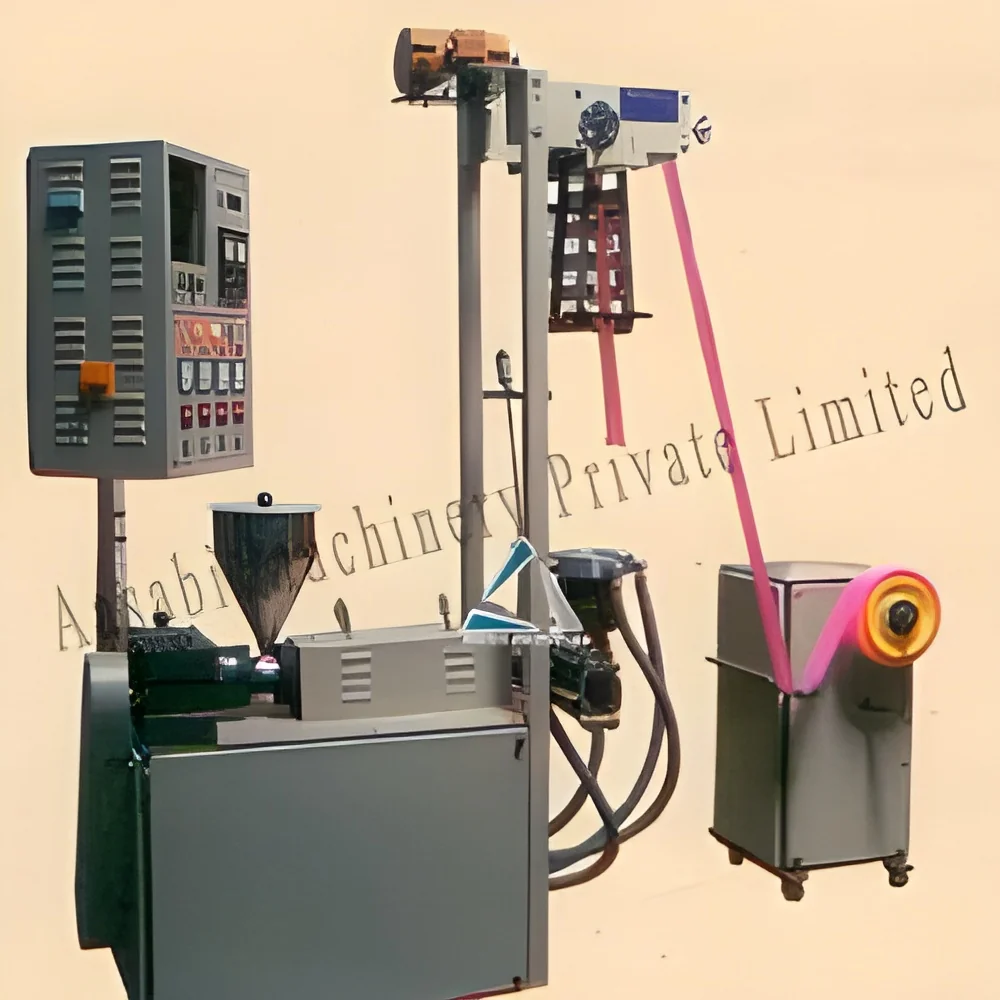
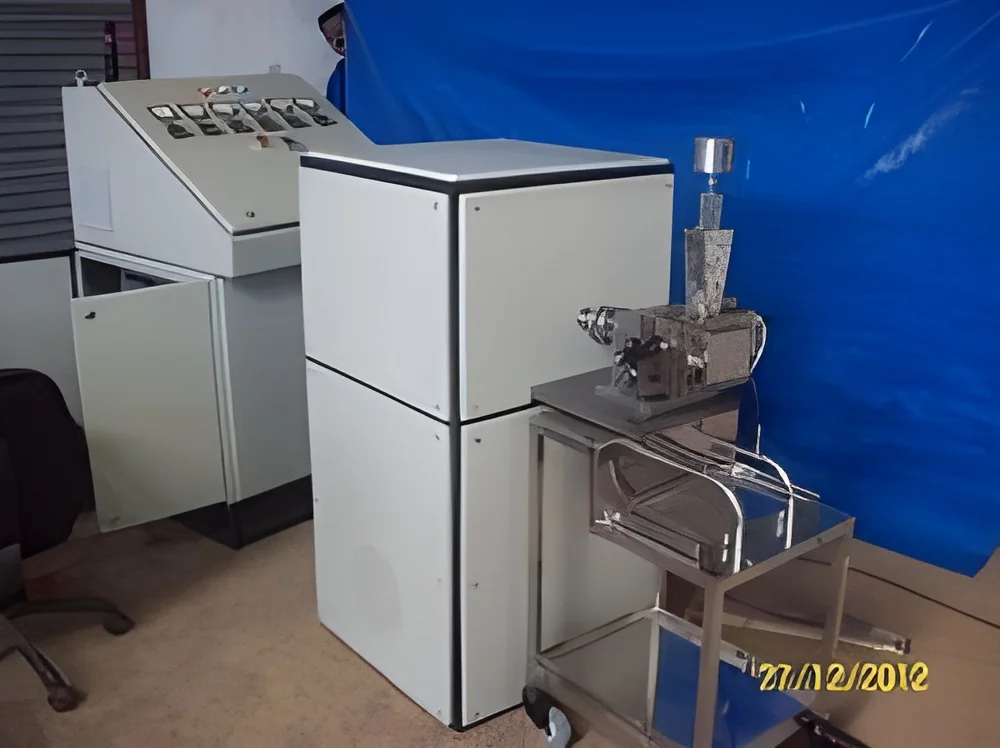
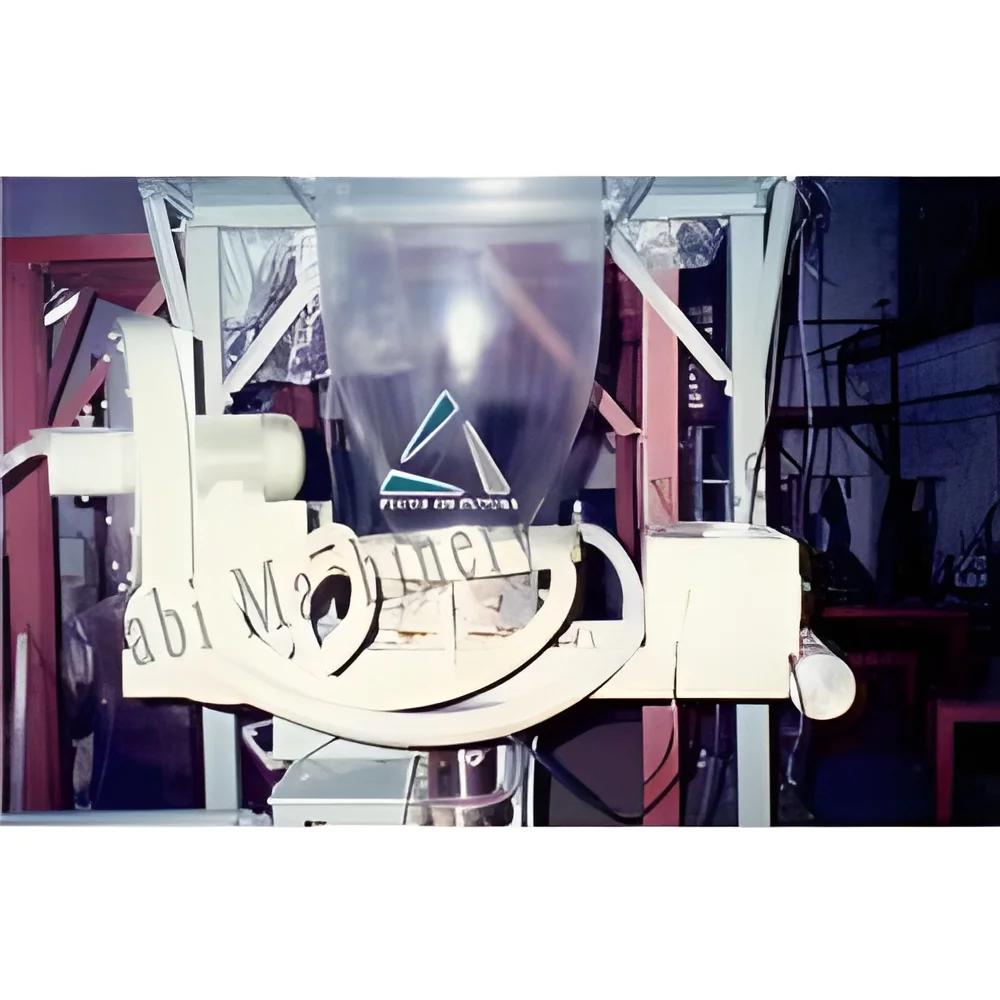
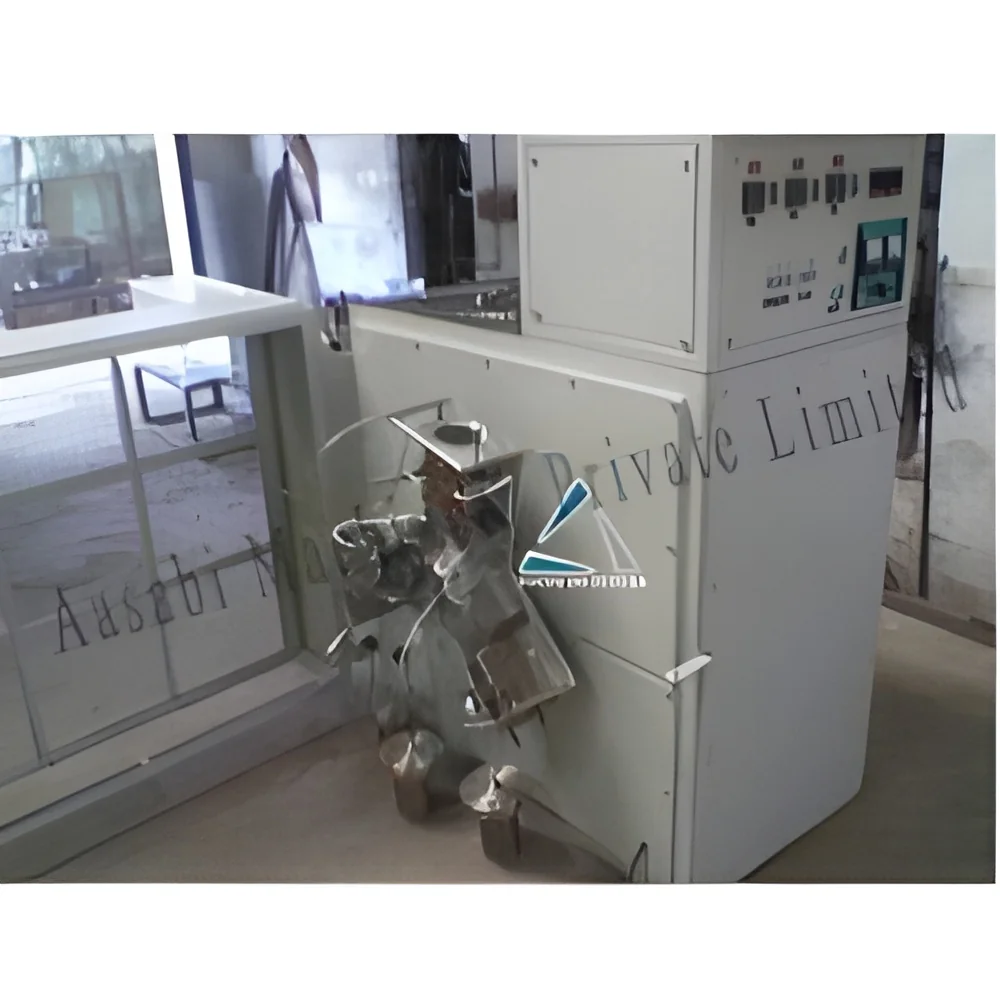
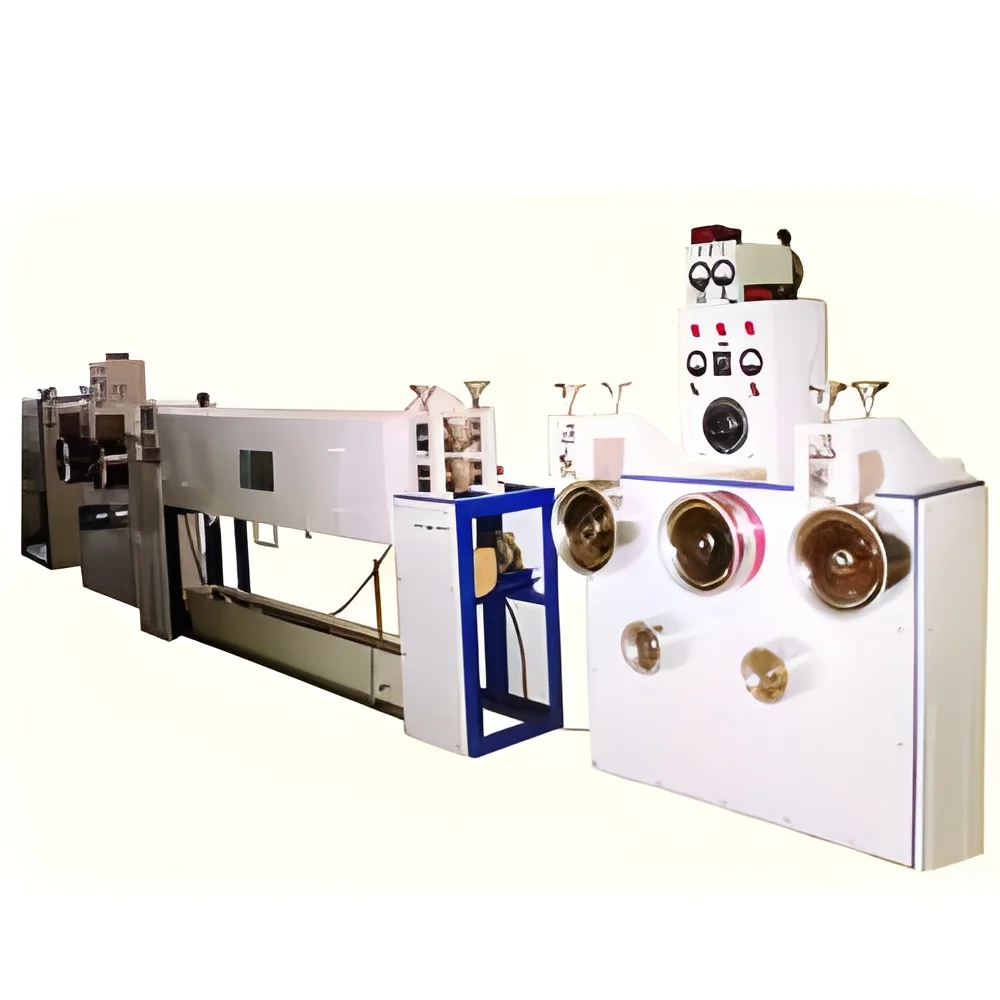
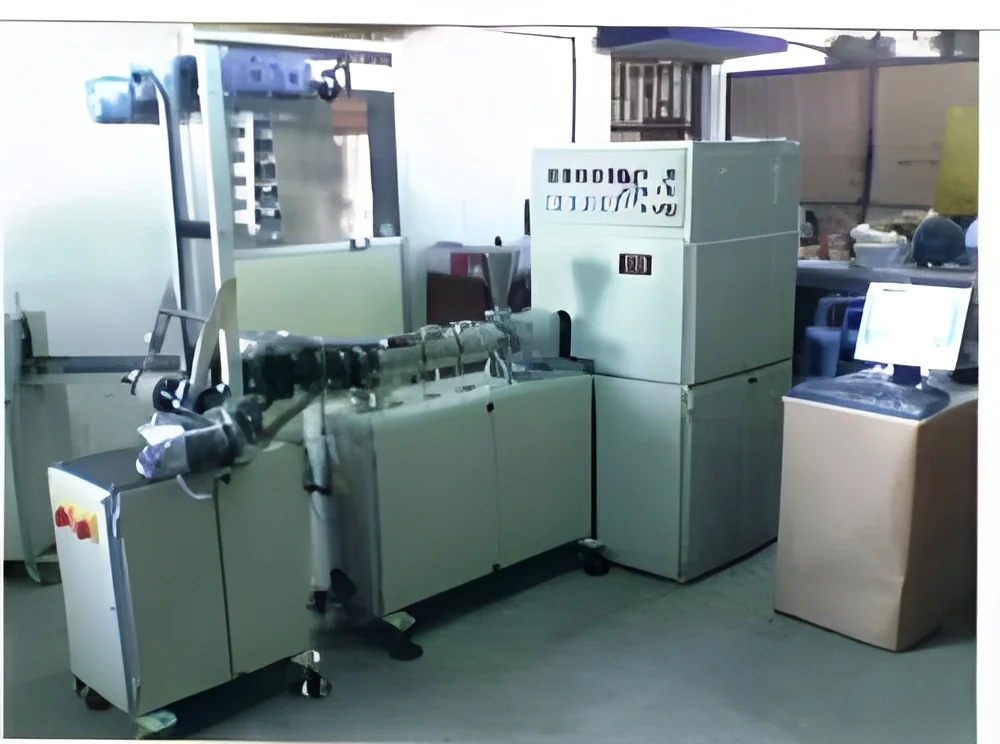
The Precision Extrusion Capillary Rheometer is an advanced analytical instrument designed to characterize polymer melt flow properties under various processing conditions. It measures fundamental rheological properties including viscosity, shear rate, shear stress, and elasticity through controlled extrusion via precision capillary dies. This equipment is essential for understanding how polymers behave during processing operations such as extrusion, injection molding, and blow molding. Manufacturers and research facilities utilize this data to predict processing behavior, identify potential issues, and ensure material consistency across production batches. The system incorporates precision temperature control, high-accuracy pressure sensors, and sophisticated data acquisition software for comprehensive material analysis and reliable results.

This rheometer serves multiple industries including plastics compounding, automotive components, packaging materials, medical device manufacturin...
The Precision Extrusion Capillary Rheometer is an advanced analytical instrument designed to characterize polymer melt flow properties under various processing conditions. It measures fundamental rheological properties including viscosity, shear rate, shear stress, and elasticity through controlled extrusion via precision capillary dies. This equipment is essential for understanding how polymers behave during processing operations such as extrusion, injection molding, and blow molding. Manufacturers and research facilities utilize this data to predict processing behavior, identify potential issues, and ensure material consistency across production batches. The system incorporates precision temperature control, high-accuracy pressure sensors, and sophisticated data acquisition software for comprehensive material analysis and reliable results.

This rheometer serves multiple industries including plastics compounding, automotive components, packaging materials, medical device manufacturing, and consumer products. In automotive applications, it helps develop and test polymer composites for interior trims, exterior panels, and under-hood components. Packaging manufacturers rely on it to ensure consistent melt flow rates for film extrusion, bottle production, and container manufacturing. Medical device companies utilize capillary rheometry to validate material consistency for implantable devices, surgical instruments, and pharmaceutical packaging. The construction industry applies these measurements for pipe extrusions and profile manufacturing, while additive manufacturing firms use the data for filament production and quality assurance in 3D printing materials.

The business value of implementing extrusion capillary rheometry lies in its ability to reduce production costs, minimize material waste, and enhance final product quality. By accurately characterizing polymer flow behavior, companies can optimize processing parameters, reduce energy consumption, and prevent costly processing issues such as melt fracture or thermal degradation. The instrument's reliability ensures consistent results batch after batch, supporting compliance with industry standards and customer specifications. This precision testing capability enables manufacturers to maintain competitive advantage through superior material understanding, improved process control, and enhanced product performance in demanding applications across various market segments.

Key Features:
- Precision capillary die system for accurate shear rate and viscosity measurements
- Advanced temperature control system ensuring stable testing conditions across temperature ranges
- High-pressure extrusion capability for testing high-viscosity polymer materials
- Comprehensive data acquisition and analysis software with reporting capabilities
- Robust construction with reliable performance for continuous laboratory operation

Benefits:
- Enables precise material characterization for improved product development
- Supports quality control through consistent, repeatable test results
- Helps optimize processing parameters to reduce production costs
- Prevents material waste by identifying flow issues early in development
- Provides reliable data for compliance with industry standards and specifications
Specifications
| Additional Information | |
|---|---|
| Country of Origin | India |
Application
The Precision Extrusion Capillary Rheometer delivers critical data on polymer melt behavior under controlled conditions. It accurately measures viscosity, shear stress, and flow properties essential for material development and quality assurance. This instrument supports both research laboratories and production facilities with repeatable, high-precision testing for thermoplastic and elastomeric materials.
Industries depend on capillary rheometry to optimize processing parameters and ensure product consistency across manufacturing cycles. It serves compounding, extrusion, injection molding, and additive manufacturing sectors by providing data for formulating new polymers, improving compounds, and troubleshooting production issues. The system helps maintain material quality from raw material intake to final product validation.
- Quality control testing for polymer pellets and compounds in manufacturing facilities
- Research and development of new polymer formulations and material blends
- Evaluation of raw material consistency for injection molding processes
- Process optimization in extrusion lines for pipes, profiles, and sheet production
- Testing recycled polymers for viscosity stability in sustainable material applications
Trade Details
| Available Stock | In Stock |
| Sample Availability | No |
Payment Terms
| Payment Terms |
|
Company Profile
Aasabi Machinery Private Limited, Maharashtra
 Maharashtra, India
Maharashtra, IndiaIndustrial Equipment & Machinery•Manufacturer
Factory Details
Factory SizeBelow 1000 sqm
Annual Production Capacity0
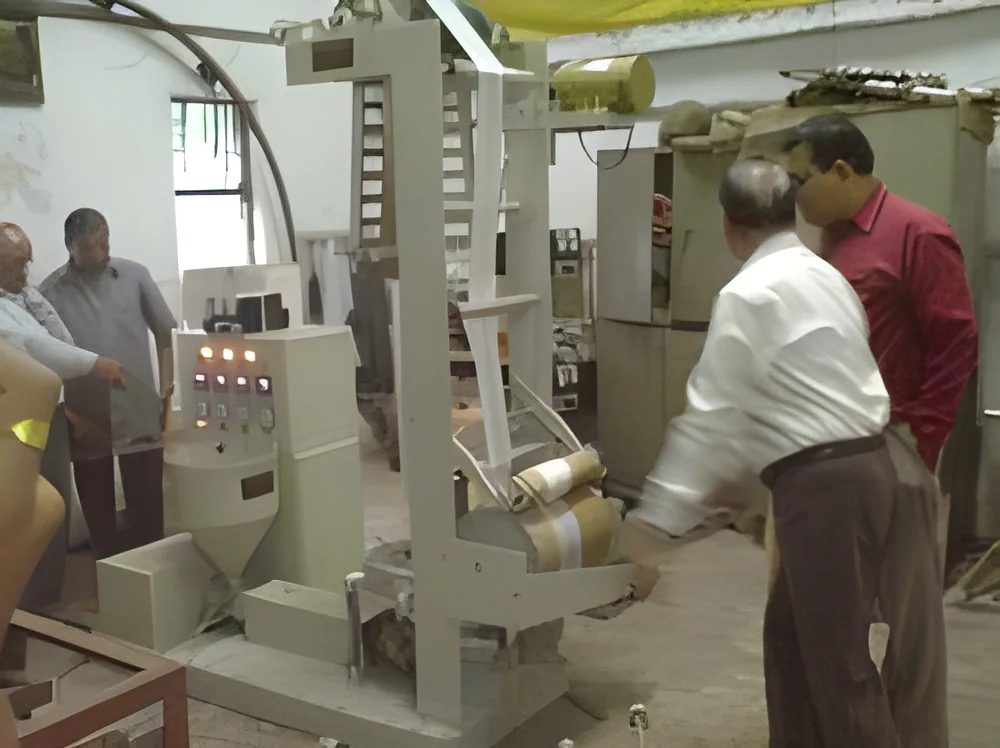
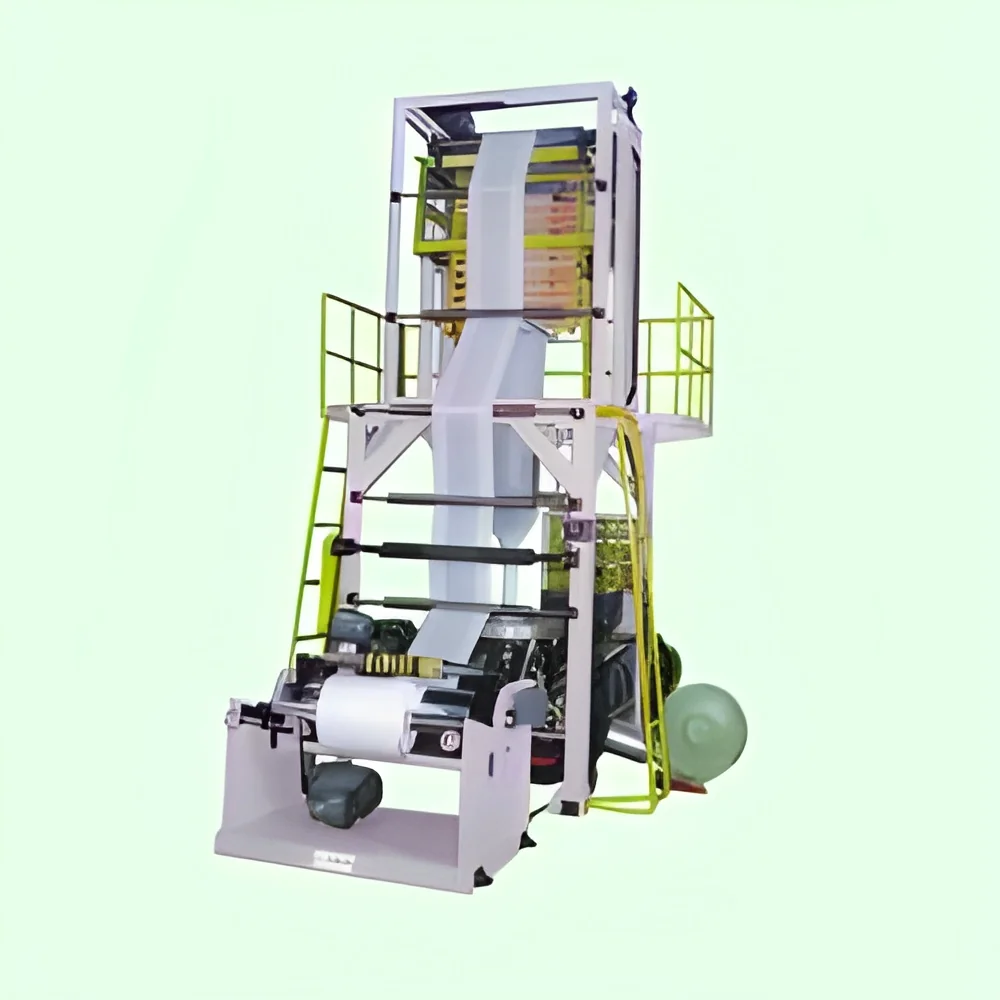
Polymer Melt Flow Analysis Precision Extrusion Capillary Rheometer
Polymer Melt Flow Analysis Precision Extrusion Capillary Rheometer measures viscosity, shear rate, and elasticity for R&D and quality control. Trusted by manufacturers for reliable polymer testing with accurate data for material development and production optimization.
Min. Order Quantity: 1 unit
Shipping
Shipping fee and delivery date to be negotiated. Contact supplier now for more details.
Aasabi Machinery Private Limited
 Maharashtra, India
Maharashtra, IndiaIndustrial Equipment & MachineryManufacturer