What are Chemical Composition Testing?
Chemical composition testing is a systematic approach used to analyze the elemental and chemical makeup of materials. This testing provides critical data regarding the presence and concentration of various elements within a sample, which is essential for ensuring product quality, compliance with regulations, and suitability for specific applications. By employing techniques such as spectroscopy, chromatography, and titration, laboratories can deliver precise measurements that help businesses understand the properties of their materials.
The primary uses of chemical composition testing span various industries, including manufacturing, pharmaceuticals, food and beverage, and environmental analysis. In manufacturing, it ensures that raw materials meet specified standards and helps in quality control processes. In pharmaceuticals, it verifies the purity and potency of active ingredients. Additionally, in food and beverage, it is crucial for labeling and compliance with health regulations. Given the increasing focus on quality assurance and regulatory compliance, chemical composition testing has seen heightened relevance in today’s market, making it an indispensable tool for businesses striving for excellence.
Key Features and Specifications
Chemical composition testing offers a range of features and specifications that cater to diverse industry needs. These specifications ensure accurate and reliable results, which are essential for decision-making in production and quality control.
Key specifications include:
1. Elemental Analysis
- Identifies the presence of various elements in a sample.
- Typically covers a range of elements from trace levels to major constituents.
2. Accuracy and Precision
- High levels of accuracy are achieved through advanced testing methods.
- Precision is maintained to ensure repeatability of results.
3. Compliance with Standards
- Tests are conducted in accordance with international standards such as ISO.
- Ensures that results meet regulatory requirements for specific industries.
4. Turnaround Time
- Standard testing turnaround times vary based on complexity.
- Rapid testing options are available for urgent needs.
5. Sample Types
- Capable of testing solid, liquid, and gaseous samples.
- Flexibility in sample preparation methods depending on the material.
6. Equipment Used
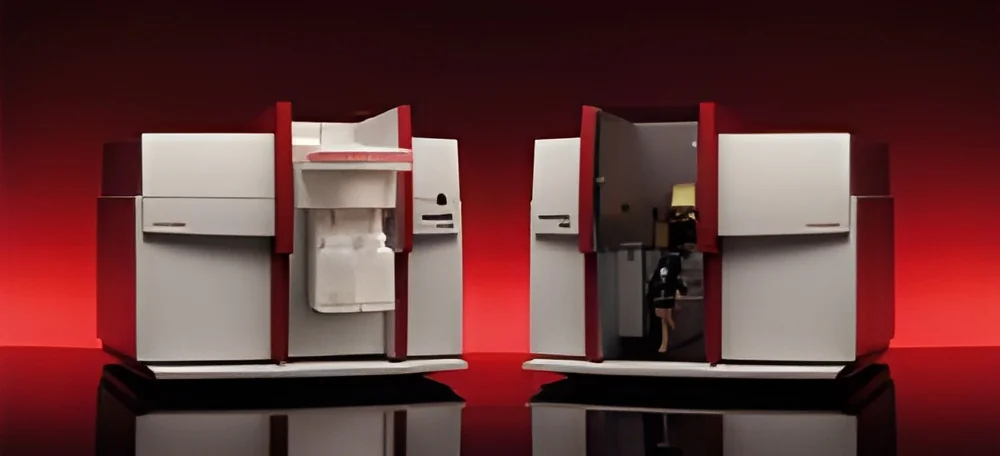
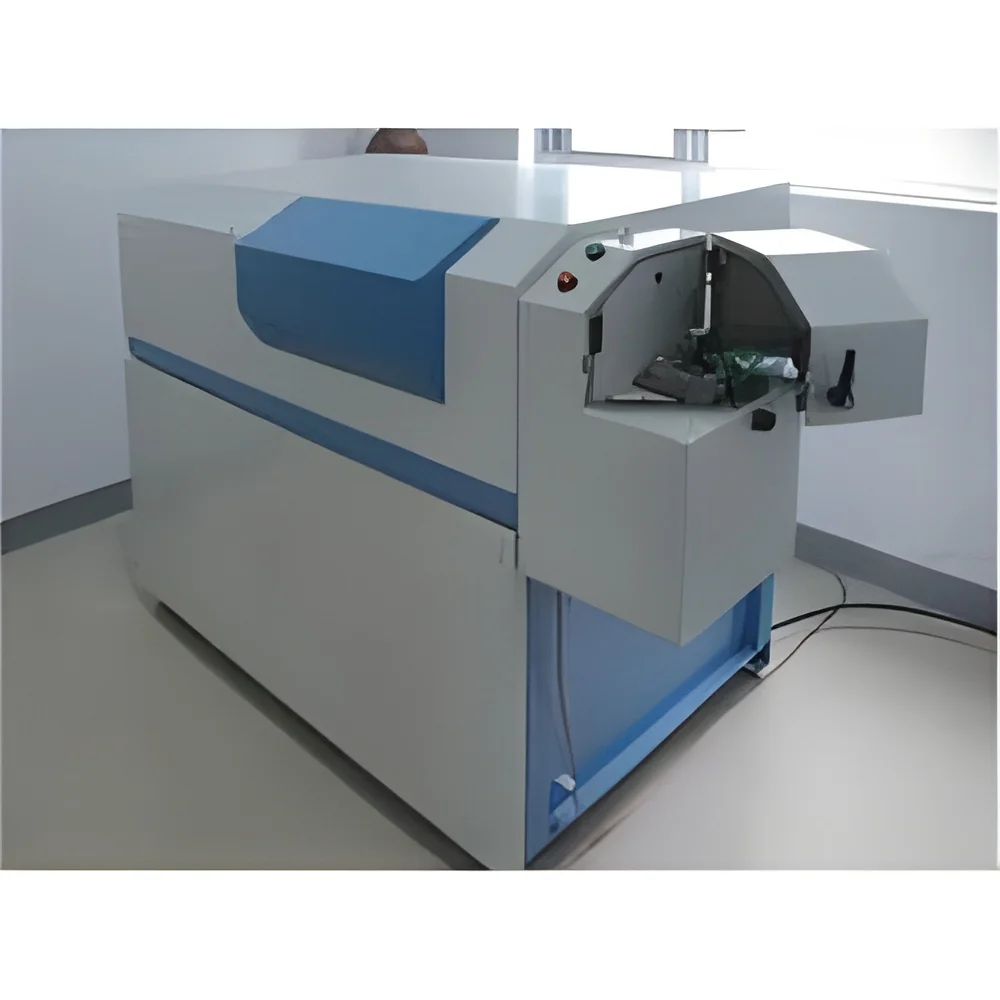
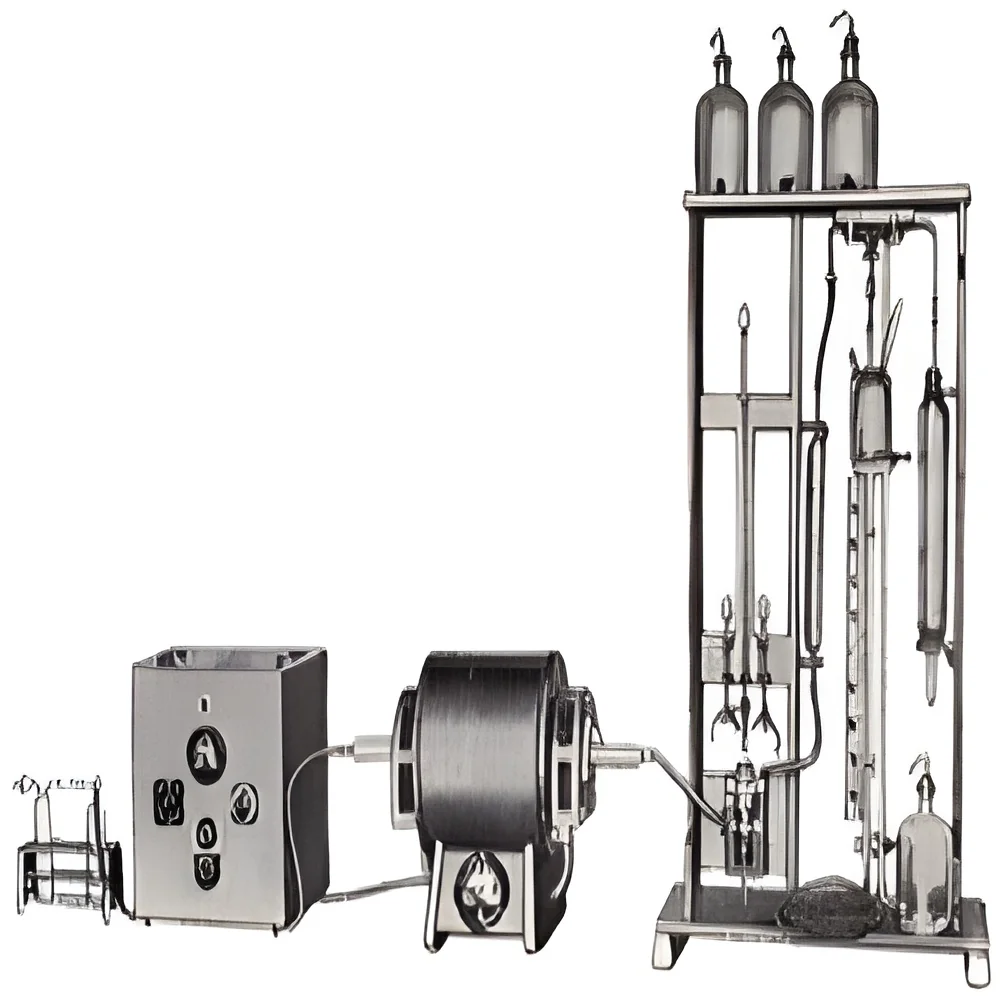
- Utilizes advanced analytical instruments such as mass spectrometers and atomic absorption spectrometers.
- Ensures high-quality and reliable testing results.
7. Reporting Format
- Results are provided in clear, detailed reports.
- Includes graphical representations for easier interpretation.
8. Customization Options
- Testing services can be tailored to meet specific client needs.
- Offers flexibility in methodology and reporting based on industry requirements.
In summary, the features and specifications of chemical composition testing make it a versatile and essential service for industries that require precise material analysis.
Common Applications and Use Cases
Chemical composition testing plays a vital role across numerous industries, providing critical data that informs production and compliance strategies.
1. Manufacturing: In this sector, chemical composition testing is used to assess raw materials and ensure they meet industry standards. This helps prevent defects and maintains product integrity.
2. Pharmaceuticals: Testing is essential for verifying the purity and concentration of active pharmaceutical ingredients. It helps ensure that products are safe and effective for consumers.
3. Food and Beverage: Compliance with health and safety regulations is crucial. Testing verifies the ingredients and nutritional content of products, ensuring they meet labeling requirements.
4. Environmental Analysis: Testing is used to monitor pollutants and contaminants in air, water, and soil. This data is vital for regulatory compliance and environmental protection efforts.
5. Aerospace: The aerospace industry relies on chemical composition testing to ensure materials can withstand extreme conditions. This testing is critical for safety and performance.
6. Automotive: In automotive manufacturing, testing helps verify the quality of metals and polymers used in vehicle production, contributing to durability and safety.
7. Electronics: Chemical composition testing is used to assess materials in electronic components, ensuring they meet performance specifications and regulatory standards.
Product Variants and Subcategories
Chemical composition testing can be diverse, offering different variants to address specific testing needs within various industries.
Standard Testing Package
This package is designed for general analysis and includes basic elemental testing. It is ideal for businesses needing routine checks on raw materials or finished products.
Advanced Testing Package
This variant offers in-depth analysis, including trace element detection and custom reporting. It’s suited for industries requiring stringent quality control measures, such as pharmaceuticals and aerospace.
Custom Analysis Services
These services allow clients to specify their unique testing requirements. Whether it’s a specific method or additional parameters, this option is tailored to meet specialized needs.
Benefits and Advantages
Chemical composition testing provides numerous benefits that enhance operational efficiency and product quality.
1. Enhanced Quality Control: Regular testing helps maintain high standards, reducing the risk of defects and non-compliance.
2. Regulatory Compliance: By ensuring that materials meet industry standards, businesses can avoid legal issues and penalties.
3. Improved Product Development: Detailed analysis supports R&D efforts, aiding in the formulation of innovative products.
4. Cost Efficiency: By preventing defects and ensuring compliance, testing can reduce costs associated with recalls and rework.
5. Market Competitiveness: Companies that prioritize quality through rigorous testing can enhance their brand reputation and customer trust.
6. Risk Management: Identifying potential issues early through testing helps mitigate risks associated with material failures.
Buying Guide for B2B Buyers
When sourcing chemical composition testing services, several factors should be considered to ensure the best outcomes for your business.
1. Quality Assessment: It is crucial to evaluate the testing facility's accreditation and adherence to recognized quality standards. Look for certifications such as ISO 9001 to ensure reliable results.
2. Supplier Verification: Vet potential suppliers by checking their track record, client testimonials, and relevant industry experience. This helps in selecting a reliable partner.
3. Pricing and MOQ: Understand the pricing structure and minimum order quantities. Ensure that the costs align with your budget while meeting your testing needs.
4. Delivery and Lead Times: Inquire about the expected turnaround time for test results. Timely delivery is essential for maintaining production schedules.
5. Compliance Requirements: Ensure that the testing services comply with industry-specific regulations and standards relevant to your sector. This is vital for maintaining legitimacy and market access.
Compliance and Certifications
Compliance and certifications are critical aspects of chemical composition testing. Relevant quality standards, such as ISO 9001, ensure that testing processes adhere to international benchmarks for quality management systems.
Industry certifications, including CE, indicate that products meet European safety and performance requirements. These certifications are essential for businesses operating in markets with strict regulatory frameworks.
Additionally, safety and testing requirements must be adhered to during the testing process. This includes proper handling of hazardous materials and ensuring accurate, reliable results.
Regional compliance considerations also play a significant role. Different regions may have unique regulations that must be followed, impacting how testing is conducted and reported.
Why Source Chemical Composition Testing from Pepagora?
Pepagora provides a trusted platform for sourcing chemical composition testing, offering several key advantages to B2B buyers.
Verified Supplier Network: Pepagora connects businesses with a network of verified suppliers. Each supplier is vetted to ensure they meet industry standards, providing peace of mind for buyers seeking reliable testing services.
Streamlined RFQ Process: The request for quotation process is efficient and user-friendly, allowing businesses to receive competitive quotes from multiple suppliers quickly. This streamlines the decision-making process.
Trade Assurance and Support: Pepagora offers trade assurance features that protect buyers from potential issues during transactions. Dedicated support ensures that buyers have assistance throughout the sourcing process.
Regional Coverage: With a broad geographic reach, Pepagora serves clients in India, the GCC, and Southeast Asia. This enables businesses to access quality testing services tailored to their specific regional needs.

 IN
IN