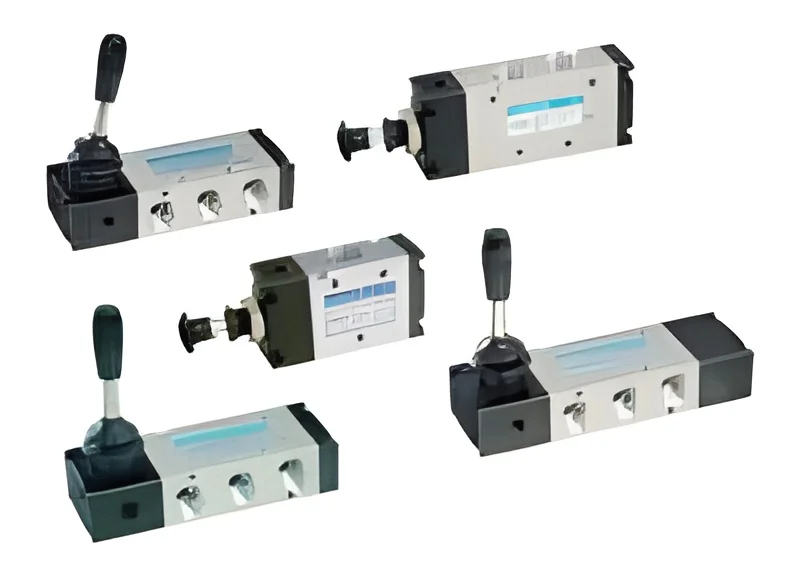
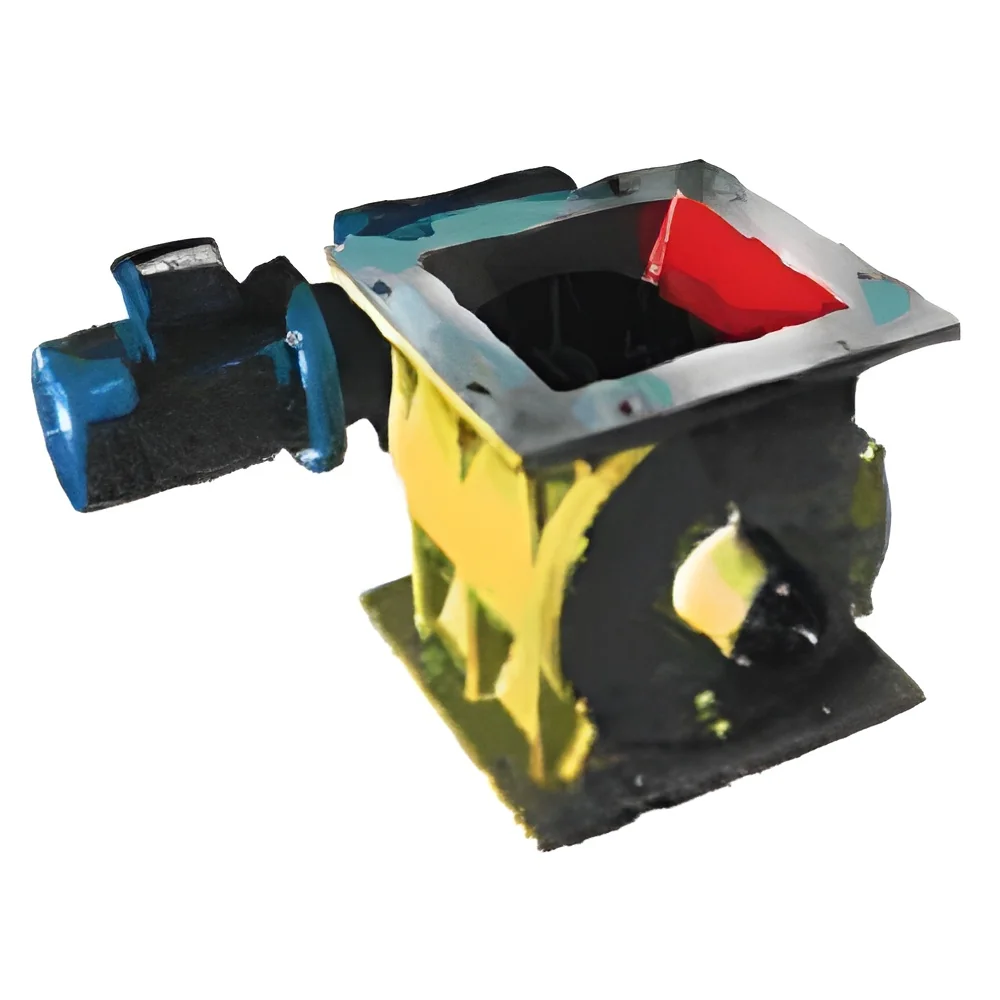
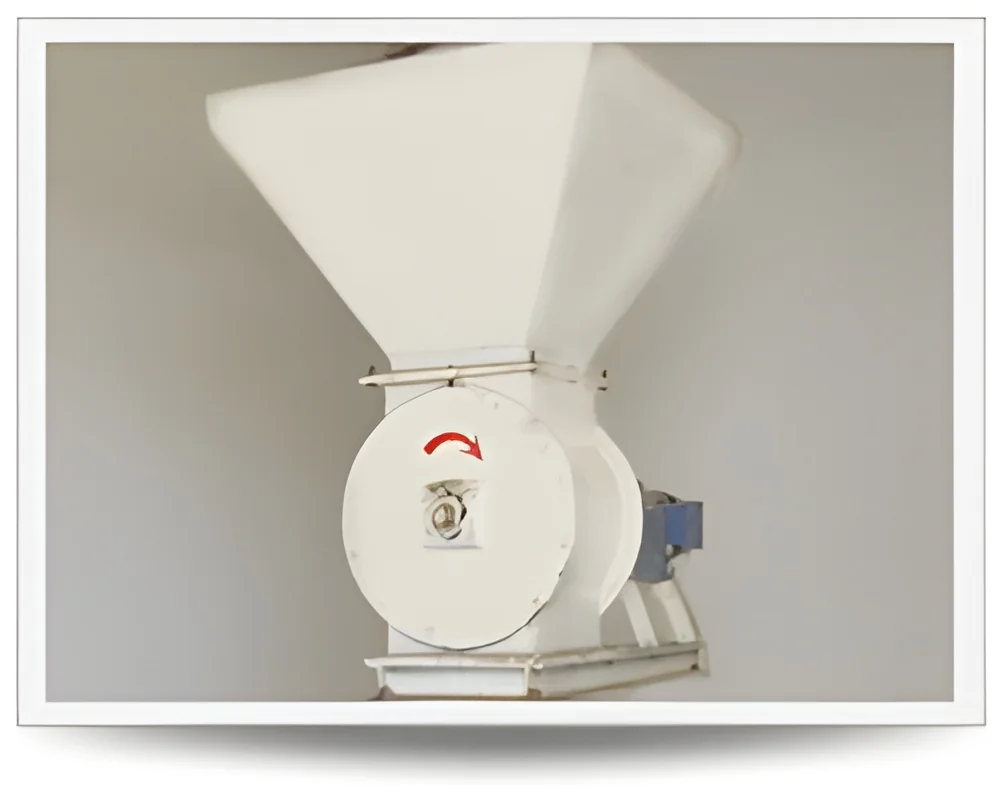
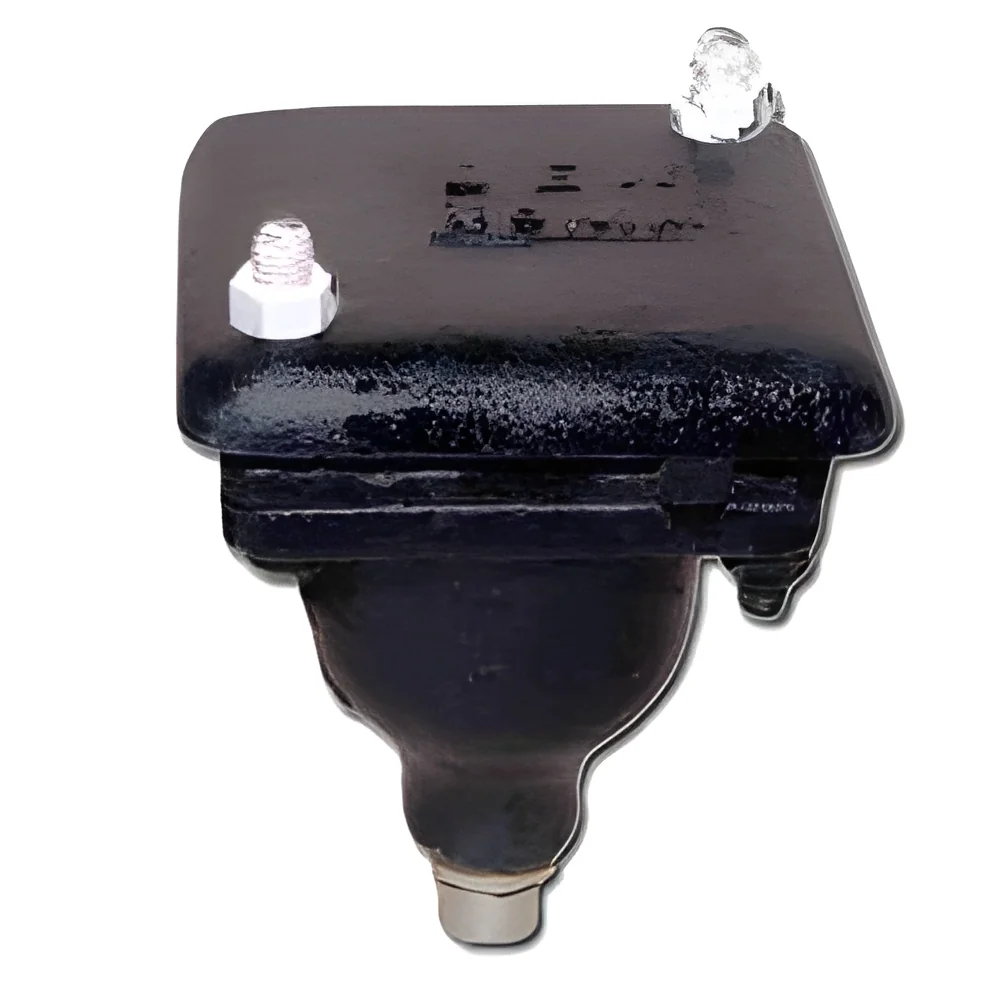
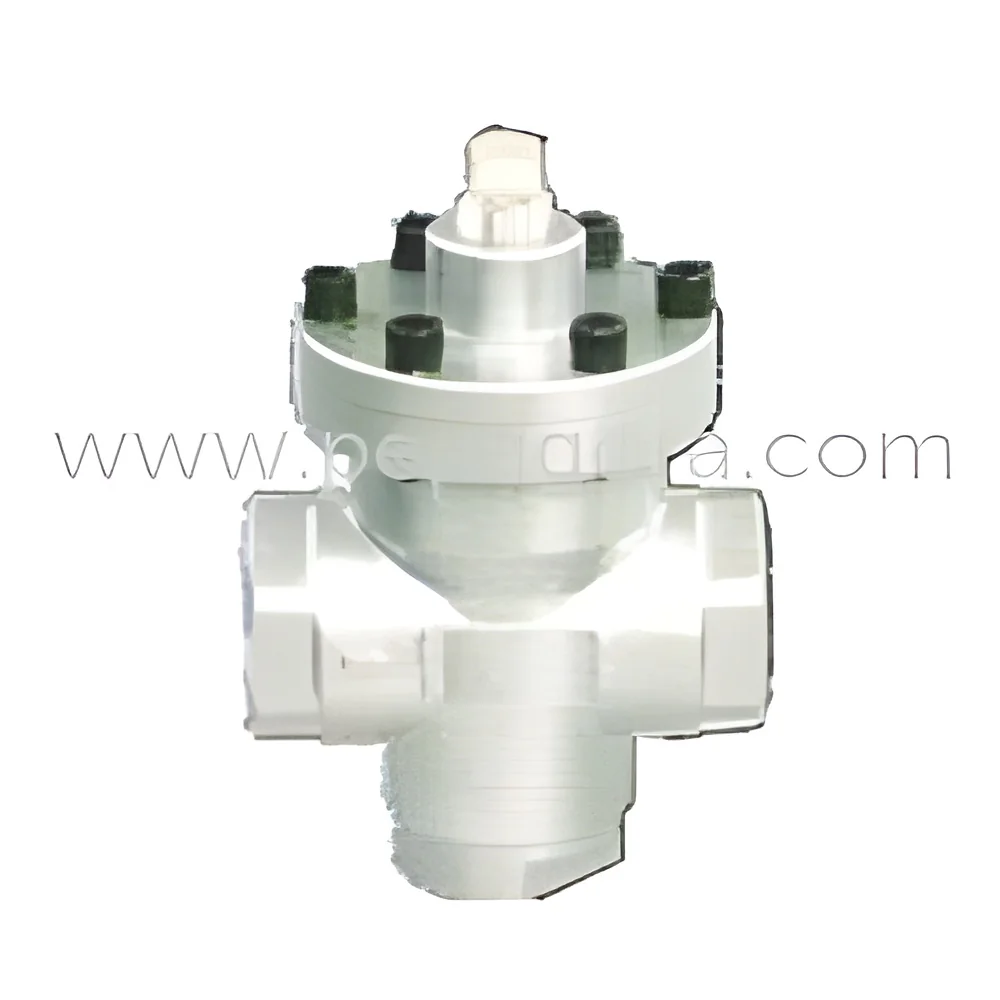
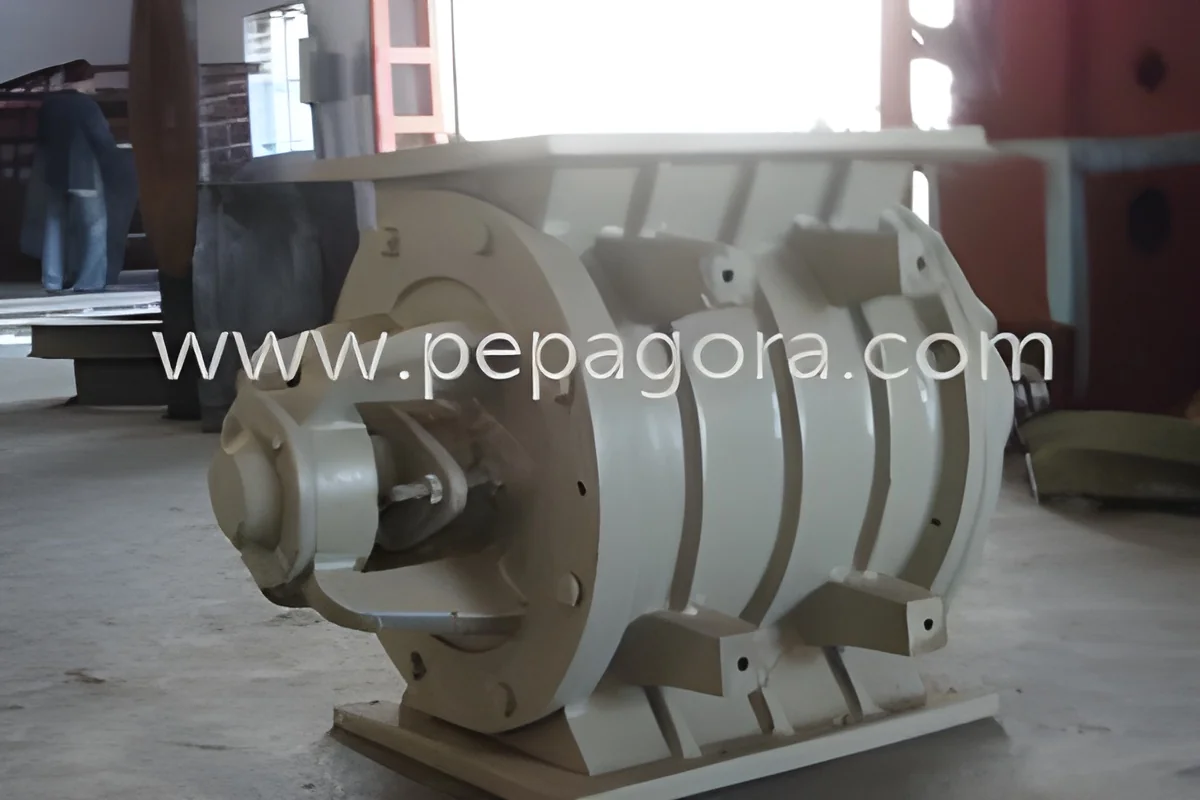
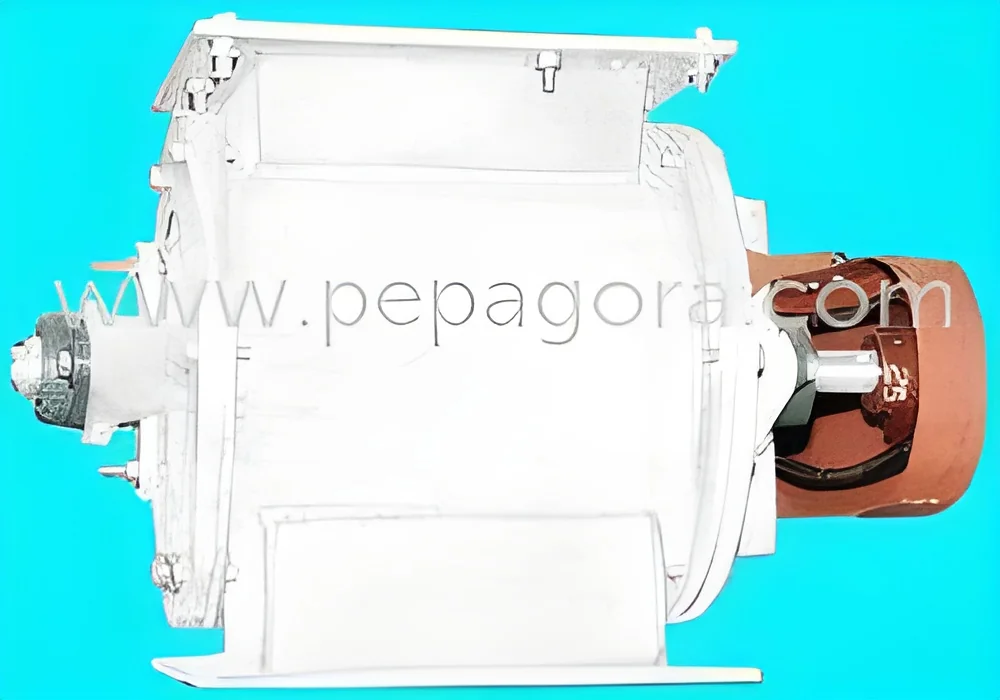
What are Pneumatic Valves?
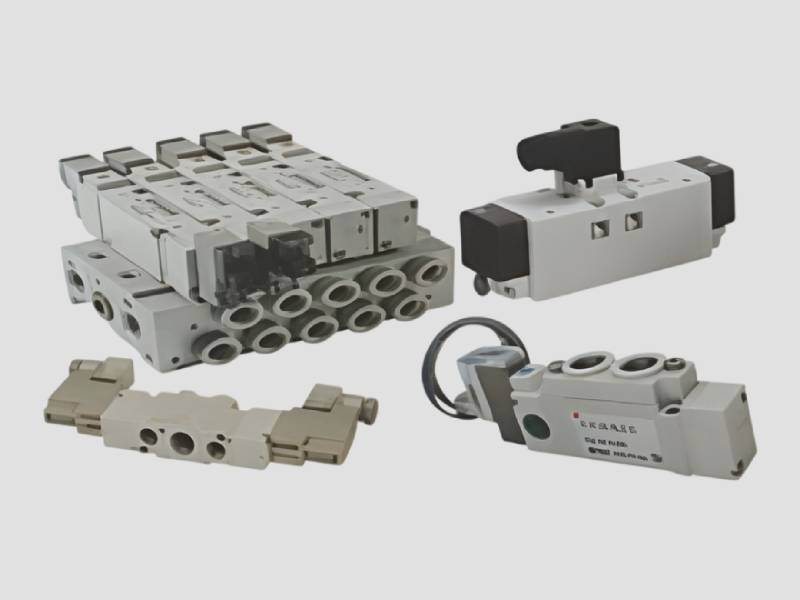
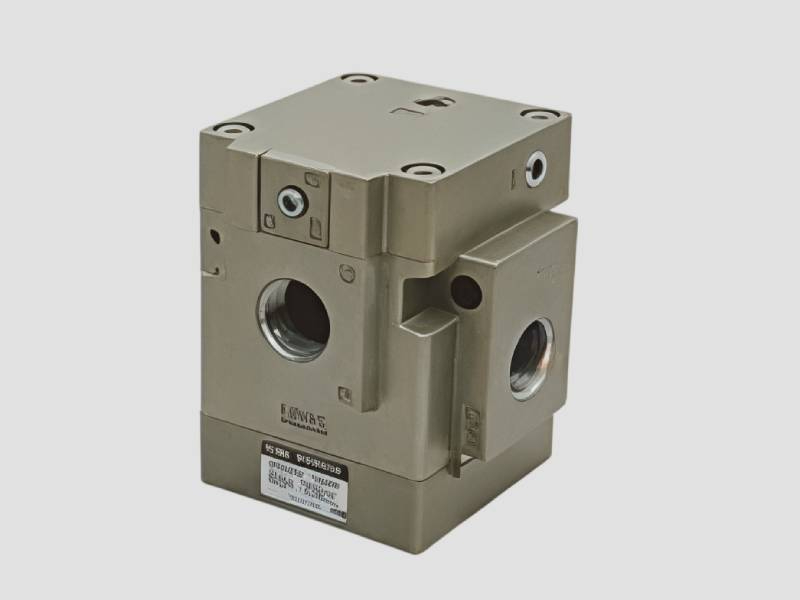
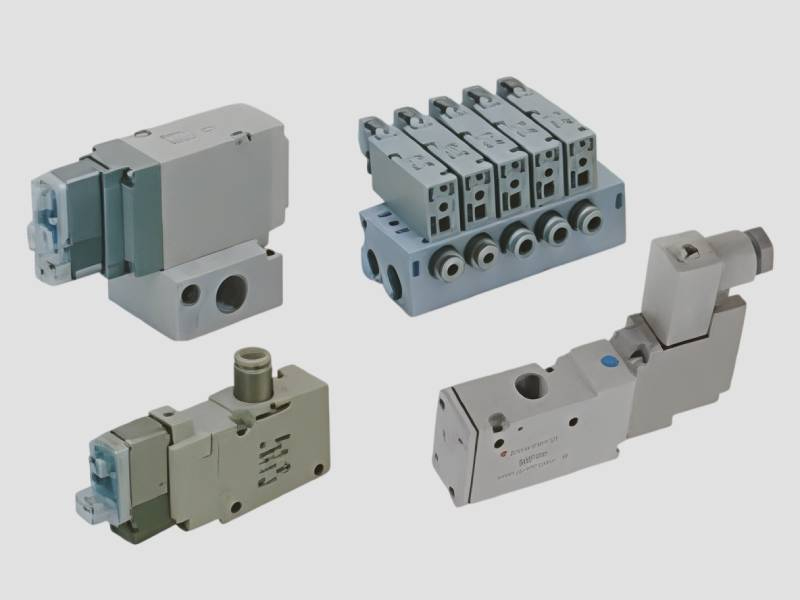
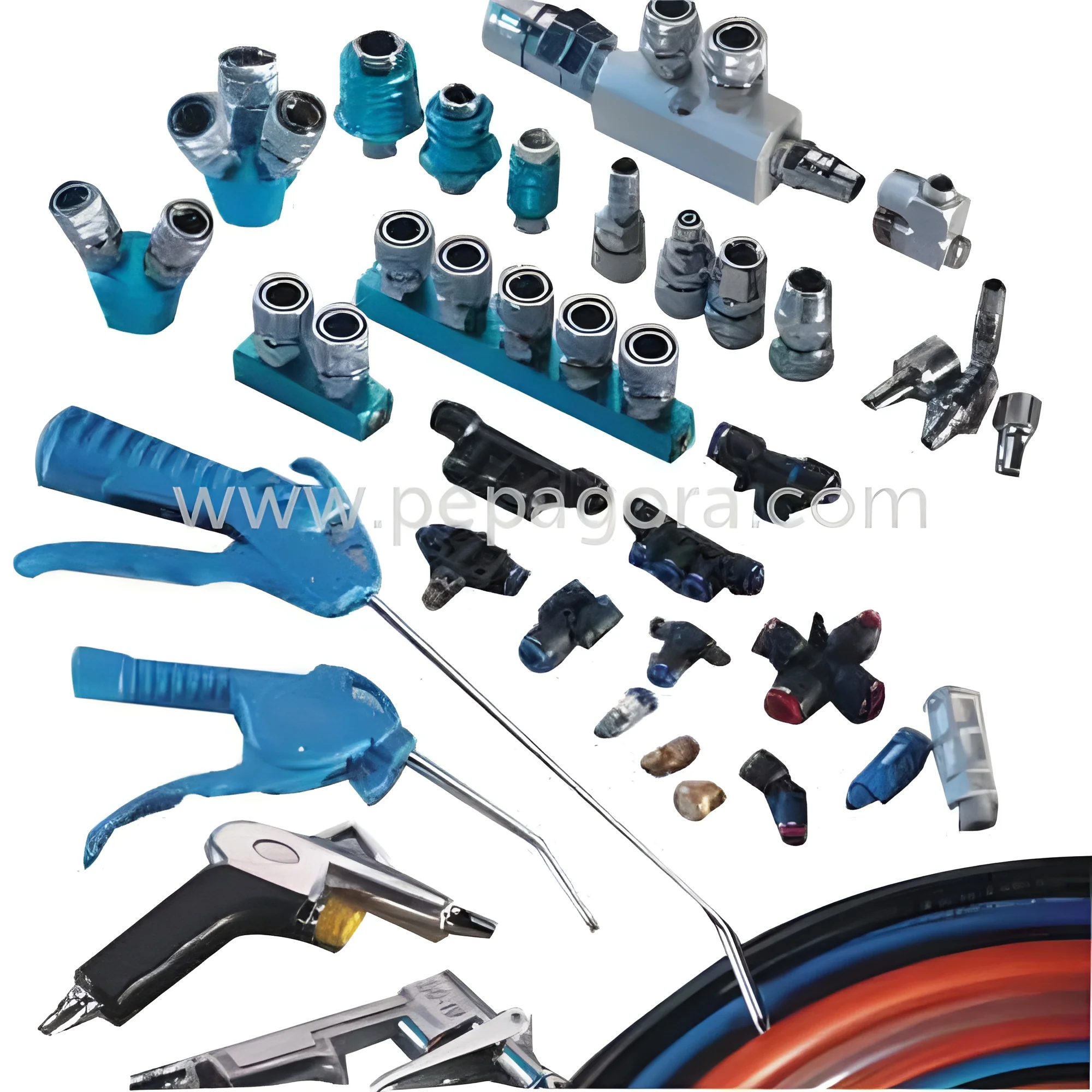
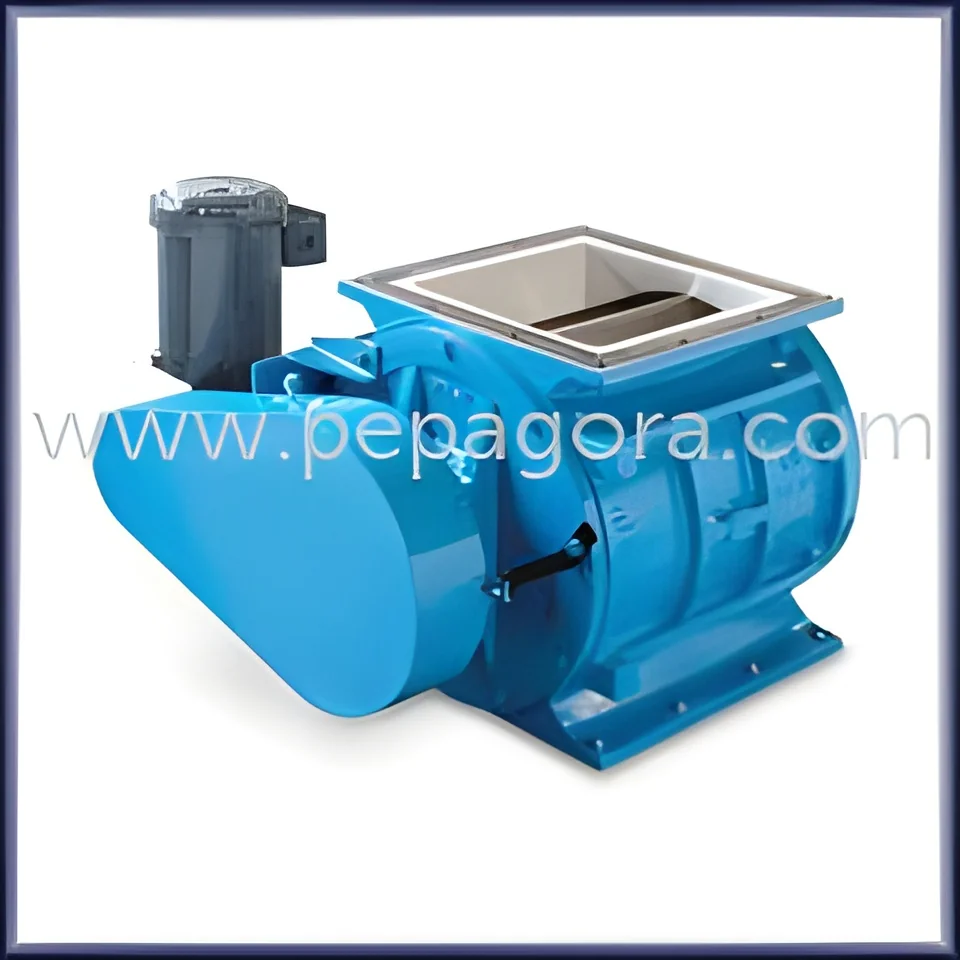
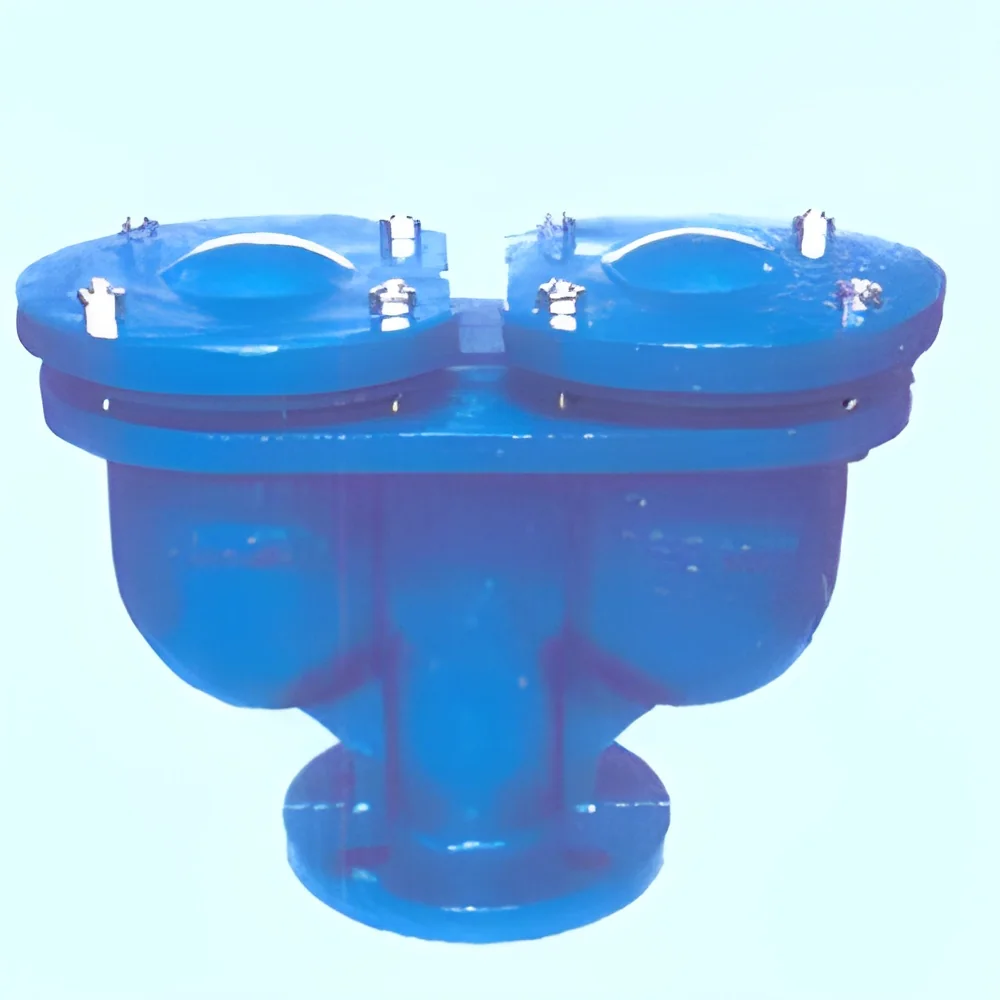
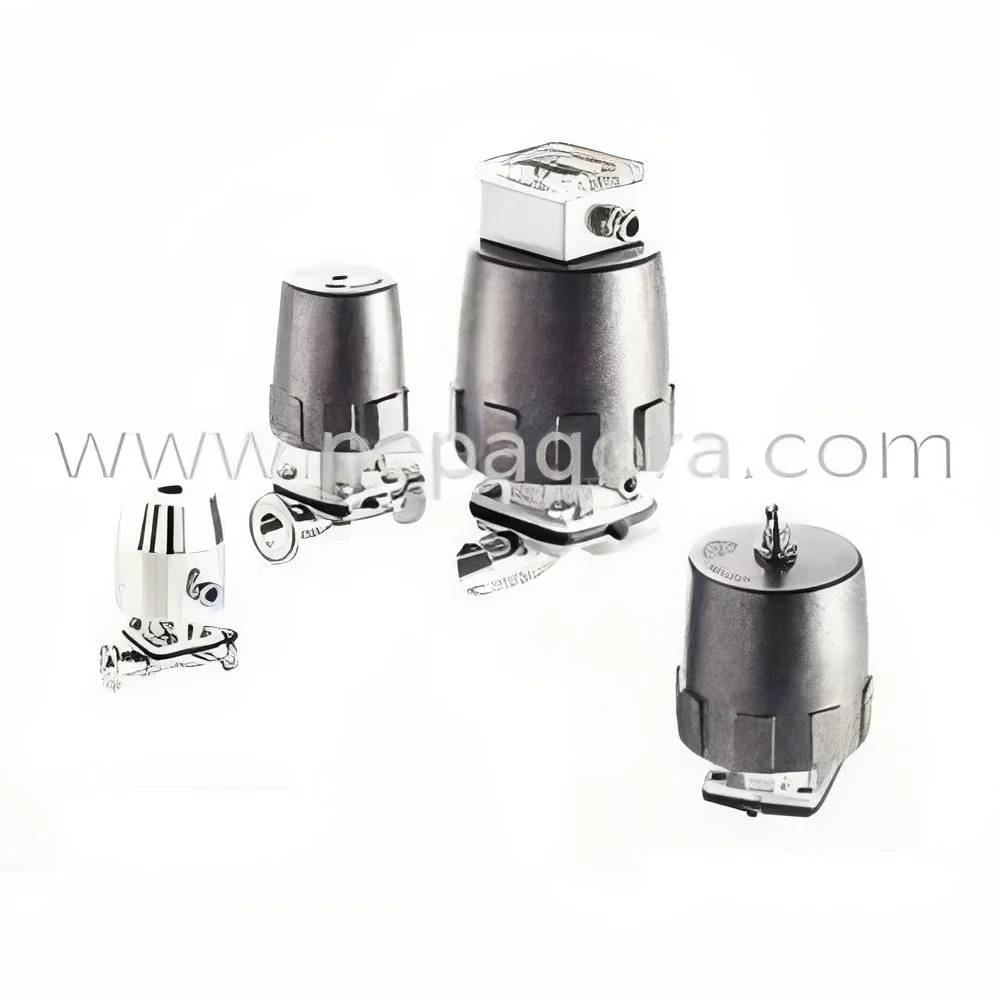
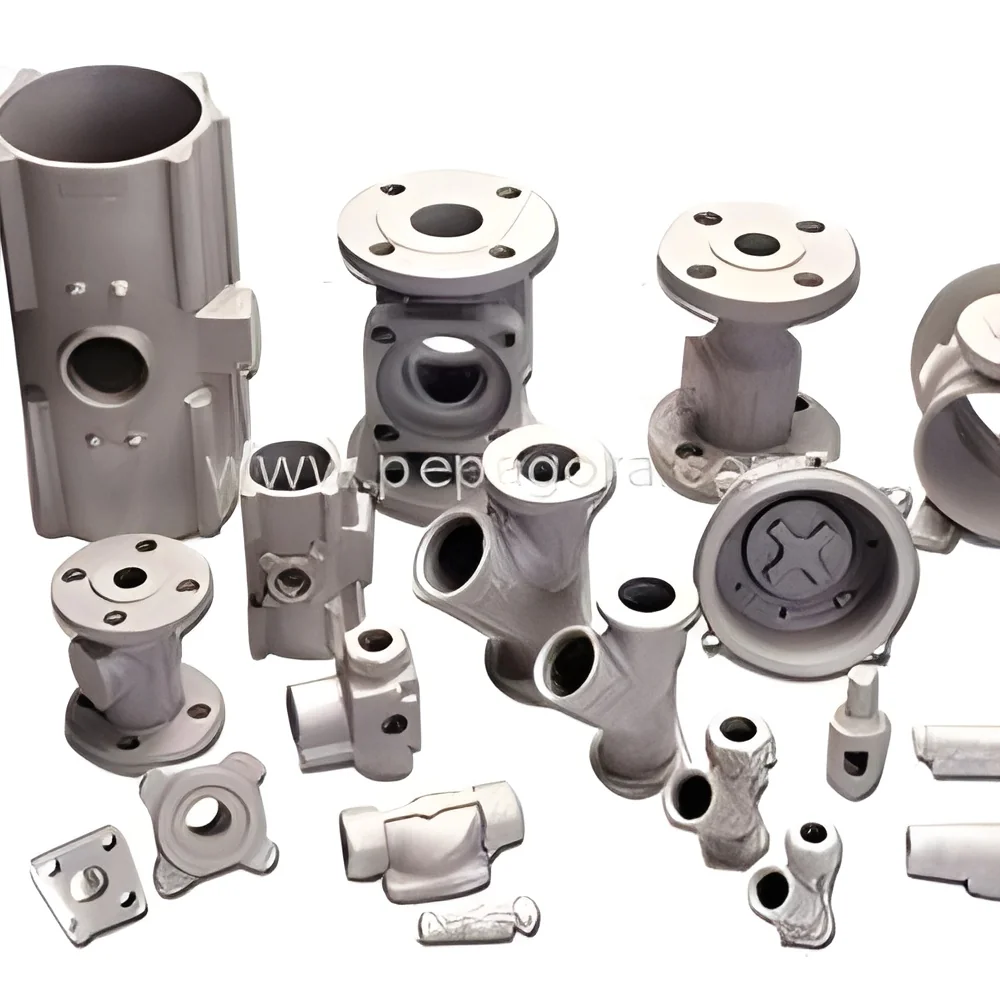
Pneumatic valves are critical components used in various industrial applications to control the flow of compressed air or gas within a pneumatic system. These valves regulate the pressure, direction, and flow of the medium, allowing for efficient operation of machinery and equipment. Pneumatic valves work by using air pressure to open or close the valve, thereby controlling the movement of actuators, cylinders, and other devices in automated processes.
These valves find extensive use in industries such as manufacturing, automotive, food processing, and packaging. They play a vital role in controlling automated systems, ensuring smooth operation, and enhancing productivity. Companies rely on pneumatic valves for functions such as controlling air supply to machinery, managing air pressure in production lines, and enabling precise movement in robotic applications. In today’s competitive market, the demand for efficient and reliable pneumatic valves continues to grow as industries seek to improve operational efficiency and reduce downtime.
Key Features and Specifications
Pneumatic valves come with a range of features and specifications that are essential for their performance in various applications. Understanding these specifications helps businesses choose the right valve for their needs.
Key specifications include:
1. Valve Type
- Common types include solenoid valves, ball valves, and butterfly valves.
- Each type has unique operational characteristics suited for different applications.
2. Operating Pressure Range
- Typically ranges from low pressure (0-2 bar) to high pressure (up to 10 bar or more).
- The operating pressure affects the valve's performance and suitability for specific tasks.
3. Port Size
- Available in various port sizes, such as 1/4 inch, 1/2 inch, and larger.
- The port size determines the flow rate and compatibility with existing systems.
4. Body Material
- Common materials include aluminum, brass, and stainless steel.
- Material choice affects durability and resistance to corrosion.
5. Temperature Range
- Operating temperature ranges are typically between -20°C to +80°C.
- This range ensures reliable operation under various environmental conditions.
6. Actuation Method
- Options include manual, pneumatic, and electric actuation.
- The actuation method can influence response time and control precision.
7. Response Time
- Fast response times are crucial for applications requiring quick actuation.
- Typical response times can range from milliseconds to seconds.
8. Certifications
- Many pneumatic valves are certified to meet industry standards such as CE.
- Certifications ensure compliance with safety and quality regulations.
In summary, the key features and specifications of pneumatic valves are essential for determining their suitability for various applications. An understanding of these features helps businesses make informed purchasing decisions.
Common Applications and Use Cases
Pneumatic valves are utilized across a wide range of industries, each with specific applications that highlight their versatility.
1. Manufacturing: Pneumatic valves control air supply to machinery, enhancing the efficiency of production lines and enabling automation.
2. Automotive: In the automotive industry, these valves are used in assembly processes, controlling pneumatic tools and equipment for precision tasks.
3. Food Processing: Pneumatic valves help regulate air flow and pressure in packing machines, ensuring efficient operation and maintaining product quality.
4. Packaging: In packaging lines, pneumatic valves control the movement of bags, cartons, and other packaging materials, facilitating fast and accurate filling.
5. Pharmaceutical: Pneumatic valves are employed in clean rooms and manufacturing processes to ensure compliance with strict hygiene standards.
6. Textile: In textile machinery, these valves control air flow for spinning, weaving, and finishing operations, contributing to overall efficiency.
7. Construction: Pneumatic valves are used in tools and equipment for tasks such as drilling, cutting, and lifting, providing reliable performance under demanding conditions.
Product Variants and Subcategories
Pneumatic valves are available in various forms to meet the diverse needs of different industries. Each variant offers unique features and applications.
Solenoid Valves
These valves are electrically operated and provide quick response times. They are commonly used in automation systems to control air flow in pneumatic circuits.
Ball Valves
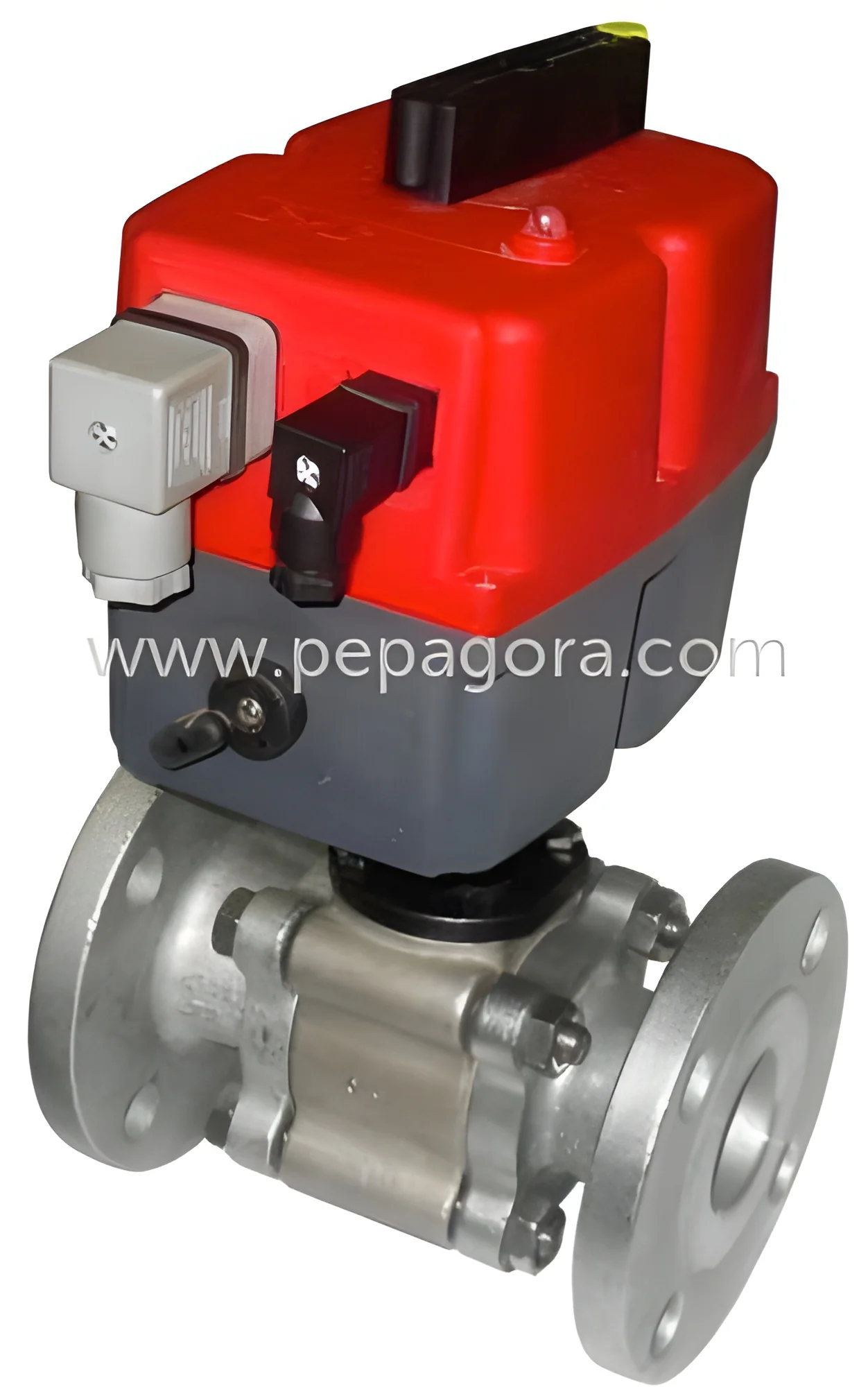
Known for their durability and reliability, ball valves are used in applications that require tight sealing and minimal pressure drop. They are ideal for on/off control.
Butterfly Valves
These valves are used for regulating flow in large pipes. They are lightweight and provide a compact design, making them suitable for space-constrained applications.
Benefits and Advantages
Pneumatic valves offer several advantages that make them essential components in various industrial applications.
1. Efficiency: Pneumatic valves enhance the efficiency of automated systems by ensuring precise control over air flow and pressure.
2. Reliability: These valves have a robust design, which leads to long operational life and reduced maintenance requirements.
3. Quick Operation: With fast response times, pneumatic valves can facilitate rapid actuation, improving overall system performance.
4. Versatility: Available in multiple designs and sizes, pneumatic valves can be tailored to fit a wide range of applications and industries.
5. Safety: Many pneumatic valves are designed with safety features that prevent accidental operation, ensuring safe use in sensitive environments.
6. Cost-Effective: The durability and efficiency of pneumatic valves contribute to lower operational costs over time, making them a cost-effective choice for businesses.
Buying Guide for B2B Buyers
When sourcing pneumatic valves, businesses should consider several critical factors to ensure they select the right products for their needs.
1. Quality Assessment: Evaluate the quality of pneumatic valves by checking for industry certifications and performance standards. High-quality valves tend to have better durability and reliability.
2. Supplier Verification: Vet suppliers to ensure they have a proven track record and can provide consistent quality. Look for reviews, references, and any available certifications.
3. Pricing and MOQ: Understand the pricing structure and minimum order quantities (MOQ) from suppliers. This helps in budgeting and ensuring that production needs are met without over-ordering.
4. Delivery and Lead Times: Inquire about logistics, including delivery schedules and lead times. Efficient supply chains are essential to avoid production delays.
5. Compliance Requirements: Ensure that the valves meet relevant industry regulations and compliance requirements. This may include safety standards and environmental considerations.
Compliance and Certifications
Pneumatic valves must adhere to various quality standards and certifications to ensure safety and reliability in industrial applications. One of the most recognized standards is ISO 9001, which focuses on quality management systems. Compliance with this standard indicates that a supplier has implemented effective quality assurance processes.
Additionally, many pneumatic valves are certified with the CE mark, indicating compliance with European safety directives. This certification assures customers that the products meet health, safety, and environmental protection standards.
Safety and testing requirements are also crucial, especially in industries such as food processing and pharmaceuticals, where contamination and operational failures can have severe consequences. Manufacturers often conduct rigorous testing to ensure their pneumatic valves perform reliably under specified conditions.
Regional compliance considerations are also important as different regions may have varying regulations. Understanding these local requirements helps companies avoid legal issues and ensures that products can be used safely in their respective markets.
Why Source Pneumatic Valves from Pepagora?
Pepagora provides a trusted platform for sourcing pneumatic valves, offering several key advantages that benefit B2B buyers.
Verified Supplier Network: Pepagora connects buyers with a network of verified suppliers. This ensures that all listed suppliers meet strict quality standards and deliver reliable products.
Streamlined RFQ Process: The platform features a streamlined Request for Quotation (RFQ) process, allowing buyers to easily compare offers from multiple suppliers. This transparency helps in making informed purchasing decisions.
Trade Assurance and Support: Pepagora offers trade assurance to protect buyers, providing peace of mind when sourcing pneumatic valves. Additionally, customer support is readily available to address any queries or concerns.
Regional Coverage: With a strong presence in India, the GCC, and Southeast Asia, Pepagora facilitates access to a diverse market. This geographic reach enhances the sourcing experience, allowing businesses to find the right products quickly and efficiently.

 IN
IN