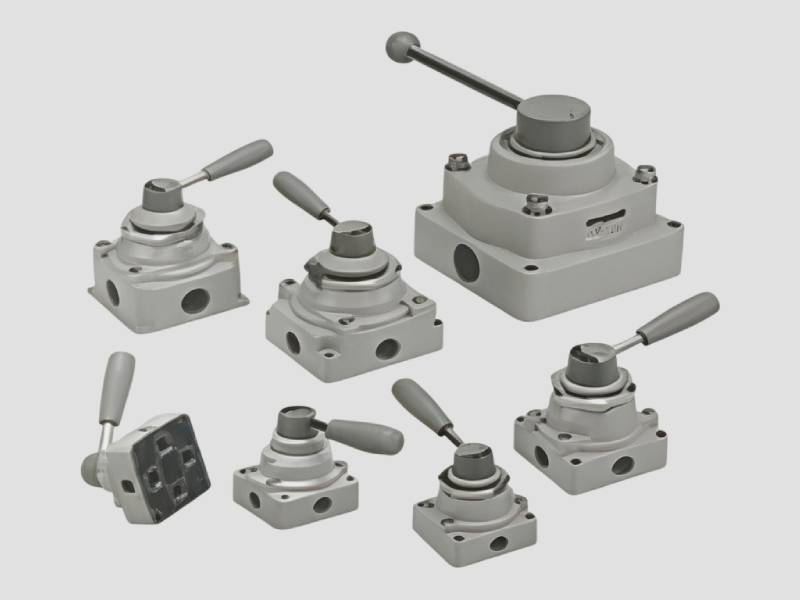
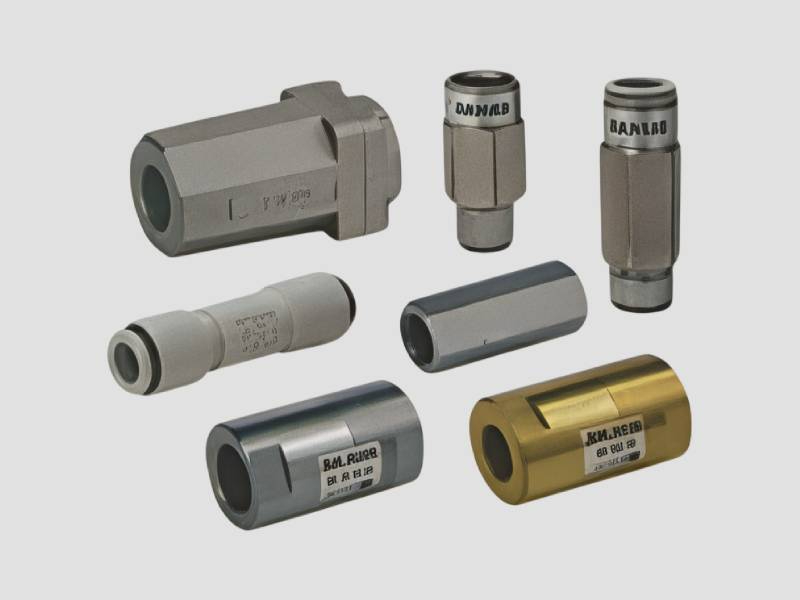
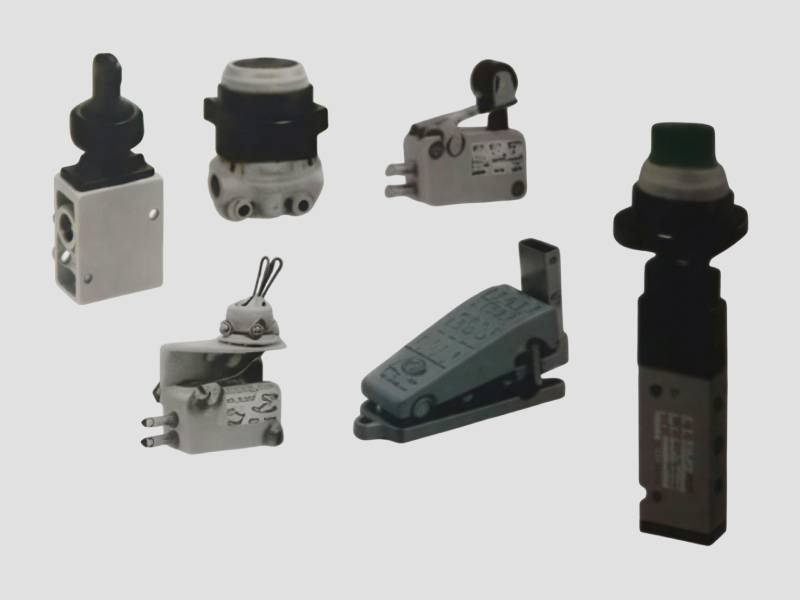
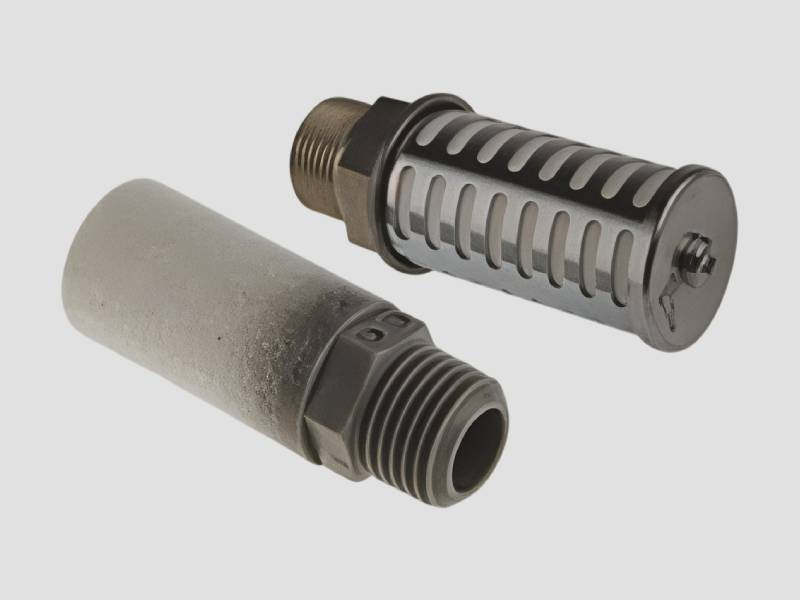
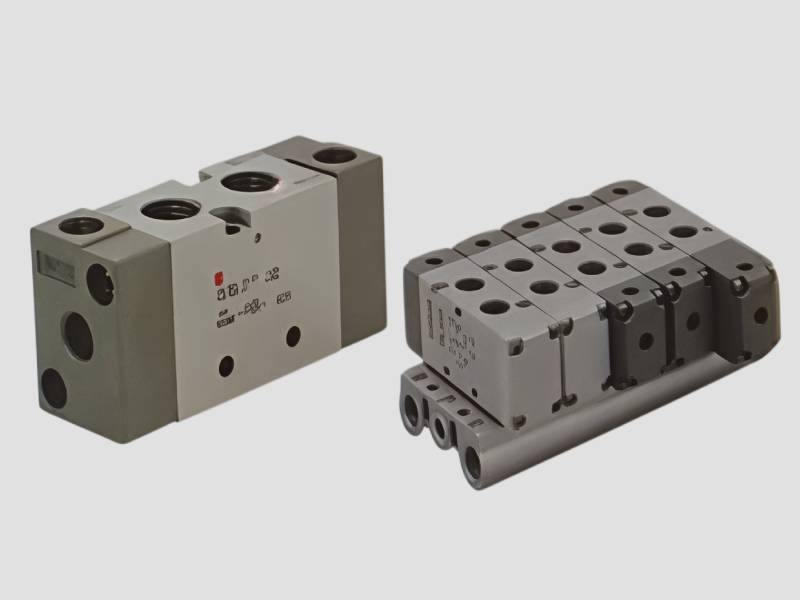
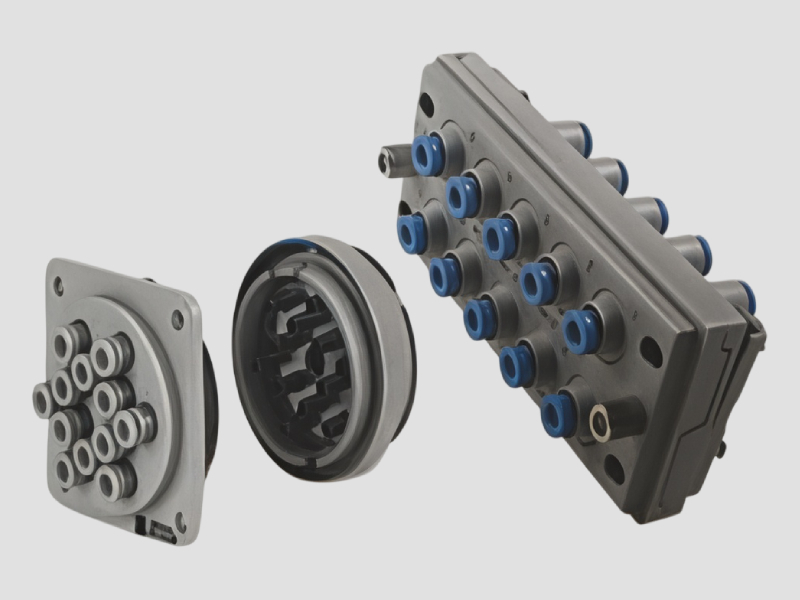
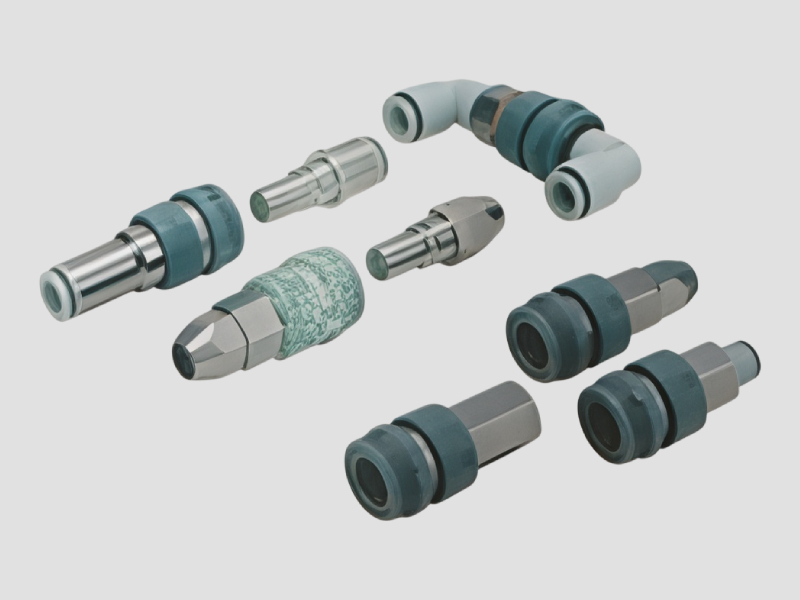
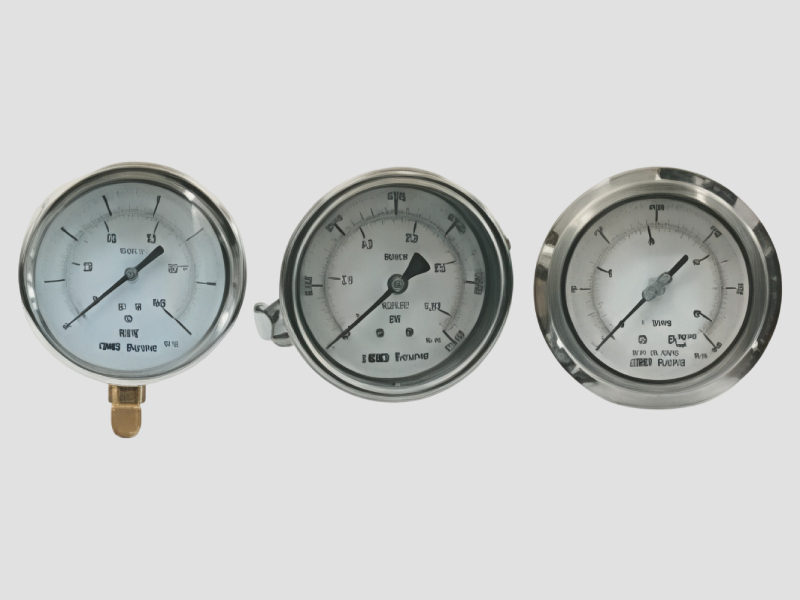
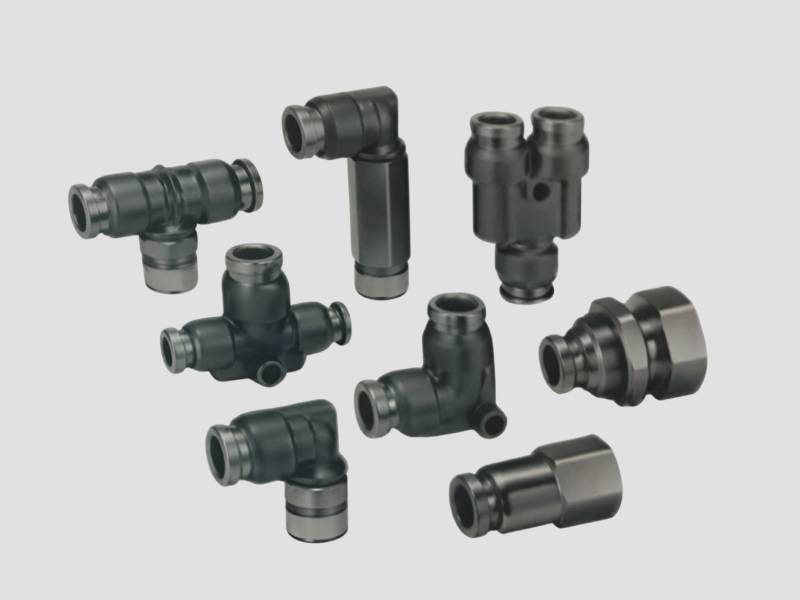
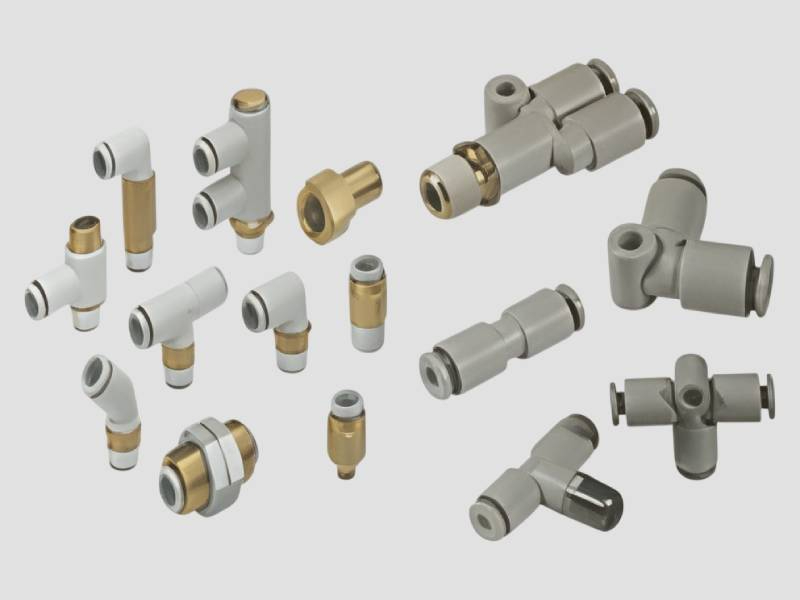
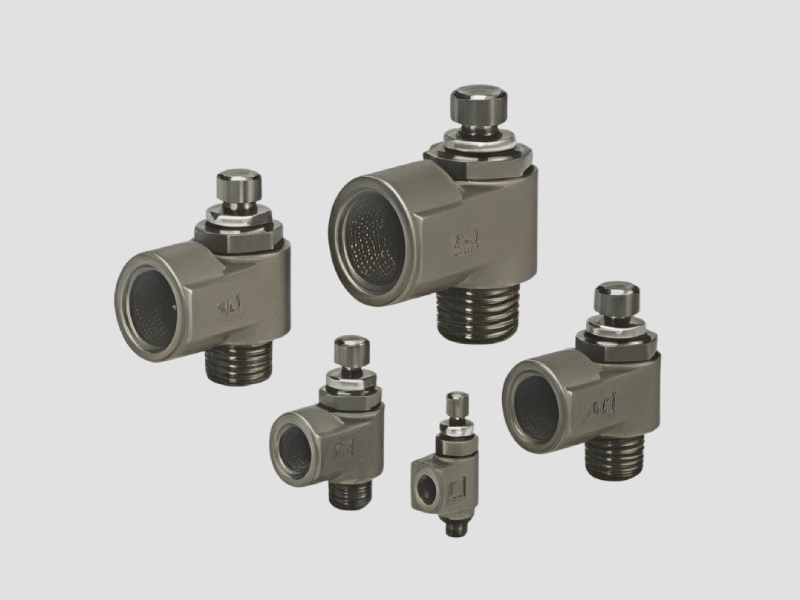
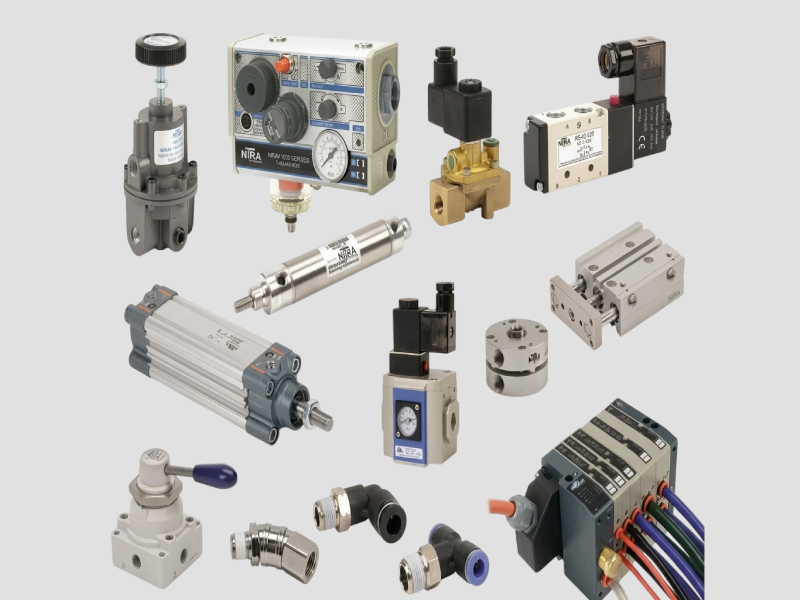
𝗪𝗵𝗮𝘁 𝗮𝗿𝗲 𝗣𝗻𝗲𝘂𝗺𝗮𝘁𝗶𝗰 𝗧𝗼𝗼𝗹𝘀?
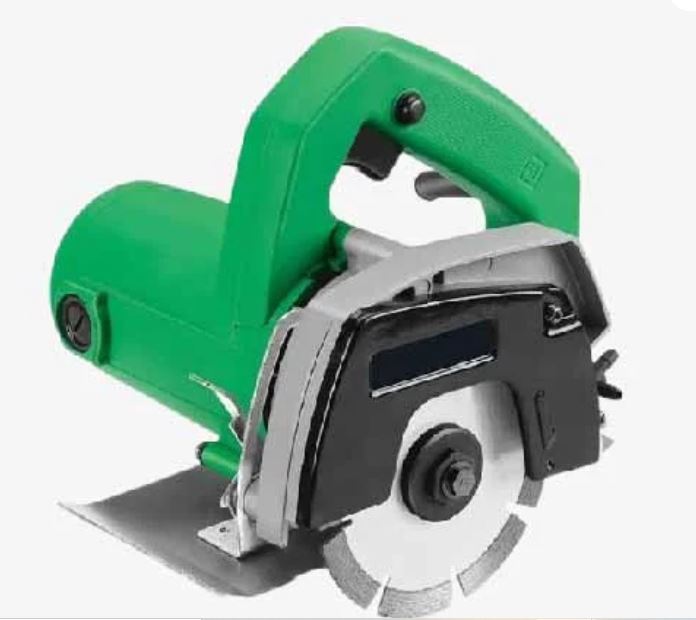
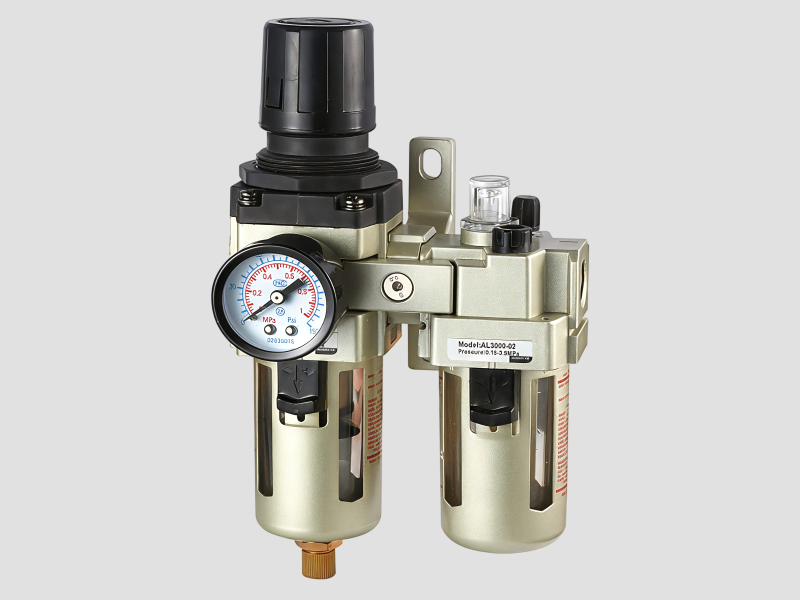
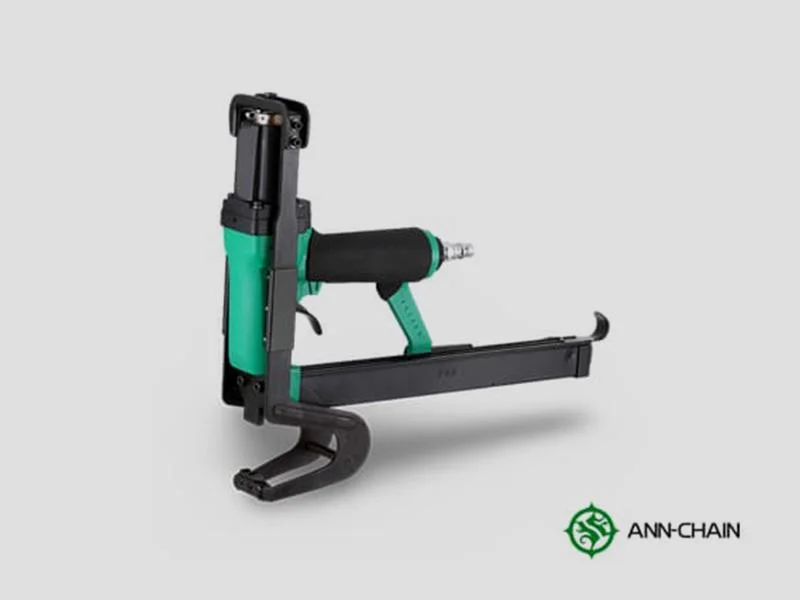
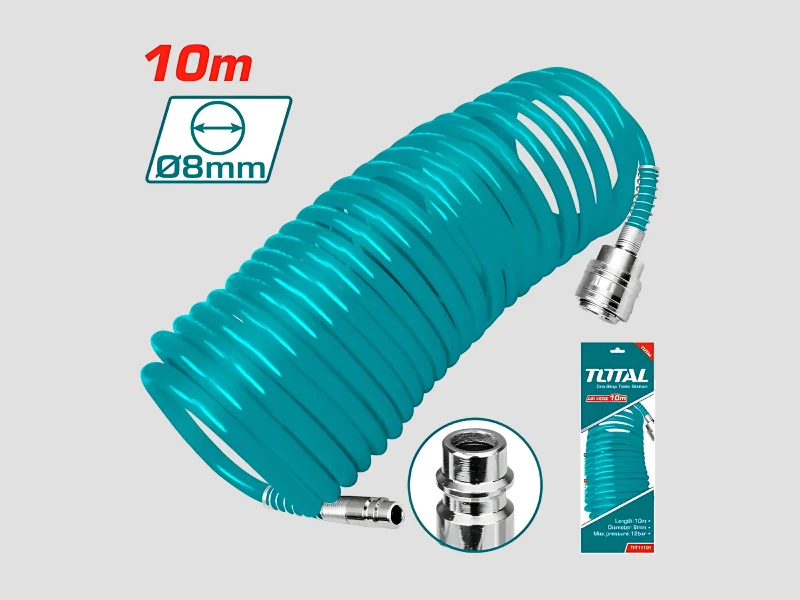
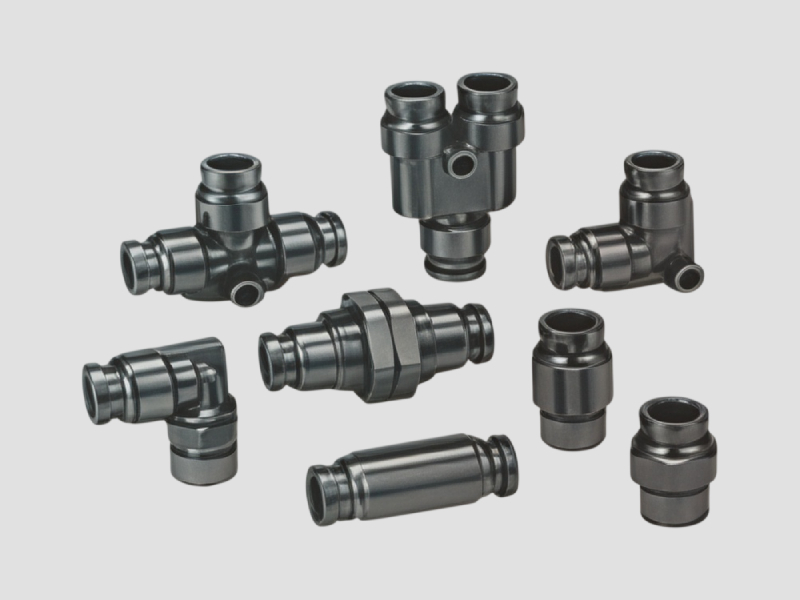
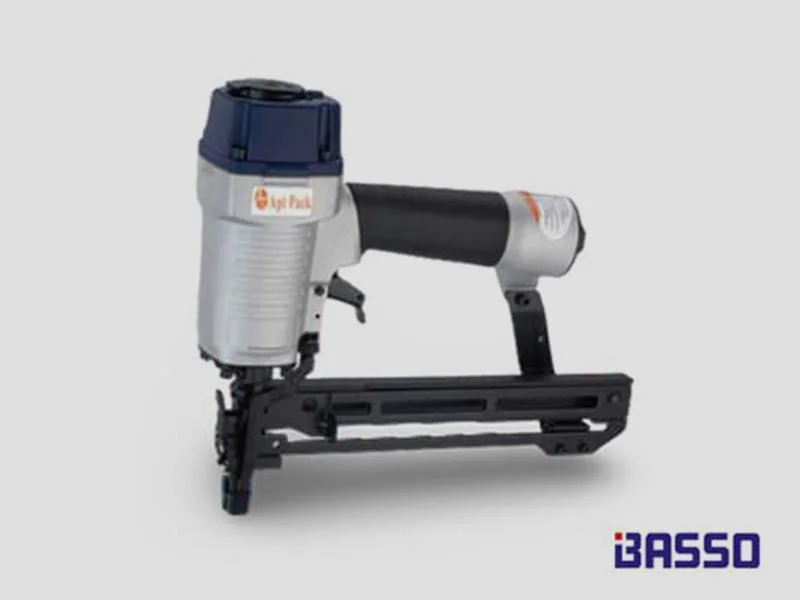
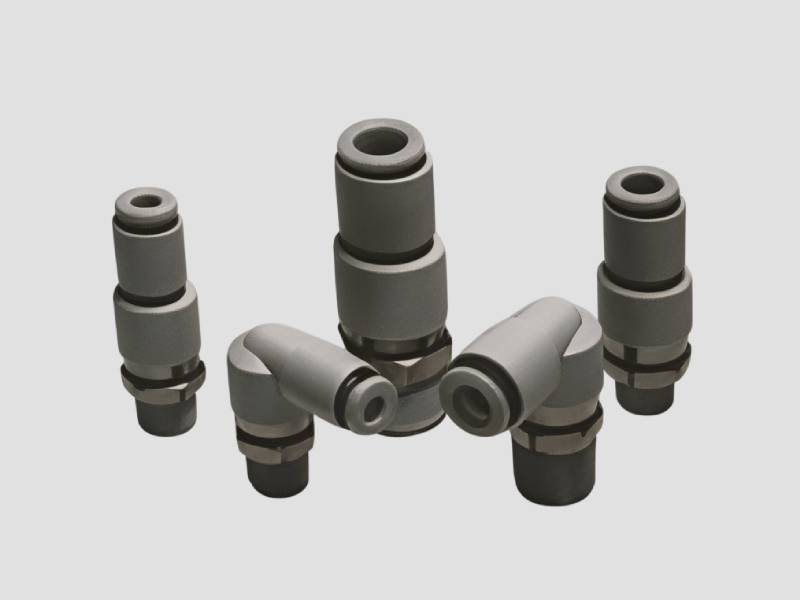
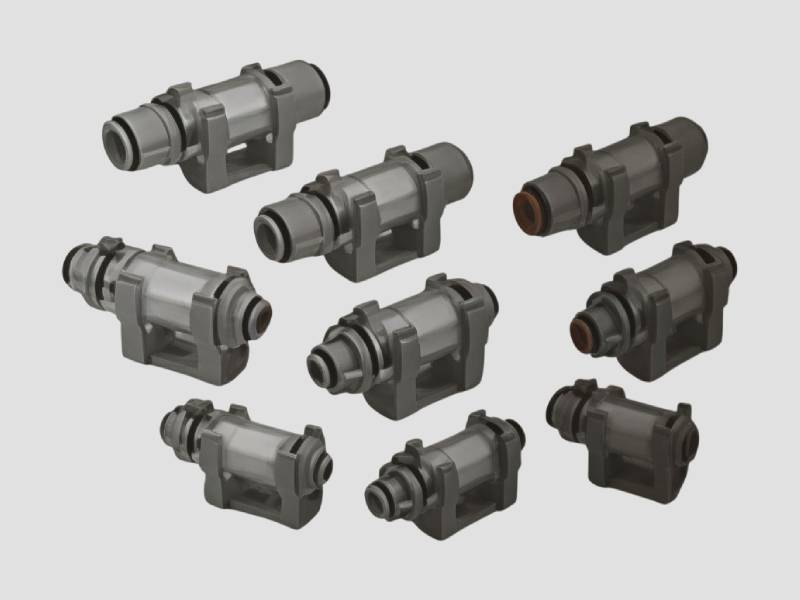
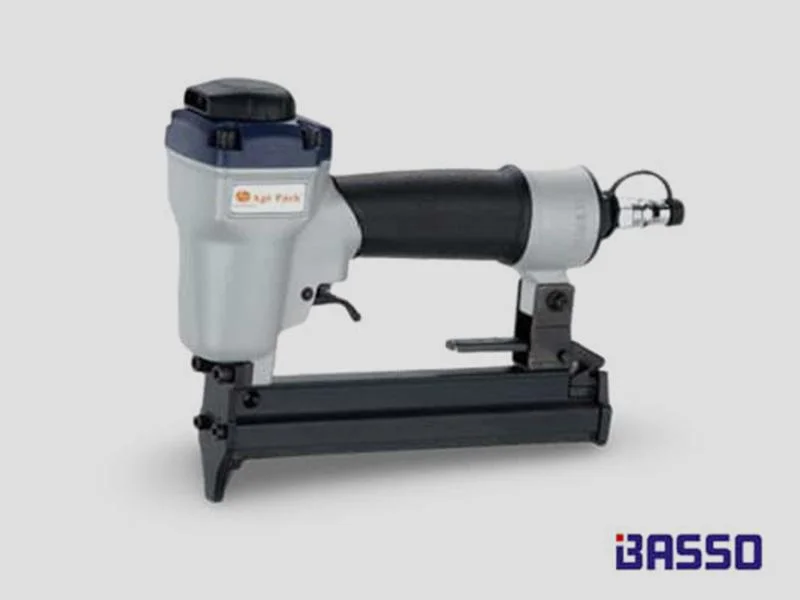
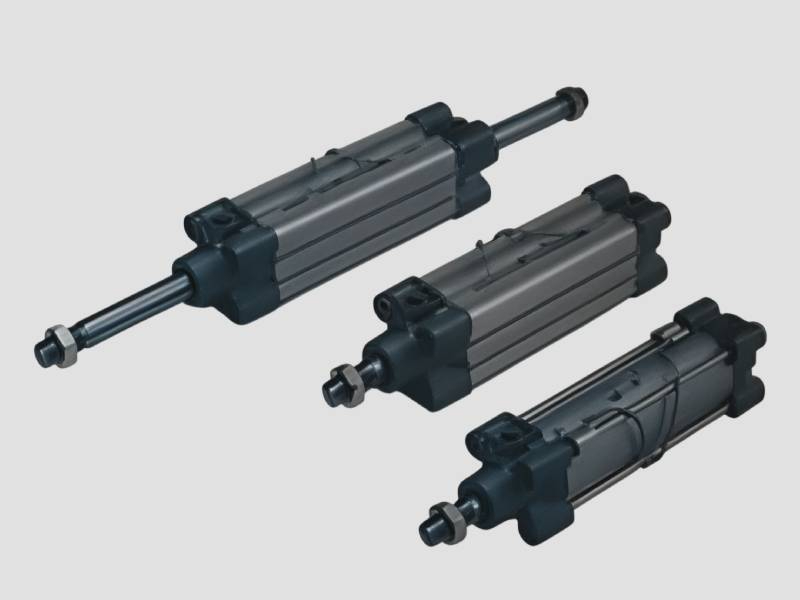
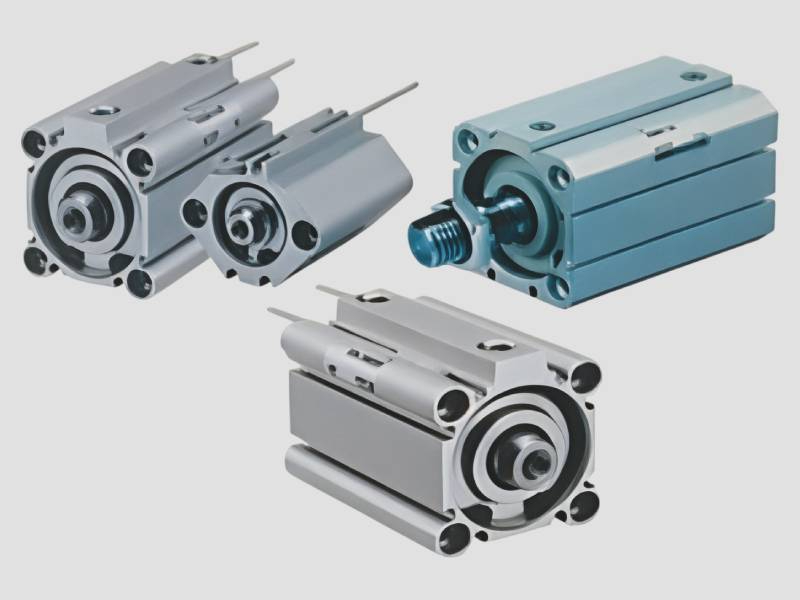
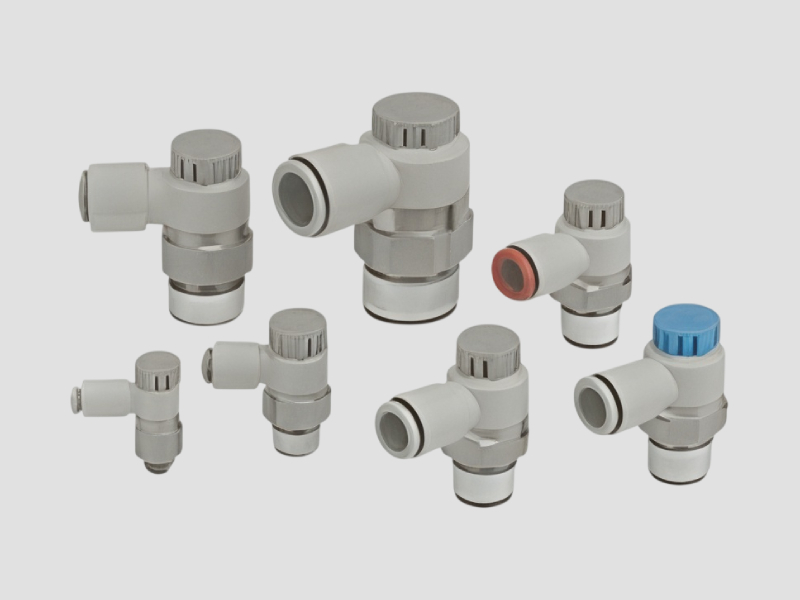
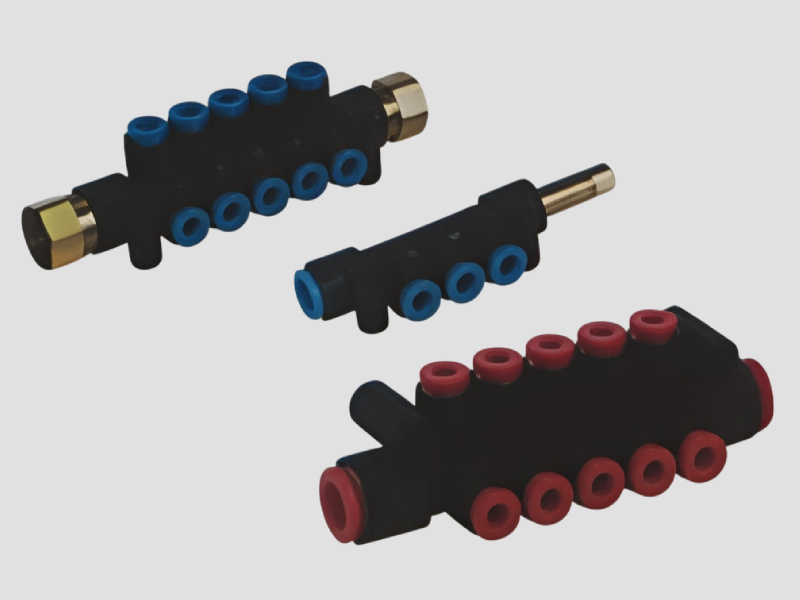
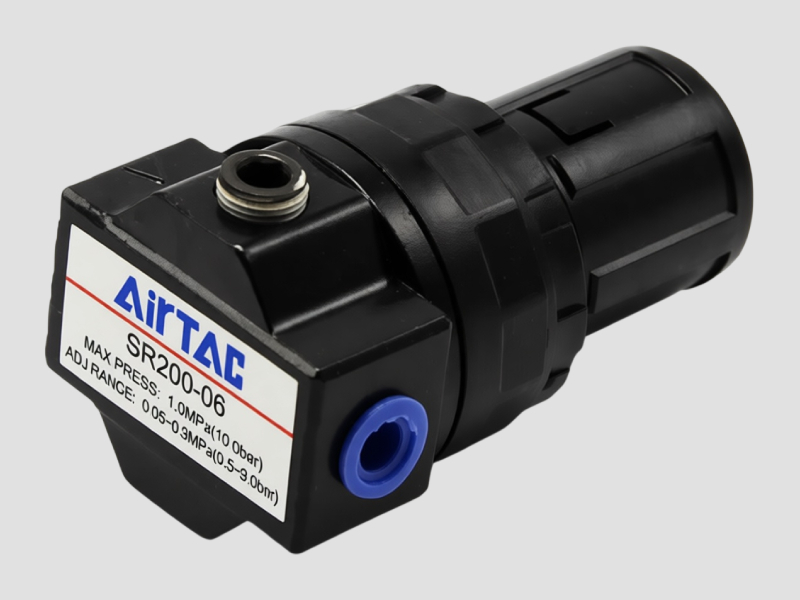
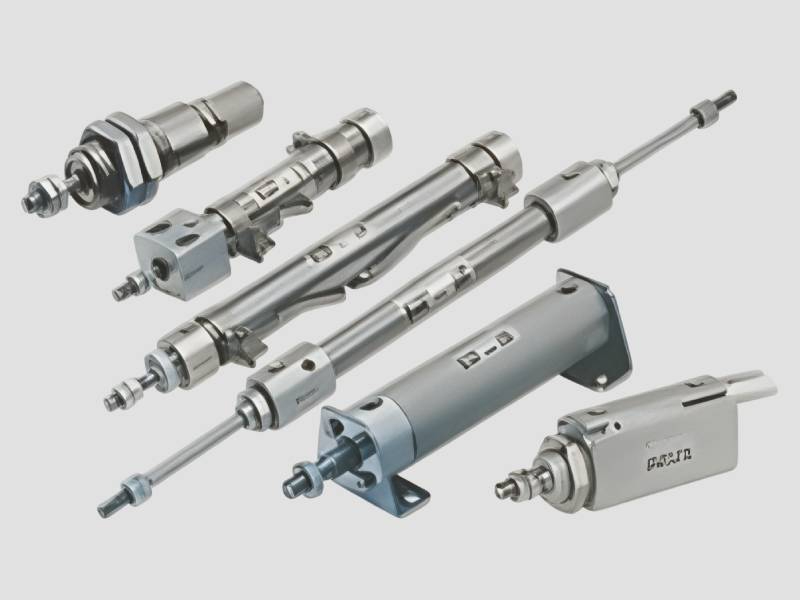
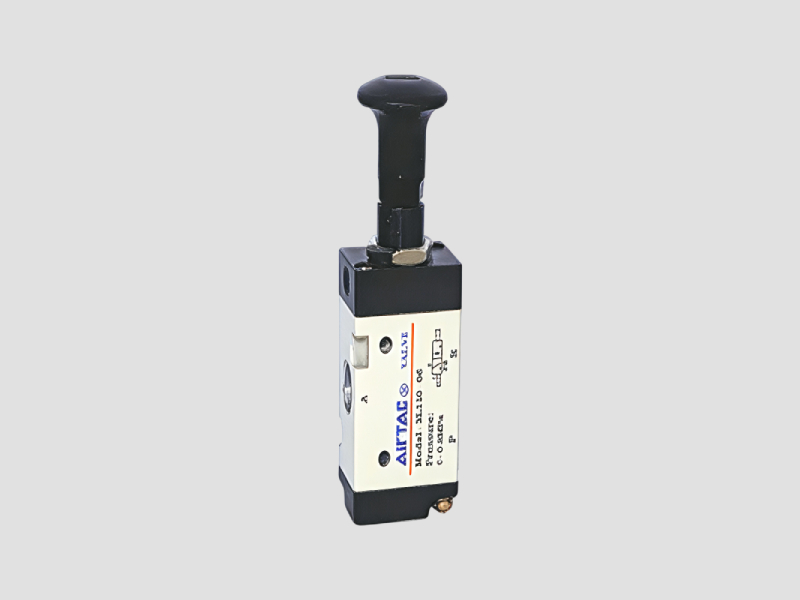
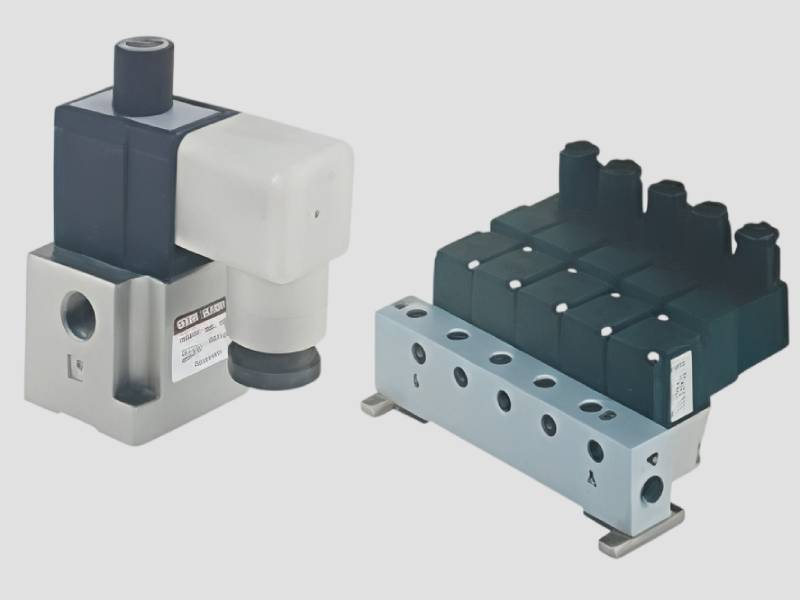
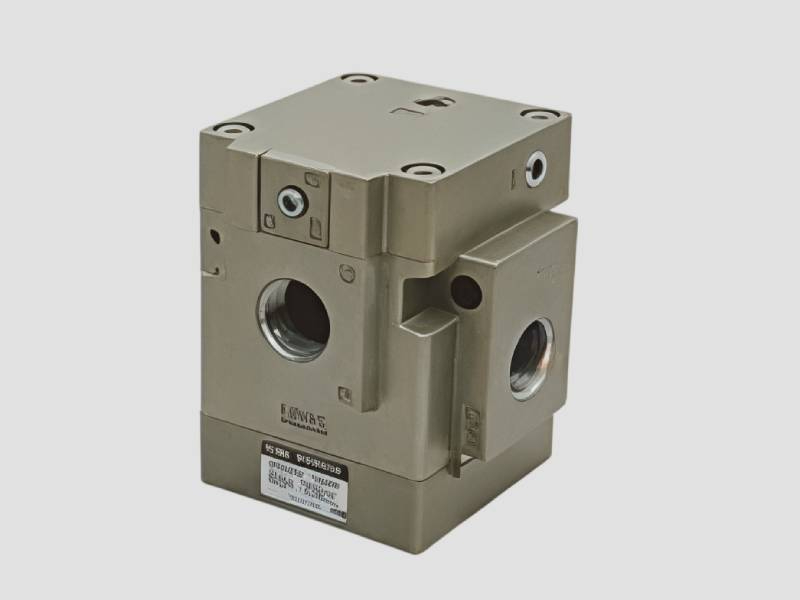
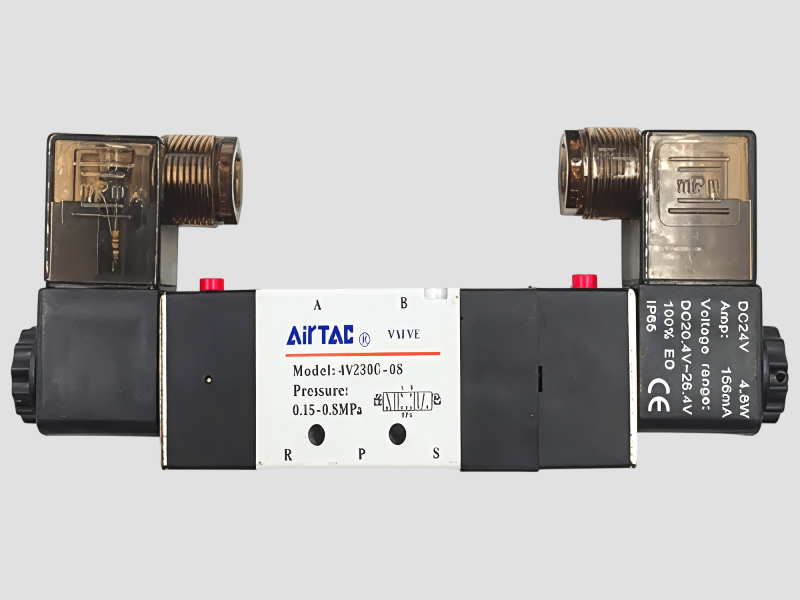
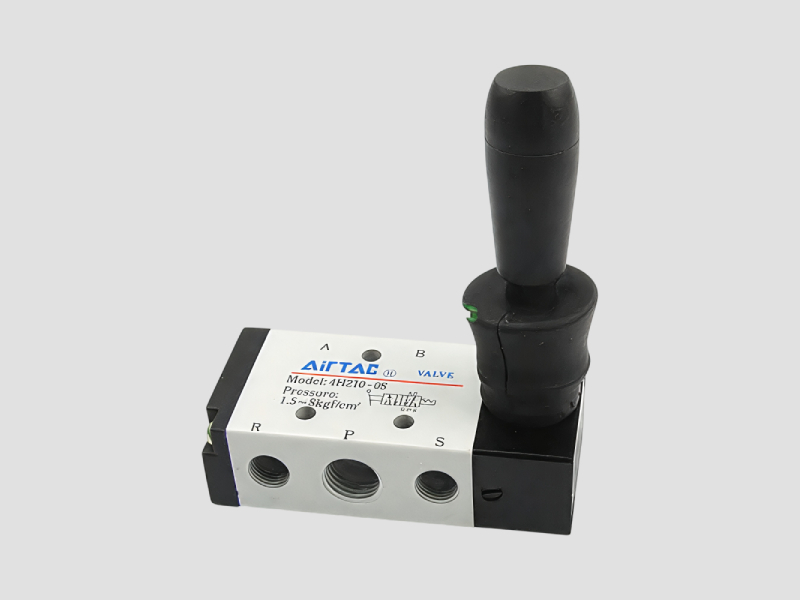
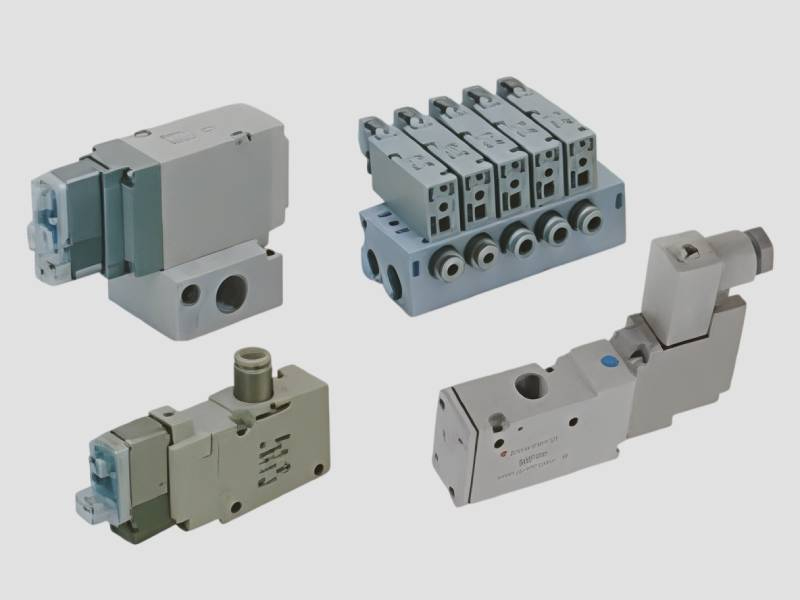
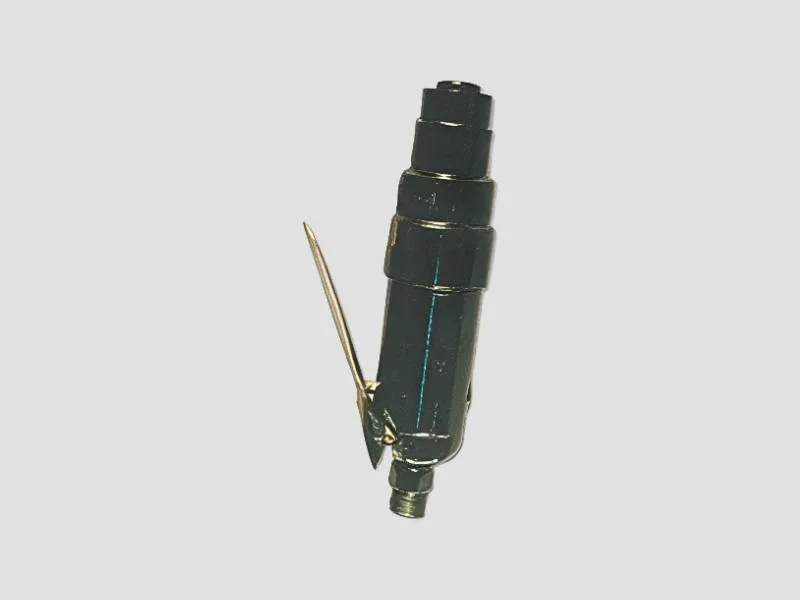
Pneumatic tools are power-driven devices that utilize compressed air to perform various tasks. These tools convert the energy from compressed air into mechanical work, allowing for efficient operation in industrial and commercial settings. Pneumatic tools are known for their ability to deliver high power-to-weight ratios, making them easier to handle and operate than many electric-powered alternatives. Common examples include air wrenches, nail guns, and air hammers.
These tools find extensive use in a variety of applications across different industries, such as manufacturing, automotive repair, and construction. In manufacturing, pneumatic tools are often employed for assembly tasks, while in automotive repair, they are essential for tasks like tire changes and engine work. The versatility and reliability of pneumatic tools make them a preferred choice in environments that require rapid and repetitive tasks.
The market for pneumatic tools continues to grow as industries seek more efficient solutions for their operations. With advancements in technology, pneumatic tools are becoming more sophisticated, integrating features that enhance precision and safety. This trend positions pneumatic tools as a critical component in modern industrial workflows.
𝗞𝗲𝘆 𝗙𝗲𝗮𝘁𝘂𝗿𝗲𝘀 𝗮𝗻𝗱 𝗦𝗽𝗲𝗰𝗶𝗳𝗶𝗰𝗮𝘁𝗶𝗼𝗻𝘀
Pneumatic tools come with various features and specifications that determine their performance and suitability for specific tasks. Understanding these specifications is essential for making informed purchasing decisions.
Key specifications include:
1. Air Pressure Range
- Typically measured in pounds per square inch (PSI)
- Common ranges are between 70 PSI to 120 PSI
2. Flow Rate
- Measured in cubic feet per minute (CFM)
- Varies based on tool type, generally between 2 CFM to 10 CFM
3. Tool Weight
- Important for operator comfort and control
- Ranges from lightweight models at around 2 pounds to heavier models exceeding 10 pounds
4. Noise Level
- Measured in decibels (dB)
- Common levels range from 80 dB to 95 dB, depending on the tool
5. Operating Temperature
- Varies based on tool design and materials
- Most tools operate effectively in temperatures from 32°F to 120°F
6. Material Construction
- Typically made from aluminum, composite materials, and steel
- Impacts durability and weight
7. Safety Features
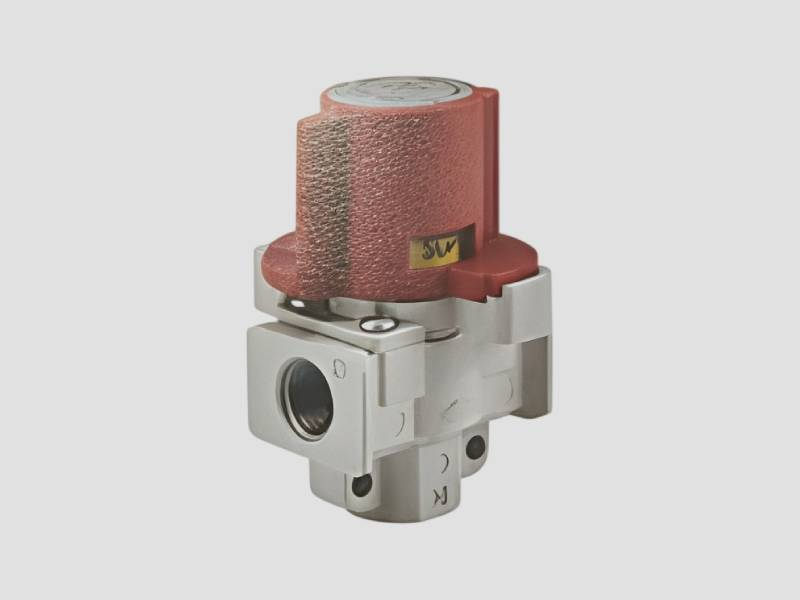
- May include automatic shut-off and pressure relief valves
- Important for user protection and compliance with safety standards
8. Warranty and Service Life
- Varies by manufacturer
- Common warranties range from 1 year to 3 years
In summary, understanding these key features and specifications helps businesses select the right pneumatic tools tailored to their operational needs.
𝗖𝗼𝗺𝗺𝗼𝗻 𝗔𝗽𝗽𝗹𝗶𝗰𝗮𝘁𝗶𝗼𝗻𝘀 𝗮𝗻𝗱 𝗨𝘀𝗲 𝗖𝗮𝘀𝗲𝘀
Pneumatic tools serve various industries with specific applications suited to their operational requirements.
1. Automotive: Pneumatic tools are widely used for tire changes, bodywork, and engine assembly. Their high speed and efficiency make them ideal for fast-paced automotive environments.
2. Manufacturing: In manufacturing, these tools are utilized for assembly lines, providing quick fastening and material handling. Their precision and reliability enhance productivity.
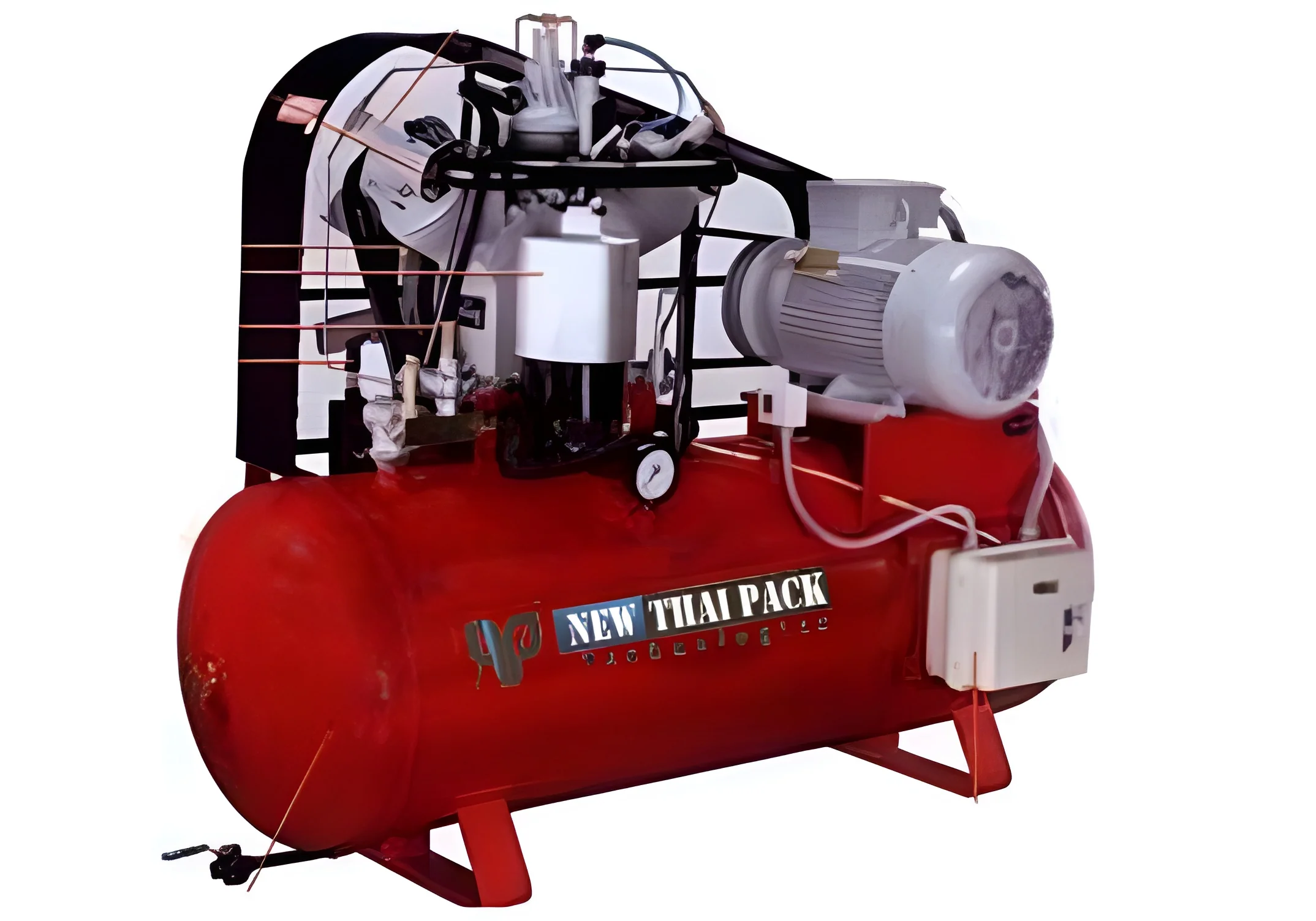
3. Construction: Pneumatic tools such as nail guns and air compressors are essential in construction for framing, roofing, and other building tasks, facilitating faster project completion.
4. Maintenance and Repair: In maintenance environments, pneumatic tools assist technicians in performing repairs and routine maintenance on equipment, ensuring longevity and operational efficiency.
5. Aerospace: Pneumatic tools are used in the aerospace industry for assembling aircraft parts, where precision and safety are paramount.
6. Marine: In marine applications, pneumatic tools help with the maintenance of boats and ships, including tasks like sanding and painting.
7. HVAC: In heating, ventilation, and air conditioning work, pneumatic tools are essential for installation and repair tasks, ensuring quality and speed.
𝗣𝗿𝗼𝗱𝘂𝗰𝘁 𝗩𝗮𝗿𝗶𝗮𝗻𝘁𝘀 𝗮𝗻𝗱 𝗦𝘂𝗯𝗰𝗮𝘁𝗲𝗴𝗼𝗿𝗶𝗲𝘀
Pneumatic tools come in various types, each designed for specific tasks and industries. This product diversity allows businesses to select tools that best meet their needs.
Impact Wrenches
Impact wrenches provide high torque output, making them ideal for loosening or tightening fasteners in automotive and industrial applications. They are designed to handle tough jobs quickly and efficiently.
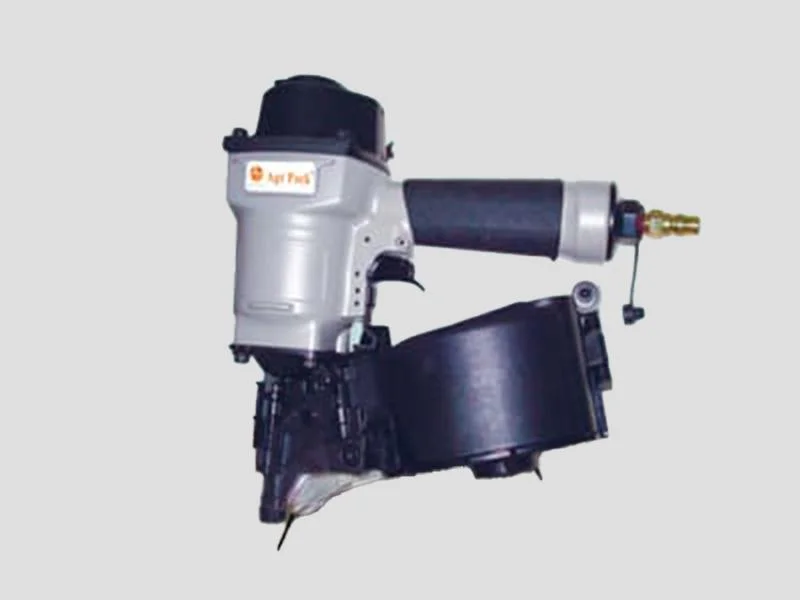
Nail Guns
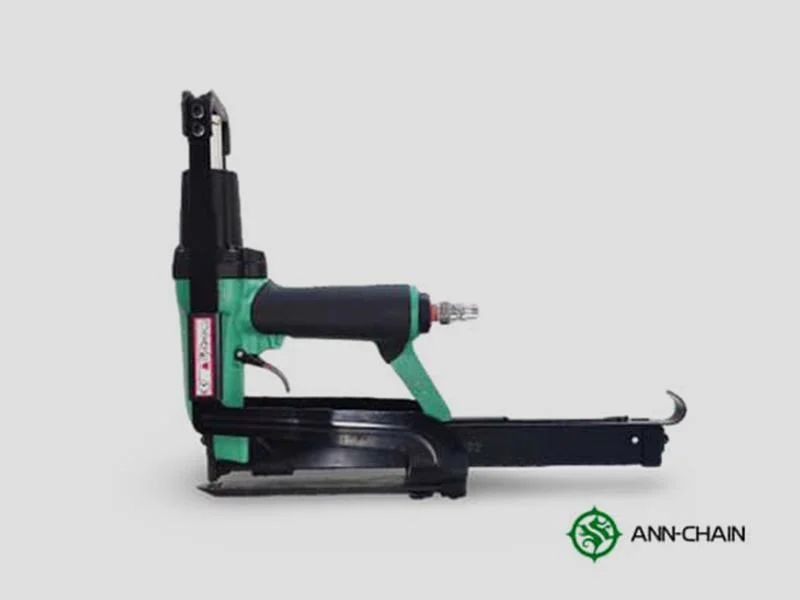
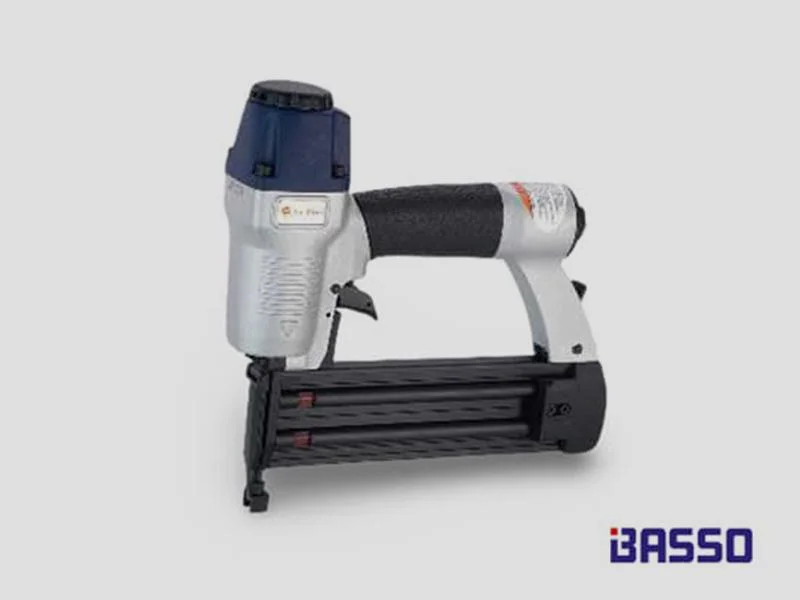
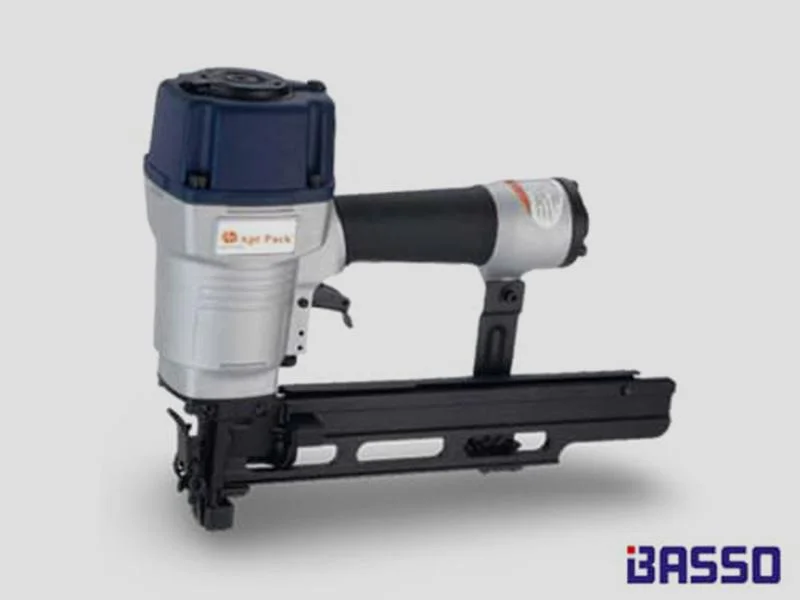
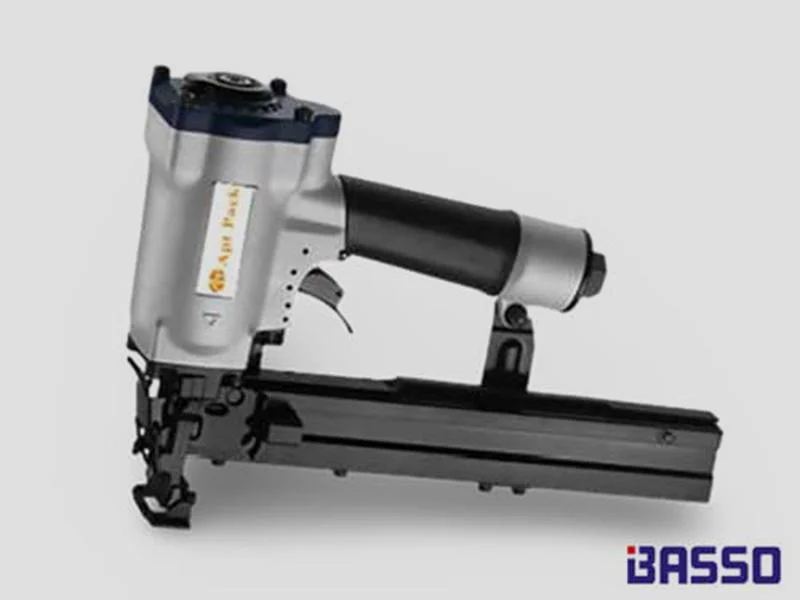
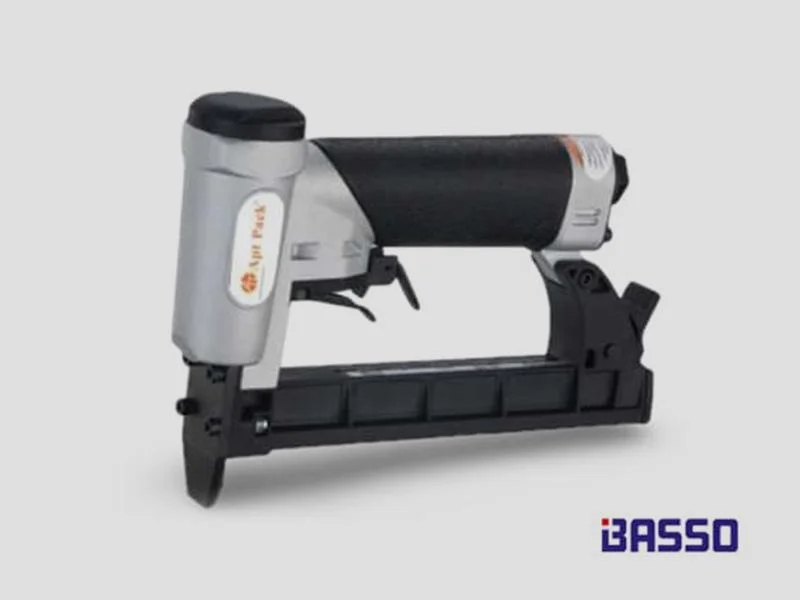
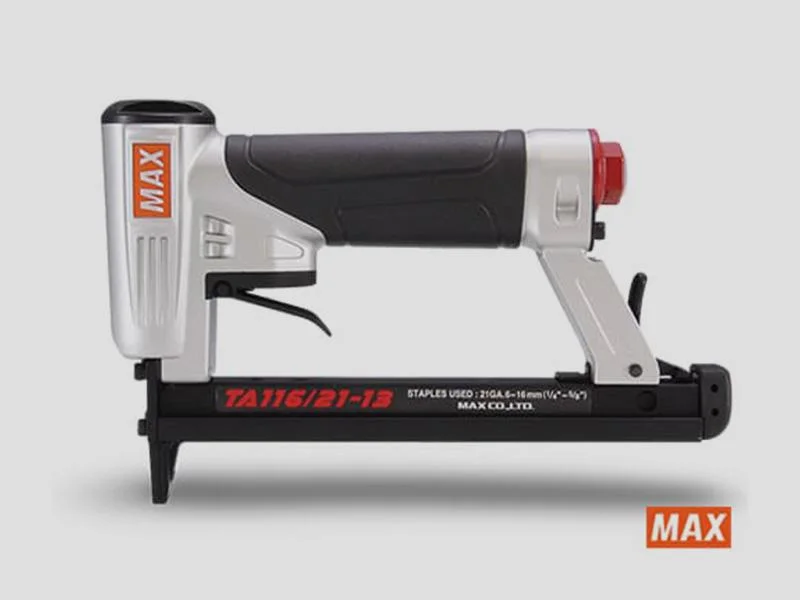
Nail guns use compressed air to drive nails into various materials, significantly speeding up construction and woodworking tasks. They are essential for framing, roofing, and finishing work.
Air Hammers
Air hammers are versatile tools used for chiseling, cutting, and breaking materials. They are commonly used in metalworking and construction for tasks that require precision and power.
Spray Guns
Pneumatic spray guns are used for applying paint and coatings. They offer a fine finish and are widely used in automotive refinishing and industrial coating applications.
𝗕𝗲𝗻𝗲𝗳𝗶𝘁𝘀 𝗮𝗻𝗱 𝗔𝗱𝘃𝗮𝗻𝘁𝗮𝗴𝗲𝘀
Pneumatic tools offer several advantages that make them a valuable investment for businesses.
1. High Efficiency: Pneumatic tools operate quickly and effectively, increasing productivity in various applications.
2. Lightweight Design: Many pneumatic tools are lighter than their electric counterparts, reducing operator fatigue and improving handling.
3. Durability: Built to withstand harsh industrial environments, pneumatic tools often have a longer lifespan with proper maintenance.
4. Cost-Effectiveness: While the initial investment can be significant, pneumatic tools typically have lower operational costs due to their energy efficiency and reliability.
5. Versatility: Pneumatic tools can be used for a wide range of applications across multiple industries, making them a flexible solution for businesses.
6. Safety Features: Many pneumatic tools come equipped with safety mechanisms that reduce the risk of accidents, providing a safer working environment.
𝗕𝘂𝘆𝗶𝗻𝗴 𝗚𝘂𝗶𝗱𝗲 𝗳𝗼𝗿 𝗕𝟮𝗕 𝗕𝘂𝘆𝗲𝗿𝘀
When sourcing pneumatic tools, it is important to consider several factors to ensure you select the right tools for your operations.
1. Quality Assessment: Evaluate tools based on manufacturer reputation, materials used, and customer reviews. Quality tools enhance productivity and safety.
2. Supplier Verification: Vet suppliers by checking their certifications, customer feedback, and track records. A reliable supplier ensures consistent product quality and service.
3. Pricing and MOQ: Understand the pricing structure and minimum order quantities (MOQ) required by suppliers. This helps in budgeting and ensuring you meet operational needs.
4. Delivery and Lead Times: Inquire about delivery schedules and lead times to ensure that tools arrive when needed for projects. Delays can impact production schedules.
5. Compliance Requirements: Verify that tools meet industry-specific compliance and safety regulations. This ensures legal conformity and product standards.
𝗖𝗼𝗺𝗽𝗹𝗶𝗮𝗻𝗰𝗲 𝗮𝗻𝗱 𝗖𝗲𝗿𝘁𝗶𝗳𝗶𝗰𝗮𝘁𝗶𝗼𝗻𝘀
Pneumatic tools must adhere to various quality standards and certifications to ensure safety and reliability in their use. ISO 9001 is a widely recognized standard that outlines requirements for quality management systems. Adhering to this standard helps manufacturers maintain consistent quality and customer satisfaction.
In addition, many pneumatic tools are certified with CE marking, indicating compliance with European safety and environmental protection legislation. This certification is crucial for businesses operating in or exporting to European markets.
Safety and testing requirements are also important for pneumatic tools. These tools must undergo rigorous testing to ensure they operate safely under specified conditions. Compliance with regional regulations is essential, as different areas may have specific safety and quality standards.
𝗪𝗵𝘆 𝗦𝗼𝘂𝗿𝗰𝗲 𝗣𝗻𝗲𝘂𝗺𝗮𝘁𝗶𝗰 𝗧𝗼𝗼𝗹𝘀 𝗳𝗿𝗼𝗺 𝗣𝗲𝗽𝗮𝗴𝗼𝗿𝗮?
Pepagora provides a trusted platform for sourcing pneumatic tools, offering several key advantages for B2B buyers.
Verified Supplier Network: Pepagora connects buyers with a network of verified suppliers who meet stringent quality standards. This ensures that businesses receive reliable products and services.
Streamlined RFQ Process: The platform simplifies the Request for Quotation (RFQ) process, allowing buyers to easily compare prices and specifications from multiple suppliers. This efficiency saves time and helps in making informed decisions.
Trade Assurance and Support: Pepagora offers trade assurance and support to protect buyers throughout the purchasing process. This includes assistance with order tracking, dispute resolution, and payment security.
Regional Coverage: With a broad geographic reach across India, GCC, and Southeast Asia, Pepagora facilitates access to a diverse range of pneumatic tools, enabling businesses to find solutions tailored to their specific operational needs.

 IN
IN