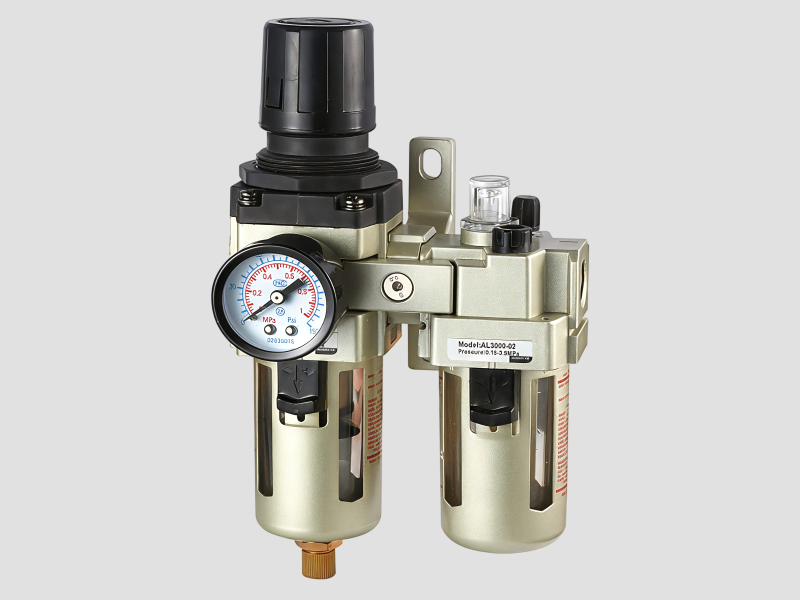
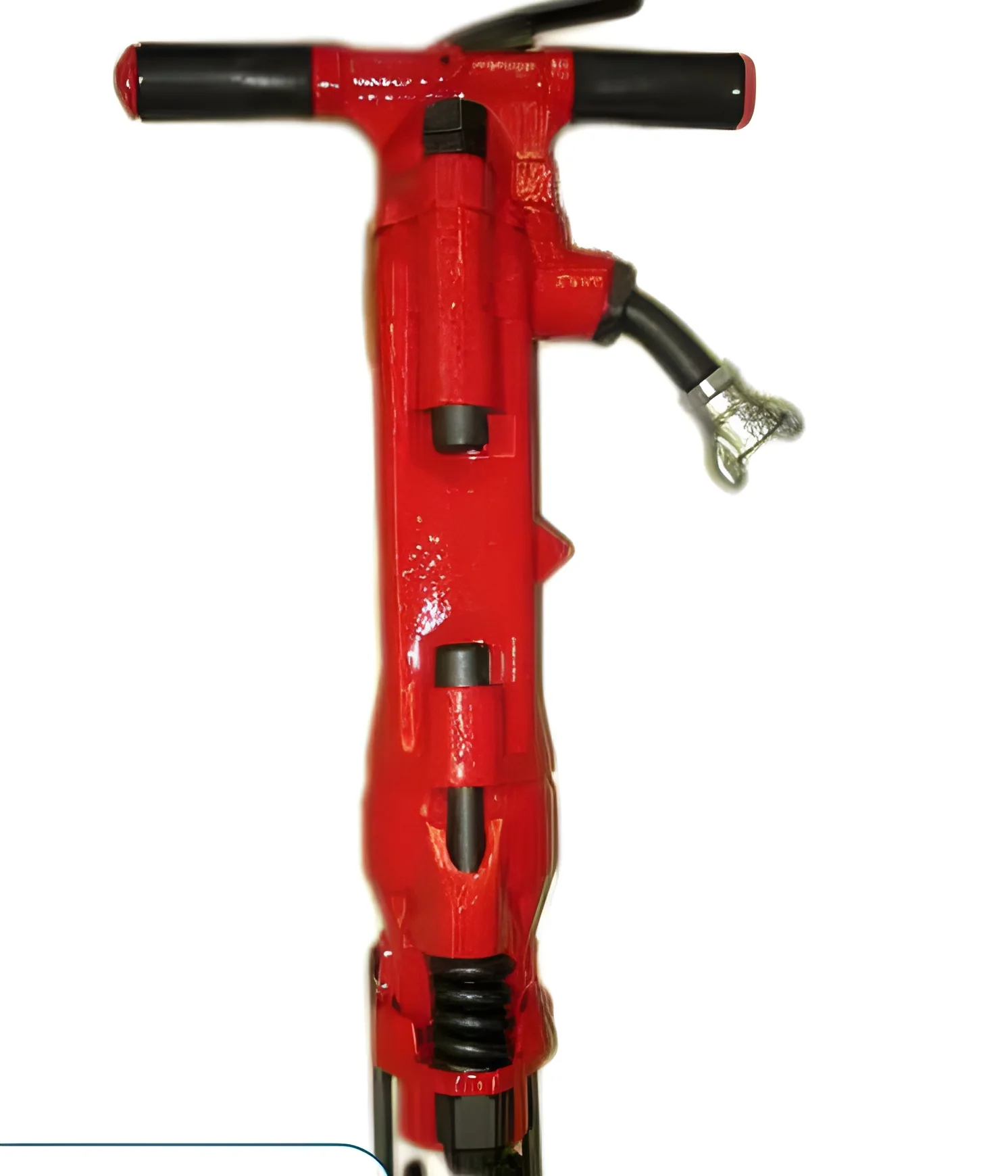
What are Construction Pneumatic Tools?
Construction pneumatic tools are power-driven devices that utilize compressed air to perform various tasks in construction and industrial settings. These tools are designed to enhance efficiency and effectiveness in tasks such as fastening, drilling, cutting, and demolition. The use of pneumatic energy allows for lightweight tools that can operate at high speeds, delivering reliable performance across various applications.
These tools find primary uses in construction sites, manufacturing plants, and maintenance operations. They are essential for tasks where precision and speed are crucial, such as framing, roofing, and finishing work. Businesses in the construction industry rely on pneumatic tools to improve productivity and reduce manual labor. The market for construction pneumatic tools is continually evolving, with advancements in technology leading to more powerful and efficient tools that meet the demands of modern construction practices.
Key Features and Specifications
Construction pneumatic tools come with several key features that enhance their usability and performance. Understanding these specifications is crucial for selecting the right tools for specific applications.
Key specifications include:
1. Air Pressure Rating
- Typically ranges from 90 to 120 PSI
- Determines the tool's operational efficiency and power output
2. Tool Weight
- Generally weighs between 2 to 10 pounds
- Lightweight design minimizes user fatigue during extended use
3. Operating Noise Level
- Average noise levels between 80 to 100 dB
- Noise reduction features may be included for operator comfort
4. Air Consumption
- Commonly measured in CFM (cubic feet per minute)
- Ranges from 2 to 6 CFM depending on the tool type
5. Drive System
- Includes options like direct drive or belt drive
- Affects the tool's maintenance requirements and durability
6. Safety Features
- May include automatic shut-off mechanisms and safety locks
- Ensures operator safety during use
7. Compatibility
- Various tools may require specific air compressor models
- Ensures optimal performance and efficiency
8. Durability Rating
- Tools are rated for use in various environments
- Indicates resistance to wear and tear over time
In summary, selecting construction pneumatic tools involves evaluating these specifications to ensure they align with operational needs and application requirements.
Common Applications and Use Cases
Construction pneumatic tools are versatile and used across many industries, each benefiting from their unique capabilities.
1. Construction Industry: Pneumatic tools are widely used for framing, roofing, and masonry applications. They enable quick and efficient fastening and drilling tasks, reducing the time needed for manual work.
2. Automotive Industry: These tools are essential for assembly lines and maintenance tasks, providing the necessary torque and speed for tasks like tire changes and body repairs.
3. Manufacturing: In manufacturing environments, pneumatic tools are used for repetitive tasks such as riveting, sanding, and material handling, increasing productivity and consistency.
4. Woodworking: Pneumatic nailers and staplers are popular in woodworking for their precision and speed, allowing for seamless construction of furniture and cabinetry.
5. Maintenance and Repairs: Pneumatic tools are employed in maintenance, allowing technicians to perform tasks like tire inflation and equipment repairs efficiently.
6. HVAC Installation: Pneumatic tools are used in HVAC systems installation for tasks such as ductwork assembly and fastening, ensuring quick and secure fittings.
7. Demolition: Tools like pneumatic hammers and chisels are utilized for demolition work, providing the power necessary to break through concrete and other materials.
Product Variants and Subcategories
Construction pneumatic tools are available in various types to cater to specific applications and industry needs.
Pneumatic Nailers: These tools are designed for driving nails into wood or other materials quickly and efficiently. They are ideal for framing, roofing, and cabinetry work, offering speed and precision.
Pneumatic Impact Wrenches: Suitable for automotive and industrial applications, these tools provide high torque for loosening and tightening bolts and nuts. They are essential for assembly lines and heavy machinery maintenance.
Pneumatic Drills: These drills are used for drilling holes in various materials, including metal and wood. They are known for their speed and efficiency, making them ideal for construction and manufacturing applications.
Pneumatic Sanders: Used primarily in woodworking and finishing applications, pneumatic sanders offer a smooth finish on surfaces. They are effective for both rough and fine sanding tasks.
Benefits and Advantages
Construction pneumatic tools offer numerous benefits that enhance productivity and efficiency in various applications.
1. Increased Efficiency: Pneumatic tools operate at high speeds, allowing for quicker completion of tasks compared to manual tools.
2. Reduced Labor Costs: By minimizing manual effort, pneumatic tools reduce labor costs and time spent on projects, leading to higher profitability.
3. Lightweight Design: Many pneumatic tools are designed to be lightweight, reducing operator fatigue and increasing comfort during prolonged use.
4. Versatility: These tools can be used in a wide range of applications across multiple industries, making them a valuable investment for businesses.
5. Low Maintenance: Pneumatic tools often require less maintenance compared to electric tools, contributing to lower operating costs and downtime.
6. Safety Features: Many pneumatic tools come equipped with safety mechanisms, enhancing operator safety during use.
Buying Guide for B2B Buyers
When sourcing construction pneumatic tools, B2B buyers should consider several critical factors to ensure they make informed purchasing decisions.
1. Quality Assessment: Evaluate the quality of tools by checking certifications and industry standards. Look for reputable brands known for durability and performance.
2. Supplier Verification: Vet suppliers thoroughly by checking references, customer reviews, and their history in the industry. Ensure they have a reliable track record.
3. Pricing and MOQ: Understand the pricing structure and minimum order quantities (MOQ) for bulk purchases. Compare prices among different suppliers for the best deal.
4. Delivery and Lead Times: Consider logistics by discussing delivery options and lead times with suppliers. Timely delivery is crucial for project scheduling.
5. Compliance Requirements: Ensure that the tools meet any necessary regulatory and safety standards applicable in your region. This includes certifications like CE for European markets.
Compliance and Certifications
Construction pneumatic tools are subject to various compliance requirements that ensure quality and safety standards are met.
ISO 9001 is a widely recognized standard that outlines quality management principles, ensuring that manufacturers maintain consistent quality in their production processes. Adhering to this standard is crucial for suppliers aiming to provide reliable tools.
CE marking is essential for products sold in the European market, indicating that the tools meet EU safety, health, and environmental protection standards. This certification helps buyers ensure that products are compliant with regional regulations.
In addition to these standards, safety and testing requirements are critical. Tools must undergo rigorous testing to ensure they operate safely under specified conditions. Buyers should verify that products meet these safety standards before purchasing.
Lastly, regional compliance considerations vary by market. It is essential for buyers to be aware of local regulations and standards that may affect the use and certification of pneumatic tools in their respective regions.
Why Source Construction Pneumatic Tools from Pepagora?
Pepagora provides a trusted platform for sourcing construction pneumatic tools, ensuring that B2B buyers have access to high-quality products and reliable suppliers.
The verified supplier network on Pepagora allows buyers to connect with reputable manufacturers and distributors. This verification process helps guarantee product quality and supplier reliability, reducing the risk associated with procurement.
The streamlined RFQ process simplifies the quotation system, enabling buyers to obtain multiple quotes from different suppliers quickly. This efficiency allows for better comparison and selection based on specific needs and budget.
Pepagora also offers trade assurance and support to protect buyers throughout the purchasing process. This includes assistance with negotiations and dispute resolution, ensuring a smoother transaction experience.
With a geographic reach that includes India, GCC, and Southeast Asia, Pepagora enables buyers to tap into a diverse market for construction pneumatic tools. This regional coverage enhances accessibility and options for sourcing high-quality products suitable for various applications.

 IN
IN