IN
IN₹
Apparel & Fashion
Description
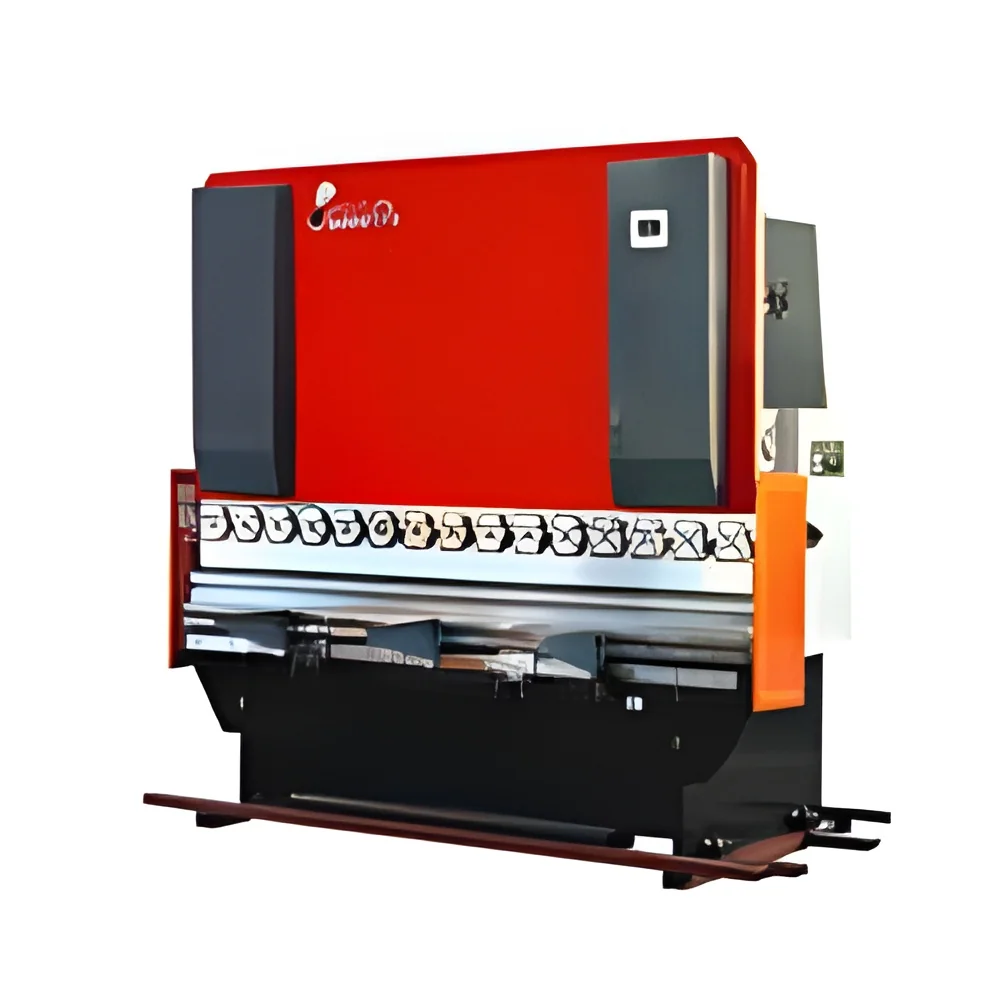
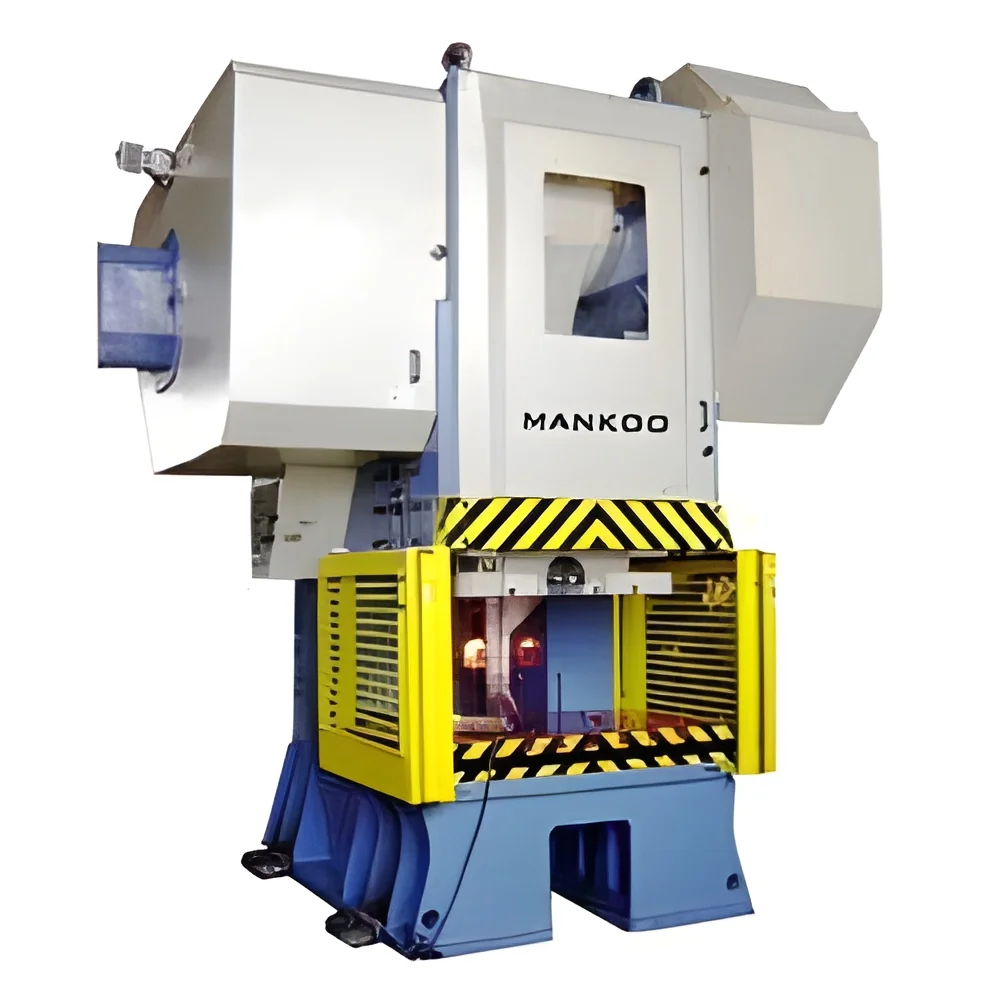
Our industrial hydraulic power presses represent precision engineering for demanding manufacturing environments, available in 5 to 100 ton capacities to meet diverse production requirements. These robust machines deliver consistent, controlled force for metal forming, bending, and pressing operations with exceptional accuracy. Built with heavy-duty steel frames and precision hydraulic systems, they ensure reliable performance in continuous production settings. The machines combine substantial power with precise control, providing manufacturers with equipment that maintains operational accuracy while handling substantial workloads day after day without compromising performance or quality standards.

These hydraulic presses serve critical functions across multiple industrial sectors where precise force application is essential for manufacturing processes. Metal fabrication facilities utilize them extensively for bending thick metal plates, punching precision holes, and straightening stru...
Our industrial hydraulic power presses represent precision engineering for demanding manufacturing environments, available in 5 to 100 ton capacities to meet diverse production requirements. These robust machines deliver consistent, controlled force for metal forming, bending, and pressing operations with exceptional accuracy. Built with heavy-duty steel frames and precision hydraulic systems, they ensure reliable performance in continuous production settings. The machines combine substantial power with precise control, providing manufacturers with equipment that maintains operational accuracy while handling substantial workloads day after day without compromising performance or quality standards.

These hydraulic presses serve critical functions across multiple industrial sectors where precise force application is essential for manufacturing processes. Metal fabrication facilities utilize them extensively for bending thick metal plates, punching precision holes, and straightening structural steel components. Automotive production lines rely on them for pressing bearings into housings, assembling drivetrain components, and forming metal parts with consistent pressure. Construction equipment manufacturers use these presses in fabricating heavy machinery components and structural elements that require controlled deformation. Maintenance and repair operations employ these presses for equipment rebuilding, straightening operations, and component servicing tasks that demand reliable force application.

The operational value of these hydraulic power presses lies in their proven reliability, manufacturing efficiency, and long-term cost effectiveness for industrial users. They significantly reduce production time through consistent, repeatable operations while minimizing operator fatigue with automated hydraulic control systems. Their durable construction and quality components lower maintenance requirements and extend service life, providing excellent return on investment through years of dependable service. Integrated safety features protect both operators and equipment, reducing workplace risks and potential production downtime. The machines deliver the operational reliability that manufacturing professionals demand for their critical production processes and quality standards.

Key Features:
- Heavy-duty steel frame construction providing maximum stability and longevity under continuous heavy loads
- Precision hydraulic system delivering smooth operation and accurately controlled pressure settings
- Adjustable stroke length and pressure configurations for versatile application requirements
- Comprehensive safety systems including emergency stop mechanisms and overload protection
- Standardized tooling and bed sizes designed to meet common production and space requirements

Benefits:
- Enhanced production efficiency through consistent, repeatable operations and reduced cycle times
- Long-term cost savings from durable construction that minimizes maintenance and extends equipment life
- Improved workplace safety with integrated protection systems that reduce operational risks
- Operational versatility across multiple manufacturing processes and material types
- Reliable performance that maintains quality standards and reduces production variability
Specifications
| Additional Information | |
|---|---|
| Country of Origin | India |
Application
Hydraulic power presses deliver controlled force for high-precision industrial metalworking tasks, making them essential across manufacturing sectors. They provide consistent performance for shaping, assembling, and processing metal components with reliability and accuracy that manual methods cannot match, ensuring quality output in demanding production environments.
These machines are fundamental in metal fabrication, automotive assembly, and equipment manufacturing due to their versatility and power capacity. Industries rely on them for critical applications where precision, safety, and repeatability are essential for operational efficiency and maintaining production standards across various manufacturing processes.
- Metal fabrication workshops use hydraulic presses for bending steel plates, punching holes, and straightening structural components
- Automotive manufacturers employ these presses for bearing installation, gear assembly, and drivetrain component pressing operations
- Construction equipment producers utilize hydraulic presses for forming structural parts and manufacturing heavy-duty machinery components
- Maintenance and repair facilities rely on presses for straightening shafts, rebuilding machinery, and pressing fittings during equipment servicing
- Industrial manufacturers use hydraulic presses for compression molding, blanking operations, and various assembly processes requiring controlled pressure
Trade Details
| Available Stock | In Stock |
| Sample Availability | No |
Payment Terms
| Payment Terms |
|
Company Profile
Aarathi Engineers, Tamil Nadu
 Tamil Nadu, India
Tamil Nadu, IndiaIndustrial Equipment & Machinery•Manufacturer•Distributor / Wholesaler•Importer / Exporter
Factory Details
Factory Size1000-5000 sqm
Annual Production Capacity0
Main Markets
North America
Oceania
Northern Europe
South America
Mid East
Southern Europe
Eastern Europe
Eastern Asia
South Asia
Southeast Asia
Western Europe
Africa
Central America
Domestic
Industrial Hydraulic Power Press 5 100 Ton Metal Forming Bending
Industrial Hydraulic Power Press 5-100 ton capacity for precision metal forming, bending, and pressing operations. Built for durability and reliability across manufacturing applications with consistent performance.
Min. Order Quantity: 1 unit
Shipping
Shipping fee and delivery date to be negotiated. Contact supplier now for more details.
Aarathi Engineers
 Tamil Nadu, India
Tamil Nadu, IndiaIndustrial Equipment & MachineryManufacturer