What are Air Compressors?
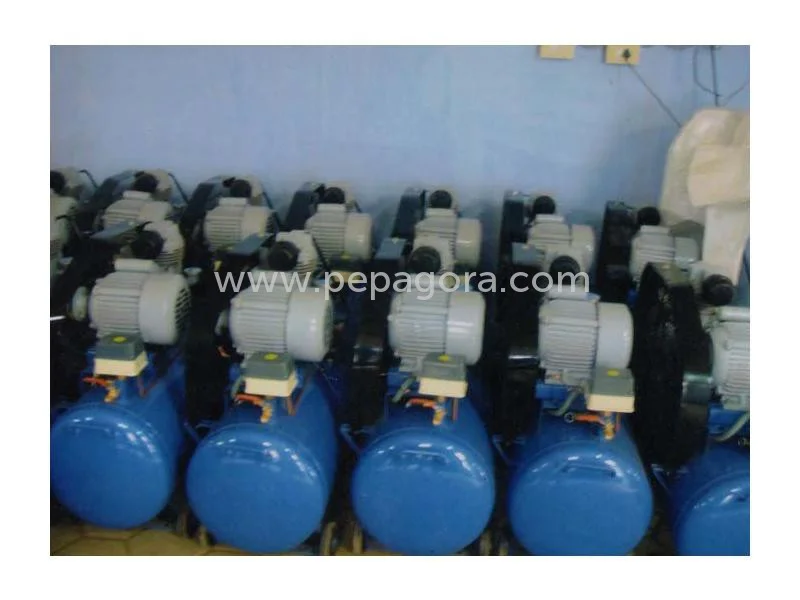
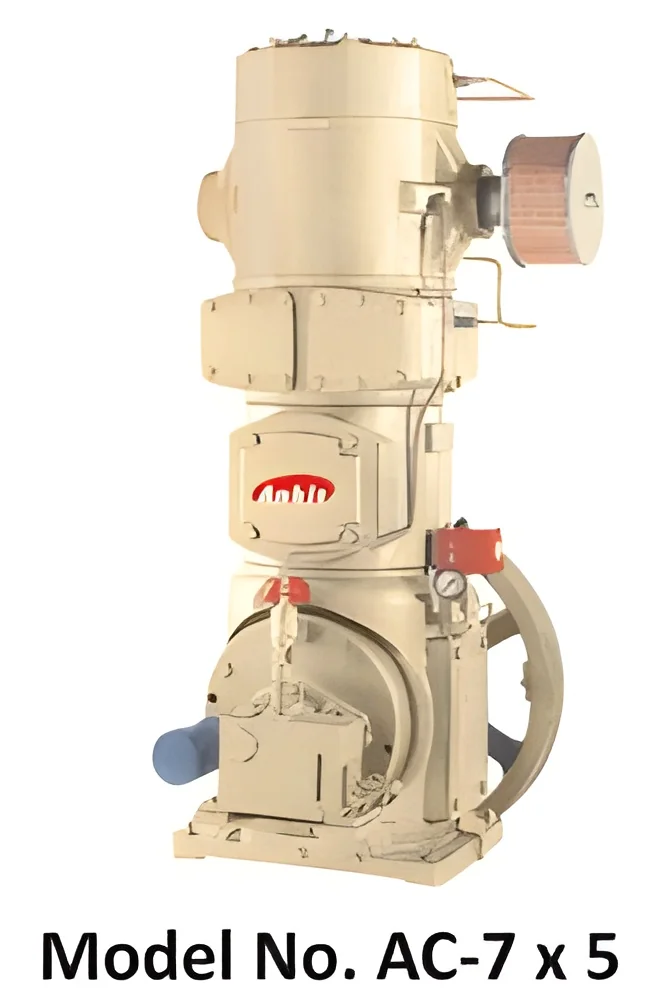
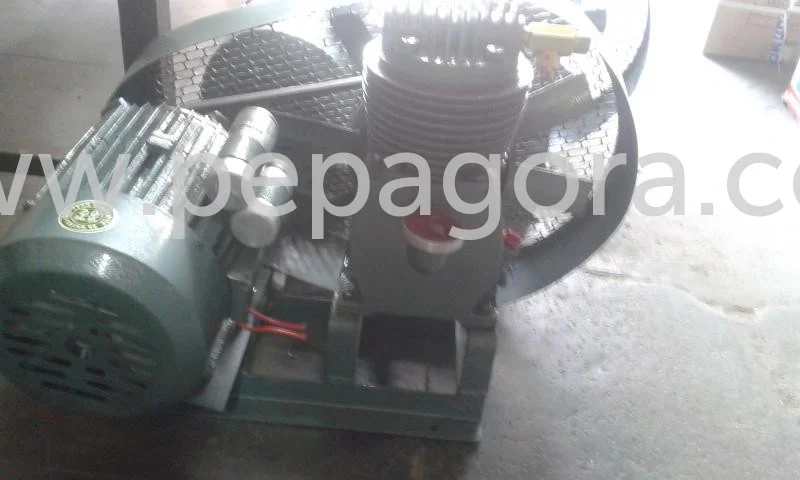
Air compressors are mechanical devices that convert power into potential energy stored in pressurized air. They function by drawing in air and compressing it, which increases the air pressure. This pressurized air can then be used to power various tools, equipment, and processes across different industries. The basic operation involves a motor or engine that drives a pump to compress air, which is subsequently stored in a tank for later use.
Air compressors have a wide range of applications in business environments. They are commonly used in manufacturing, construction, and automotive industries, where they power pneumatic tools, automate processes, and facilitate material handling. Additionally, they find applications in food processing, medical technologies, and HVAC systems. The versatility of air compressors makes them essential for enhancing productivity and efficiency in numerous industrial settings.
In today's market, the demand for air compressors continues to grow as industries seek reliable and efficient tools to optimize their operations. With advancements in technology, manufacturers are producing compressors that are not only more powerful but also more energy-efficient. As businesses increasingly focus on sustainability and productivity, air compressors remain a critical component in achieving operational goals.
Key Features and Specifications
Air compressors come equipped with various features and specifications that determine their performance and suitability for specific applications. Understanding these aspects is crucial for making informed purchasing decisions.
Key specifications include:
1. Type of Compressor
- Options include reciprocating, rotary screw, and centrifugal compressors.
- Each type serves different needs based on airflow and pressure requirements.
2. Maximum Pressure
- The maximum pressure rating indicates the highest pressure the compressor can achieve.
- Typical ranges vary from 90 PSI to over 200 PSI for industrial models.
3. Flow Rate
- Measured in cubic feet per minute (CFM), this indicates how much air the compressor can deliver.
- Flow rates can range from 2 CFM for small units to over 100 CFM for larger models.
4. Power Source
- Air compressors can be powered by electricity, gasoline, or diesel.
- Electric models are common in indoor applications, while gas-powered units are suited for outdoor use.
5. Tank Capacity
- This refers to the size of the air storage tank, which affects how long tools can be used before the compressor needs to refill.
- Tank sizes can range from 1 gallon for portable units to 80 gallons for industrial compressors.
6. Noise Level
- Measured in decibels (dB), this indicates the sound output during operation.
- Noise levels can vary from 60 dB for quiet models to over 90 dB for heavy-duty compressors.
7. Portability
- Some compressors are designed for stationary use, while others are portable and feature wheels for easy transport.
- Portable compressors are ideal for mobile applications and job sites.
8. Control Features
- Many modern compressors include digital controls for monitoring pressure and flow.
- Some models offer automatic shut-off functions to prevent overheating and over-pressurization.
In summary, understanding these features and specifications helps businesses select the right air compressor to meet their operational needs while ensuring efficiency and performance.
Common Applications and Use Cases
Air compressors serve various industries, demonstrating their versatility and functionality in multiple applications.
1. Manufacturing: In manufacturing, air compressors are vital for powering pneumatic tools, assembly lines, and automation equipment. They enhance productivity and facilitate processes such as spray painting and packaging.
2. Construction: Construction sites rely on air compressors to power tools like nail guns, jackhammers, and concrete vibrators. Their portability allows for efficient operation in diverse locations.
3. Automotive: In the automotive industry, compressors are used for spray painting, tire inflation, and powering pneumatic wrenches. They play a crucial role in vehicle maintenance and repair.
4. Food Processing: Air compressors are used to operate machinery in food processing plants, including packaging equipment. They ensure hygiene and efficiency in food production.
5. Medical: In healthcare, air compressors provide compressed air for dental tools and respiratory devices. They are essential for maintaining equipment reliability in medical settings.
6. HVAC: Air compressors are integral to HVAC systems, providing the necessary pressure for refrigerants. They help in cooling and heating applications in residential and commercial buildings.
7. Agriculture: In agriculture, air compressors are used for various applications, including operating irrigation systems and powering machinery for planting and harvesting.
Product Variants and Subcategories
Air compressors come in a variety of models and configurations to meet specific industry needs. This diversity allows businesses to choose the right compressor for their applications.
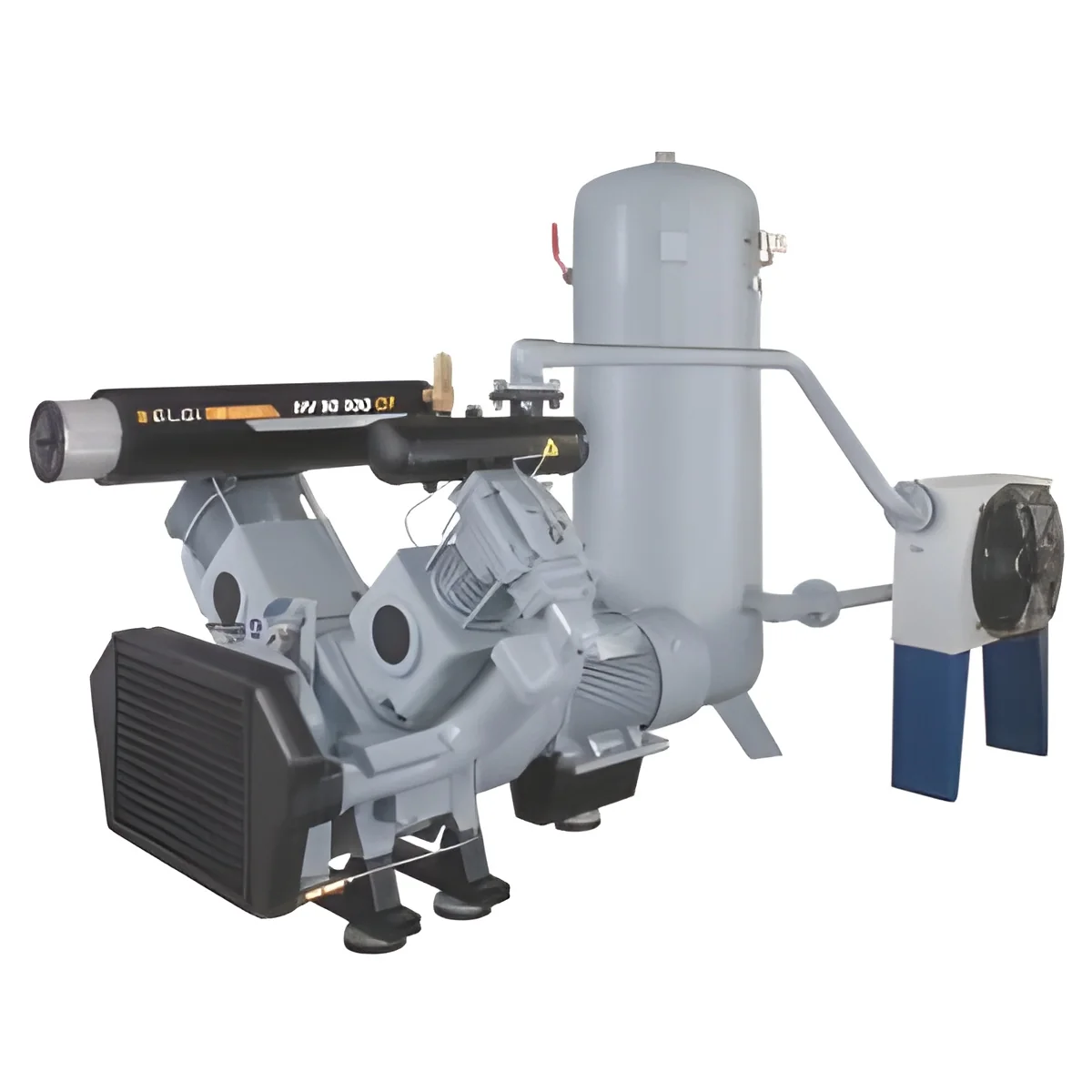
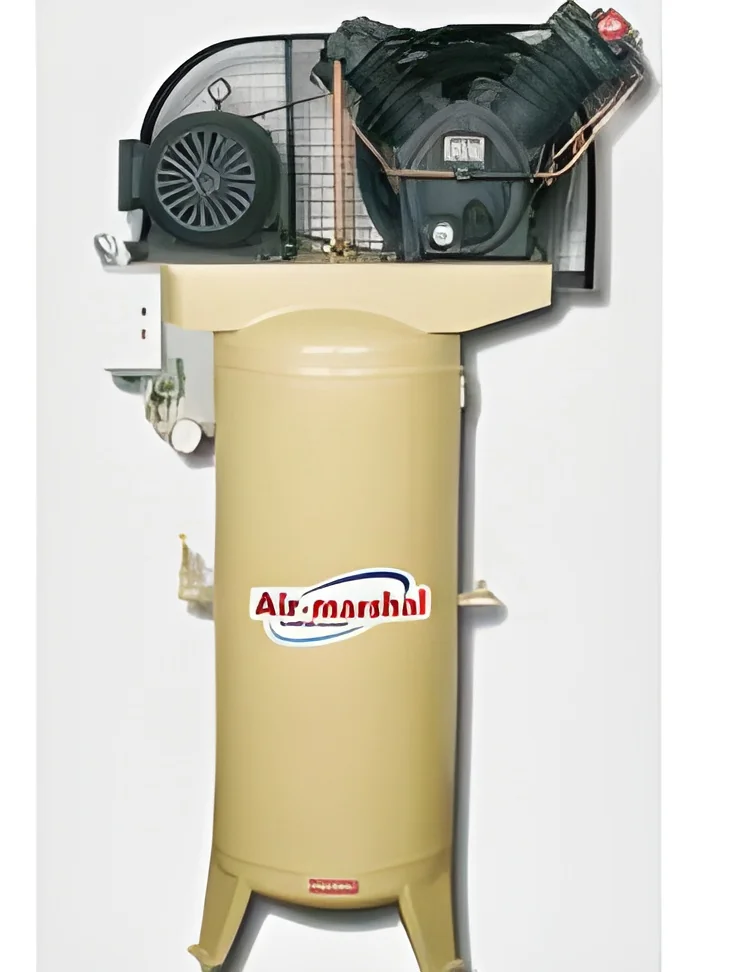
Reciprocating Compressors: These compressors use a piston to compress air and are ideal for small to medium-scale applications. They are commonly used in workshops and garages for powering tools.
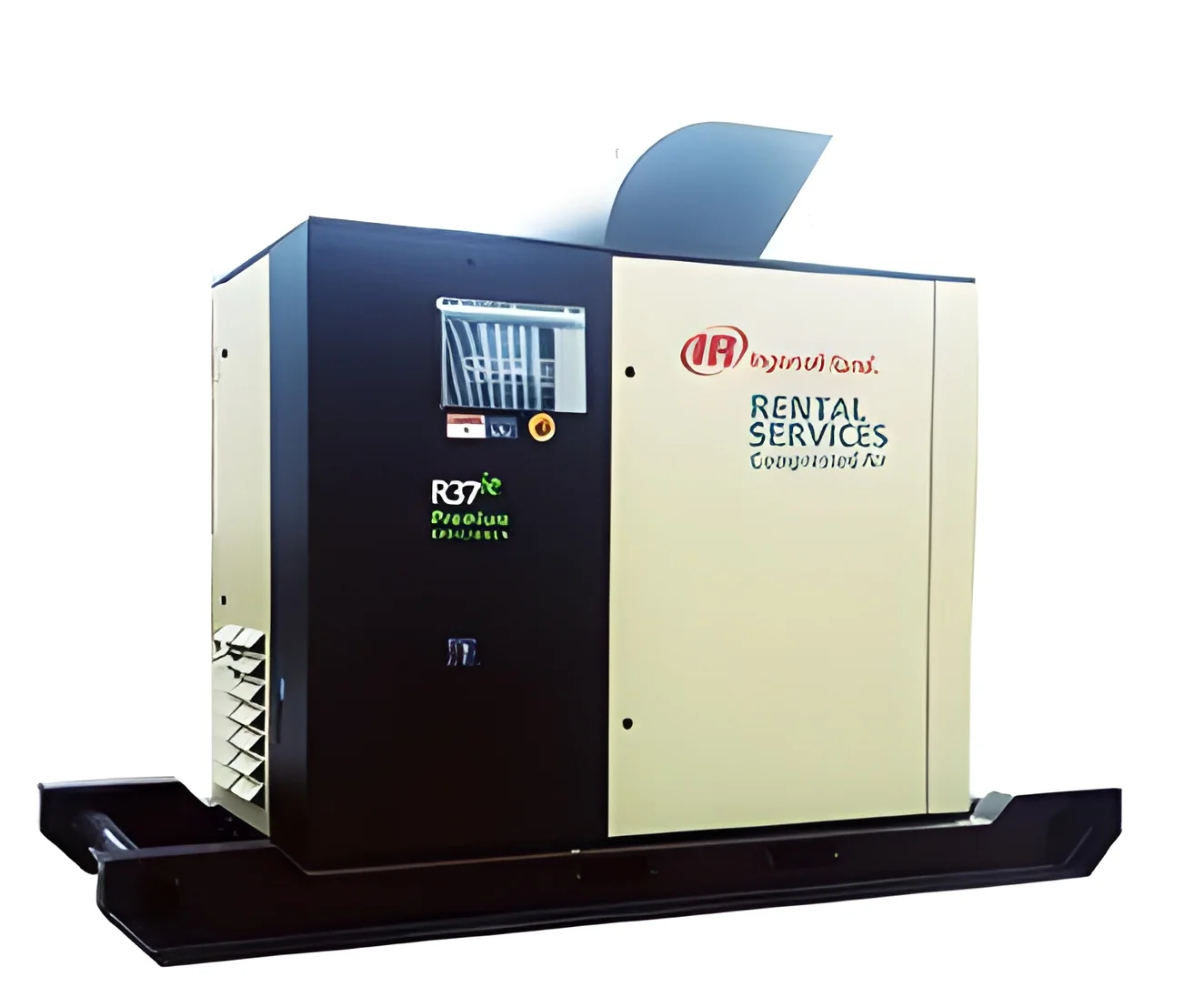
Rotary Screw Compressors: Known for their efficiency, these compressors use two rotating screws to compress air. They are suitable for continuous operation and are often utilized in large manufacturing environments.
Centrifugal Compressors: These compressors utilize a rotating impeller to increase air velocity and pressure. They are typically used in large-scale industrial applications where high flow rates are required.
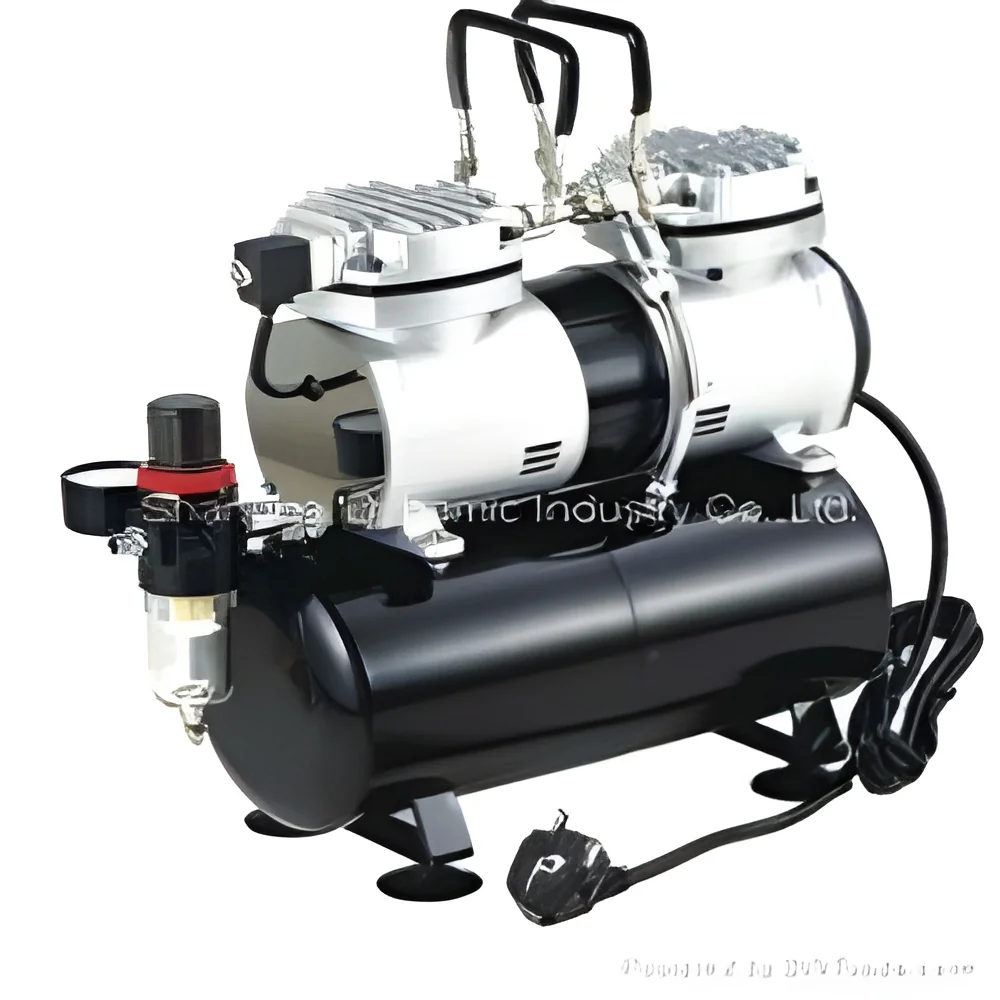
Portable Compressors: Designed for mobility, portable compressors are lightweight and often equipped with wheels. They are ideal for construction sites and outdoor applications.
Benefits and Advantages
Investing in air compressors offers numerous benefits for businesses seeking to improve their operations.
Key benefits include:
1. Increased Efficiency: Air compressors enhance productivity by powering a wide range of tools and equipment, allowing for faster completion of tasks.
2. Versatility: They can be used across various applications in multiple industries, making them a valuable asset for diverse operational needs.
3. Cost Savings: By streamlining processes and reducing downtime, air compressors can lead to significant cost savings over time.
4. Improved Quality: Compressed air can enhance the quality of work, particularly in applications like painting and assembly, where precision is essential.
5. Reliability: Modern air compressors are built for durability and long-term performance, ensuring consistent operation in demanding environments.
6. Energy Efficiency: Many new models are designed to minimize energy consumption, contributing to lower operational costs and a smaller carbon footprint.
Buying Guide for B2B Buyers
When sourcing air compressors, businesses should consider several important factors to ensure they make the right choice.
1. Quality Assessment: Evaluate the compressor's build quality and durability. Look for models that meet industry standards and have a good reputation for reliability.
2. Supplier Verification: Vet potential suppliers by checking their credentials, customer reviews, and industry experience. A trustworthy supplier can provide valuable support and service.
3. Pricing and MOQ: Understand the pricing structure and minimum order quantities (MOQ) for different models. Compare options to find the best value for your budget.
4. Delivery and Lead Times: Consider logistics when planning your purchase. Confirm lead times and delivery options to ensure timely availability for your operations.
5. Compliance Requirements: Assess any regulatory requirements specific to your industry. Ensure the compressors meet necessary safety and quality standards.
Compliance and Certifications
Air compressors must adhere to various quality standards and certifications to ensure safety and performance.
Relevant quality standards include ISO 9001, which focuses on quality management systems, and others that may apply depending on the specific industry and application.
Industry certifications, such as CE marking, indicate compliance with European safety requirements. This certification ensures that the compressors meet essential health, safety, and environmental protection standards.
Safety and testing requirements are critical for air compressors, as they operate under high pressure. Regular inspections and maintenance are necessary to comply with safety regulations.
Additionally, regional compliance considerations may vary. Businesses should be aware of local regulations regarding noise levels, emissions, and other operational aspects to ensure their compressors meet all necessary requirements.
Why Source Air Compressors from Pepagora?
Pepagora provides a trusted platform for sourcing air compressors, offering several key advantages to B2B buyers.
Verified Supplier Network: Pepagora features a network of verified suppliers, ensuring that businesses can find reputable manufacturers who meet quality standards and customer expectations.
Streamlined RFQ Process: The platform simplifies the request for quotation (RFQ) process, making it easier for buyers to compare prices and specifications from multiple suppliers efficiently.
Trade Assurance and Support: Pepagora offers trade assurance, providing buyers with protection throughout the purchasing process. Their support team is available to assist with any inquiries, ensuring a smooth transaction.
Regional Coverage: With a strong presence in India, the GCC, and Southeast Asia, Pepagora offers extensive regional coverage, helping businesses find air compressors that suit their specific market needs. This geographic reach allows for better sourcing options and support tailored to local requirements.

 IN
IN