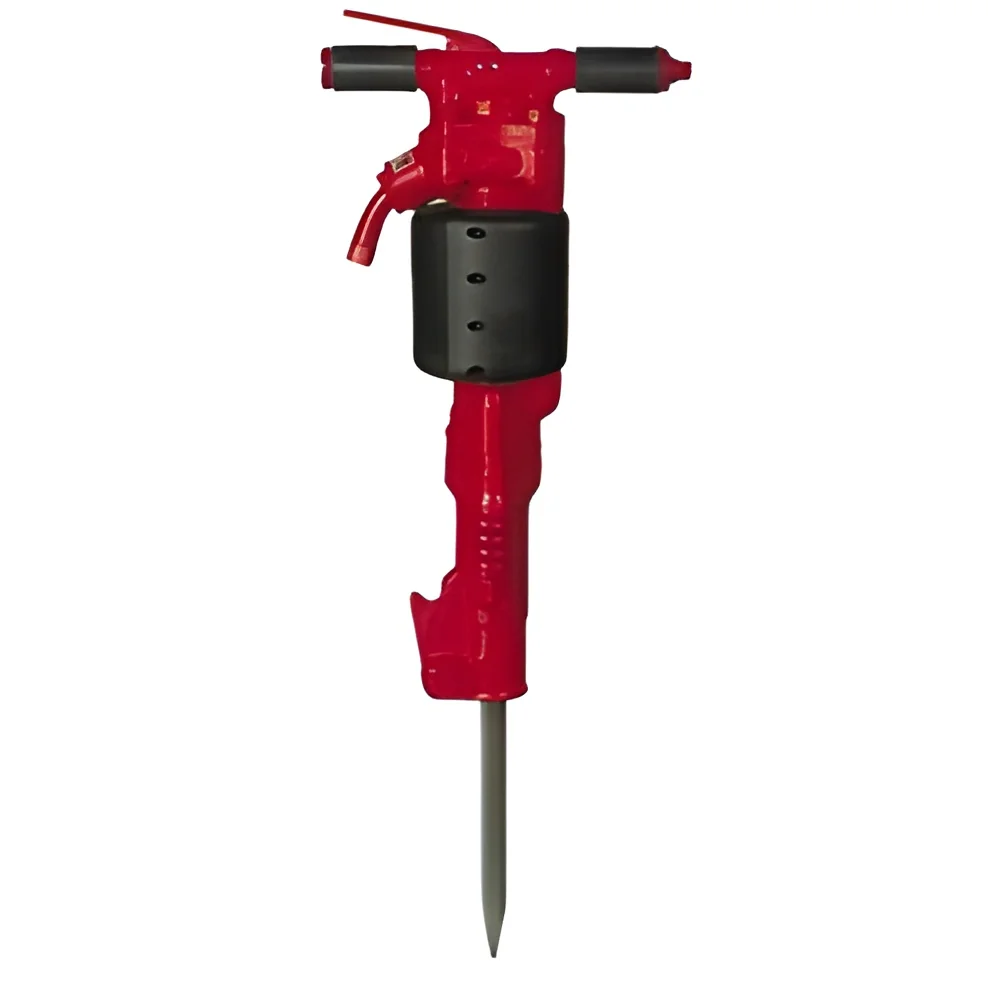
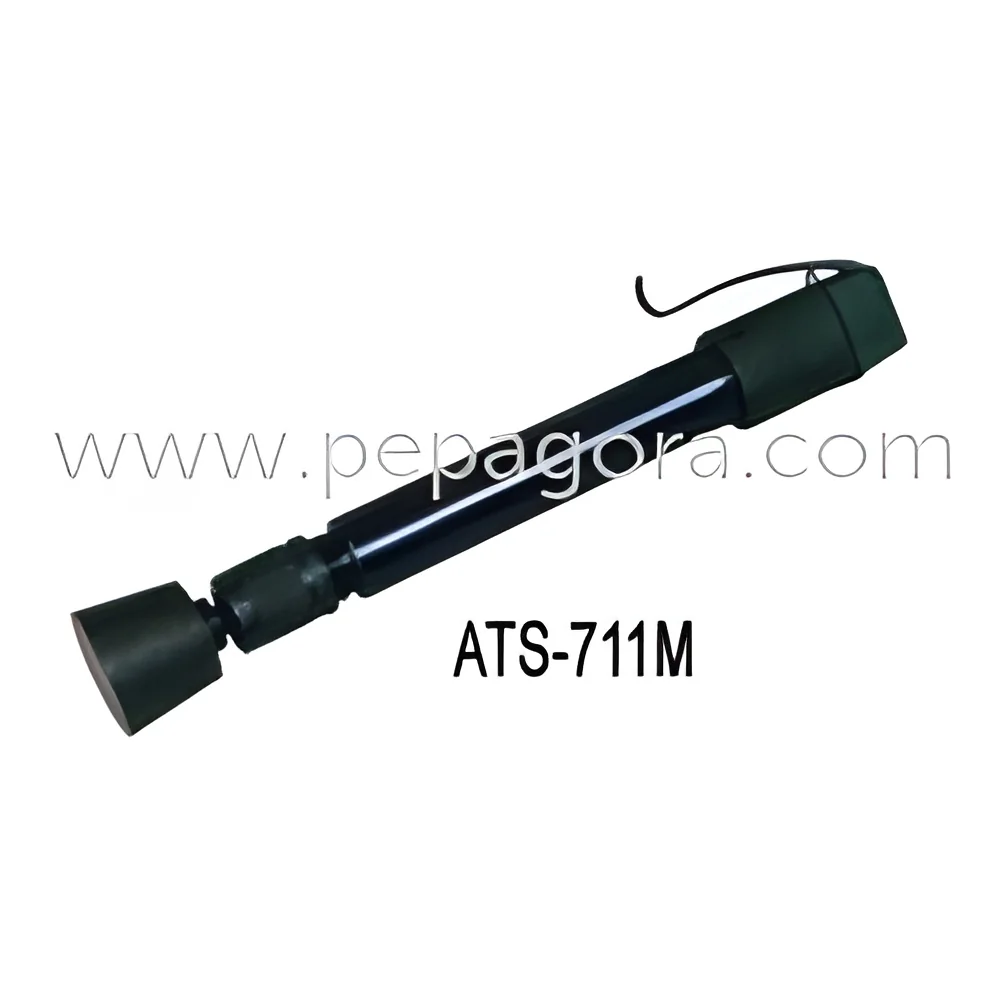
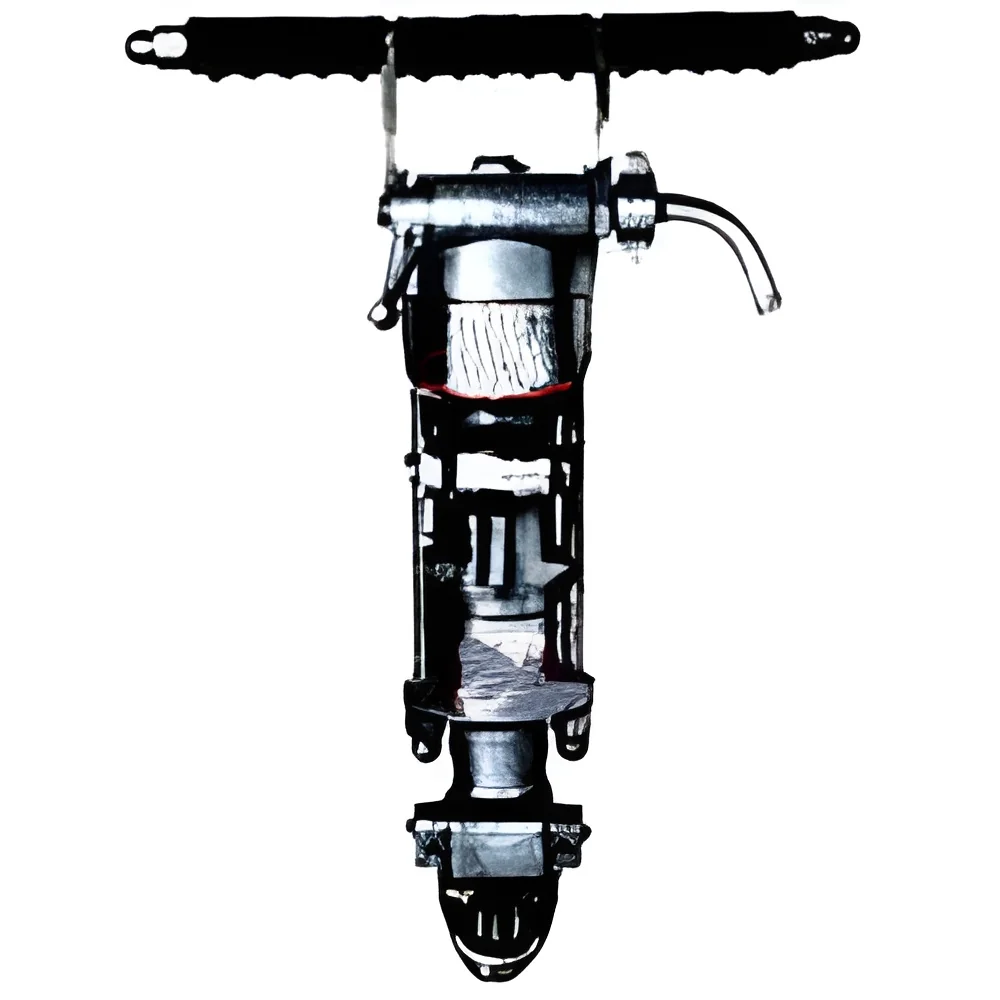
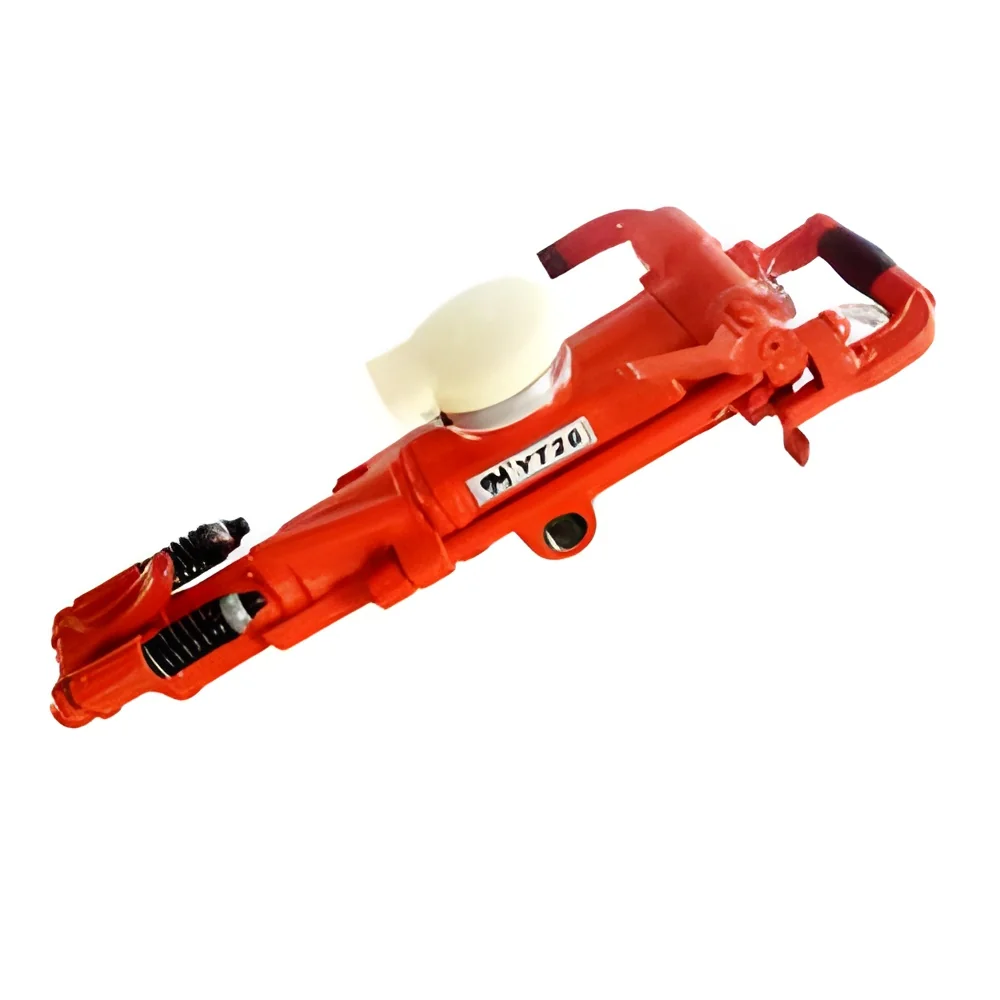
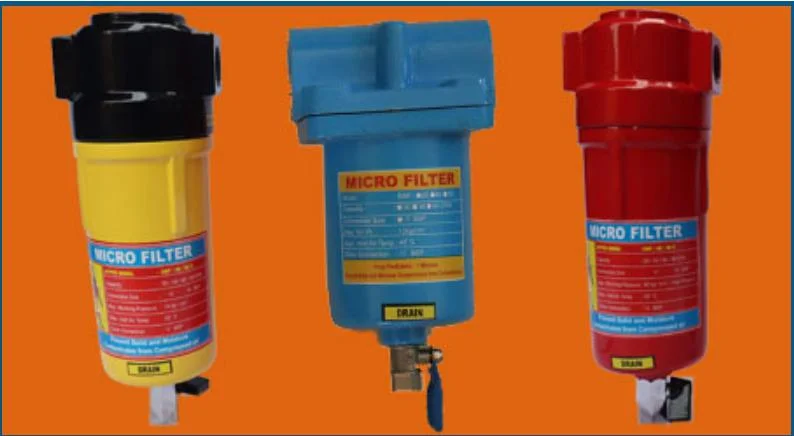
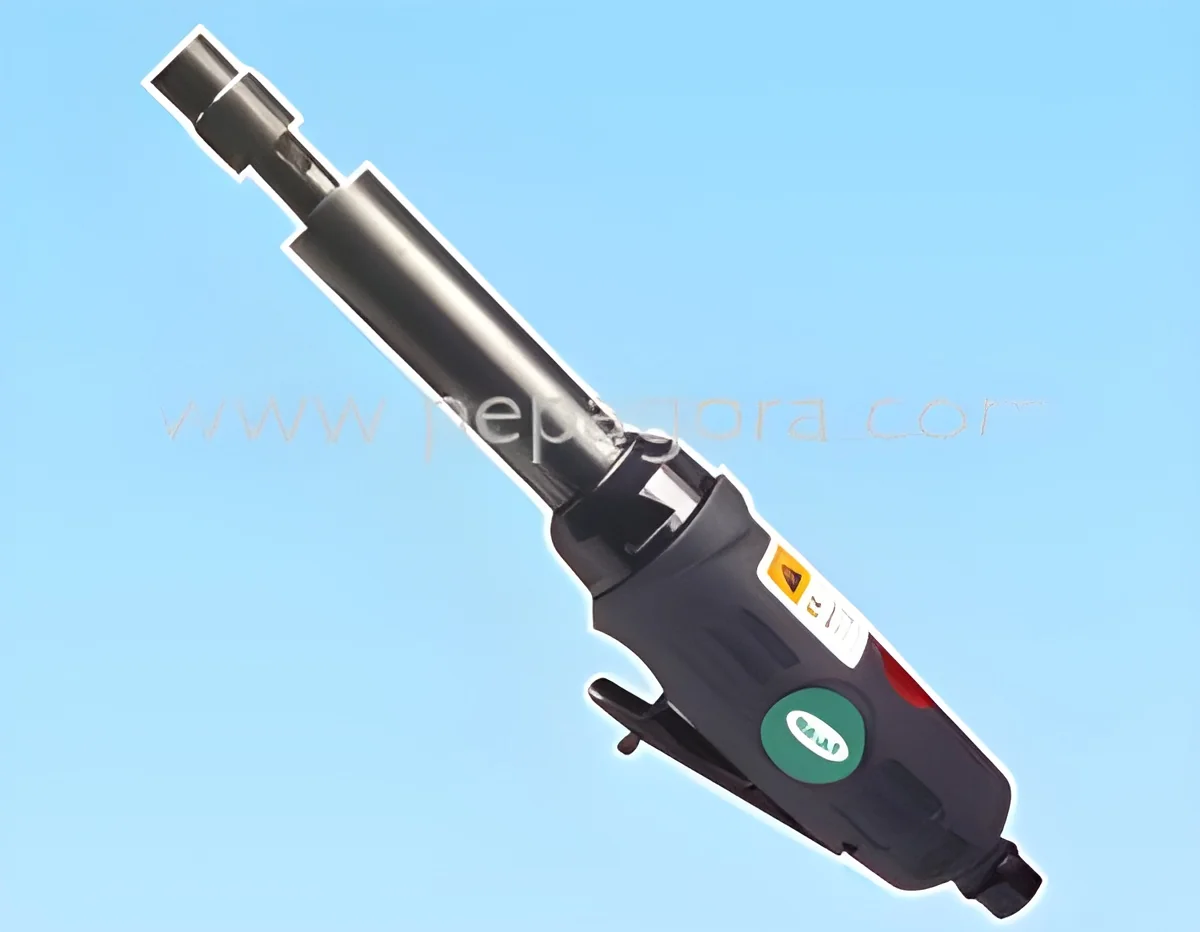
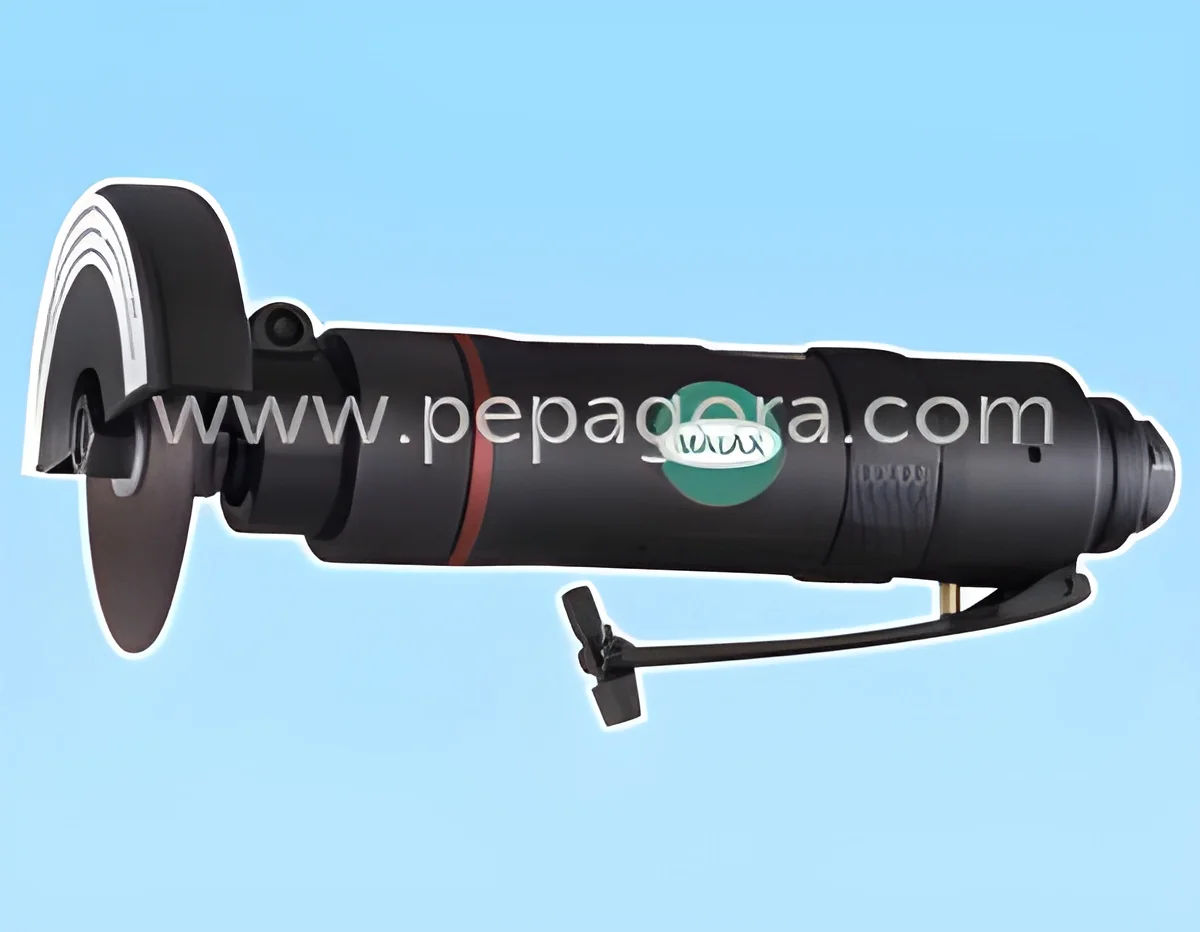
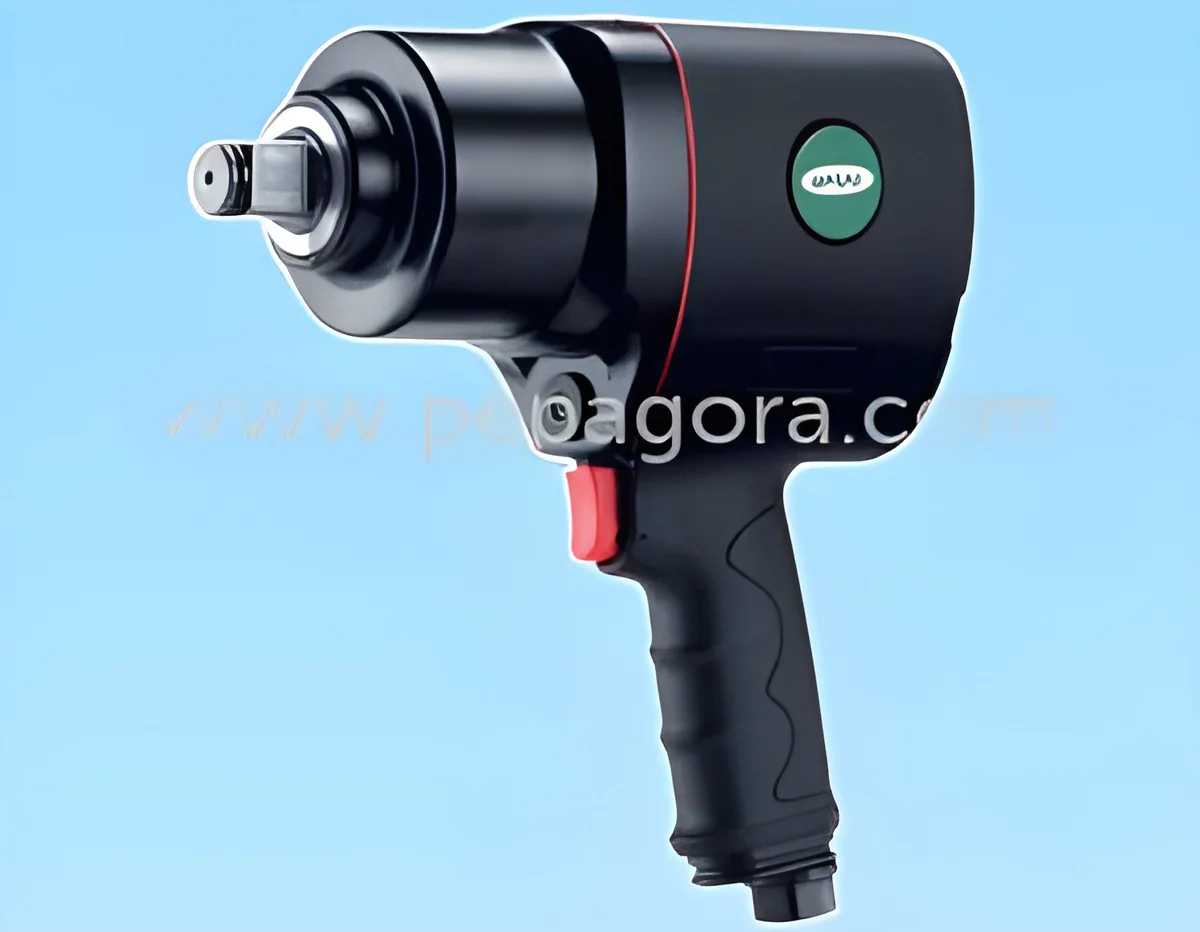
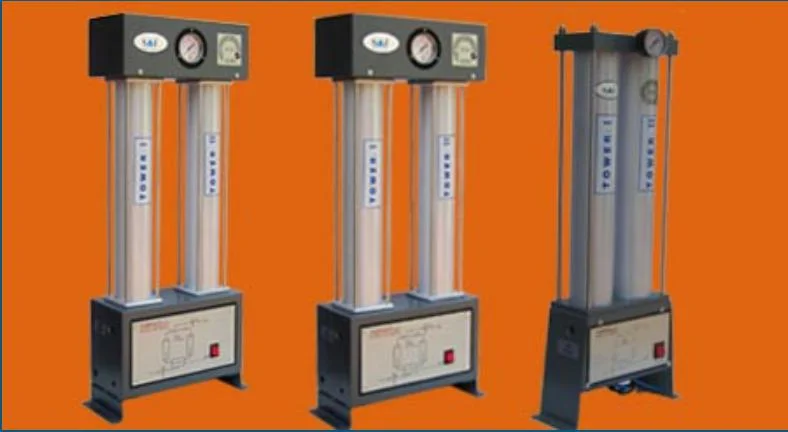
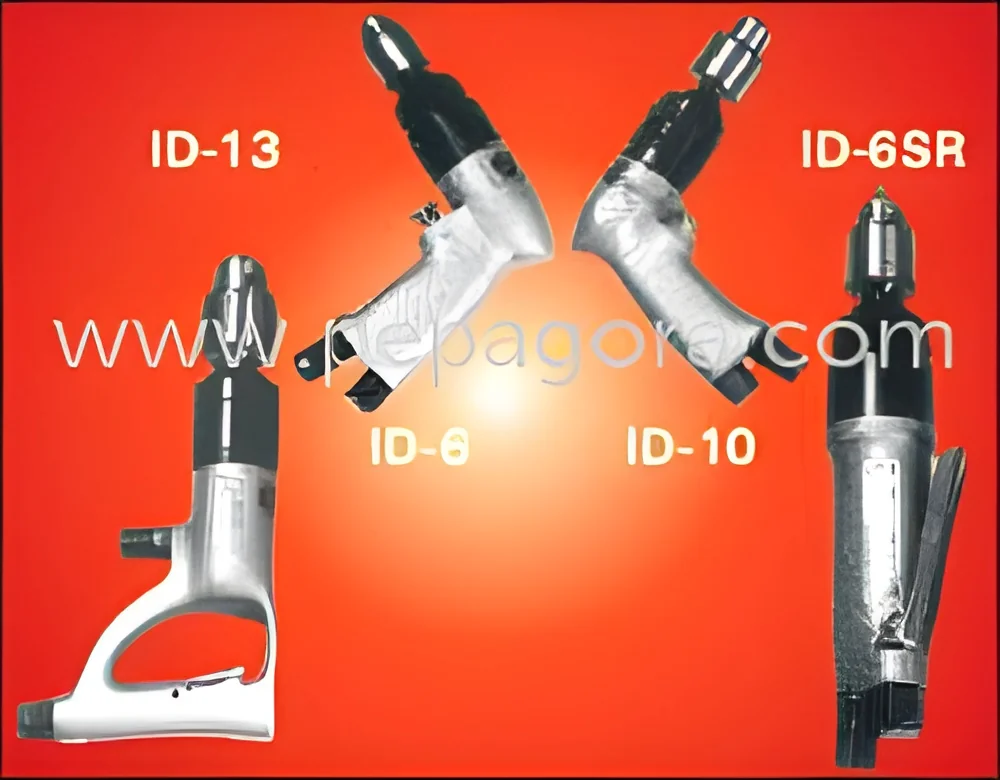
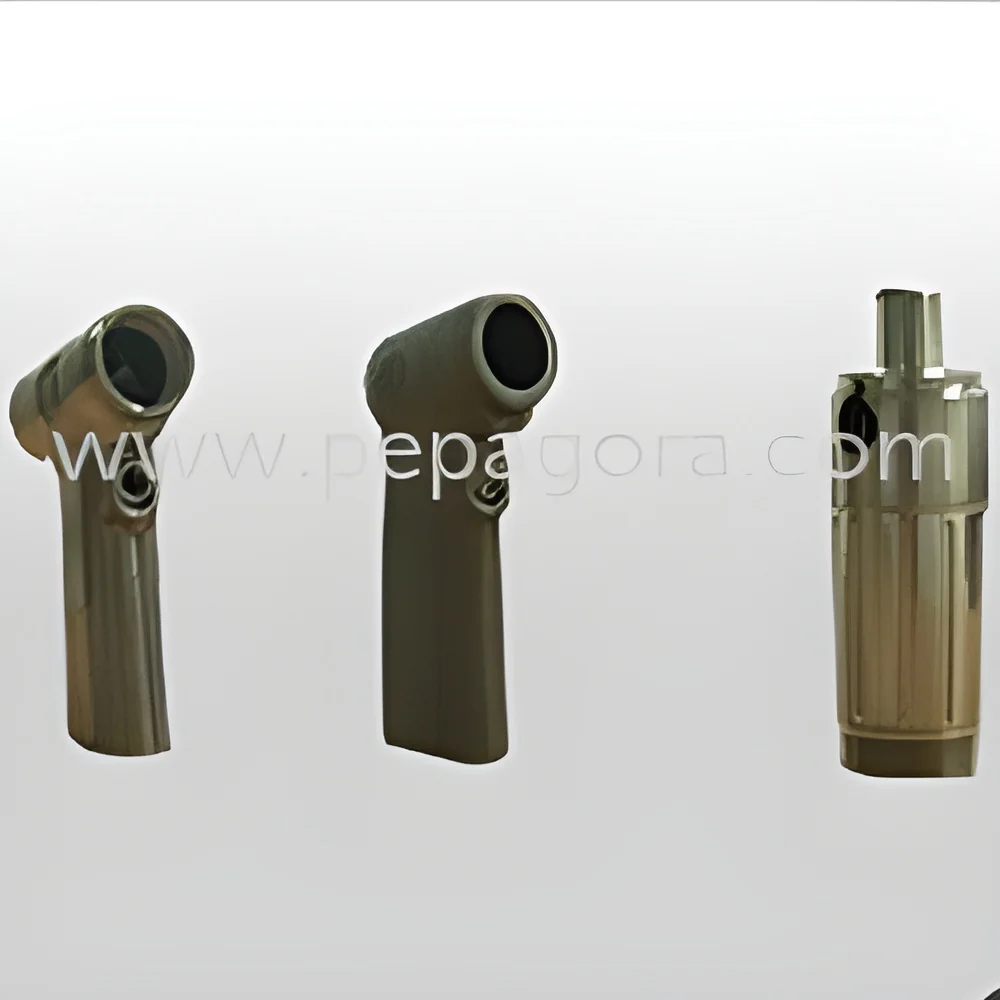
What are Industrial Pneumatic Tools?
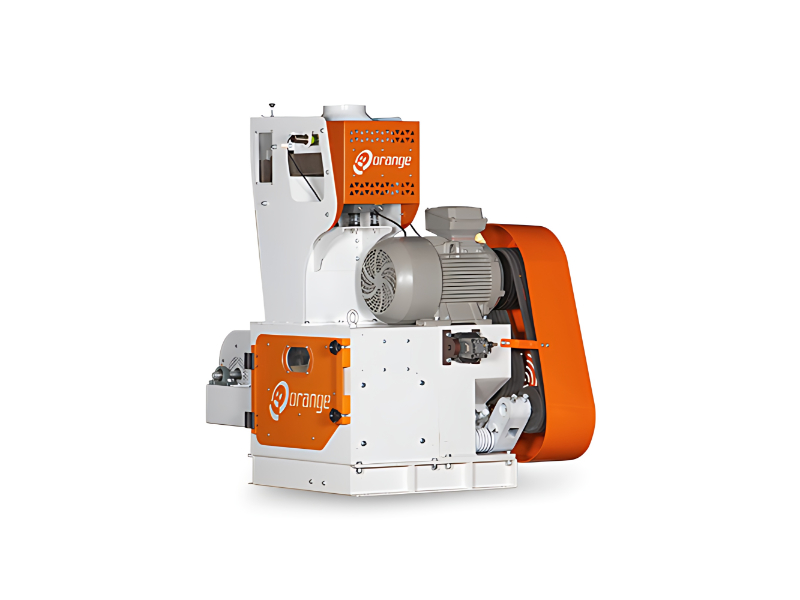
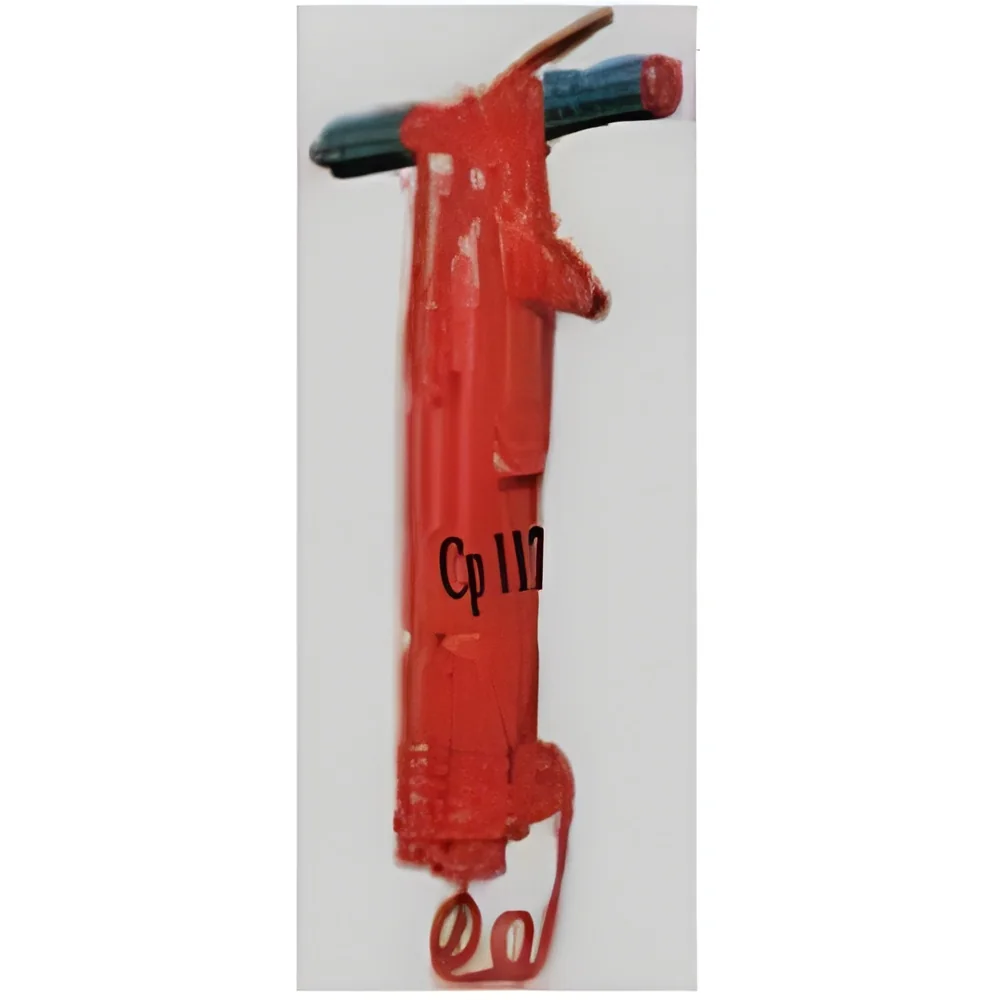
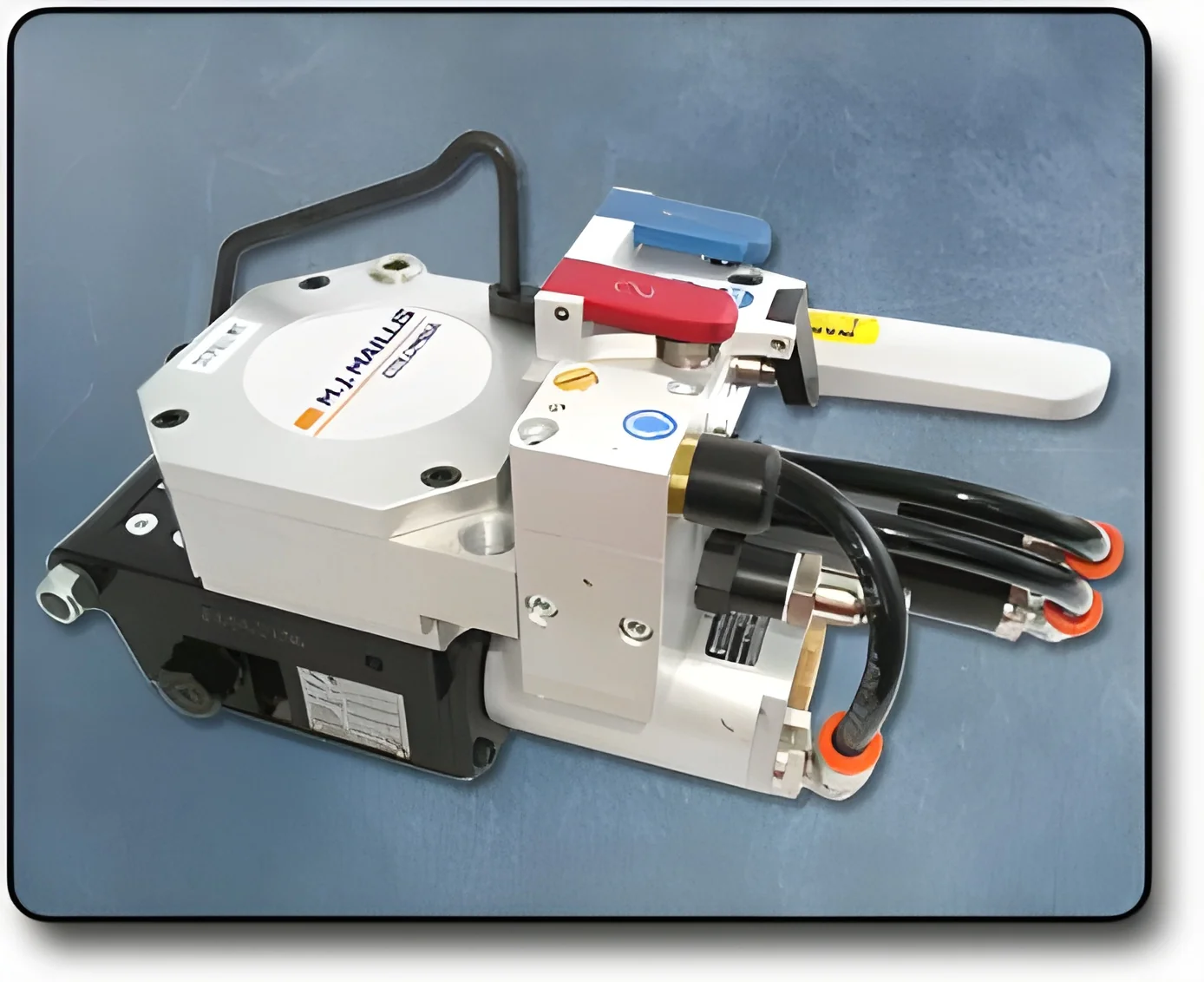
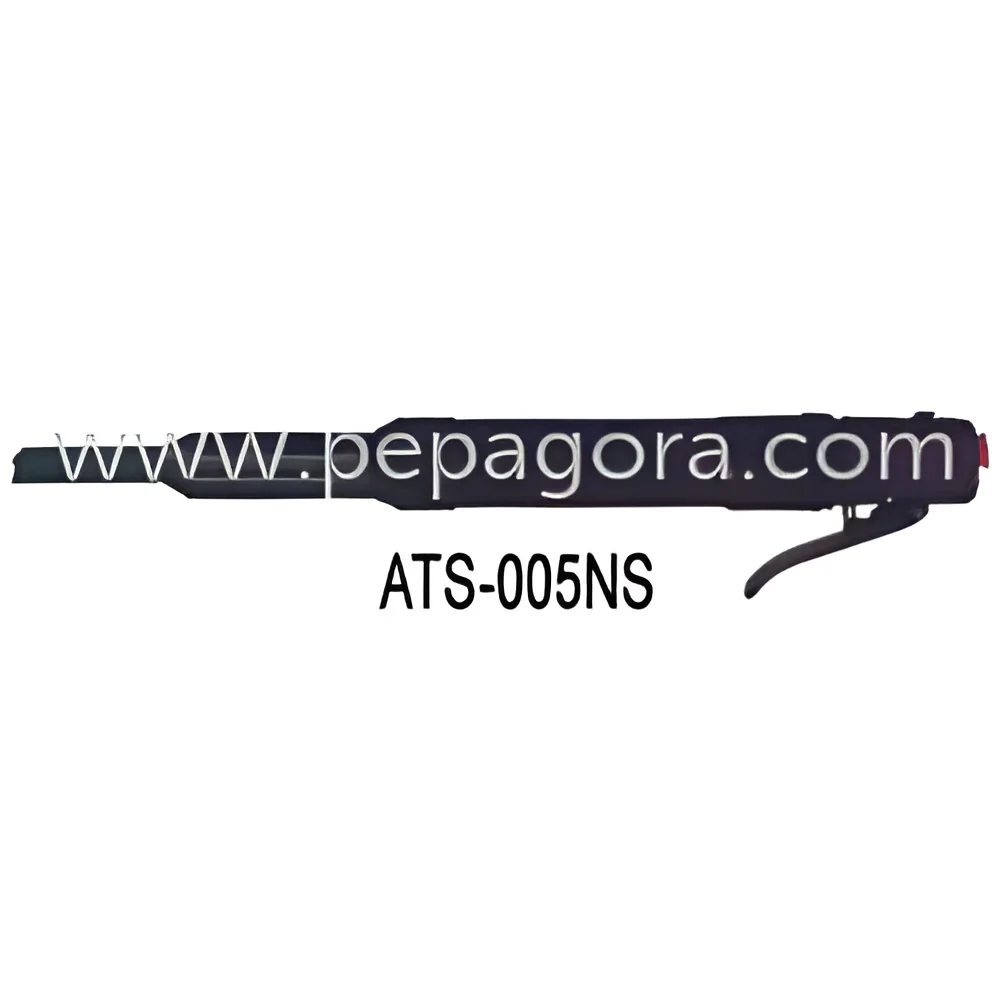
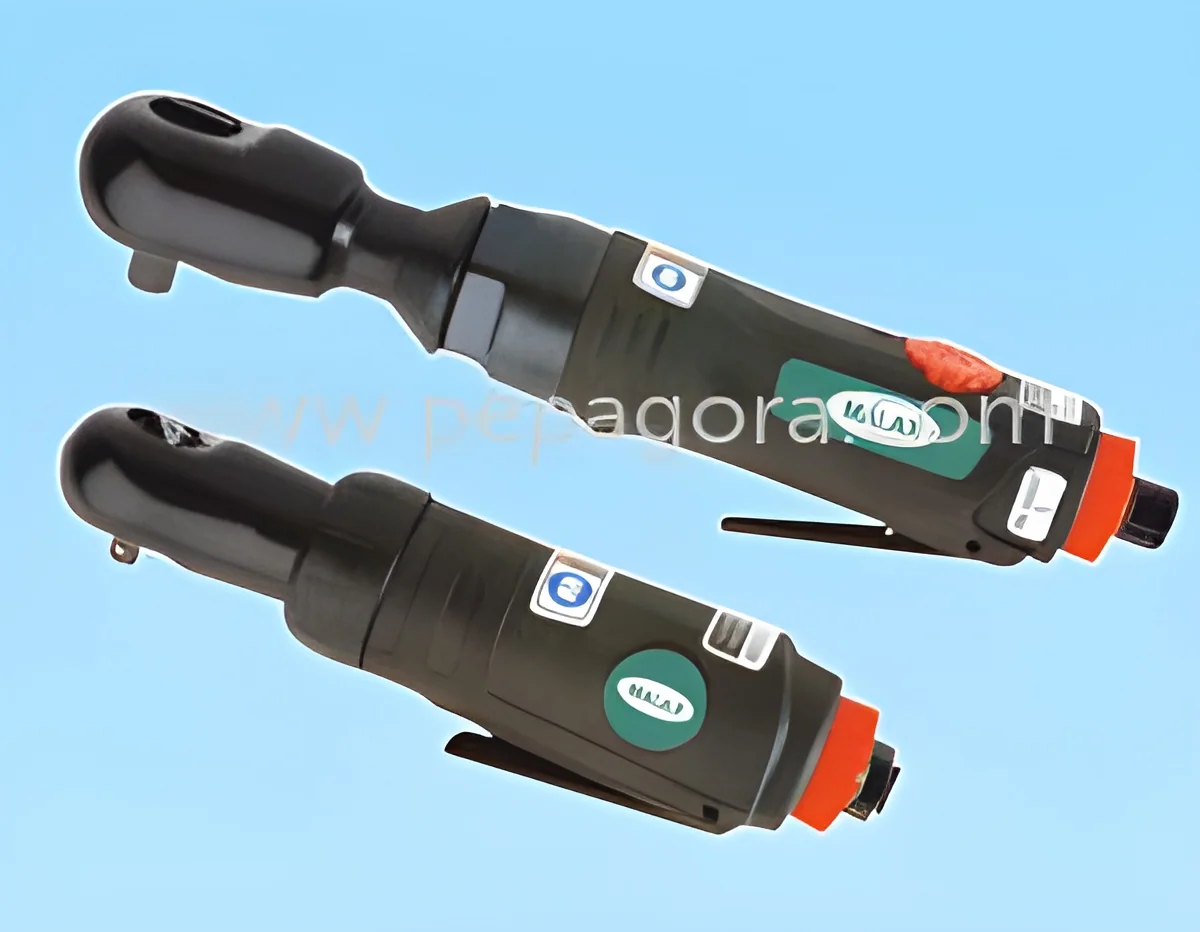
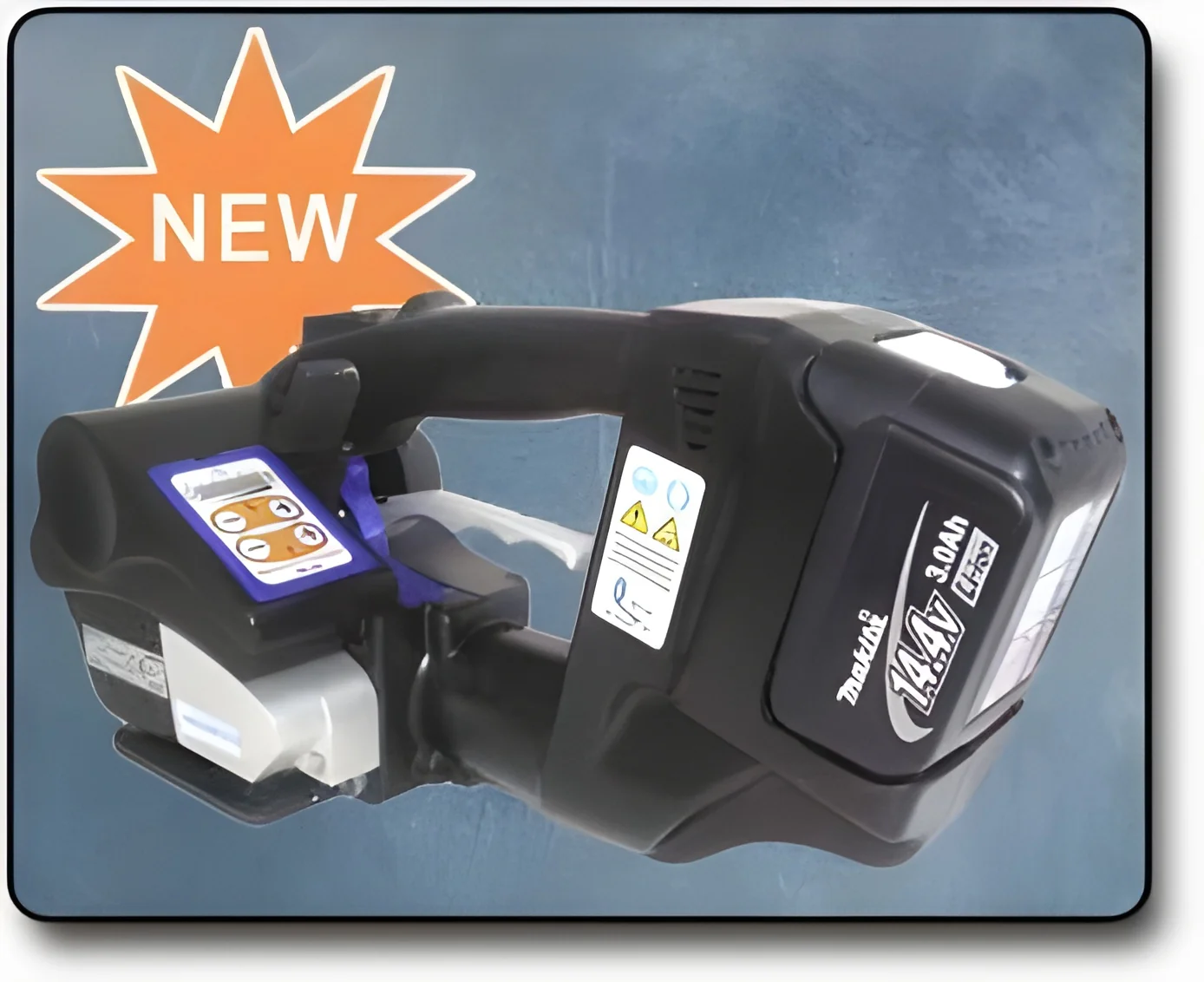
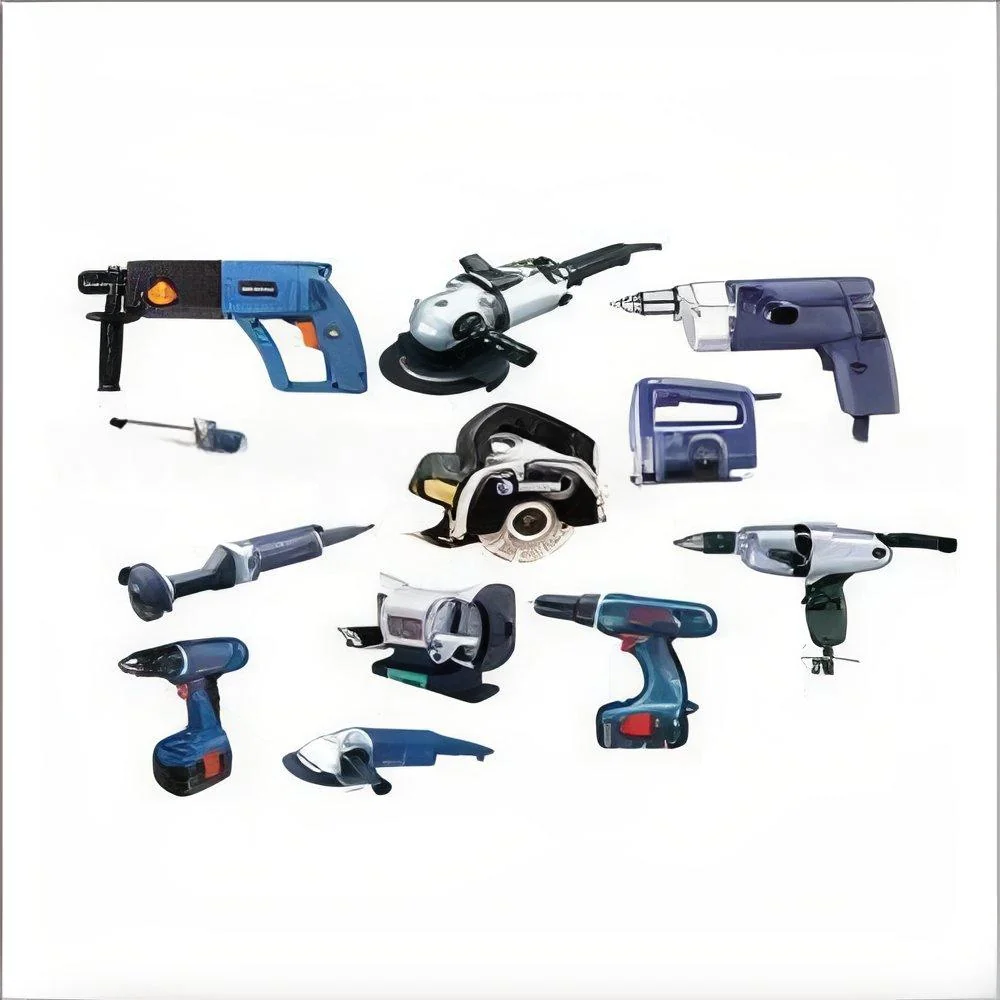
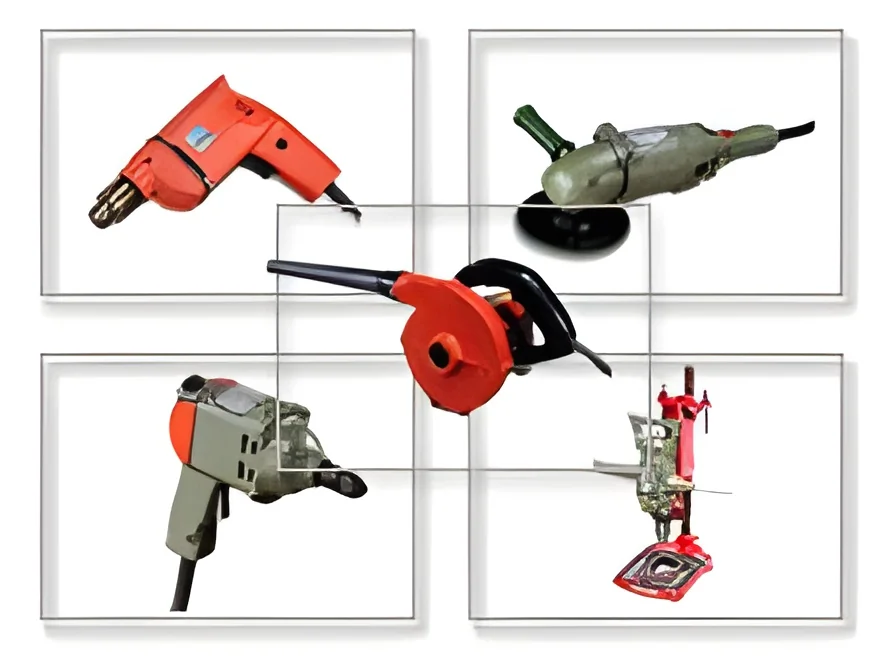
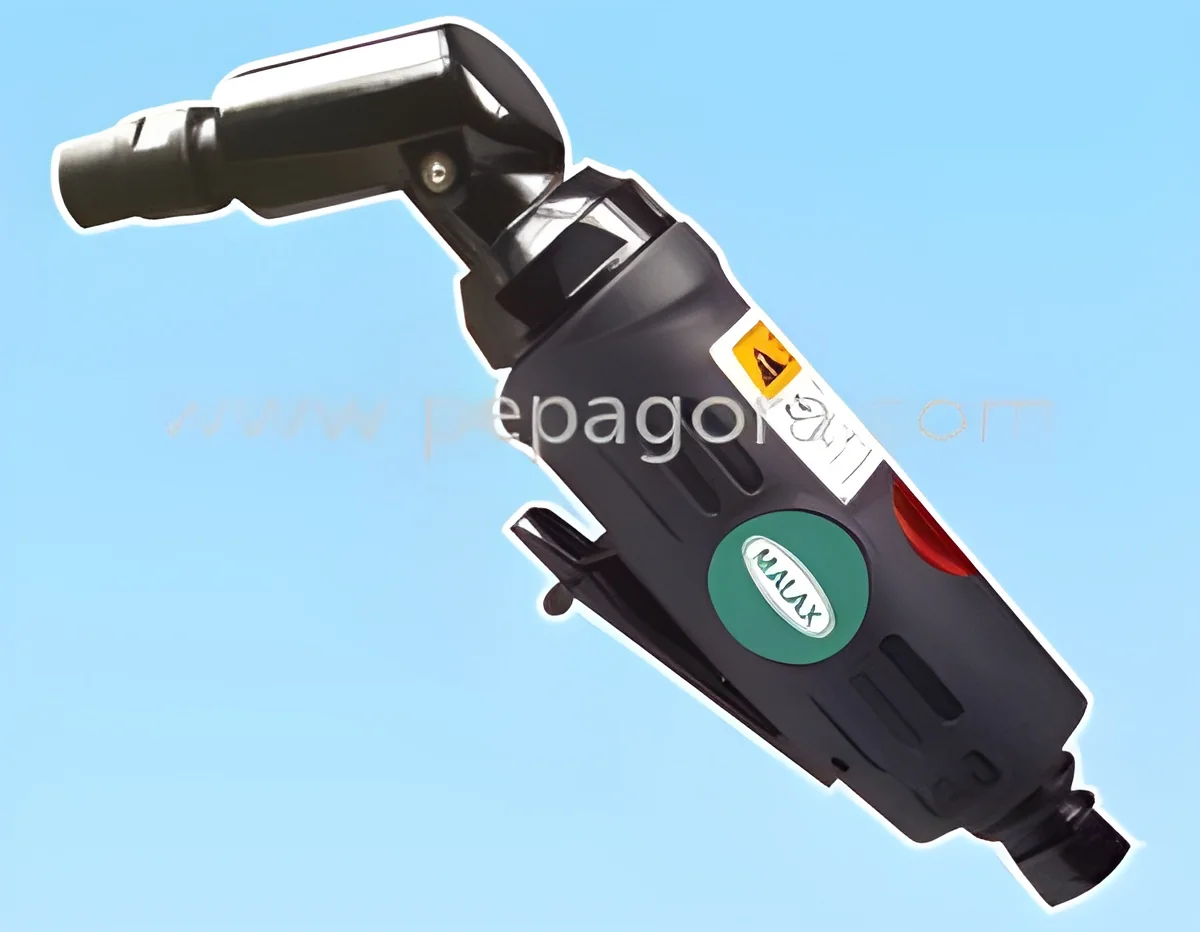
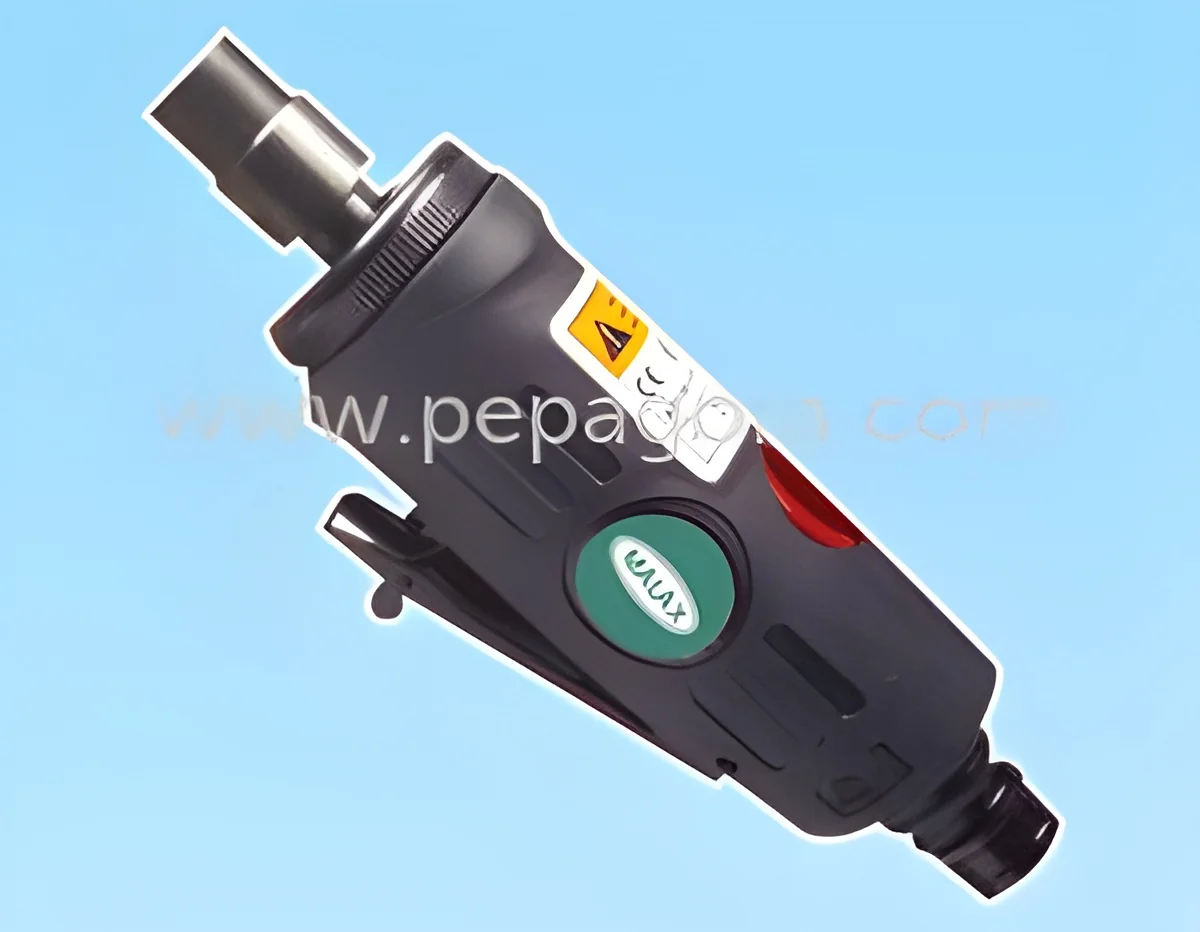
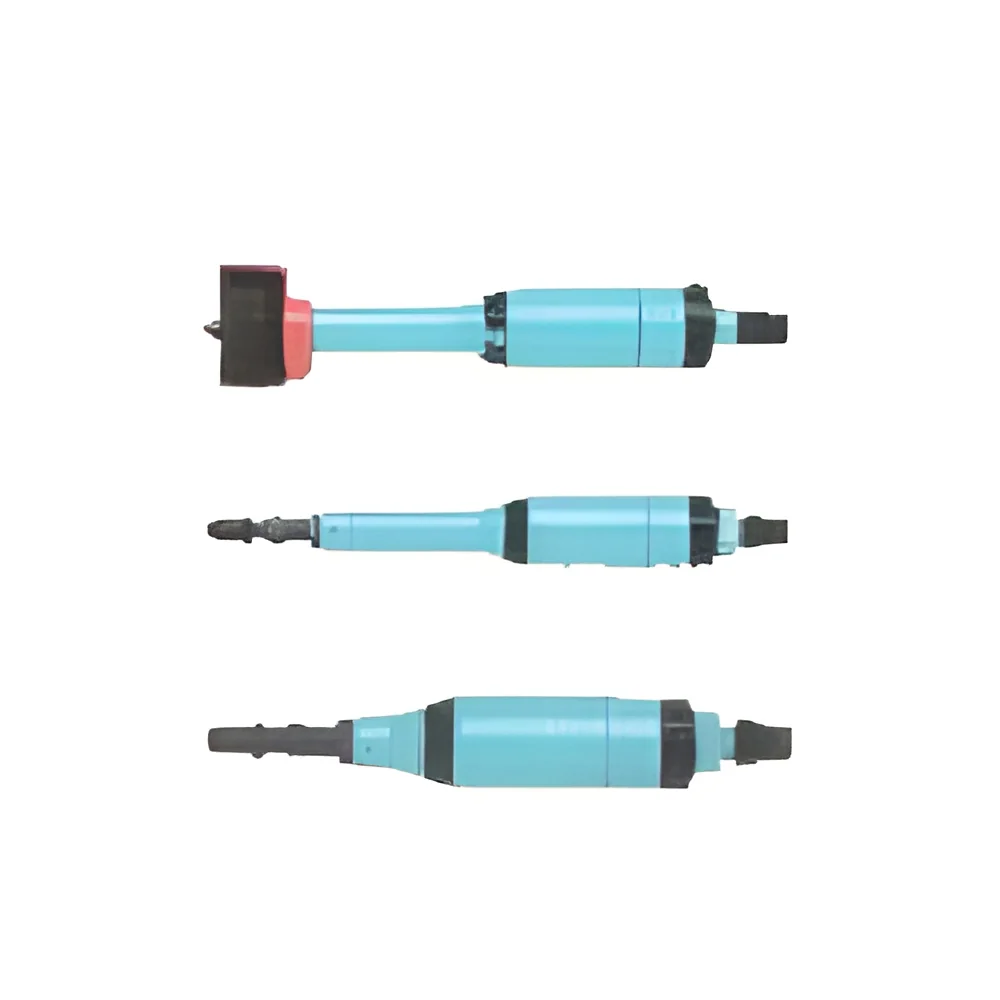
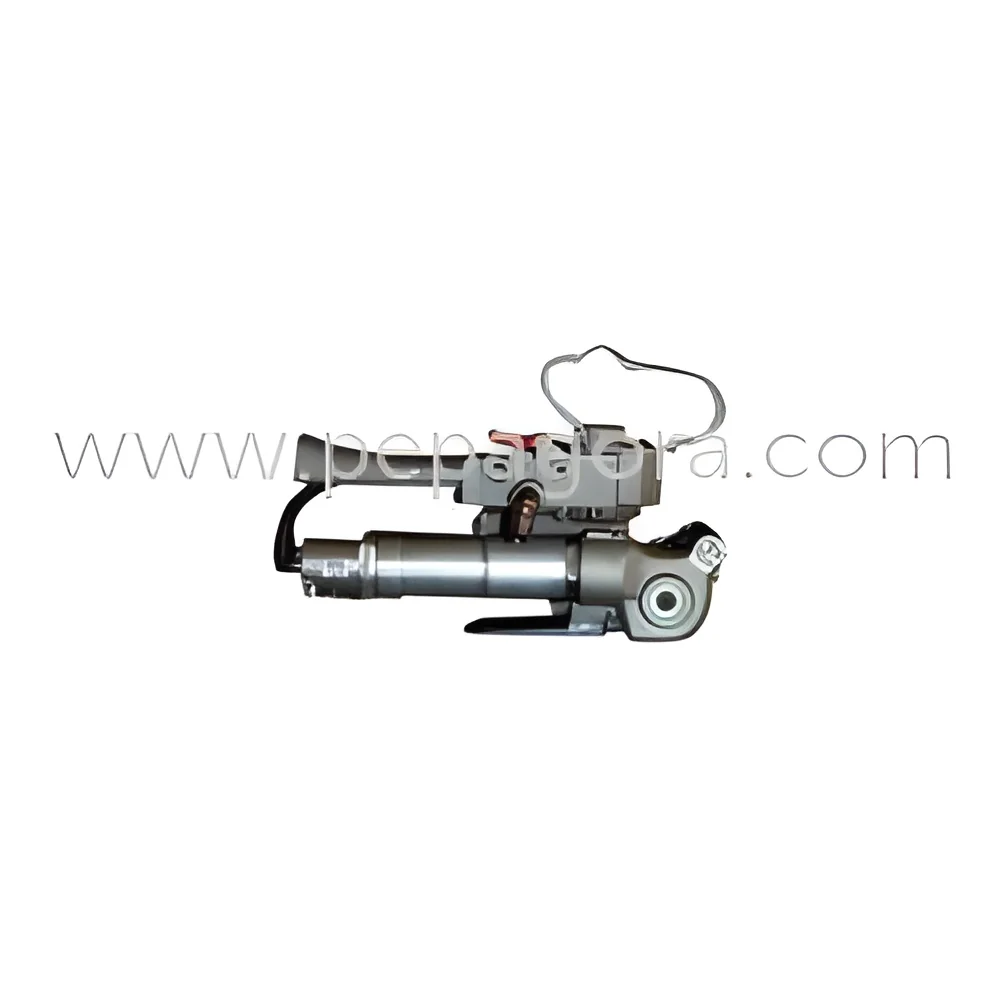
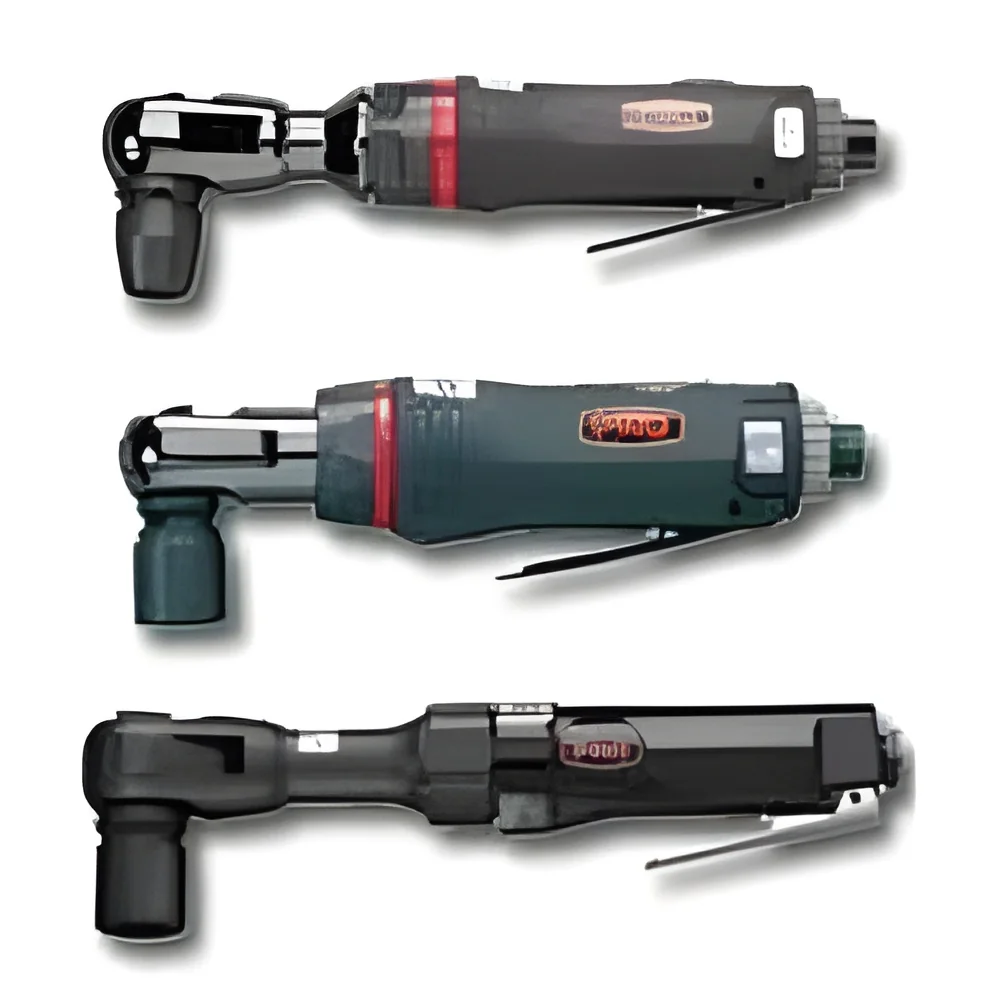
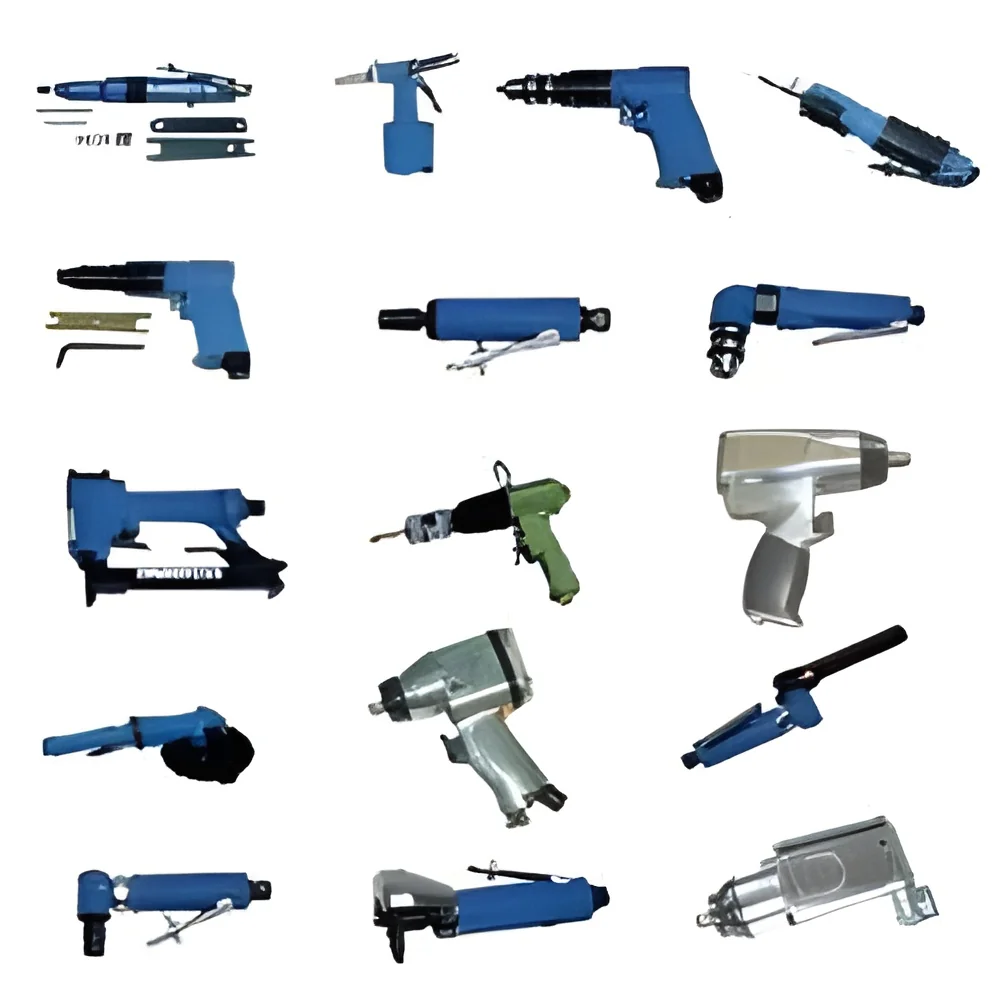
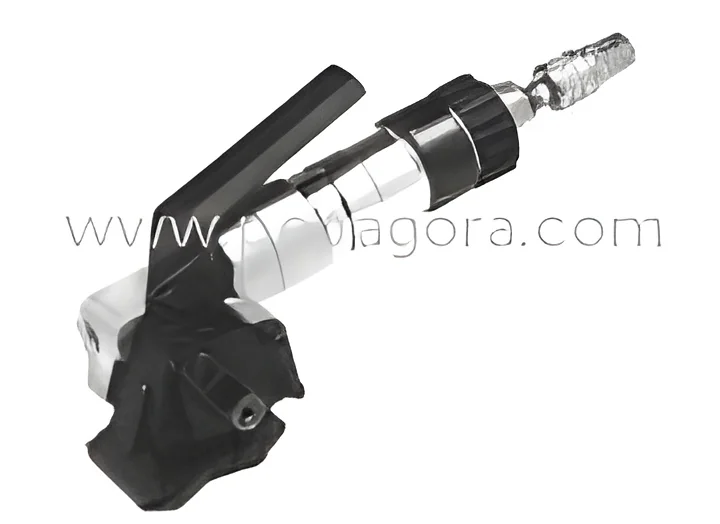
Industrial pneumatic tools are equipment that use compressed air as their power source. These tools are designed to perform a variety of tasks in industrial settings, ranging from simple fastening and cutting to more complex operations such as drilling and grinding. By utilizing air pressure, pneumatic tools can deliver high power output while being lightweight and easy to handle. This makes them ideal for repetitive tasks and applications requiring precision.
These tools are widely used in various sectors, including manufacturing, automotive, construction, and maintenance. Their ability to work efficiently in demanding environments has made them a staple in assembly lines, workshops, and construction sites. Pneumatic tools enhance productivity by enabling faster operation and reducing the physical strain on workers. As industries increasingly prioritize automation and efficiency, the demand for reliable industrial pneumatic tools continues to grow.
In the current market context, industrial pneumatic tools are becoming more sophisticated, incorporating advanced features like ergonomics, safety mechanisms, and energy efficiency. This evolution not only meets the technological advancements in industries but also aligns with the shift towards sustainable practices and worker safety.
Key Features and Specifications
Industrial pneumatic tools come with a range of features that enhance their performance and versatility. Understanding the specifications helps businesses choose the right tools for their needs.
Key specifications include:
1. Air Consumption
- This specification indicates the volume of air required for optimal operation, usually measured in cubic feet per minute (CFM).
2. Operating Pressure
- The pressure range at which the tool operates effectively, typically expressed in pounds per square inch (PSI).
3. Weight
- The weight of the tool affects portability and ease of use, often measured in pounds or kilograms.
4. Speed
- The operational speed, usually provided in revolutions per minute (RPM) or blows per minute (BPM), is crucial for tasks requiring quick results.
5. Noise Level
- The sound output of the tool, measured in decibels (dB), is important for workplace safety and compliance with regulations.
6. Durability
- The construction materials and design influence the tool's lifespan and its ability to withstand tough conditions.
7. Maintenance Requirements
- Details regarding how often the tool needs maintenance and what that entails can impact long-term operational costs.
8. Safety Features
- Many pneumatic tools include safety mechanisms to prevent accidents and ensure user protection.
In summary, understanding these key features and specifications helps businesses make informed decisions when selecting industrial pneumatic tools that meet their operational requirements.
Common Applications and Use Cases
Industrial pneumatic tools find applications across various industries due to their efficiency and reliability.
1. Automotive: In the automotive sector, pneumatic tools are used for assembly, repair, and maintenance tasks. They are commonly employed for tasks such as tire changing, engine assembly, and painting jobs.
2. Construction: Pneumatic tools play a vital role in construction, providing power for nail guns, impact wrenches, and pneumatic drills. This helps streamline operations and improve overall productivity on job sites.
3. Manufacturing: In manufacturing, these tools are used for repetitive tasks such as fastening, grinding, and cutting. Their precision and power reduce production time and enhance product quality.
4. Aerospace: The aerospace industry utilizes pneumatic tools for assembly and maintenance, where precision and reliability are critical to ensure safety and performance.
5. Oil and Gas: In the oil and gas sector, pneumatic tools assist in the maintenance of equipment and pipelines, handling tasks that require significant force and durability.
6. Woodworking: Woodworking professionals use pneumatic tools like nailers and staplers to enhance efficiency in furniture production and carpentry work.
7. Shipbuilding: In shipbuilding, pneumatic tools are essential for assembly and maintenance, facilitating tasks that are often performed in challenging environments.
Product Variants and Subcategories
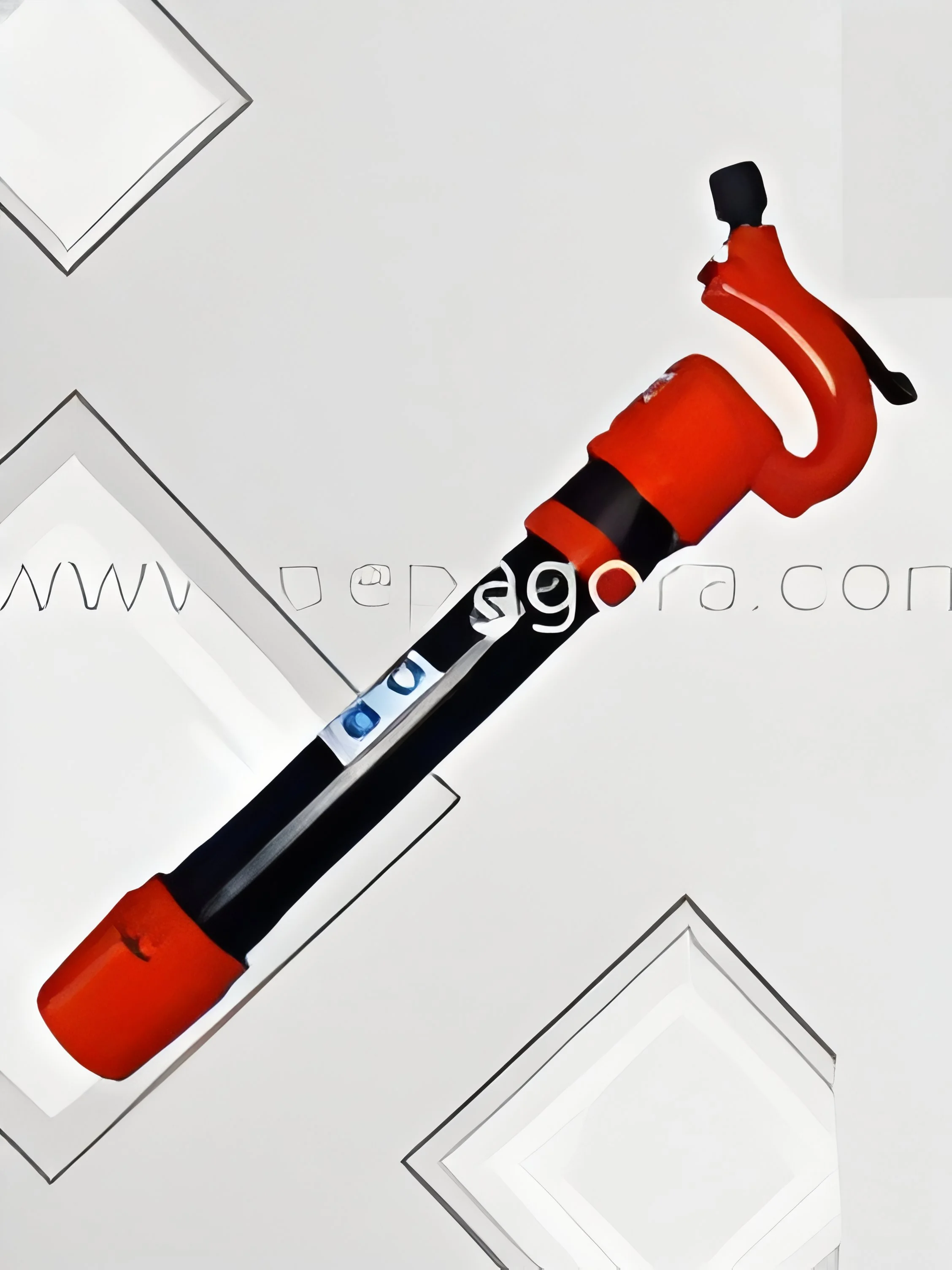
Industrial pneumatic tools come in various types designed for specific applications.
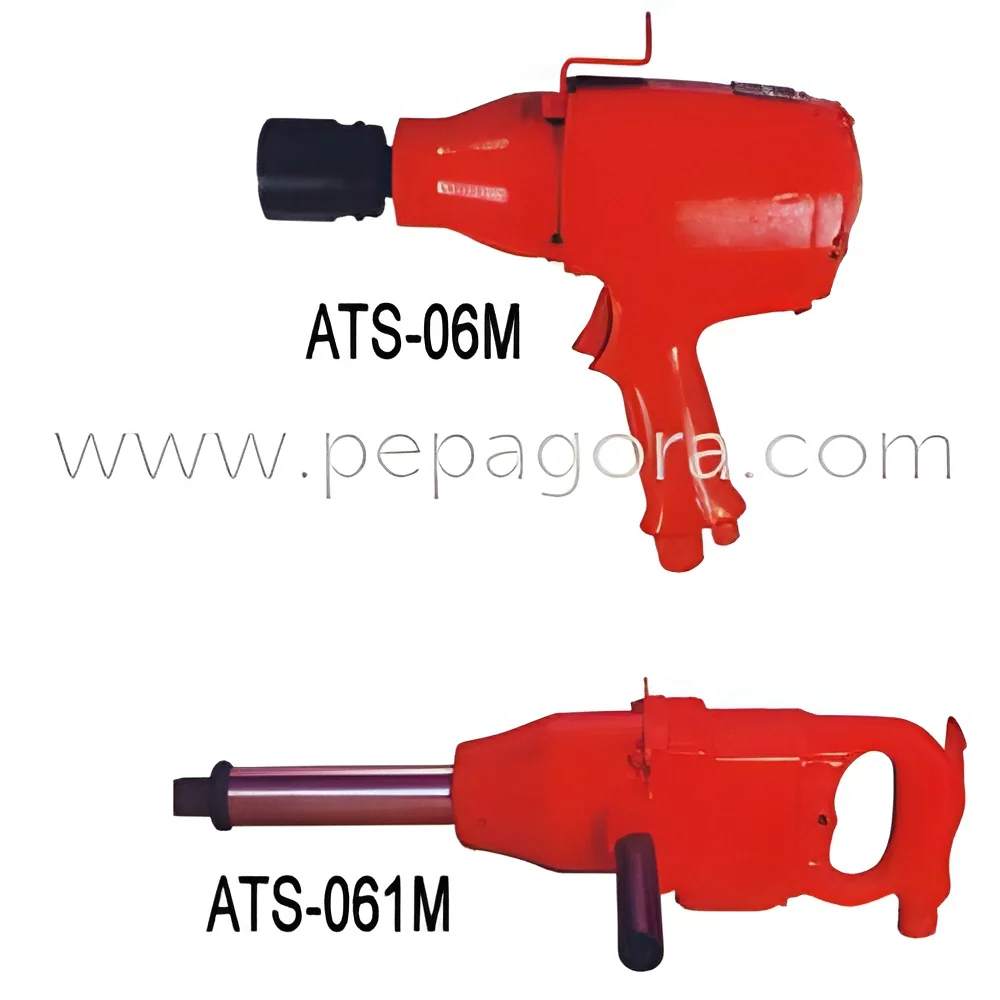
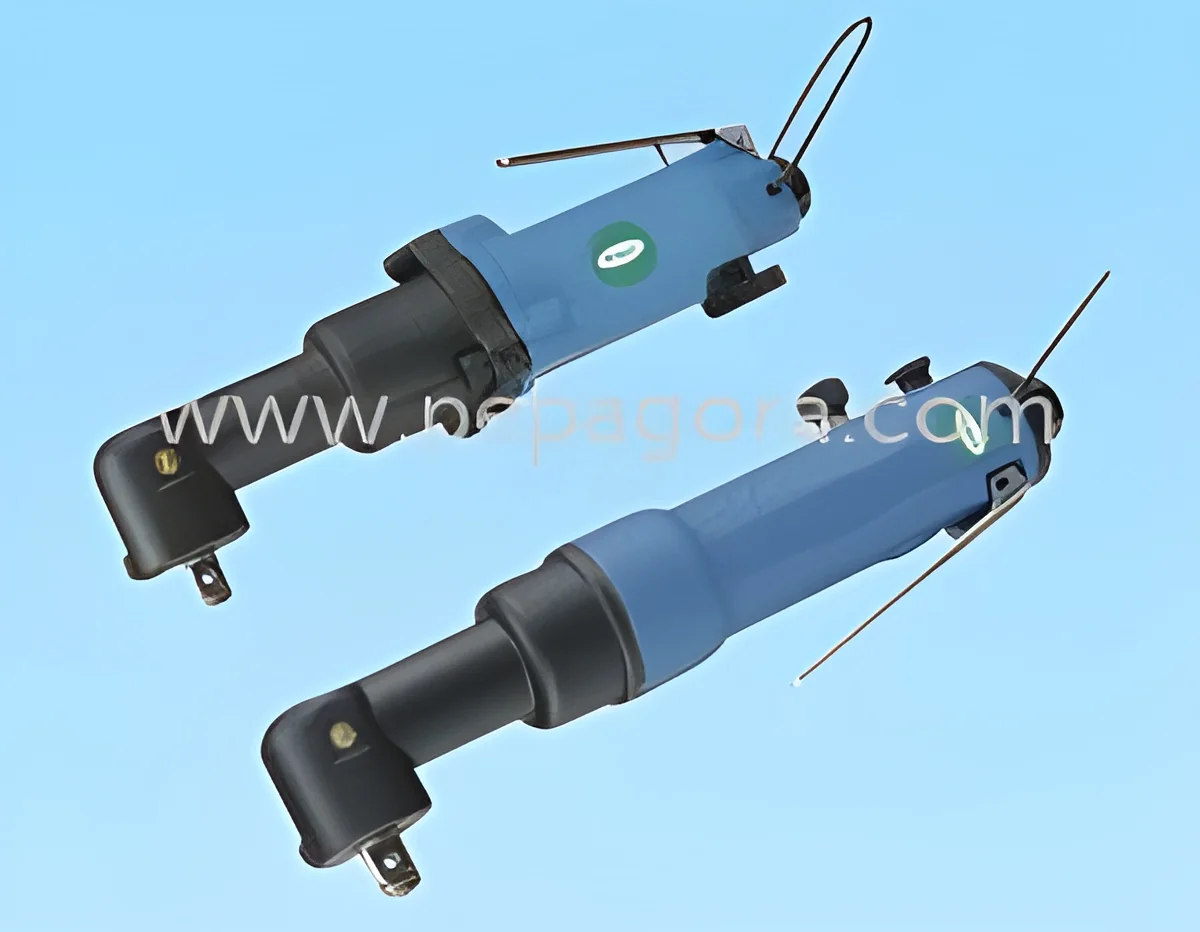
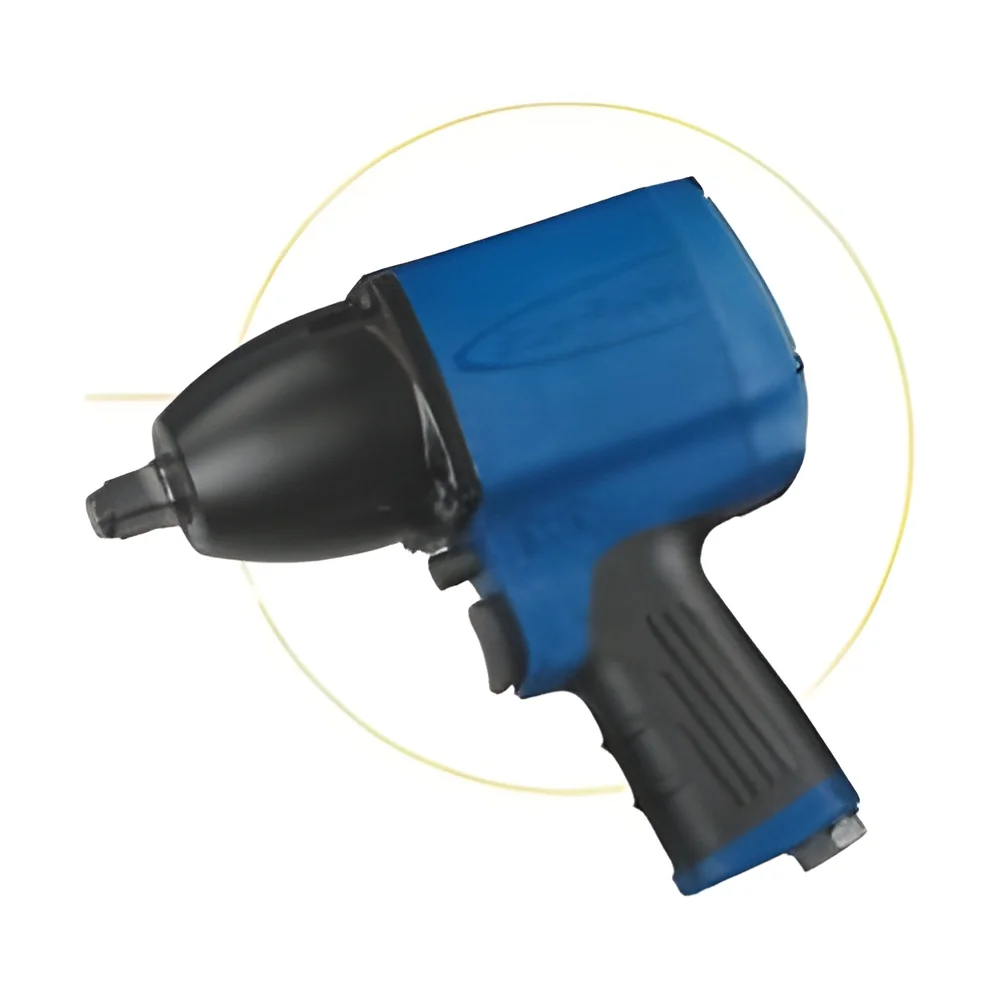
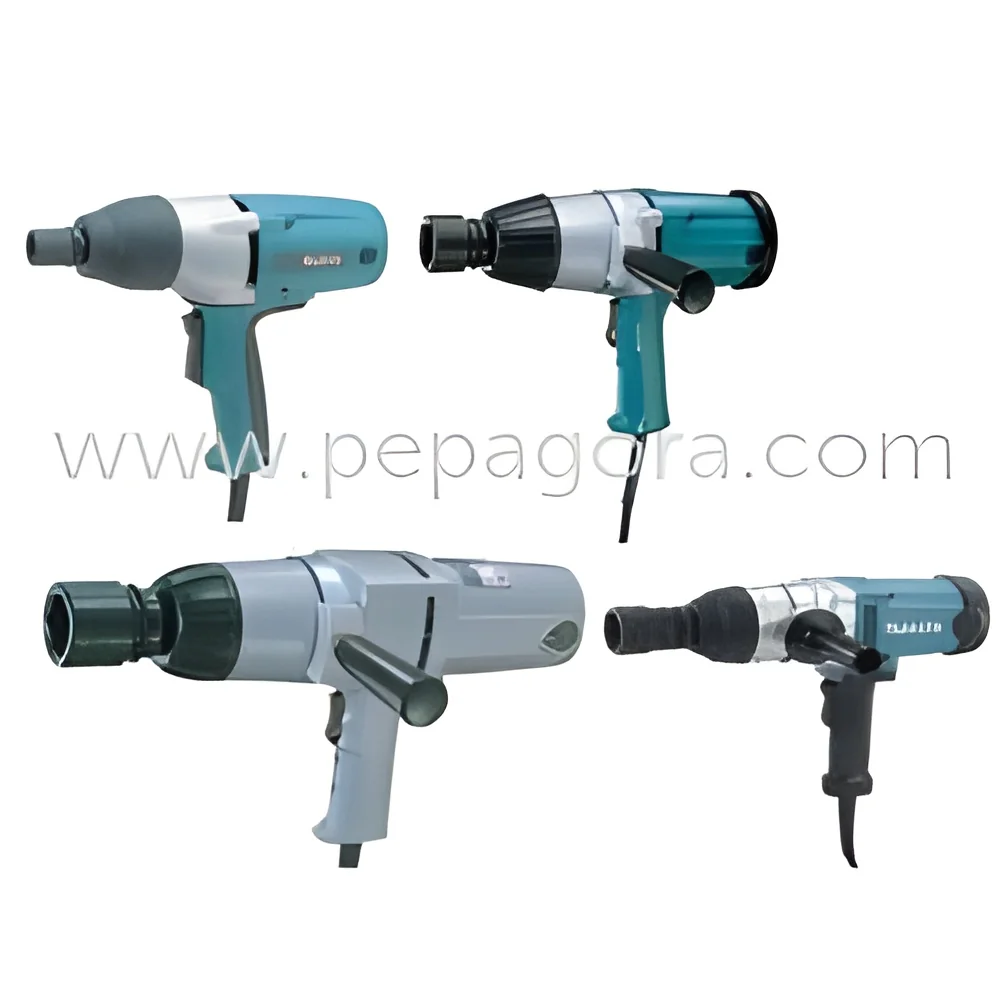
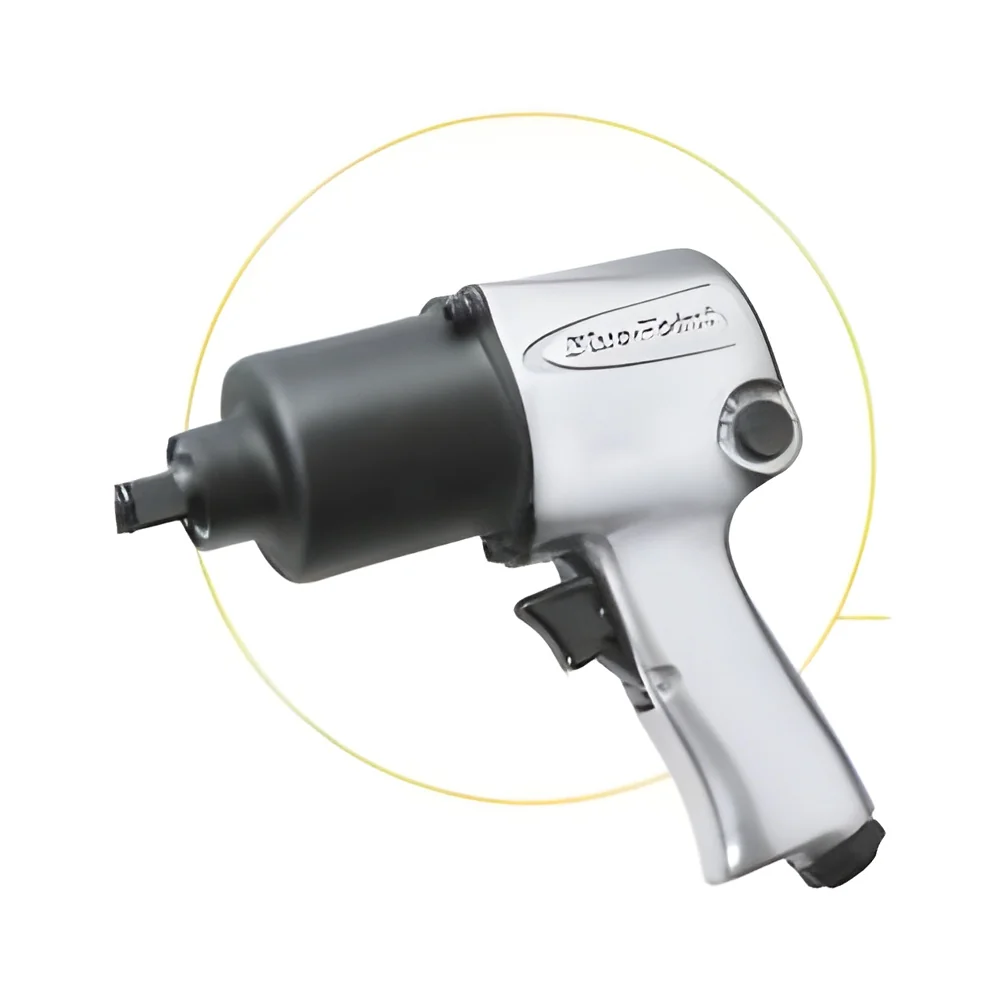
Pneumatic Impact Wrenches: These tools are used for tightening and loosening bolts and nuts with high torque. They are commonly found in automotive repair and construction sites.
Pneumatic Nail Guns: Used primarily in woodworking and construction, nail guns drive nails into wood or other materials quickly and efficiently, significantly speeding up the assembly process.
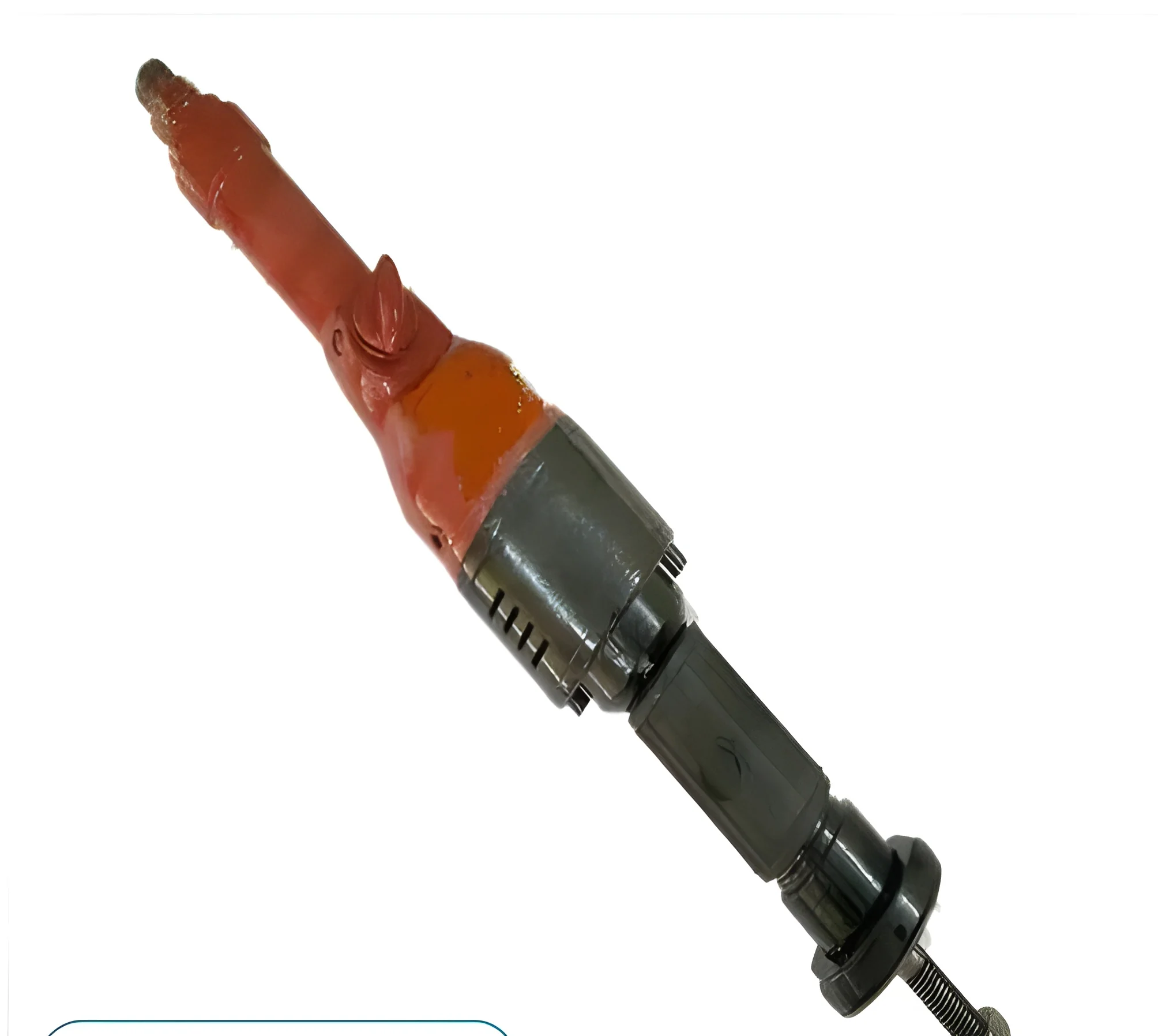
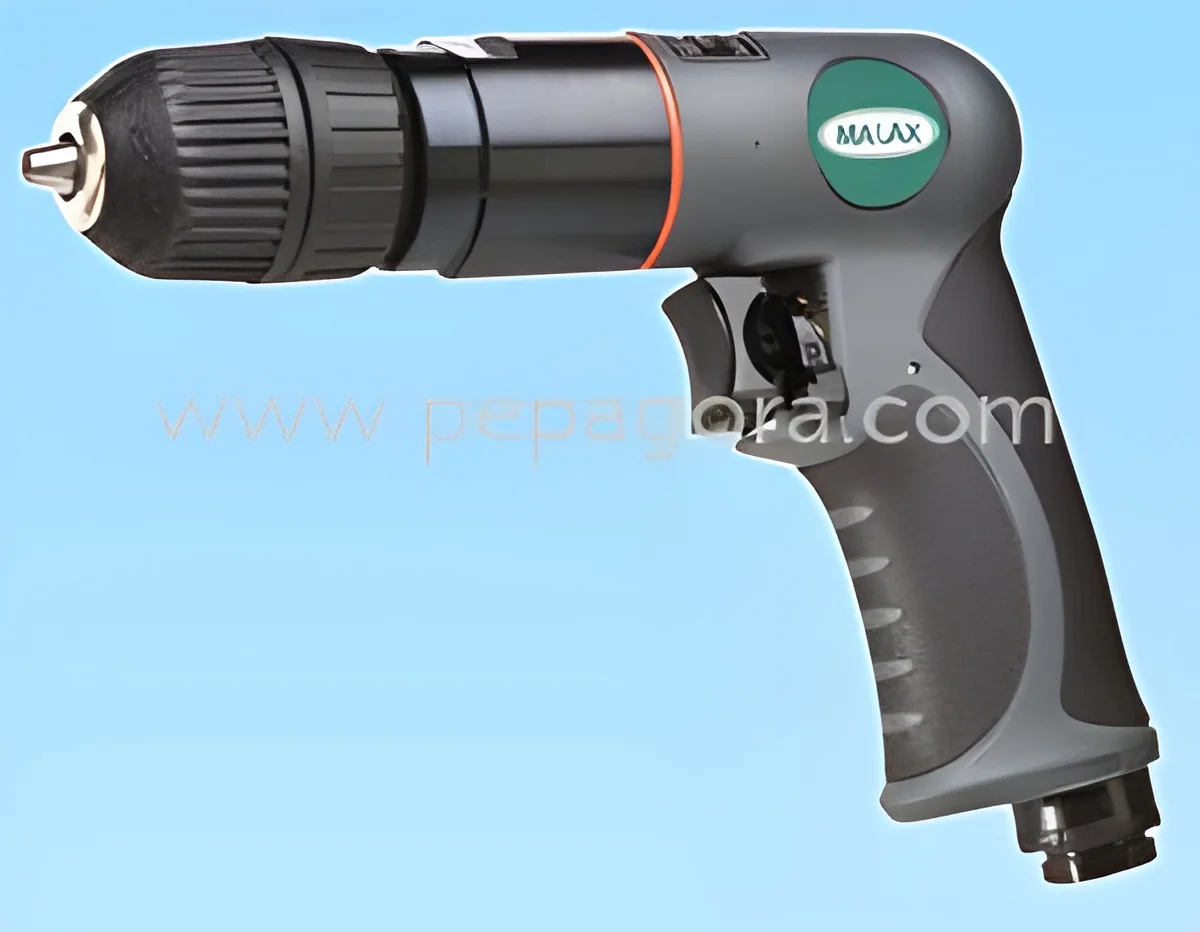
Pneumatic Drills: Ideal for drilling holes in various materials, pneumatic drills offer high speed and precision. They are widely used in manufacturing and assembly operations.
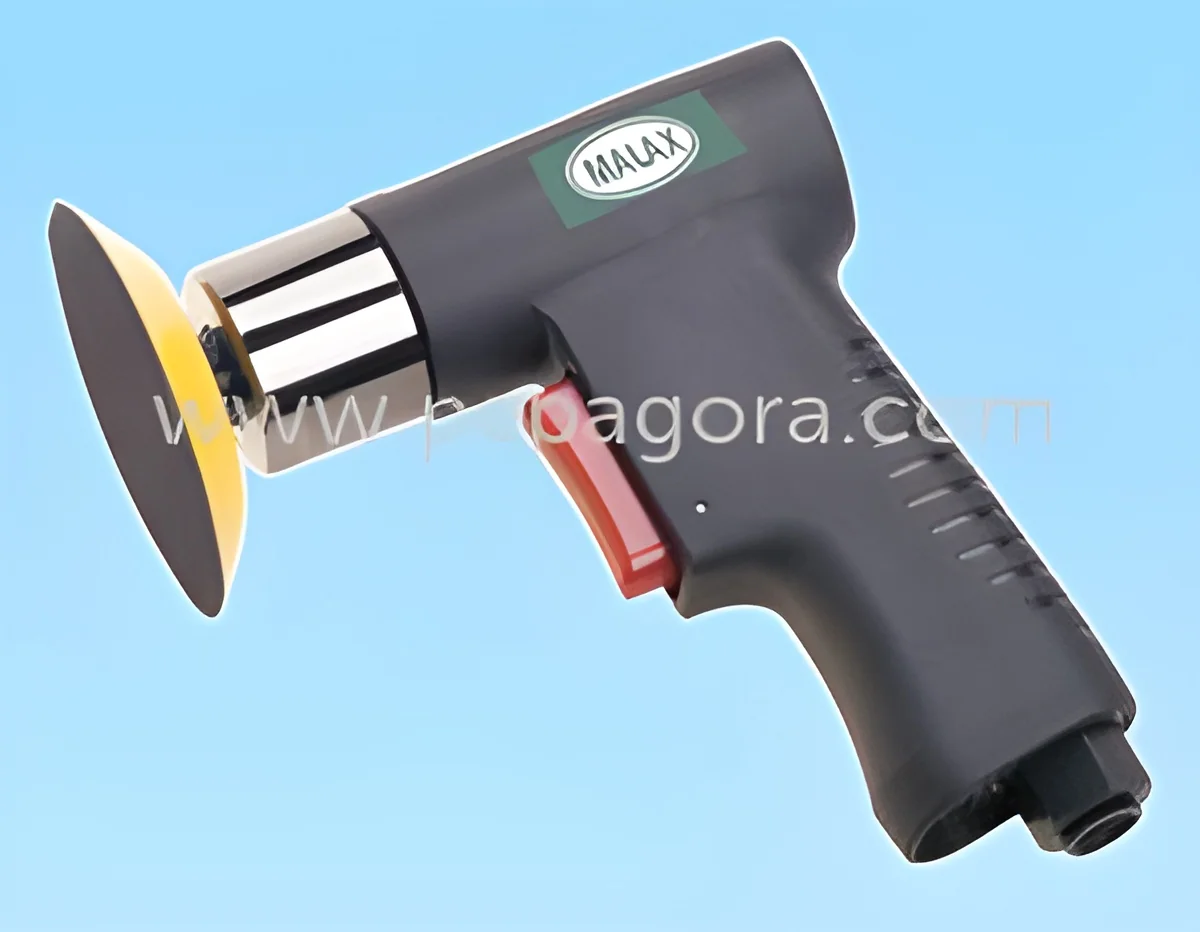
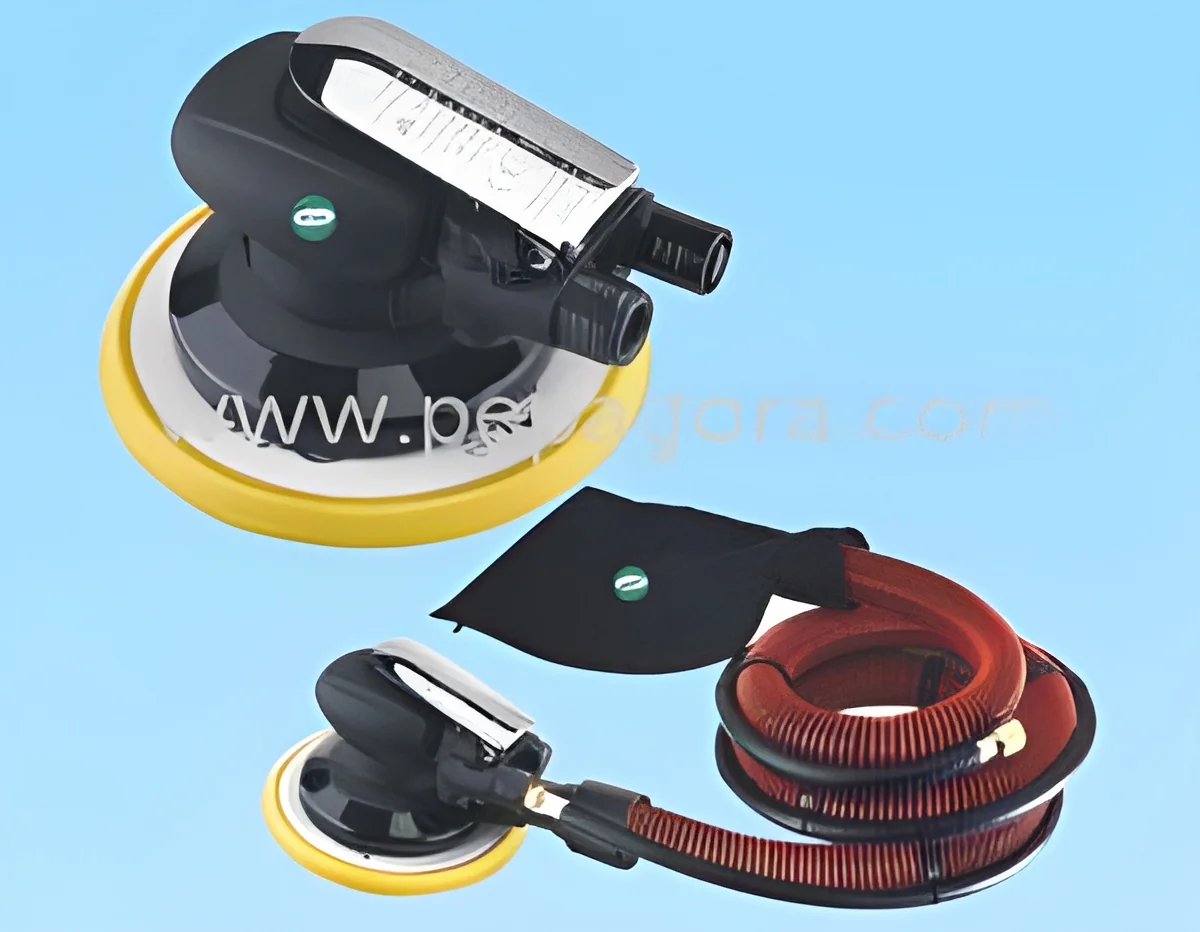
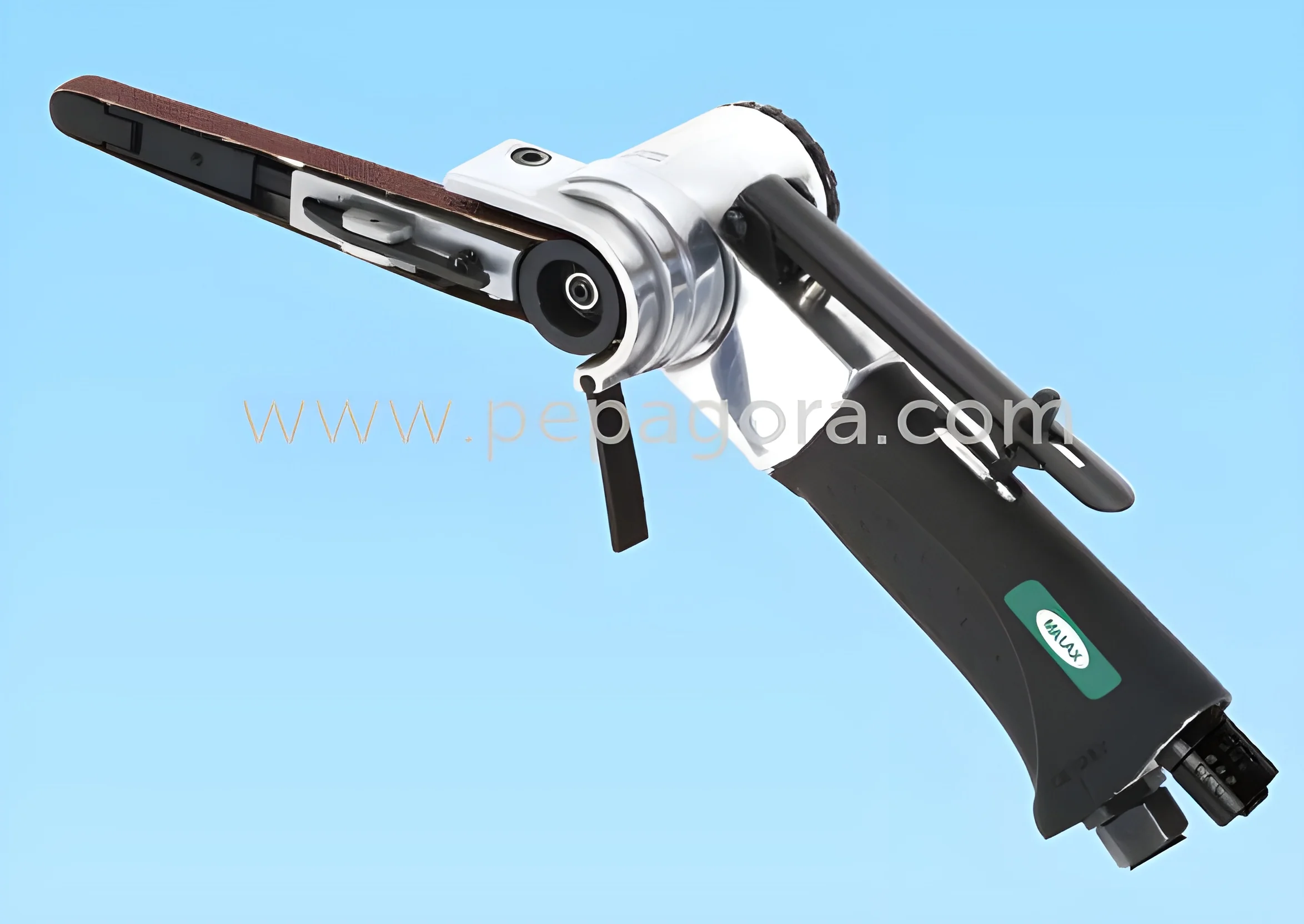
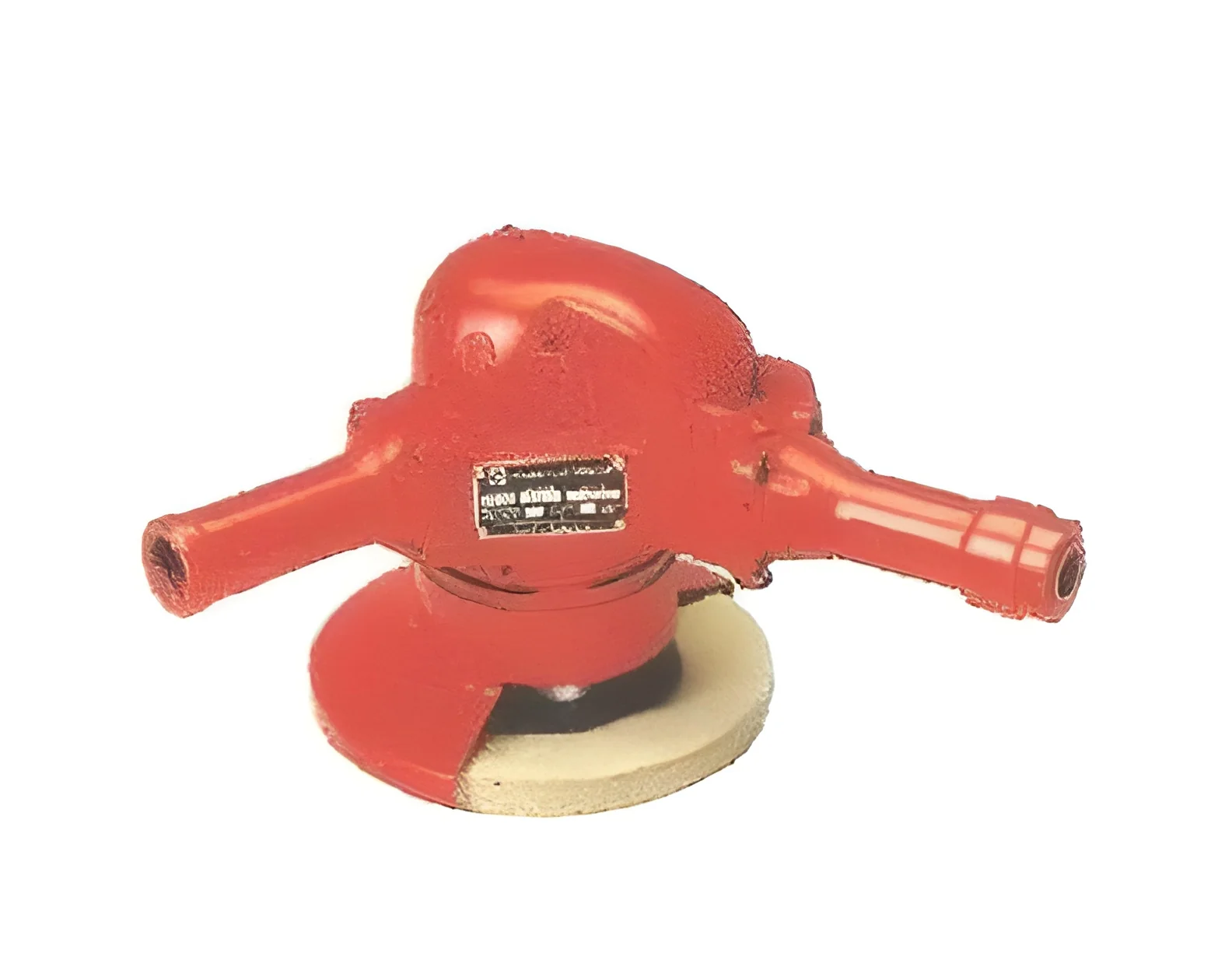
Pneumatic Sanders: These tools are designed for smoothing surfaces and are commonly used in woodworking and finishing applications. They provide consistent results with minimal user fatigue.
Benefits and Advantages
Industrial pneumatic tools offer several advantages that make them a preferred choice in many industries.
Key benefits include:
1. High Power-to-Weight Ratio: Pneumatic tools provide significant power while remaining lightweight, making them easier to handle and reducing operator fatigue.
2. Speed and Efficiency: These tools operate quickly, allowing for faster completion of tasks and increased productivity in industrial settings.
3. Durability: Made from robust materials, pneumatic tools are built to withstand harsh working conditions, ensuring a long service life.
4. Reduced Maintenance: Pneumatic tools generally require less maintenance compared to electric tools, leading to lower operational costs over time.
5. Safety: Many pneumatic tools include features designed to enhance user safety, reducing the risk of accidents in the workplace.
6. Versatility: With a wide range of attachments and accessories, pneumatic tools can be used for various applications, making them adaptable to different tasks.
Buying Guide for B2B Buyers
When sourcing industrial pneumatic tools, it is essential to consider several factors to ensure you select the right products for your business needs.
1. Quality Assessment: Evaluate the quality of the tools by checking for certifications and standards compliance. This includes assessing the materials used and the manufacturing process.
2. Supplier Verification: Research potential suppliers to ensure they have a good reputation in the industry. Look for reviews, testimonials, and any relevant certifications.
3. Pricing and MOQ: Understand the pricing structure and any minimum order quantities (MOQ) required by the supplier. This helps in budgeting and financial planning.
4. Delivery and Lead Times: Consider logistics and the time it will take for the tools to arrive. Confirm lead times with suppliers to avoid operational delays.
5. Compliance Requirements: Ensure that the tools meet any regulatory and safety compliance standards required in your industry, such as CE marking.
Compliance and Certifications
Industrial pneumatic tools must adhere to various quality standards and certifications to ensure safety and performance.
ISO 9001 is a widely recognized quality management standard that indicates a commitment to maintaining high-quality products and services.
The CE mark signifies that the tools meet European health, safety, and environmental protection standards, ensuring they can be sold within the European market.
Safety and testing requirements are critical, especially in industries like automotive and aerospace, where tool performance directly impacts safety.
Regional compliance considerations may also apply, depending on where the tools will be used. It is essential for buyers to verify that their products comply with local regulations.
Why Source Industrial Pneumatic Tools from Pepagora?
Pepagora offers a trusted platform for sourcing industrial pneumatic tools, providing several key advantages to B2B buyers.
Verified Supplier Network: Pepagora ensures that all suppliers on its platform have been thoroughly vetted for quality and reliability. This offers buyers peace of mind when selecting products.
Streamlined RFQ Process: The platform simplifies the request for quotation (RFQ) process, allowing buyers to compare prices and features from multiple suppliers easily.
Trade Assurance and Support: Pepagora provides buyer protection through trade assurance, ensuring that transactions are secure and that buyers receive the products as promised.
Regional Coverage: With a focus on markets in India, the GCC, and Southeast Asia, Pepagora offers extensive regional coverage, making it easier for buyers to find suitable suppliers within their geographic area.

 IN
IN