What are Pneumatic Regulators & Filters?
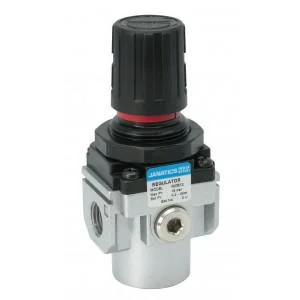
Pneumatic regulators and filters are essential components used in pneumatic systems to control air pressure and quality. A pneumatic regulator is designed to maintain a consistent output pressure regardless of fluctuations in the input pressure. This ensures that the connected equipment operates efficiently and safely. Pneumatic filters, on the other hand, are used to remove contaminants such as dust, moisture, and oil from the compressed air supply, protecting downstream devices and enhancing overall performance.
These products find extensive use in various industries, including manufacturing, automotive, and food processing. In manufacturing, they help maintain the precision of pneumatic tools and machinery. In the automotive sector, they ensure that air pressure remains stable for various processes, such as paint spraying and assembly line functions. Additionally, in the food industry, pneumatic filters are crucial for ensuring the air used in packaging processes is free from contaminants, thereby maintaining food safety standards.
The relevance of pneumatic regulators and filters in today's market cannot be overstated. With increasing automation and the push for greater efficiency in industrial processes, the demand for high-quality pneumatic components continues to rise. Companies are investing in advanced pneumatic systems that require reliable regulators and filters to ensure optimal performance and compliance with industry standards.
Key Features and Specifications
Pneumatic regulators and filters come equipped with various features designed to enhance performance and reliability. These features address specific operational requirements and ensure compatibility with different industrial applications.
Key specifications include:
1. Output Pressure Range
- This specification determines the range of pressure the regulator can maintain.
- Typically ranges from 0.5 to 10 bar, depending on the model.
2. Filtration Efficiency
- This indicates how effectively the filter removes contaminants.
- Common efficiency ratings include 5 microns and 1 micron.
3. Flow Rate
- This measures the volume of air that can pass through the regulator or filter.
- Flow rates can vary widely, often measured in liters per minute (L/min).
4. Temperature Range
- This defines the operational temperature limits for both regulators and filters.
- Data not available for specific ranges.
5. Connection Size
- Refers to the diameter of the inlet and outlet ports.
- Common sizes include 1/4 inch, 1/2 inch, and 3/4 inch.
6. Mounting Options
- Regulators and filters may have different mounting configurations.
- Options include panel mount, inline mount, and bracket mount.
7. Materials of Construction
- Common materials include aluminum, brass, and plastic.
- Material choice can affect durability and compatibility with various media.
8. Certifications
- Many products come with certifications such as UL and CE.
- These certifications ensure compliance with safety and quality standards.
Overall, the right specifications can significantly impact the performance and longevity of pneumatic systems.
Common Applications and Use Cases
Pneumatic regulators and filters are utilized across a variety of industries to meet specific operational needs.
1. Manufacturing: In this sector, regulators and filters ensure that pneumatic tools operate at optimal pressure levels, which is essential for precision tasks.
2. Automotive: Pneumatic systems in auto assembly lines rely on these components to maintain stable air pressure, facilitating processes like painting and component assembly.
3. Food Processing: Filters are crucial in this industry to ensure that the air used in packaging is clean and free from contaminants, thus adhering to safety standards.
4. Pharmaceutical: These components help maintain the integrity of production processes by controlling air quality and pressure in sensitive environments.
5. Construction: Pneumatic tools used on job sites require reliable regulators and filters to ensure proper functionality and safety.
6. Electronics: In electronics manufacturing, maintaining clean and controlled air supply is vital for assembling delicate components.
7. Textile: Pneumatic systems used in textile production benefit from regulators and filters for consistent pressure and air quality.
Product Variants and Subcategories
Pneumatic regulators and filters come in various designs to meet diverse industrial requirements.
Standard Regulator
This variant is designed for general applications, providing stable pressure control in various pneumatic systems. It typically features a compact design and easy adjustment options.
Precision Regulator
Used for applications requiring high accuracy, this type of regulator maintains very tight pressure control. It is ideal for sensitive equipment in laboratories and manufacturing environments.
Coalescing Filter
This filter type is specifically designed to remove water and oil aerosols from compressed air, essential for applications where air purity is critical, such as food and pharmaceutical industries.
Particulate Filter
Used to capture solid particles from the air stream, this variant prevents damage to downstream equipment and ensures smooth operation in various industrial applications.
Benefits and Advantages
Pneumatic regulators and filters offer several advantages that enhance industrial operations.
1. Consistent Performance: These components maintain stable pressure levels, ensuring consistent operation of pneumatic tools and systems.
2. Enhanced Equipment Longevity: By filtering out contaminants, these products protect downstream equipment, reducing wear and tear.
3. Improved Efficiency: A well-functioning regulator and filter can increase system efficiency, leading to reduced operational costs.
4. Safety Compliance: Many regulators and filters meet industry safety standards, ensuring compliance with regulations.
5. Versatility: These products can be used across a wide range of applications and industries, making them adaptable to different needs.
6. Ease of Maintenance: Many pneumatic regulators and filters are designed for easy maintenance, allowing for quick servicing and reduced downtime.
Buying Guide for B2B Buyers
When sourcing pneumatic regulators and filters, several key factors should be considered to ensure the best purchase decision.
1. Quality Assessment: Evaluate the build quality and materials used in the regulators and filters. Look for products that meet industry standards and certifications.
2. Supplier Verification: Research and vet potential suppliers to ensure they have a good reputation and reliable track record in delivering quality products.
3. Pricing and MOQ: Understand the pricing structure and minimum order quantities. Compare quotes from different suppliers to find the best deal.
4. Delivery and Lead Times: Check the supplier's delivery capabilities and lead times to ensure timely project completion.
5. Compliance Requirements: Ensure the products comply with any relevant industry regulations and standards, which could vary by region and application.
Compliance and Certifications
Pneumatic regulators and filters are subject to various quality standards and certifications that ensure their reliability and safety in industrial applications.
ISO 9001 is a widely recognized standard that indicates a commitment to quality management systems. Compliance with this standard ensures that products are manufactured consistently to meet customer requirements.
Industry certifications such as UL and CE signify that the products have passed rigorous testing for safety and performance. UL certification indicates compliance with North American safety standards, while CE certification is essential for products sold in Europe, ensuring they meet EU safety requirements.
Moreover, manufacturers must adhere to safety and testing requirements that include regular inspections and performance assessments. Regional compliance considerations may also vary, so it is crucial to be aware of local regulations that apply to specific industries.
Why Source Pneumatic Regulators & Filters from Pepagora?
Pepagora offers a reliable platform for sourcing pneumatic regulators and filters, providing multiple advantages for B2B buyers.
Verified Supplier Network: We have established a network of verified suppliers, ensuring that buyers can access high-quality products from reputable manufacturers. This helps mitigate the risks associated with sourcing.
Streamlined RFQ Process: Our request for quotation (RFQ) system is designed to simplify the sourcing process. Buyers can easily submit their requirements and receive competitive quotes from multiple suppliers.
Trade Assurance and Support: Pepagora provides trade assurance to protect buyers from potential issues, ensuring a smooth transaction experience. Our customer support team is always available to assist with any inquiries.
Regional Coverage: With a strong presence in regions such as India, the GCC, and Southeast Asia, Pepagora is well-positioned to meet the diverse needs of buyers across different markets. This geographic reach enables us to connect buyers with local suppliers effectively.

 IN
IN