What are Pneumatic Tool Kits?
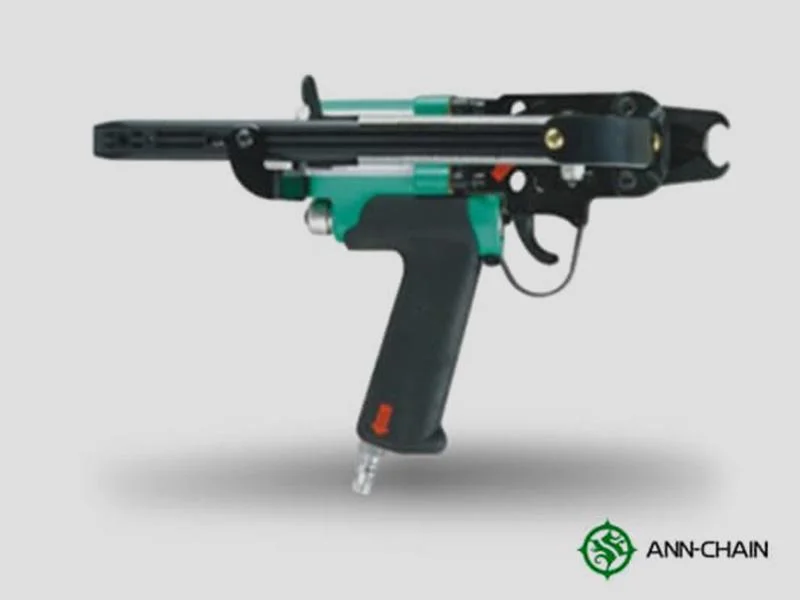
Pneumatic tool kits are collections of tools powered by compressed air. These kits typically include a variety of tools such as impact wrenches, air hammers, and nail guns, all designed to enhance efficiency in various tasks. The use of compressed air allows these tools to operate with high power and speed, making them essential for heavy-duty applications in various industries.
These tool kits are primarily used in manufacturing, automotive repair, and construction. In these sectors, pneumatic tools are favored for their ability to perform tasks quickly and with less manual effort compared to traditional hand tools. For instance, an impact wrench can loosen or tighten bolts in seconds, significantly speeding up assembly lines or repair processes. As industries continue to evolve, the demand for reliable and efficient pneumatic tools remains strong, driving growth in the market.
Pneumatic tool kits are relevant across many industries, including automotive, aerospace, and general manufacturing. Their ability to reduce labor costs and improve productivity makes them a vital investment for businesses seeking to enhance their operational efficiency and maintain a competitive edge in the market.
Key Features and Specifications
Pneumatic tool kits come with a variety of features that cater to different industrial needs. Understanding these specifications is essential for selecting the right kit for specific applications.
Key specifications include:
1. Tool Types
- Includes impact wrenches, nail guns, air grinders, and more.
- Each tool serves a specific function in various applications.
2. Air Pressure Requirements
- Typical operating pressure ranges from 90 to 120 PSI.
- Tools may vary in their pressure requirements depending on their intended use.
3. Air Consumption
- Measured in CFM (Cubic Feet per Minute).
- Tools may require anywhere from 2 to 10 CFM based on their design and functionality.
4. Weight
- Weight varies by tool, affecting ease of use and portability.
- Lighter tools reduce operator fatigue during prolonged use.
5. Noise Level
- Noise levels typically range from 80 to 95 dB.
- Consideration for hearing protection is essential in work environments.
6. Durability
- Made from materials like aluminum and composite plastics for longevity.
- Designed to withstand harsh industrial environments.
7. Safety Features
- May include safety locks and ergonomic grips.
- Essential for reducing the risk of accidents during operation.
8. Accessories Included
- Kits often come with hoses, fittings, and tool lubricants.
- Additional accessories enhance the versatility of the tool kit.
In summary, pneumatic tool kits are characterized by their diverse tool types, air pressure requirements, and safety features. Understanding these specifications aids buyers in selecting the most suitable options for their operational needs.
Common Applications and Use Cases
Pneumatic tool kits serve a wide range of industries, providing efficient solutions for various applications.
1. Automotive Industry: Pneumatic tools are crucial in auto repair shops for tasks like tire changing, engine assembly, and bodywork. Their speed and power help technicians complete repairs more quickly.
2. Manufacturing: In manufacturing plants, pneumatic tools are used for assembly lines, fastening components, and surface finishing. Their reliability ensures consistent quality in production processes.
3. Construction: Pneumatic tool kits are essential on construction sites for tasks such as framing, roofing, and concrete work. Tools like nail guns streamline building processes, saving time and labor.
4. Aerospace: In the aerospace sector, precision is key. Pneumatic tools assist in assembling aircraft parts, ensuring that components are fitted accurately and efficiently.
5. Marine: In shipbuilding and repair, pneumatic tools are used for everything from engine maintenance to hull repairs, providing the necessary power for heavy-duty tasks.
6. HVAC: Pneumatic tools are used in heating, ventilation, and air conditioning for installation and maintenance, allowing technicians to work with speed and precision.
7. Metalworking: In metal fabrication shops, pneumatic tools are employed for cutting, shaping, and welding metal components, enhancing productivity and accuracy.
Product Variants and Subcategories
Pneumatic tool kits come in various configurations to meet the diverse needs of industries. Each variant is tailored for specific applications.
Basic Pneumatic Tool Kit: This kit typically includes essential tools such as an impact wrench, air hose, and various attachments. Ideal for general maintenance and repair tasks, it provides a solid foundation for businesses starting with pneumatic tools.
Advanced Pneumatic Tool Kit: This variant includes specialized tools for complex applications, such as air ratchets and sanders. These kits are suited for automotive professionals and manufacturers requiring high-performance tools.
Compact Pneumatic Tool Kit: Designed for portability, this kit is ideal for on-site work. It includes lightweight tools and a compact carrying case, making it perfect for technicians who need to move between job sites.
Benefits and Advantages
Investing in pneumatic tool kits offers numerous advantages for businesses seeking efficiency and productivity.
Key benefits include:
1. Enhanced Efficiency: Pneumatic tools operate faster than manual tools, reducing the time needed for tasks and improving overall workflow.
2. Increased Power: These tools provide high torque and consistent performance, making them ideal for heavy-duty applications.
3. Reduced Labor Costs: By automating tasks, businesses can lower labor costs and allocate resources more effectively.
4. Less Operator Fatigue: Pneumatic tools are generally lighter and easier to handle, reducing physical strain on workers during prolonged use.
5. Versatility: A variety of tools in a kit allows for a wide range of applications, making it a valuable investment for diverse industrial needs.
6. Durable Construction: Pneumatic tools are often built to withstand harsh environments, ensuring a long lifespan and reliability.
Buying Guide for B2B Buyers
When sourcing pneumatic tool kits, it is crucial for buyers to consider several key factors to ensure they select the right products for their needs.
1. Quality Assessment: Evaluate the quality of tools by looking for reputable brands and reading reviews. High-quality tools are essential for safety and efficiency.
2. Supplier Verification: It is important to vet suppliers to ensure they provide genuine products. Check for certifications and customer feedback to gauge reliability.
3. Pricing and MOQ: Understand the pricing structure and minimum order quantities. This helps in budgeting and ensures you meet supplier requirements.
4. Delivery and Lead Times: Consider the logistics of delivery and lead times. Timely delivery is critical for maintaining workflow and project schedules.
5. Compliance Requirements: Ensure that the tools meet relevant safety and industry standards. Compliance is essential to avoid legal issues and ensure safe operation.
Compliance and Certifications
Pneumatic tool kits must adhere to various quality standards and certifications to ensure safety and reliability. Common standards include ISO 9001, which focuses on quality management systems, and CE marking, which indicates compliance with European safety regulations.
Safety and testing requirements are crucial in ensuring that pneumatic tools operate safely in industrial environments. This includes adherence to guidelines that prevent accidents and injuries during use.
Regional compliance considerations may vary based on local regulations. Understanding these requirements is essential for businesses operating in multiple regions to avoid potential legal and safety issues.
Why Source Pneumatic Tool Kits from Pepagora?
Pepagora provides a trusted platform for sourcing pneumatic tool kits, offering numerous advantages to B2B buyers.
Verified Supplier Network: Pepagora partners with reputable suppliers, ensuring that buyers receive high-quality products. This network helps mitigate risks associated with sourcing.
Streamlined RFQ Process: The request for quotation process on Pepagora is designed to be user-friendly, allowing buyers to receive competitive quotes from multiple suppliers efficiently.
Trade Assurance and Support: Buyers benefit from trade assurance programs that protect their purchases. Pepagora provides support throughout the buying process, ensuring satisfaction.
Regional Coverage: With a presence in India, the GCC, and Southeast Asia, Pepagora offers geographic reach that facilitates sourcing for businesses operating across these regions. This broad coverage ensures that buyers have access to a wide range of pneumatic tools to meet their specific needs.

 IN
IN