IN
IN₹
Apparel & Fashion
Description
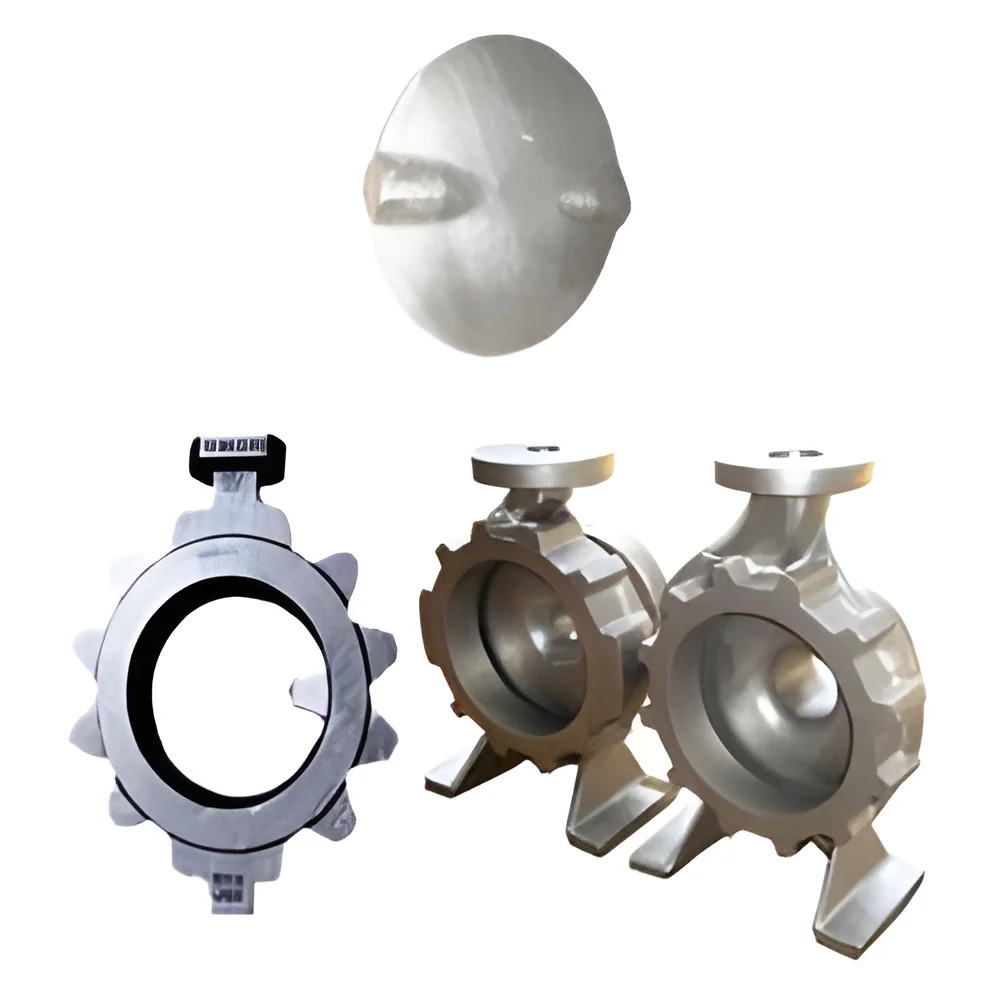
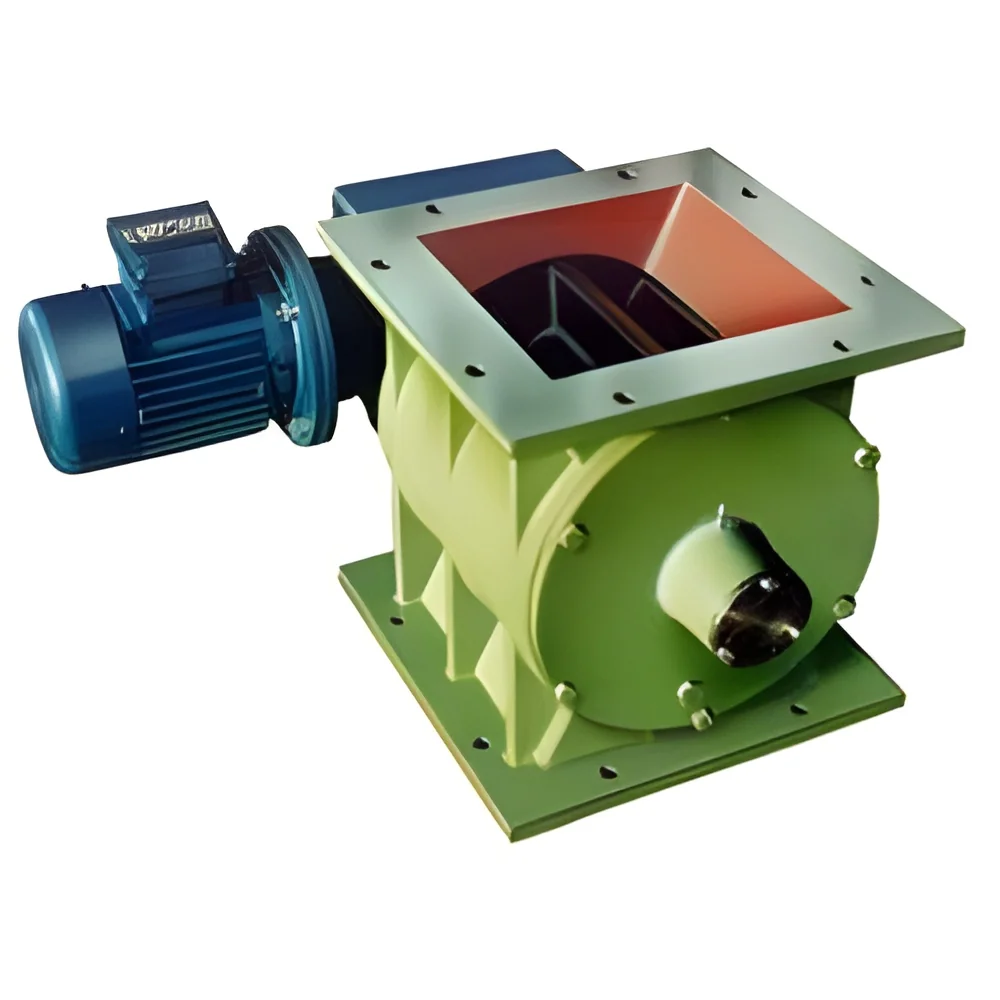
Industrial rotary airlock valves are precision-engineered components designed for superior material flow control and effective air sealing in demanding industrial systems. They operate via a motor-driven rotor that transfers material from the inlet to the discharge point, maintaining a consistent feed while preventing air leakage. Available in various configurations such as drop-through, blow-through, self-cleaning, and side-entry designs, these valves adapt to specific application needs. With technical attributes like high filling efficiency and closed clearances, they deliver reliable, low-leakage performance for handling materials ranging from fine powders to granular substances, ensuring operational precision and system integrity under high-pressure conditions up to 10,000 mm water column.

These valves are indispensable across multiple core industries. In steel manufacturing, they handle abrasive materials like iron ore and coal dust, ensuring seamless blast furnace charging and m...
Industrial rotary airlock valves are precision-engineered components designed for superior material flow control and effective air sealing in demanding industrial systems. They operate via a motor-driven rotor that transfers material from the inlet to the discharge point, maintaining a consistent feed while preventing air leakage. Available in various configurations such as drop-through, blow-through, self-cleaning, and side-entry designs, these valves adapt to specific application needs. With technical attributes like high filling efficiency and closed clearances, they deliver reliable, low-leakage performance for handling materials ranging from fine powders to granular substances, ensuring operational precision and system integrity under high-pressure conditions up to 10,000 mm water column.

These valves are indispensable across multiple core industries. In steel manufacturing, they handle abrasive materials like iron ore and coal dust, ensuring seamless blast furnace charging and material conveyance. Cement production facilities utilize them to control discharge from dust collectors and cyclones, maintaining optimal system pressure. Power generation stations rely on them for fly ash handling and pneumatic conveying, while pulp and paper mills employ them for precise chemical dosing and raw material management. Their robust construction also makes them suitable for sectors like food and pharmaceutical processing, where hygiene and contamination prevention are critical, demonstrating remarkable versatility across different material types and processing requirements.

The business value of these rotary airlock valves stems from their proven reliability, which reduces operational downtime and lowers long-term maintenance costs. The out-board mounted bearing design ensures dust-free operation and prevents heat transfer to bearing components, significantly enhancing equipment longevity. Built to withstand abrasive and corrosive materials, they offer extended service life even under challenging high-pressure differentials. The closed clearances design minimizes air and material leakages, improving overall system efficiency and reducing material waste. This combination of durability, precision, and efficiency delivers a cost-effective solution for industrial buyers seeking dependable performance in critical material handling operations.

Key Features:
- High filling efficiency with guided inlet and outlet configurations for optimal material flow.
- Closed clearances design ensuring minimal leakages and effective pressure maintenance.
- Out-board mounted bearings providing dust-free operation and preventing heat transfer.
- Standard designs supporting differential pressures up to 10,000 mm water column.
- Multiple configuration types including drop-through, blow-through, self-cleaning, and side-entry.

Benefits:
- Enhanced system efficiency through reliable airlock sealing and controlled material discharge.
- Reduced maintenance requirements due to dust-free operation and robust construction.
- Extended service life even when handling abrasive and high-pressure applications.
- Versatile performance across various materials from fine powders to granular substances.
- Cost-effective operation through minimized leakages and reduced material waste.
Specifications
| Additional Information | |
|---|---|
| Country of Origin | India |
Application
Industrial rotary airlock valves are essential for maintaining system pressure and ensuring controlled material discharge in pneumatic conveying and dust collection setups. They provide a reliable airlock seal that prevents pressure loss, enabling efficient handling of diverse materials from fine powders to abrasive granules across continuous production environments. Their robust design ensures consistent performance, minimizing operational downtime and supporting the integrity of complex material handling processes.
These valves are deployed in heavy industries where durability and precision are non-negotiable. They manage the transfer of materials in high-pressure differential conditions, from feeding raw mixes in cement plants to handling fly ash in power stations. Their ability to operate reliably with abrasive and corrosive substances makes them a cornerstone for sectors requiring uninterrupted material flow and system efficiency, safeguarding productivity.
- Controlling discharge from cyclones and dust collectors in cement manufacturing to maintain stable system pressure.
- Feeding abrasive fly ash and other combustion residues in thermal power generation facilities without leakage.
- Handling powdered chemicals and raw materials in pulp and paper mills for consistent batch processing.
- Managing granular materials like iron ore and coal dust in steel plants for blast furnace operations.
- Enabling precise dosing and contamination-free transfer in food and pharmaceutical processing lines.
Trade Details
| Available Stock | In Stock |
| Sample Availability | No |
Payment Terms
| Payment Terms |
|
Company Profile
Gadiya Industries Pvt Ltd, Maharashtra
 Maharashtra, India
Maharashtra, IndiaManufacturer•Retailer•Importer / Exporter
Factory Details
Factory SizeBelow 1000 sqm
Annual Production Capacity0
Main Markets
South Asia
Industrial Rotary Airlock Valves For Material Flow Control
Industrial rotary airlock valves ensure precise material flow control and reliable air sealing for pneumatic conveying systems, handling pressures up to 10,000 mm WC with minimal leakage for demanding industrial applications.
Min. Order Quantity: 1 unit
Shipping
Shipping fee and delivery date to be negotiated. Contact supplier now for more details.
Gadiya Industries Pvt Ltd
 Maharashtra, India
Maharashtra, IndiaManufacturer