
 IN
Pneumatic Cylinders
44 products available
What are Pneumatic Cylinders?
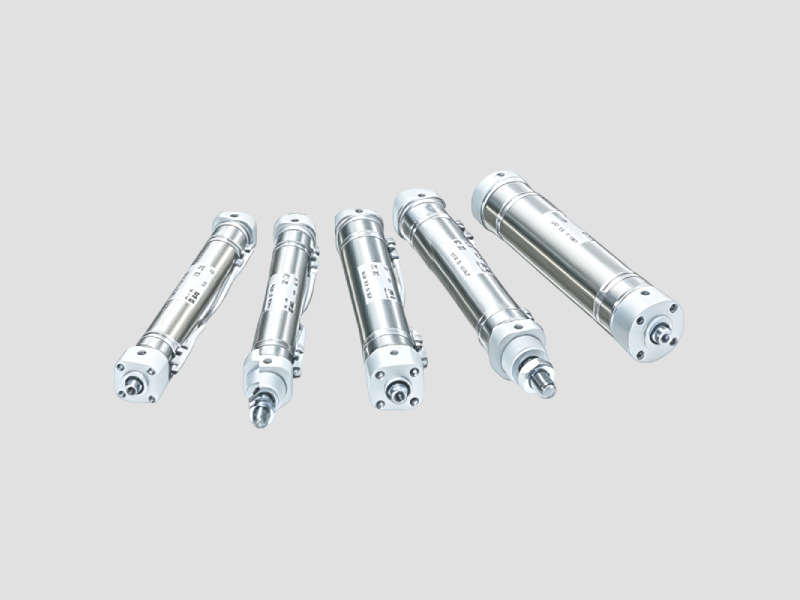
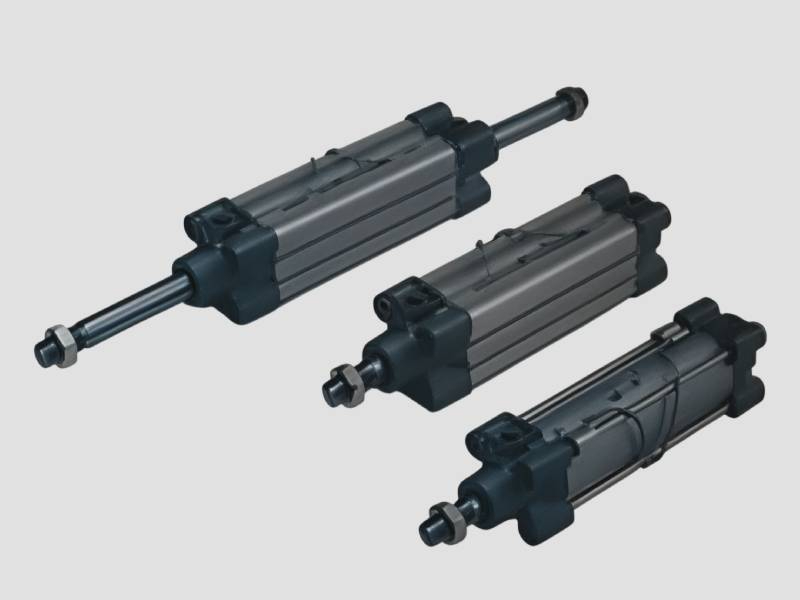
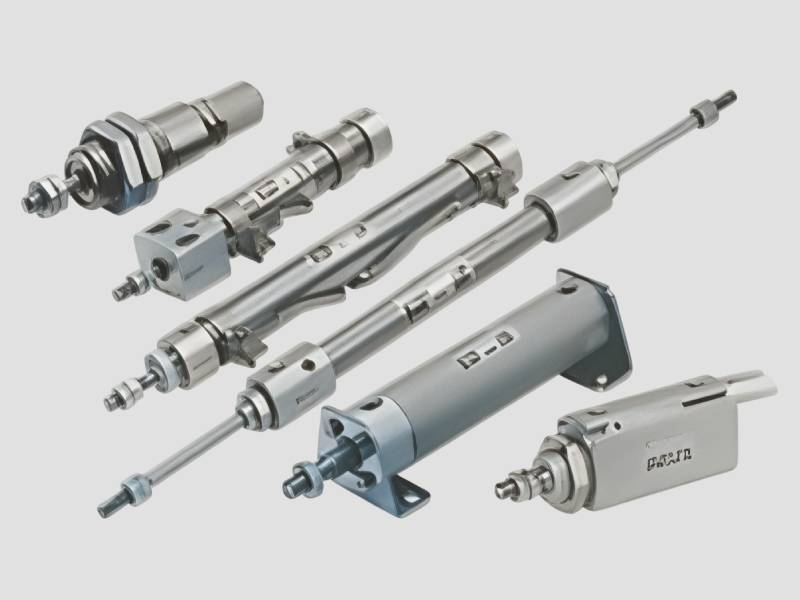
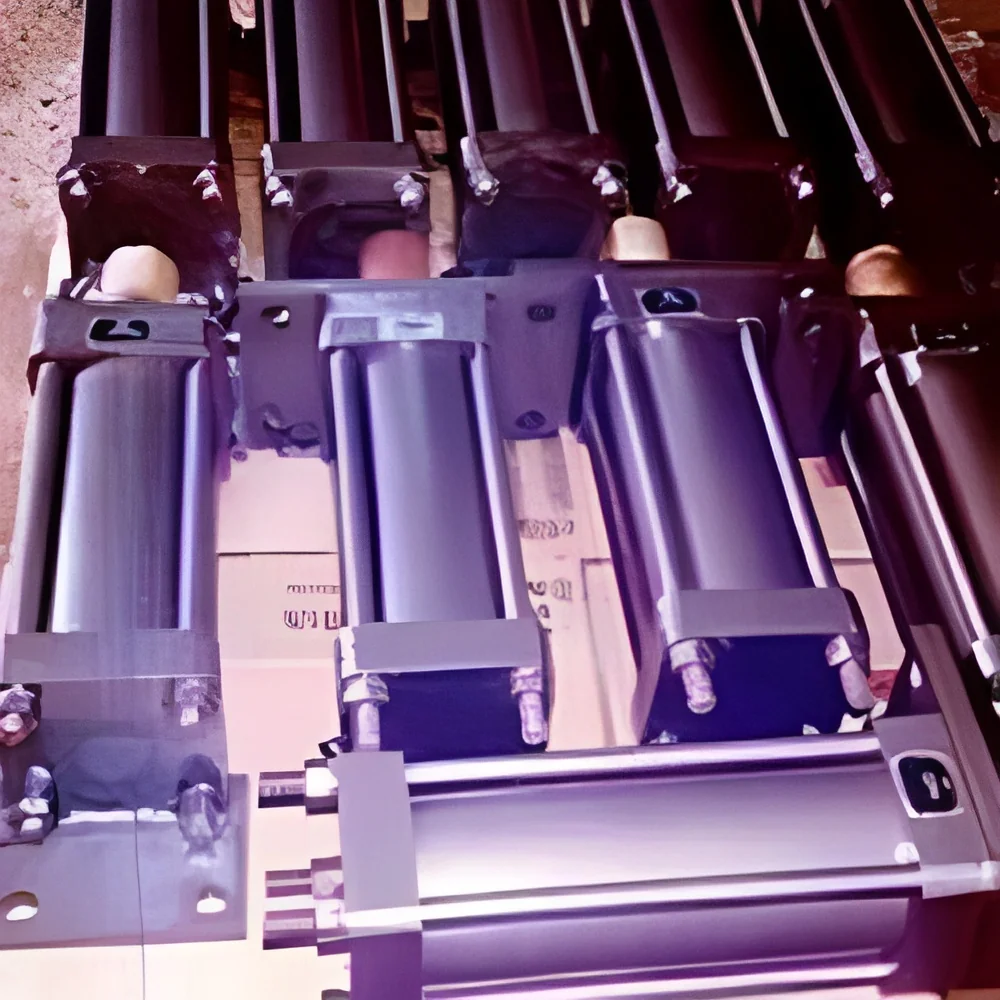
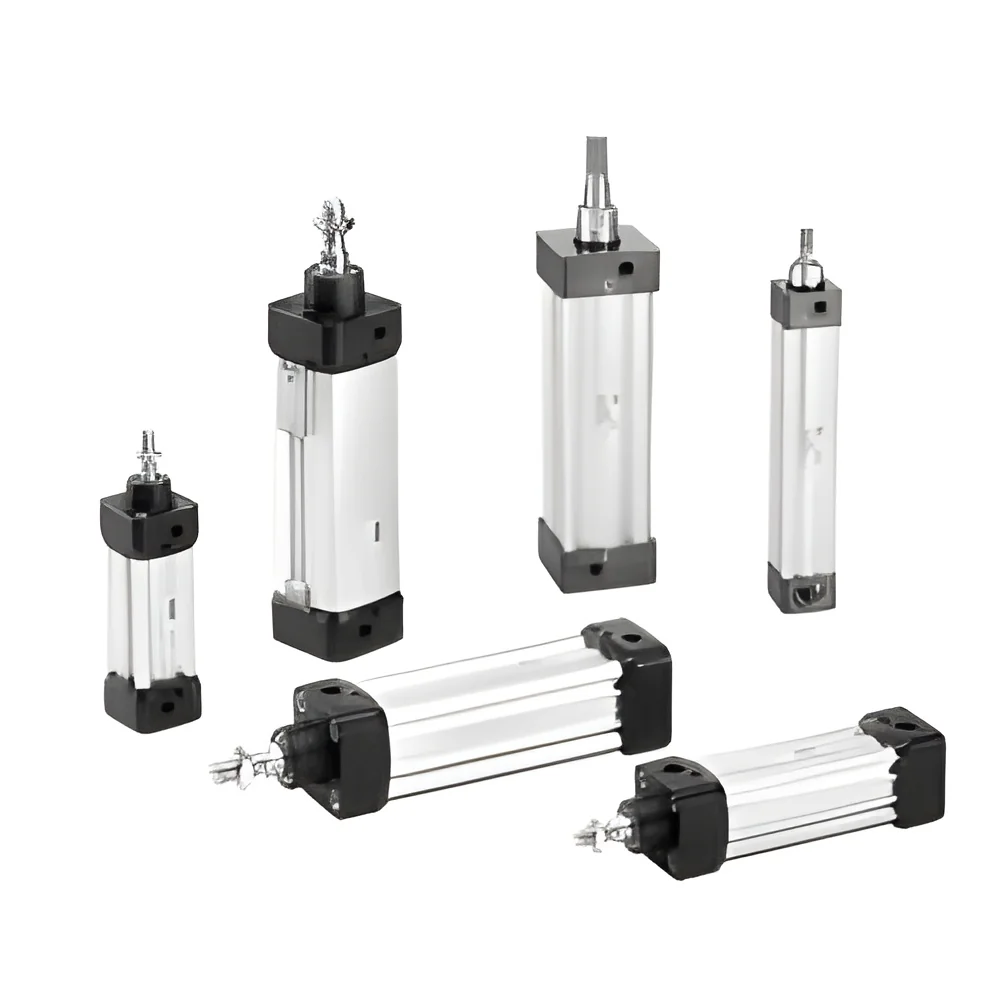
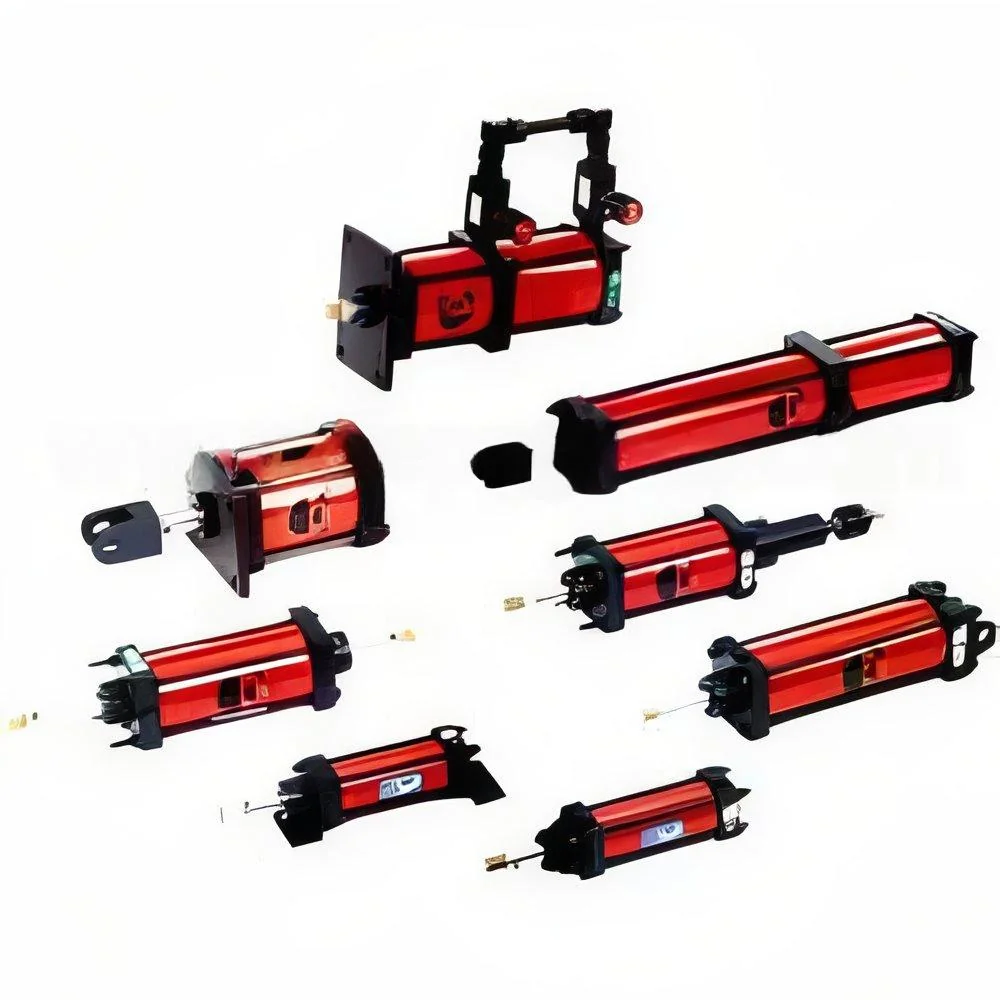
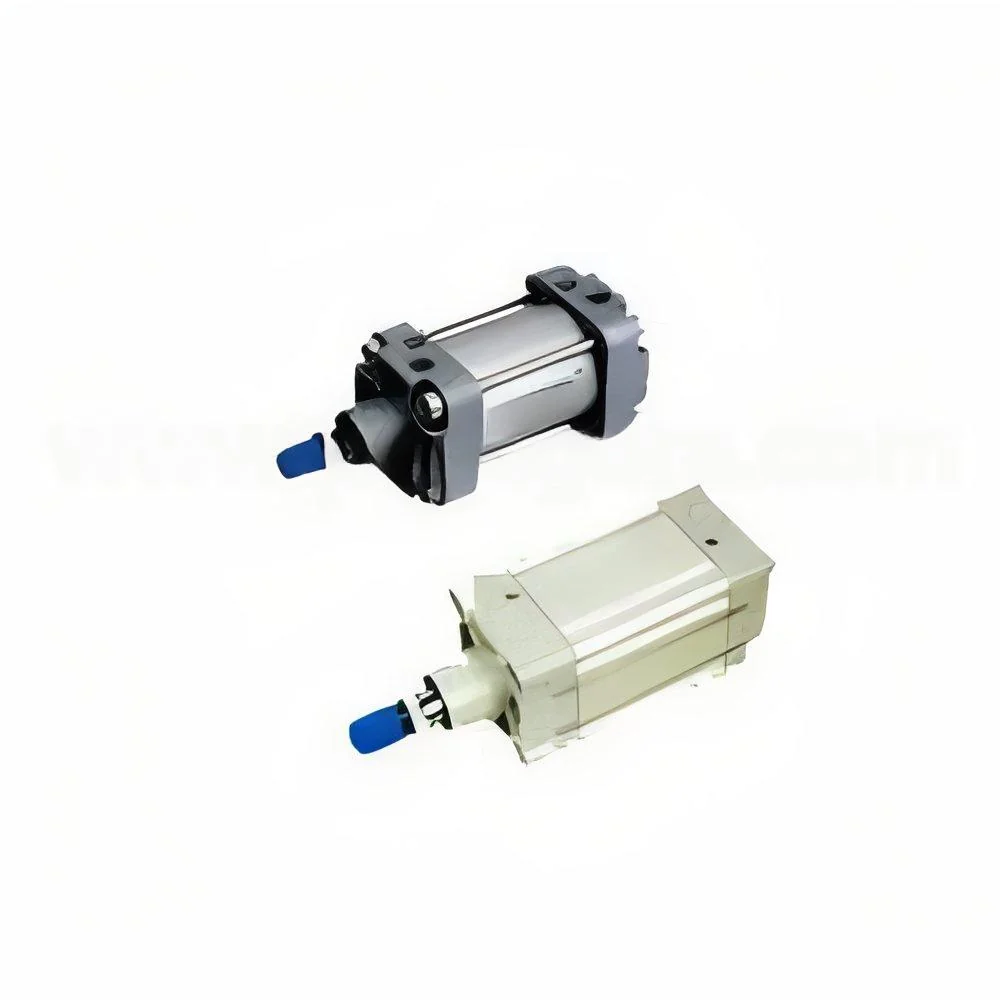
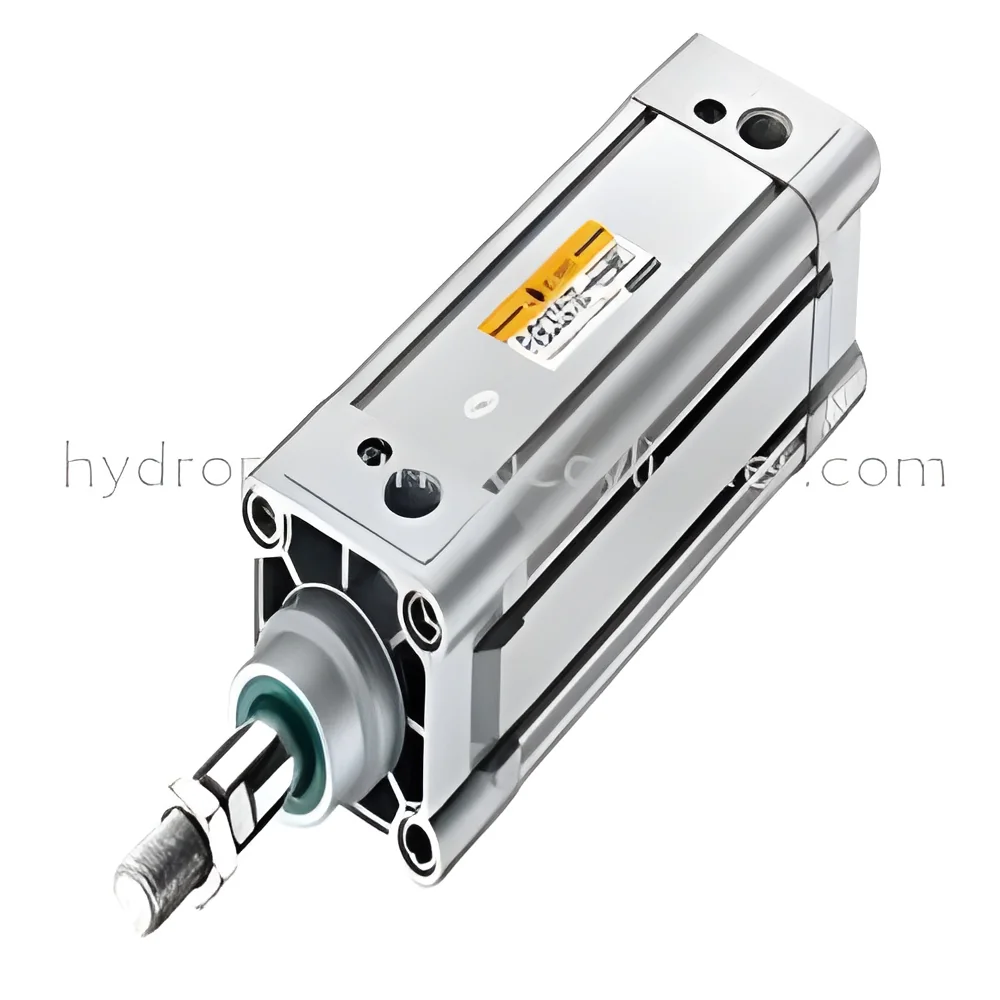
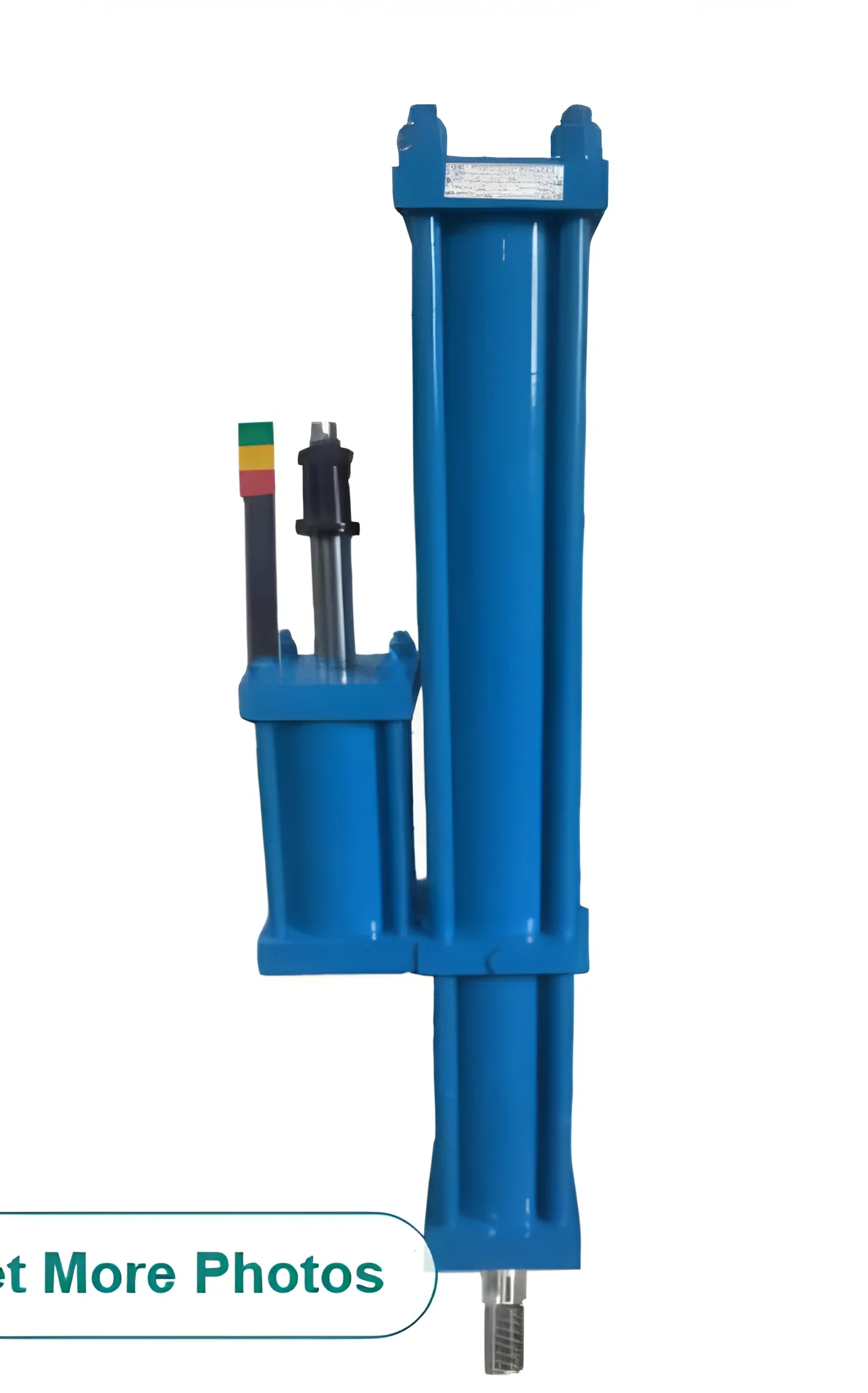
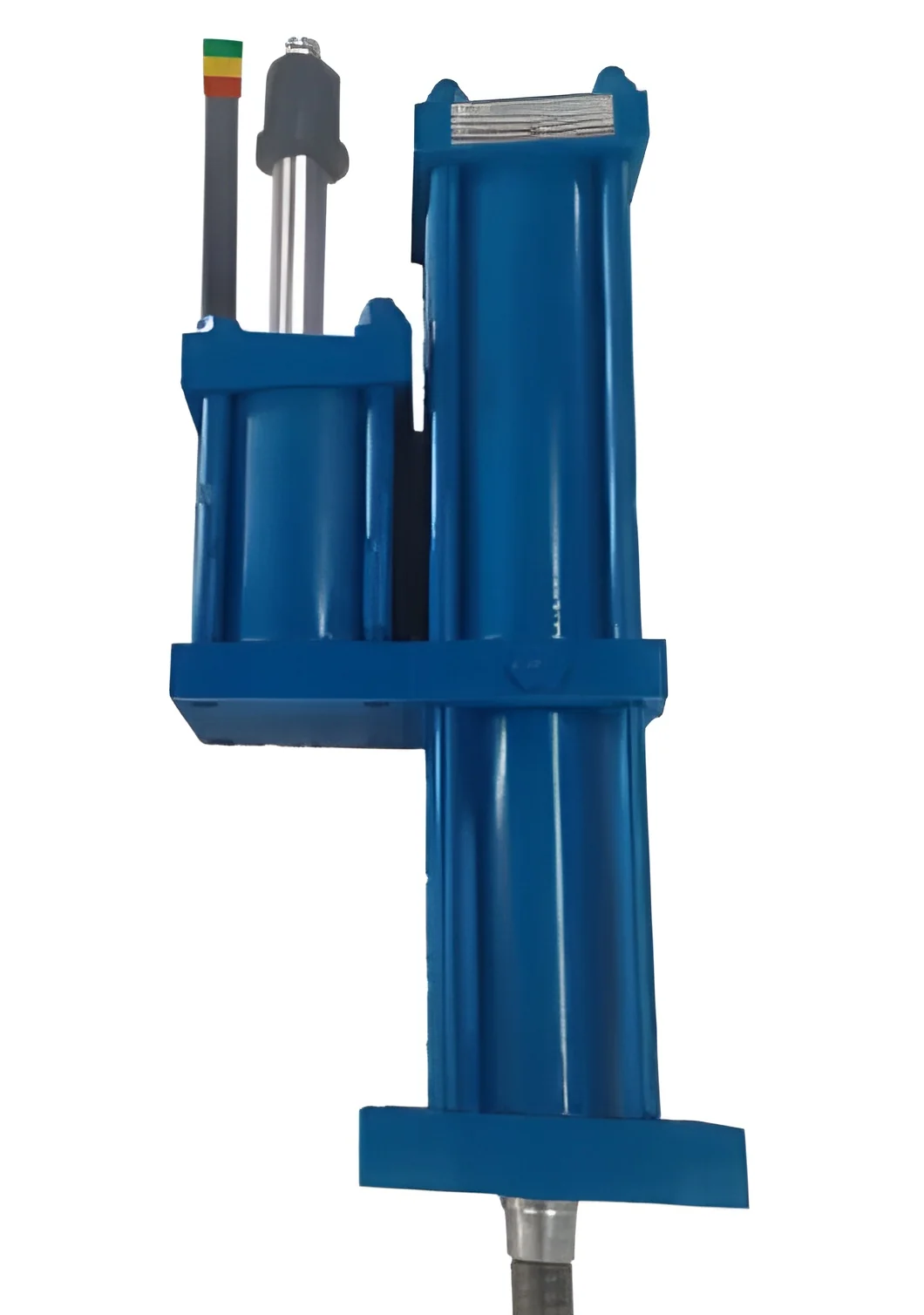
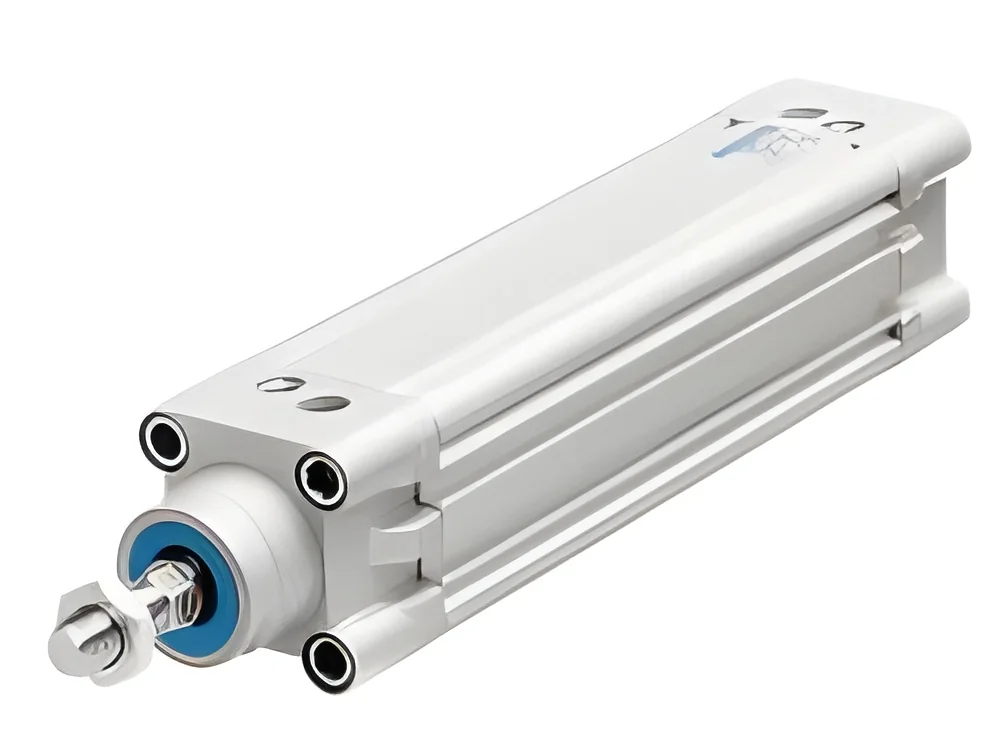
Pneumatic cylinders are devices that convert compressed air into linear mechanical motion. These cylinders operate by utilizing the force generated by pressurized air to drive a piston within a cylindrical chamber. This mechanism allows for precise and efficient movement, making pneumatic cylinders a crucial component in various automation and industrial applications.
In terms of business applications, pneumatic cylinders are widely used in manufacturing, packaging, and assembly processes. They play a vital role in tasks such as lifting, pushing, and pulling applications across diverse industries. The ability to control speed and force with accuracy makes them ideal for automated systems where reliability and consistency are paramount. The growing trend towards automation in industries further emphasizes the relevance of pneumatic cylinders in today’s market.
Key Features and Specifications
Pneumatic cylinders come with several key features and specifications that make them suitable for a range of applications. Understanding these aspects is essential for selecting the right product for your needs.
Key specifications include:
1. Cylinder Type
- Common types include double-acting and single-acting cylinders.
- Double-acting cylinders use air pressure for both extension and retraction, while single-acting cylinders use air pressure for one direction only.
2. Bore Size
- The bore size determines the cylinder's force output.
- Available bore sizes typically range from small diameters (10 mm) to larger sizes (200 mm or more).
3. Stroke Length
- Stroke length indicates how far the piston travels.
- Typical stroke lengths can vary from a few millimeters to several meters based on application requirements.
4. Operating Pressure
- Pneumatic cylinders generally operate at pressures between 1 to 10 bar.
- Some high-performance models can handle pressures exceeding 10 bar.
5. Material Construction
- Common materials include aluminum, stainless steel, and composite materials.
- Material selection impacts durability, weight, and resistance to corrosion.
6. Mounting Options
- Mounting styles include pivot, flange, and foot mounts.
- Choosing the right mounting option is crucial for installation and operational efficiency.
7. Temperature Range
- Most pneumatic cylinders can operate effectively within a temperature range of -20°C to 80°C.
- Specialized cylinders may be designed to withstand extreme temperatures.
8. Certifications
- Many pneumatic cylinders hold certifications such as CE, ensuring compliance with European safety standards.
Pneumatic cylinders' diverse specifications cater to various operational needs, making them an essential choice for many industrial applications.
Common Applications and Use Cases
Pneumatic cylinders are integral to numerous industries due to their versatility and reliability.
1. Automotive Industry: Pneumatic cylinders are used in assembly lines for tasks like lifting and positioning components. They enhance automation in processes such as welding and painting.
2. Food and Beverage Industry: These cylinders facilitate packaging and processing operations, ensuring safe handling of products. They are crucial in systems that require hygienic functionality.
3. Manufacturing: In manufacturing settings, pneumatic cylinders are employed for material handling, assembly, and quality control tasks. Their speed and precision improve overall productivity.
4. Pharmaceuticals: Pneumatic cylinders assist in the automation of packaging and labeling processes, ensuring accuracy and consistency in production.
5. Construction: In construction, pneumatic cylinders are used in machinery for lifting heavy loads and operating tools. Their strength and reliability are essential for heavy-duty applications.
6. Electronics: These cylinders are utilized in pick-and-place applications in electronics manufacturing, ensuring precise movement of components.
7. Packaging: Pneumatic cylinders play a vital role in various packaging processes, including sealing, filling, and boxing products, enhancing efficiency and speed.
Product Variants and Subcategories
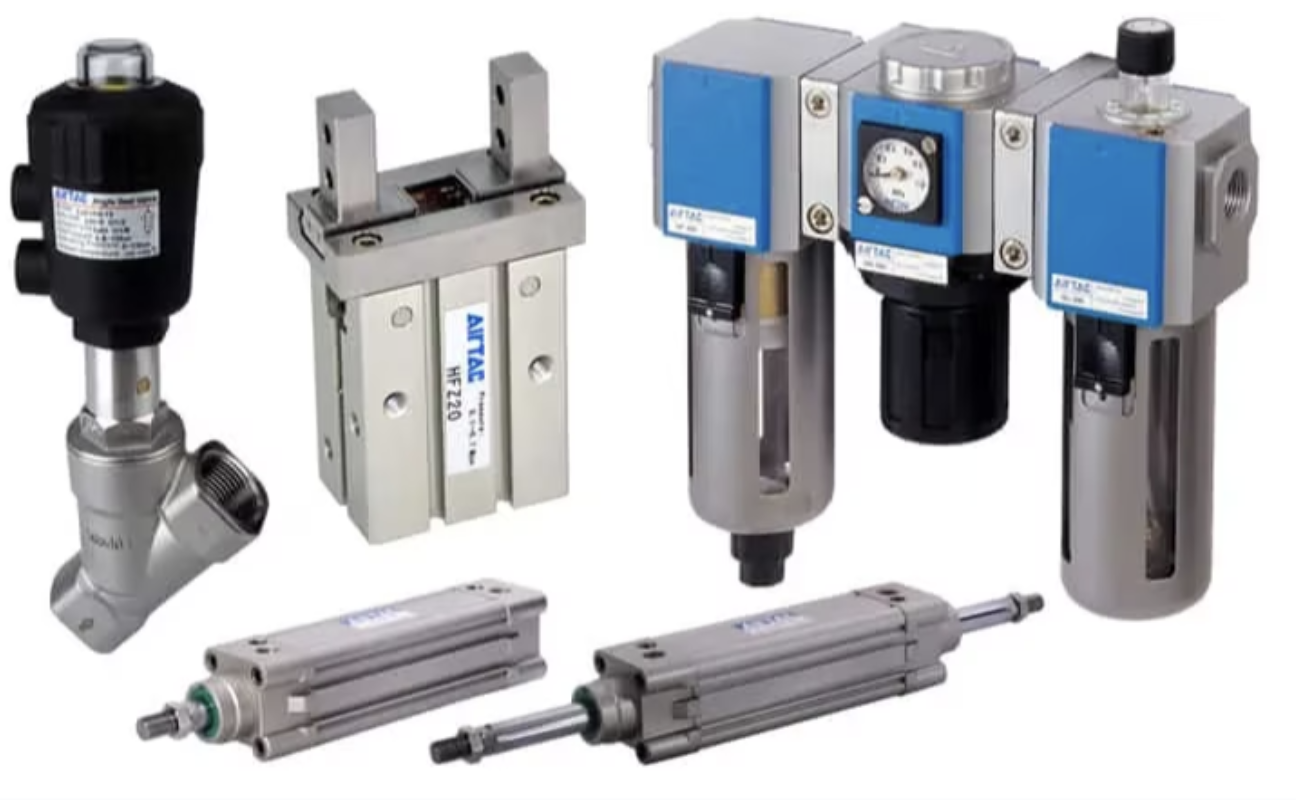
Pneumatic cylinders come in a variety of configurations to meet different industrial needs.
Standard Pneumatic Cylinders
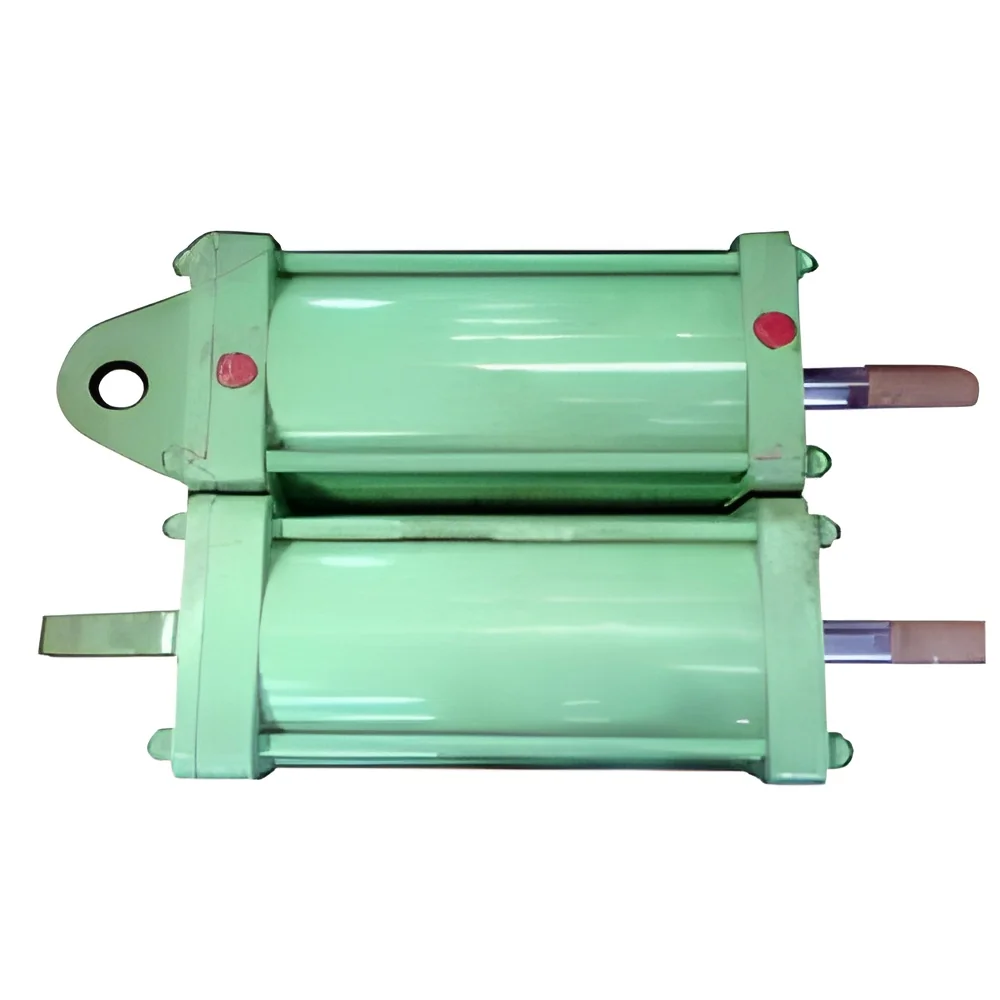
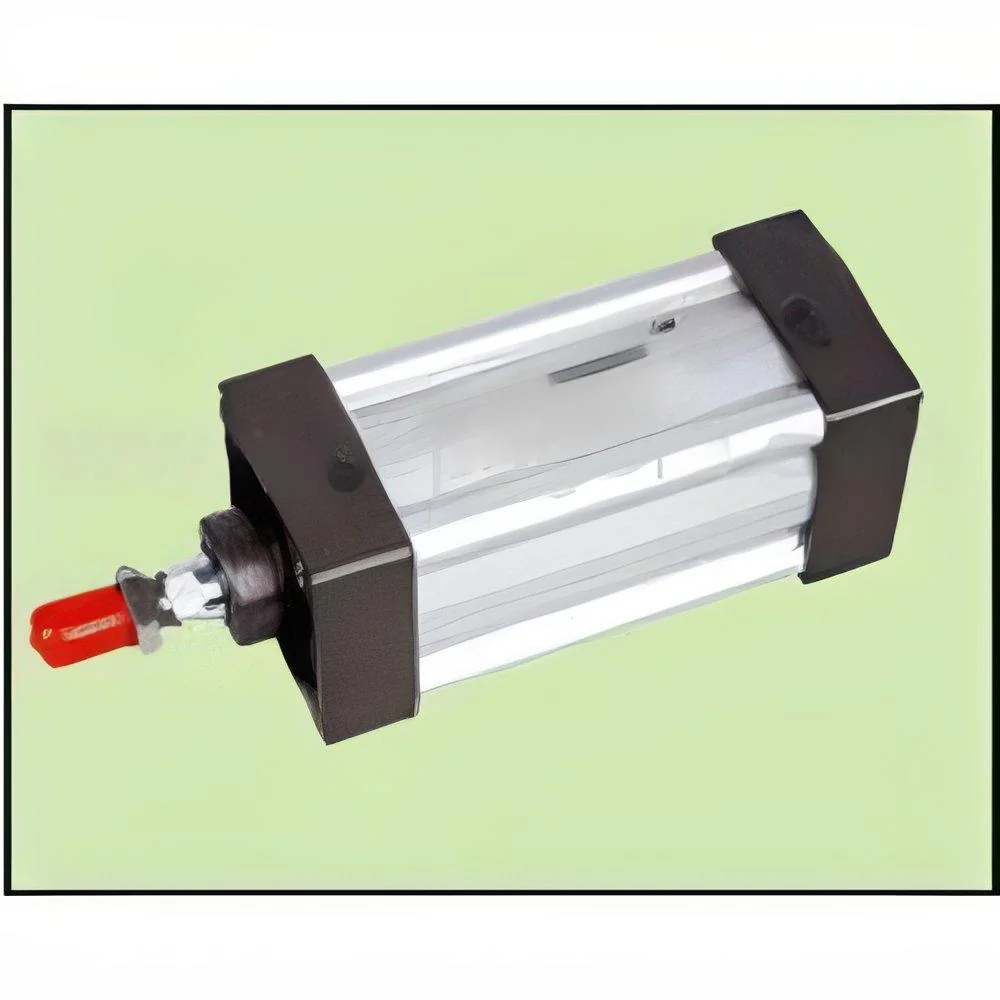
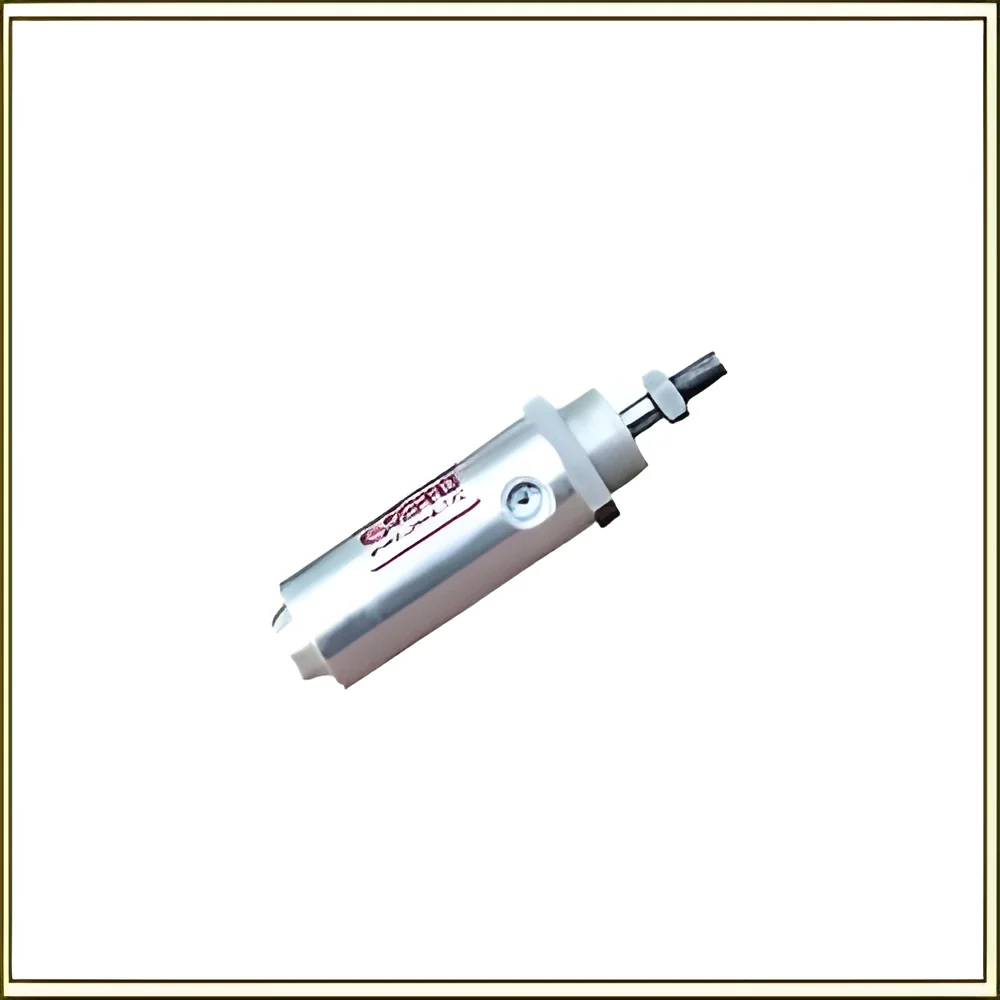
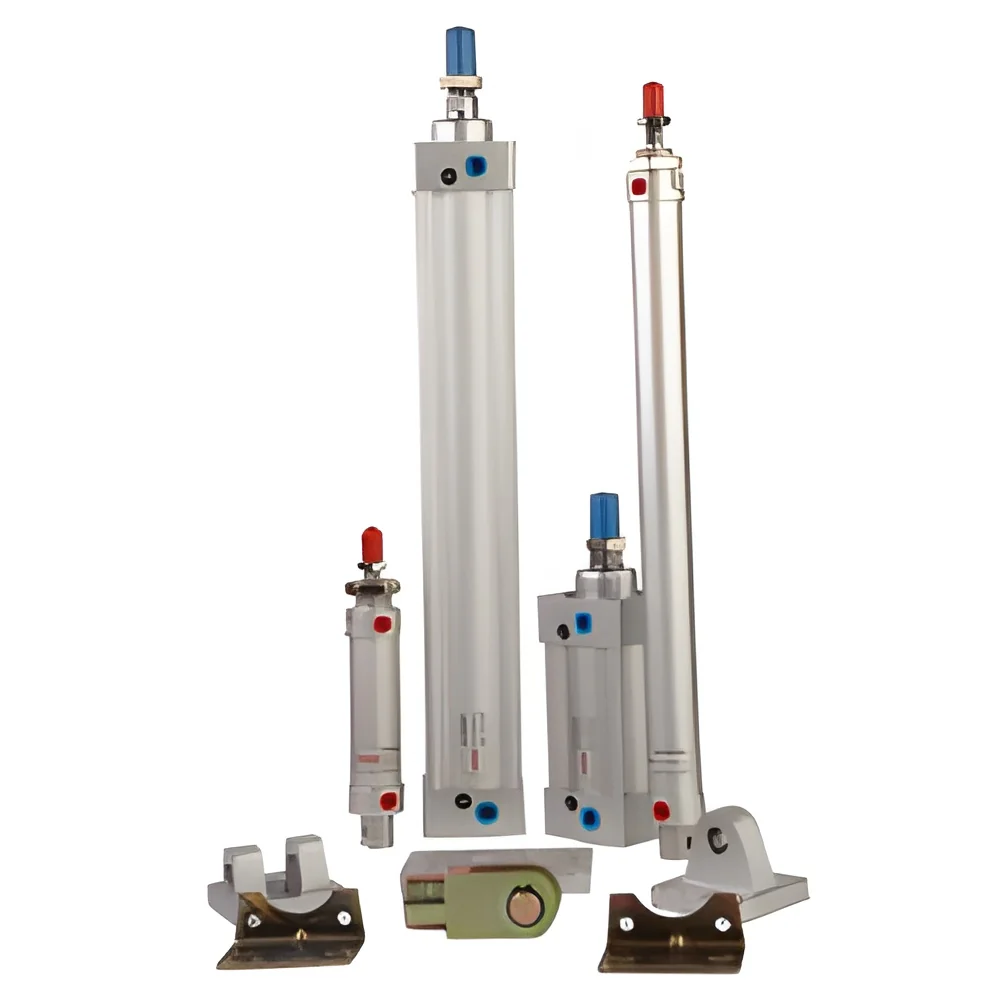
These are the most common type, designed for general-purpose use. They are available in various bore sizes and stroke lengths, making them suitable for a wide array of tasks.
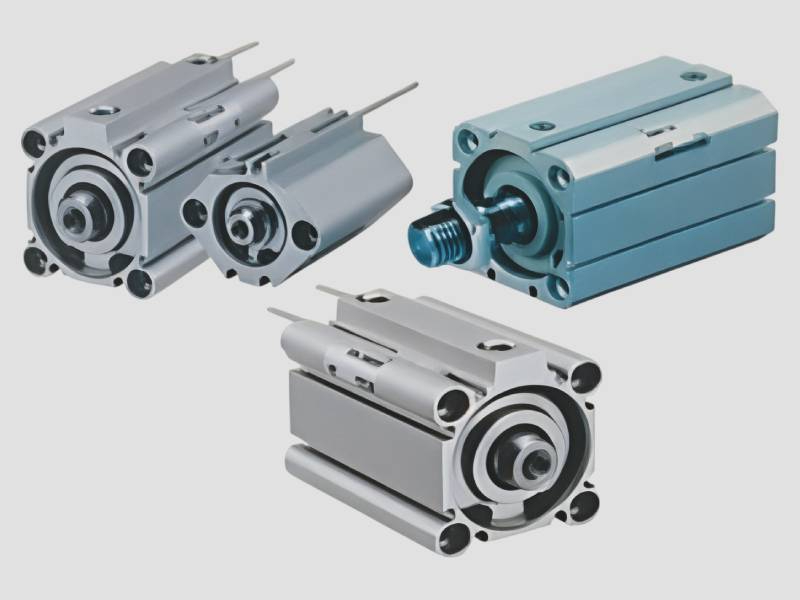
Compact Pneumatic Cylinders
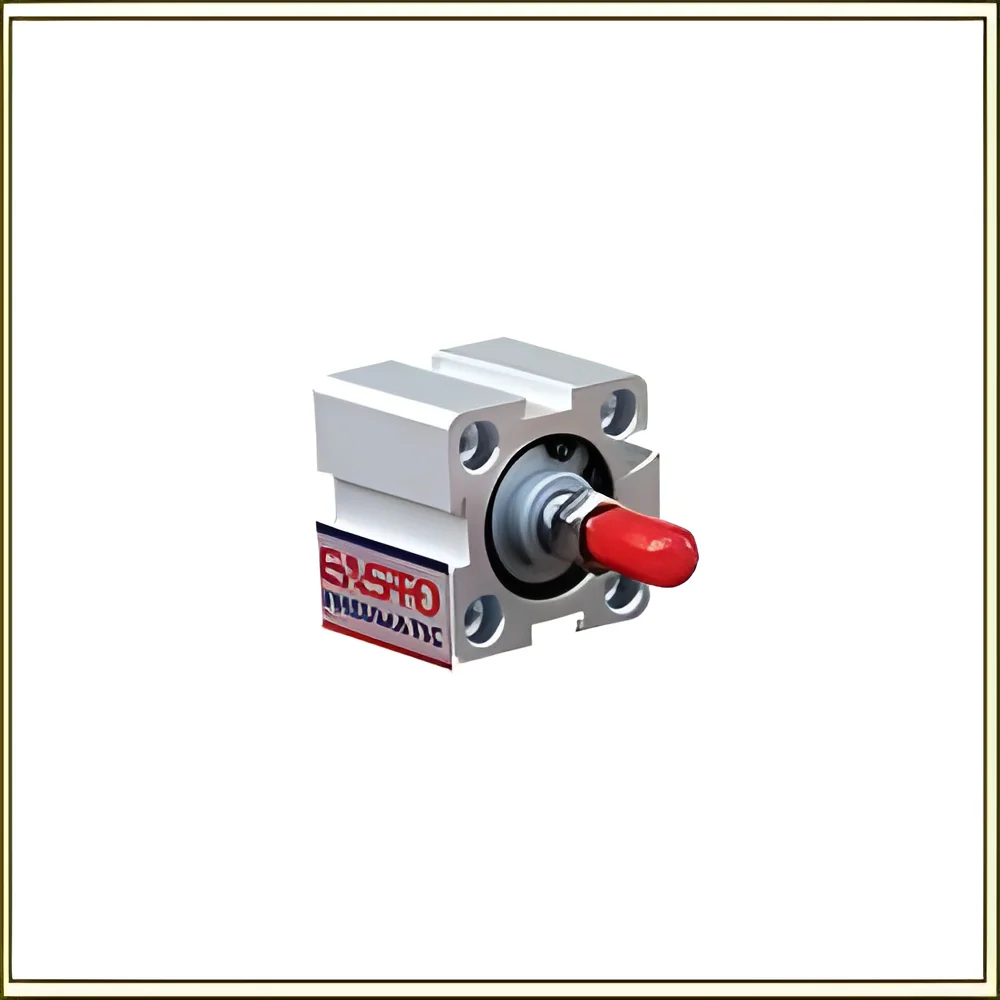
Compact cylinders are designed for applications with limited space. Their smaller size does not compromise performance, making them ideal for tight environments.
Guided Pneumatic Cylinders
These cylinders feature integrated guides that enhance stability and precision during operation. They are particularly useful in applications requiring high accuracy.
Rotary Pneumatic Cylinders
Rotary cylinders convert pneumatic energy into rotational motion. They are used in applications such as positioning and clamping, providing versatile functionality.
Benefits and Advantages
Pneumatic cylinders offer several benefits that make them an attractive choice for various applications.
1. Efficiency: Pneumatic cylinders can operate quickly and with high precision, improving productivity in automated processes.
2. Durability: Constructed from robust materials, pneumatic cylinders are designed to withstand rigorous industrial environments and provide long service life.
3. Cost-Effectiveness: Compared to electric actuators, pneumatic cylinders often have lower initial costs and maintenance expenses, making them budget-friendly.
4. Versatility: These cylinders can be utilized in a wide range of applications across different industries, enhancing their appeal to manufacturers.
5. Safety: Pneumatic systems generally have built-in safety features, reducing the risk of accidents and injuries in the workplace.
6. Simplicity: Pneumatic cylinders are relatively easy to install and integrate into existing systems, simplifying the adoption of automation technologies.
Buying Guide for B2B Buyers
When sourcing pneumatic cylinders, it is essential to consider several key factors to ensure you choose the right product for your needs.
1. Quality Assessment: Look for quality certifications such as ISO 9001 or CE. Ensure the products meet industry standards for performance and safety.
2. Supplier Verification: Vet suppliers to confirm their reliability. Check customer reviews, request references, and evaluate their history in the industry.
3. Pricing and MOQ: Consider the total cost, including shipping and handling. Be aware of minimum order quantities to ensure they align with your procurement strategy.
4. Delivery and Lead Times: Confirm the expected delivery timelines. Ensure that the supplier can meet your schedule for production or project needs.
5. Compliance Requirements: Understand any regional or industry-specific regulations that may affect the use of pneumatic cylinders. Ensure the products you procure meet all compliance standards.
Compliance and Certifications
Pneumatic cylinders must adhere to several quality standards and certifications to ensure safety and reliability. ISO 9001 is a widely recognized standard that indicates a commitment to quality management principles. Compliance with ISO ensures that manufacturers maintain consistent quality in their production processes.
Another important certification is CE marking, which indicates that a product meets European health, safety, and environmental protection standards. This certification is crucial for companies that operate within the European market.
In addition to these certifications, pneumatic cylinders may also need to meet specific safety and testing requirements, depending on their application. Manufacturers should ensure that their products have undergone relevant testing to verify their performance under various conditions.
Regional compliance considerations are also essential, as regulations can vary significantly across regions. Companies must be aware of local laws and standards to ensure their pneumatic cylinders are compliant and safe for use.
Why Source Pneumatic Cylinders from Pepagora?
Pepagora provides a trusted platform for sourcing pneumatic cylinders, offering several key advantages that set it apart from competitors.
Verified Supplier Network: Pepagora ensures that all suppliers in its network are thoroughly vetted. This verification process guarantees that buyers can trust the quality and reliability of the products they are sourcing.
Streamlined RFQ Process: The platform features a simplified Request for Quotation (RFQ) system that allows buyers to receive multiple quotes quickly. This process saves time and helps buyers compare options effectively.
Trade Assurance and Support: Pepagora offers trade assurance to protect buyers during transactions. This support includes buyer protection policies that help ensure satisfaction with the purchased products.
Regional Coverage: With a broad geographic reach, Pepagora caters to industries across India, the GCC region, and Southeast Asia. This extensive coverage allows businesses to connect with suppliers that meet their specific regional needs.



Frequently Asked Questions
What are Pneumatic Cylinders?
Pneumatic cylinders are mechanical devices that use compressed air to produce linear motion. They convert the energy of compressed air into mechanical energy, allowing for movement in various industrial applications.
What are the different types of Pneumatic Cylinders?
The main types of pneumatic cylinders include single-acting cylinders, double-acting cylinders, and rodless cylinders. Each type has specific applications, with single-acting cylinders using air pressure in one direction and double-acting cylinders utilizing air pressure for both extension and retraction.
How do I choose the right Pneumatic Cylinders?
To choose the right pneumatic cylinders, consider factors such as load requirements, stroke length, operating pressure, and environmental conditions. Additionally, assess the specific application to ensure compatibility with your system.
What are the standard specifications for Pneumatic Cylinders?
Standard specifications for pneumatic cylinders typically include bore size, stroke length, operating pressure, and mounting type. These specifications can vary based on the manufacturer and the intended application.
What is the price range for Pneumatic Cylinders?
The price range for pneumatic cylinders can vary widely based on type, size, and manufacturer. Generally, prices can start from a few hundred rupees for basic models to several thousand rupees for more advanced or specialized cylinders.
What quality standards apply to Pneumatic Cylinders?
Pneumatic cylinders are often required to meet international quality standards such as ISO 6431 and ISO 15552. Compliance with these standards ensures reliability and performance in various industrial applications.
Where can I find Pneumatic Cylinders suppliers in India?
You can find pneumatic cylinder suppliers in India through various online B2B marketplaces, industry directories, and local trade shows. Websites like Pepagora provide a platform to connect with manufacturers and suppliers.
Can Pneumatic Cylinders be customized?
Yes, pneumatic cylinders can often be customized to meet specific requirements. Manufacturers may offer options for different sizes, stroke lengths, and other specifications to fit unique applications.
What is the typical minimum order quantity for Pneumatic Cylinders?
The typical minimum order quantity (MOQ) for pneumatic cylinders can vary depending on the supplier and the specific product. Generally, MOQs can range from a single unit for standard items to higher quantities for custom orders.
What is the typical lead time for Pneumatic Cylinders?
The typical lead time for pneumatic cylinders can vary based on the supplier and the complexity of the order. Standard items may have a lead time of 1-2 weeks, while customized cylinders could take several weeks to manufacture.
Why Businesses Trust Pepagora
Thousands of companies trust Pepagora to source smarter and sell faster
Expand Your Sales Globally

Source Smarter,Grow Faster
