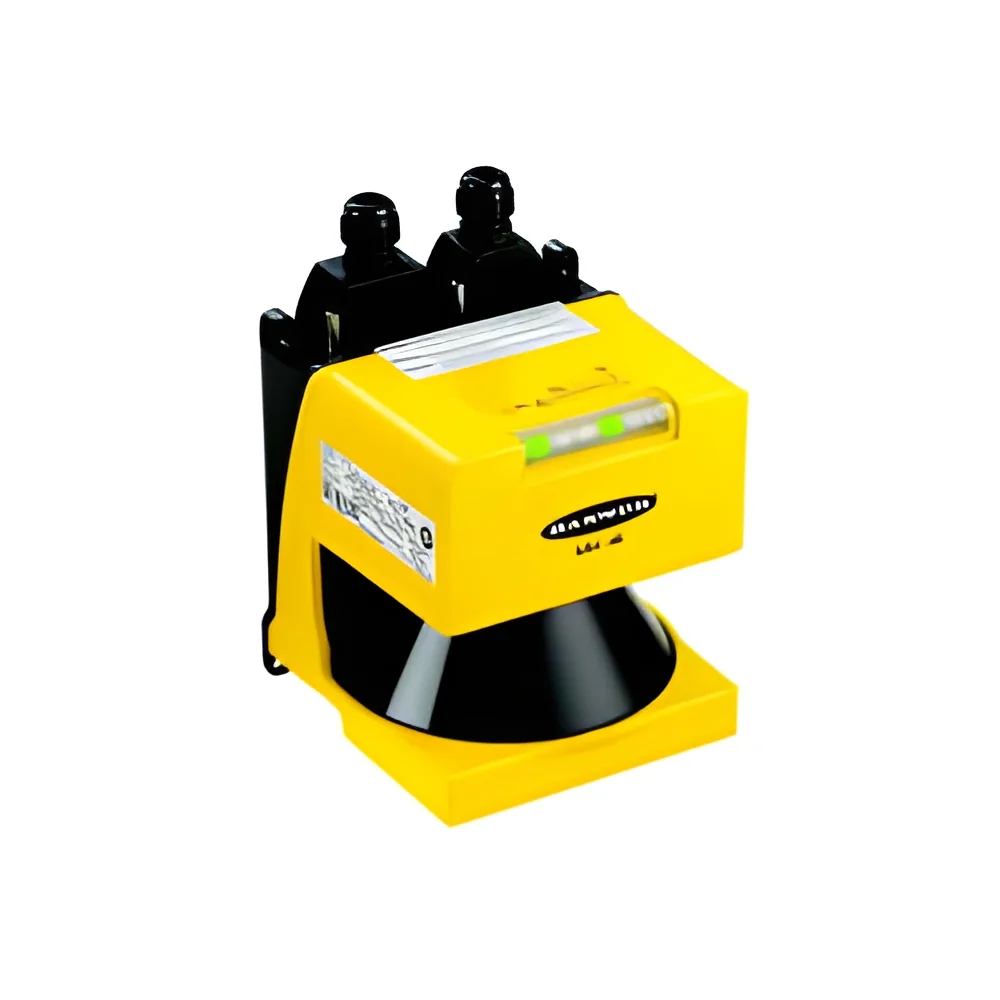
What are Perimeter Security Equipment?
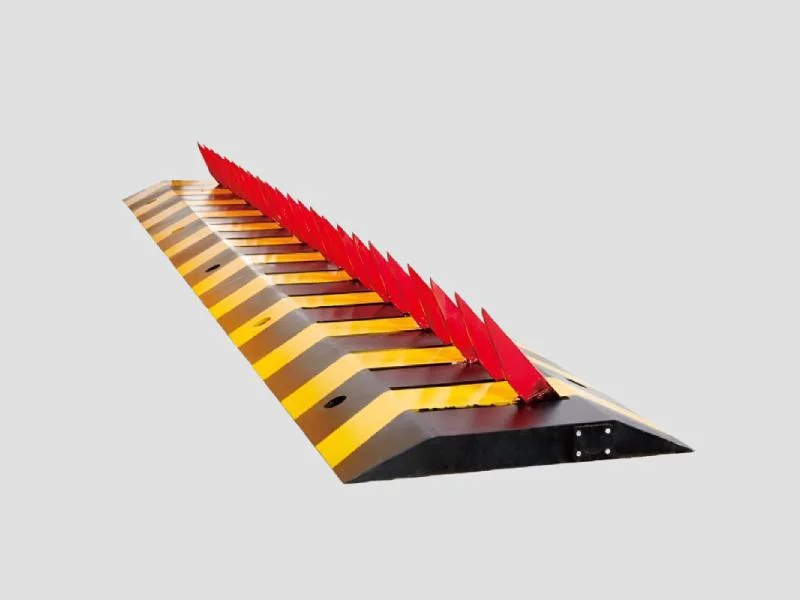
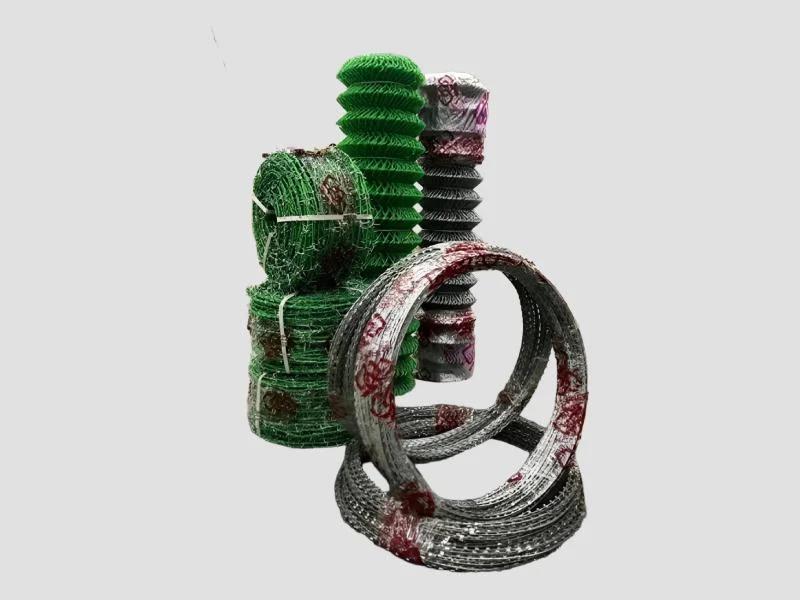
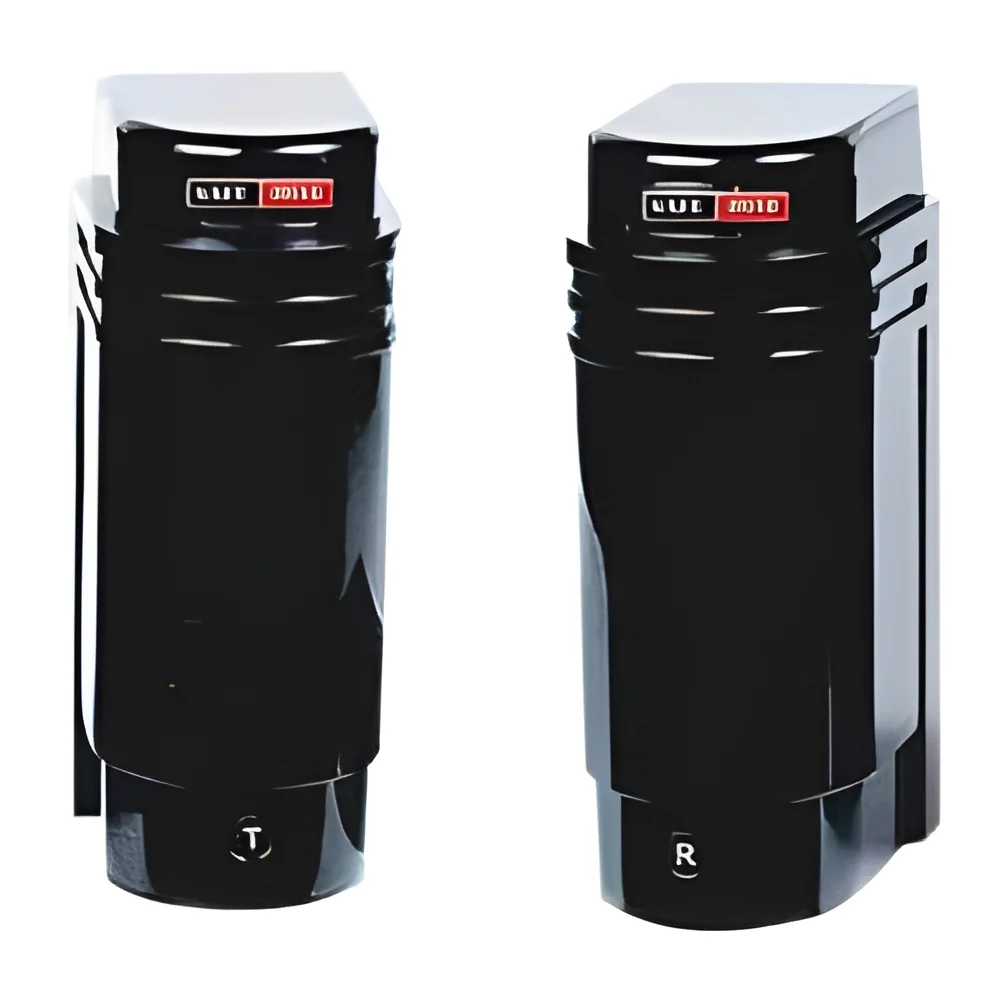
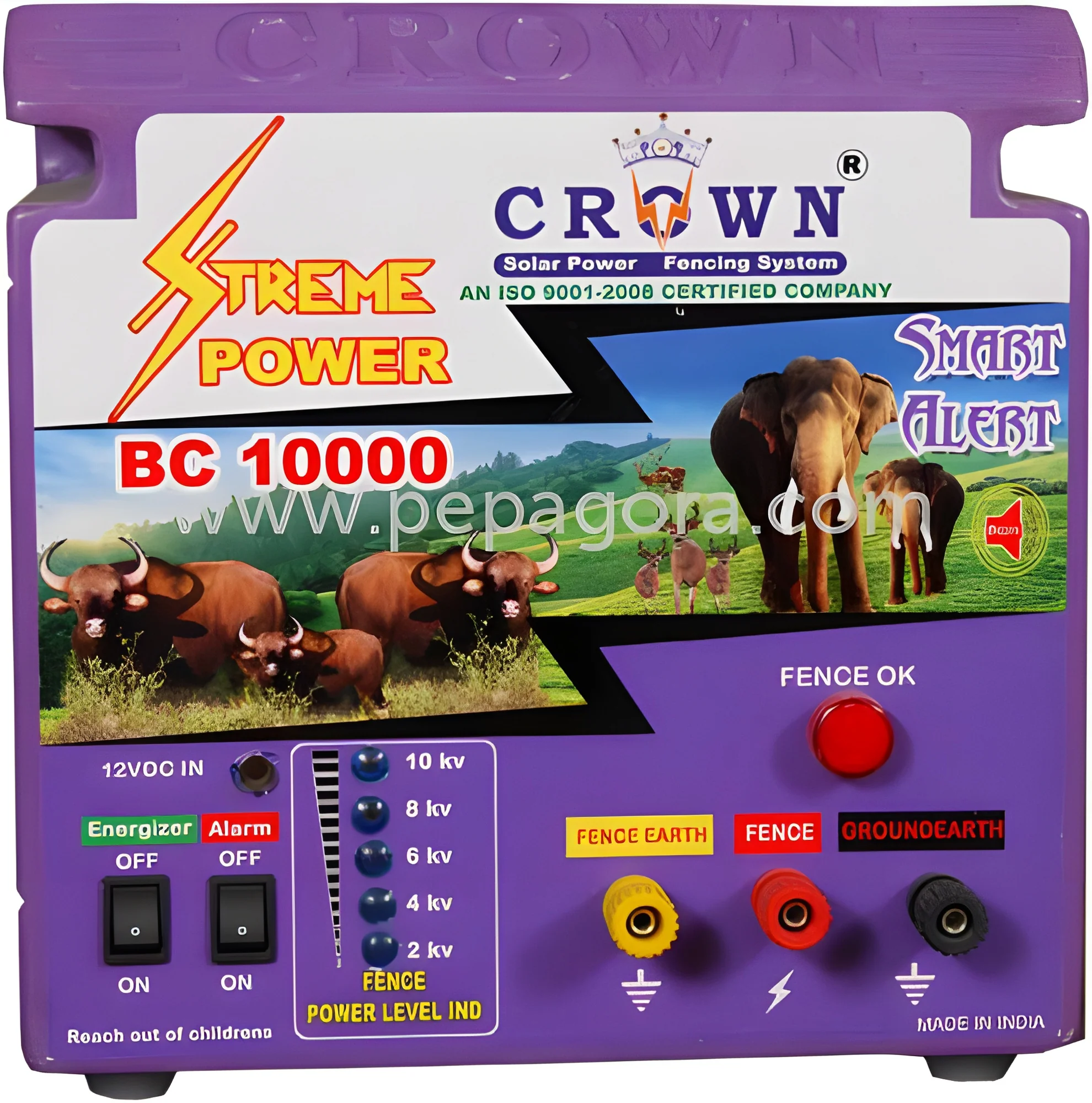
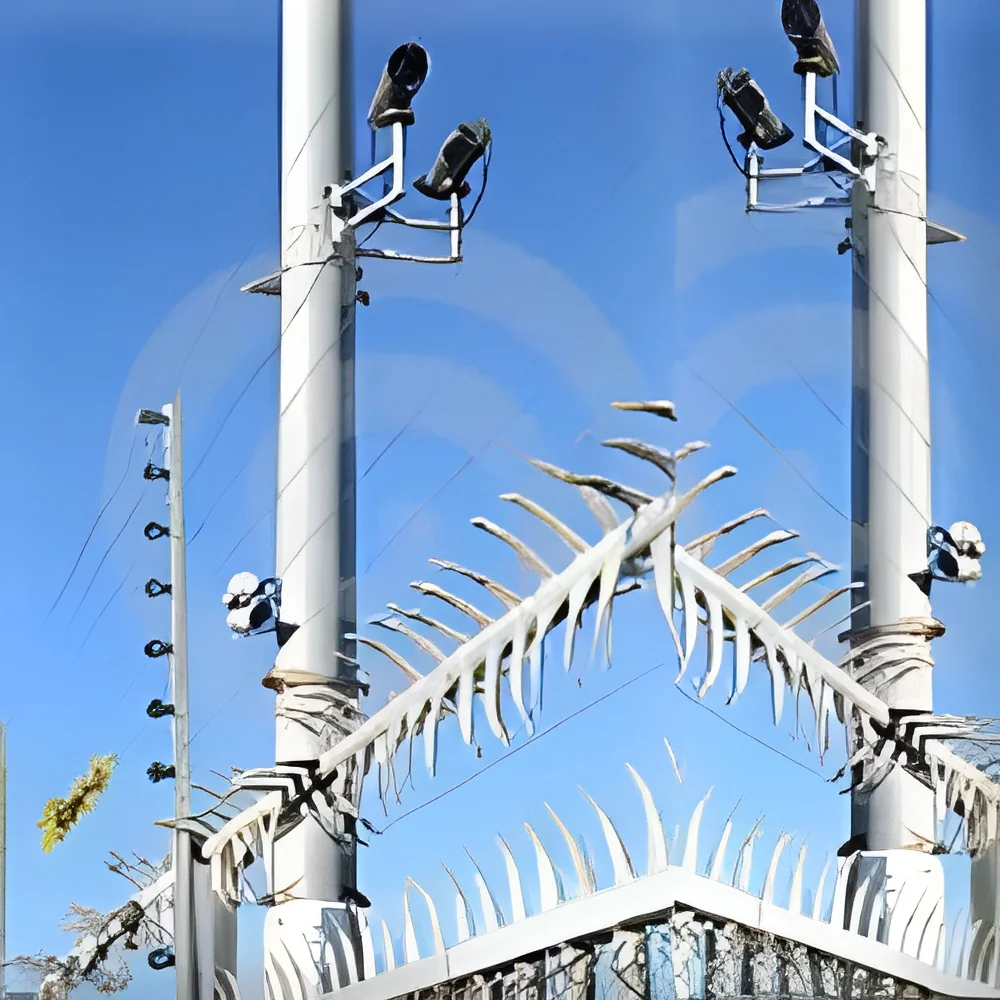
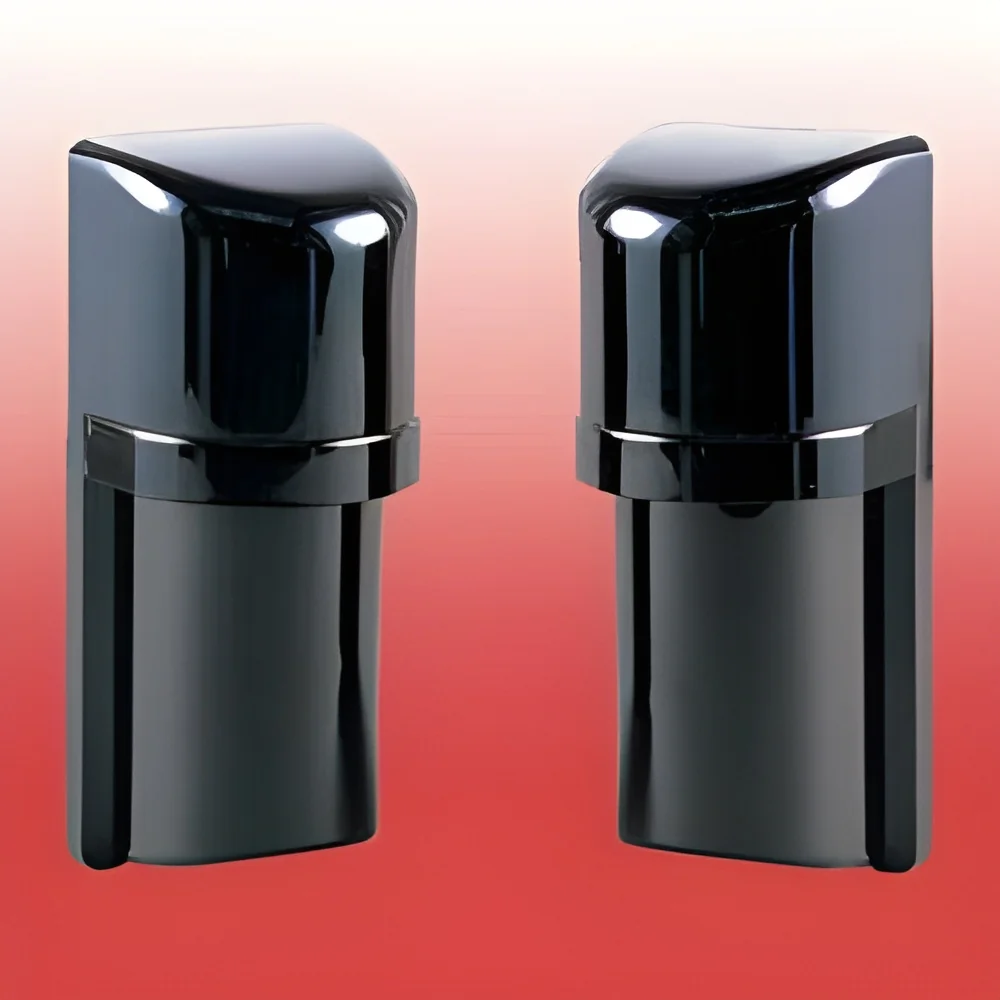
Perimeter security equipment refers to a range of physical and electronic systems designed to protect the boundaries of a property or facility. This equipment acts as the first line of defense against unauthorized access, theft, and potential threats. It encompasses various technologies such as fences, barriers, surveillance cameras, intrusion detection systems, and alarms tailored to secure specific areas.
The primary uses of perimeter security equipment span across multiple sectors, including industrial, commercial, and residential applications. Businesses utilize these systems to safeguard valuable assets, ensure employee safety, and maintain operational integrity. In critical infrastructure and government facilities, perimeter security plays a vital role in protecting sensitive areas from potential breaches and ensuring compliance with security regulations.
As the demand for heightened security measures increases, the market for perimeter security equipment has expanded significantly. This growth is driven by rising concerns over crime rates, terrorism, and vandalism, prompting organizations to invest in more advanced and reliable security solutions. The industry continues to evolve with technological advancements, providing businesses with innovative options to enhance their perimeter protection strategies.
Key Features and Specifications
Perimeter security equipment is characterized by several key features and specifications that enhance its effectiveness and reliability. These features ensure that the systems not only detect intrusions but also deter potential threats.
Key specifications include:
1. Detection Methods
- Includes motion sensors, infrared beams, and video analytics
- Varies based on technology, with some systems capable of real-time alerts
2. Surveillance Capabilities
- Incorporates high-definition cameras with night vision
- Often supports remote monitoring and cloud storage options
3. Durability and Weather Resistance
- Made from materials designed to withstand harsh environmental conditions
- Ratings may include IP65 or higher for water and dust resistance
4. Alarm Integration
- Can be connected to local or remote alarm systems
- May include audible alerts and alerts sent directly to security personnel
5. Access Control Features
- May include electronic gates, keycard systems, or biometric readers
- Designed to control and monitor entry points effectively
6. Power Supply Options
- Battery-operated, solar-powered, or hardwired systems available
- Some models feature backup power to ensure functionality during outages
7. Customization Options
- Available for unique site requirements or specific customer needs
- May include tailored installation to meet site layouts
8. Compliance with Standards
- Adheres to relevant safety and security standards
- Certifications such as CE may apply depending on the region
In summary, understanding the key features and specifications of perimeter security equipment is crucial for selecting the right systems to meet specific security needs.
Common Applications and Use Cases
Perimeter security equipment finds applications across various industries, each with unique security requirements.
1. Manufacturing: Facilities use perimeter security to protect against theft and unauthorized access to sensitive areas, ensuring the safety of equipment and inventory.
2. Warehousing: Security systems safeguard large storage areas, preventing loss of goods and ensuring safe access for employees.
3. Government: Critical infrastructure requires robust perimeter security to protect sensitive information and prevent potential threats to national security.
4. Retail: Stores utilize perimeter systems to deter shoplifting and enhance customer safety, especially in high-crime areas.
5. Transportation: Airports and logistics hubs implement perimeter security to secure cargo and ensure passenger safety from external threats.
6. Healthcare: Hospitals and medical facilities use advanced security systems to protect patients, staff, and sensitive medical data.
7. Education: Schools and universities employ perimeter security to ensure student safety and protect campus facilities.
Product Variants and Subcategories
Perimeter security equipment offers various product variants to cater to different security needs and environments.
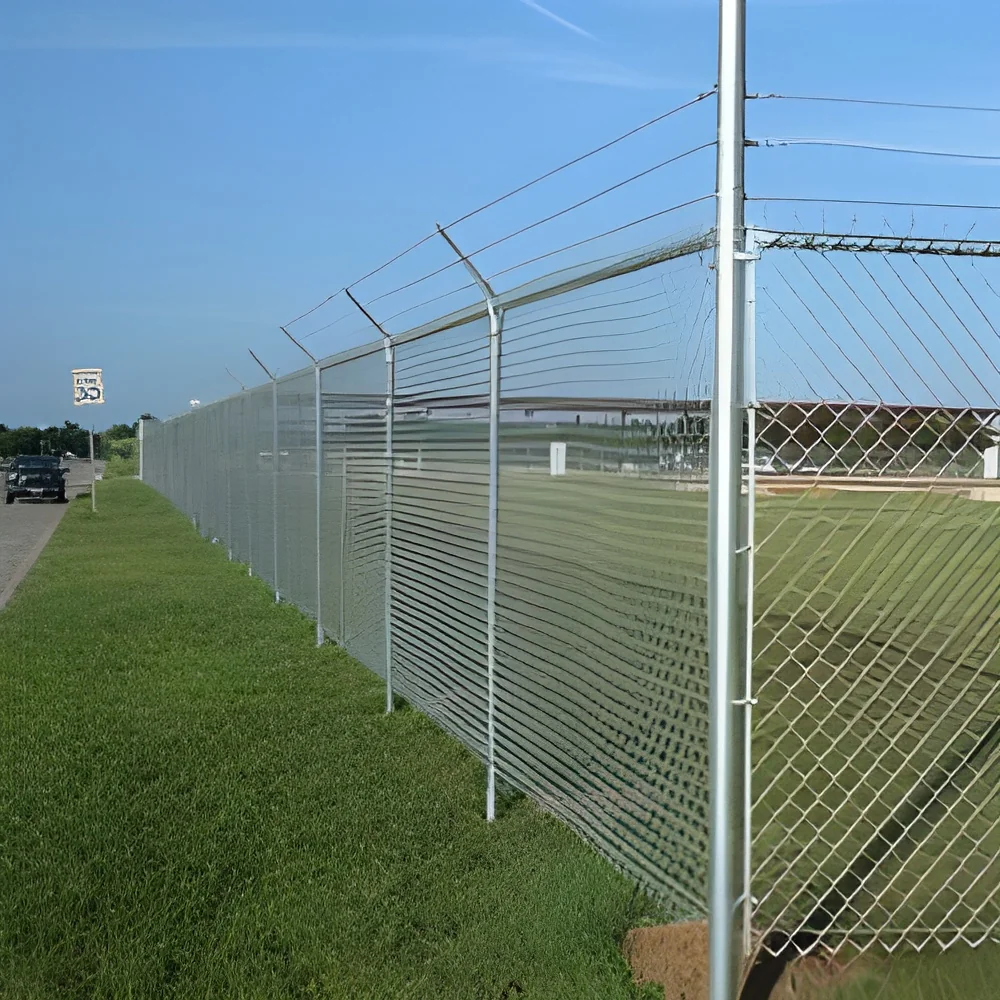
Security Fencing Systems: These are designed to create robust physical barriers. They can be combined with electronic monitoring systems for enhanced security.
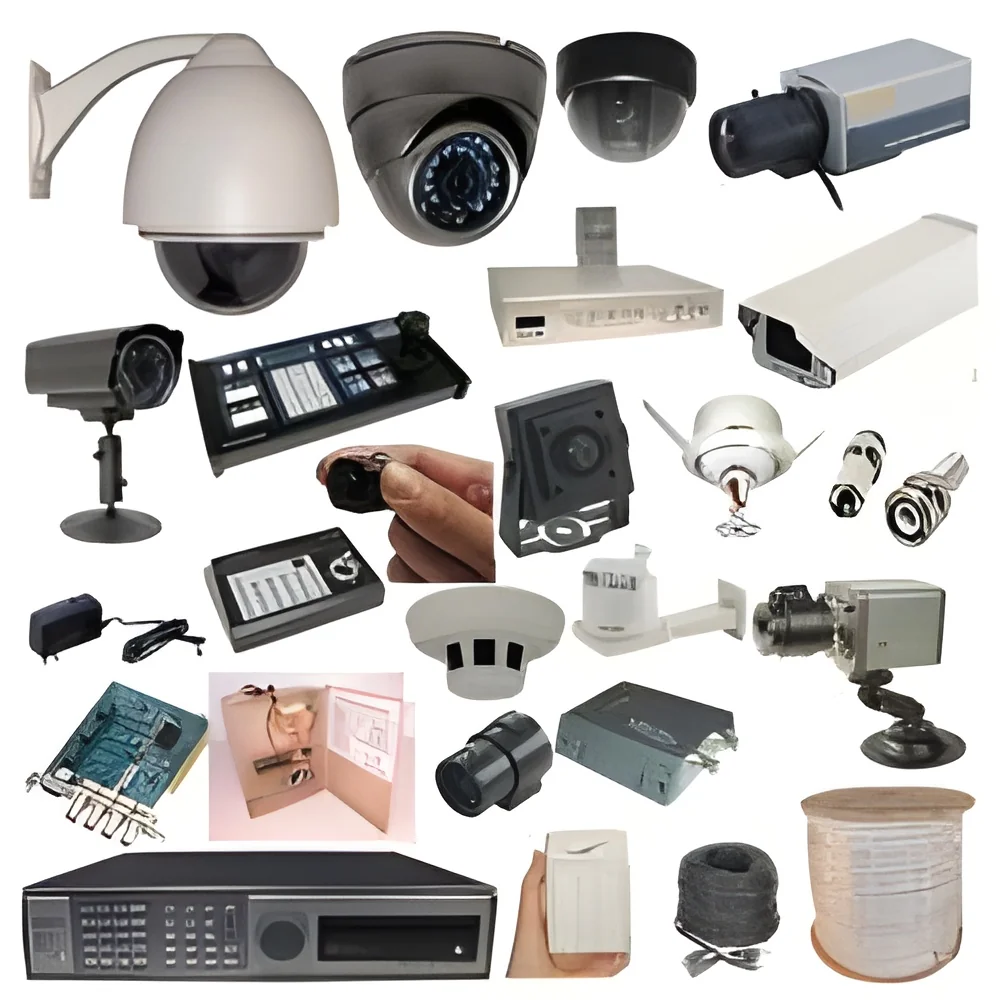
Surveillance Cameras: High-definition cameras with advanced features like motion detection and night vision are essential for monitoring activity around the perimeter.
Intrusion Detection Systems: These systems utilize various technologies, such as motion sensors and ground loops, to alert security personnel of unauthorized access.
Access Control Systems: These systems regulate entry through gates and doors, utilizing keycards or biometric scanning to ensure only authorized individuals can enter.
Benefits and Advantages
Investing in perimeter security equipment provides numerous advantages for businesses looking to enhance their security measures.
1. Increased Safety: A well-implemented perimeter security system significantly reduces the risk of unauthorized access and potential threats.
2. Asset Protection: Protecting valuable assets from theft and vandalism is a primary benefit, ensuring that businesses can operate without interruptions.
3. Improved Surveillance: Advanced monitoring capabilities provide real-time insights into perimeter activity, enabling quicker response times to security breaches.
4. Customization Flexibility: Systems can be tailored to meet specific site requirements, ensuring optimal security coverage based on individual needs.
5. Enhanced Compliance: Many perimeter security systems comply with industry standards, helping businesses meet regulatory requirements and enhance overall security posture.
6. Cost Efficiency: By preventing losses from theft and damage, perimeter security systems can ultimately lead to significant cost savings for businesses over time.
Buying Guide for B2B Buyers
When sourcing perimeter security equipment, it is essential to consider several factors to ensure the best fit for your business needs.
1. Quality Assessment: Evaluate the durability and effectiveness of the equipment. Consider products that meet industry standards and have positive customer feedback regarding reliability and performance.
2. Supplier Verification: Vet suppliers to ensure they are reputable and have a proven track record in providing high-quality security solutions. Look for certifications and customer reviews.
3. Pricing and MOQ: Understand the pricing structure and minimum order quantities. Comparing costs among different suppliers can help in making an informed purchasing decision.
4. Delivery and Lead Times: Inquire about delivery schedules to ensure the equipment arrives in a timely manner. Factor in lead times for installation and setup.
5. Compliance Requirements: Be aware of any regulatory compliance necessary for your industry. Ensure that the selected equipment adheres to local and international safety standards.
Compliance and Certifications
Compliance and certifications play a critical role in the effectiveness and reliability of perimeter security equipment. Many products adhere to quality standards such as ISO 9001, which ensures that manufacturers meet essential quality management criteria. This standard is vital for maintaining consistent product quality and reliability.
Additionally, industry certifications such as CE indicate that the equipment conforms to health, safety, and environmental protection standards set by the European Union. This certification assures buyers of the equipment's quality and performance.
Further, safety and testing requirements are paramount in ensuring that systems perform adequately under various conditions. Products should undergo rigorous testing to verify their durability, functionality, and resilience.
Regional compliance considerations also play a significant role. Businesses must ensure that their perimeter security solutions meet local regulations and standards, which may vary by region and industry.
Why Source Perimeter Security Equipment from Pepagora?
Pepagora provides a trusted platform for sourcing perimeter security equipment, offering several key advantages that benefit B2B buyers.
Verified Supplier Network: Pepagora has established a network of verified suppliers, ensuring that buyers have access to quality products from reputable manufacturers. This verification process builds trust and confidence in the sourcing process.
Streamlined RFQ Process: The Request for Quotation (RFQ) system simplifies the procurement process, allowing buyers to receive multiple quotations from different suppliers quickly. This feature enables businesses to compare options efficiently and choose the best fit based on price and quality.
Trade Assurance and Support: Pepagora offers trade assurance, providing buyers with protection throughout the purchasing process. The platform also offers support to address any issues that may arise, ensuring a smooth transaction.
Regional Coverage: With a geographic reach that includes India, the GCC, and Southeast Asia, Pepagora connects buyers with suppliers across these regions. This broad coverage facilitates access to diverse products and solutions tailored to specific market needs.
In conclusion, Pepagora is an excellent choice for businesses looking to source perimeter security equipment, offering reliability, efficiency, and a comprehensive supplier network.

 IN
IN

 India
India