What are Motion Detection Systems?
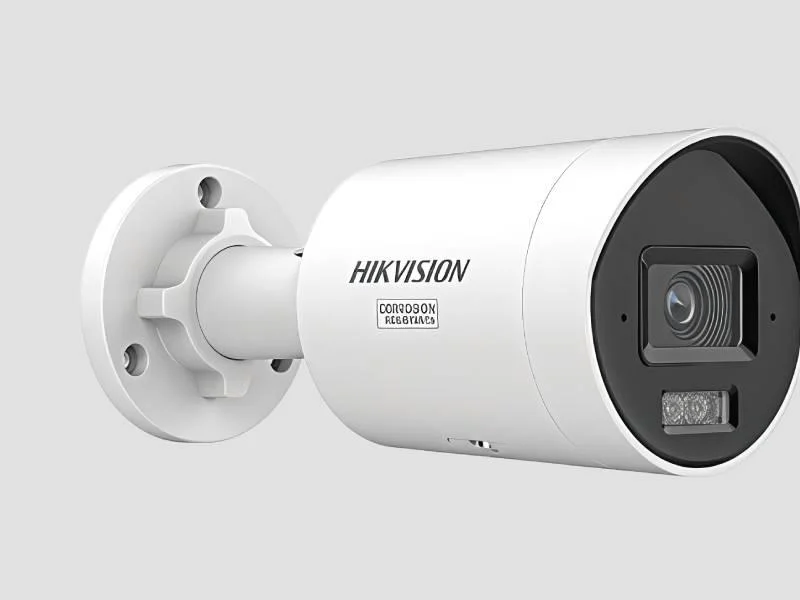
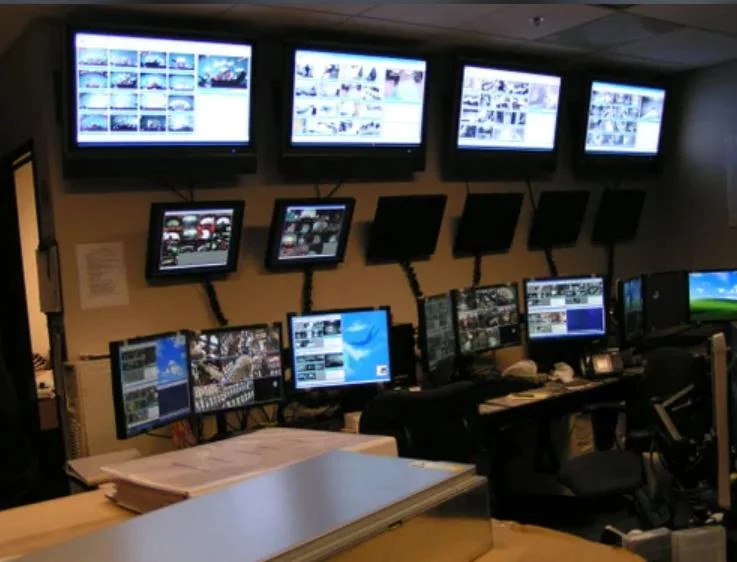
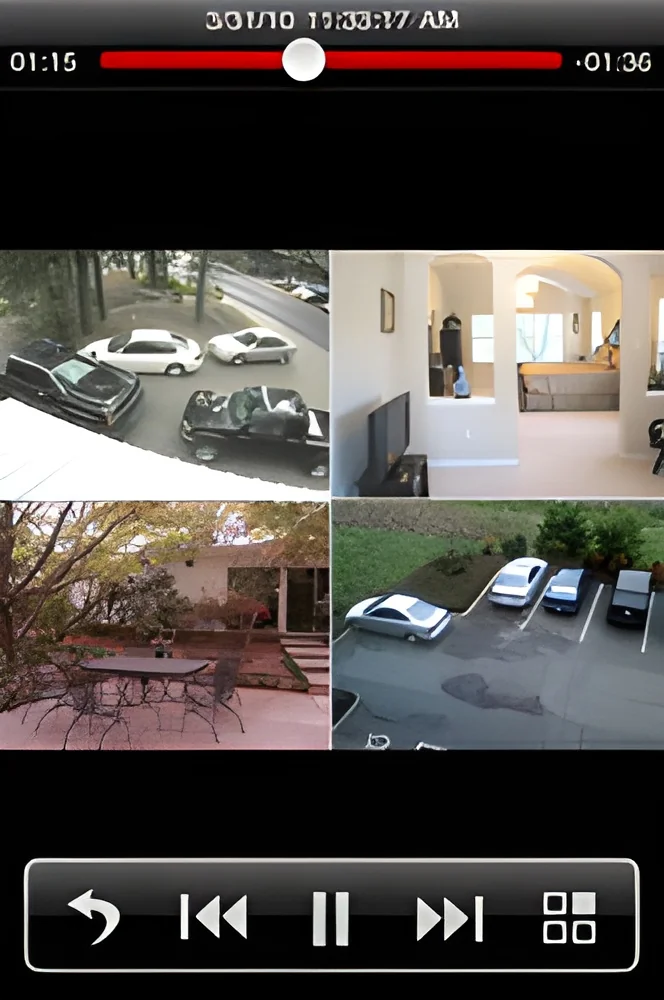
Motion Detection Systems are advanced technologies designed to identify and monitor movement within a specified area. These systems utilize various sensors and algorithms to detect motion, enabling real-time alerts and data collection. They operate by analyzing changes in the environment, such as the presence of people or objects, and are commonly integrated into security and automation systems.
These systems are primarily used in security applications, such as surveillance and alarm systems, to enhance safety and protection. They also find applications in smart building management, where they help optimize energy efficiency by controlling lighting and HVAC systems based on occupancy. The relevance of motion detection technology spans various industries, including retail, transportation, and healthcare, as businesses seek to improve operational efficiency and ensure safety in their environments.
Key Features and Specifications
Motion Detection Systems come with a range of features and specifications that enhance their functionality. Understanding these specifications is crucial for selecting the right system for specific applications.
Key specifications include:
1. Detection Range
- The maximum distance at which the system can detect motion.
- Typically ranges from a few meters up to 30 meters depending on the model.
2. Sensor Type
- Different types of sensors, such as passive infrared (PIR), ultrasonic, and microwave.
- Each sensor type has unique characteristics suited for various environments.
3. Power Supply
- Options for power sources, including battery-operated and hardwired systems.
- Battery life can range from several months to a few years based on usage.
4. Connectivity Options
- Features for Wi-Fi, Bluetooth, or wired connections for integration with other systems.
- Enables remote monitoring and control via smartphones or computers.
5. Alarm Integration
- Capability to trigger alarms or notifications when motion is detected.
- Can be integrated with existing security systems for enhanced protection.
6. Weather Resistance
- Ratings for outdoor models that indicate resistance to environmental conditions.
- Common ratings include IP65 and IP67 for dust and water resistance.
7. Installation Type
- Options for surface-mounted, flush-mounted, or portable systems.
- Each type offers different installation flexibility based on user needs.
8. User Interface
- Features for ease of use, such as mobile apps or web-based interfaces.
- Allows users to customize settings and view real-time data.
In summary, understanding the key features and specifications of Motion Detection Systems enables businesses to select products that meet their specific operational needs.
Common Applications and Use Cases
Motion Detection Systems are utilized across multiple industries, each benefiting from their ability to monitor movement effectively.
1. Retail: Retail environments use motion detection to monitor customer traffic, optimize store layouts, and enhance security by detecting unauthorized access.
2. Manufacturing: Factories employ these systems for safety monitoring, ensuring that areas are clear of personnel when machinery operates, and enhancing security against theft.
3. Transportation: Public transport systems use motion detection to monitor passenger flow and enhance safety by alerting staff to potential security threats.
4. Healthcare: Hospitals utilize these systems to monitor patient movement, ensuring safety for patients who may be at risk of falls or wandering.
5. Smart Homes: In residential spaces, motion detection helps automate lighting and climate control based on occupancy, improving energy efficiency and convenience.
6. Warehousing: Warehouses implement these systems to enhance security and monitor movements of goods and personnel, ensuring efficient operations.
7. Agriculture: Farms use motion detection for monitoring livestock and detecting unauthorized access to sensitive areas.
Product Variants and Subcategories
Motion Detection Systems come in various configurations to suit different needs and environments.
Wireless Motion Sensors
These sensors offer flexibility in installation, as they do not require extensive wiring. They are ideal for temporary setups or locations where wiring is impractical.
Infrared Motion Detectors
Utilizing passive infrared technology, these detectors are suitable for indoor environments. They detect body heat, making them effective for security and automation applications.
Microwave Motion Detectors
These systems emit microwave signals to detect motion, allowing them to cover larger areas. They are useful in outdoor settings where broader detection ranges are needed.
Dual-Technology Motion Sensors
Combining two types of detection technologies, such as PIR and microwave, these systems enhance reliability by reducing false alarms while ensuring effective monitoring.
Benefits and Advantages
Motion Detection Systems offer numerous advantages that enhance safety and operational efficiency for businesses.
1. Enhanced Security: These systems provide real-time monitoring, reducing the risk of theft and unauthorized access.
2. Energy Efficiency: By automating lighting and HVAC systems based on occupancy, businesses can significantly reduce energy costs.
3. Increased Safety: In workplaces, motion detection helps prevent accidents by ensuring that areas are clear of personnel when machinery operates.
4. Data Collection: These systems can gather valuable data on movement patterns, helping businesses optimize layouts and improve customer experiences.
5. Remote Monitoring: Many systems allow for remote access, enabling users to monitor environments from anywhere, enhancing peace of mind.
6. Customization: Motion detection systems can be tailored to fit specific operational needs, ensuring effective performance in various environments.
Buying Guide for B2B Buyers
When sourcing Motion Detection Systems, it is essential to consider several key factors to ensure the selection of the right system for your business needs.
1. Quality Assessment: Evaluate the quality of the motion detection systems by checking for reliable performance metrics and user feedback. Look for systems that have a proven track record in the industry.
2. Supplier Verification: Vet suppliers thoroughly by checking their certifications, customer reviews, and industry reputation. This ensures that you partner with trustworthy manufacturers.
3. Pricing and MOQ: Understand the pricing structure and minimum order quantities (MOQ) required by suppliers. Compare prices across different vendors to identify competitive offers.
4. Delivery and Lead Times: Inquire about delivery schedules and lead times for obtaining systems. Timely delivery is crucial for project planning and implementation.
5. Compliance Requirements: Ensure that the systems meet relevant regulatory standards and certifications required for your industry, such as CE certification for safety.
Compliance and Certifications
Compliance with industry standards and certifications is critical for Motion Detection Systems to ensure safety and reliability.
Relevant quality standards, such as ISO 9001, ensure that manufacturers maintain quality management systems that meet customer and regulatory requirements.
Industry certifications, including CE marking, indicate that the products meet European safety, health, and environmental protection standards. This is particularly important for systems used in residential or public environments.
Safety testing requirements should also be taken into account, as these systems must undergo rigorous testing to ensure their effectiveness and durability under various conditions.
Additionally, regional compliance considerations must be understood, as different regions may have specific regulations regarding the installation and operation of motion detection technologies.
Why Source Motion Detection Systems from Pepagora?
Pepagora offers a reliable platform for sourcing Motion Detection Systems, providing several key advantages for B2B buyers.
Verified Supplier Network: Pepagora connects buyers with a network of verified suppliers, ensuring that all listed products meet high-quality standards. This verification process helps mitigate risks associated with purchasing from unverified sources.
Streamlined RFQ Process: The platform features a user-friendly request for quotation (RFQ) system, allowing buyers to easily compare offers from multiple suppliers. This process simplifies procurement and helps businesses find the best deals.
Trade Assurance and Support: Pepagora provides trade assurance services that protect buyers' investments, ensuring that they receive their products as promised. Additionally, dedicated customer support is available to assist with any queries.
Regional Coverage: With a focus on regions such as India, GCC, and Southeast Asia, Pepagora offers a wide range of options tailored to the specific needs of businesses operating in these markets. This geographic reach ensures that buyers can find suitable solutions close to their operational bases.

 IN
IN