What are IR Sensors & Night Vision Cameras?
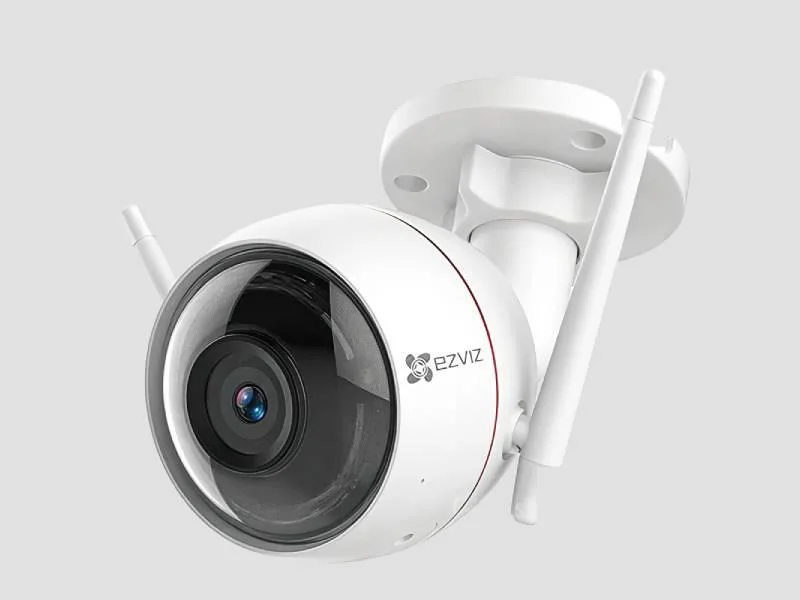
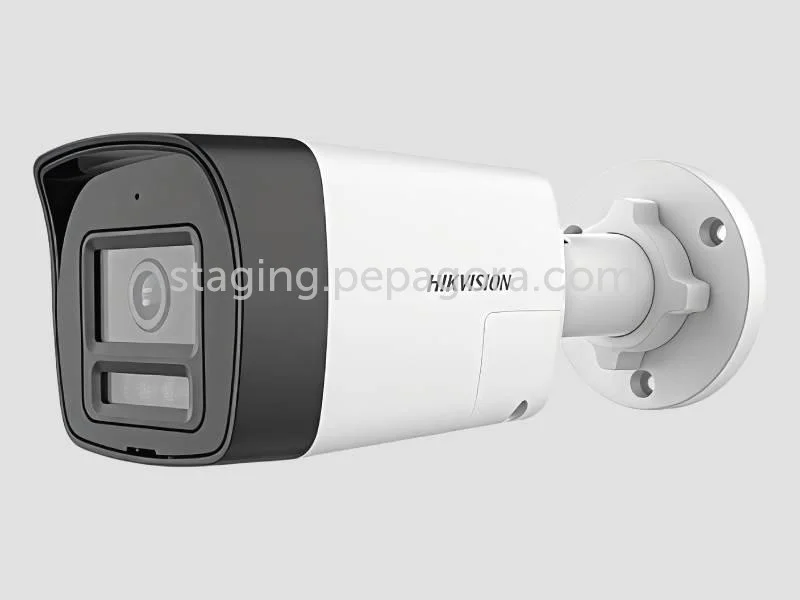
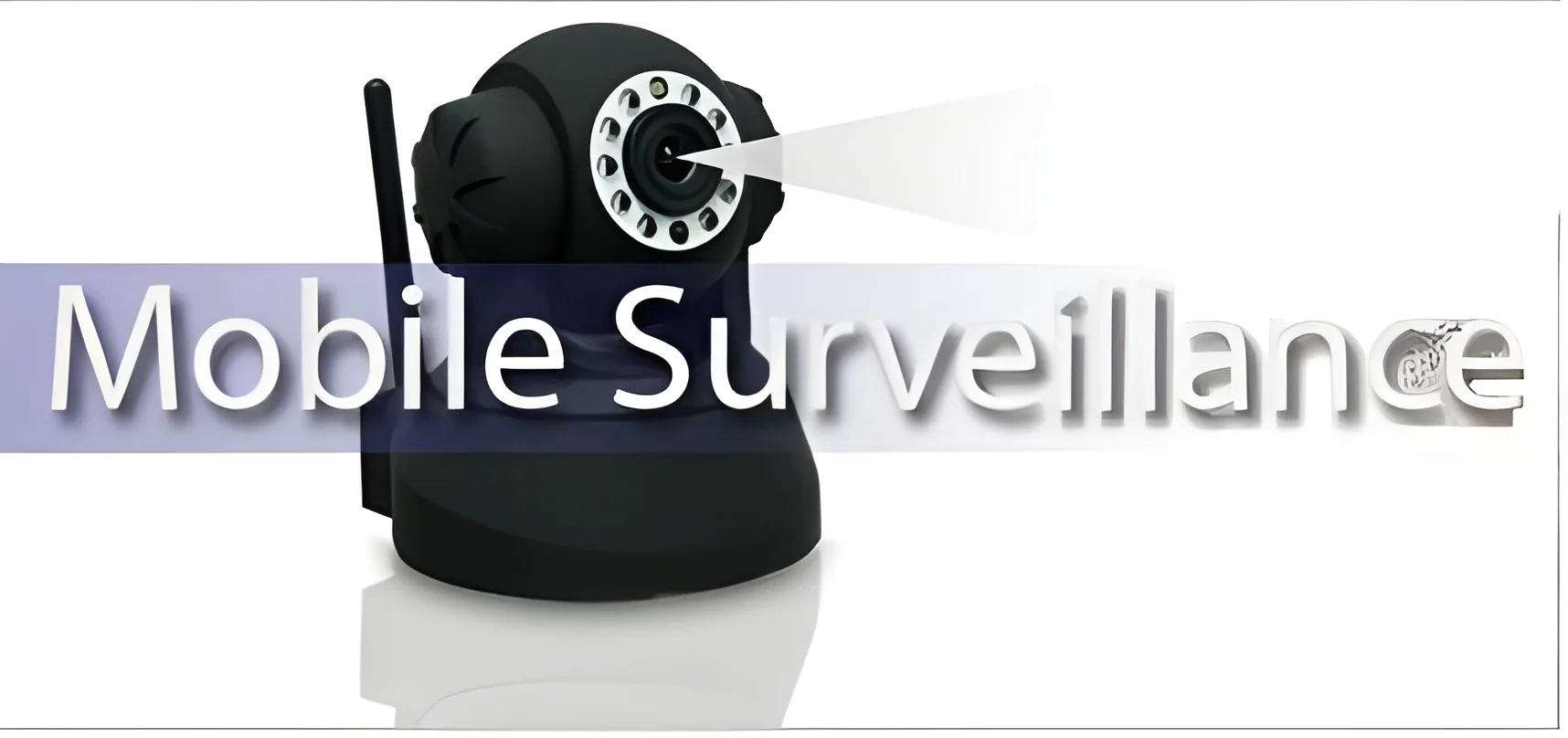
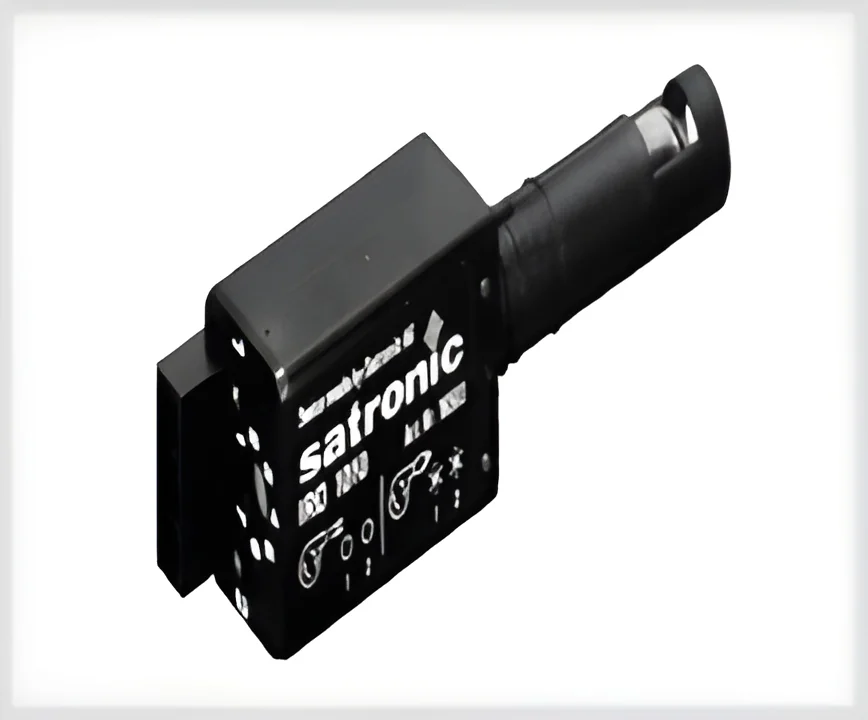
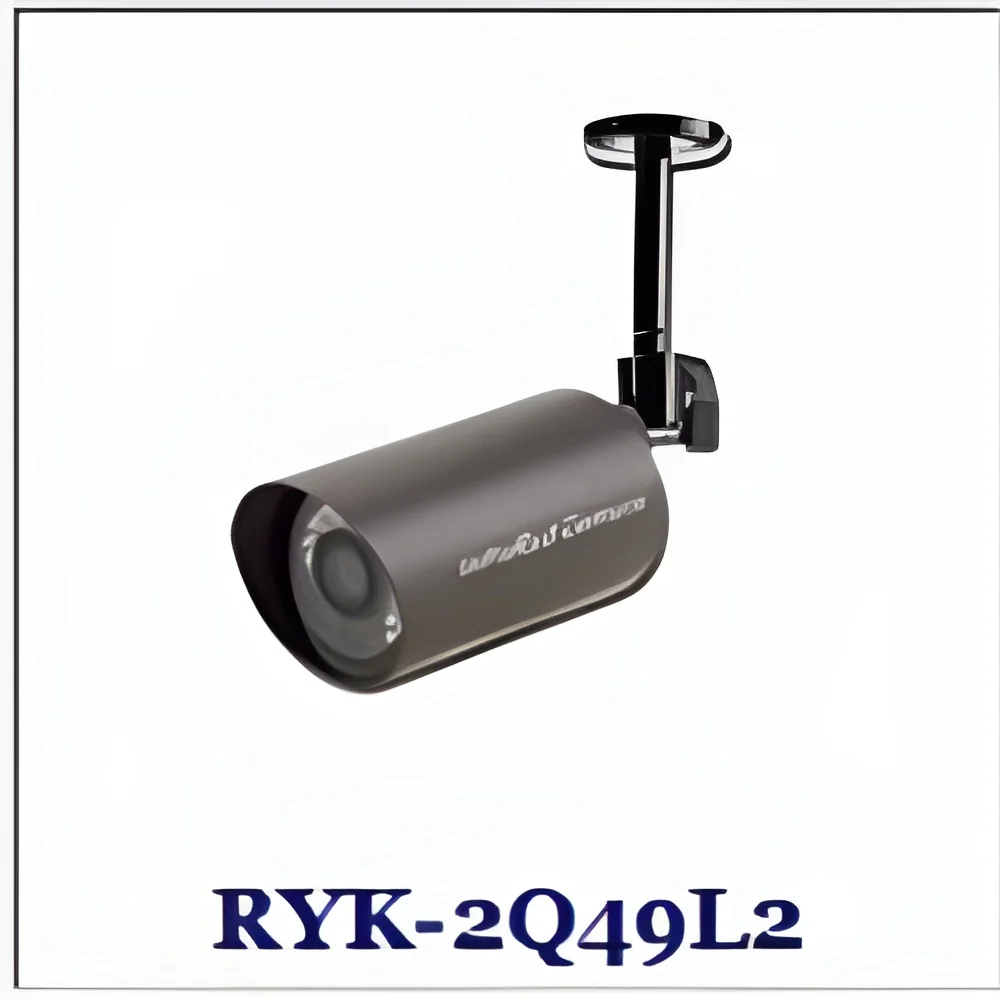
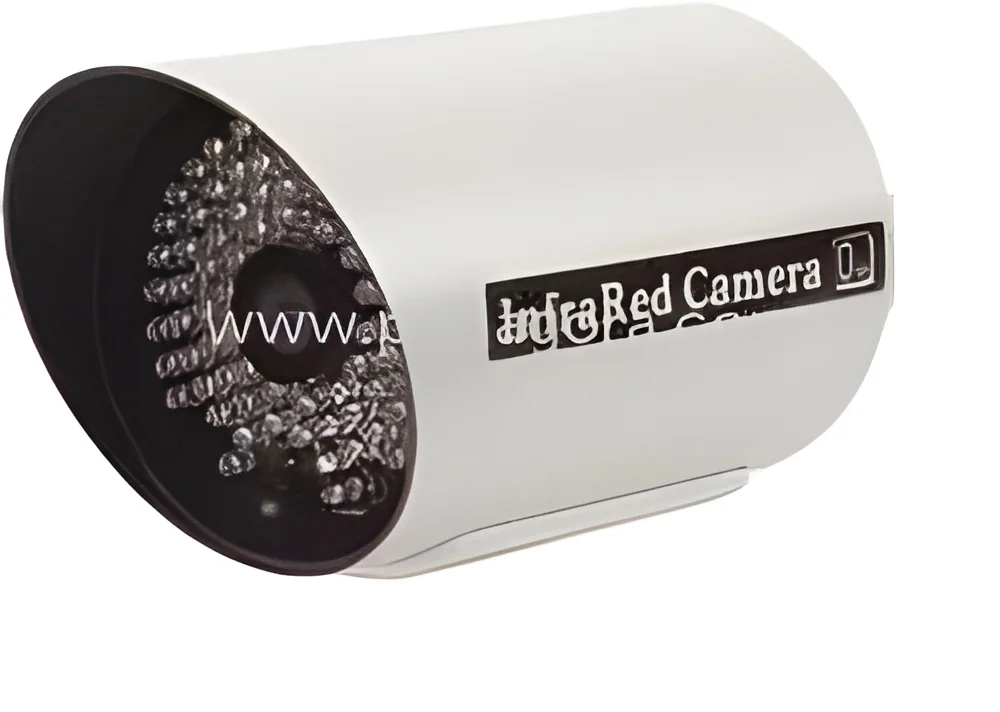
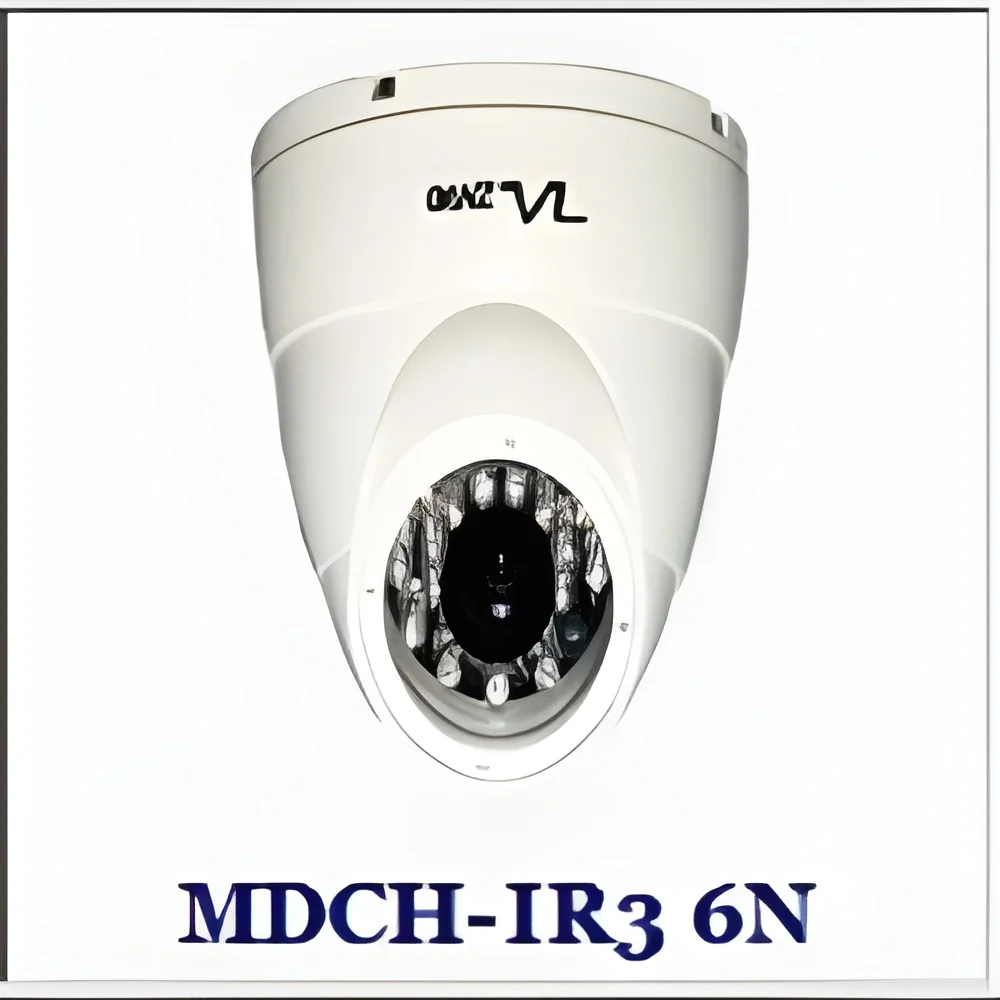
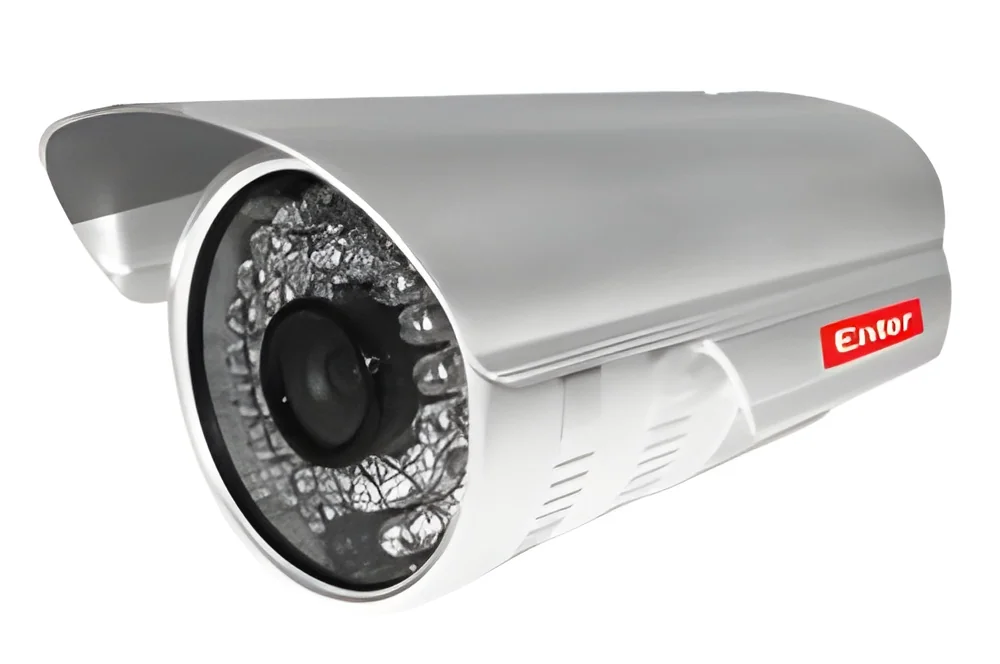
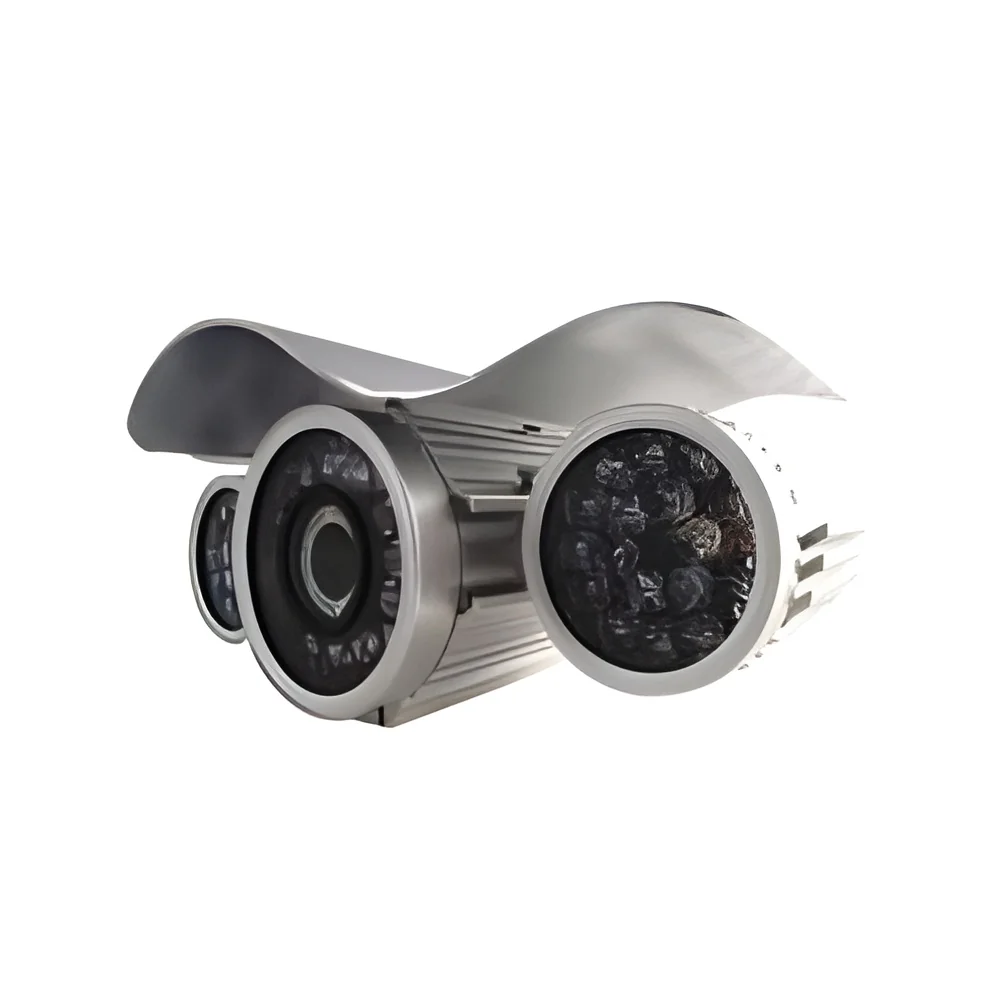
IR sensors and night vision cameras are advanced technologies designed to detect infrared radiation and capture images in low-light or complete darkness. IR sensors work by identifying heat signatures emitted by objects, allowing for various applications, including security and automation. Night vision cameras, on the other hand, use image enhancement technology to produce clear images in low-light conditions, making them invaluable for surveillance and monitoring.
These technologies find primary use in various sectors including security, military, and industrial applications. In security, they enhance surveillance capabilities, while in the military, they are crucial for operations during nighttime. Industrial applications include monitoring equipment and processes in environments with poor lighting. As industries increasingly focus on safety and security, the demand for IR sensors and night vision cameras continues to grow, highlighting their relevance in today’s market.
Key Features and Specifications
IR sensors and night vision cameras come with a range of features and specifications that make them suitable for various applications. Understanding these specifications is crucial for selecting the right product for your needs.
Key specifications include:
1. Detection Range
- The maximum distance at which the sensor can detect infrared radiation.
- Typically ranges from a few meters to several hundred meters depending on the model.
2. Resolution
- Refers to the clarity of images produced by night vision cameras.
- Common resolutions include 720p, 1080p, and higher.
3. Field of View
- The extent of the observable area captured by the camera.
- Usually expressed in degrees, with wider angles offering broader coverage.
4. Sensitivity
- This indicates how well the sensor can detect low levels of infrared radiation.
- Higher sensitivity results in better performance in challenging conditions.
5. Operating Temperature Range
- The range of temperatures within which the device can operate effectively.
- Data not available.
6. Humidity Control
- Indicates the device's ability to operate in various humidity levels.
- Data not available.
7. Power Source
- The type of energy required to operate the device, such as battery or wired power.
- Varies by model and application.
8. Certification
- Compliance with industry standards, such as CE marking for safety and performance assurance.
These specifications play a vital role in determining the effectiveness and suitability of IR sensors and night vision cameras for specific applications.
Common Applications and Use Cases
IR sensors and night vision cameras serve a multitude of industries, each benefiting from their unique capabilities.
1. Security: In the security sector, these devices are invaluable for monitoring premises. They help detect intruders and provide clear images even in darkness, enhancing safety.
2. Military: The military employs night vision cameras for reconnaissance and surveillance missions. They enable troops to operate effectively during nighttime operations.
3. Industrial: In industrial settings, IR sensors monitor machinery for overheating, ensuring safety and preventing equipment failure.
4. Healthcare: In healthcare, these technologies are used for patient monitoring, especially in low-light environments, ensuring continuous observation.
5. Automotive: In the automotive industry, night vision cameras enhance vehicle safety by improving visibility during nighttime driving.
6. Wildlife Observation: Researchers use these devices to study animal behavior without disturbing natural habitats, allowing for conservation efforts.
7. Fire Detection: IR sensors are essential in fire detection systems, identifying heat sources that may indicate a fire outbreak.
Product Variants and Subcategories
The market for IR sensors and night vision cameras includes diverse products tailored for specific applications.
IR Thermal Cameras
These cameras detect infrared radiation and produce thermal images. They are widely used for building inspections, energy audits, and predictive maintenance.
Low Light Cameras
Designed to function effectively in low-light conditions, these cameras enhance visibility in dim environments. They are often used in security and surveillance applications.
CCTV Night Vision Cameras
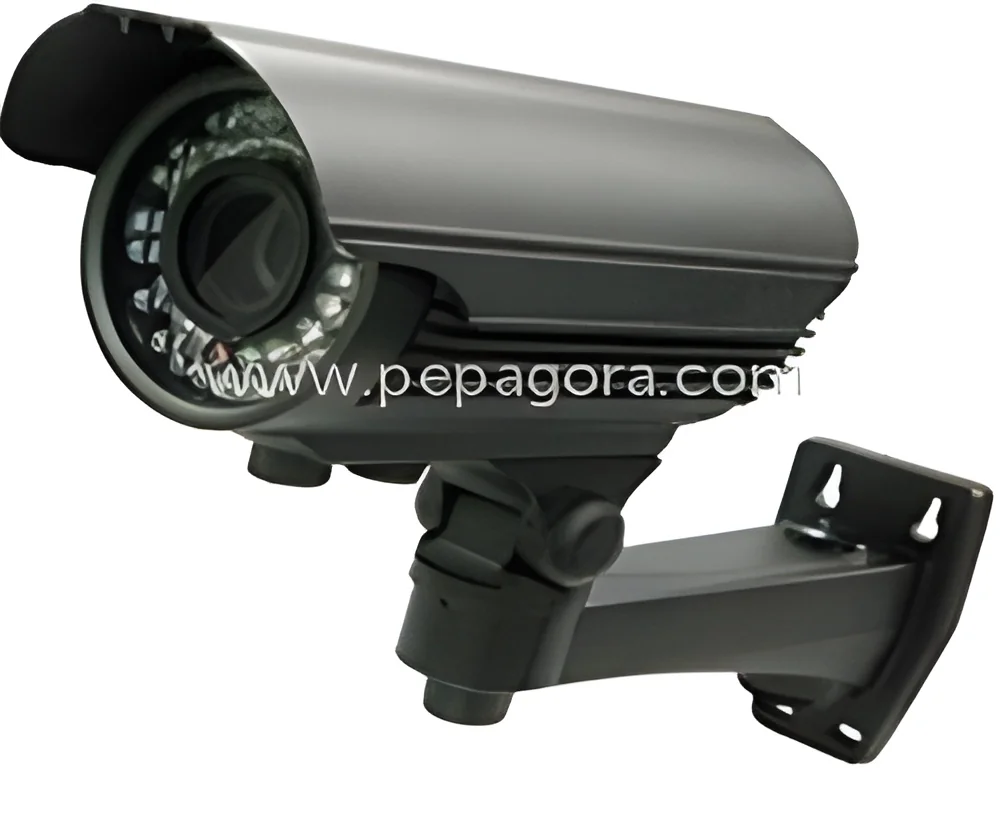
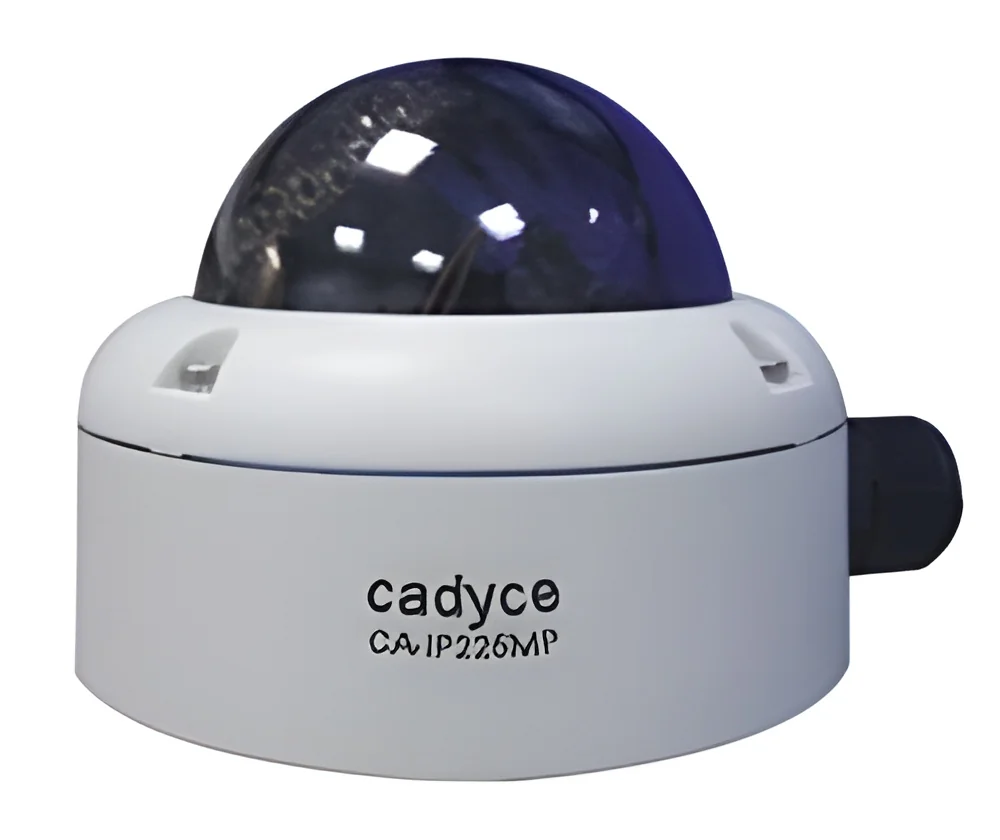
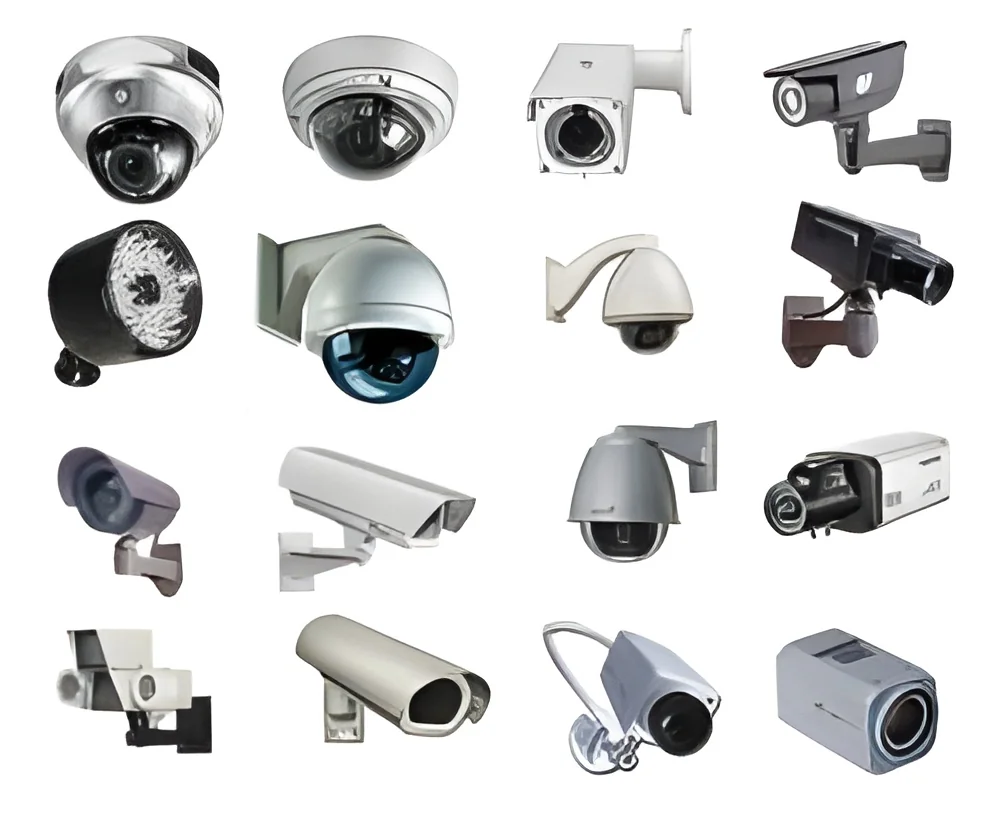
These are surveillance cameras equipped with night vision capabilities. They are commonly used for perimeter security and monitoring of critical infrastructure.
Wireless Night Vision Cameras
These cameras offer flexibility in installation and can transmit images without the need for extensive wiring. They are suitable for both residential and commercial security setups.
Benefits and Advantages
Investing in IR sensors and night vision cameras offers several key benefits for businesses and organizations.
1. Enhanced Security: These devices significantly improve security measures by providing clear images in low-light conditions, deterring potential intruders.
2. Cost-Effective Monitoring: They reduce the need for extensive lighting solutions, leading to lower operational costs while maintaining visibility.
3. Improved Safety: In industrial settings, IR sensors help prevent equipment failures by monitoring temperature variations, ensuring a safer work environment.
4. Versatility: The adaptability of these technologies allows them to be used across various industries, making them a valuable asset for different applications.
5. Real-Time Monitoring: With the capability to provide immediate feedback, businesses can respond quickly to security breaches or equipment malfunctions.
6. Increased Efficiency: By automating monitoring processes, these devices free up human resources, allowing personnel to focus on other critical tasks.
Buying Guide for B2B Buyers
When sourcing IR sensors and night vision cameras, several factors should be considered to ensure the right purchase.
1. Quality Assessment: Evaluate the quality of the products by checking certifications and user reviews. Look for reliable brands known for durability and performance.
2. Supplier Verification: Vet suppliers by checking their credentials and previous client feedback. Ensuring they have a good reputation can prevent future issues.
3. Pricing and MOQ: Understand the pricing structure and minimum order quantities required by suppliers, which can vary significantly across manufacturers.
4. Delivery and Lead Times: Consider logistics and ensure that suppliers can meet your delivery requirements. Timely delivery is crucial for project timelines.
5. Compliance Requirements: Be aware of any industry-specific compliance and regulatory requirements that the products must meet to avoid legal issues.
Compliance and Certifications
IR sensors and night vision cameras must meet various compliance and certification standards to ensure their safety and effectiveness in the market. Key quality standards include ISO 9001, which outlines requirements for a quality management system, ensuring consistent product quality and customer satisfaction.
Industry certifications such as CE indicate that the products meet European safety, health, and environmental protection requirements. These certifications are critical for gaining market access and ensuring customer trust.
Safety and testing requirements are also essential, as they help verify that the devices operate safely under specified conditions. Manufacturers must conduct rigorous testing to ensure compliance with these standards.
Additionally, regional compliance considerations may vary, so businesses should be aware of local regulations that may affect the use of these technologies.
Why Source IR Sensors & Night Vision Cameras from Pepagora?
Pepagora offers an excellent platform for sourcing IR sensors and night vision cameras, providing several key advantages to businesses.
Verified Supplier Network: Pepagora maintains a rigorous verification process for suppliers, ensuring that buyers can trust the quality and reliability of the products offered. This network includes manufacturers known for their high standards and commitment to customer satisfaction.
Streamlined RFQ Process: The platform simplifies the request for quotation process, allowing buyers to easily compare offers from multiple suppliers. This efficiency helps businesses make informed decisions quickly.
Trade Assurance and Support: Pepagora provides trade assurance, offering protection for buyers in case of issues with orders. This support fosters confidence in purchasing decisions, ensuring a secure transaction process.
Regional Coverage: With a broad geographic reach, including India, GCC, and Southeast Asia, Pepagora connects buyers with suppliers across various regions, facilitating access to a diverse range of products and services tailored to local needs.
This combination of features makes Pepagora a trusted choice for sourcing IR sensors and night vision cameras, helping businesses enhance their security and operational efficiency.

 IN
IN