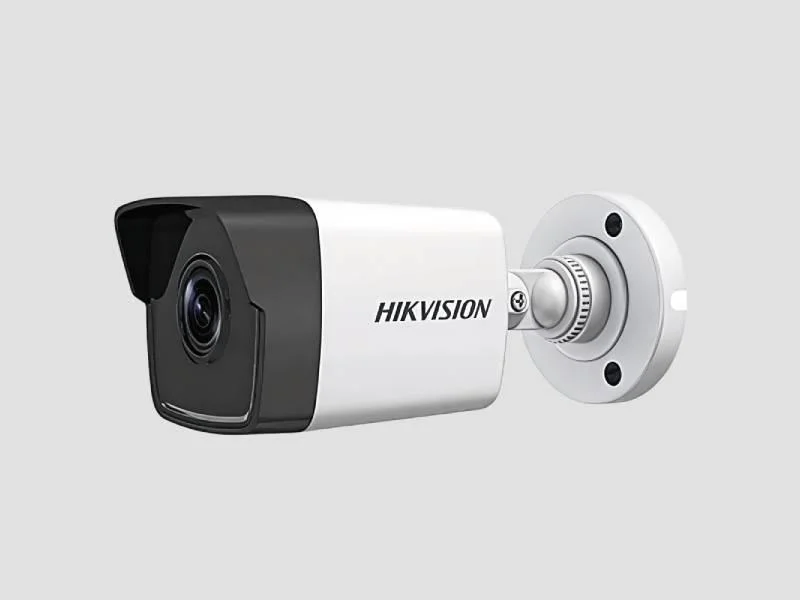
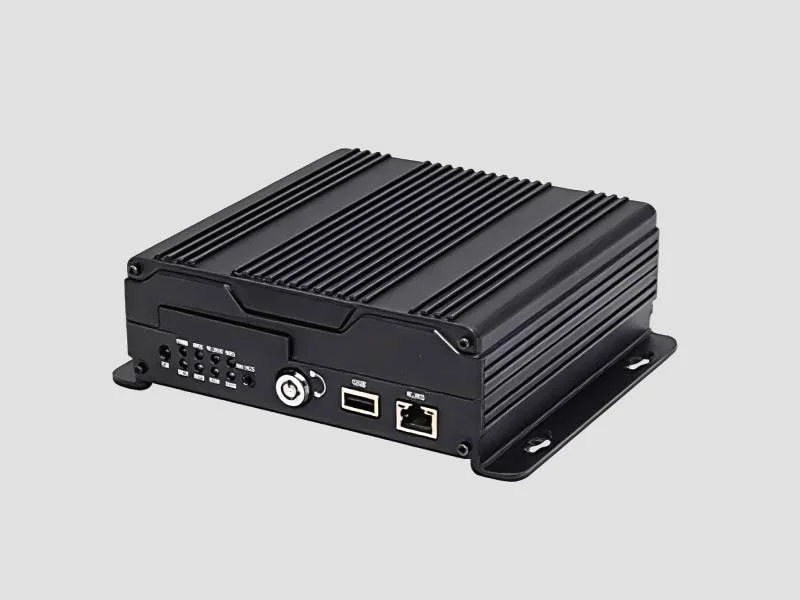
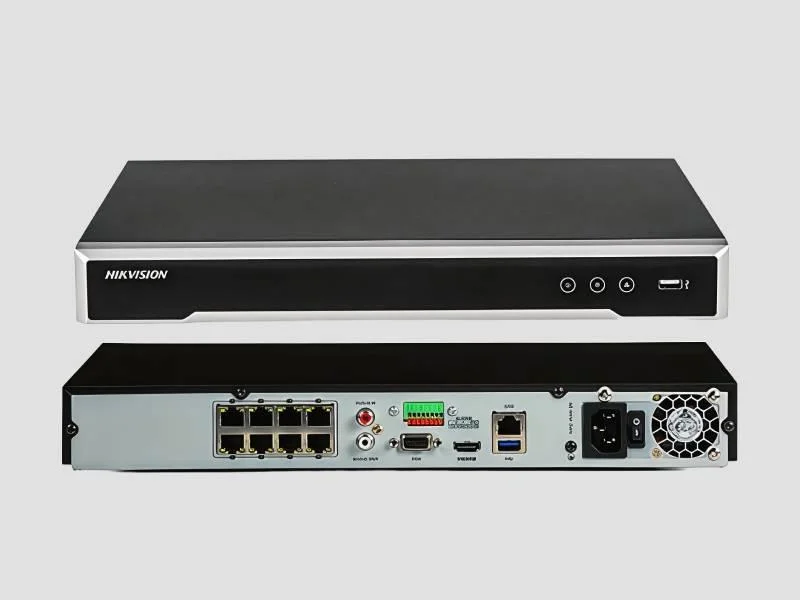
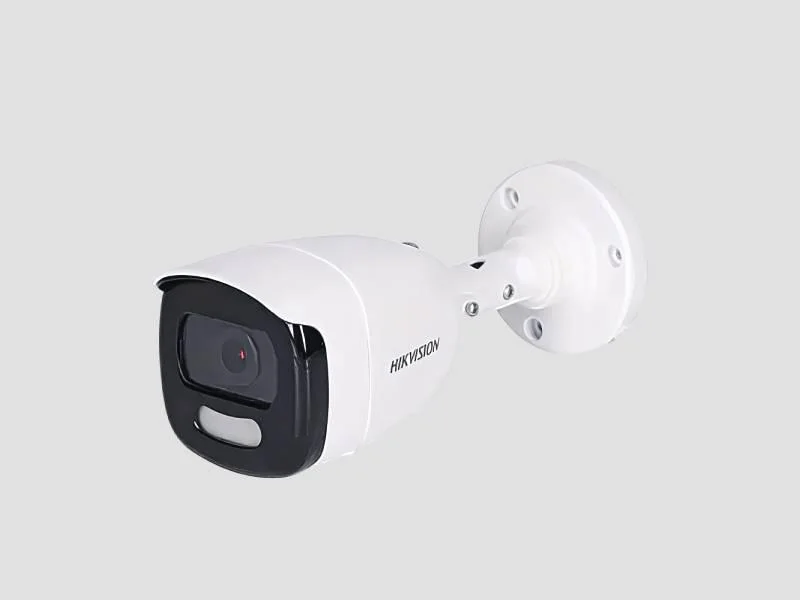
𝗪𝗵𝗮𝘁 𝗮𝗿𝗲 𝗖𝗖𝗧𝗩, 𝗦𝘂𝗿𝘃𝗲𝗶𝗹𝗹𝗮𝗻𝗰𝗲 & 𝗦𝗲𝗰𝘂𝗿𝗶𝘁𝘆 𝗦𝘆𝘀𝘁𝗲𝗺𝘀?
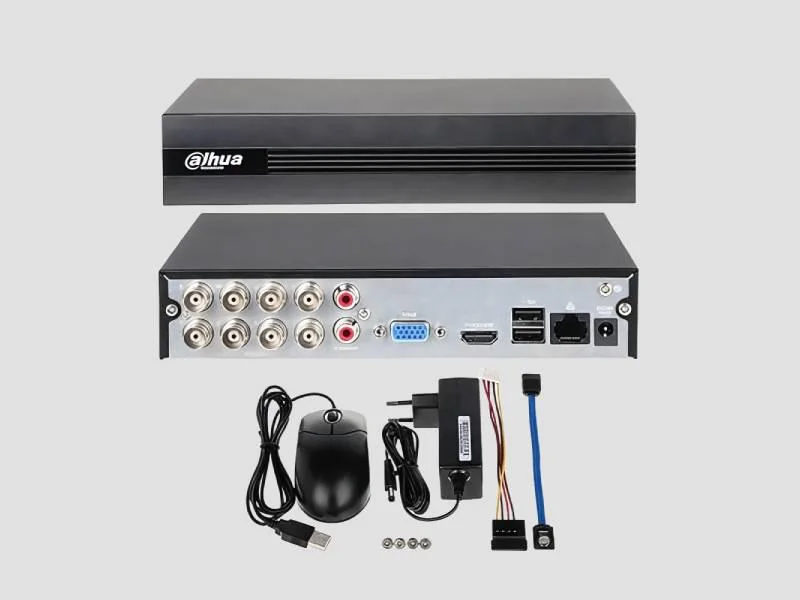
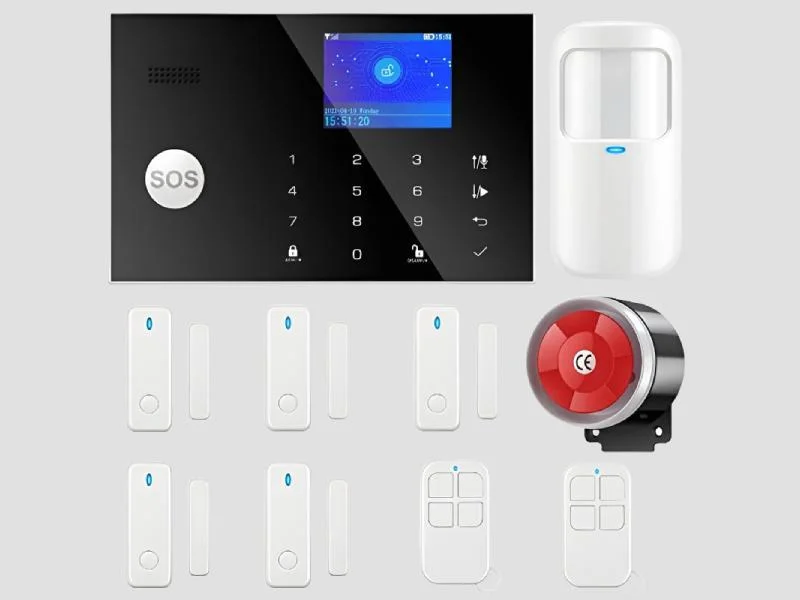
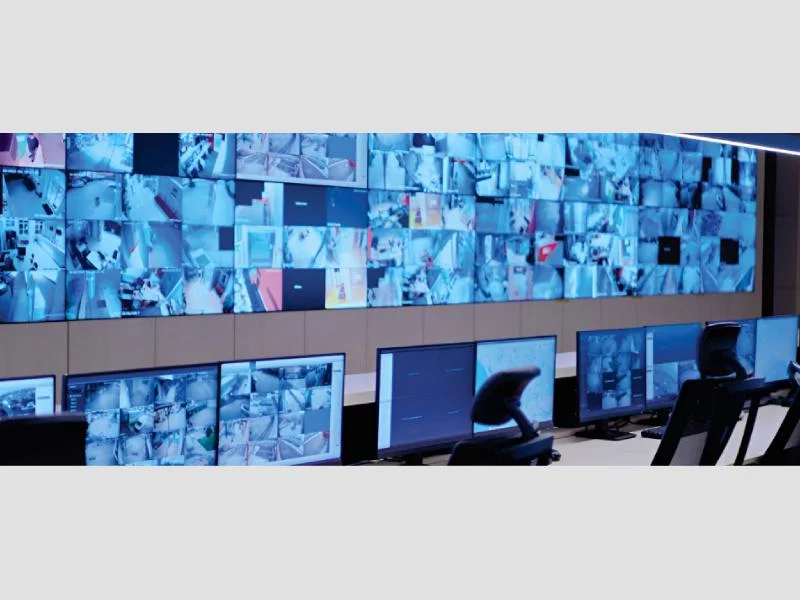
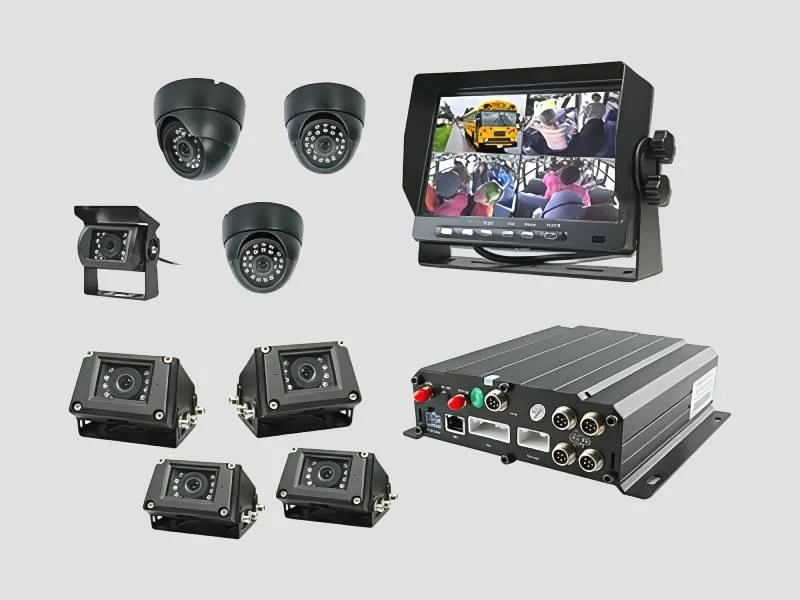
CCTV, or closed-circuit television, surveillance, and security systems are integrated technologies that are designed to monitor, record, and analyze activities in various environments. These systems typically consist of cameras, recording devices, and monitoring equipment that work together to enhance security and safety. The images captured by the cameras are transmitted to designated monitors or storage devices, allowing for real-time observation and review of recorded footage.
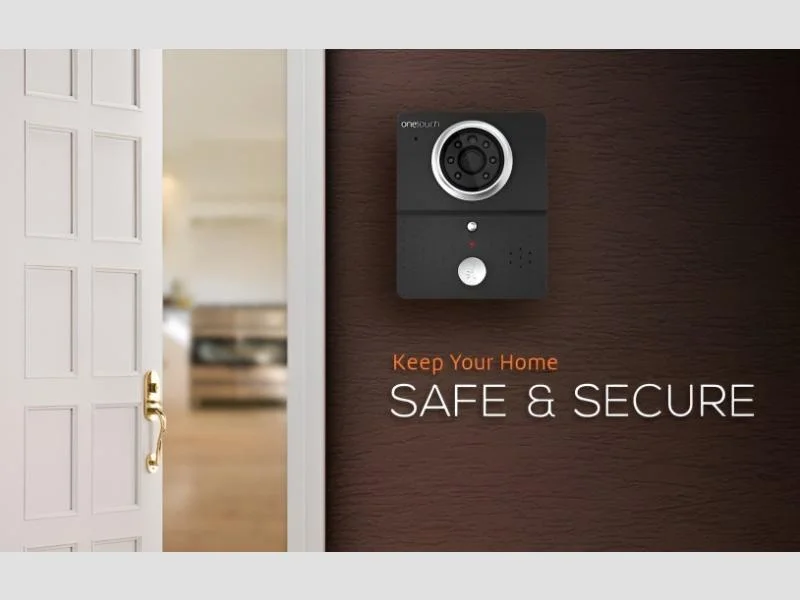
The primary uses of these systems include crime prevention, monitoring of high-risk areas, and ensuring safety in public and private spaces. Businesses implement CCTV systems for various applications, such as safeguarding premises, managing employee productivity, and maintaining operational efficiency. With increasing concerns over security threats, the demand for reliable surveillance solutions has surged, making CCTV an integral part of modern security measures in various sectors.
In the current market context, the security systems industry is experiencing rapid growth driven by technological advancements and the increasing need for sophisticated monitoring solutions. As organizations seek to protect their assets and personnel, the relevance of CCTV and surveillance systems continues to expand across industries such as retail, transportation, education, and healthcare.
𝗞𝗲𝘆 𝗙𝗲𝗮𝘁𝘂𝗿𝗲𝘀 𝗮𝗻𝗱 𝗦𝗽𝗲𝗰𝗶𝗳𝗶𝗰𝗮𝘁𝗶𝗼𝗻𝘀
CCTV, surveillance, and security systems come with a variety of features and specifications that cater to different monitoring needs. Understanding these specifications is crucial for making informed purchasing decisions.
Key specifications include:
1. Resolution
- Determines the clarity of the video footage.
- Common resolutions include 720p, 1080p, and 4K.
2. Frame Rate
- Refers to the number of frames captured per second.
- Higher frame rates provide smoother video quality, typically ranging from 15 to 60 fps.
3. Camera Type
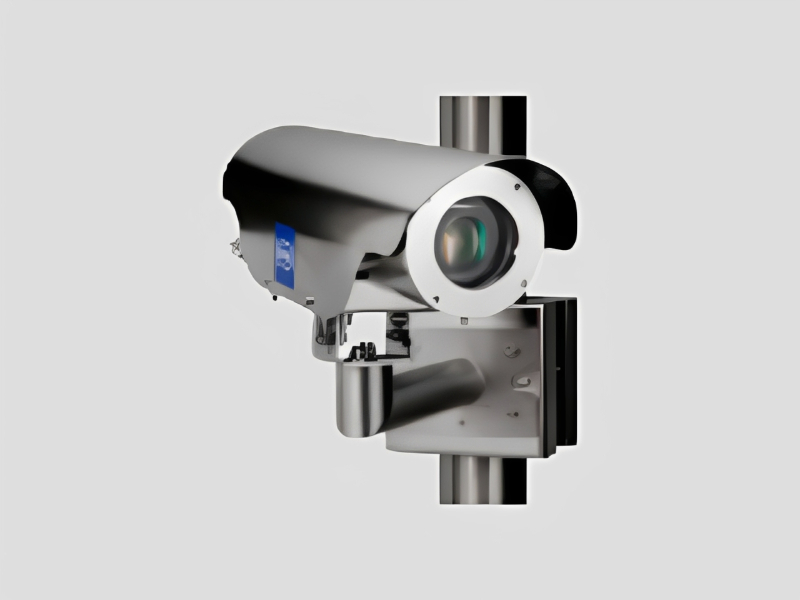
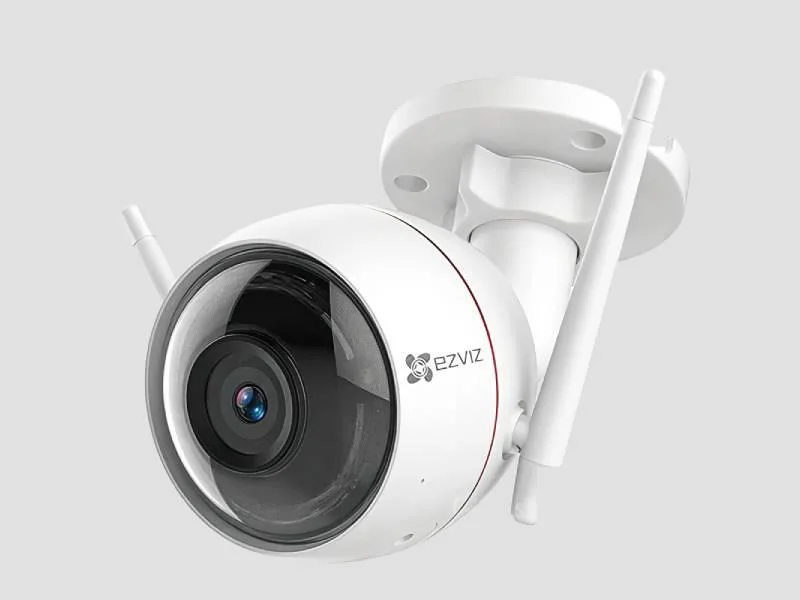
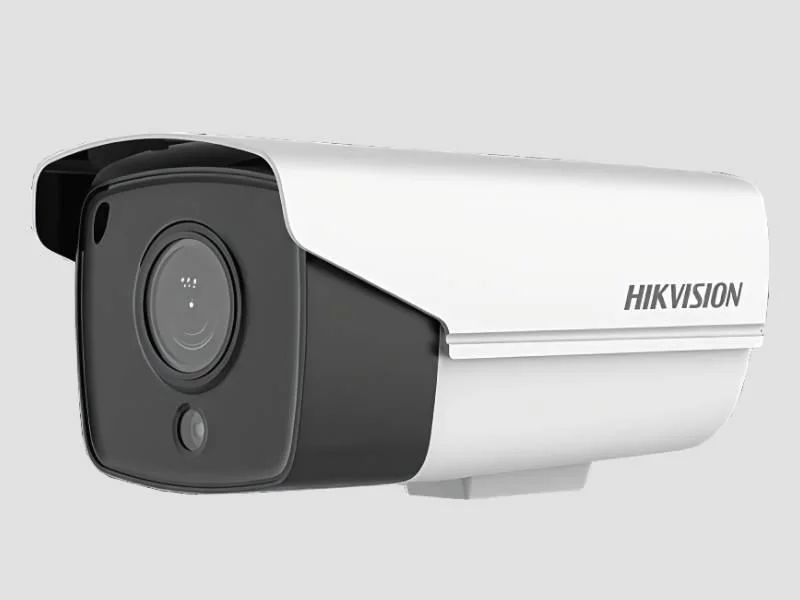
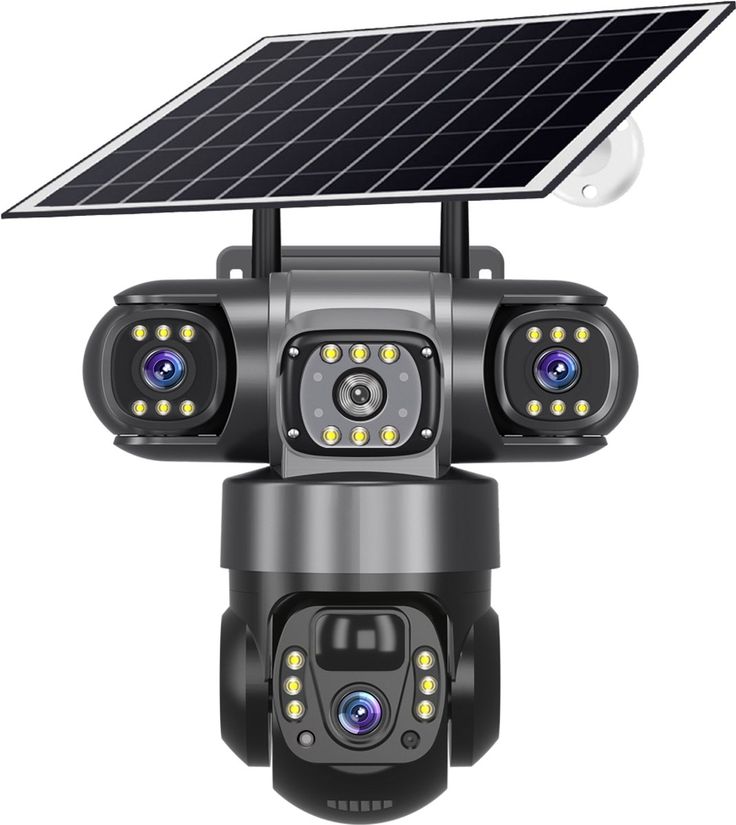
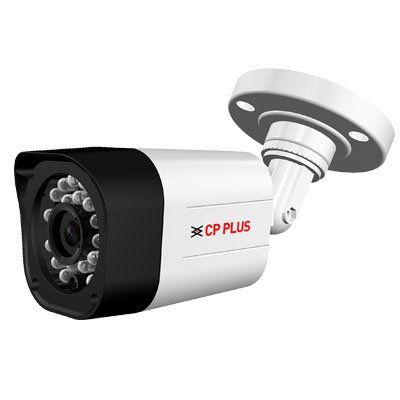
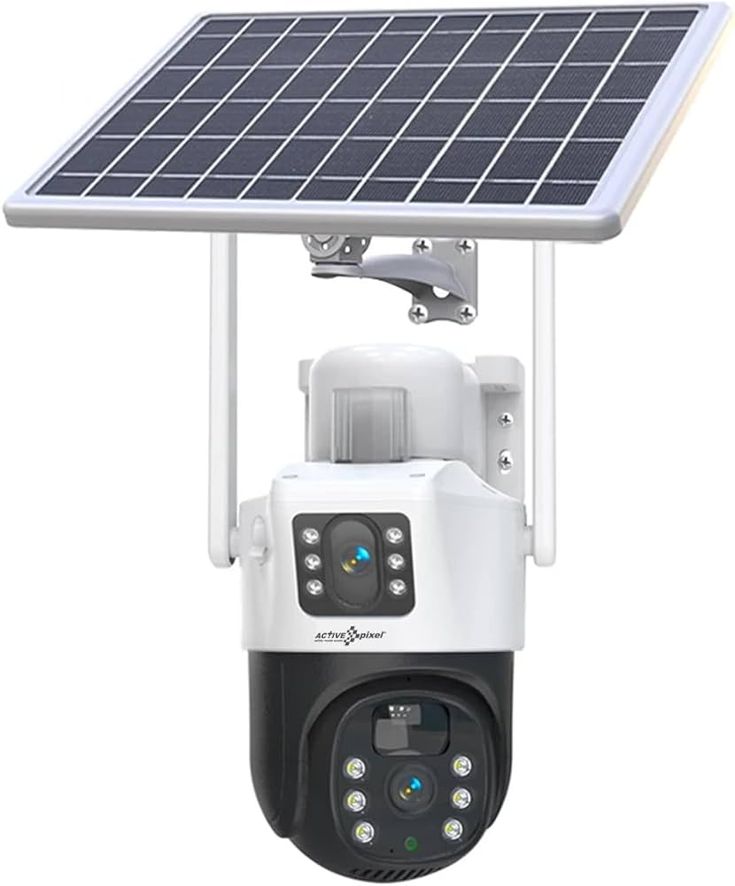
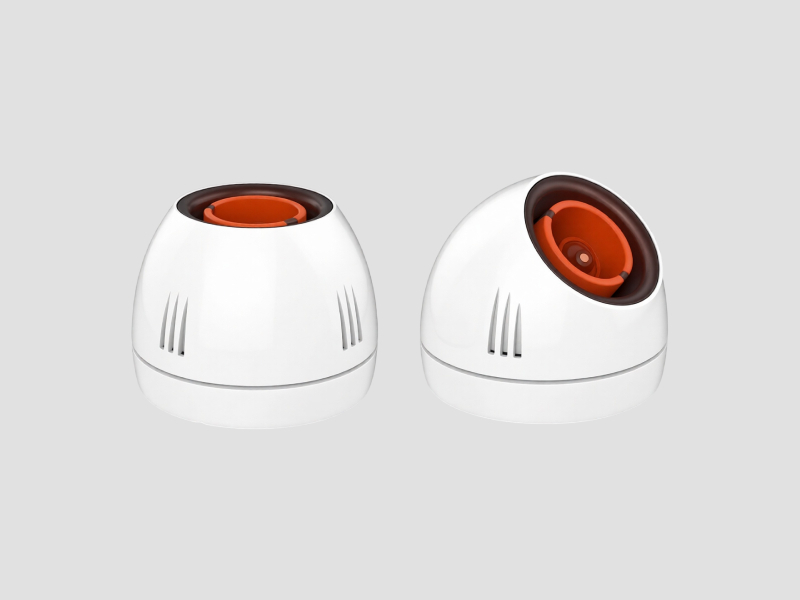
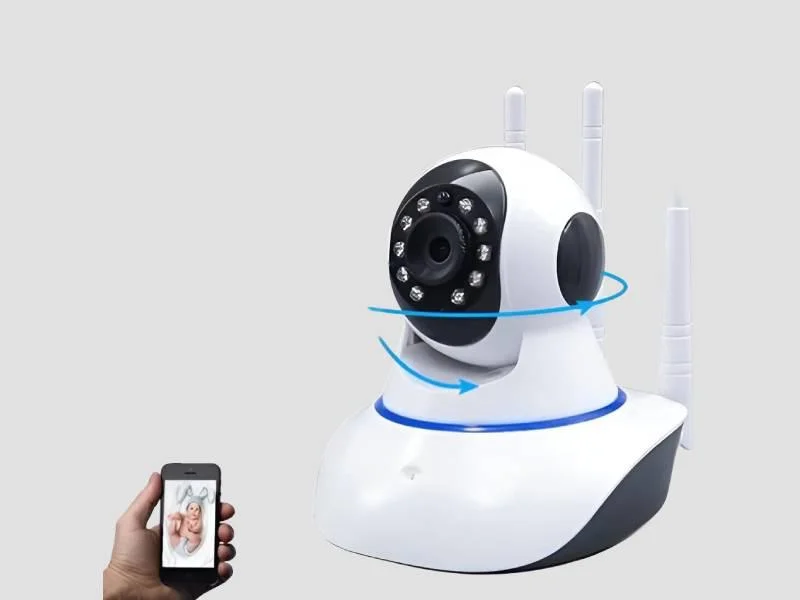
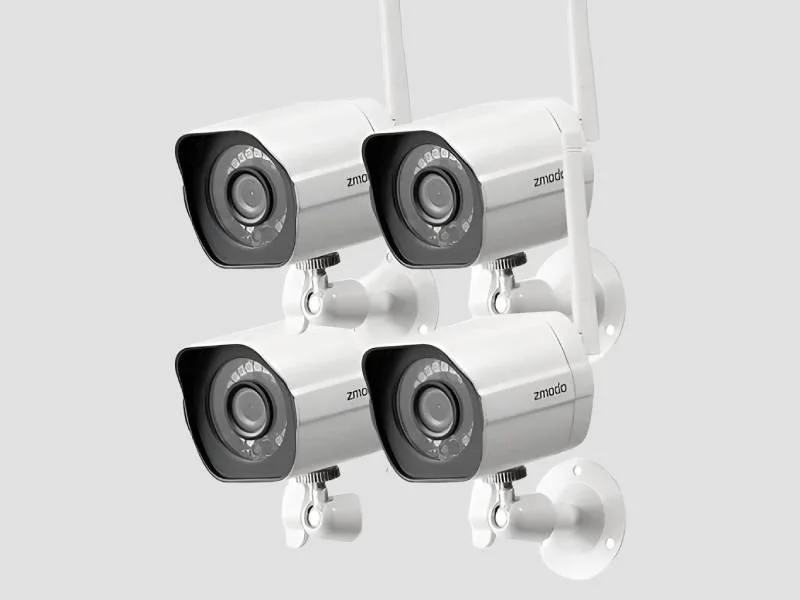
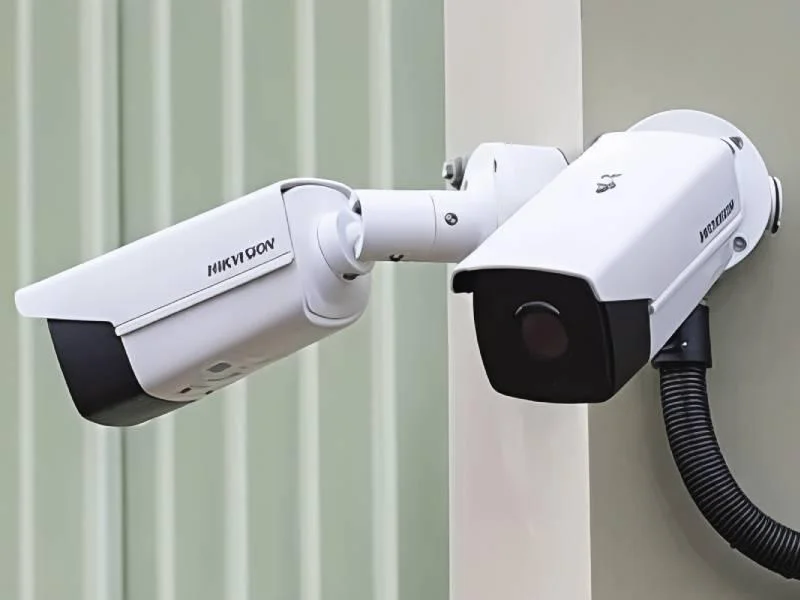
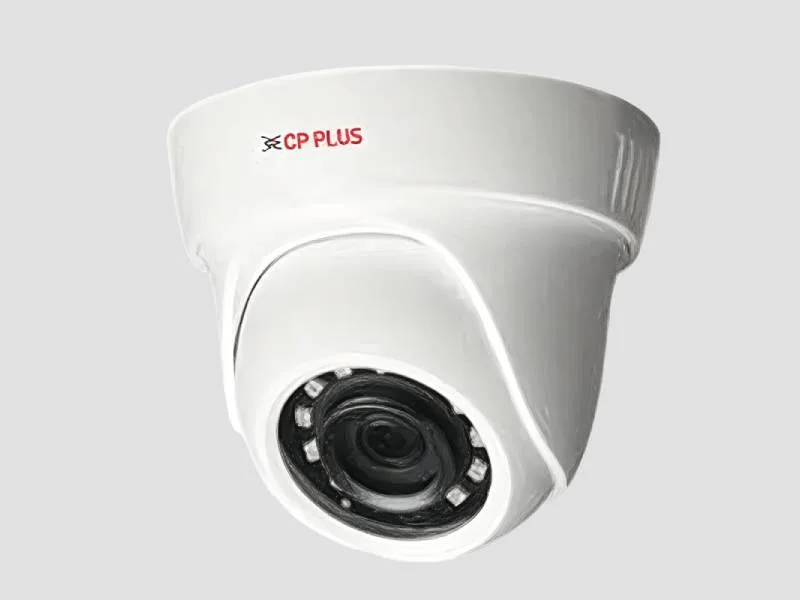
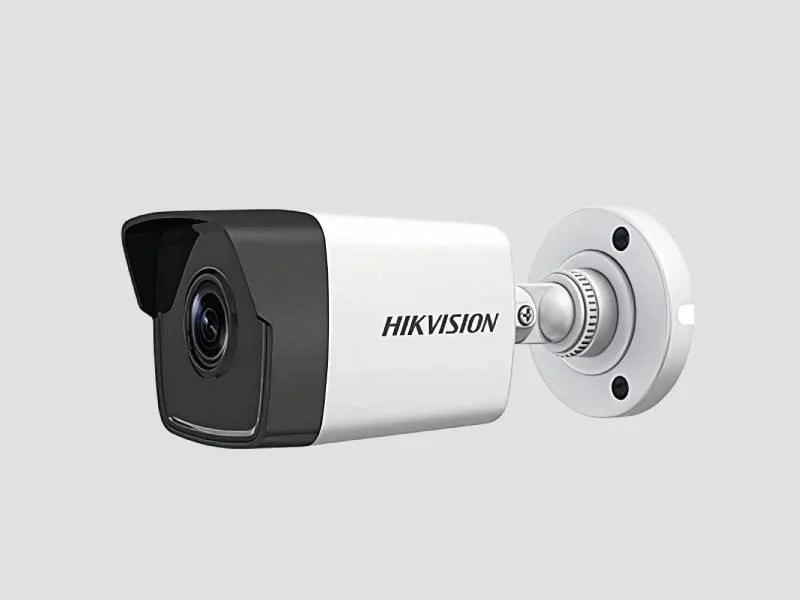
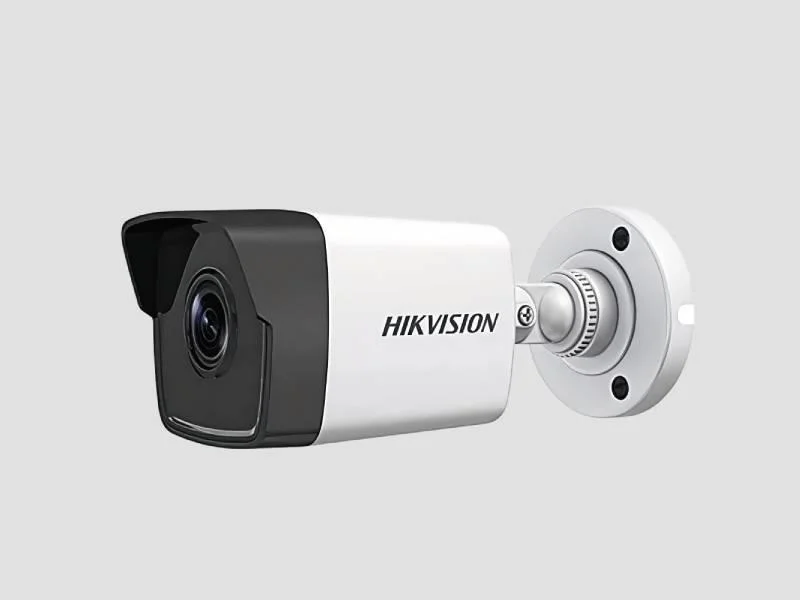
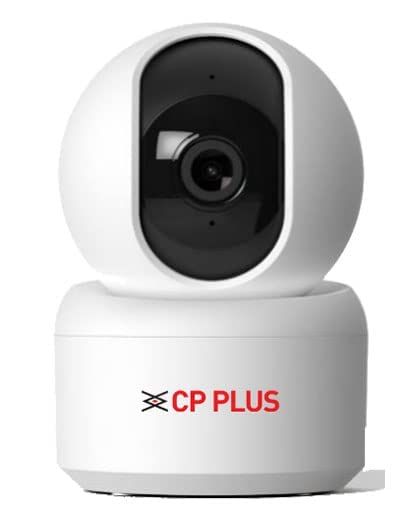
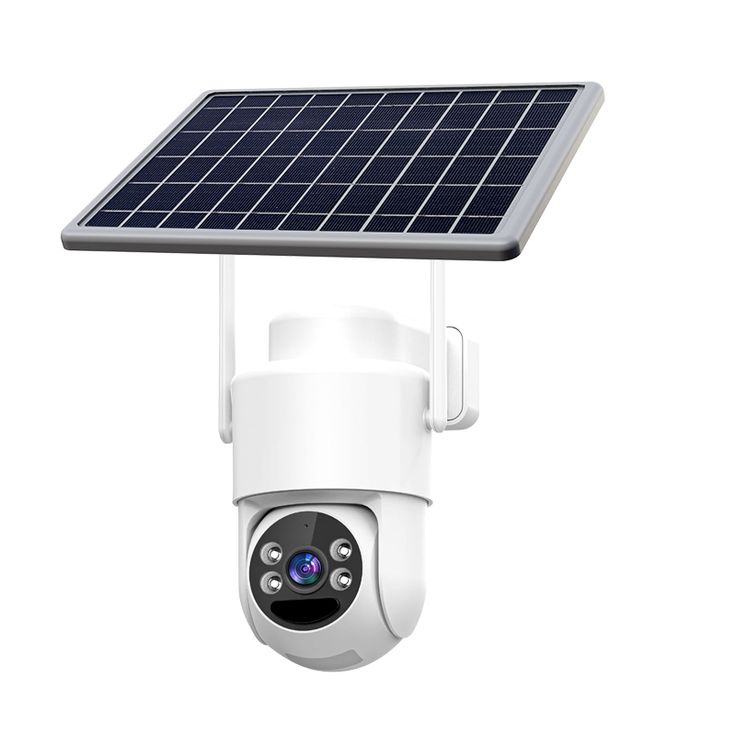
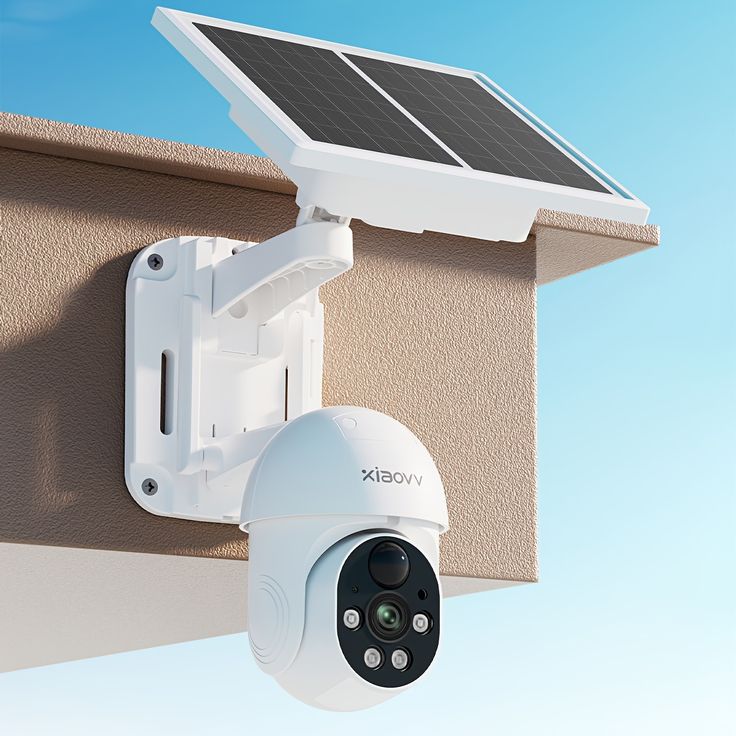
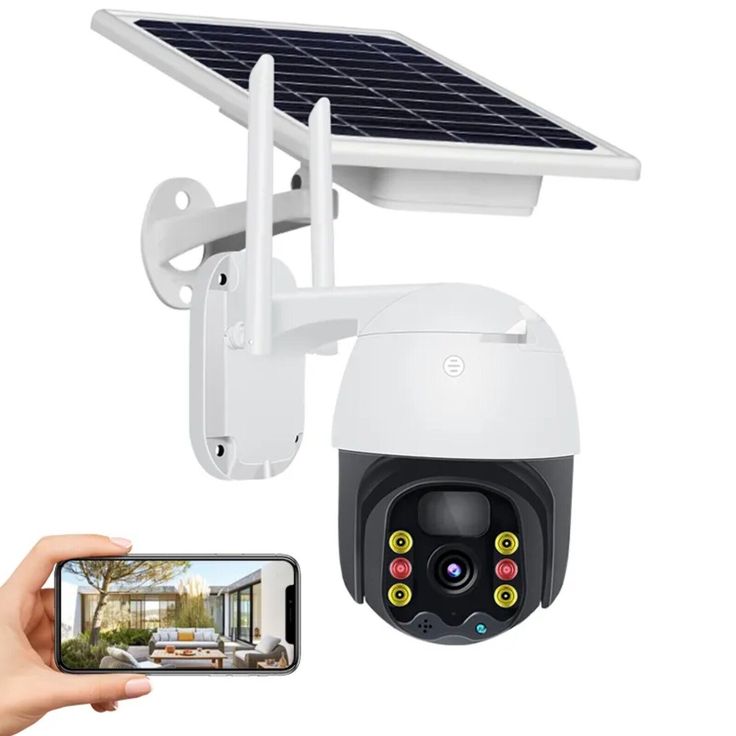
- Includes options such as dome, bullet, and PTZ (pan-tilt-zoom) cameras.
- Each type serves specific purposes based on installation location and surveillance requirements.
4. Night Vision
- Enables visibility in low-light conditions.
- Often achieved through infrared technology.
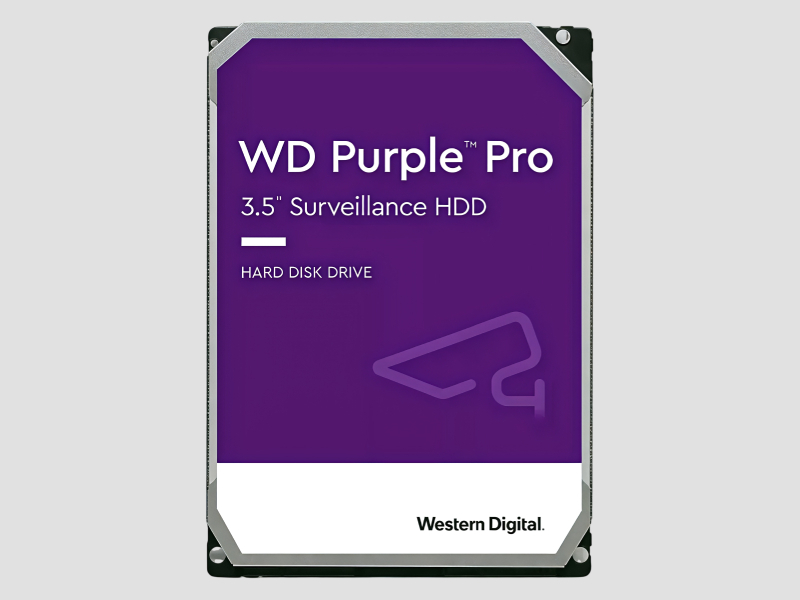
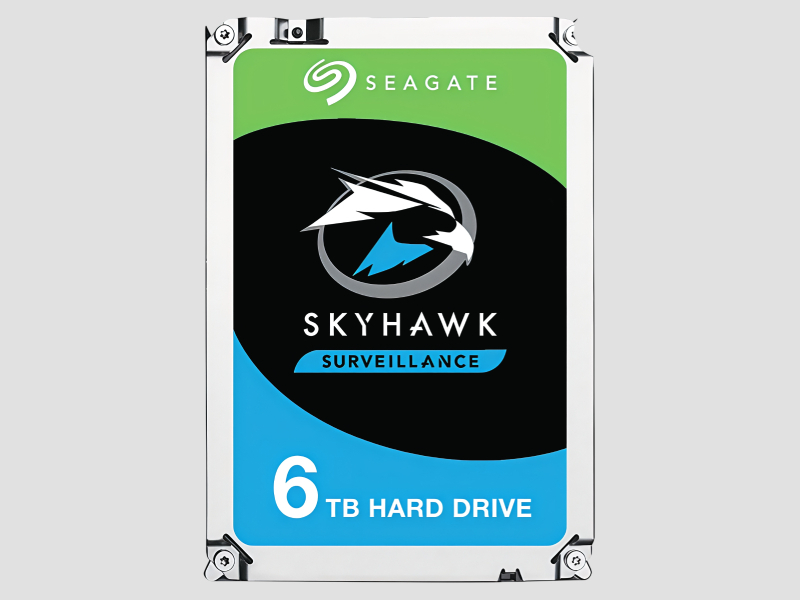
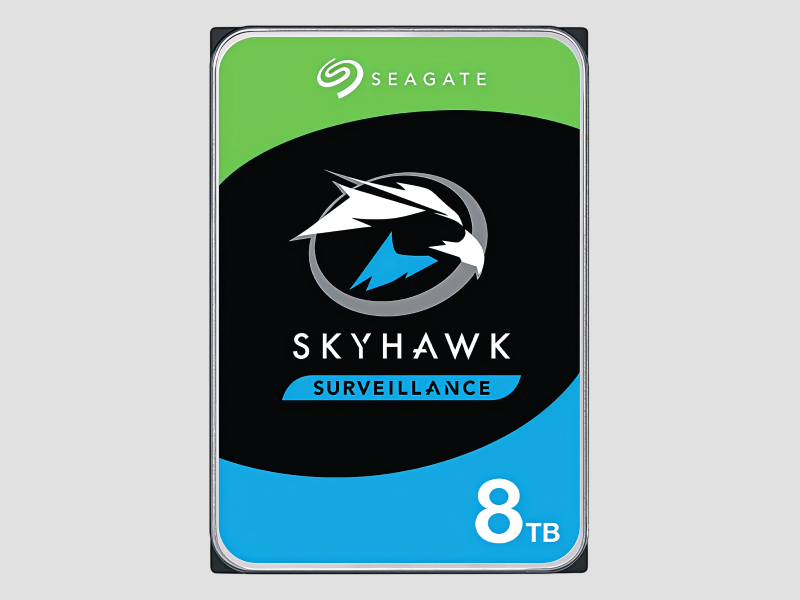
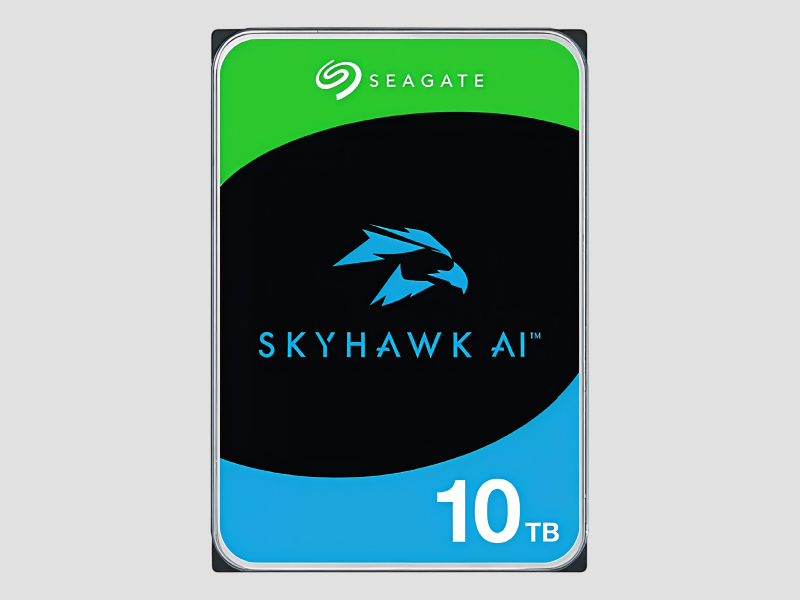
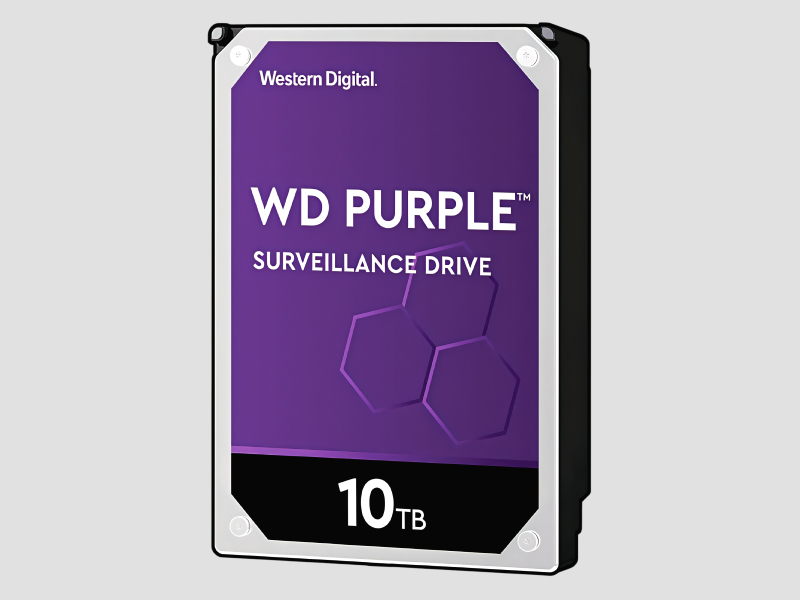
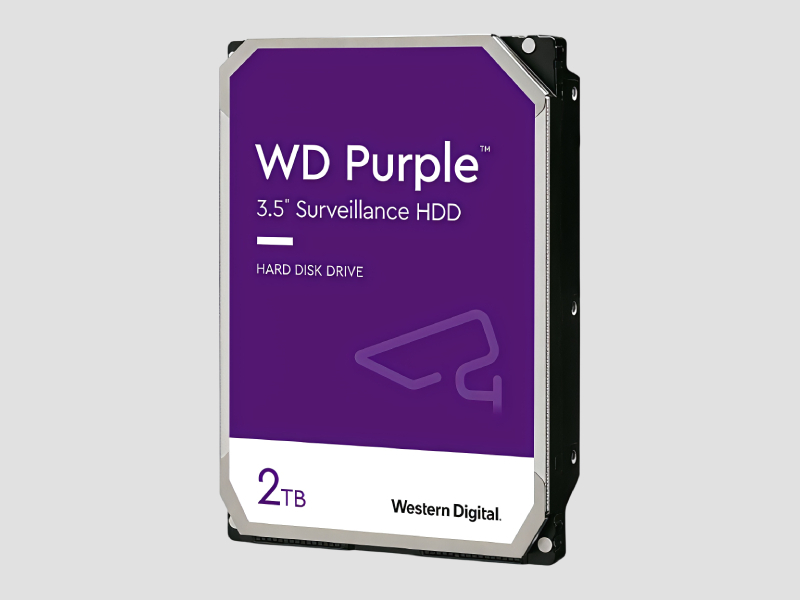
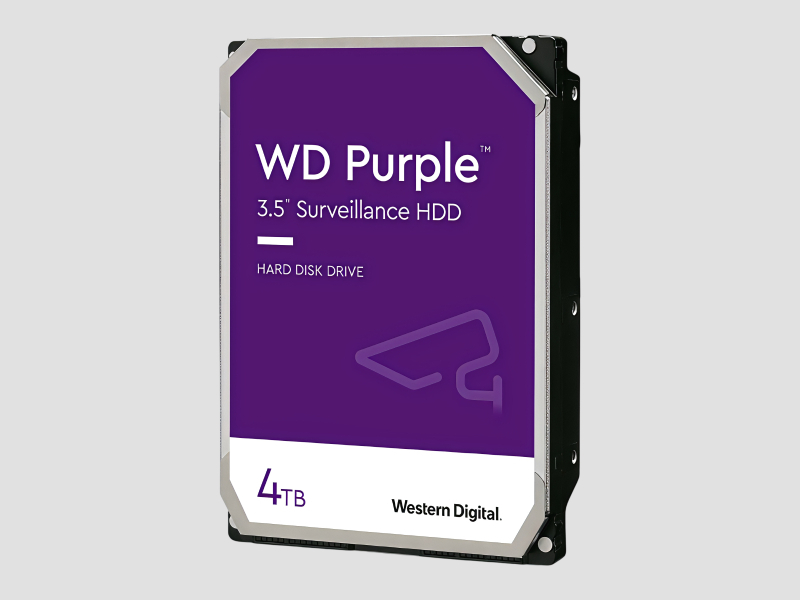
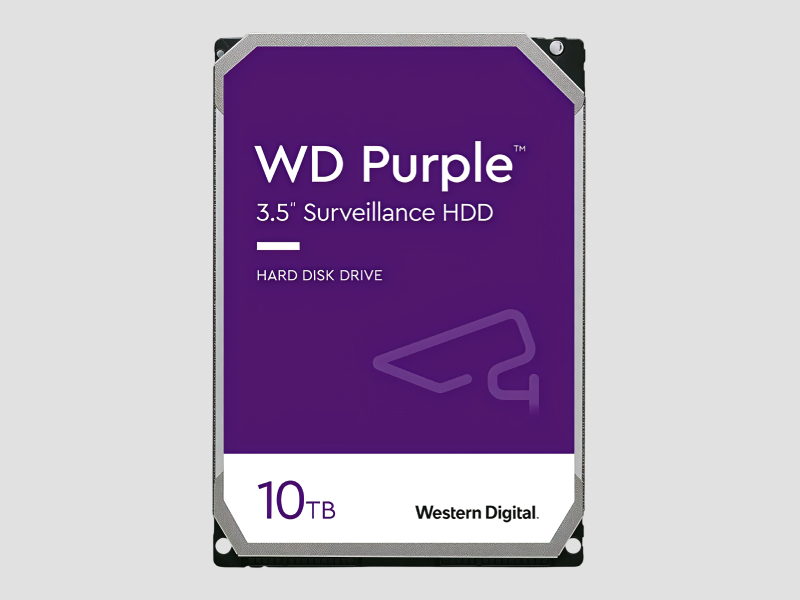
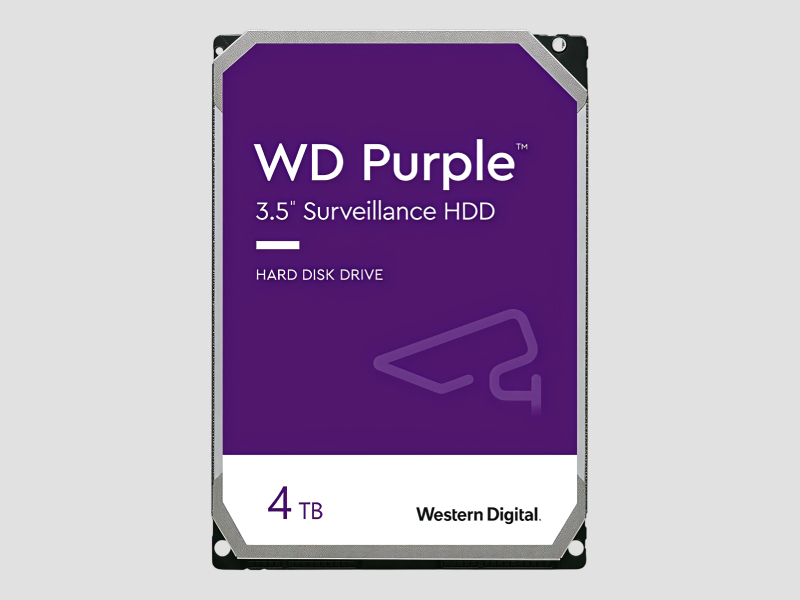
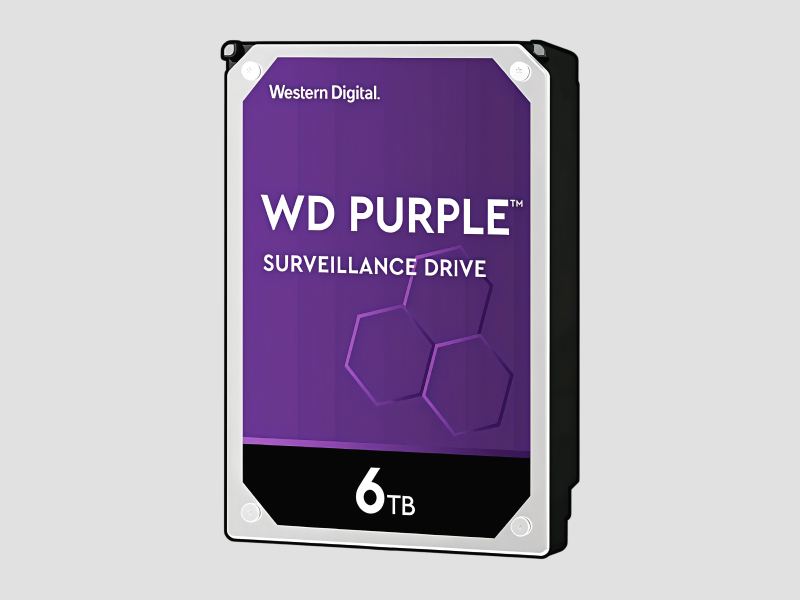
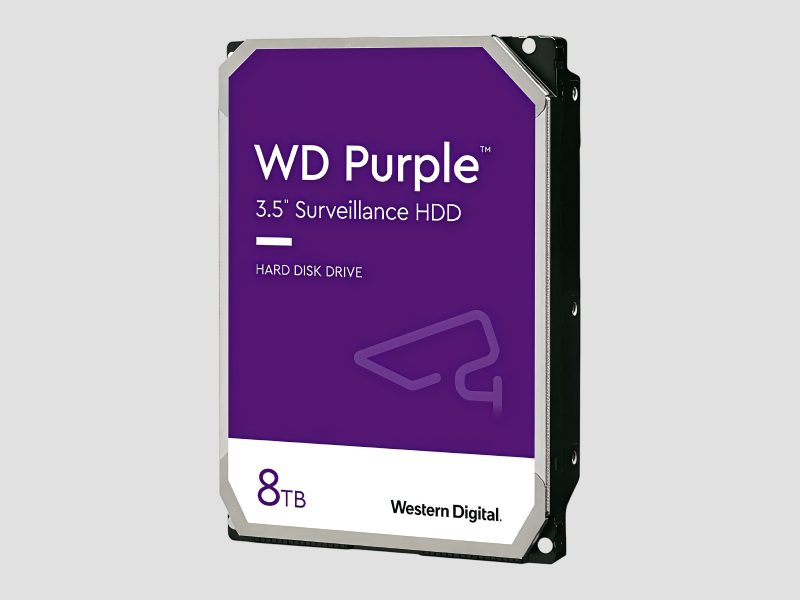
5. Storage Options
- Refers to how video footage is saved.
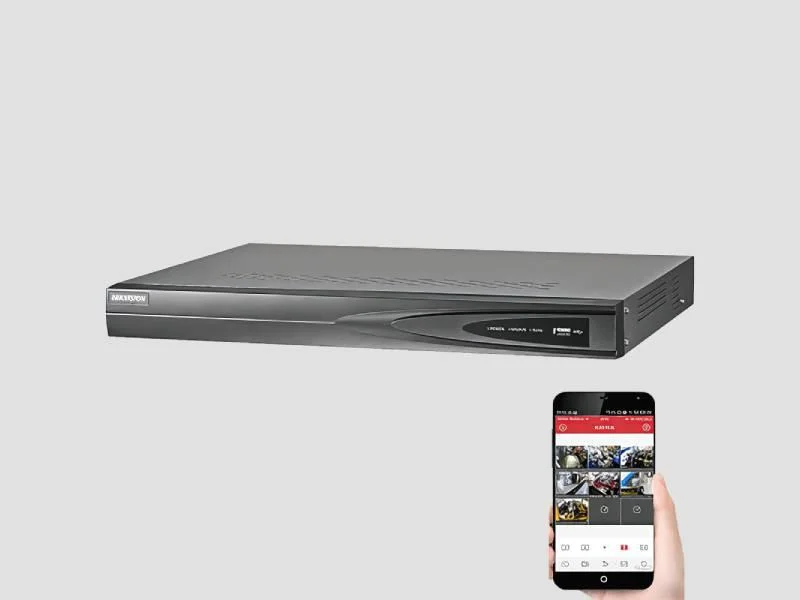
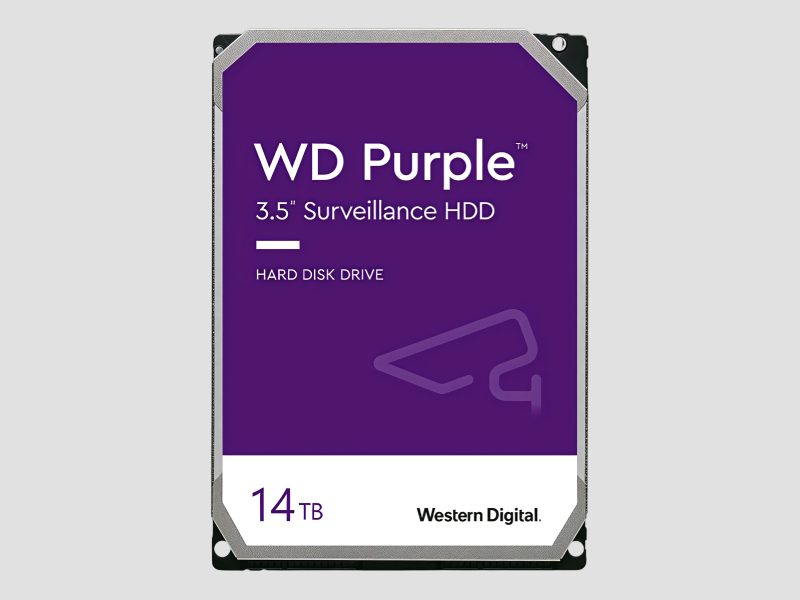
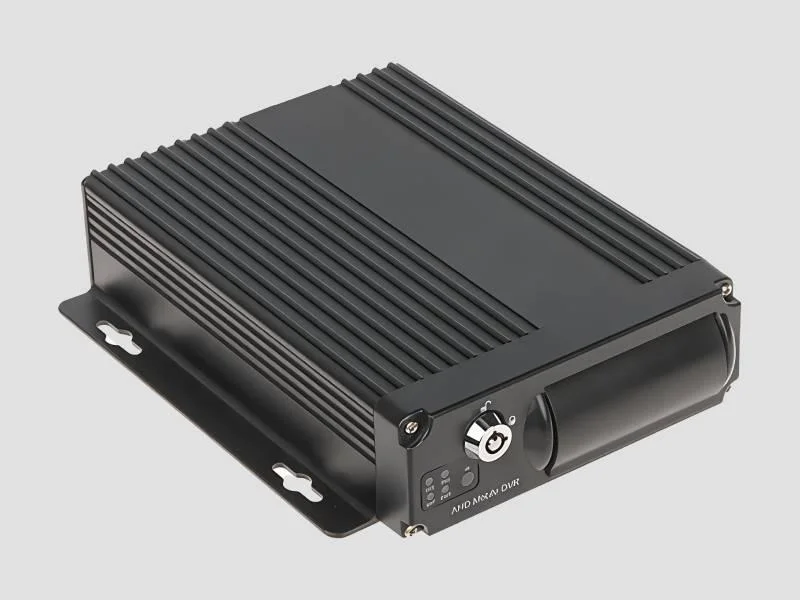
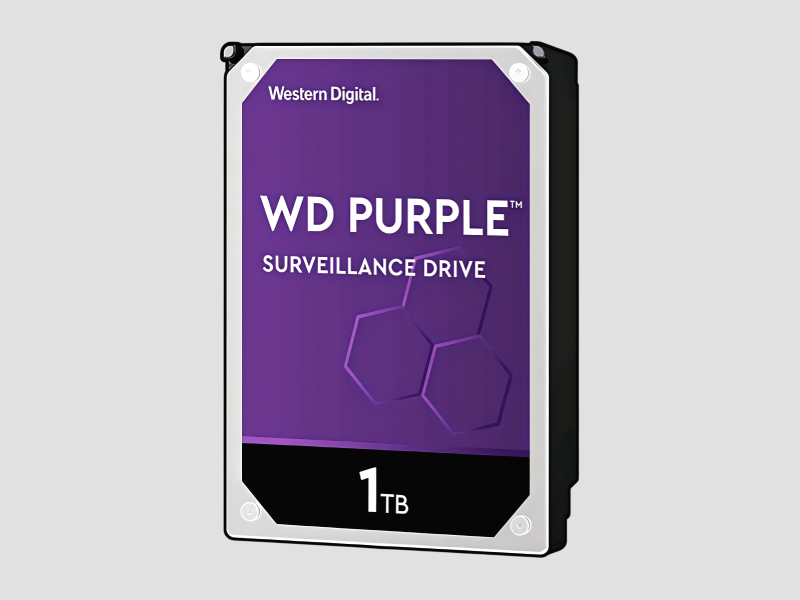
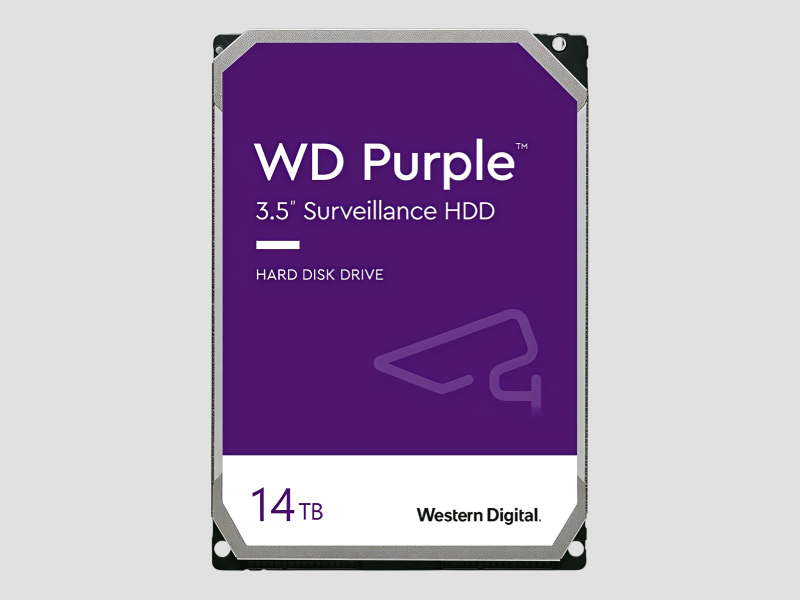
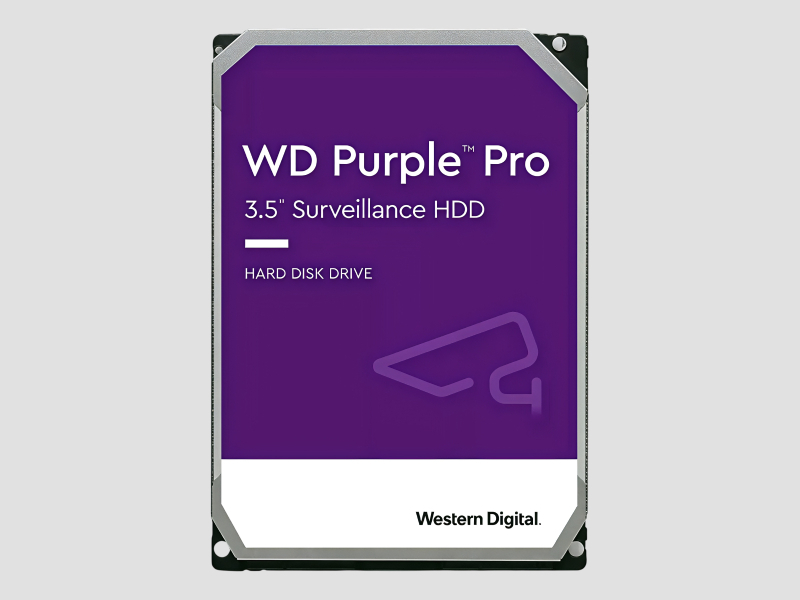
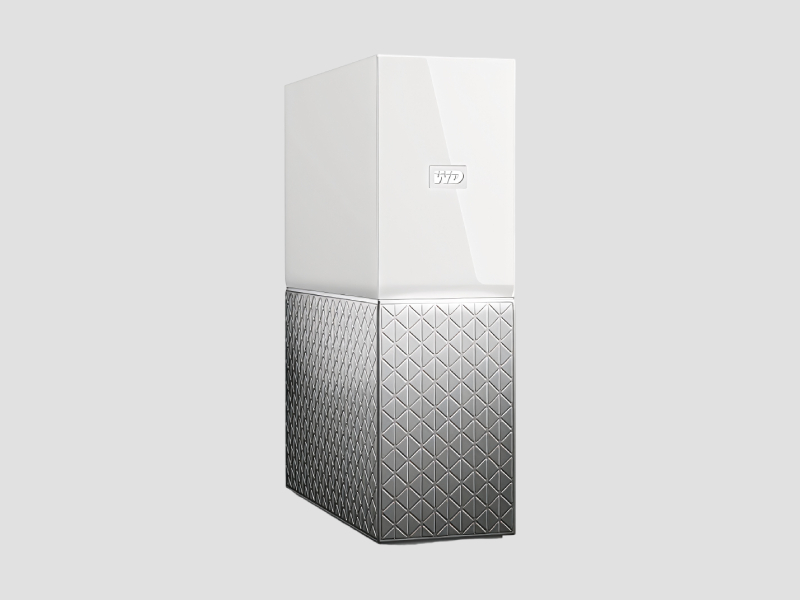
- Options include local storage on DVRs/NVRs or cloud-based solutions.
6. Connectivity
- Indicates whether the system is wired or wireless.
- Wireless systems offer flexibility in installation while wired systems provide stability.
7. Motion Detection
- Allows the system to record only when movement is detected.
- Helps save storage space and reduces the need for constant monitoring.
8. Remote Access
- Enables users to view live feeds or recorded video from anywhere via smartphones or computers.
- Enhances convenience and real-time monitoring capabilities.
In summary, understanding the features and specifications of CCTV, surveillance, and security systems helps businesses select the right solution for their specific security needs.
𝗖𝗼𝗺𝗺𝗼𝗻 𝗔𝗽𝗽𝗹𝗶𝗰𝗮𝘁𝗶𝗼𝗻𝘀 𝗮𝗻𝗱 𝗨𝘀𝗲 𝗖𝗮𝘀𝗲𝘀
CCTV, surveillance, and security systems are utilized across various industries to enhance safety and security measures.
1. Retail: These systems are crucial in deterring theft, monitoring store traffic, and ensuring staff safety.
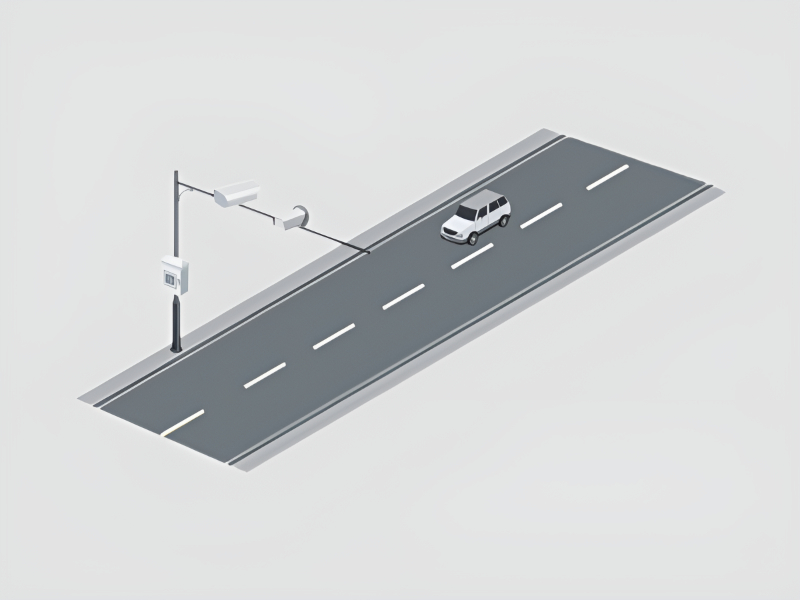
2. Transportation: Public transport systems use surveillance for passenger safety, monitoring traffic, and responding to incidents.
3. Healthcare: Hospitals deploy CCTV systems to protect patients, staff, and sensitive areas while ensuring compliance with safety regulations.
4. Education: Schools and universities utilize surveillance systems to enhance campus safety and monitor student activities.
5. Industrial: Manufacturing facilities implement surveillance to oversee operations, protect assets, and ensure employee safety.
6. Banking: Financial institutions use CCTV to monitor customer interactions and safeguard against theft and fraud.
7. Hospitality: Hotels and resorts deploy security systems for guest safety and to monitor public areas.
𝗣𝗿𝗼𝗱𝘂𝗰𝘁 𝗩𝗮𝗿𝗶𝗮𝗻𝘁𝘀 𝗮𝗻𝗱 𝗦𝘂𝗯𝗰𝗮𝘁𝗲𝗴𝗼𝗿𝗶𝗲𝘀
CCTV, surveillance, and security systems are diverse, offering various options tailored to specific needs and environments.
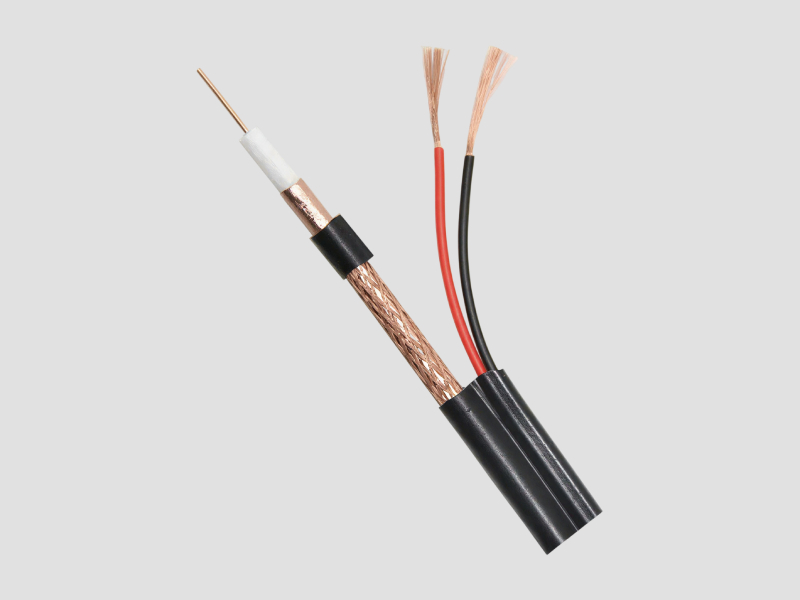
Analog CCTV Systems: This traditional technology transmits video signals through coaxial cables. They are cost-effective and suitable for smaller applications, ideal for businesses looking for basic surveillance.
IP Surveillance Systems: These modern systems use internet protocol for transmitting data. They provide higher resolution and advanced features, making them suitable for larger installations requiring remote access and integration with other security solutions.
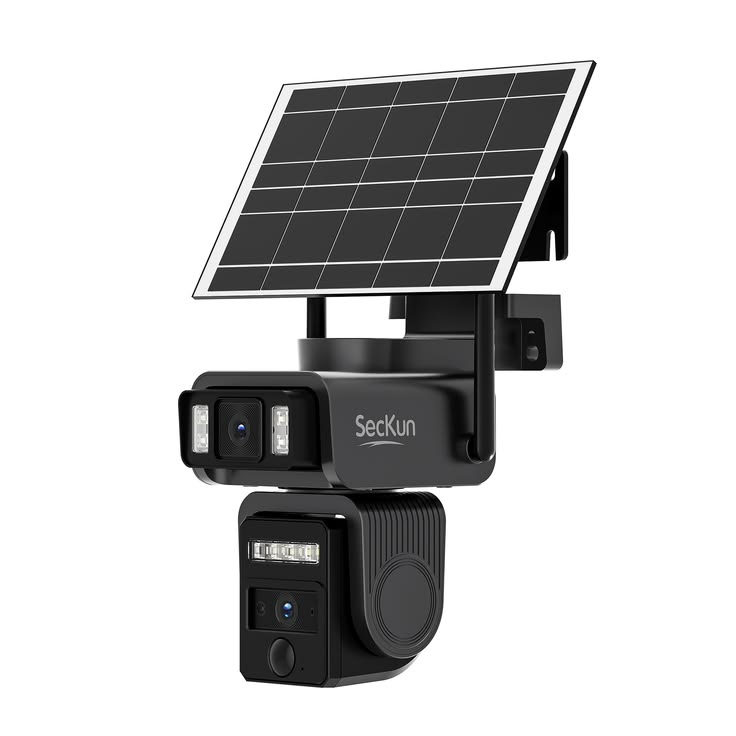
Wireless Security Systems: These systems eliminate the need for extensive cabling, making installation easier and more flexible. They are particularly advantageous for locations where wiring is challenging or where mobility is required.
PTZ Cameras: These cameras allow remote control of pan, tilt, and zoom functions, providing versatile monitoring options for large areas. They are ideal for applications needing active surveillance.
𝗕𝗲𝗻𝗲𝗳𝗶𝘁𝘀 𝗮𝗻𝗱 𝗔𝗱𝘃𝗮𝗻𝘁𝗮𝗴𝗲𝘀
CCTV, surveillance, and security systems offer numerous benefits to businesses and organizations.
Key benefits include:
1. Enhanced Security: These systems deter criminal activity and provide a sense of safety for employees and customers.
2. Real-Time Monitoring: Businesses can monitor activities as they happen, allowing for immediate responses to incidents.
3. Evidence Collection: Recorded footage serves as valuable evidence in investigations and legal matters.
4. Increased Productivity: By monitoring employee activities, organizations can ensure productivity and adherence to company policies.
5. Remote Access: Users can access live feeds and recorded footage from anywhere, enhancing monitoring capabilities.
6. Cost Efficiency: With advanced technology, these systems can reduce the need for on-site security personnel, lowering operational costs.
𝗕𝘂𝘆𝗶𝗻𝗴 𝗚𝘂𝗶𝗱𝗲 𝗳𝗼𝗿 𝗕𝟮𝗕 𝗕𝘂𝘆𝗲𝗿𝘀
When sourcing CCTV, surveillance, and security systems, several factors should be considered to ensure the right fit for your business needs.
1. Quality Assessment: Assess the quality of the products by reviewing specifications, customer testimonials, and case studies. Look for reputable brands known for reliability.
2. Supplier Verification: Vet potential suppliers by checking their industry reputation, experience, and customer service support. Ensure they provide necessary certifications.
3. Pricing and MOQ: Understand the pricing structure of the systems and inquire about minimum order quantities. Balance cost with quality to find the best value.
4. Delivery and Lead Times: Discuss logistics with suppliers to determine delivery schedules and lead times. Ensure they can meet your project timelines.
5. Compliance Requirements: Be aware of any regulatory standards your systems must meet, including safety and quality certifications. Ensure suppliers comply with industry standards.
𝗖𝗼𝗺𝗽𝗹𝗶𝗮𝗻𝗰𝗲 𝗮𝗻𝗱 𝗖𝗲𝗿𝘁𝗶𝗳𝗶𝗰𝗮𝘁𝗶𝗼𝗻𝘀
CCTV, surveillance, and security systems are subject to various compliance and certification requirements that ensure safety and quality.
ISO 9001 is a quality management standard that helps organizations demonstrate their ability to consistently provide products that meet customer and regulatory requirements.
CE certification indicates that the products comply with European health, safety, and environmental protection standards. This certification is crucial for products distributed within the European market.
Safety and testing requirements vary by region but generally include rigorous testing to ensure the systems can withstand environmental conditions and operate reliably.
It is important to consider regional compliance as regulations may differ across countries. Buyers should ensure that systems sourced adhere to local laws and standards to avoid legal issues.
𝗪𝗵𝘆 𝗦𝗼𝘂𝗿𝗰𝗲 𝗖𝗖𝗧𝗩, 𝗦𝘂𝗿𝘃𝗲𝗶𝗹𝗹𝗮𝗻𝗰𝗲 & 𝗦𝗲𝗰𝘂𝗿𝗶𝘁𝘆 𝗦𝘆𝘀𝘁𝗲𝗺𝘀 𝗳𝗿𝗼𝗺 𝗣𝗲𝗽𝗮𝗴𝗼𝗿𝗮?
Pepagora offers a trusted platform for sourcing CCTV, surveillance, and security systems, providing several key advantages for B2B buyers.
Verified Supplier Network: Pepagora connects buyers with a network of verified suppliers, ensuring that each vendor meets stringent quality and reliability standards. This network enhances the purchasing process and fosters trust.
Streamlined RFQ Process: The request for quotation process at Pepagora is designed to be efficient, allowing buyers to receive competitive quotes from multiple suppliers quickly. This streamlining saves time and facilitates better decision-making.
Trade Assurance and Support: Pepagora provides trade assurance, protecting buyers from potential disputes and ensuring a smoother transaction process. Support services are available to guide buyers through the sourcing journey.
Regional Coverage: With a geographic reach that includes India, the GCC, and Southeast Asia, Pepagora caters to a wide range of markets. This regional coverage ensures that buyers can find suitable suppliers that meet their specific needs.
In summary, sourcing CCTV, surveillance, and security systems from Pepagora not only simplifies the buying process but also enhances the overall purchasing experience through quality assurance and support.

 IN
IN