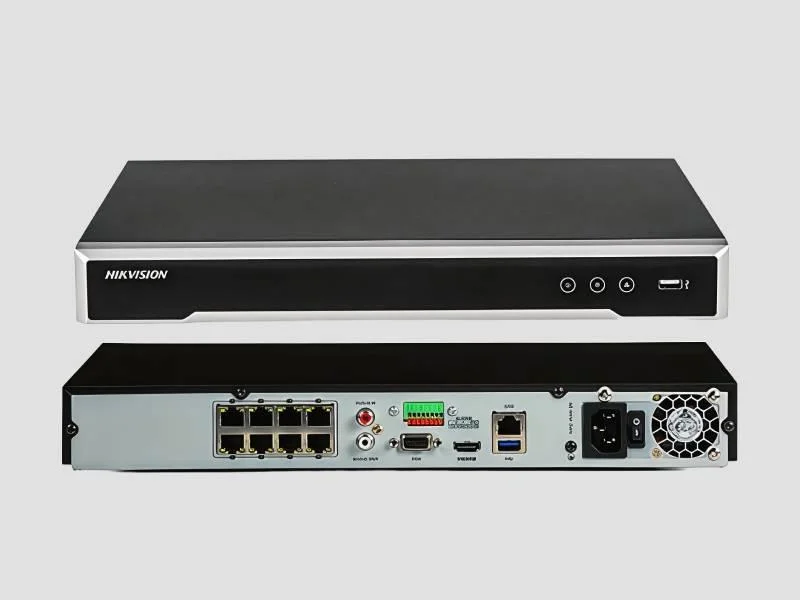
What are NVRs (Network Video Recorders)?
Network Video Recorders, or NVRs, are specialized devices that manage video data captured by IP cameras. Unlike traditional DVRs, which are used with analog cameras, NVRs operate over a network, allowing for greater flexibility in video surveillance setups. They receive video streams from the cameras and store them for later retrieval and analysis. NVRs can be connected to multiple cameras, enabling centralized monitoring and management of surveillance footage.
NVRs are primarily used in security and surveillance applications across various business sectors. They play a critical role in ensuring safety in places such as retail stores, corporate offices, manufacturing facilities, and public spaces. Businesses utilize NVRs to monitor activities, deter theft, and gather evidence in case of incidents. As security concerns continue to grow, the demand for reliable video surveillance solutions, including NVRs, has increased significantly across different industries.
The relevance of NVRs in today's market cannot be overstated. With advancements in technology, NVRs have evolved to provide high-definition video quality, remote access capabilities, and advanced analytics. The increasing need for enhanced security measures has led to a robust market for NVRs, making them a preferred choice for businesses looking to improve their surveillance systems.
๐๐ฒ๐ ๐๐ฒ๐ฎ๐๐๐ฟ๐ฒ๐ ๐ฎ๐ป๐ฑ ๐ฆ๐ฝ๐ฒ๐ฐ๐ถ๐ณ๐ถ๐ฐ๐ฎ๐๐ถ๐ผ๐ป๐
NVRs come with a range of features that enhance their usability and effectiveness in video surveillance applications. Understanding the key specifications is essential for businesses looking to invest in these devices.
Key specifications include:
1. Recording Capacity
- The amount of video data the NVR can store, often measured in terabytes (TB).
- Higher storage capacity allows for longer retention of recorded footage.
2. Number of Channels
- The number of IP cameras that can be connected to the NVR.
- Common configurations include 4, 8, 16, or more channels.
3. Video Compression Standards
- Technologies such as H.264, H.265, or MJPEG that reduce file size while maintaining video quality.
- Efficient compression extends storage life and reduces bandwidth usage.
4. Remote Access
- Capability to access live and recorded footage via mobile apps or web browsers.
- Facilitates monitoring from anywhere with internet connectivity.
5. User Interface
- The ease of use of the software interface for managing recordings and settings.
- Intuitive interfaces enhance user experience and operational efficiency.
6. Network Connectivity
- Options for Ethernet, Wi-Fi, or PoE (Power over Ethernet) connections.
- Reliable connectivity ensures uninterrupted video streaming.
7. Backup Options
- Availability of features for local or cloud-based backup.
- Ensures data security and recoverability in case of hardware failure.
8. Integration Capabilities
- Ability to integrate with other security systems like alarms or access control.
- Enhances overall security infrastructure and response capabilities.
In summary, understanding the key features and specifications of NVRs is essential for selecting the right device for specific surveillance needs. The right combination of capacity, connectivity, and usability will ensure effective monitoring and management of security footage.
๐๐ผ๐บ๐บ๐ผ๐ป ๐๐ฝ๐ฝ๐น๐ถ๐ฐ๐ฎ๐๐ถ๐ผ๐ป๐ ๐ฎ๐ป๐ฑ ๐จ๐๐ฒ ๐๐ฎ๐๐ฒ๐
NVRs are versatile tools used in various industries for specific applications.
1. Retail: NVRs are commonly used in retail environments to monitor customer behavior, prevent theft, and ensure staff safety. They help retailers analyze foot traffic and make informed business decisions.
2. Corporate Offices: In corporate settings, NVRs provide security for sensitive areas by monitoring access points and common areas. They are essential for maintaining a safe workplace environment.
3. Warehousing and Logistics: NVRs assist in monitoring loading docks and storage areas to prevent theft and ensure compliance with safety regulations. They help improve operational efficiency.
4. Education: Schools and universities use NVRs to enhance campus security and monitor activities in classrooms and common areas. This helps in creating a safe learning environment.
5. Transportation: In the transportation sector, NVRs are utilized in buses, trains, and airports to monitor passenger safety and ensure compliance with regulations. They play a critical role in incident management.
6. Public Safety: NVRs are deployed in public spaces such as parks and city centers to deter crime and provide law enforcement with valuable evidence in the event of incidents.
7. Healthcare: In healthcare facilities, NVRs are used to ensure patient safety and monitor sensitive areas such as pharmacies and emergency rooms. They help in maintaining compliance with health regulations.
๐ฃ๐ฟ๐ผ๐ฑ๐๐ฐ๐ ๐ฉ๐ฎ๐ฟ๐ถ๐ฎ๐ป๐๐ ๐ฎ๐ป๐ฑ ๐ฆ๐๐ฏ๐ฐ๐ฎ๐๐ฒ๐ด๐ผ๐ฟ๐ถ๐ฒ๐
NVRs come in various configurations to meet different surveillance needs. Each variant offers unique features tailored to specific applications.
Compact NVRs: These models are designed for small to medium-sized installations, perfect for retail shops or small offices. They are user-friendly and easy to install, making them ideal for businesses with limited technical expertise.
Enterprise NVRs: Tailored for larger installations, these devices support numerous channels and high storage capacities. They are suitable for corporations and large facilities requiring comprehensive surveillance coverage.
Cloud NVRs: These solutions provide remote storage and management through cloud services. They are ideal for businesses that prioritize flexibility and want to minimize on-site hardware.
๐๐ฒ๐ป๐ฒ๐ณ๐ถ๐๐ ๐ฎ๐ป๐ฑ ๐๐ฑ๐๐ฎ๐ป๐๐ฎ๐ด๐ฒ๐
Investing in NVRs offers numerous benefits for businesses looking to enhance their security measures.
Key benefits include:
1. Scalability: NVRs can easily be expanded to accommodate additional cameras, making them suitable for growing businesses.
2. Cost-Effectiveness: Over time, NVRs can reduce costs associated with storage and bandwidth usage through efficient video compression.
3. Remote Monitoring: The ability to access footage from anywhere enhances security management and response times.
4. High-Quality Recording: NVRs support high-definition video, providing clearer images for better surveillance and evidence collection.
5. User-Friendly Interfaces: Many NVRs come with intuitive software that simplifies the management of video feeds and recordings.
6. Integration Capabilities: NVRs can be integrated with existing security systems, enhancing overall security measures and response strategies.
๐๐๐๐ถ๐ป๐ด ๐๐๐ถ๐ฑ๐ฒ ๐ณ๐ผ๐ฟ ๐๐ฎ๐ ๐๐๐๐ฒ๐ฟ๐
When sourcing NVRs (Network Video Recorders), businesses should consider several critical factors to ensure they make informed purchasing decisions.
1. Quality Assessment: Evaluate the build quality and reliability of the NVR. Look for reputable brands with a proven track record in the industry.
2. Supplier Verification: Conduct thorough research on potential suppliers. Check for customer reviews and ask for references to ensure reliability.
3. Pricing and MOQ: Understand the pricing structure and minimum order quantities. Look for options that provide value without compromising on quality.
4. Delivery and Lead Times: Inquire about delivery schedules and lead times to ensure timely installation and operational readiness.
5. Compliance Requirements: Ensure that the NVRs meet industry-specific compliance and regulatory standards, which can vary by sector and region.
๐๐ผ๐บ๐ฝ๐น๐ถ๐ฎ๐ป๐ฐ๐ฒ ๐ฎ๐ป๐ฑ ๐๐ฒ๐ฟ๐๐ถ๐ณ๐ถ๐ฐ๐ฎ๐๐ถ๐ผ๐ป๐
NVRs must adhere to various quality standards and industry certifications to ensure reliability and safety in their operation.
Relevant quality standards such as ISO 9001 provide a framework for quality management systems, ensuring that manufacturers maintain high-quality production processes. Compliance with these standards can enhance product reliability and consumer trust.
Industry certifications, including CE, indicate that the NVRs meet European safety and health requirements. This certification provides assurance that the devices are safe for use in various environments.
Safety and testing requirements are critical components of NVR production. Manufacturers must conduct rigorous testing to ensure that their products can withstand different operational conditions.
Regional compliance considerations are also important, as different regions may have specific regulations that NVRs must meet. Understanding these requirements can help businesses avoid legal issues and ensure smooth operations.
Why Source NVRs (Network Video Recorders) from Pepagora?
Pepagora offers a trusted platform for sourcing NVRs (Network Video Recorders), providing several key advantages for businesses.
Verified Supplier Network: Pepagora connects buyers with a network of verified suppliers. This ensures that businesses can trust the quality and reliability of the products they purchase.
Streamlined RFQ Process: The request for quotation (RFQ) process is designed to be efficient, allowing buyers to easily compare options and make informed decisions quickly.
Trade Assurance and Support: Pepagora provides buyer protection through trade assurance programs, ensuring that businesses receive the products as promised and have support in case of issues.
Regional Coverage: With a strong presence in India, the GCC, and Southeast Asia, Pepagora caters to a diverse range of businesses, ensuring that they can find the right NVRs for their specific needs.