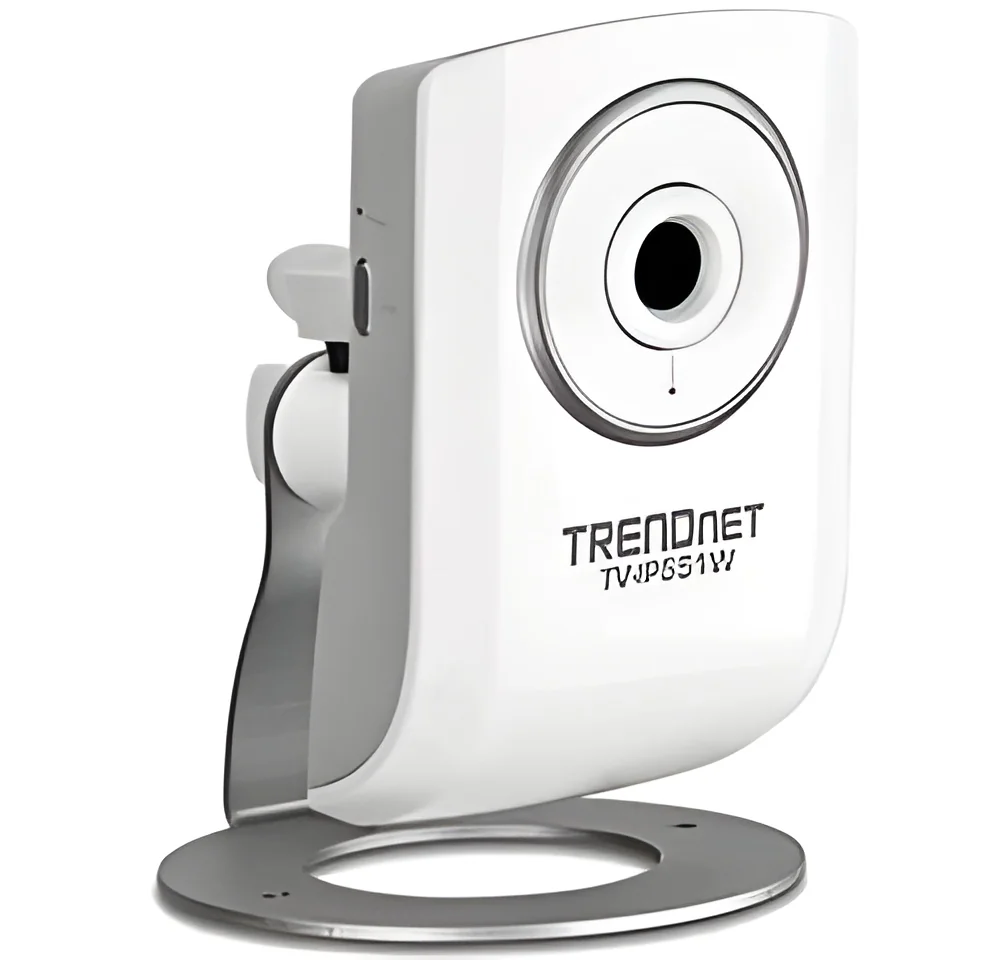
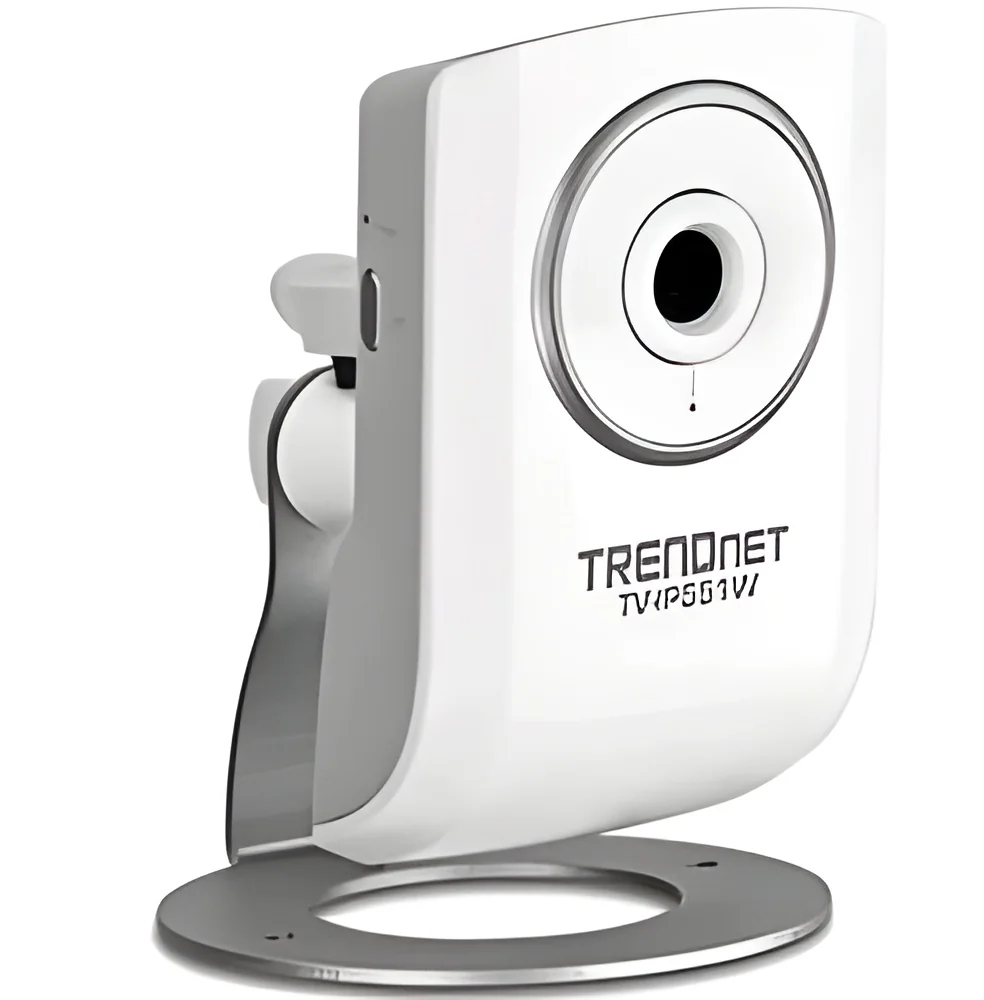
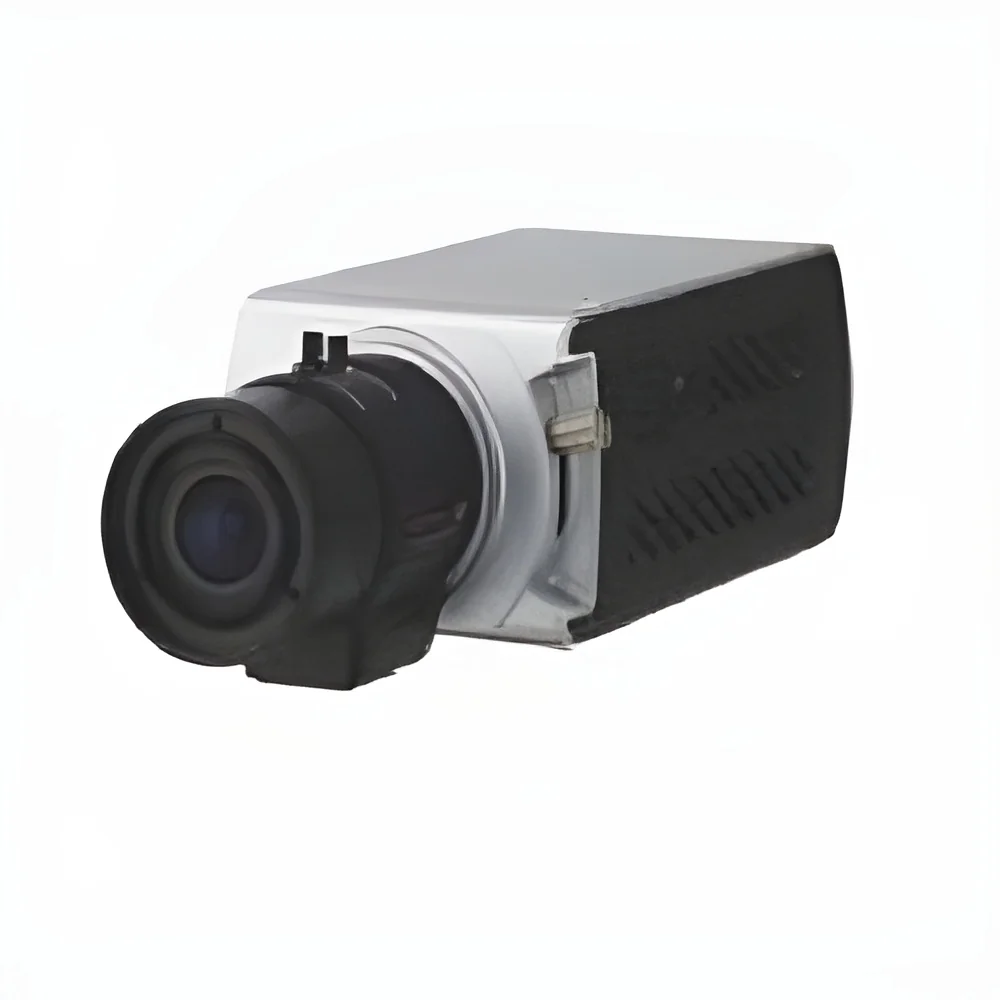
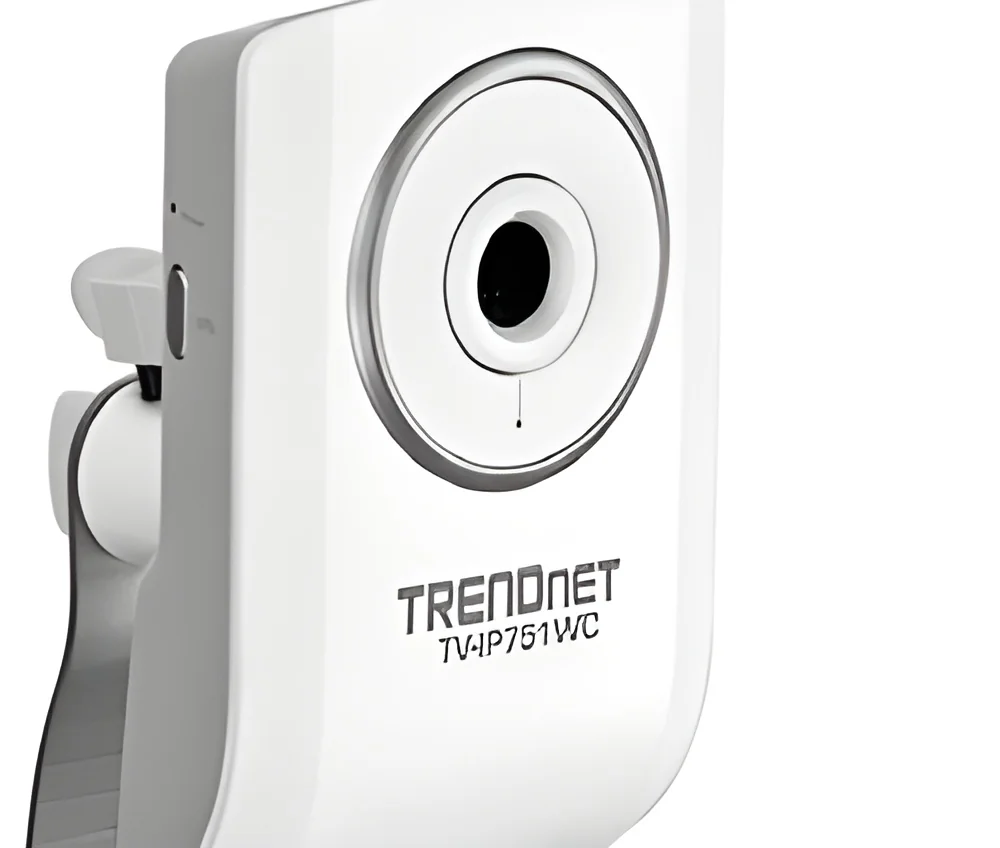
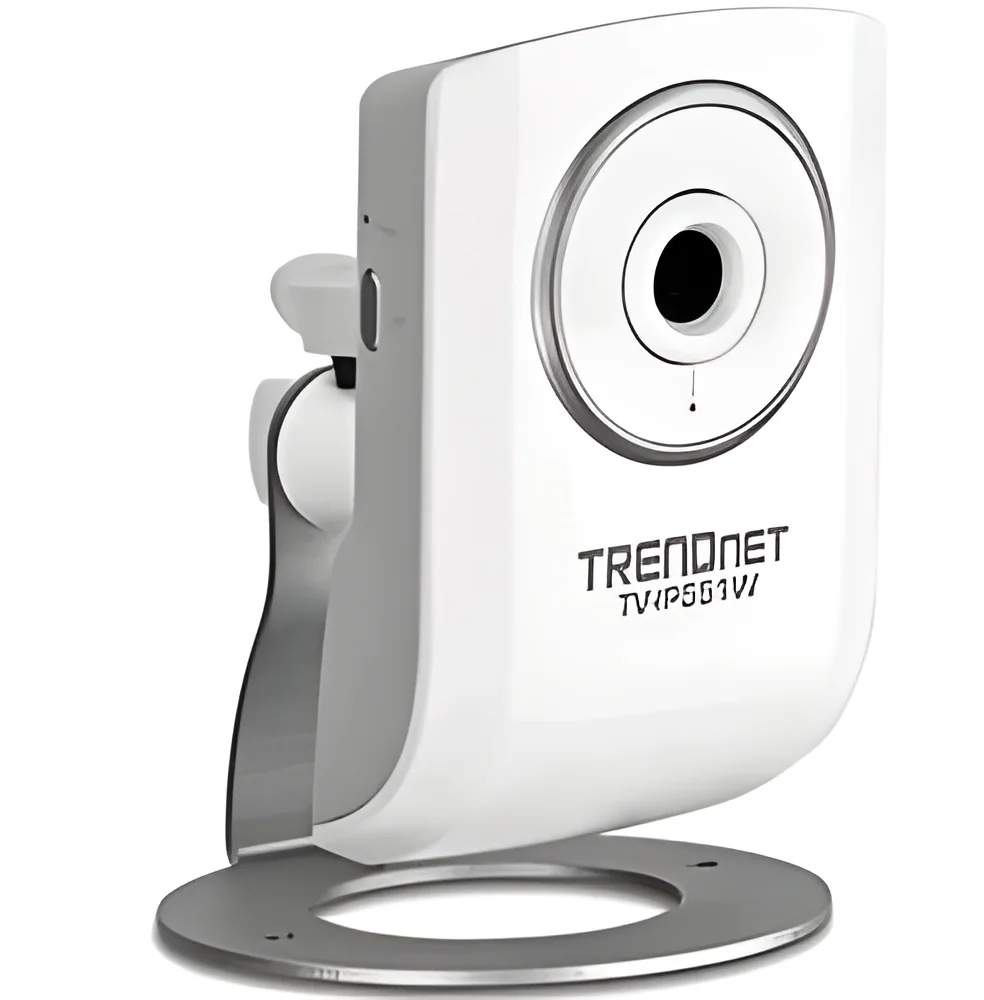
What are Wireless Security Cameras?
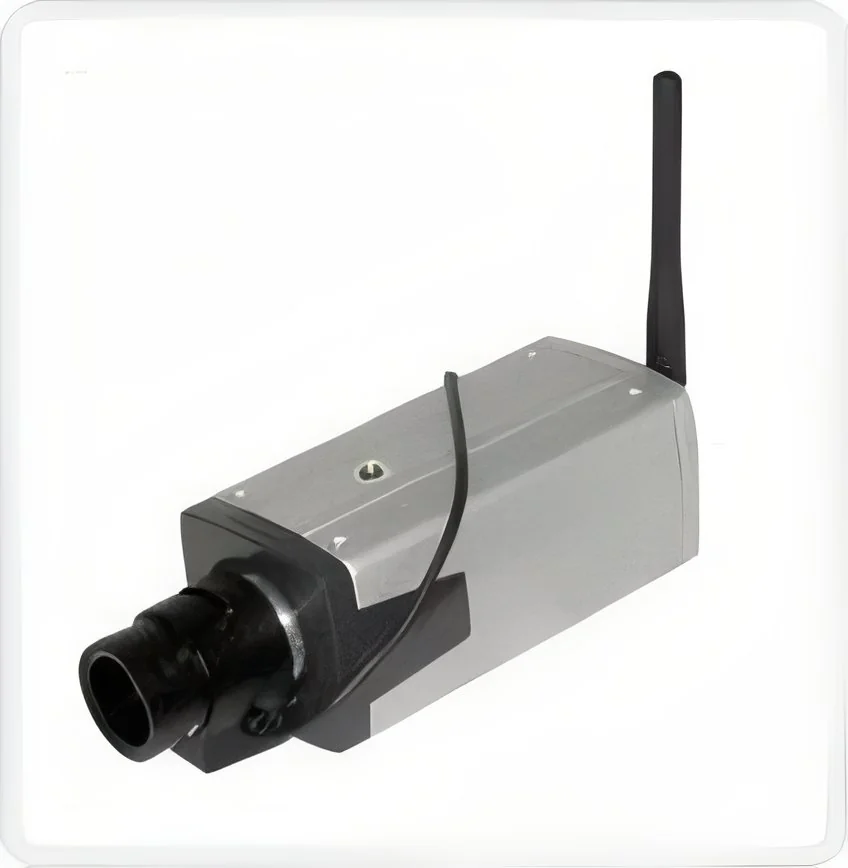
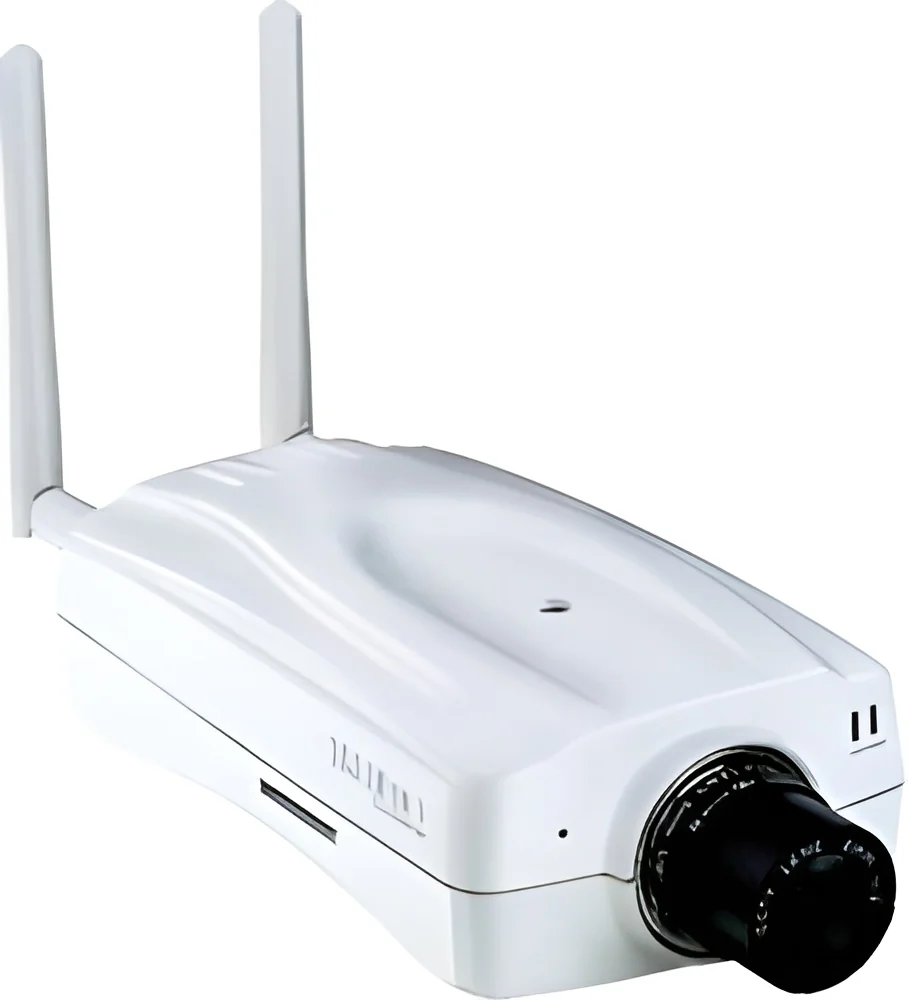
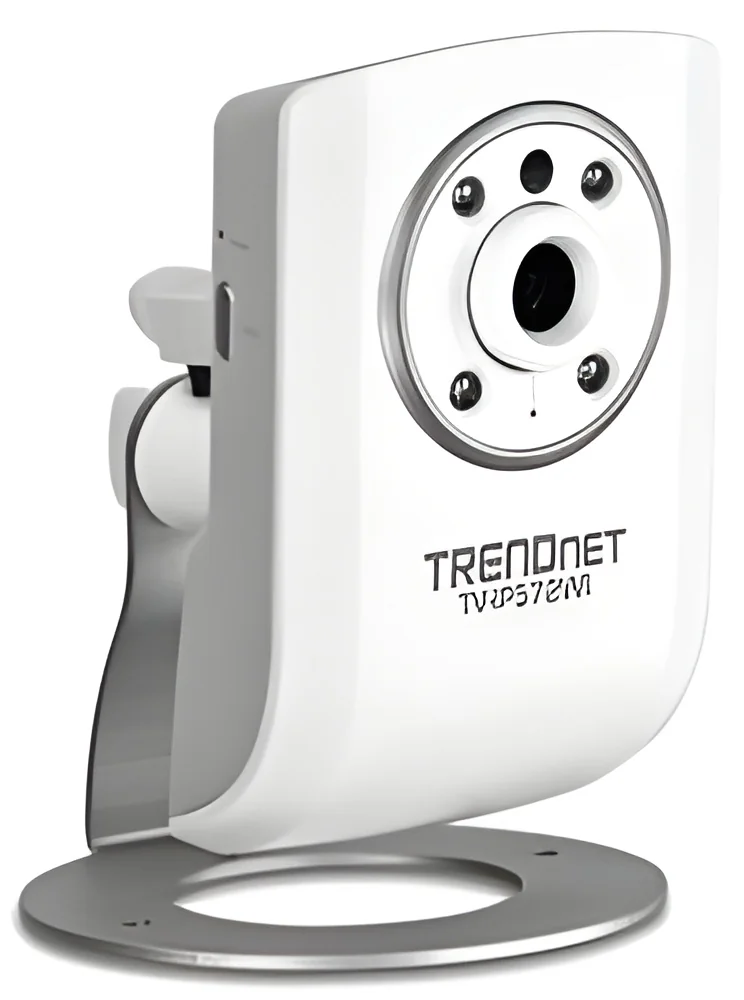
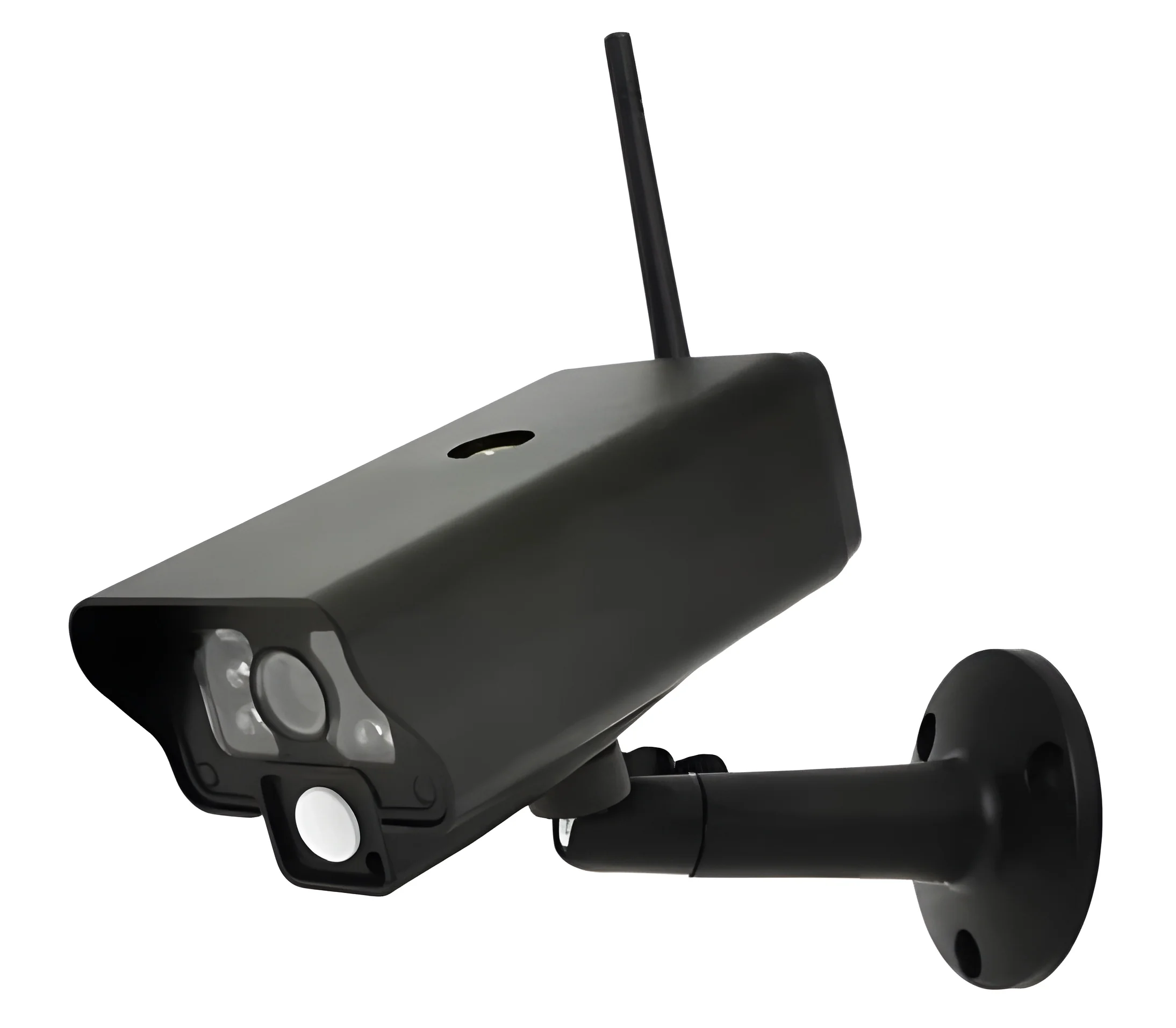
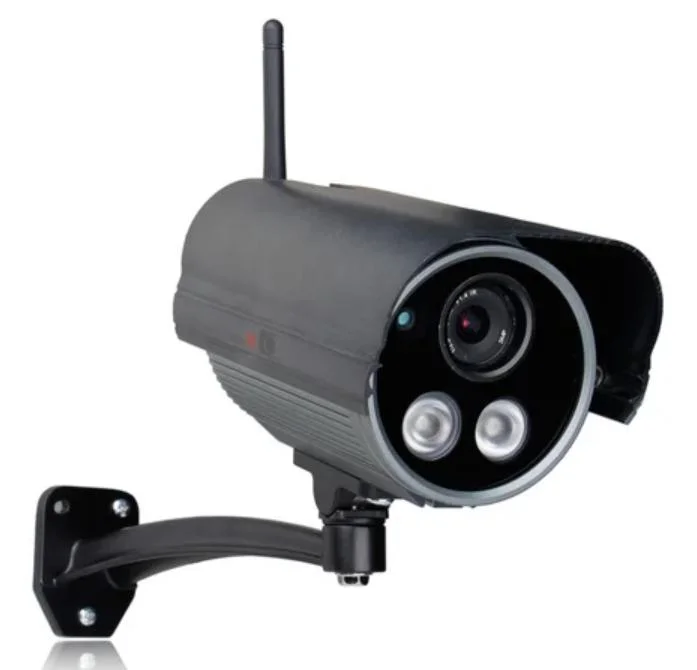
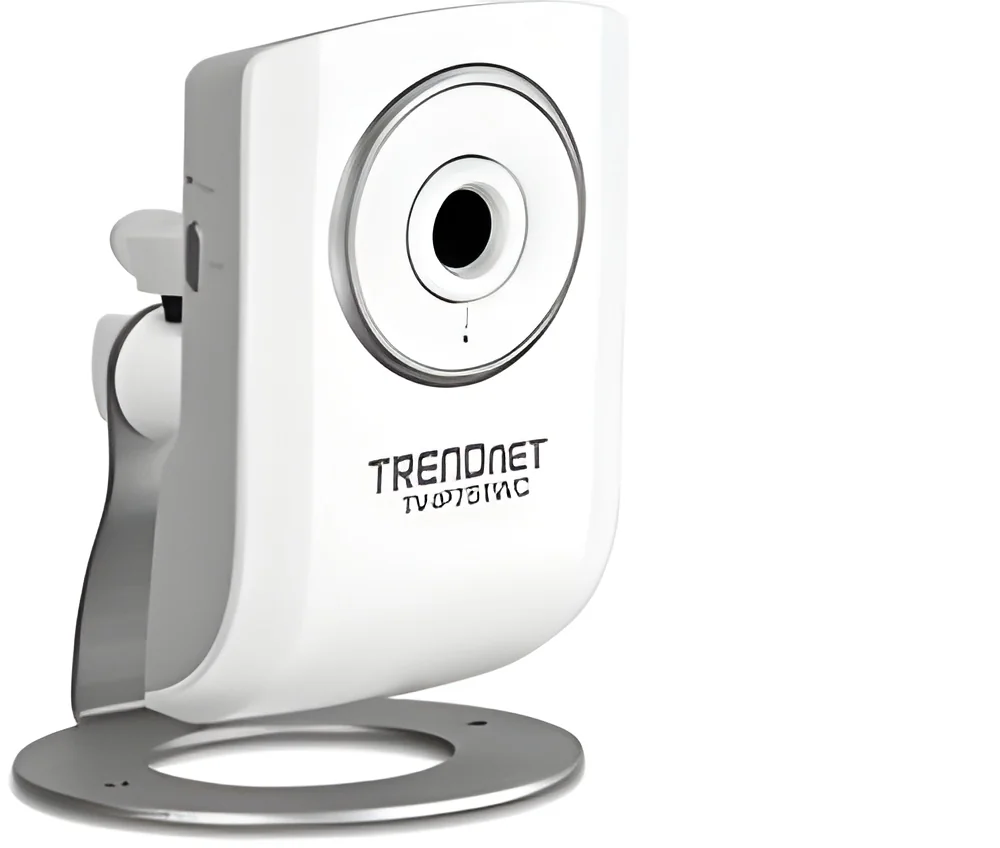
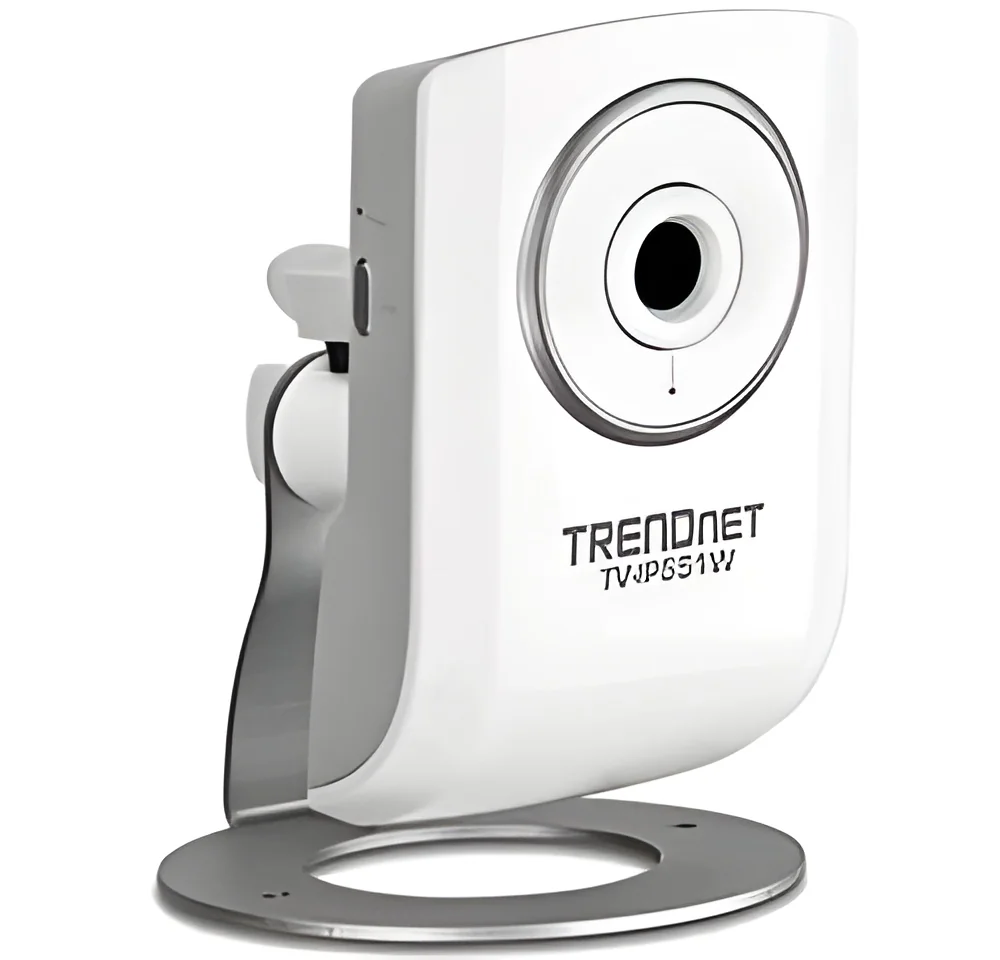
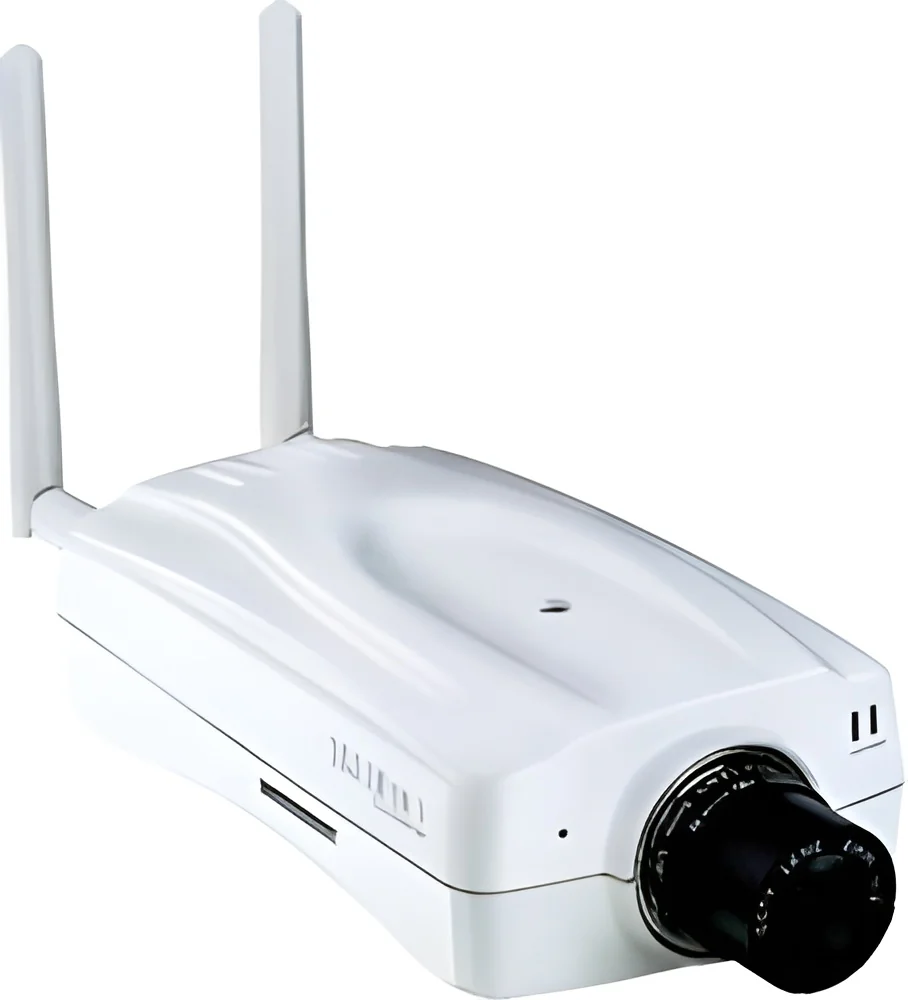
Wireless security cameras are surveillance devices that transmit video and audio data over a wireless network. Unlike traditional wired cameras, these systems use Wi-Fi or other wireless technologies to connect to a network, allowing for easier installation and flexibility in camera placement. They are equipped with features such as high-definition video, night vision, and motion detection, making them suitable for various security needs.
The primary uses of wireless security cameras include monitoring properties, enhancing workplace safety, and deterring criminal activity. Businesses utilize them in offices, warehouses, and retail spaces to keep an eye on assets and ensure employee safety. With the increasing importance of security in today’s world, these cameras have become essential tools for businesses looking to protect their interests.
In the current market landscape, wireless security cameras have gained significant traction due to advancements in technology and the growing demand for remote monitoring solutions. As businesses seek efficient ways to safeguard their premises, the relevance of these cameras continues to grow. They represent a key component in modern security systems across multiple industries.
Key Features and Specifications
Wireless security cameras come with a variety of features and specifications that enhance their functionality. Understanding these specifications is crucial for businesses selecting the right surveillance solution.
Key specifications include:
1. Video Resolution
- High-definition (HD) or Full HD quality
- Common resolutions include 720p, 1080p, and 4K
2. Wireless Connectivity
- Types of connectivity such as Wi-Fi, Bluetooth, or other protocols
- Range and signal strength specifications
3. Night Vision Capability
- Infrared sensors for low-light conditions
- Distance range for night vision performance
4. Motion Detection
- Types of motion detection technology, including passive infrared (PIR) and video analytics
- Sensitivity settings and notification options
5. Storage Options
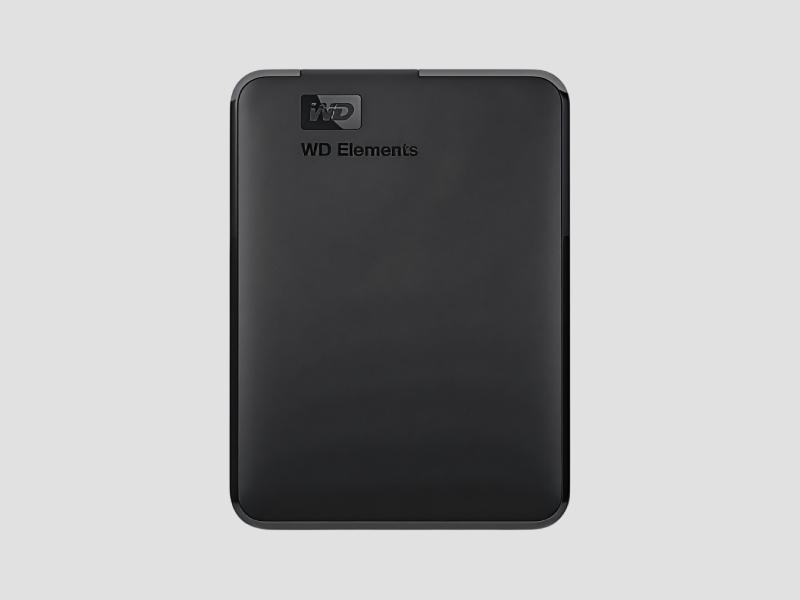
- Cloud storage versus local storage capabilities
- Maximum storage capacity and access methods
6. Weather Resistance
- Ingress Protection (IP) ratings for outdoor use
- Temperature tolerance specifications
7. Power Source
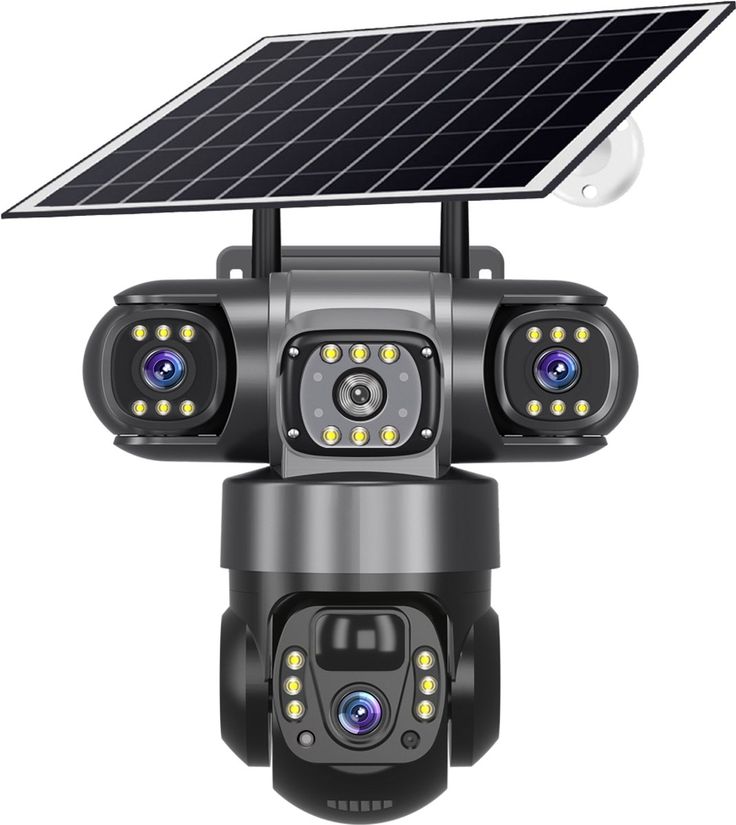
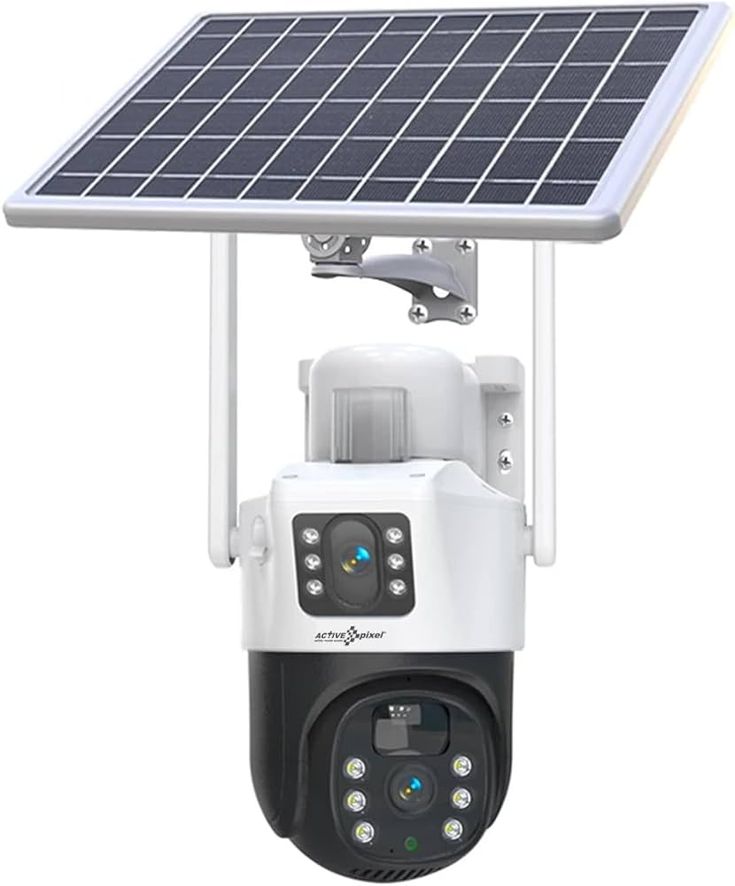
- Battery-operated versus wired options
- Duration of battery life and charging methods
8. Smart Features
- Integration with smart home systems
- Mobile app connectivity and remote access capabilities
These specifications play a vital role in determining the performance and reliability of wireless security cameras for business applications.
Common Applications and Use Cases
Wireless security cameras serve various industries, addressing unique security needs in each sector.
1. Retail: In retail environments, these cameras are essential for monitoring store activity, preventing theft, and ensuring customer safety. They help store managers keep track of employee interactions and customer behavior.
2. Construction: Construction sites often require surveillance to secure equipment and monitor site safety. Wireless cameras can be easily repositioned as work progresses, providing flexible coverage.
3. Logistics: Warehousing and distribution centers benefit from wireless cameras to oversee inventory handling and monitor loading docks. This enhances operational efficiency and security.
4. Hospitality: Hotels and restaurants use these cameras to ensure guest safety and monitor staff performance. They can help deter misconduct and provide evidence when needed.
5. Healthcare: In healthcare facilities, wireless security cameras assist in safeguarding sensitive areas. They help monitor patient safety and ensure compliance with safety regulations.
6. Education: Schools and universities utilize these cameras to protect students and staff. They can monitor entrances, hallways, and common areas to promote a safe learning environment.
7. Residential: Homeowners increasingly adopt wireless security cameras for monitoring their properties. They provide peace of mind by allowing remote access to live feeds and recorded footage.
Product Variants and Subcategories
Wireless security cameras are available in various configurations to meet different security needs.
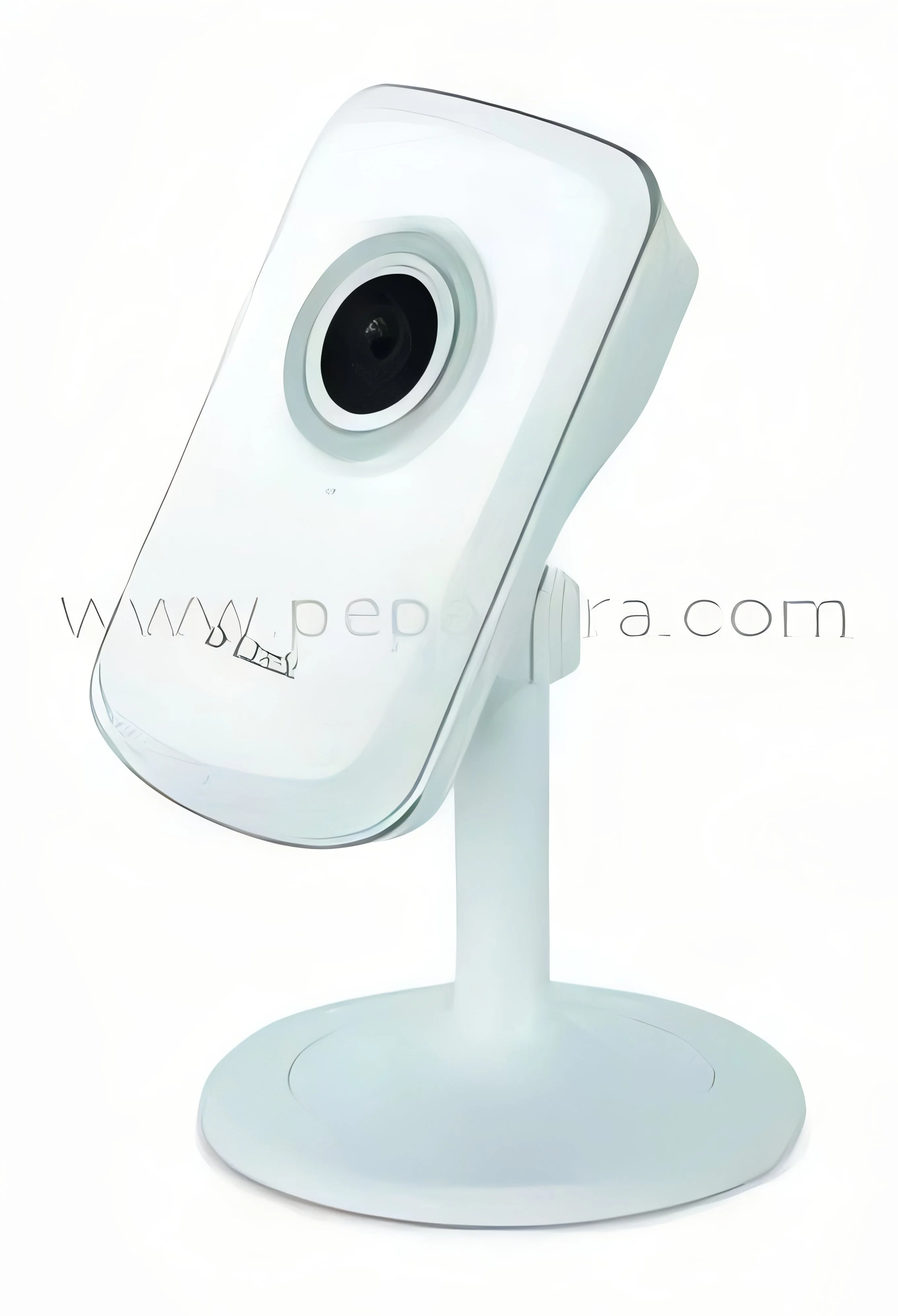
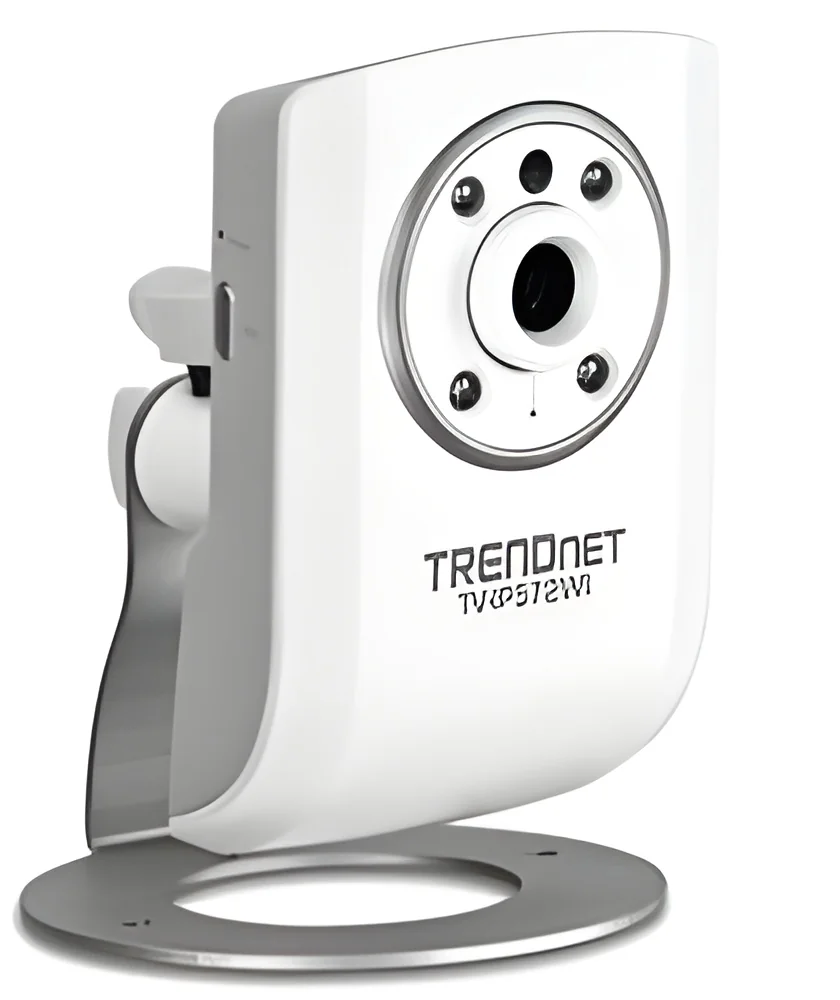
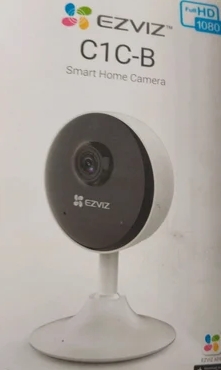
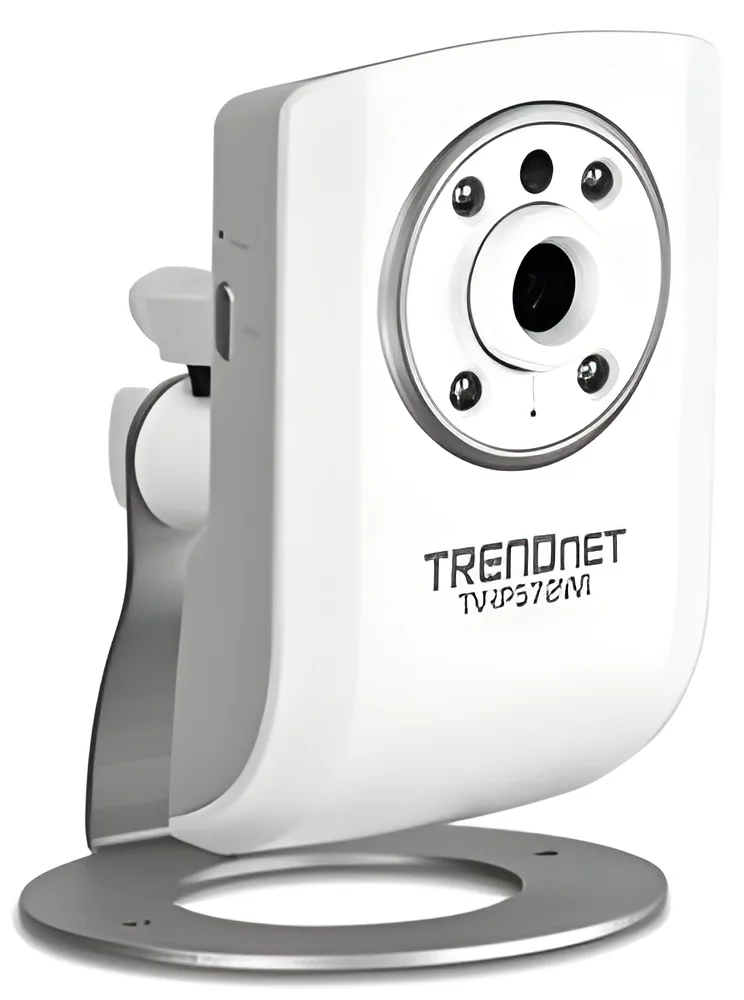
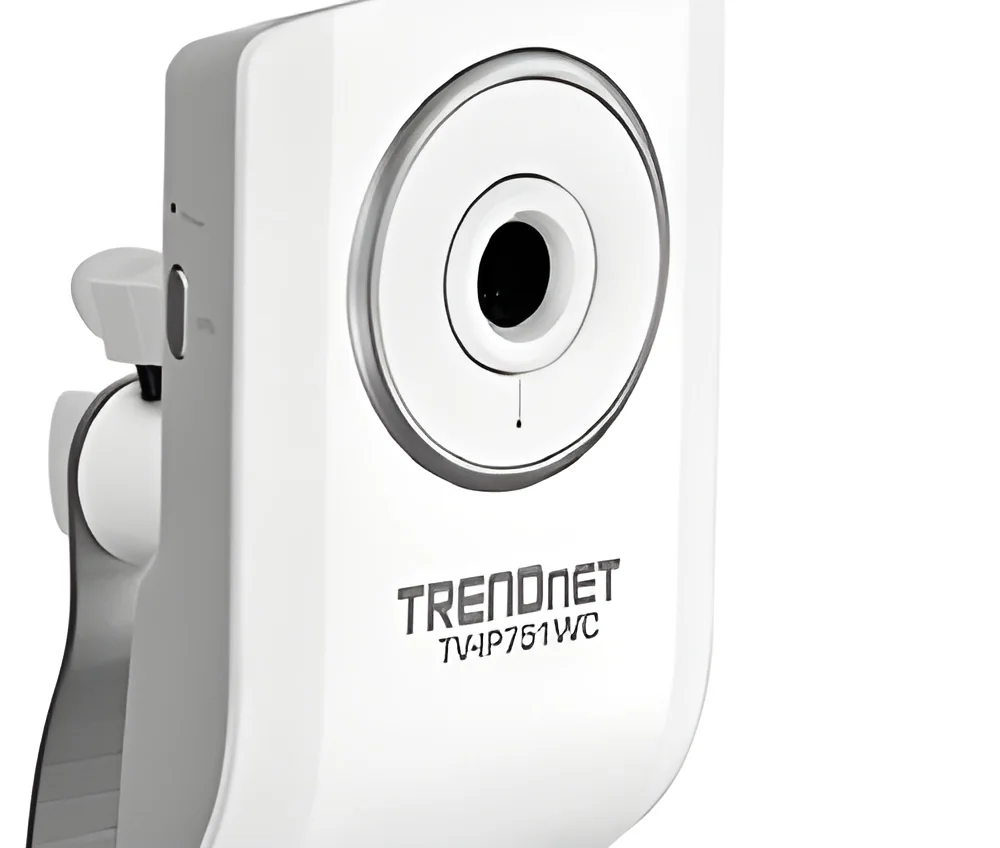
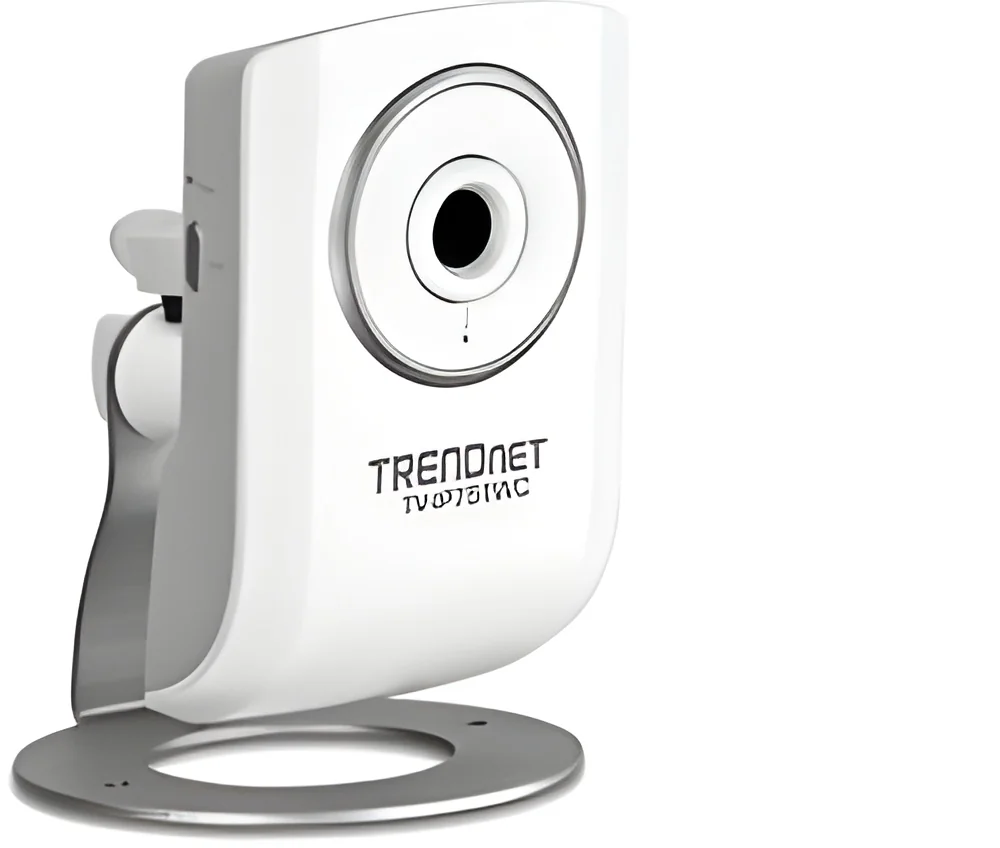
Indoor Cameras: These cameras are designed for indoor use, offering features such as two-way audio and facial recognition. They are ideal for monitoring office spaces and homes.
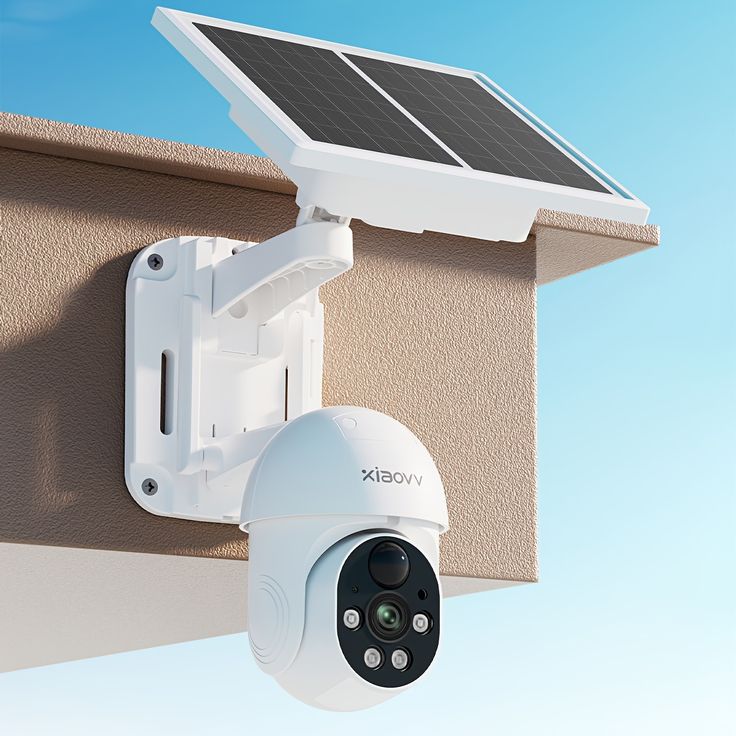
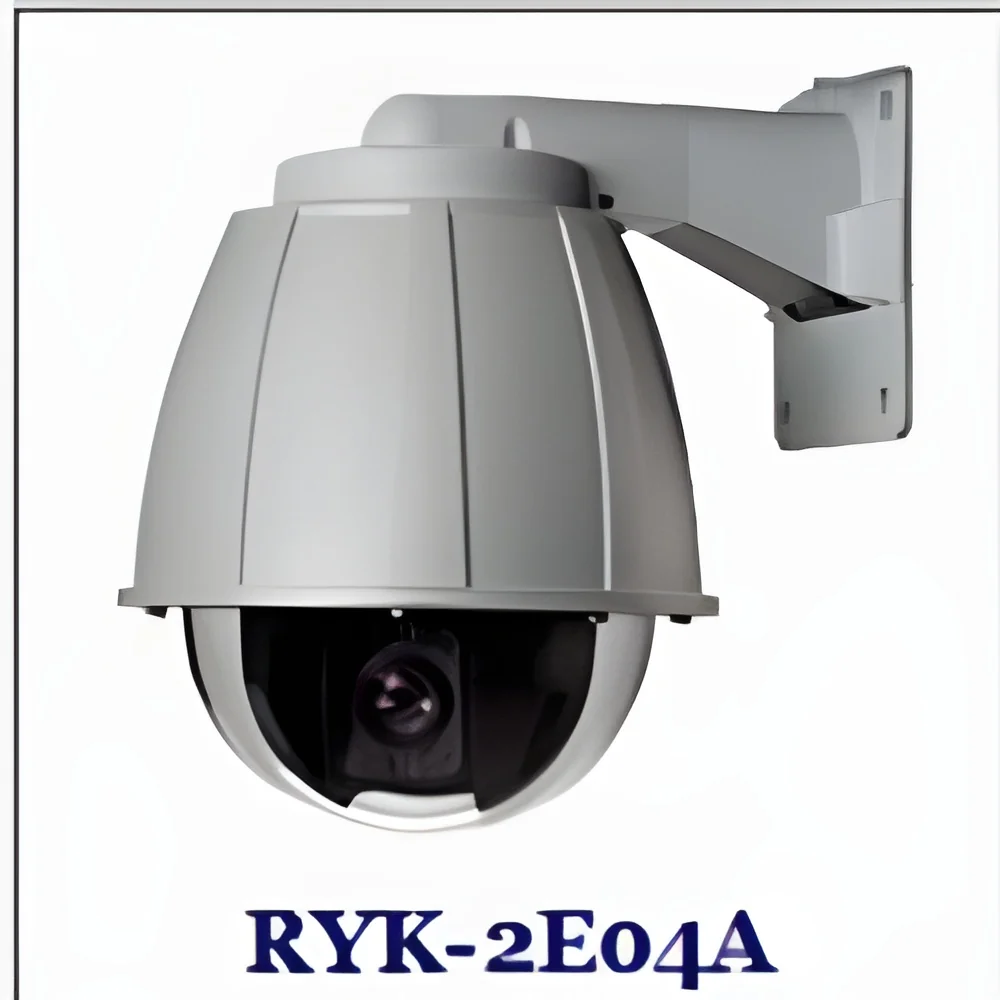
Outdoor Cameras: Built to withstand the elements, outdoor cameras feature enhanced durability and weather resistance. They provide robust surveillance for external areas.
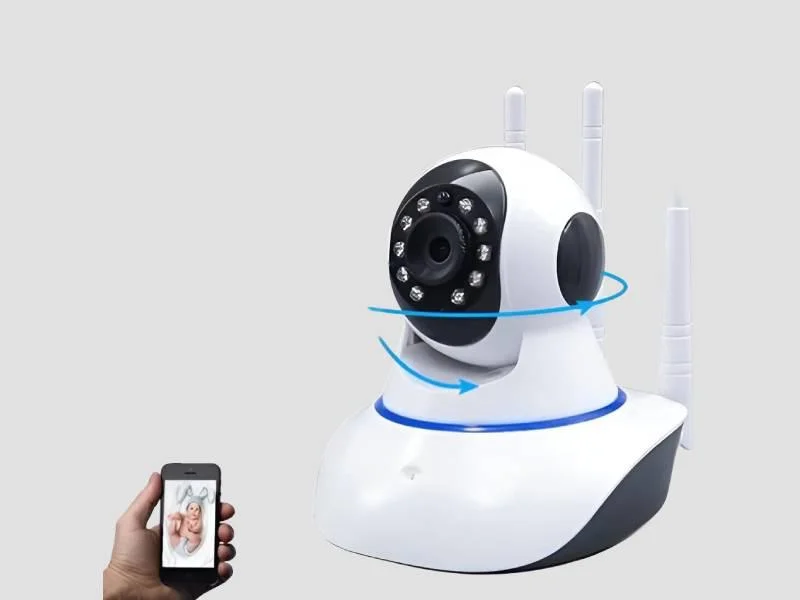
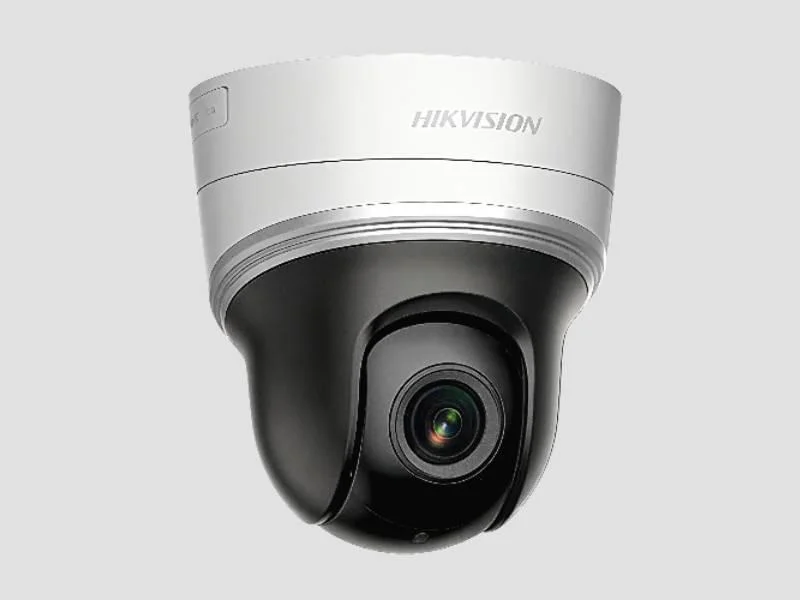
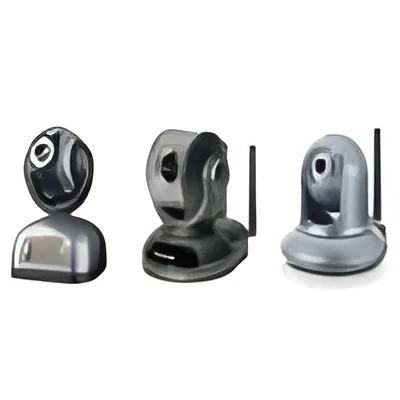
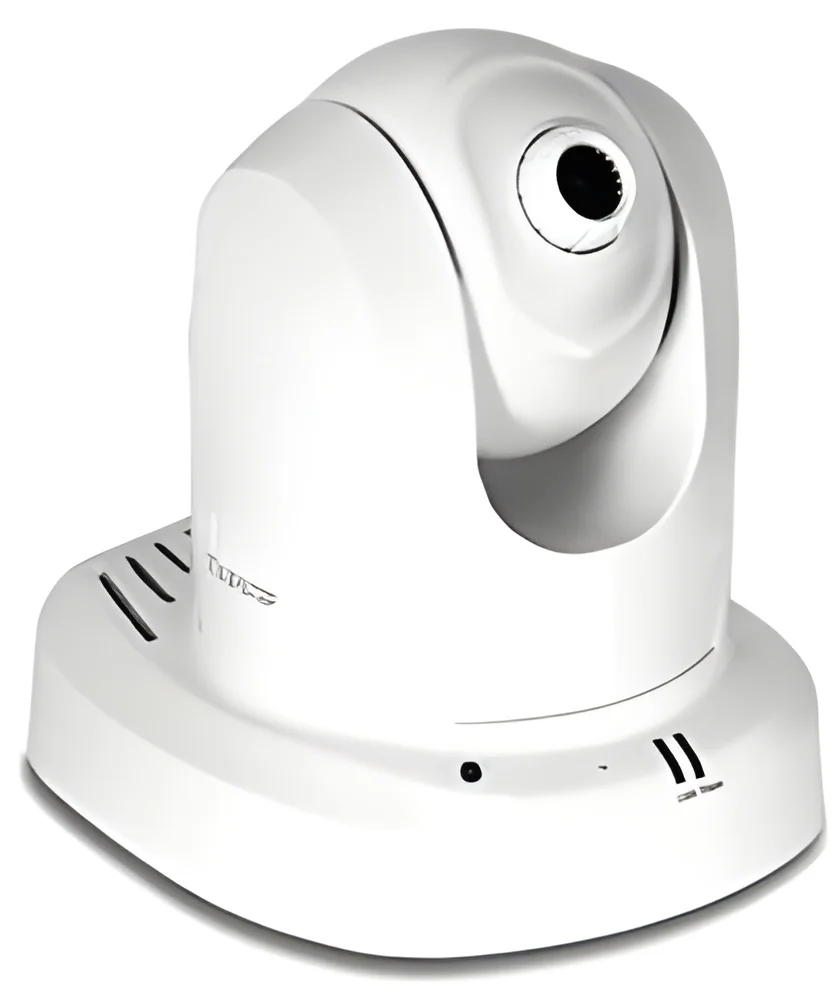
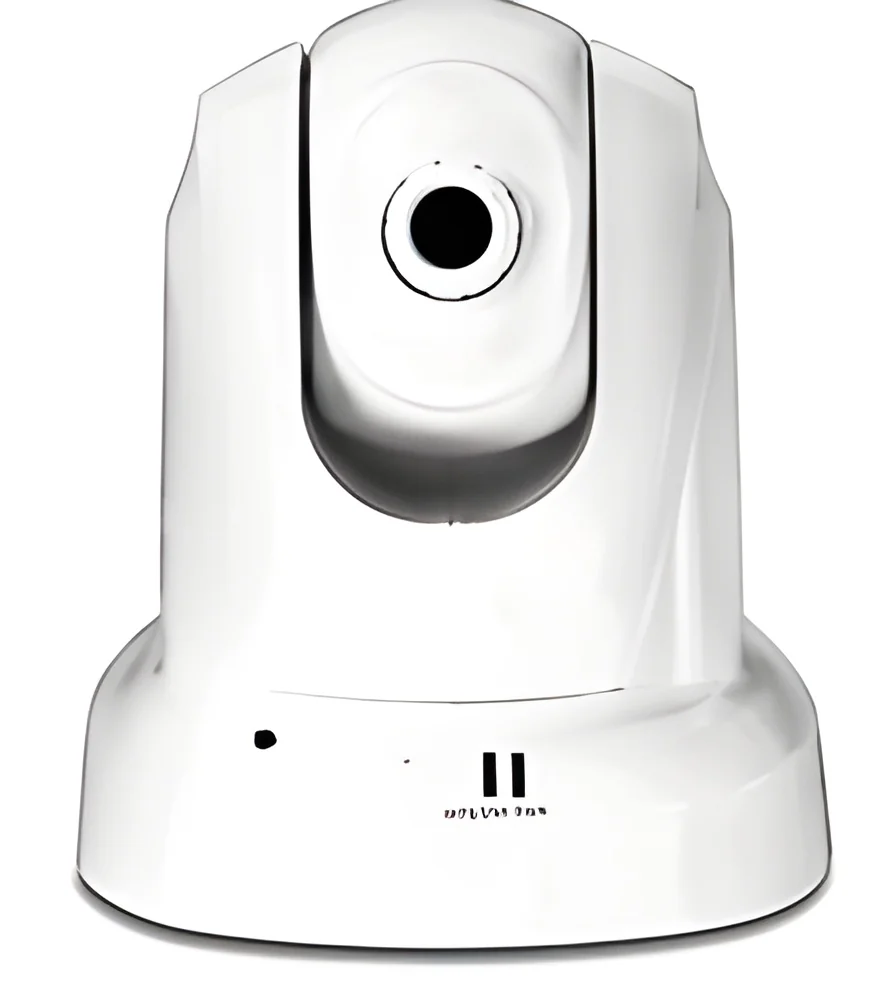
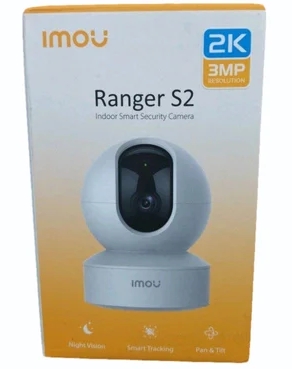
Pan-and-Tilt Cameras: These cameras offer flexibility by allowing users to remotely pan and tilt the camera to capture different angles. They are useful in large areas requiring comprehensive coverage.
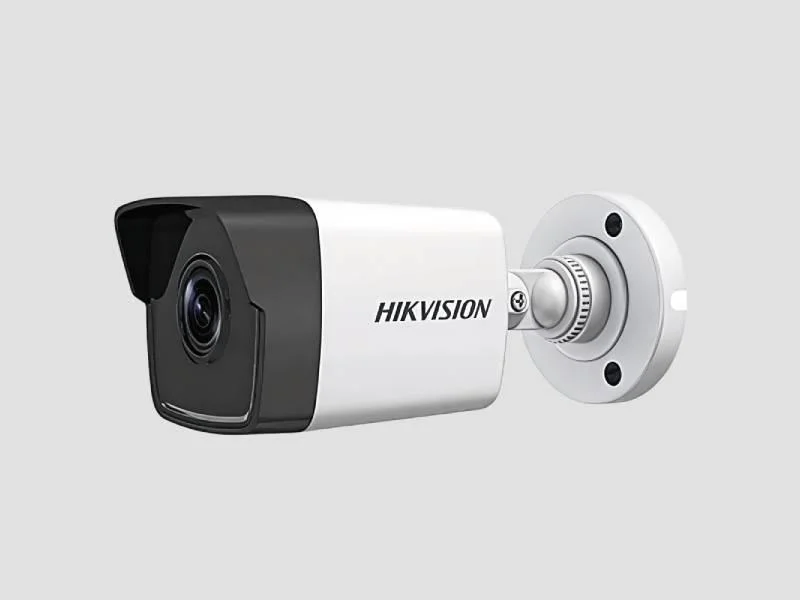
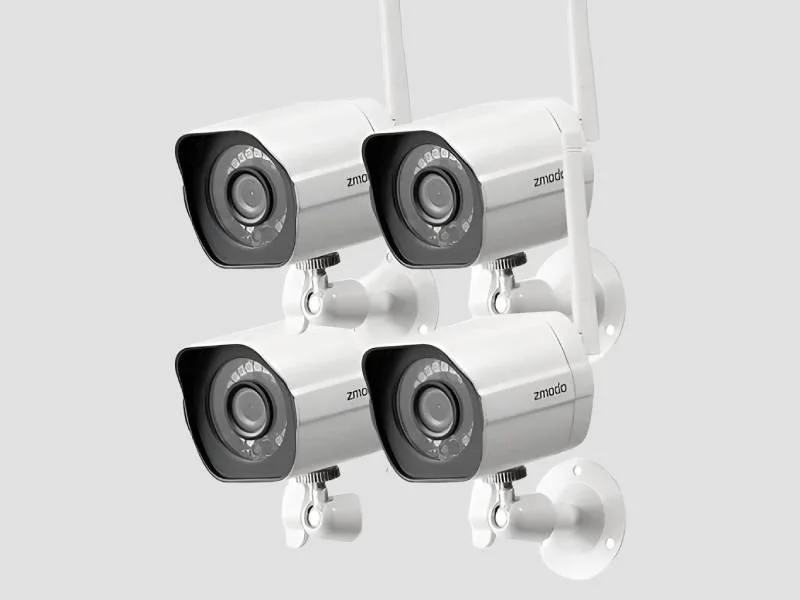
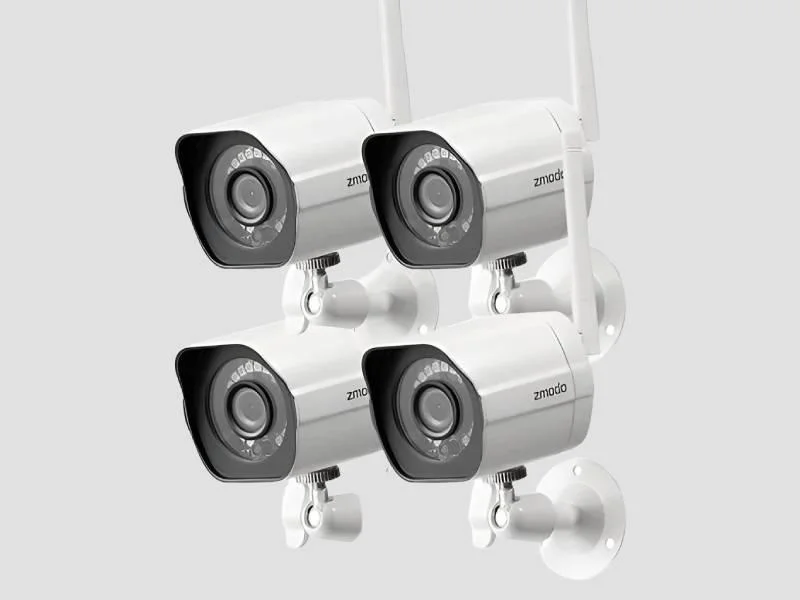
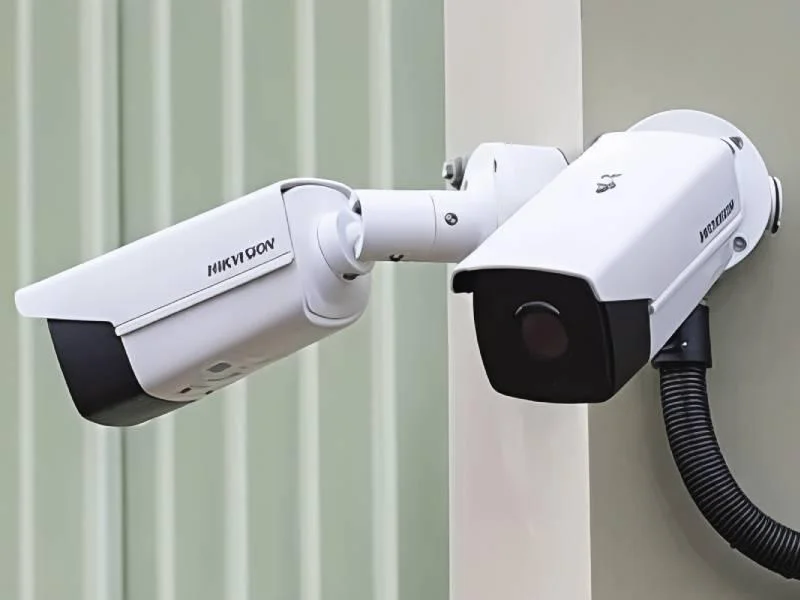
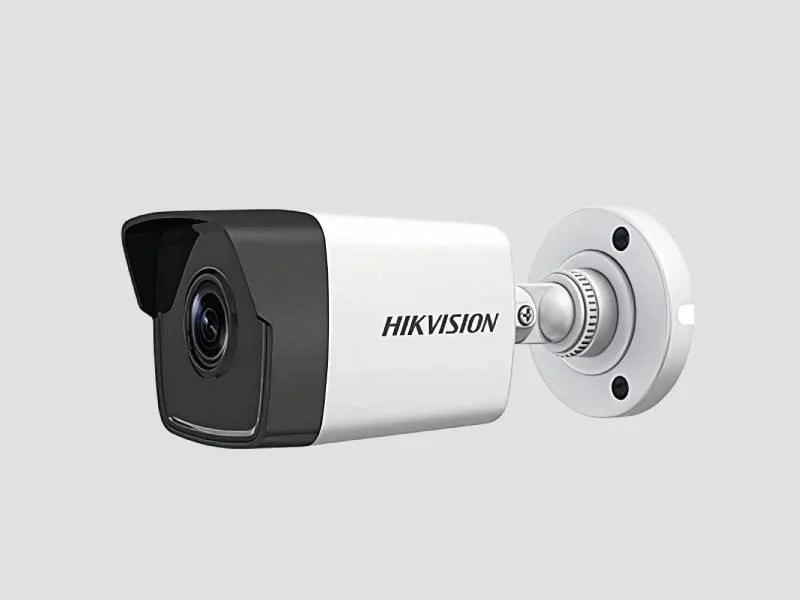
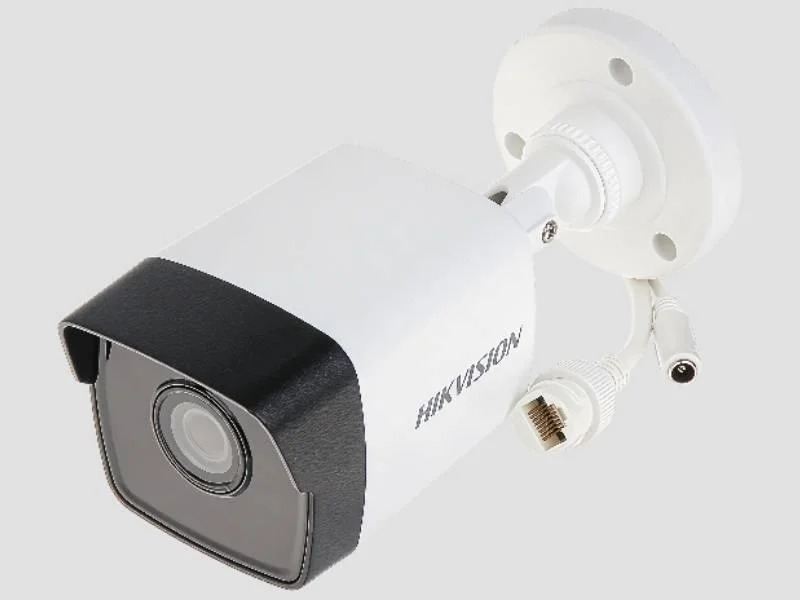
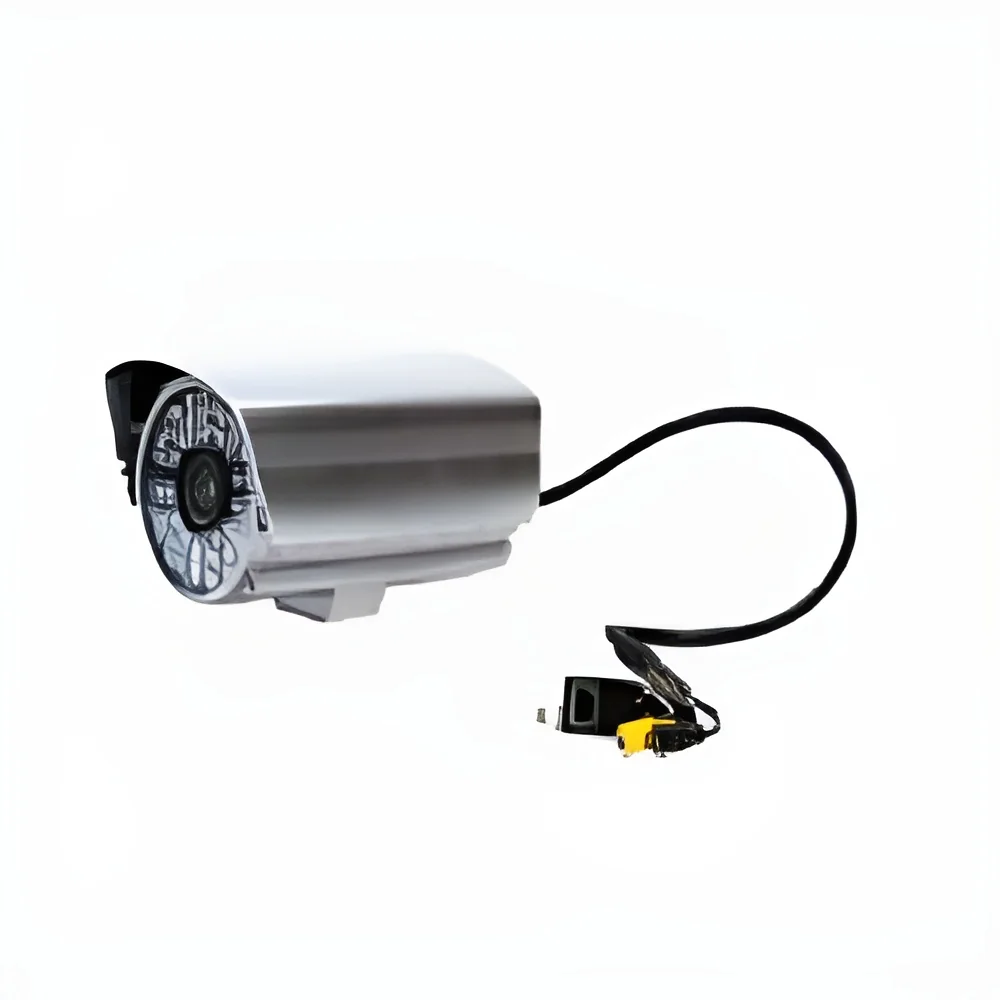
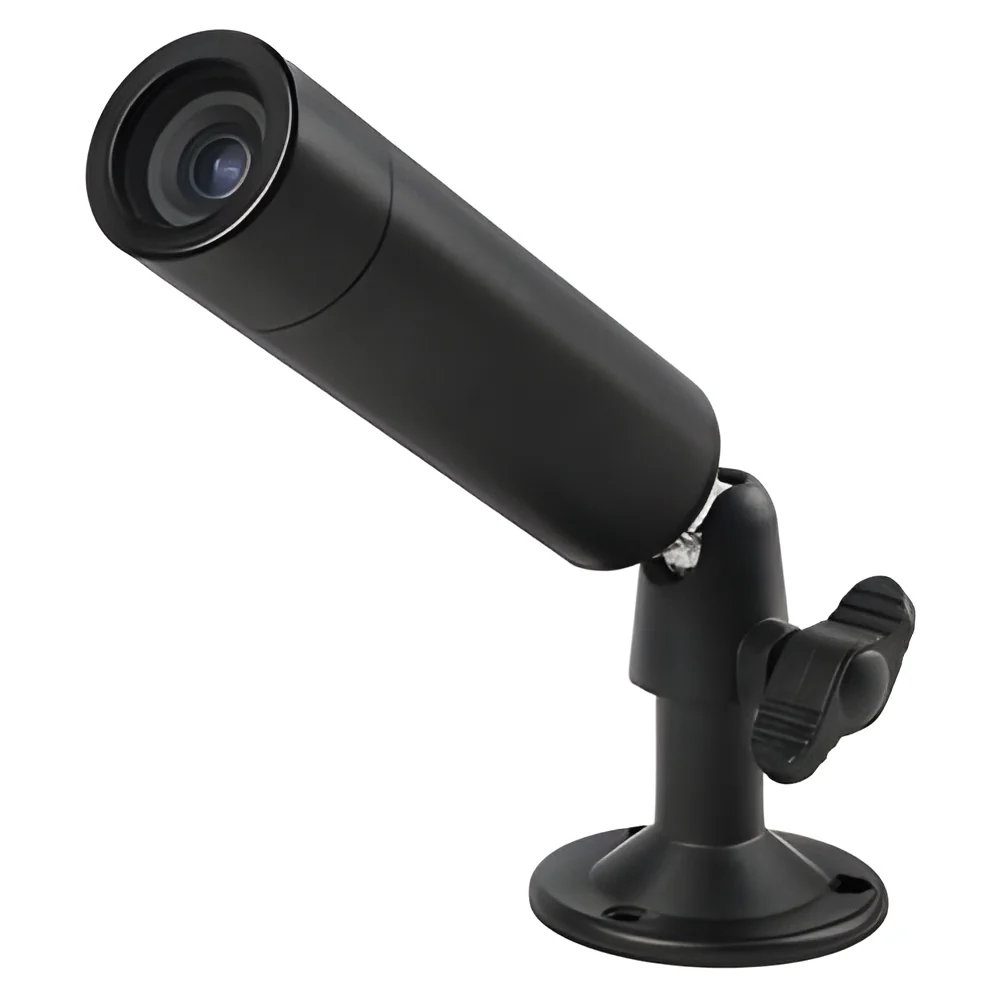
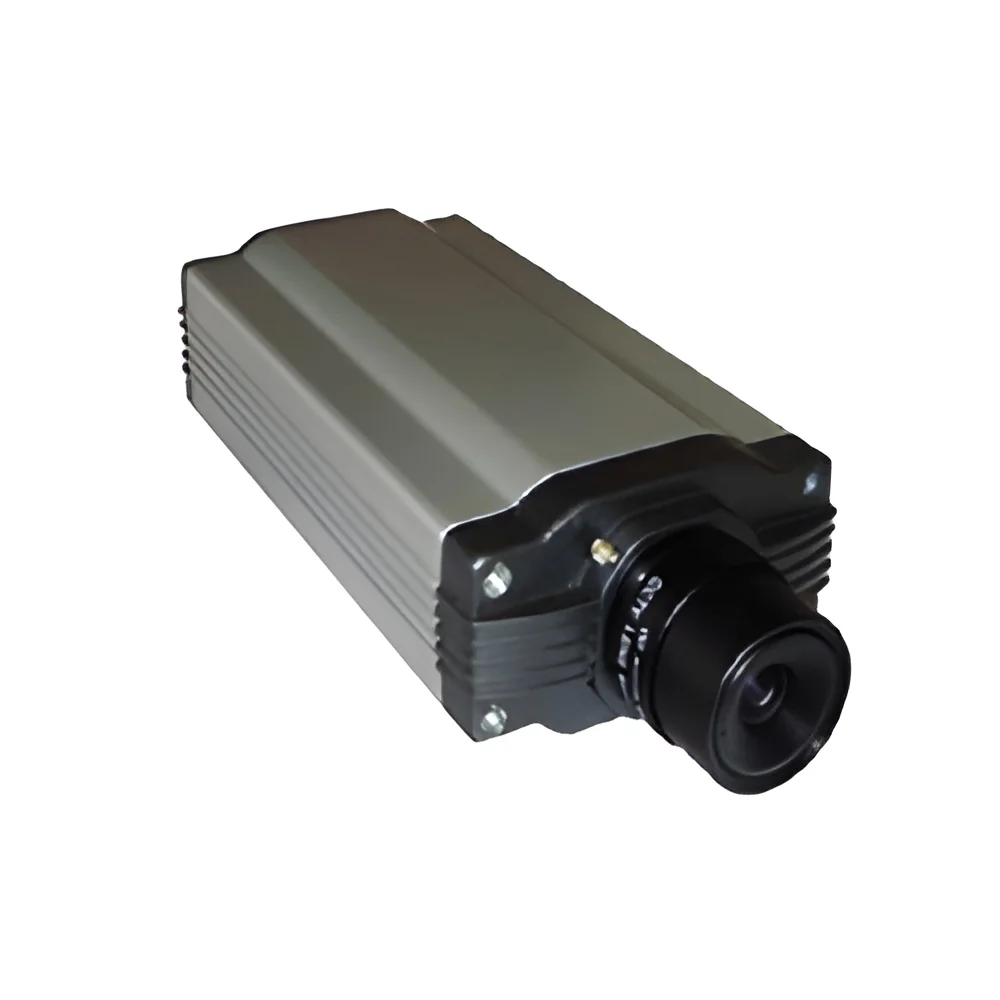
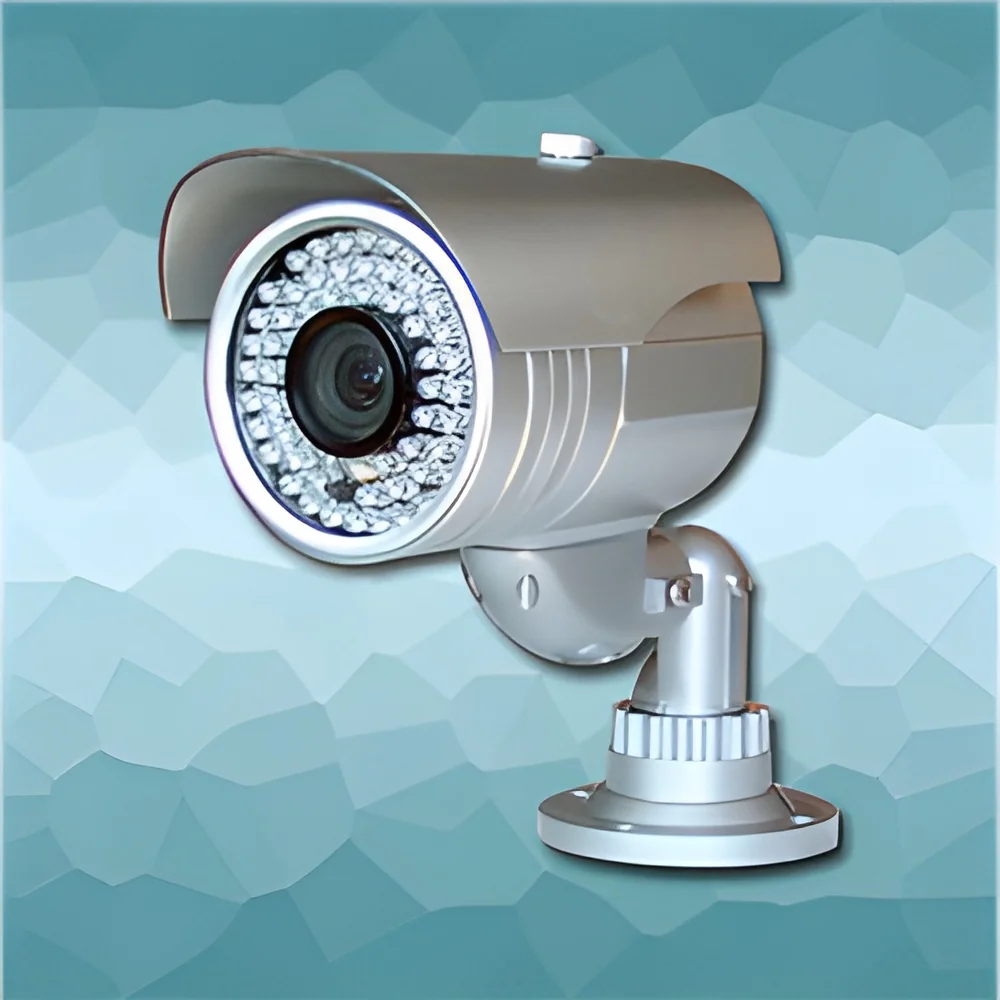
Bullet Cameras: Known for their distinct cylindrical shape, bullet cameras are highly visible deterrents. They are typically used for outdoor surveillance and come with various lens options.
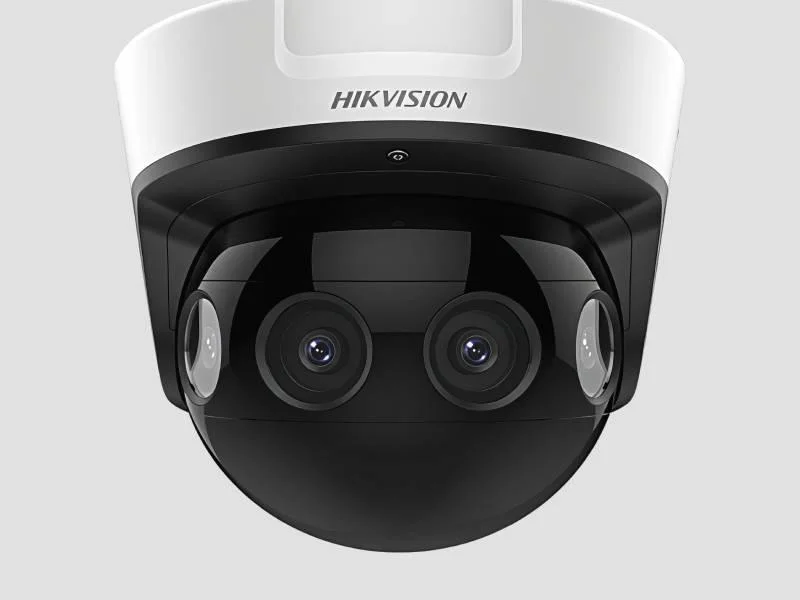
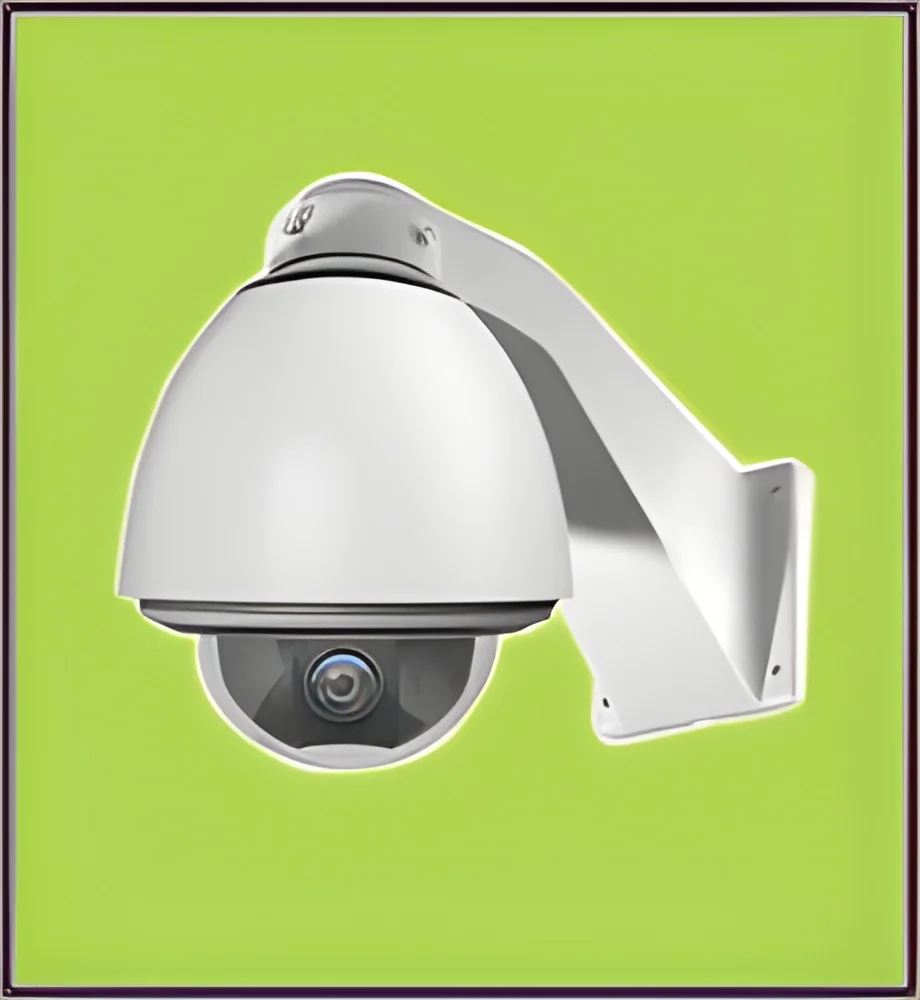
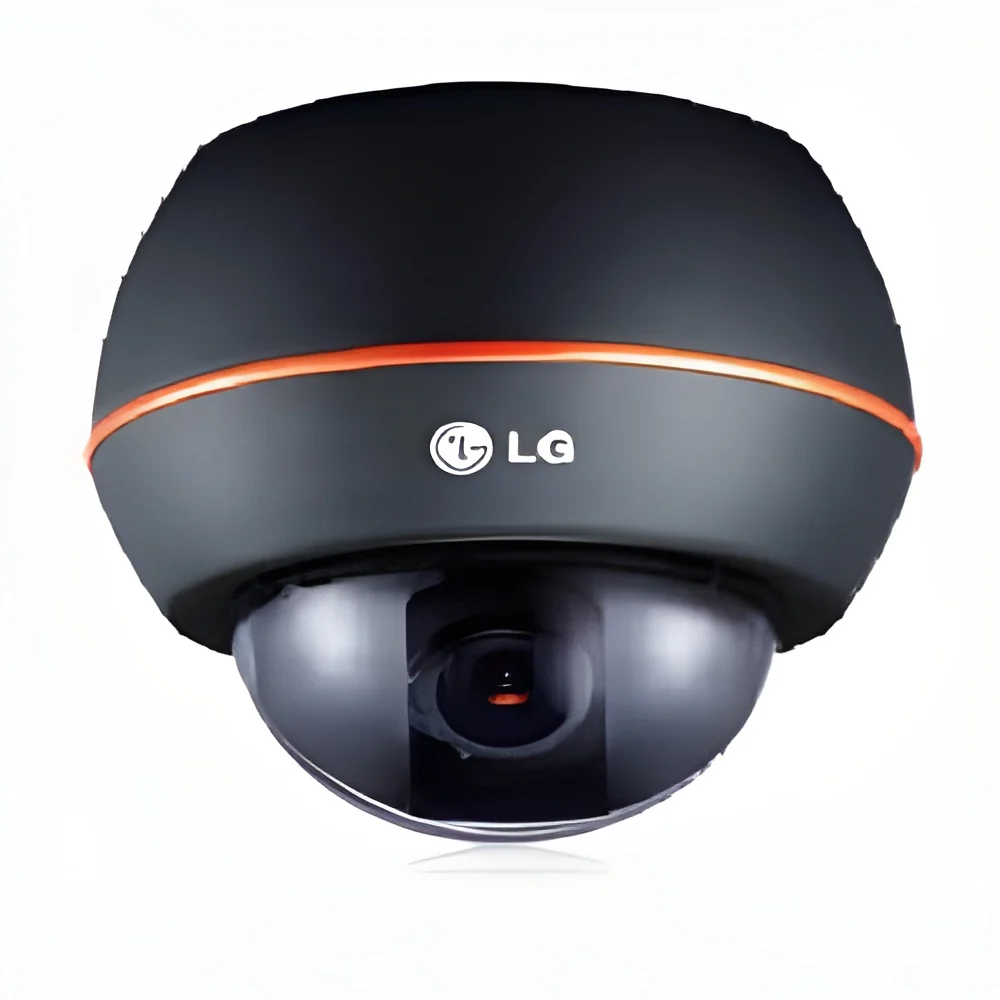
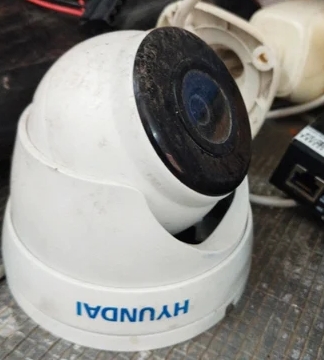
Dome Cameras: These cameras are discreet and can be used both indoors and outdoors. Their design makes them less obtrusive while providing a wide field of view.
Benefits and Advantages
Investing in wireless security cameras offers numerous benefits for businesses.
1. Enhanced Security: Wireless security cameras provide an added layer of protection, deterring potential intruders and ensuring a safer environment.
2. Flexibility in Installation: The wireless nature allows for easy installation and repositioning, making it simpler to adapt to changing security needs.
3. Remote Monitoring: Businesses can monitor their premises in real-time from anywhere using mobile apps or web interfaces, providing peace of mind.
4. Cost-Effectiveness: Wireless cameras can reduce installation costs as they eliminate the need for extensive wiring. They often come with scalable options to fit various budgets.
5. Advanced Features: Many wireless security cameras come equipped with smart features, such as motion detection alerts and cloud storage, enhancing overall functionality.
6. Improved Evidence Collection: High-definition video quality aids in capturing clear footage, which is crucial for investigations and insurance claims.
Buying Guide for B2B Buyers
When sourcing wireless security cameras, businesses should consider several critical factors to ensure they select the right product.
1. Quality Assessment: Evaluate the quality of the cameras by reviewing specifications such as video resolution and durability. Look for models that meet industry standards for performance.
2. Supplier Verification: Vet potential suppliers to ensure they provide reliable products and support. Check for customer reviews and industry reputation.
3. Pricing and MOQ: Understand the pricing structure and minimum order quantities (MOQ) associated with different suppliers. This helps in budgeting and planning purchases.
4. Delivery and Lead Times: Inquire about delivery schedules and lead times to align with project timelines. Ensure the supplier can meet your logistical requirements.
5. Compliance Requirements: Confirm that the cameras meet any regional compliance standards or certifications. This is essential for regulatory adherence and product reliability.
Compliance and Certifications
Wireless security cameras must adhere to various compliance and certification standards to ensure quality and safety.
ISO 9001 is a quality management standard that ensures consistent quality in products and services. Manufacturers of wireless security cameras often seek this certification to demonstrate their commitment to quality.
CE certification indicates that the product meets European Union safety, health, and environmental protection standards. This certification is vital for businesses importing or using cameras in Europe.
In addition to these, manufacturers may need to comply with specific safety and testing requirements relevant to their region. This includes ensuring that products are safe for use in various environmental conditions.
Companies should also consider regional compliance, as different countries may have distinct regulations regarding surveillance equipment. Understanding these requirements helps businesses avoid legal issues while ensuring they invest in compliant products.
Why Source Wireless Security Cameras from Pepagora?
Pepagora provides a trusted platform for sourcing wireless security cameras with several key advantages that facilitate the procurement process.
Verified Supplier Network: Pepagora features a comprehensive network of verified suppliers, ensuring that buyers can access high-quality products with confidence. Each supplier undergoes rigorous vetting to maintain trustworthiness.
Streamlined RFQ Process: The request for quotation (RFQ) process at Pepagora simplifies procurement. Buyers can easily submit their requirements and receive competitive quotes from multiple suppliers, saving time and effort.
Trade Assurance and Support: Pepagora offers trade assurance, providing protection for buyers throughout the transaction process. This ensures that businesses can purchase with peace of mind, knowing they are covered in case of disputes.
Regional Coverage: Pepagora's services extend across various regions, including India, the GCC, and Southeast Asia. This geographic reach allows businesses from different locations to find suitable suppliers and products tailored to their needs.
By leveraging Pepagora's platform, businesses can efficiently source wireless security cameras while ensuring they receive quality products and reliable service.

 IN
IN