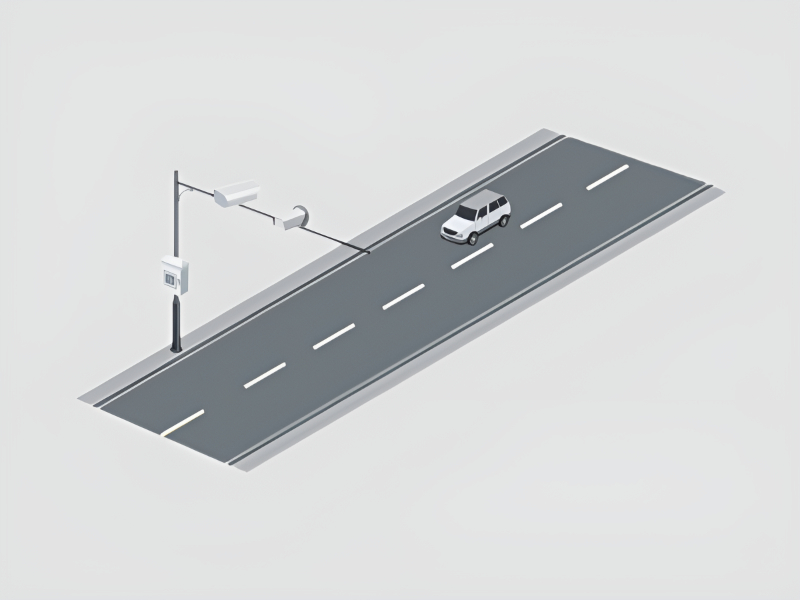
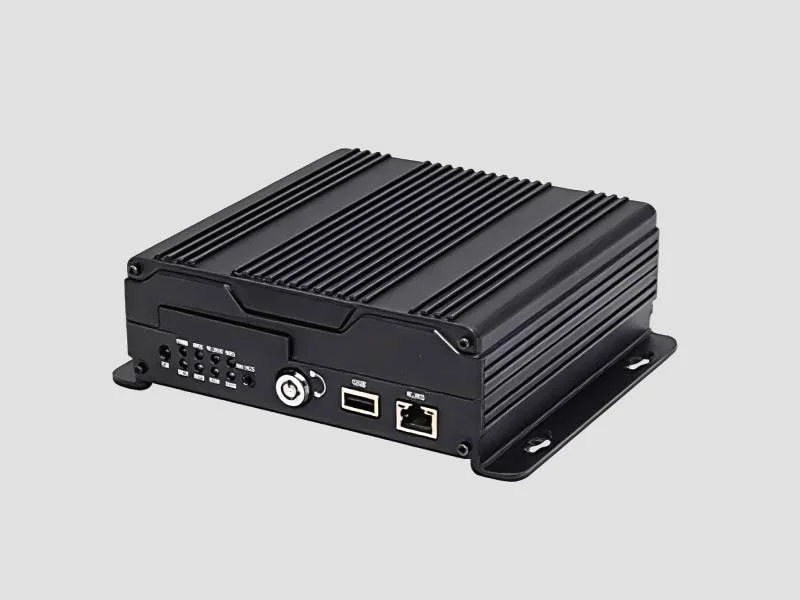
What are Vehicle Surveillance Systems?
Vehicle Surveillance Systems are advanced monitoring solutions designed to enhance the safety and security of vehicles. These systems typically integrate video cameras, sensors, and software to provide real-time surveillance and recording capabilities. They help in tracking vehicle movements, monitoring driver behavior, and ensuring the protection of valuable cargo.
The primary applications of Vehicle Surveillance Systems span various sectors, including logistics, public transportation, and fleet management. Businesses utilize these systems to deter theft, monitor compliance with safety regulations, and improve operational efficiency. As the demand for enhanced security measures grows, the relevance of these systems in the market has increased significantly, contributing to their widespread adoption across industries.
With a growing emphasis on safety and security, Vehicle Surveillance Systems have become essential tools for organizations seeking to protect their assets and personnel. The market for these systems continues to expand as technological advancements lead to more sophisticated features and capabilities.
Key Features and Specifications
Vehicle Surveillance Systems come equipped with several key features that enhance their functionality and usability. Understanding these specifications can help businesses select the right system for their needs.
Key specifications include:
1. Video Resolution
- High-definition video quality for clear imaging
- Common resolutions include 720p, 1080p, and 4K
2. Camera Types
- Options such as dome, bullet, and PTZ (pan-tilt-zoom) cameras
- Each type serves different monitoring needs
3. Storage Capacity
- Varying storage options for recorded footage
- Typically supported by HDD or cloud solutions
4. Connectivity Options
- Wi-Fi, Ethernet, and cellular connectivity for data transmission
- Enables remote access and monitoring
5. Motion Detection
- Sensors that trigger recording upon detecting movement
- Reduces unnecessary recording and saves storage space
6. Night Vision Capabilities
- Infrared or low-light performance for monitoring during the night
- Important for 24/7 surveillance needs
7. Temperature Tolerance
- Systems designed to operate under various environmental conditions
- Ensures reliability in extreme weather
8. User Interface
- Intuitive software for easy navigation and operation
- Often includes mobile application support for on-the-go access
In summary, Vehicle Surveillance Systems are equipped with a variety of features and specifications that cater to the needs of different industries. Understanding these aspects is crucial for selecting the right system that meets operational requirements.
Common Applications and Use Cases
Vehicle Surveillance Systems are utilized across multiple industries, each with specific needs and applications.
1. Logistics: These systems help monitor delivery vehicles, ensuring safe transport of goods and compliance with delivery schedules.
2. Public Transportation: Buses and taxis are equipped with surveillance to enhance passenger safety and monitor driver behavior.
3. Fleet Management: Companies use surveillance systems to track vehicle locations, manage routes, and improve fuel efficiency.
4. Emergency Services: Police cars and ambulances utilize these systems for recording incidents and ensuring accountability during operations.
5. Construction: Heavy equipment is monitored to prevent theft and ensure safety protocols are followed on job sites.
6. Car Rentals: Rental companies implement surveillance to protect their assets and monitor vehicle usage.
7. Security Services: Private security firms use these systems to oversee patrol vehicles and ensure rapid response to incidents.
Product Variants and Subcategories
Vehicle Surveillance Systems come in various configurations to meet different operational needs.
Mobile Surveillance Units: These portable systems are designed for easy installation in vehicles, providing flexibility for law enforcement and emergency services.
Dash Cameras: Specifically tailored for personal and commercial vehicles, dash cameras capture driving footage and enhance accountability for drivers.
Fleet Management Systems: Integrated solutions that combine surveillance with tracking and route management features to optimize fleet operations.
Benefits and Advantages
Investing in Vehicle Surveillance Systems offers numerous advantages for businesses.
Key benefits include:
1. Enhanced Security: Protects vehicles and cargo from theft and vandalism, providing peace of mind to operators.
2. Improved Accountability: Recorded footage helps in assessing driver behavior and ensuring compliance with safety regulations.
3. Increased Efficiency: Monitoring systems can identify inefficiencies in routes and driving habits, leading to cost savings.
4. Real-time Monitoring: Provides immediate access to vehicle status and location, facilitating quick decision-making.
5. Data Analytics: Offers insights into operational patterns, helping businesses make informed decisions based on recorded data.
6. Insurance Benefits: Having a surveillance system may lead to reduced insurance premiums due to lower risk profiles.
Buying Guide for B2B Buyers
When sourcing Vehicle Surveillance Systems, it is essential to consider several factors to ensure the right choice for your organization.
1. Quality Assessment: Look for systems that meet high-quality standards and have positive reviews from other users. Consider warranties and customer support options.
2. Supplier Verification: Vet suppliers by checking their credentials, customer testimonials, and industry reputation to ensure reliability.
3. Pricing and MOQ: Understand the pricing structure, including any potential discounts for bulk purchases. Be aware of the minimum order quantity that may apply.
4. Delivery and Lead Times: Confirm delivery schedules and lead times to align with your operational needs. Ensure that suppliers can meet your timelines.
5. Compliance Requirements: Ensure the systems comply with local regulations and industry standards, such as CE certification, to avoid potential legal issues.
Compliance and Certifications
Vehicle Surveillance Systems must adhere to various quality standards and industry certifications to ensure reliability and safety.
Relevant quality standards include ISO 9001, which focuses on quality management systems, ensuring that manufacturers maintain high production and service standards.
Industry certifications like CE indicate that the products meet European safety and environmental requirements, reassuring buyers of their quality.
Safety and testing requirements ensure that surveillance systems are durable and effective under various operating conditions.
Additionally, regional compliance considerations may vary, necessitating an understanding of local laws governing vehicle surveillance and data privacy.
Why Source Vehicle Surveillance Systems from Pepagora?
Pepagora provides a trusted platform for sourcing Vehicle Surveillance Systems, offering several key advantages to B2B buyers.
Verified Supplier Network: Pepagora has established a rigorous supplier verification process, ensuring that only credible and reliable suppliers are available for businesses to choose from.
Streamlined RFQ Process: The request for quotation (RFQ) process on Pepagora is designed to be efficient, allowing buyers to receive multiple quotations easily and compare options.
Trade Assurance and Support: Pepagora offers trade assurance to protect buyers, ensuring that transactions are secure and that support is available throughout the purchasing process.
Regional Coverage: With a broad geographic reach across India, the GCC, and Southeast Asia, Pepagora connects buyers with suppliers who can meet their specific regional requirements, enhancing accessibility and convenience.

 IN
IN