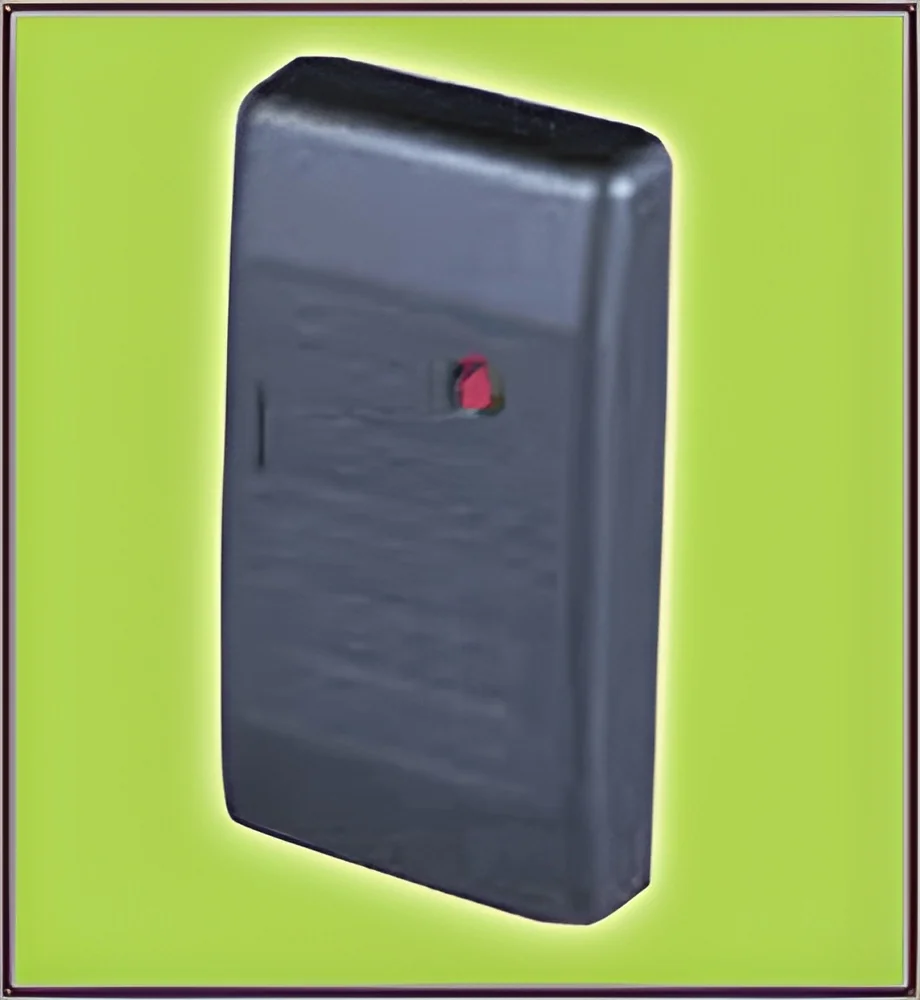
What are Access Control Systems?
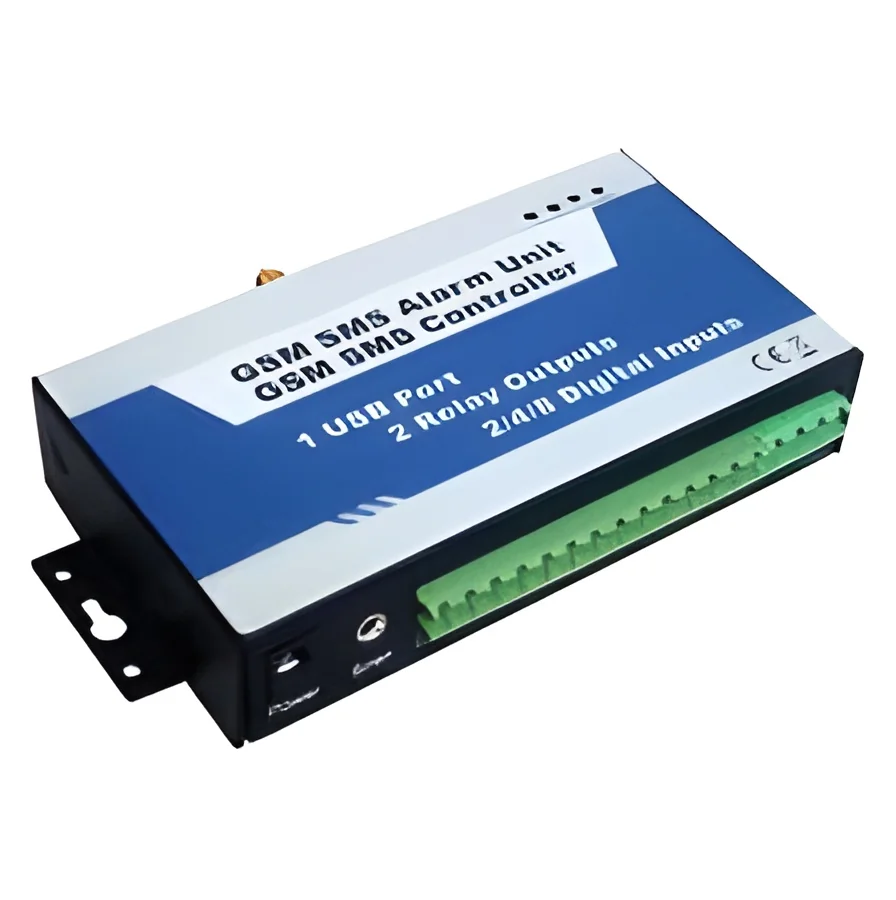
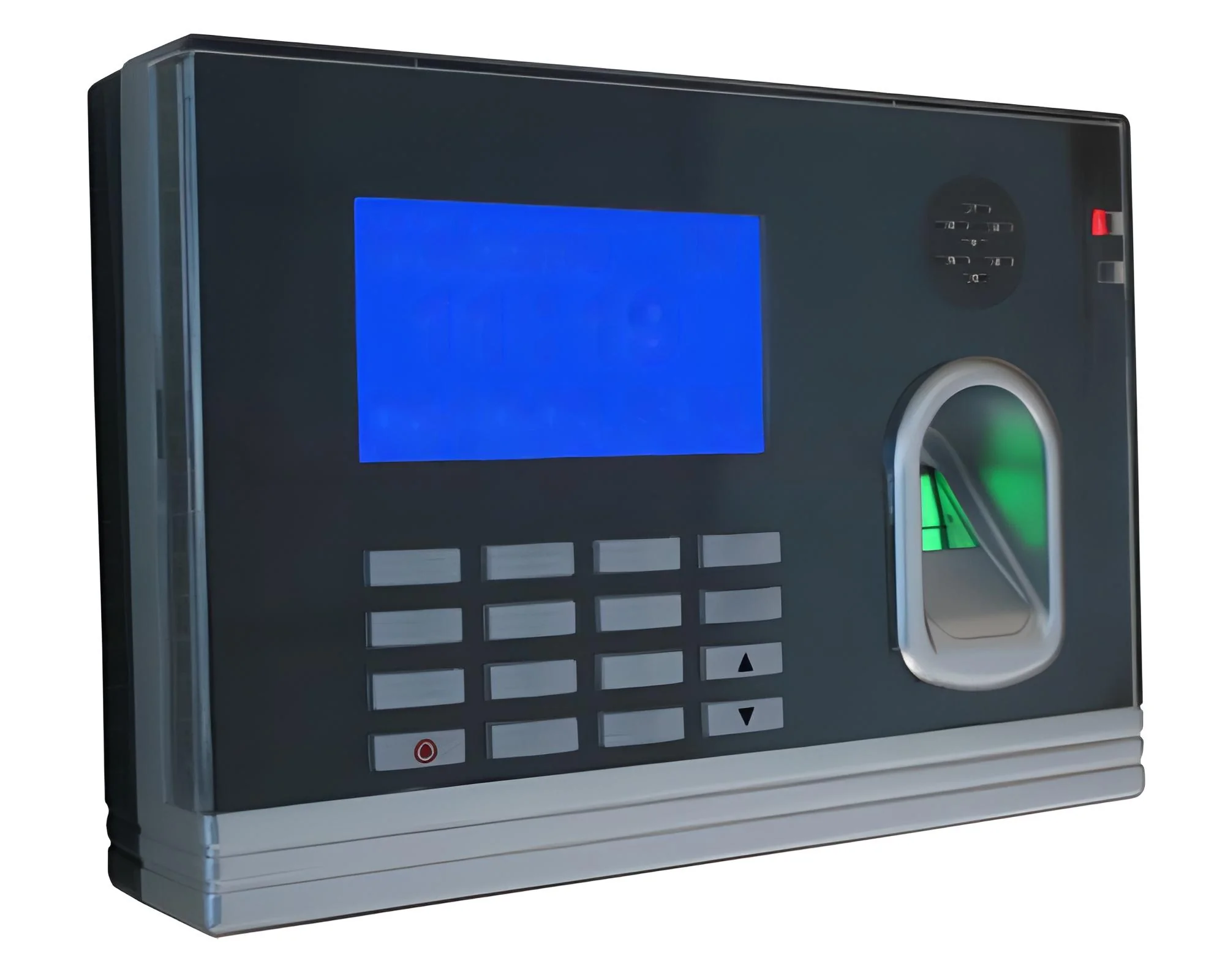
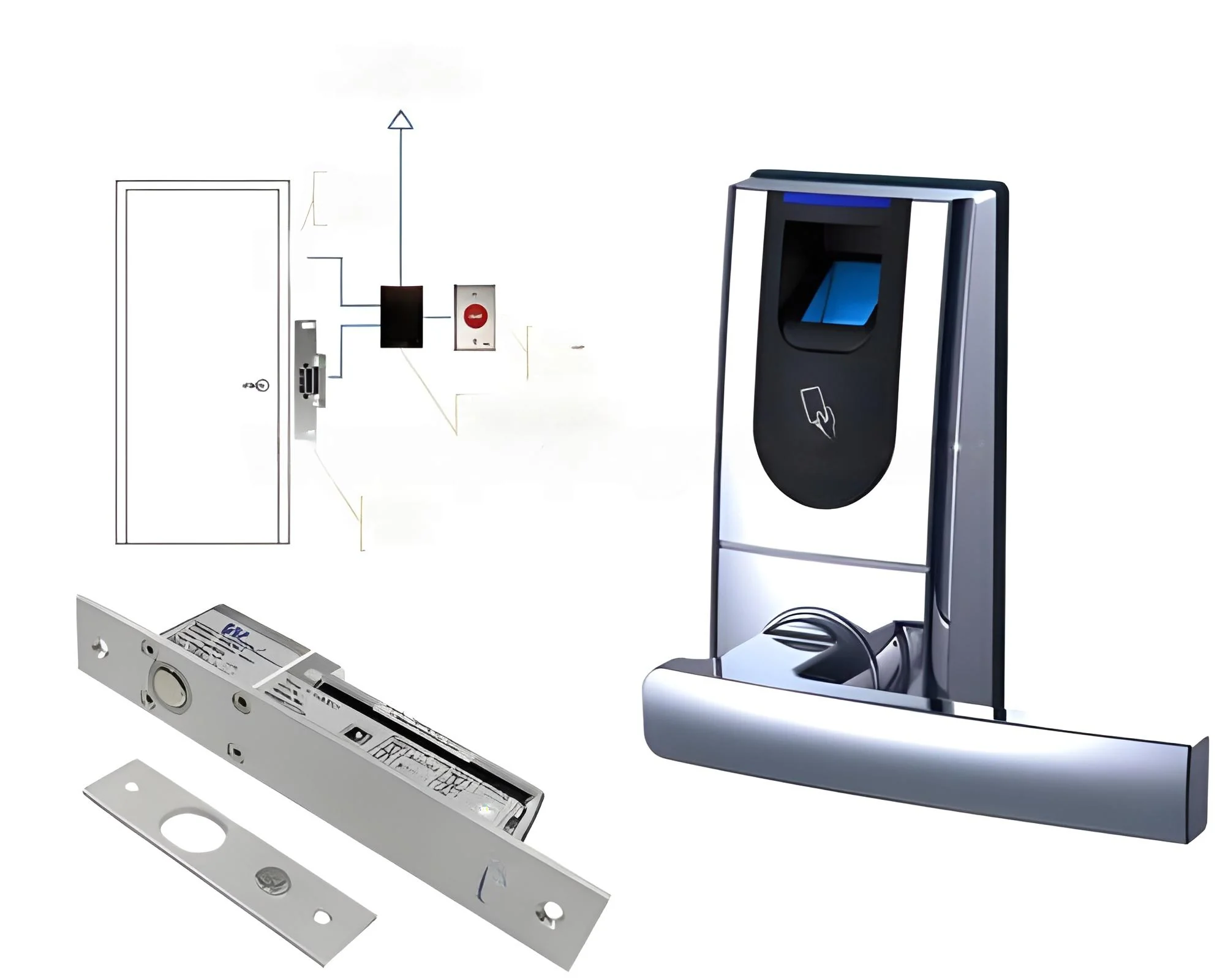
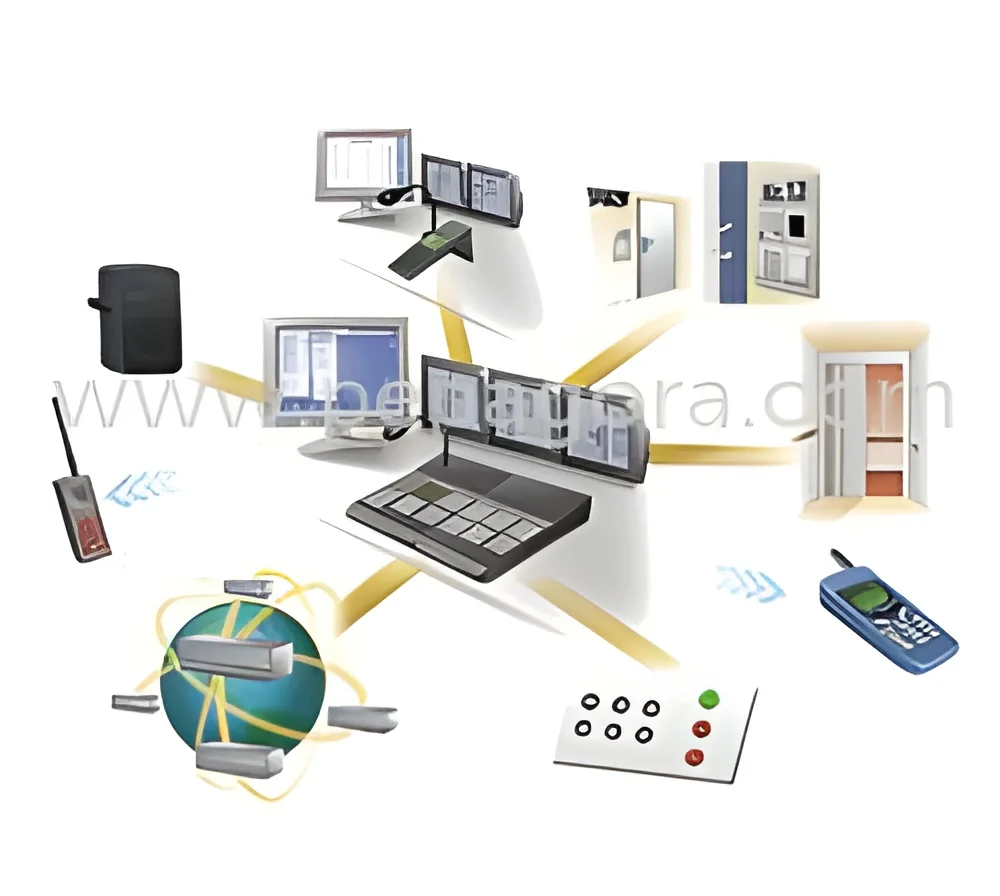
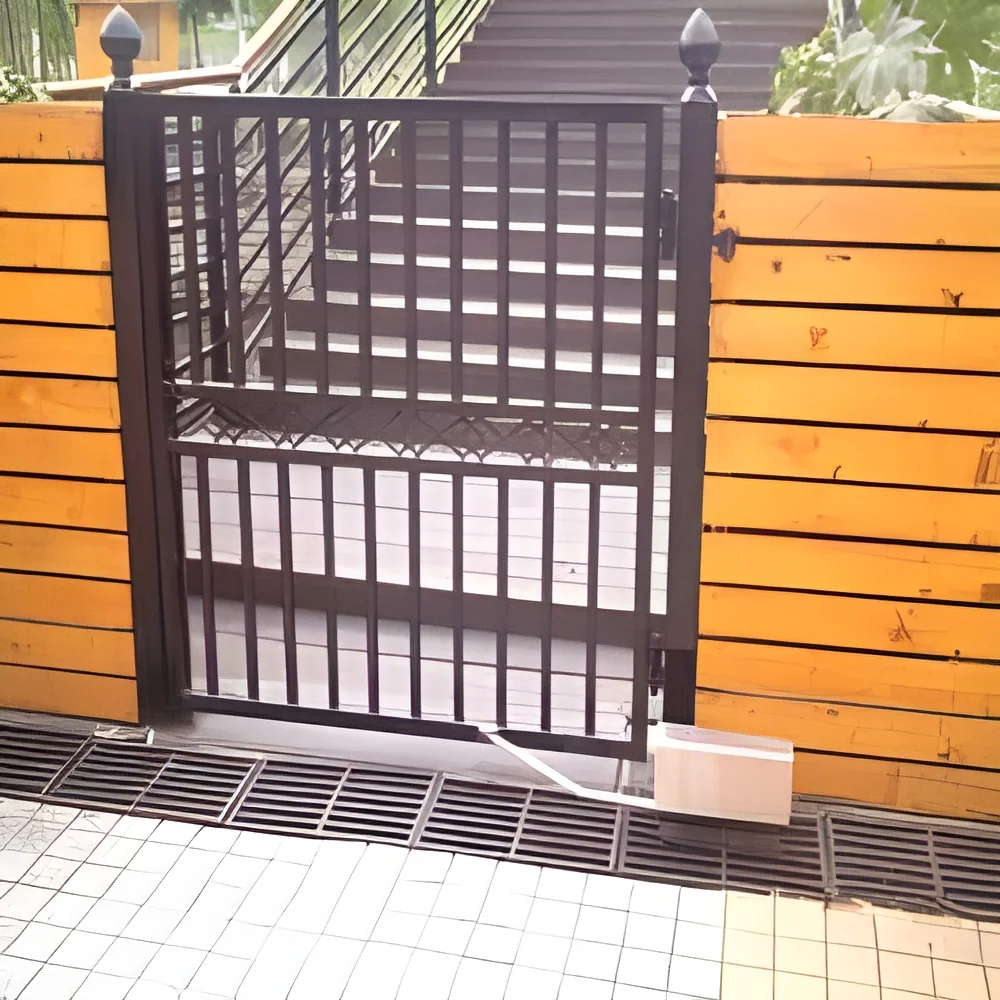
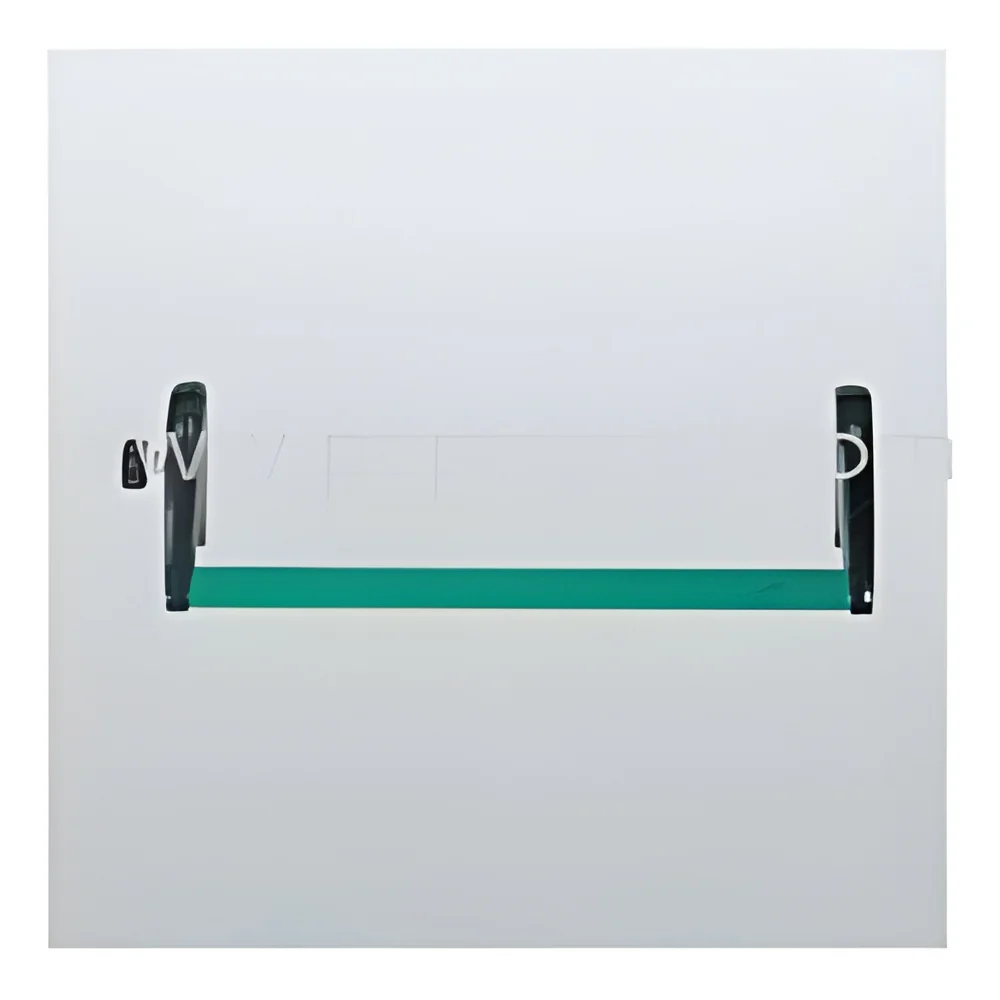
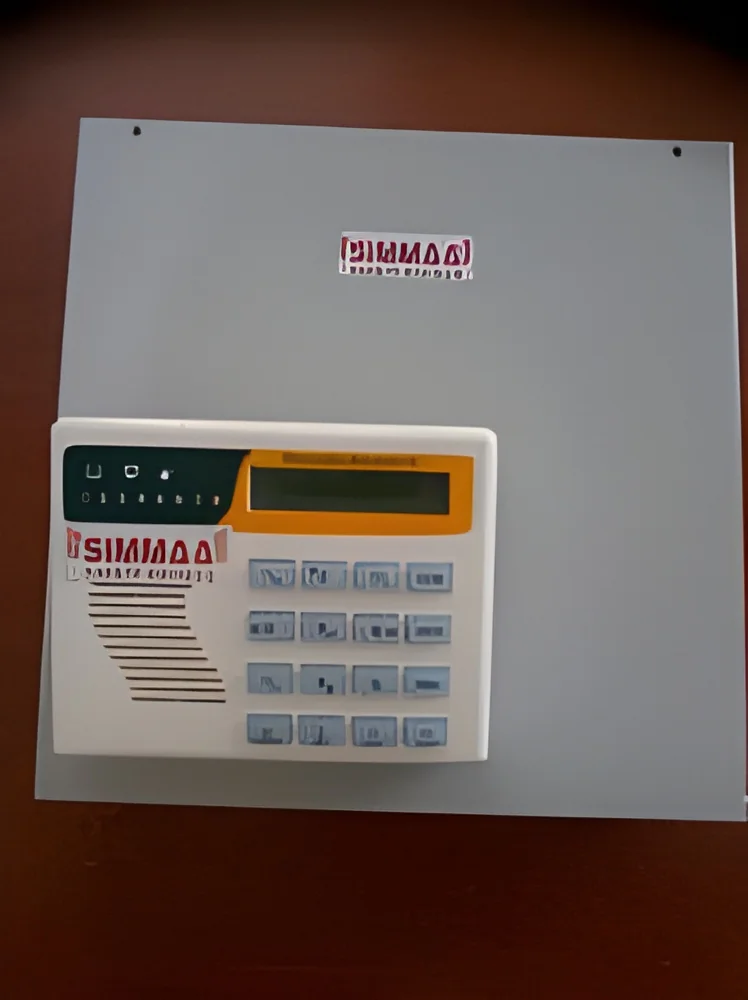
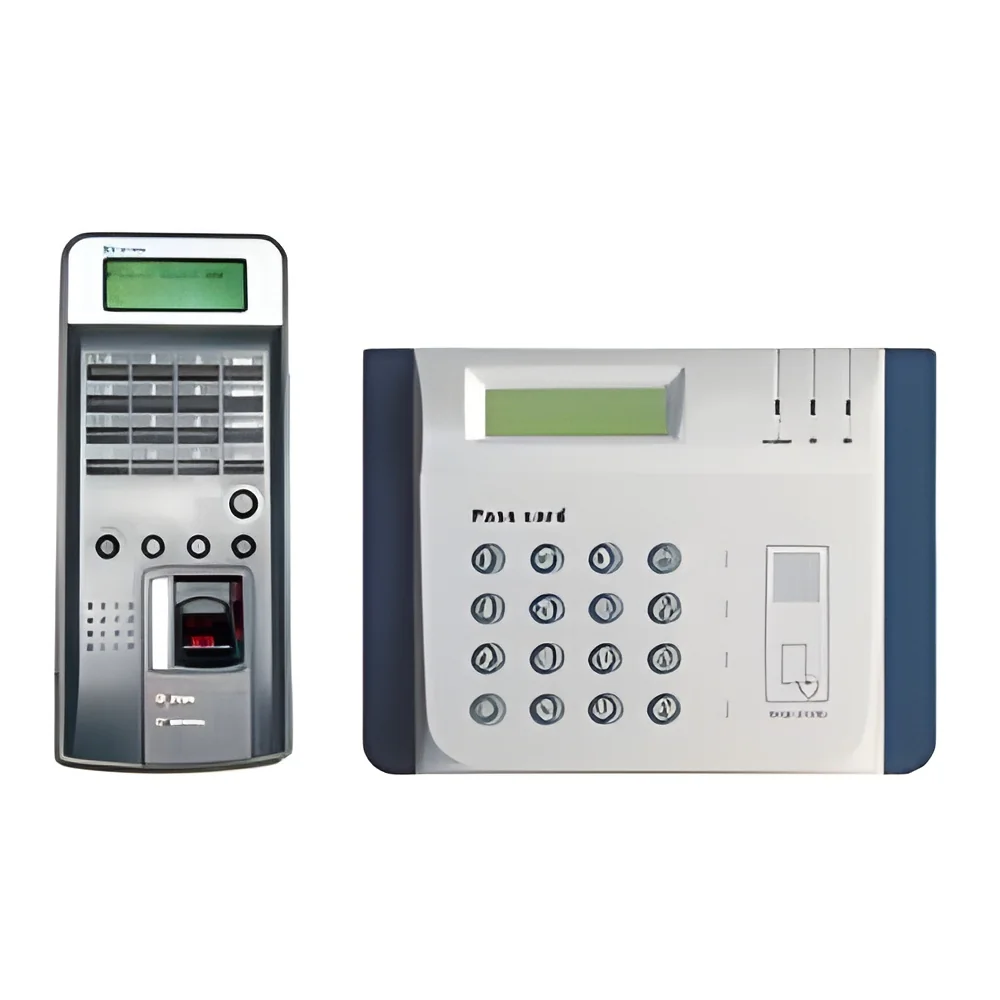
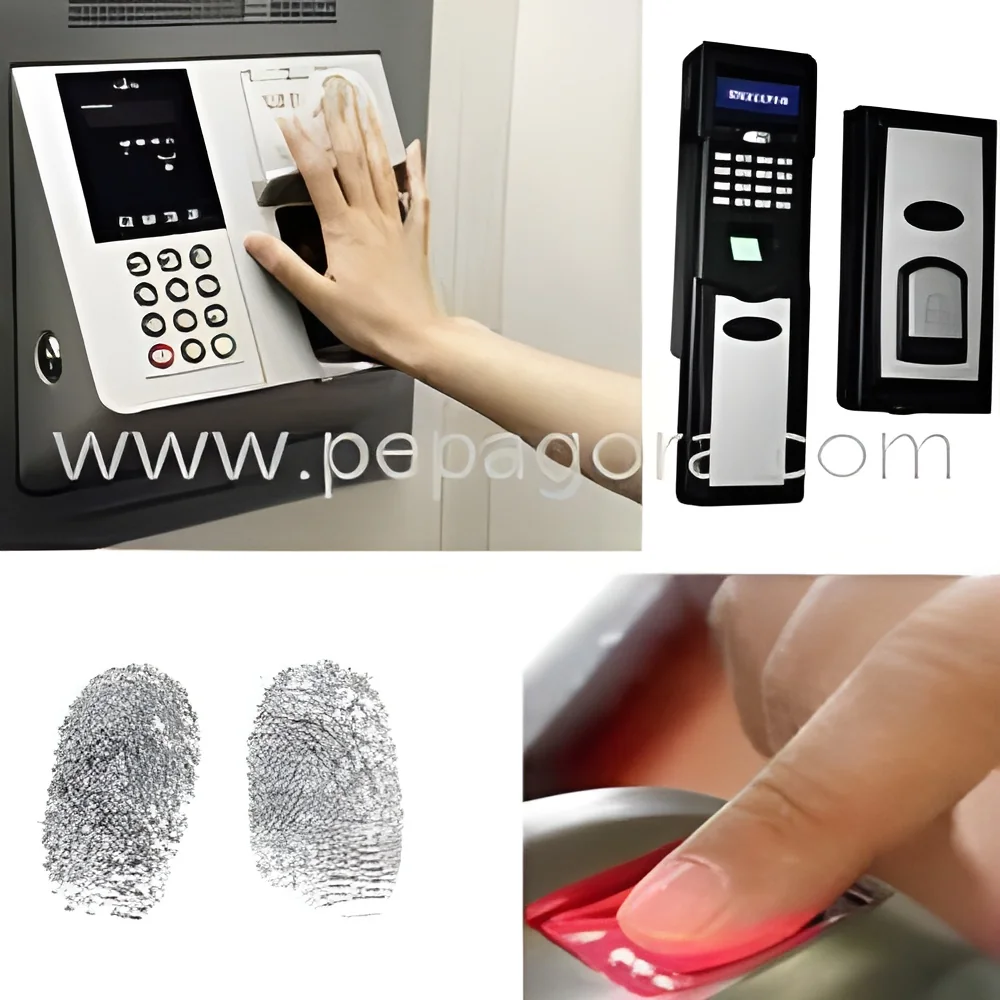
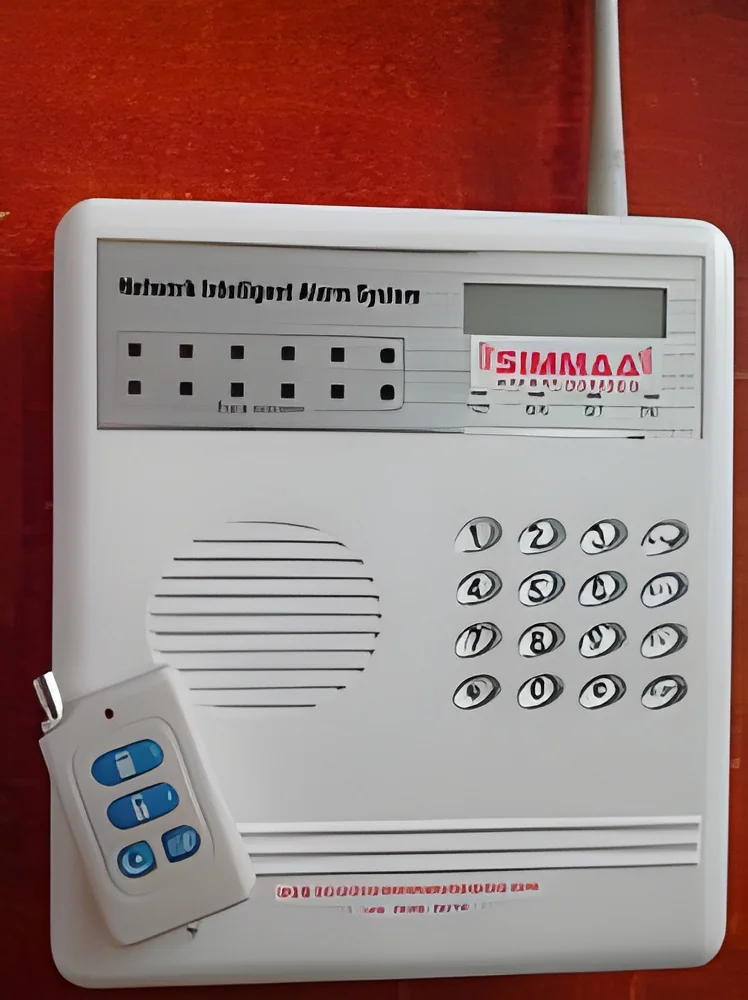
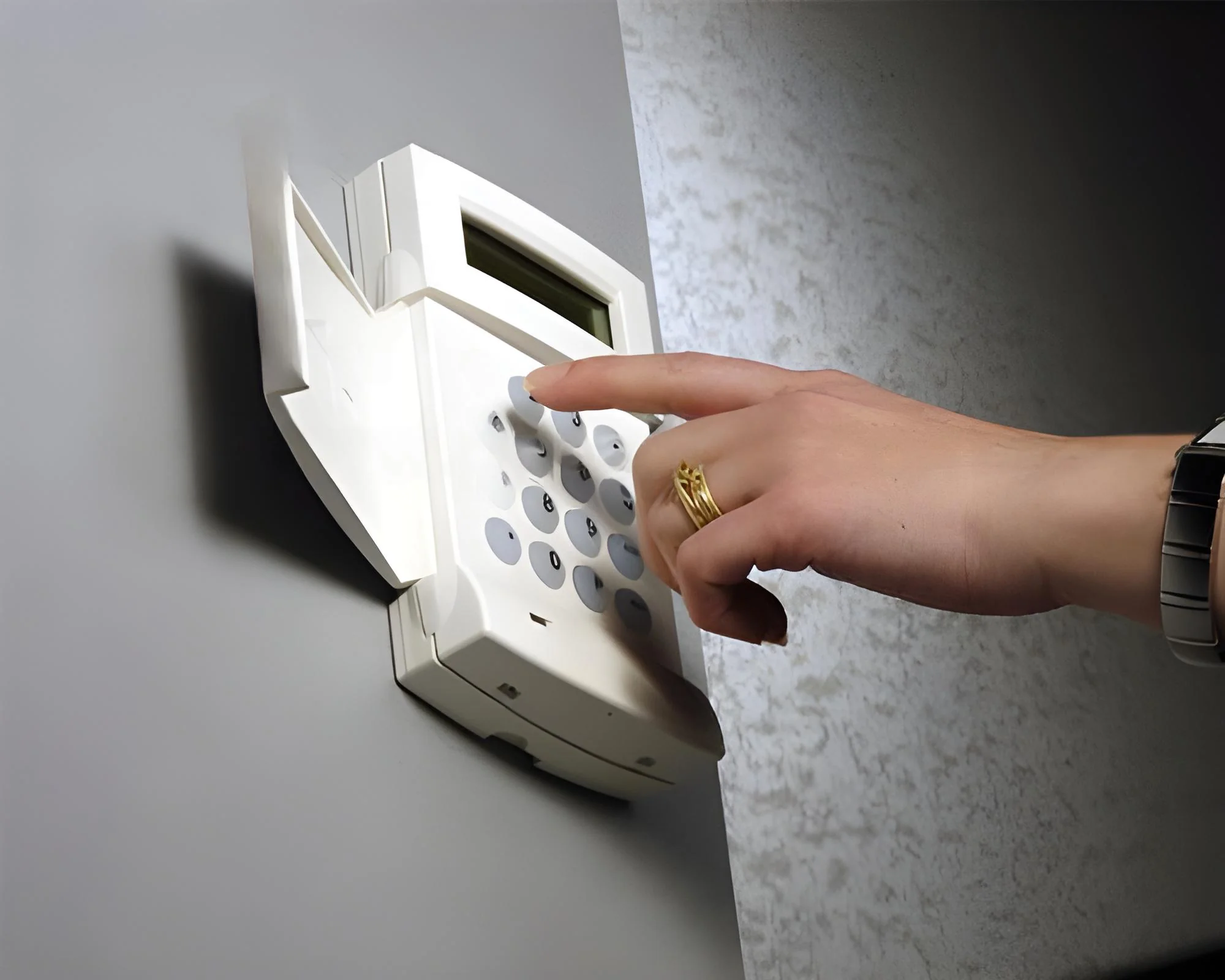
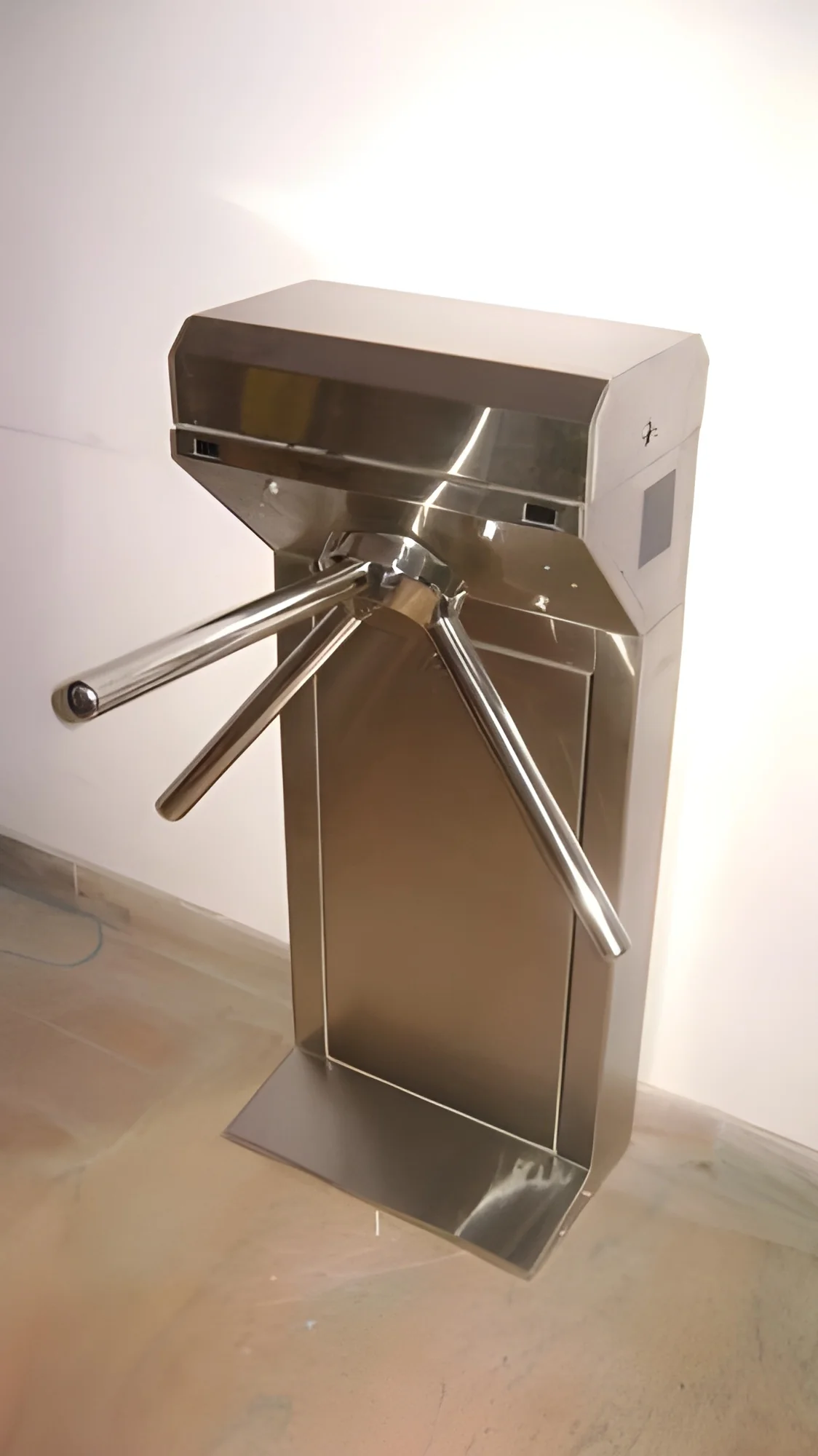
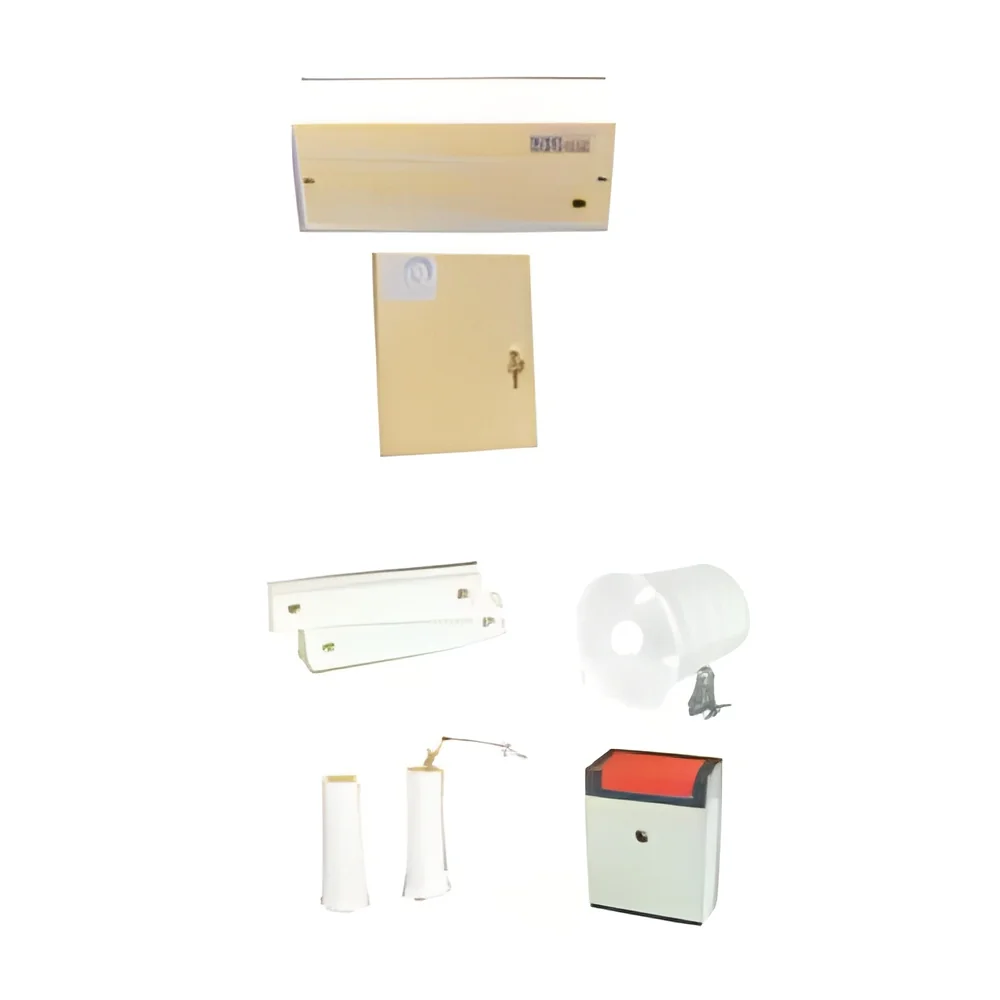
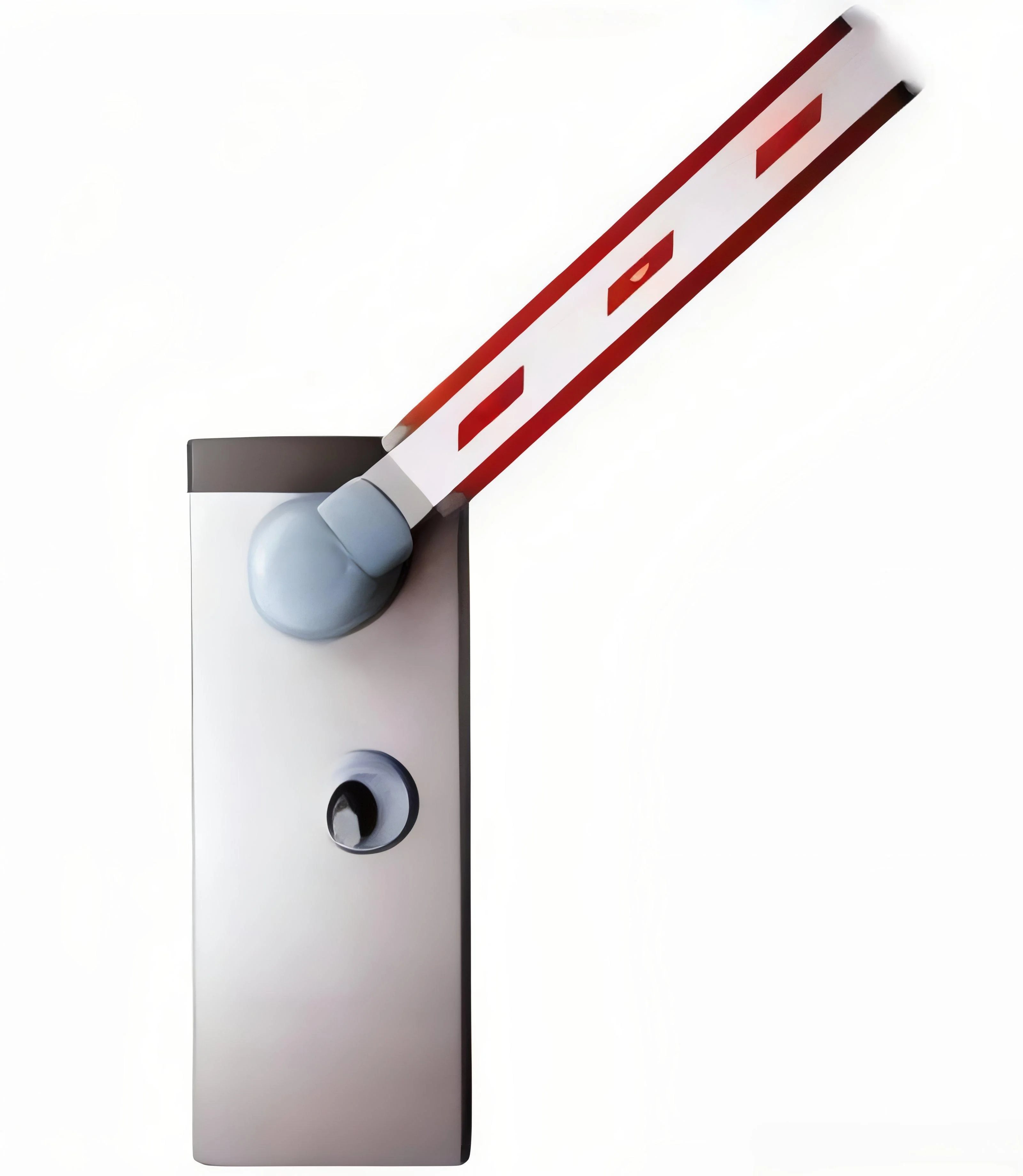
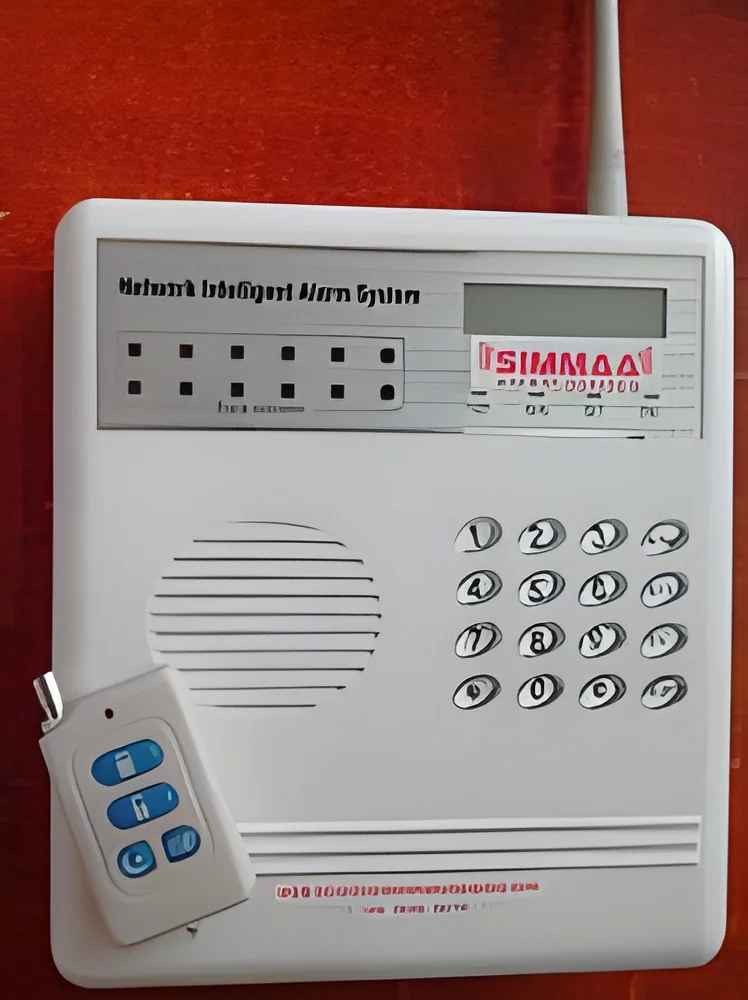
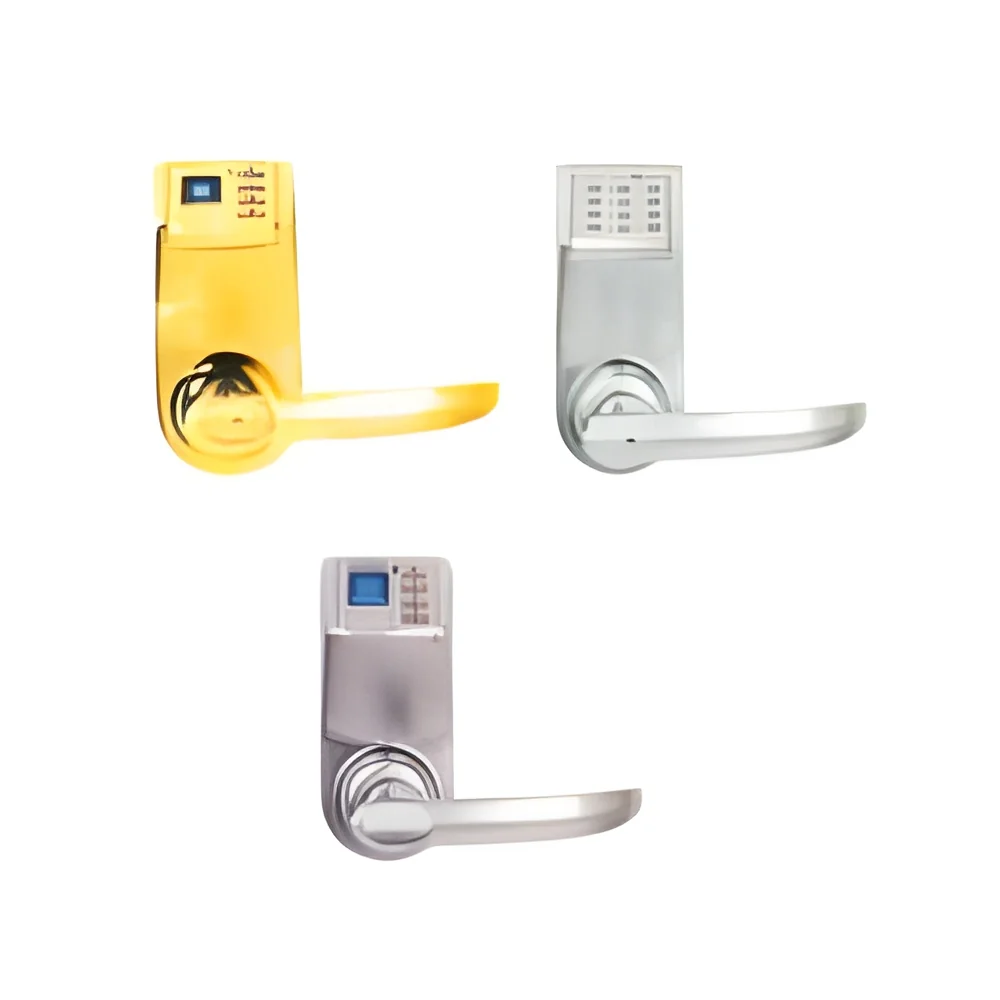
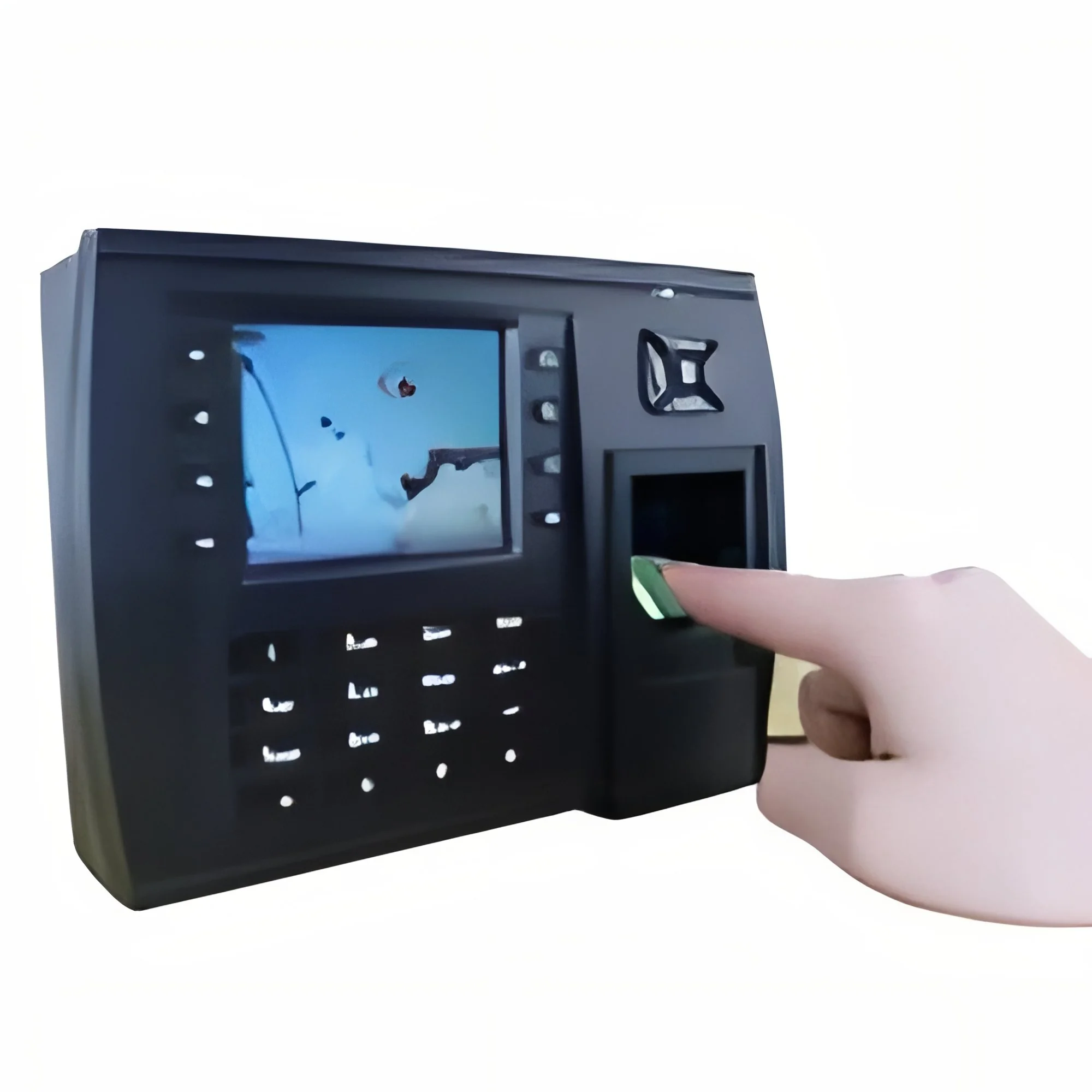
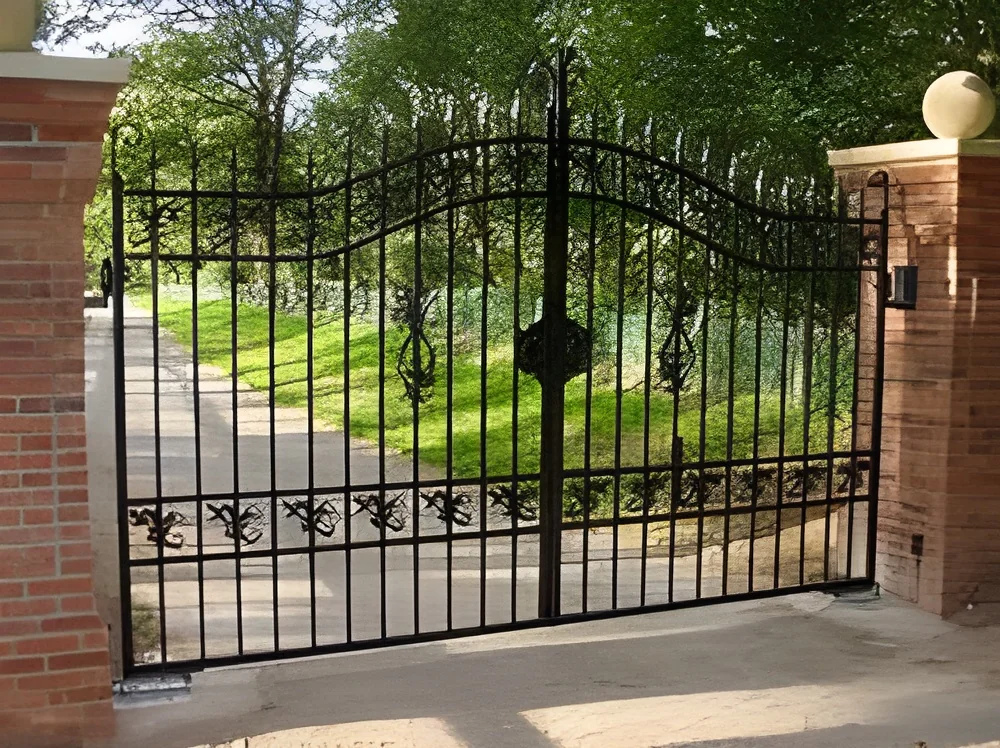
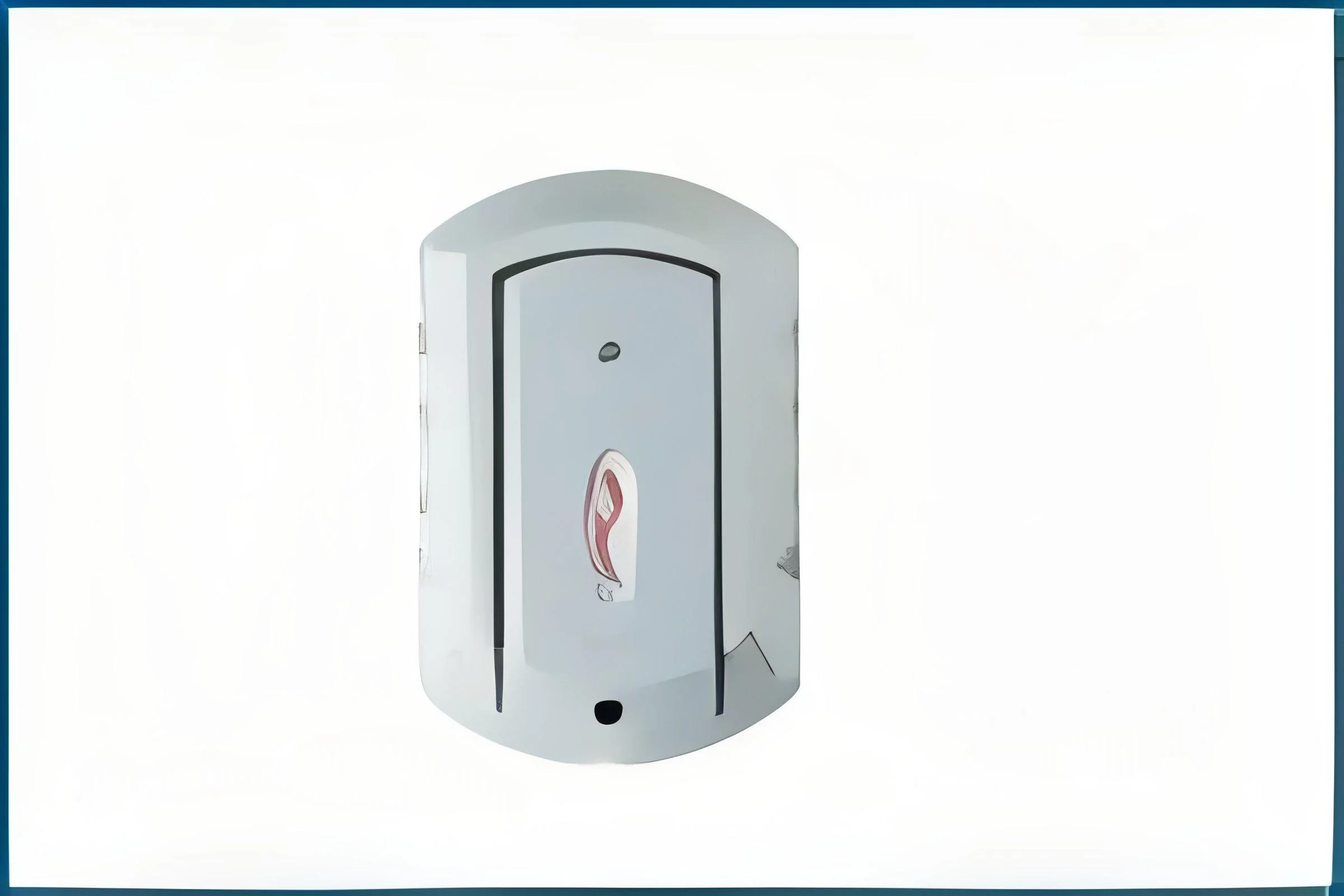
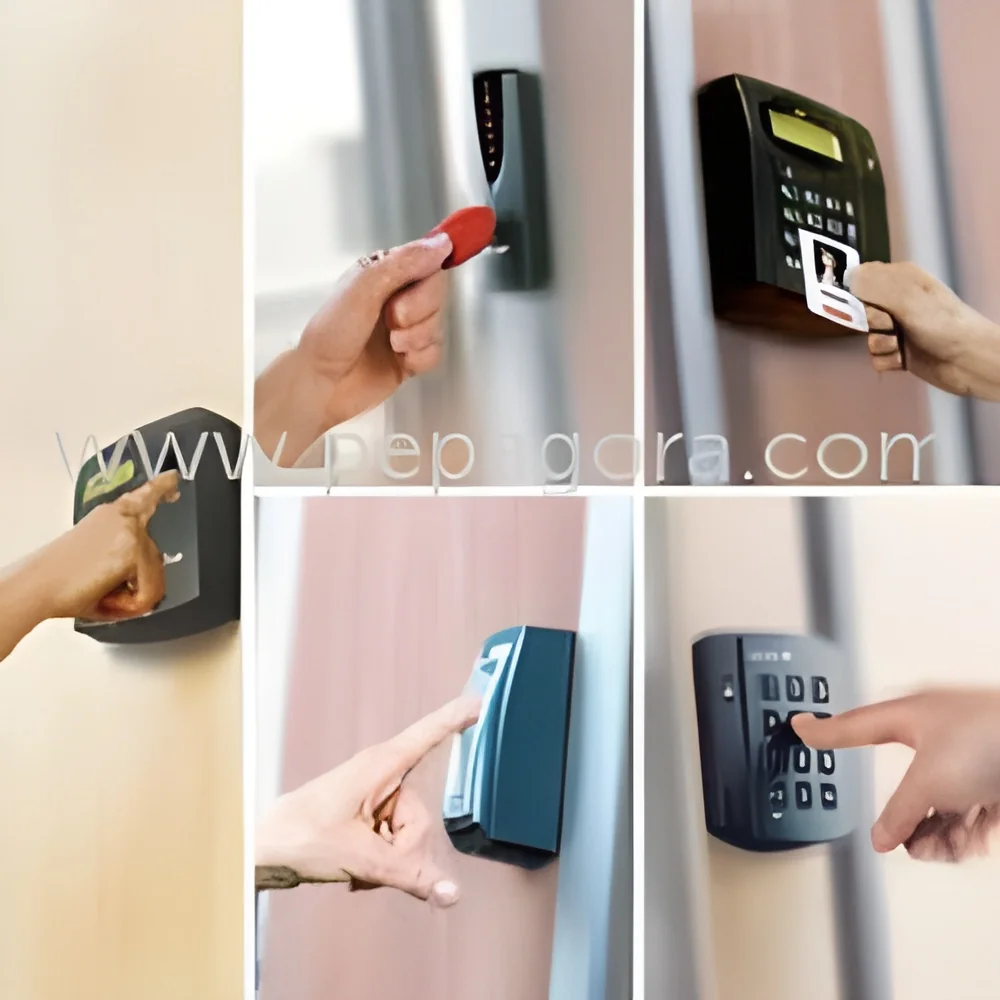
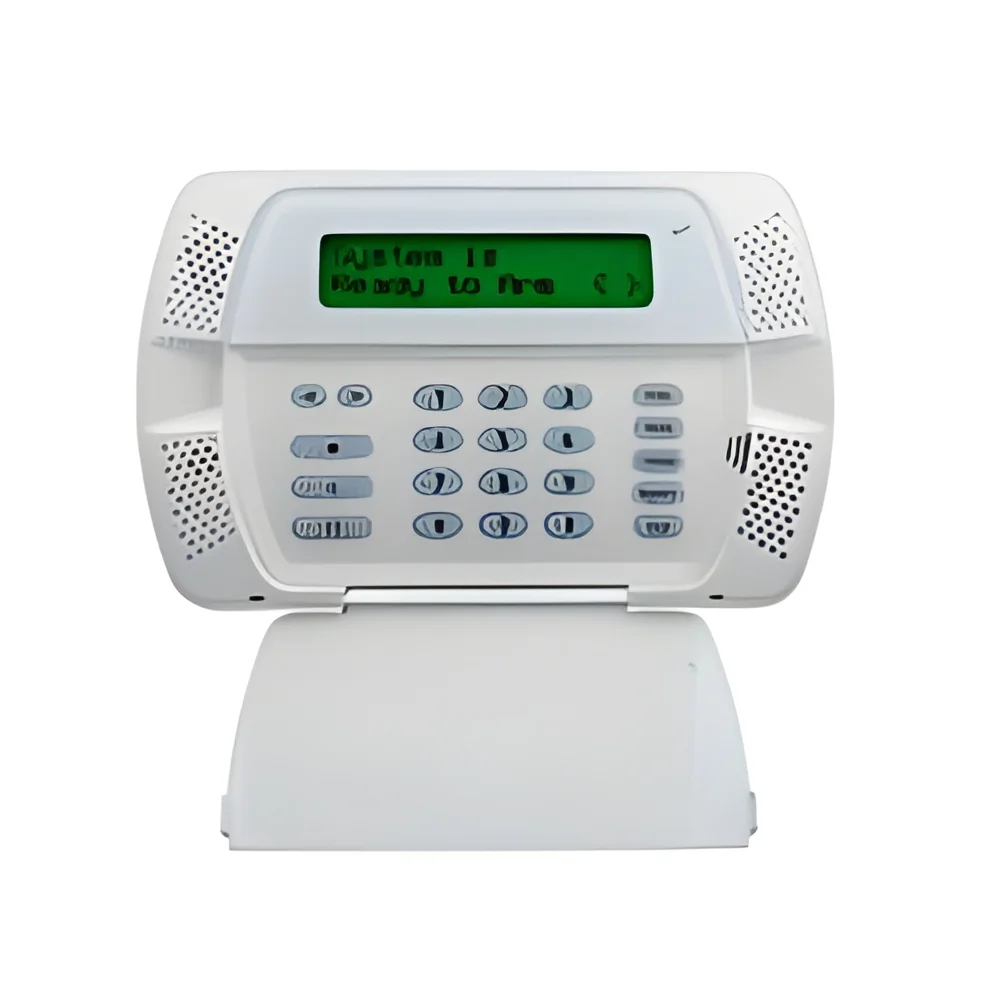
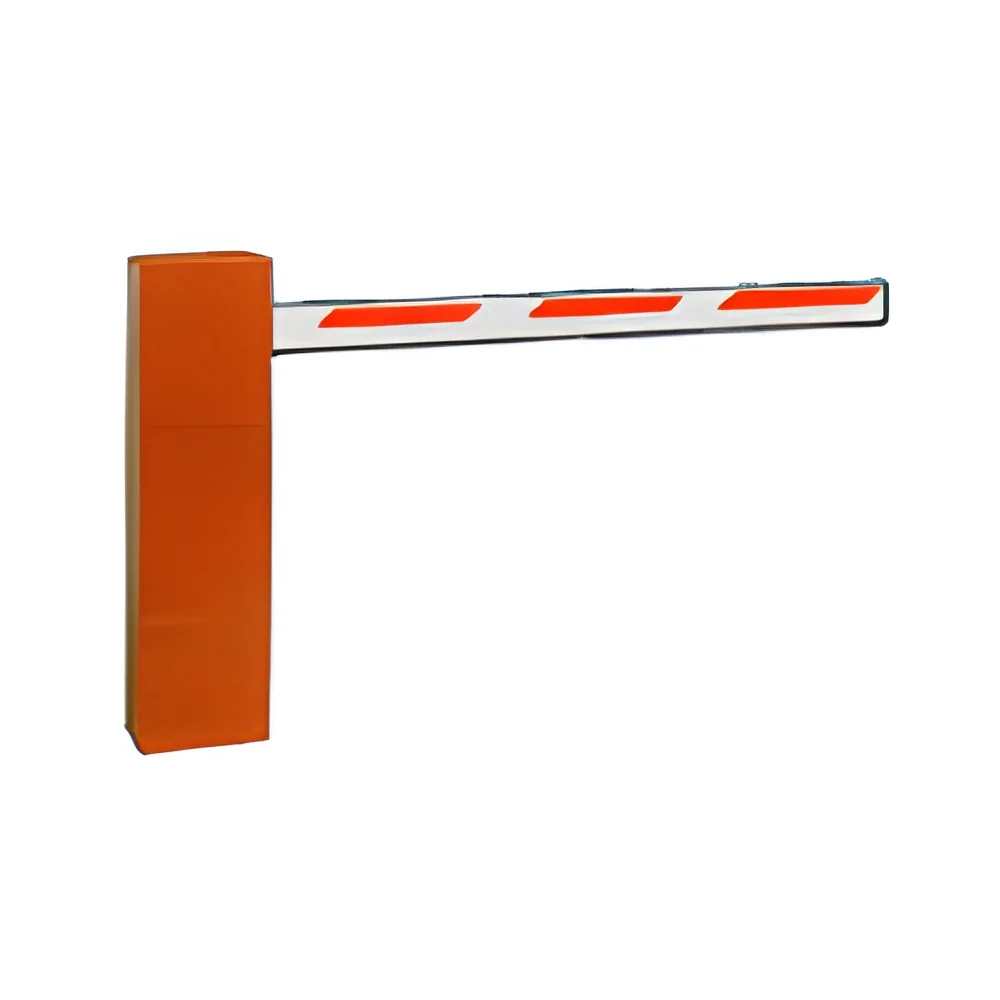
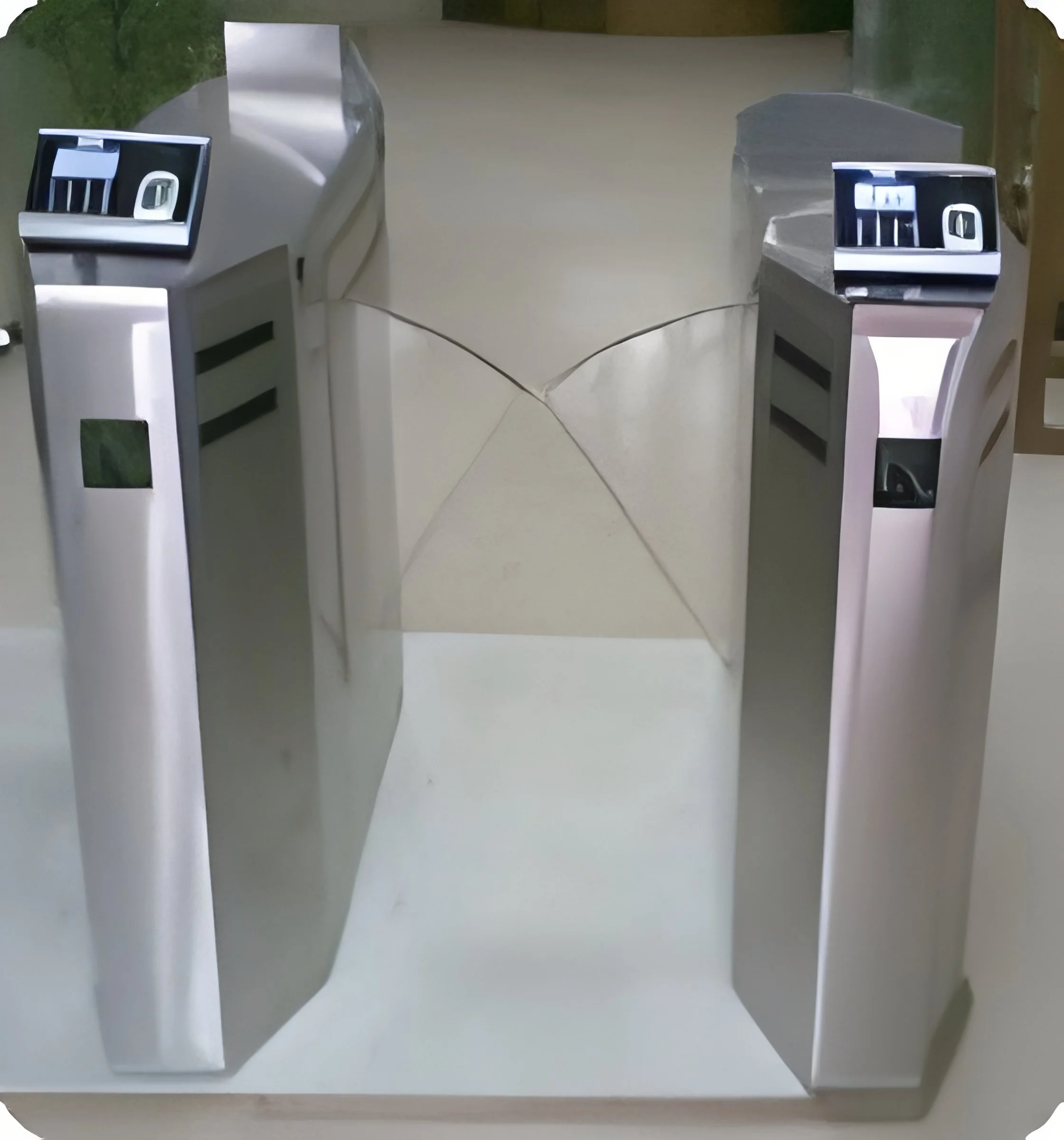
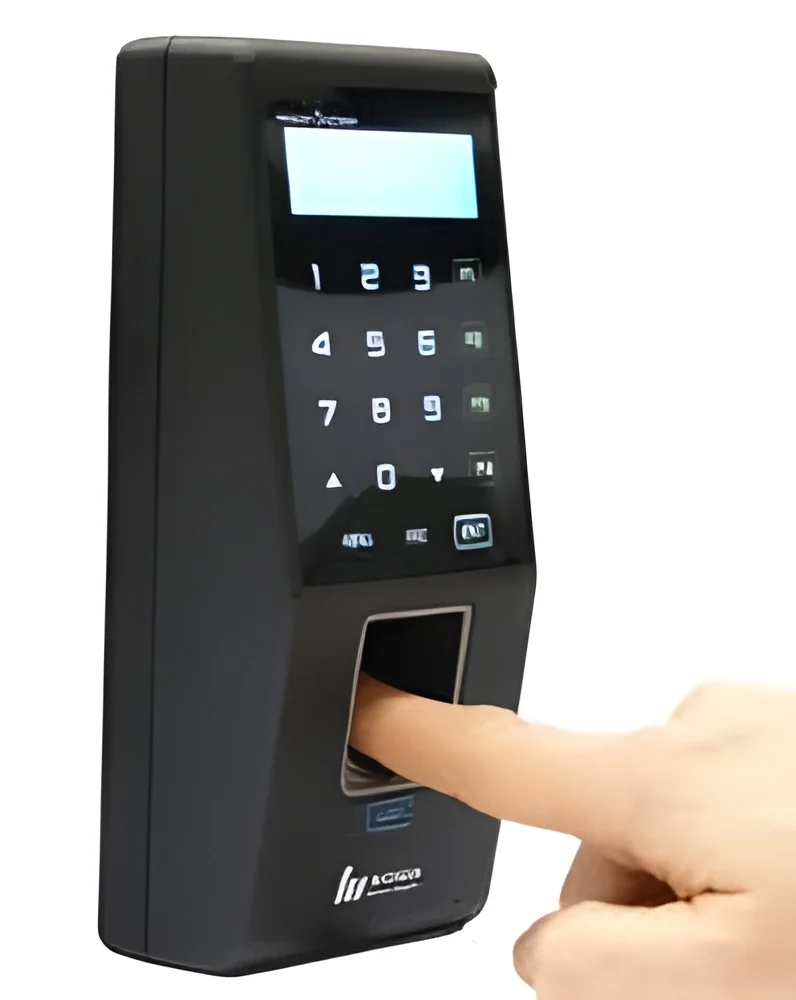
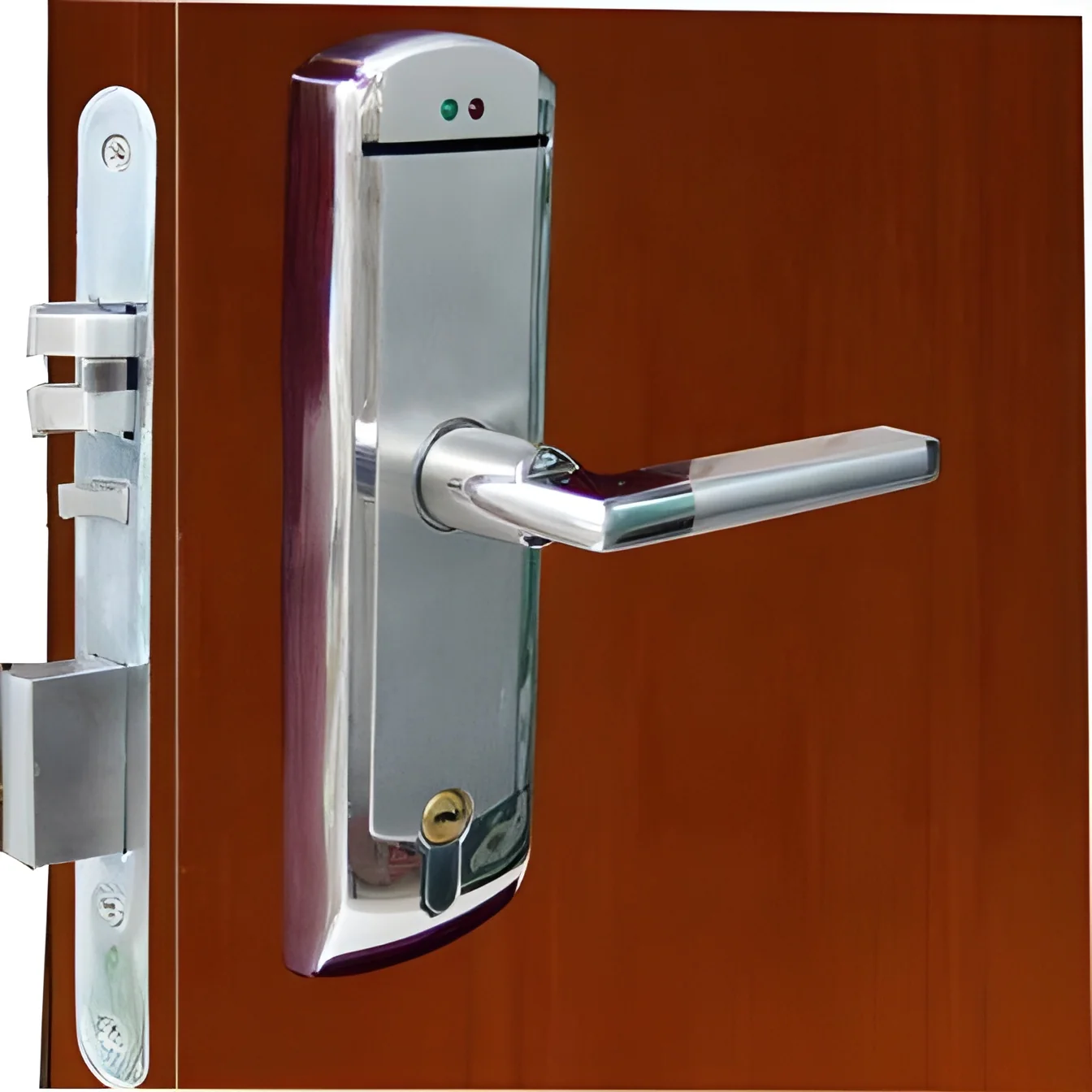
Access Control Systems are security solutions designed to manage who can enter or exit specific areas within a facility. These systems utilize technology to authorize or deny access based on predetermined criteria. They can range from simple keycard systems to complex biometric solutions that verify identity through fingerprints or facial recognition. The primary goal of access control is to enhance security by ensuring only authorized personnel can access sensitive areas.
Access Control Systems find applications in various business environments, including corporate offices, manufacturing plants, hospitals, and educational institutions. These systems help businesses protect their assets, sensitive information, and personnel. By controlling access, companies can also monitor employee movements and ensure compliance with security protocols. The relevance of access control continues to grow amid increasing security threats, making it a critical component of modern business infrastructure.
Key Features and Specifications
Access Control Systems are equipped with several features that enhance their functionality and usability. Understanding these specifications is crucial for businesses looking to invest in these systems.
Key specifications include:
1. Authentication Methods
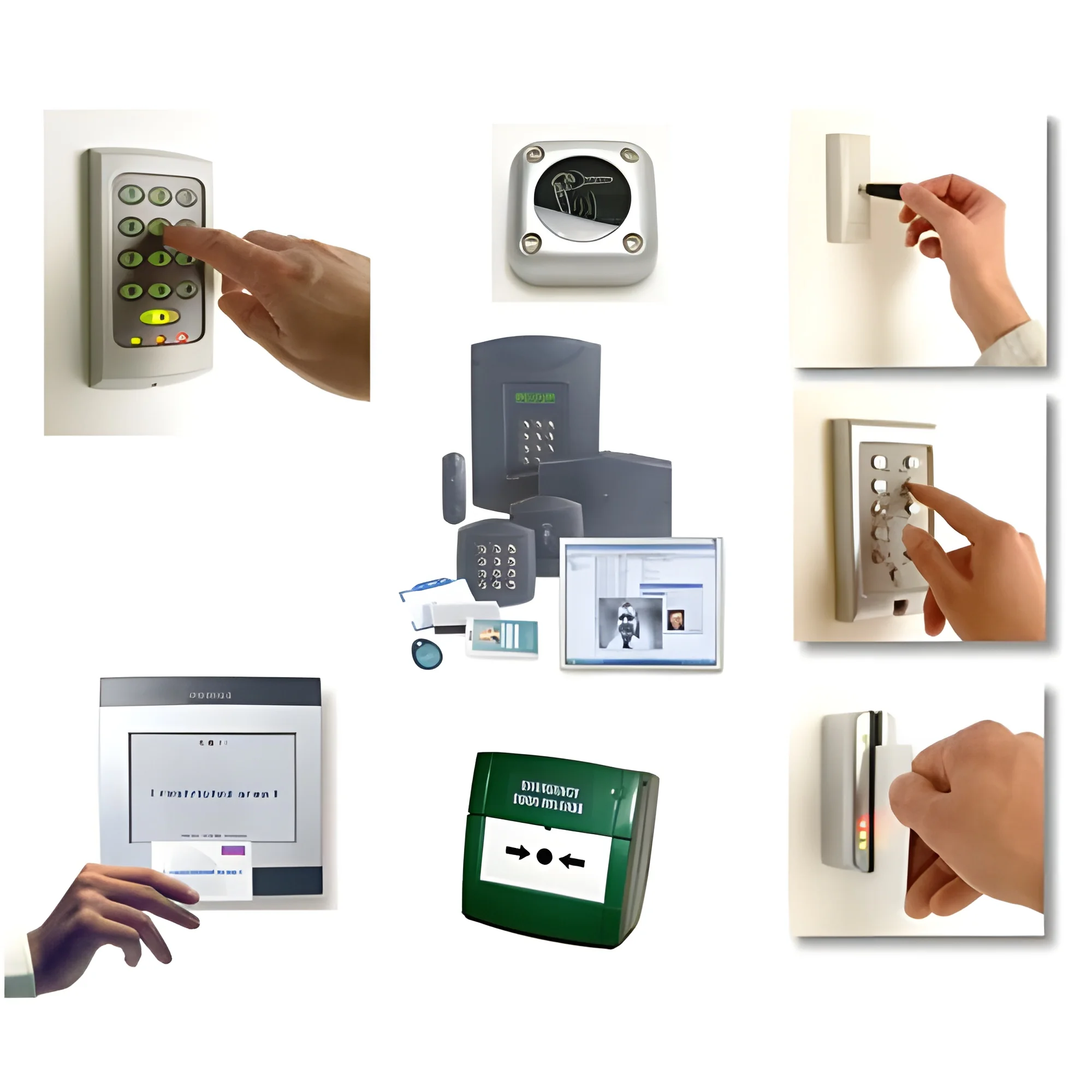
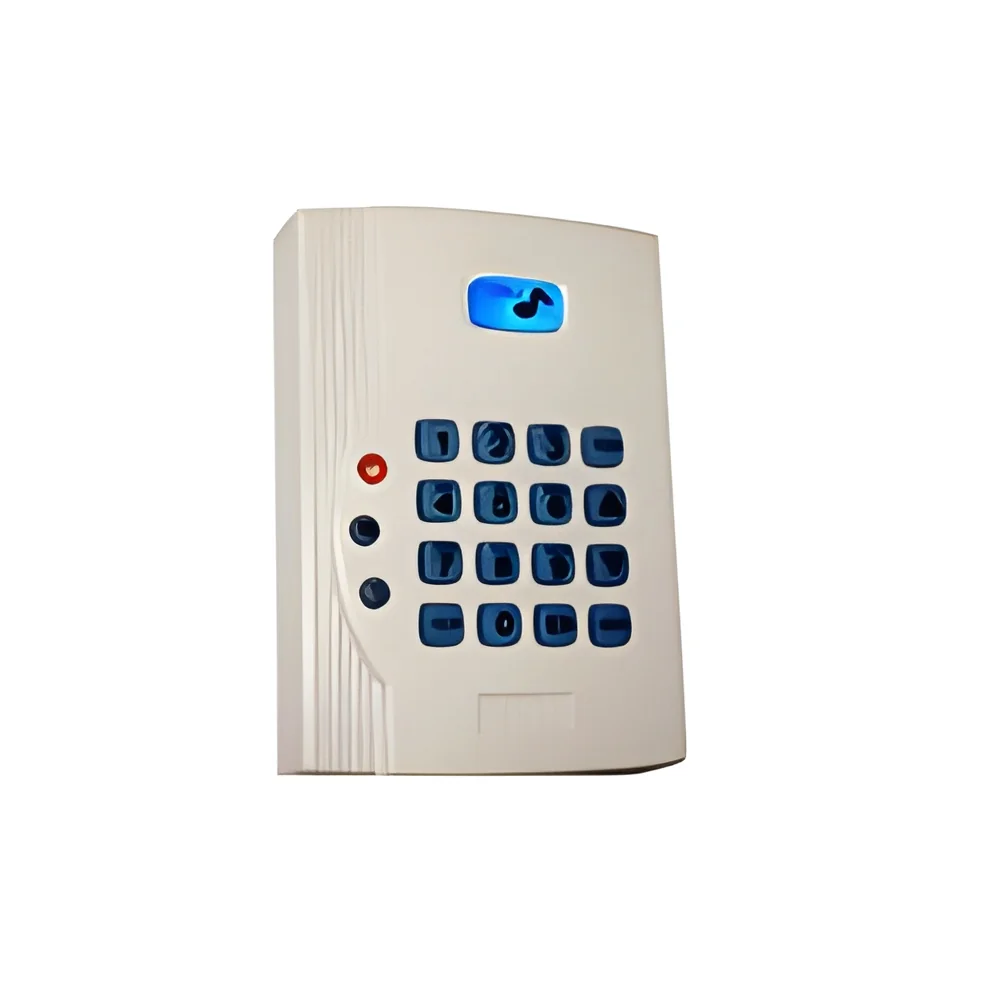
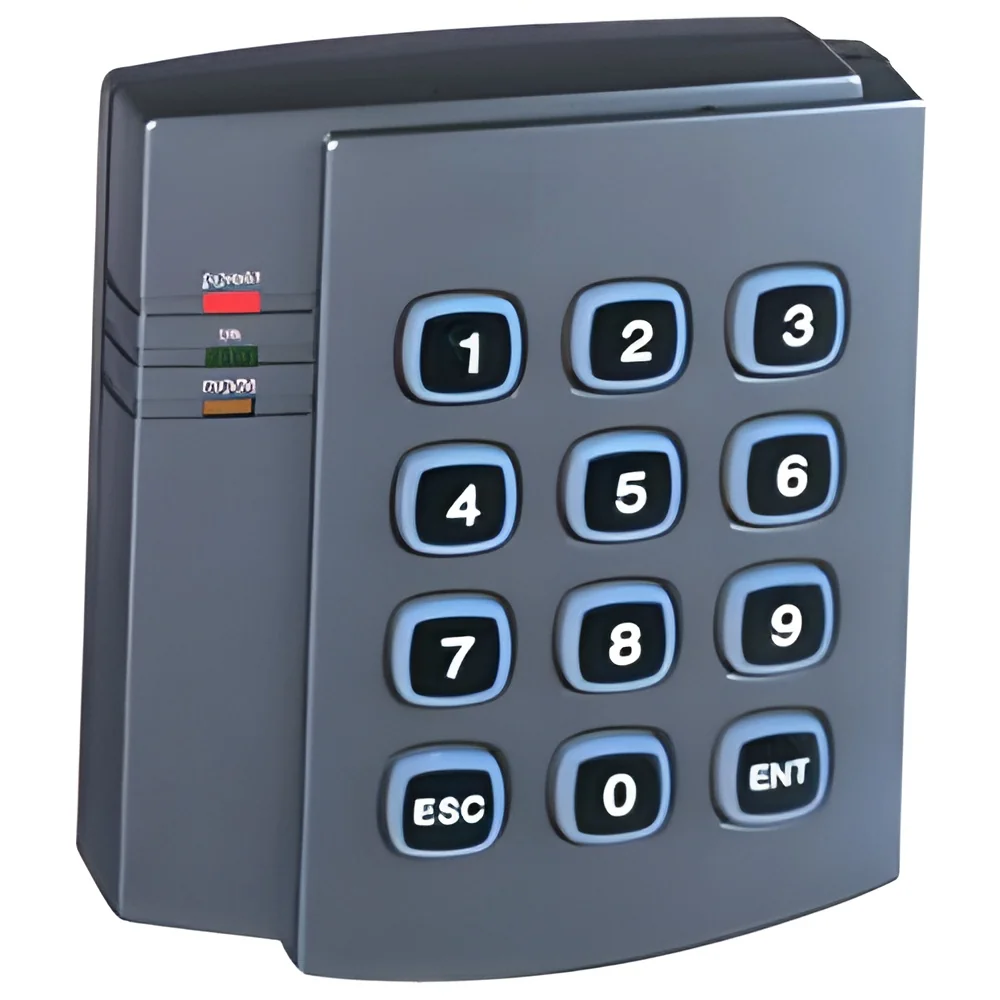
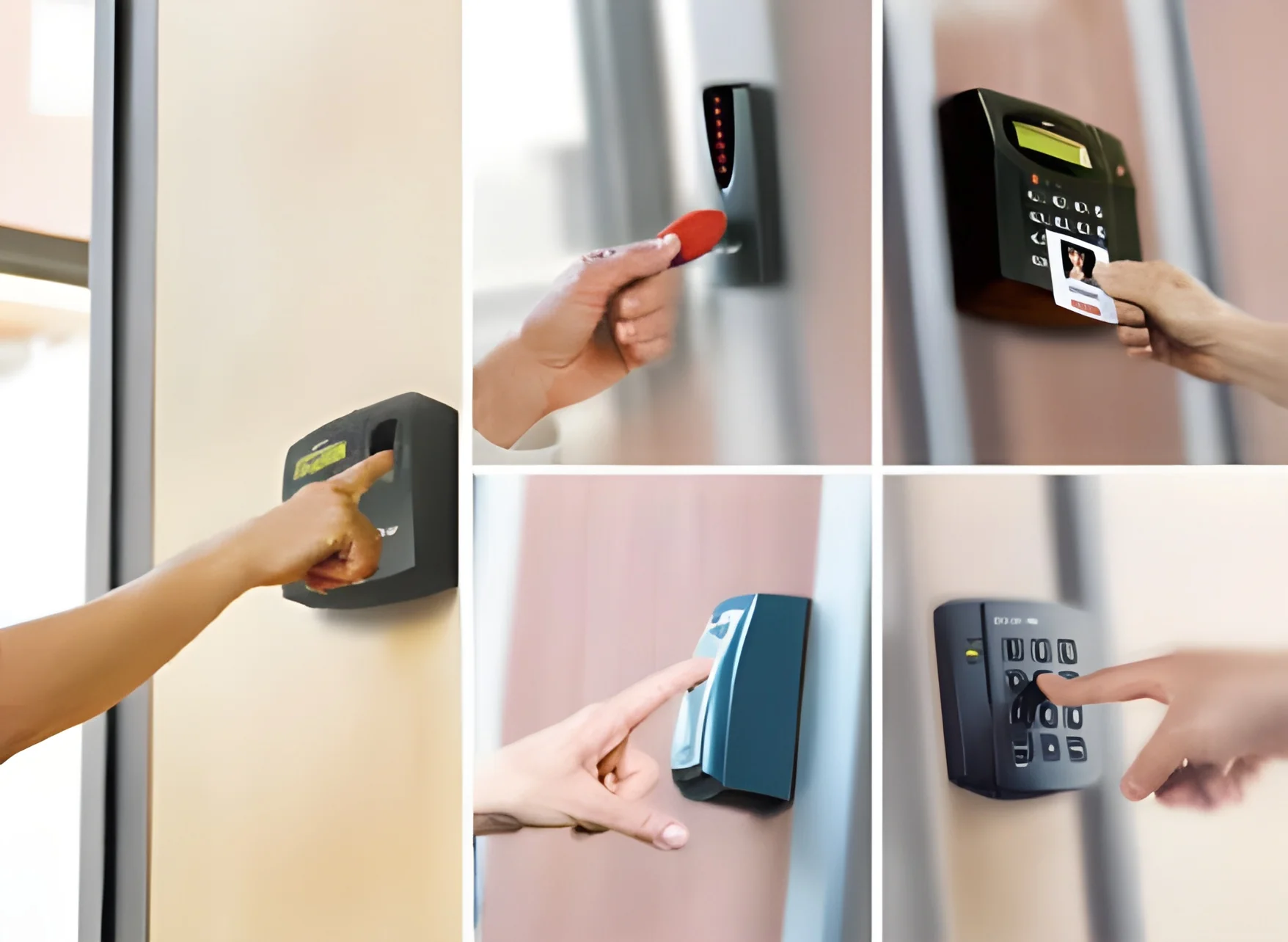
- Options include keycards, PIN codes, biometric scans, and mobile access.
- Each method provides varying levels of security and convenience.
2. Integration Capabilities
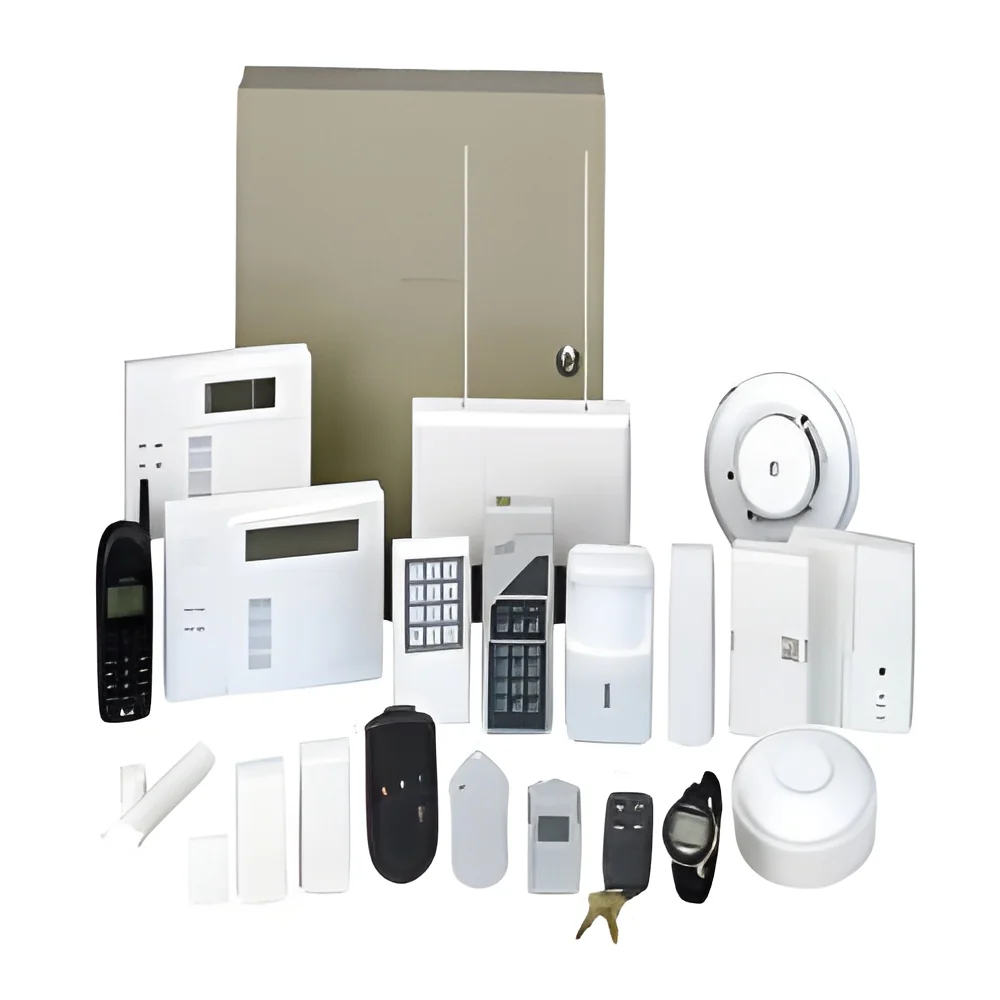
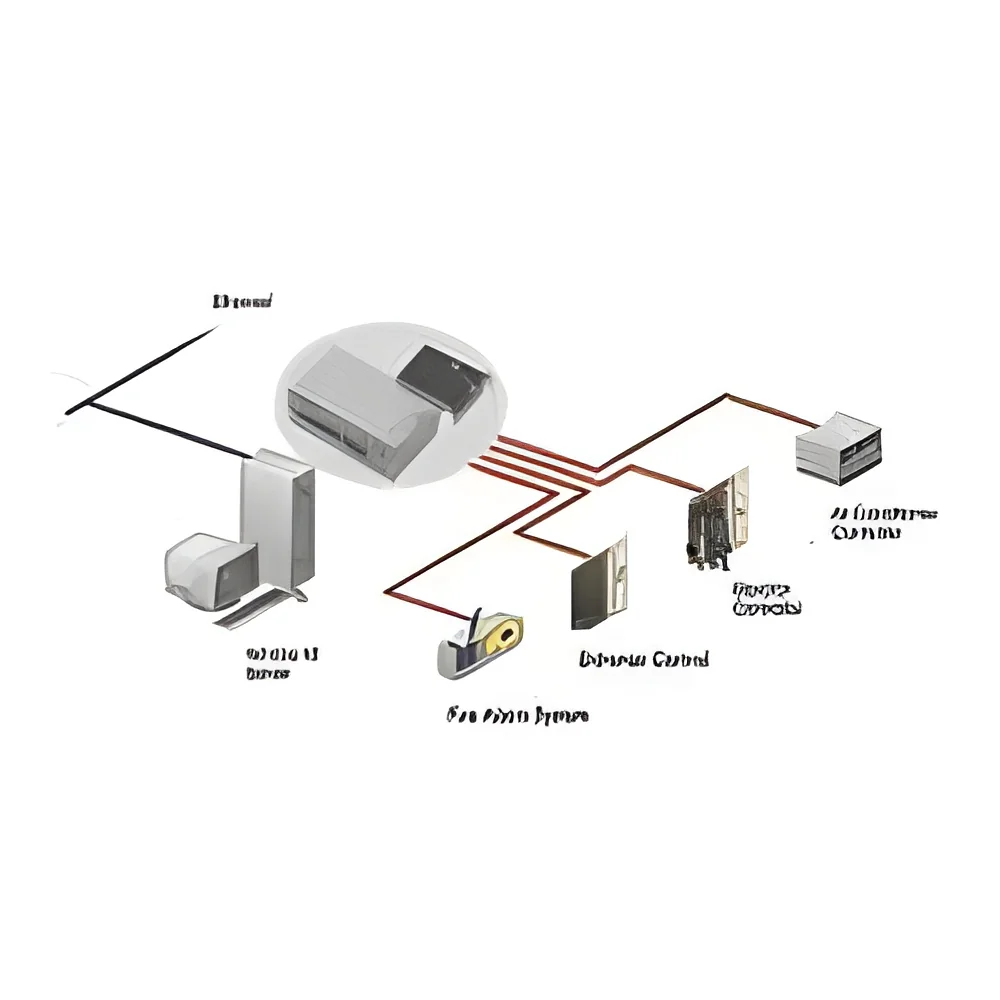
- Ability to integrate with other security systems such as surveillance cameras and alarms.
- Facilitates a comprehensive security solution for facilities.
3. User Management
- Features for adding, removing, or modifying user access levels.
- Allows for easy management of employee access rights.
4. Audit Trails
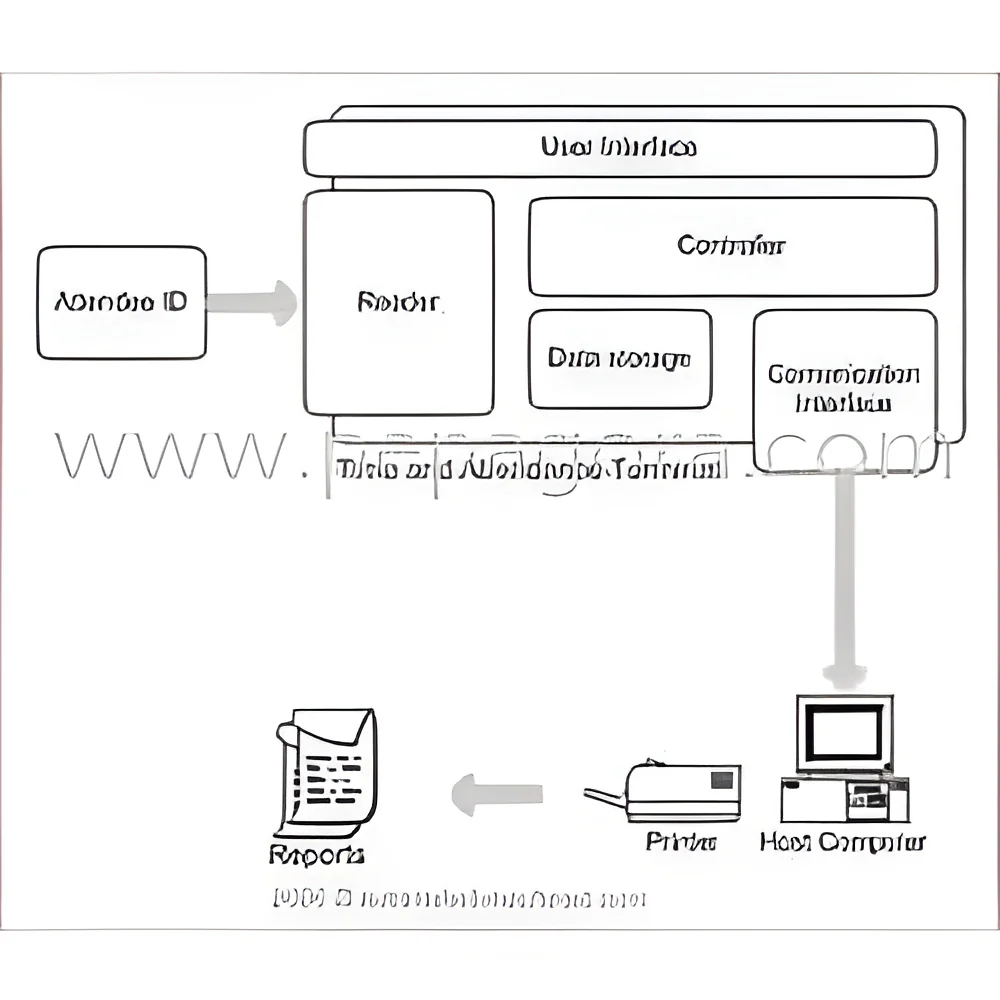
- Capability to record and report access events for compliance and security audits.
- Helps in tracking who accessed specific areas and when.
5. Remote Access
- Options for managing the system from remote locations.
- Enables administrators to control access even when off-site.
6. Scalability
- Designed to expand as business needs grow.
- Supports adding more access points or users without major system changes.
7. Durability
- Built to withstand various environmental conditions.
- Ensures long-term performance in industrial settings.
8. Regulatory Compliance
- Meets specific industry standards and regulations.
- Ensures that businesses adhere to necessary security protocols.
In summary, understanding the key features and specifications of Access Control Systems helps businesses make informed purchasing decisions that align with their security needs.
Common Applications and Use Cases
Access Control Systems serve a wide range of industries, providing tailored security solutions based on specific needs.
1. Corporate Offices: These systems manage employee access to sensitive areas such as server rooms and executive offices, ensuring that only authorized personnel can enter.
2. Manufacturing Facilities: In manufacturing plants, access control helps monitor who enters and exits production areas, maintaining security and preventing unauthorized access to sensitive equipment.
3. Healthcare Institutions: Hospitals and clinics use access control to restrict access to patient records and medication storage, ensuring compliance with healthcare regulations.
4. Educational Institutions: Schools and universities implement access control to secure dormitories and administrative offices, enhancing student safety.
5. Retail Environments: Retail stores utilize access control to manage employee access to stockrooms and cash handling areas, minimizing theft and ensuring accountability.
6. Government Facilities: Government buildings employ access control systems to protect sensitive information and secure restricted areas from unauthorized individuals.
7. Data Centers: Data centers rely on robust access control measures to protect critical infrastructure and sensitive data from unauthorized access.
Product Variants and Subcategories
Access Control Systems come in various forms to meet different needs and applications. Each variant offers specific features tailored to distinct environments.
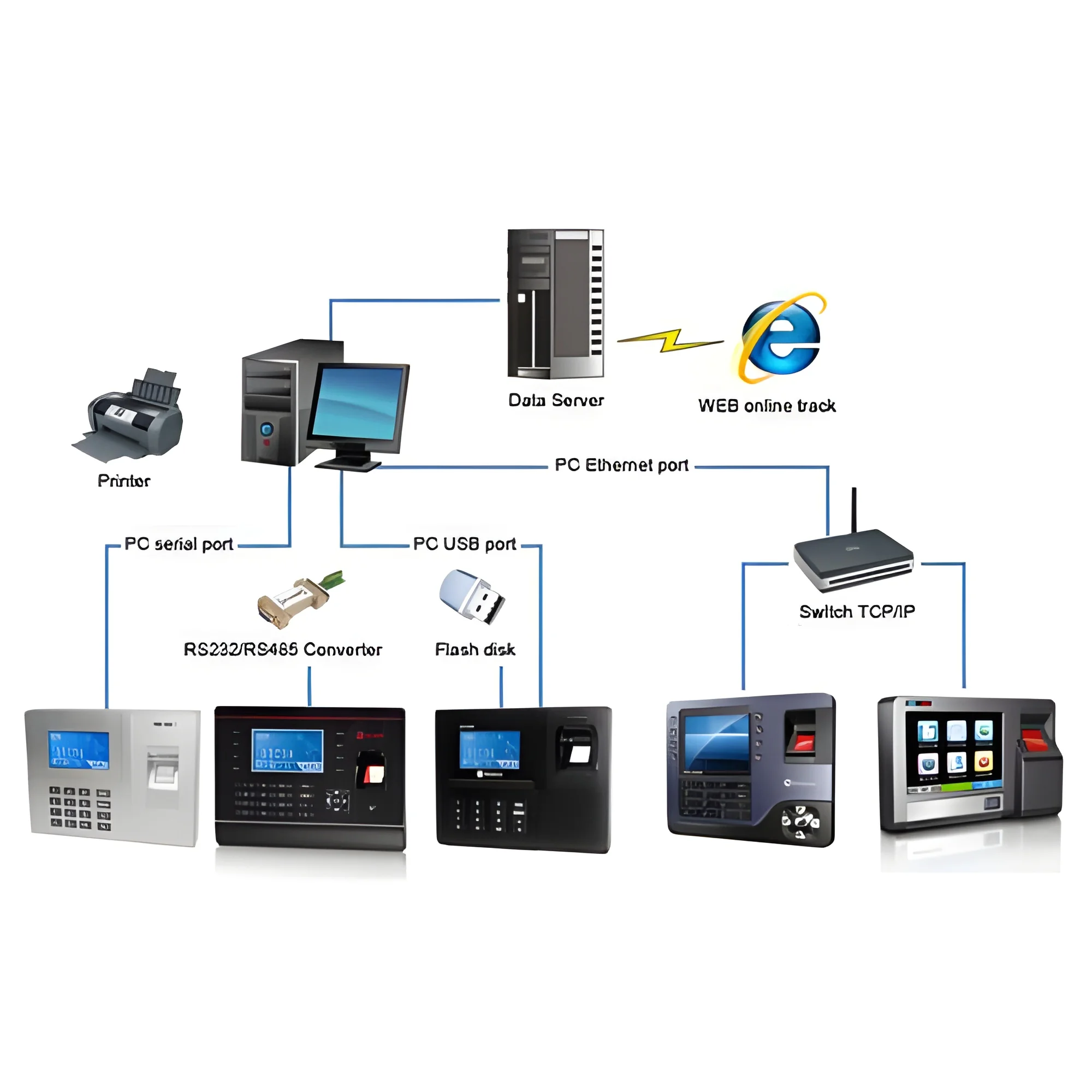
Standalone Systems: These systems operate independently and are ideal for small businesses or specific locations that require basic access control without complex integration.
Networked Systems: Designed for larger organizations, these systems allow for centralized management across multiple locations. They often integrate with other security measures like CCTV.
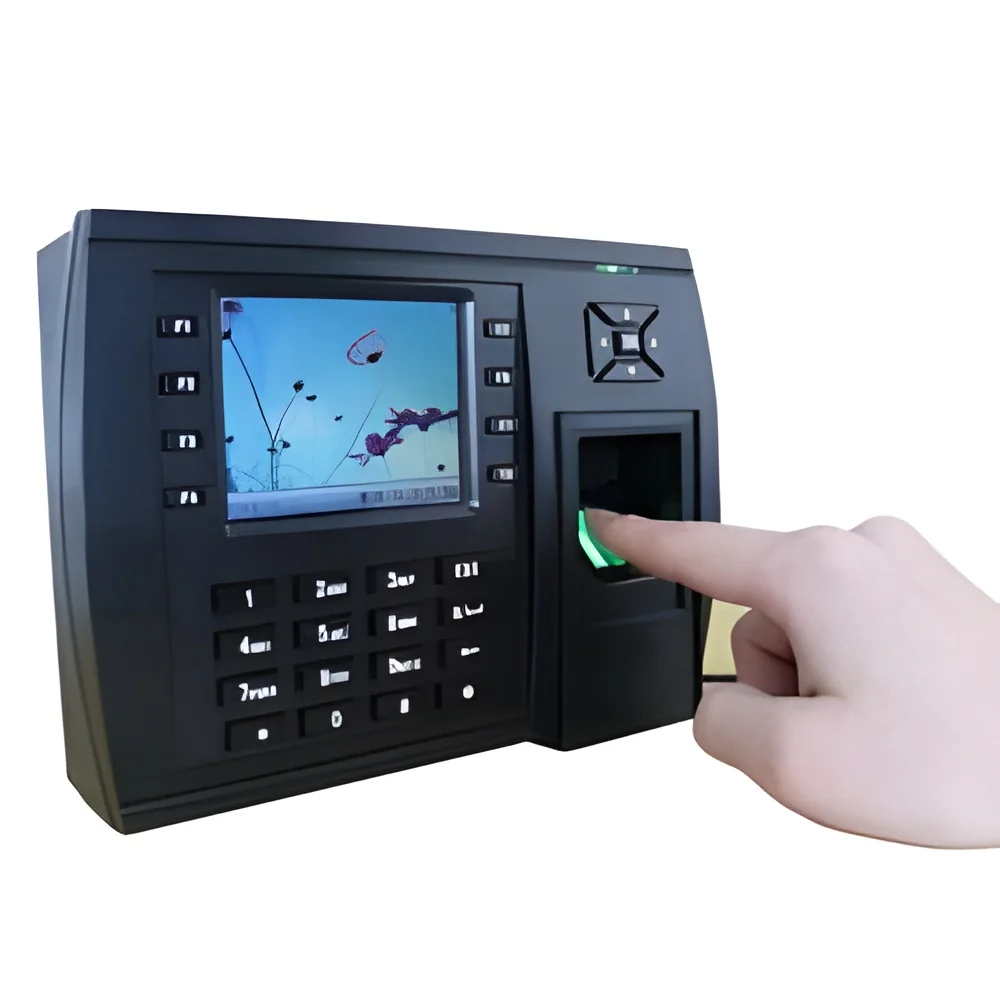
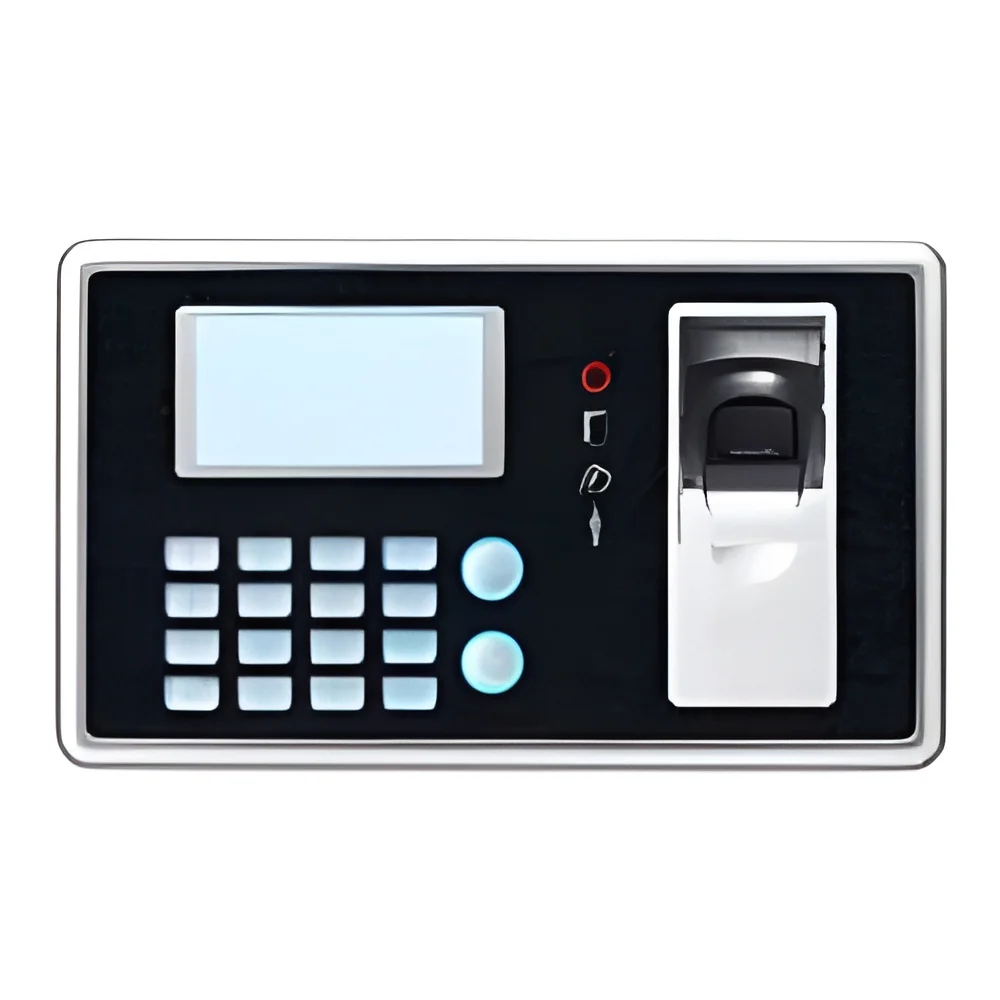
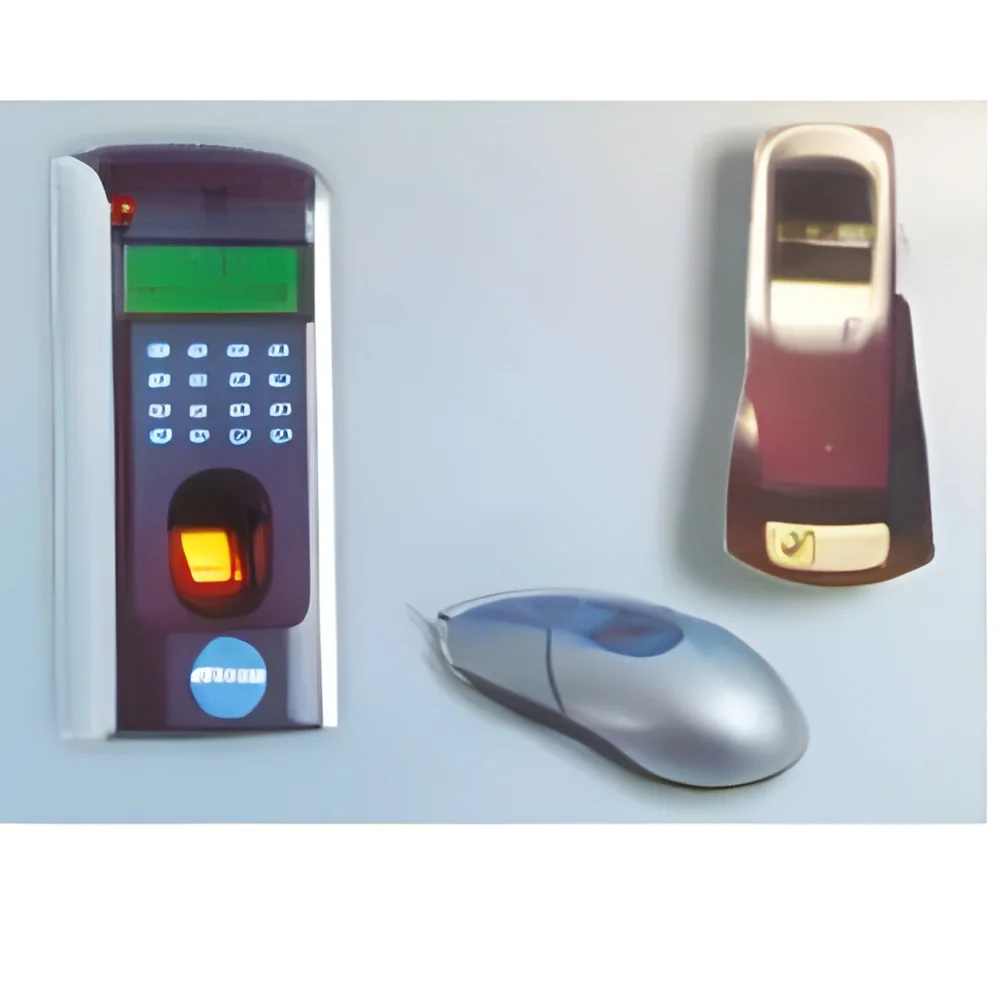
Biometric Systems: Utilizing fingerprints, facial recognition, or iris scans, biometric systems provide high-security access options that are difficult to replicate, making them suitable for sensitive areas.
Mobile Access Systems: These systems allow users to access secured areas using their smartphones, providing flexibility and convenience while enhancing security through unique digital credentials.
Benefits and Advantages
Investing in Access Control Systems offers multiple benefits that enhance security and operational efficiency.
1. Enhanced Security: Access Control Systems significantly reduce the risk of unauthorized access, protecting sensitive areas and information.
2. Improved Accountability: By tracking who accesses specific areas, businesses can hold individuals accountable, ensuring compliance with security protocols.
3. Customizable Access: Organizations can tailor access levels based on roles, allowing for a more secure and controlled environment.
4. Cost-Effective Monitoring: Automating access management reduces the need for physical security personnel, leading to cost savings.
5. Increased Operational Efficiency: Streamlined access processes improve employee flow and reduce wait times at entry points.
6. Peace of Mind: Knowing that access is controlled and monitored allows business owners and employees to focus on their core tasks without security concerns.
Buying Guide for B2B Buyers
When sourcing Access Control Systems, it is essential to consider several factors to ensure the right fit for your organization.
1. Quality Assessment: Evaluate the technology and materials used in the system. Look for high-quality components that ensure durability and long-term performance.
2. Supplier Verification: Vet potential suppliers by checking their reputation, customer reviews, and experience in the industry. A reliable supplier can provide support and warranty services.
3. Pricing and MOQ: Understand the pricing structure and minimum order quantity (MOQ) for the systems. Compare offers from multiple suppliers to find the best value.
4. Delivery and Lead Times: Consider logistics and delivery times to ensure that the system can be installed when needed. Discuss lead times with suppliers to avoid delays.
5. Compliance Requirements: Ensure that the system meets industry-specific compliance and regulatory standards. This consideration is vital for sectors like healthcare and government.
Compliance and Certifications
Compliance and certifications play a significant role in the credibility of Access Control Systems. Relevant quality standards such as ISO 9001 ensure that the products meet consistent quality management principles. Additionally, industry certifications like CE signify that the systems comply with European safety and health requirements.
Safety and testing requirements are crucial to ensure that the systems operate effectively under various conditions. Companies must also keep regional compliance considerations in mind, as regulations may vary by location, affecting the design and implementation of access control measures.
Why Source Access Control Systems from Pepagora?
Pepagora provides a trusted platform for sourcing Access Control Systems with several key advantages.
Verified Supplier Network: Pepagora connects buyers with a network of verified suppliers, ensuring that businesses can source high-quality products from reputable manufacturers.
Streamlined RFQ Process: The request for quotation (RFQ) system simplifies the purchasing process, allowing buyers to compare multiple offers and make informed decisions quickly.
Trade Assurance and Support: Buyers are protected through trade assurance policies that guarantee product quality and timely delivery, providing peace of mind during the purchasing process.
Regional Coverage: Pepagora has a broad geographic reach, including India, GCC, and Southeast Asia, making it easier for businesses in these regions to access reliable suppliers and products tailored to their needs.

 IN
IN