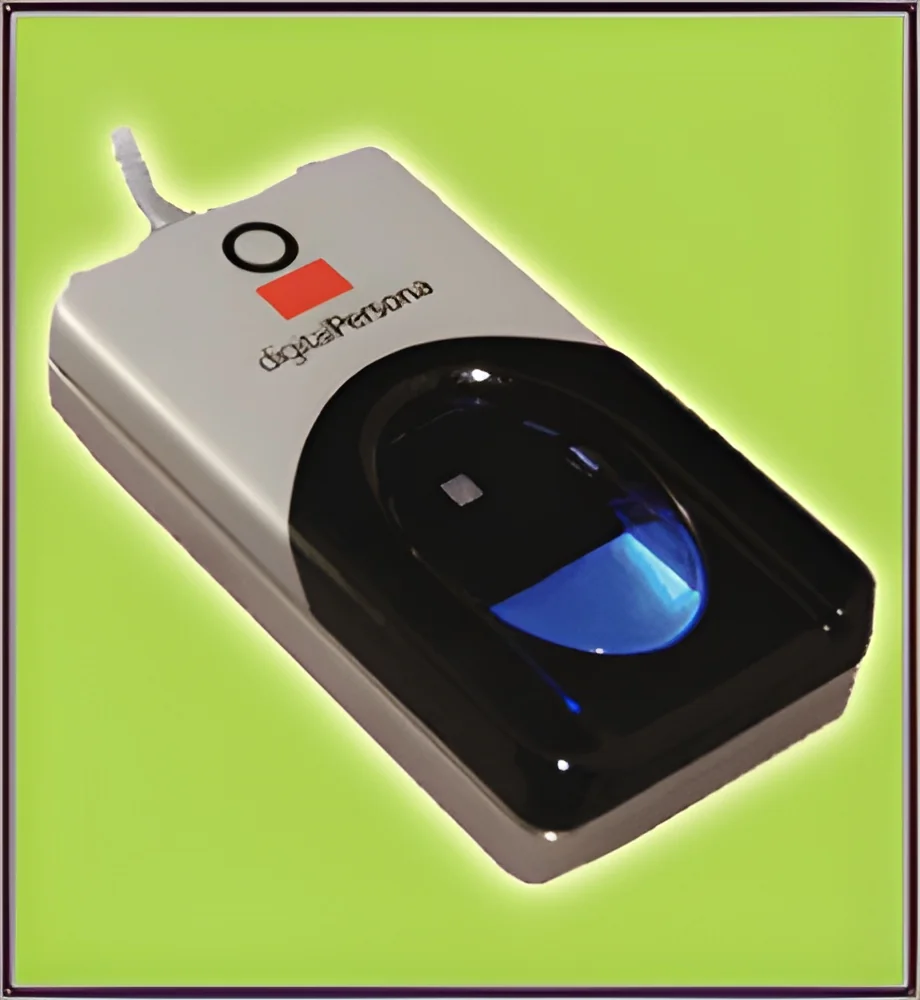
What are Fingerprint Scanners?
Fingerprint scanners are biometric devices that capture and analyze the unique patterns of an individual's fingerprints for identification and verification purposes. These devices use various technologies such as optical, capacitive, or ultrasonic sensors to scan fingerprints, creating a digital representation that can be stored and compared against a database of known fingerprints. The technology is designed to provide a high level of security and accuracy, making it a preferred choice for various applications in both personal and professional environments.
Fingerprint scanners are widely used across different sectors, including government, finance, healthcare, and security. They serve critical functions such as access control, time and attendance tracking, and identity verification for secure transactions. In businesses, these scanners enhance security by ensuring that only authorized personnel can access sensitive areas or information. As biometric technology continues to evolve, fingerprint scanners remain relevant in today’s market, driven by the growing demand for security solutions and the need for efficient user authentication systems.
Key Features and Specifications
Fingerprint scanners come equipped with several features that enhance their functionality and reliability. Understanding these specifications is essential for businesses looking to implement such technology.
Key specifications include:
1. Sensor Type
- Optical, capacitive, or ultrasonic sensors
- Varying levels of accuracy and cost
2. Image Resolution
- Typically ranges from 500 to 1600 dpi
- Higher resolutions offer better detail for recognition
3. Enrollment Capacity
- Number of fingerprints that can be stored in memory
- Common ranges from 100 to 10,000 fingerprints
4. Authentication Modes
- Options for single or multiple fingerprint recognition
- Some devices support multi-modal authentication
5. Communication Interfaces
- USB, RS-232, or Ethernet connectivity
- Facilitates easy integration with existing systems
6. Operating Temperature
- Most devices function well in temperatures from 0°C to 50°C
- Important for outdoor or variable environments
7. Compliance Standards
- CE certification for safety and quality assurance
- Adherence to relevant industry standards
8. Power Supply
- Battery-operated or powered via USB
- Considerations for mobility and installation
Fingerprint scanners are designed to meet various technical requirements, making them suitable for a wide range of applications.
Common Applications and Use Cases
Fingerprint scanners serve numerous industries, providing tailored solutions for their specific needs.
1. Security and Access Control: In security applications, fingerprint scanners are used to restrict access to sensitive areas, ensuring that only authorized personnel can enter. This is common in government buildings, banks, and corporate offices.
2. Time and Attendance Tracking: Many companies utilize fingerprint scanners for employee attendance systems, simplifying payroll processes. This reduces time fraud and ensures accurate tracking of work hours.
3. Healthcare: In the healthcare sector, fingerprint scanners are used to verify patient identities and access medical records securely. This ensures accurate patient information management and enhances privacy.
4. Financial Services: Banks and financial institutions use fingerprint scanners for secure transactions and account access, providing an additional layer of protection against fraud.
5. Education: Educational institutions implement fingerprint scanning for student attendance and secure access to facilities, enhancing campus security.
6. Law Enforcement: Fingerprint scanners are critical in law enforcement for identifying suspects and managing criminal databases, aiding in investigations.
7. Retail: Retailers use fingerprint scanners for secure transactions and loyalty programs, providing faster service and enhanced security.
Product Variants and Subcategories
Fingerprint scanners come in various models tailored to different use cases and environments.
Mobile Fingerprint Scanners
These portable devices are designed for field use, allowing users to capture fingerprints on the go. They are often used by law enforcement and for mobile identification applications.
Stationary Fingerprint Scanners
These models are typically installed at fixed locations, such as entry points in buildings or kiosks for user verification. They offer high-speed scanning and are ideal for high-traffic areas.
High-Security Fingerprint Scanners
Designed for environments requiring enhanced security, these scanners may include features such as anti-spoofing technology and advanced encryption methods.
Benefits and Advantages
Fingerprint scanners offer several key benefits that make them an attractive option for businesses.
1. Enhanced Security: Fingerprint technology provides a high level of security, as fingerprints are unique to each individual and difficult to replicate.
2. Improved Efficiency: Automating identification processes reduces wait times and increases operational efficiency, particularly in high-traffic environments.
3. Cost-Effectiveness: Though the initial investment may be significant, the long-term savings in labor and security costs can justify the expenditure.
4. User-Friendly: Most fingerprint scanners are easy to use, requiring minimal training for employees to operate effectively.
5. Scalability: Fingerprint scanning systems can be easily scaled to meet the needs of growing businesses, accommodating an increasing number of users and applications.
6. Compliance: Implementing fingerprint scanners can help businesses meet regulatory requirements for secure access and data protection.
Buying Guide for B2B Buyers
When sourcing fingerprint scanners, several factors should be considered to ensure the right choice for your business needs.
1. Quality Assessment: Evaluate the quality of the fingerprint scanners by reviewing specifications, user reviews, and performance in real-world settings. Look for devices that meet or exceed industry standards.
2. Supplier Verification: Vet potential suppliers to ensure they are reputable and have a history of providing reliable products. Check for certifications and customer feedback.
3. Pricing and MOQ: Understand the pricing structure and minimum order quantities associated with fingerprint scanners. Consider bulk purchasing options for cost savings.
4. Delivery and Lead Times: Discuss logistics with suppliers to determine shipping times and delivery schedules. Ensure that you can meet your operational timelines.
5. Compliance Requirements: Confirm that the fingerprint scanners meet relevant compliance standards and regulations in your industry. This may include certifications for safety and data protection.
Compliance and Certifications
Fingerprint scanners must adhere to various compliance standards and certifications to ensure safety and reliability.
ISO 9001 is a widely recognized quality management standard that ensures manufacturers meet customer and regulatory requirements consistently. Compliance with this standard indicates a commitment to quality and continuous improvement.
The CE certification signifies that a product meets European safety, health, and environmental protection standards. This certification is essential for products sold within the European Union, ensuring they are safe for use.
Safety and testing requirements for fingerprint scanners include rigorous evaluations to ensure functionality under different conditions. These may involve testing for durability, accuracy, and resistance to tampering.
Regional compliance may also be necessary, particularly when entering new markets. Businesses must be aware of local regulations governing biometric data usage and privacy to ensure their systems are compliant.
Why Source Fingerprint Scanners from Pepagora?
Pepagora provides a trusted platform for sourcing fingerprint scanners with several key advantages for B2B buyers.
Verified Supplier Network: Pepagora features a network of verified suppliers, ensuring that buyers can access quality products from reputable manufacturers. This reduces the risks associated with sourcing.
Streamlined RFQ Process: The platform simplifies the request for quotation (RFQ) process, allowing buyers to quickly receive and compare quotes from multiple suppliers. This efficiency saves time and facilitates informed decision-making.
Trade Assurance and Support: Pepagora offers trade assurance and support, providing buyers with protection and assistance throughout the purchasing process. This ensures a smoother experience and builds confidence.
Regional Coverage: Pepagora has a strong presence in key markets, including India, the GCC, and Southeast Asia. This regional coverage enhances accessibility for buyers looking for fingerprint scanners tailored to their specific needs and compliance requirements.

 IN
IN