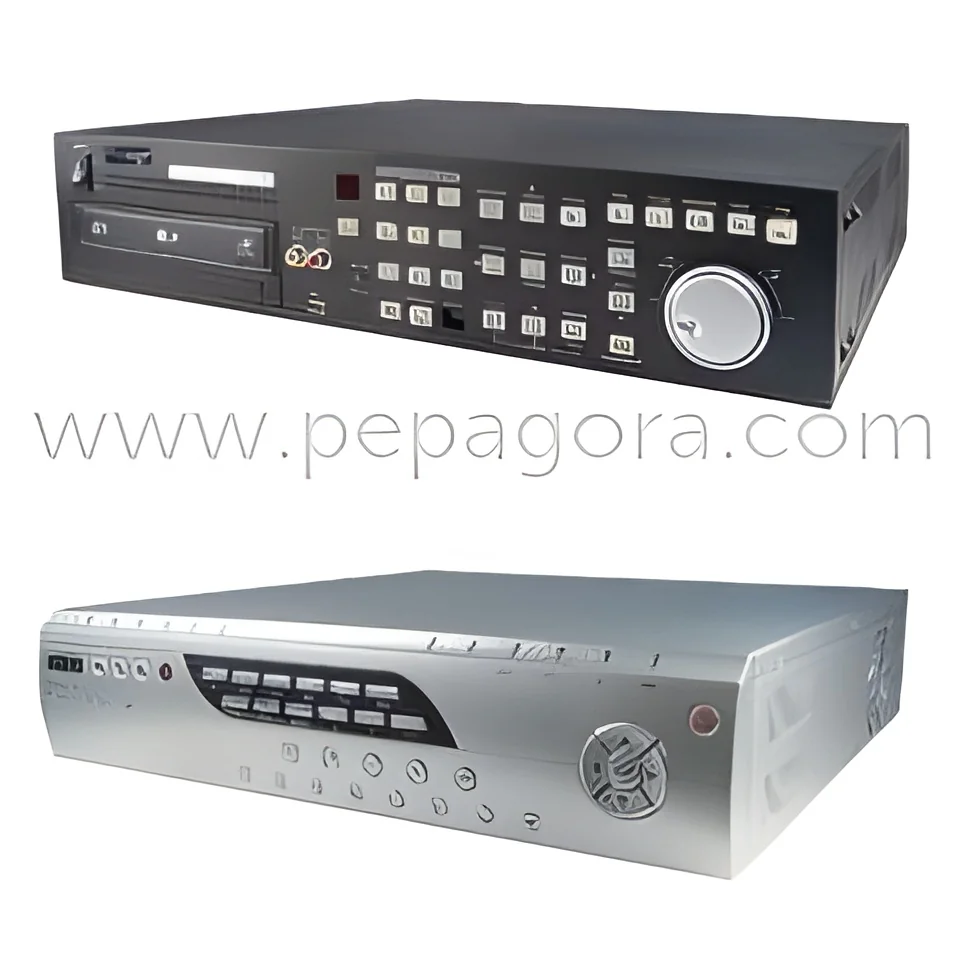
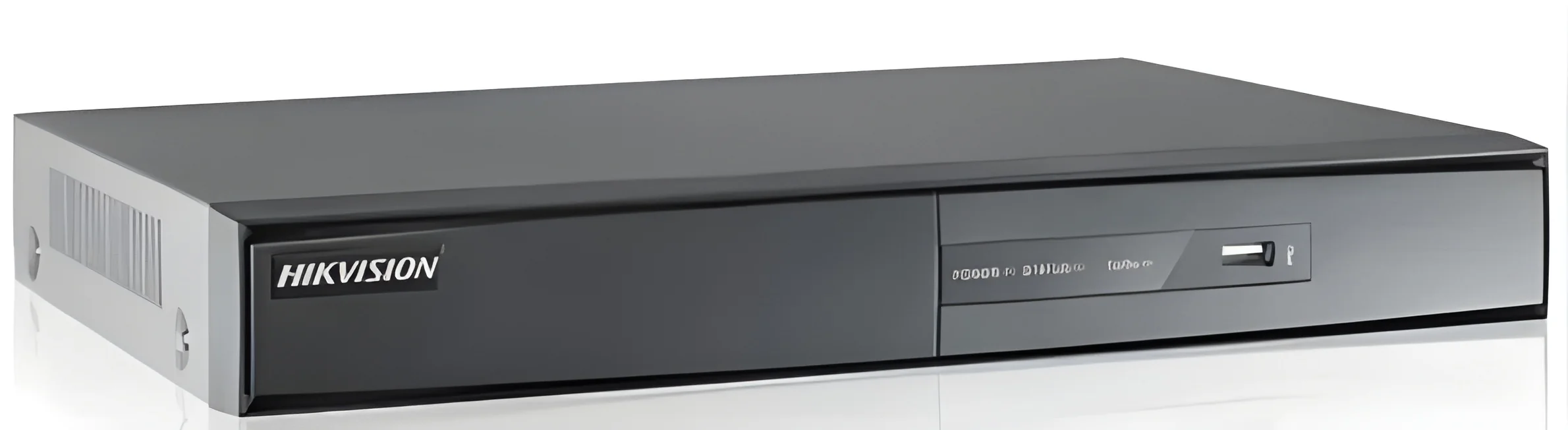
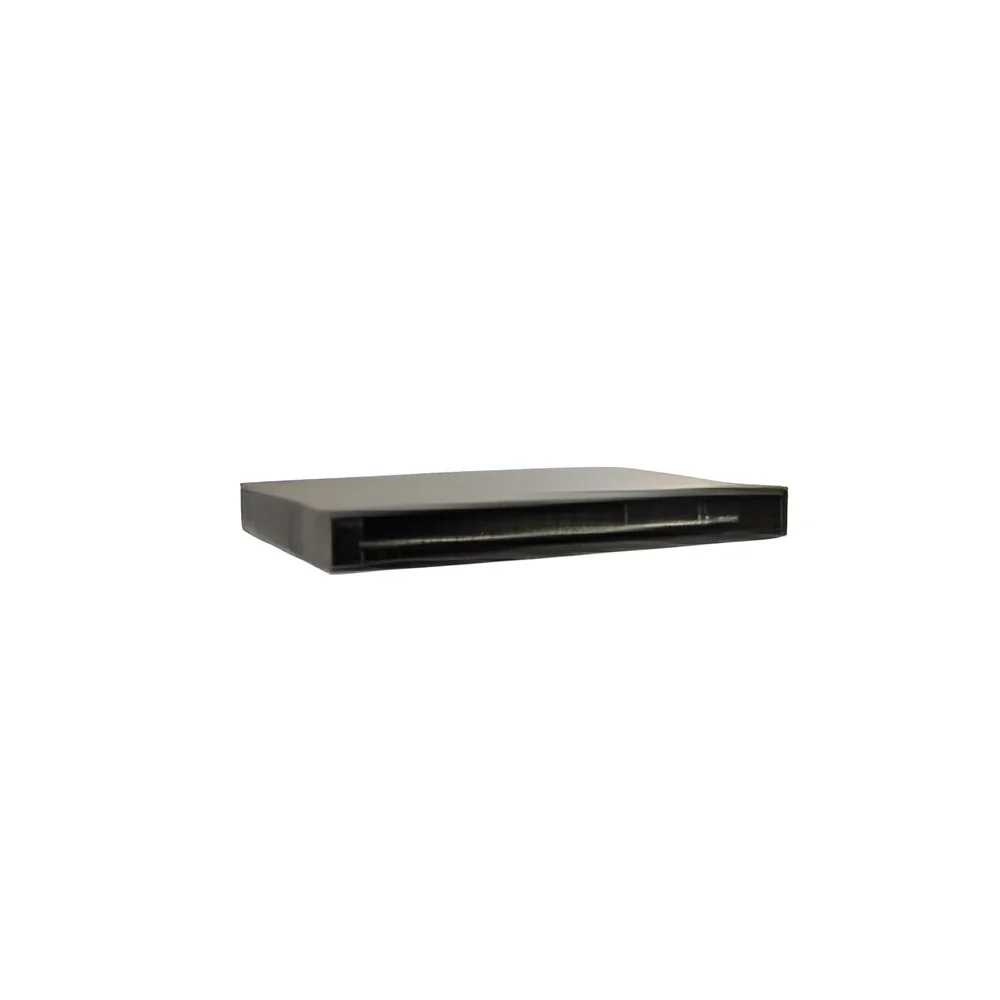
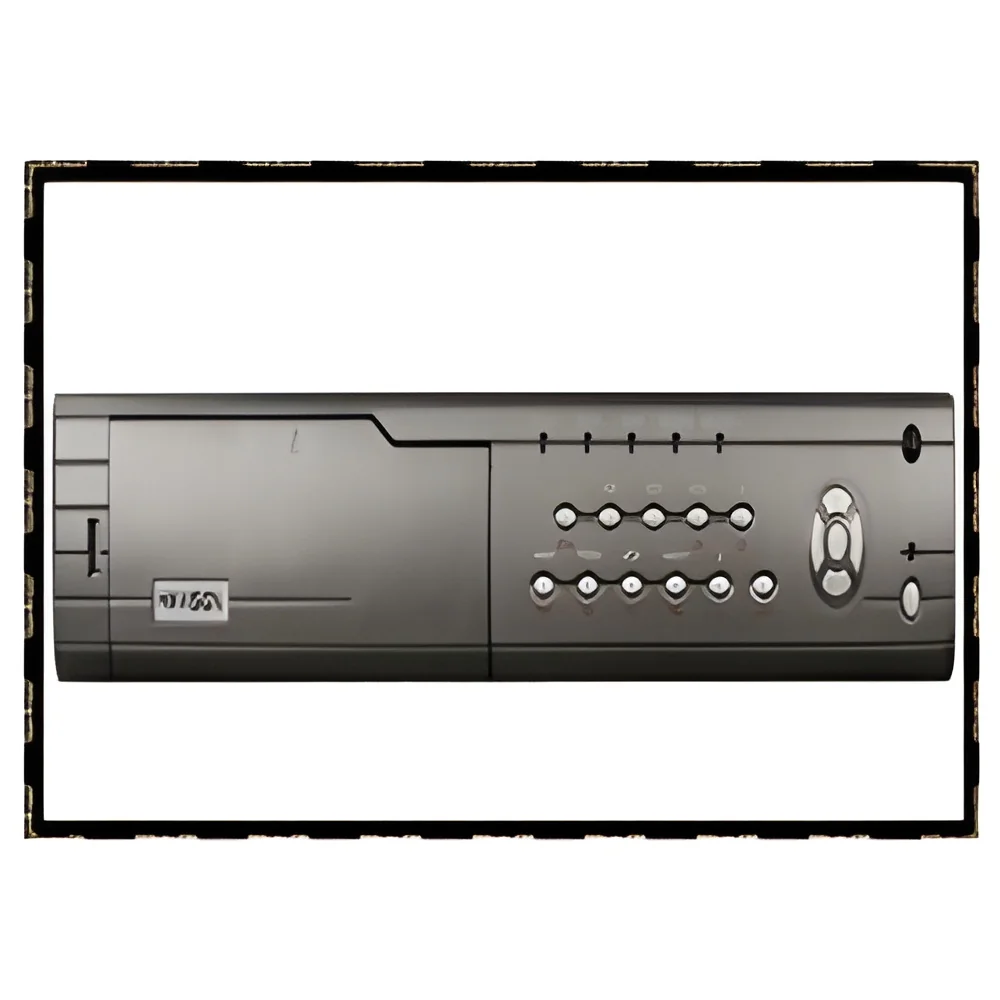
Key Features and Specifications
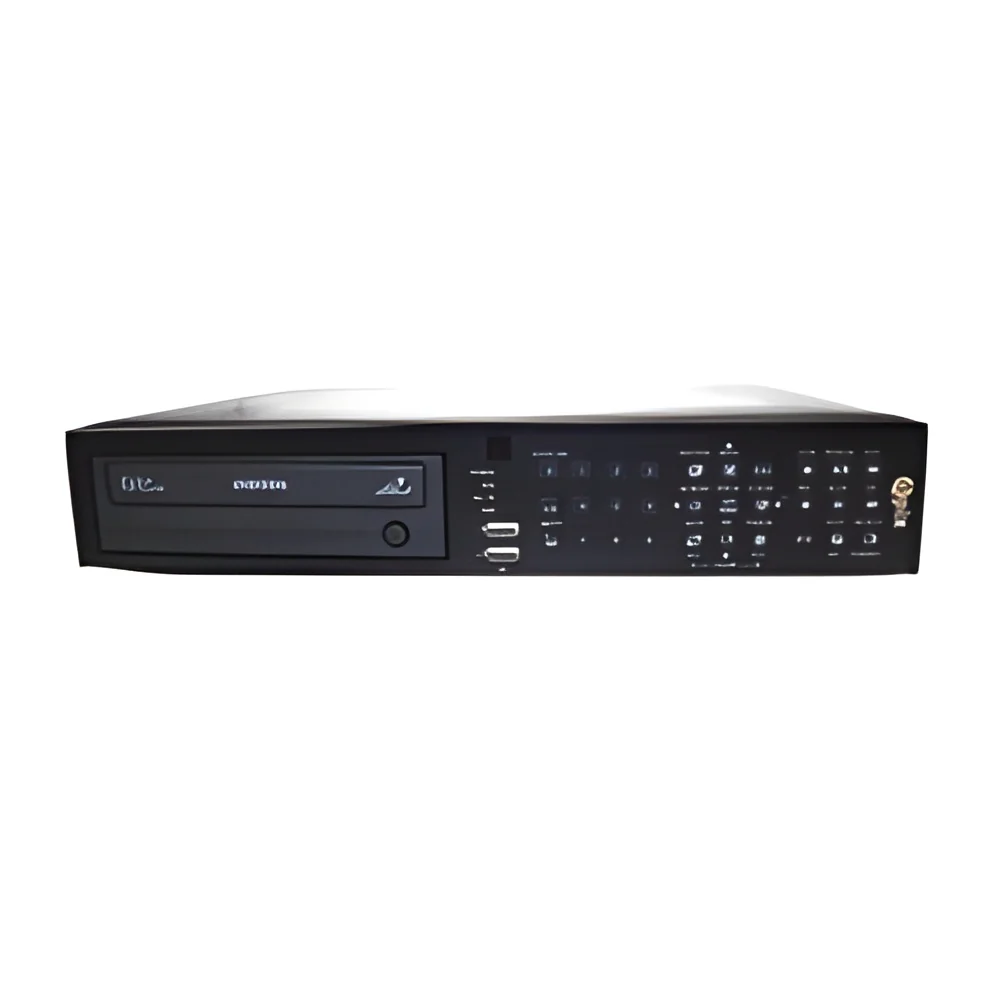
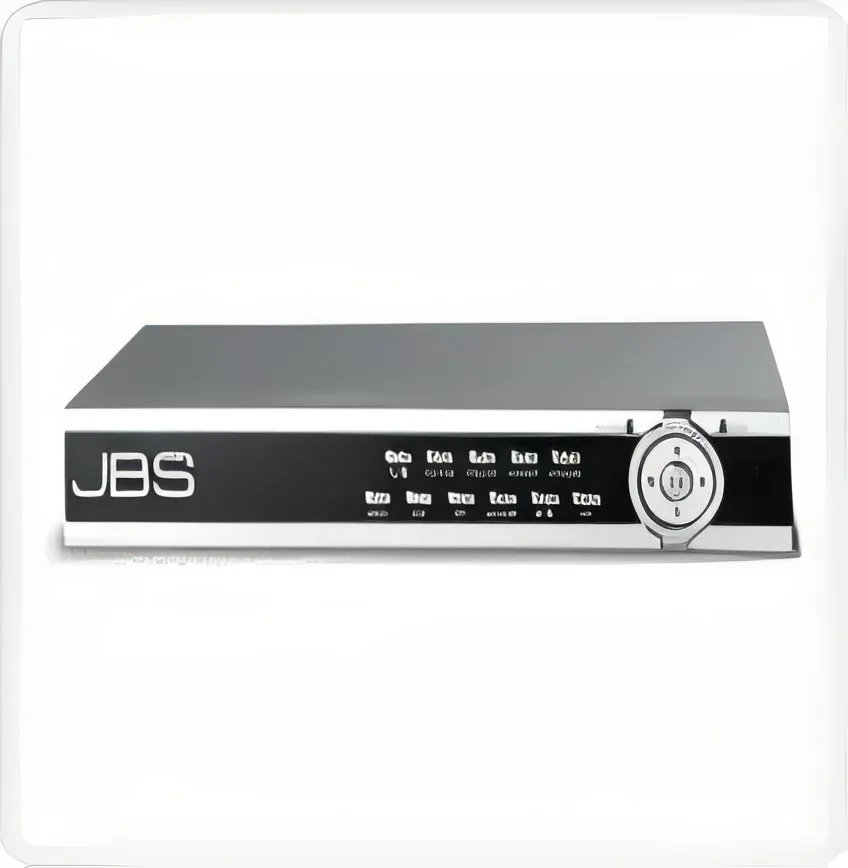
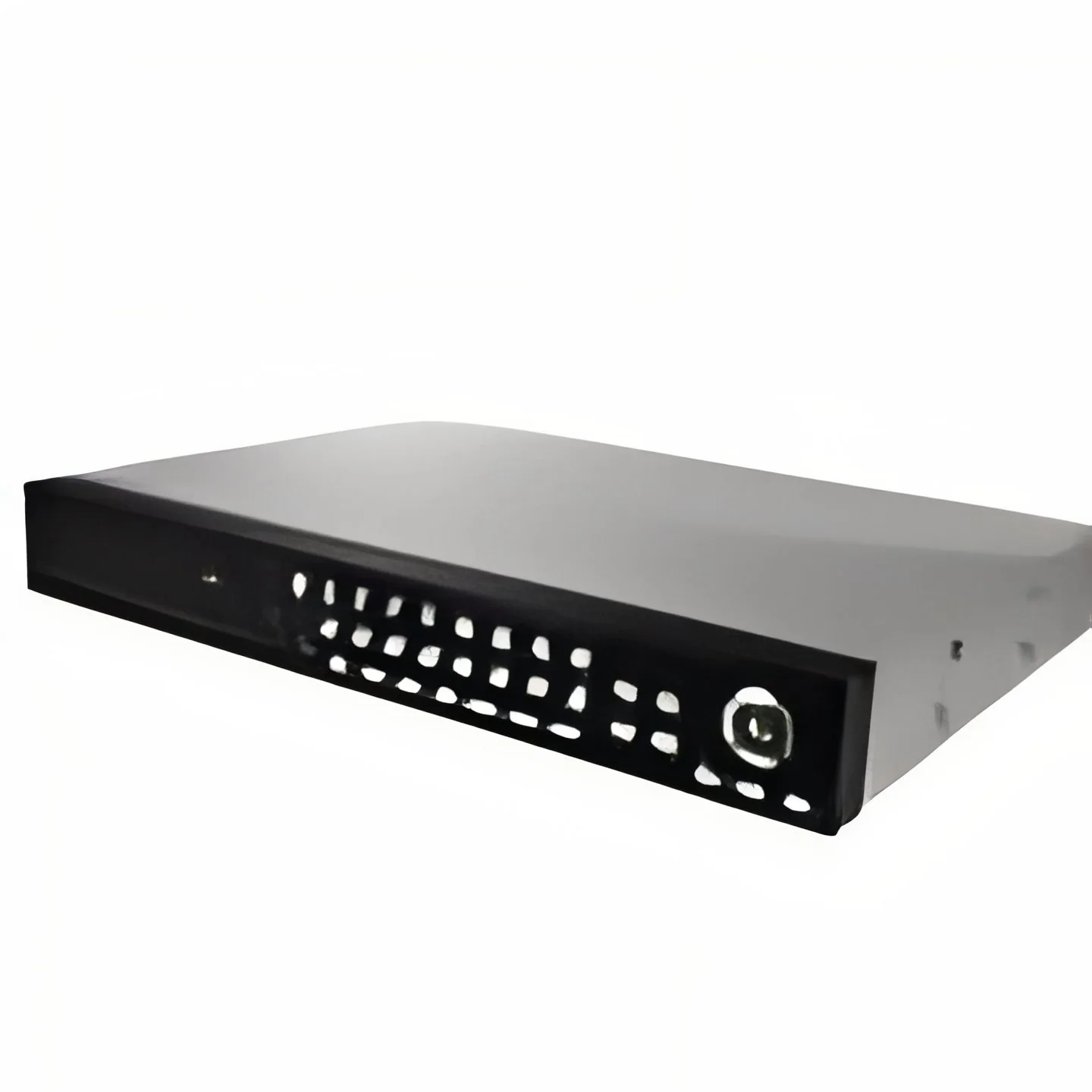
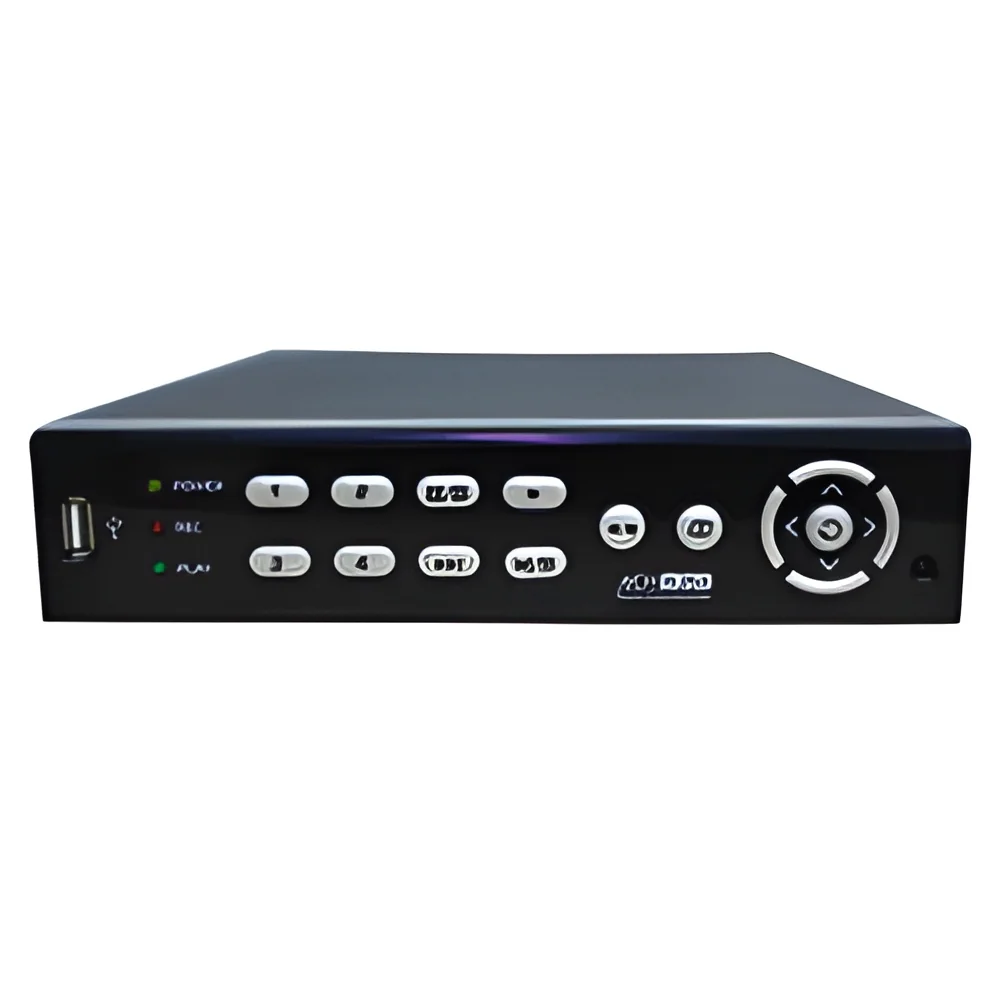
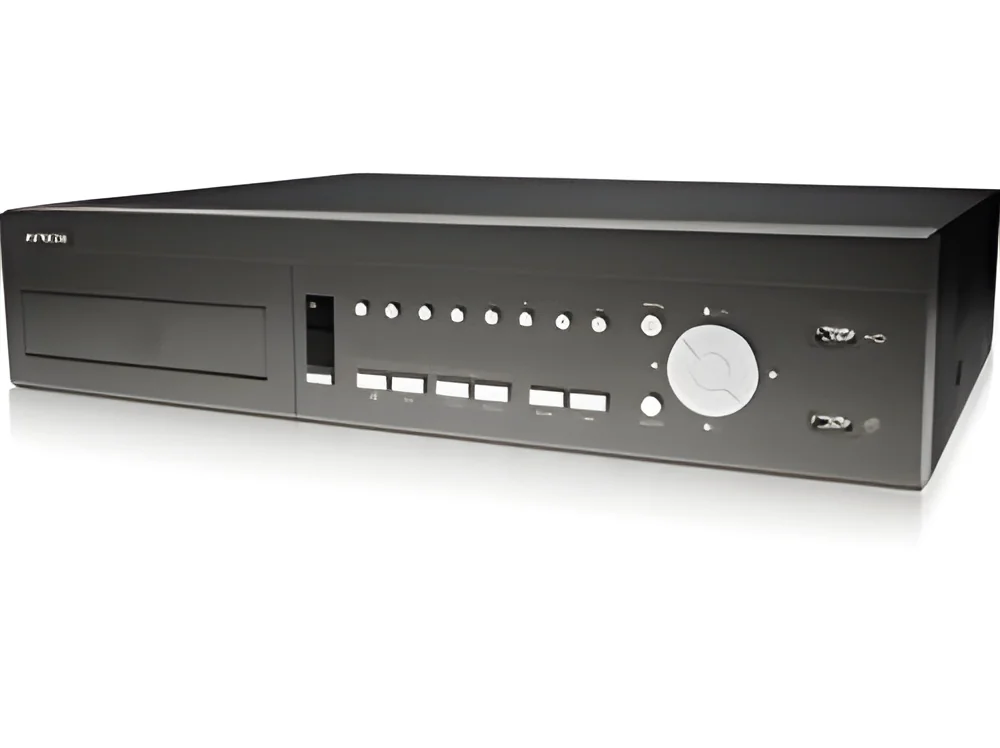
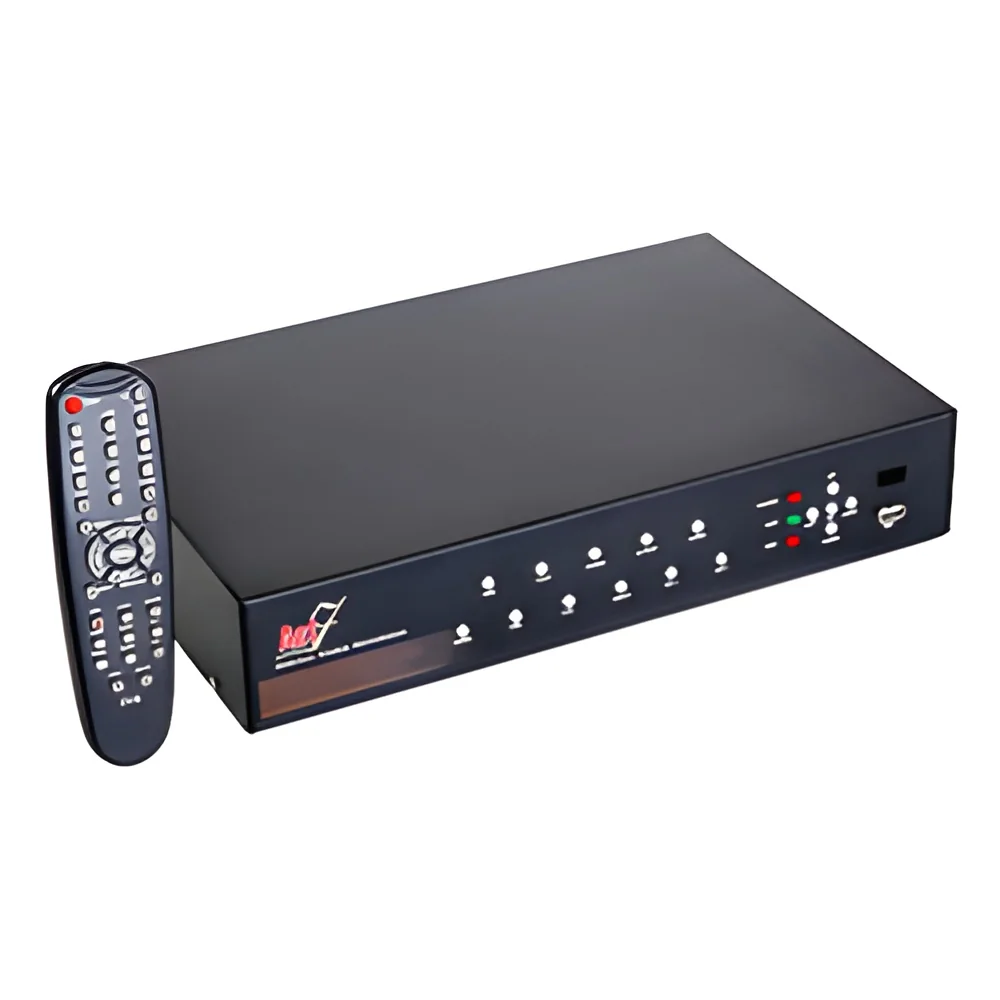
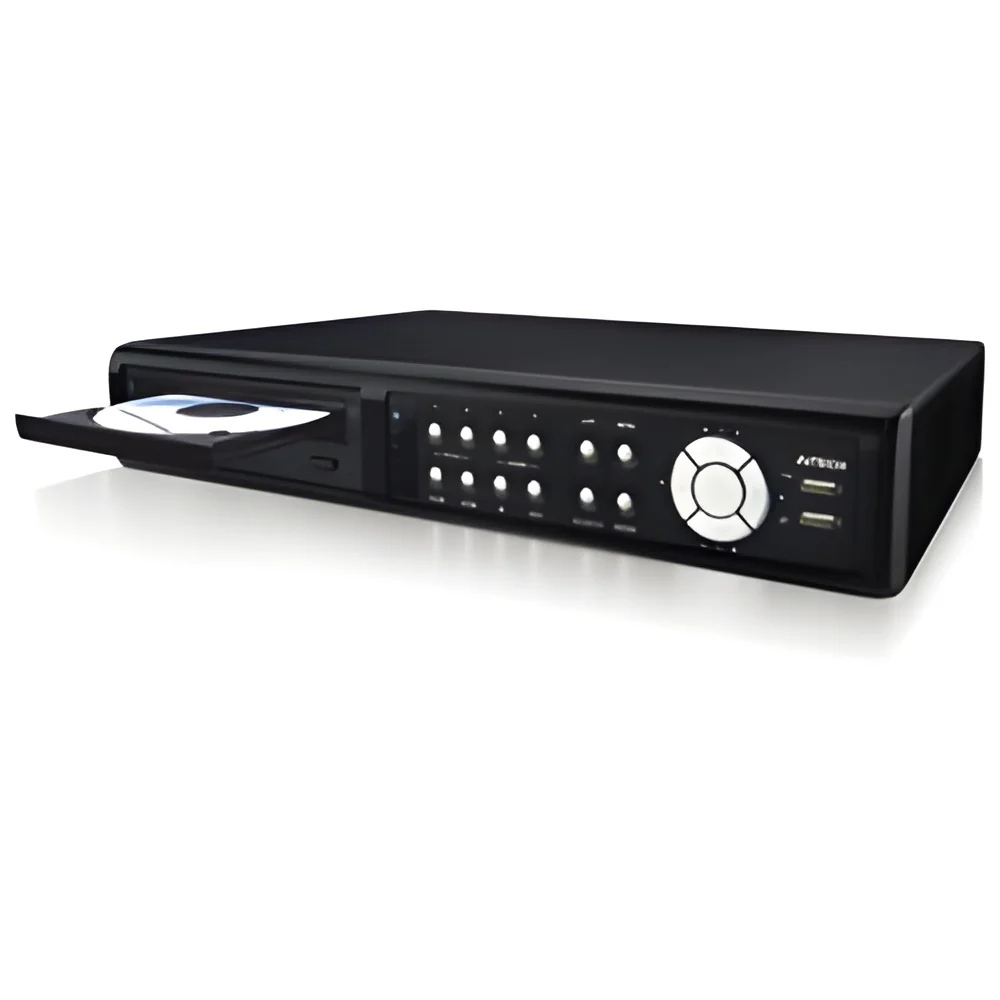
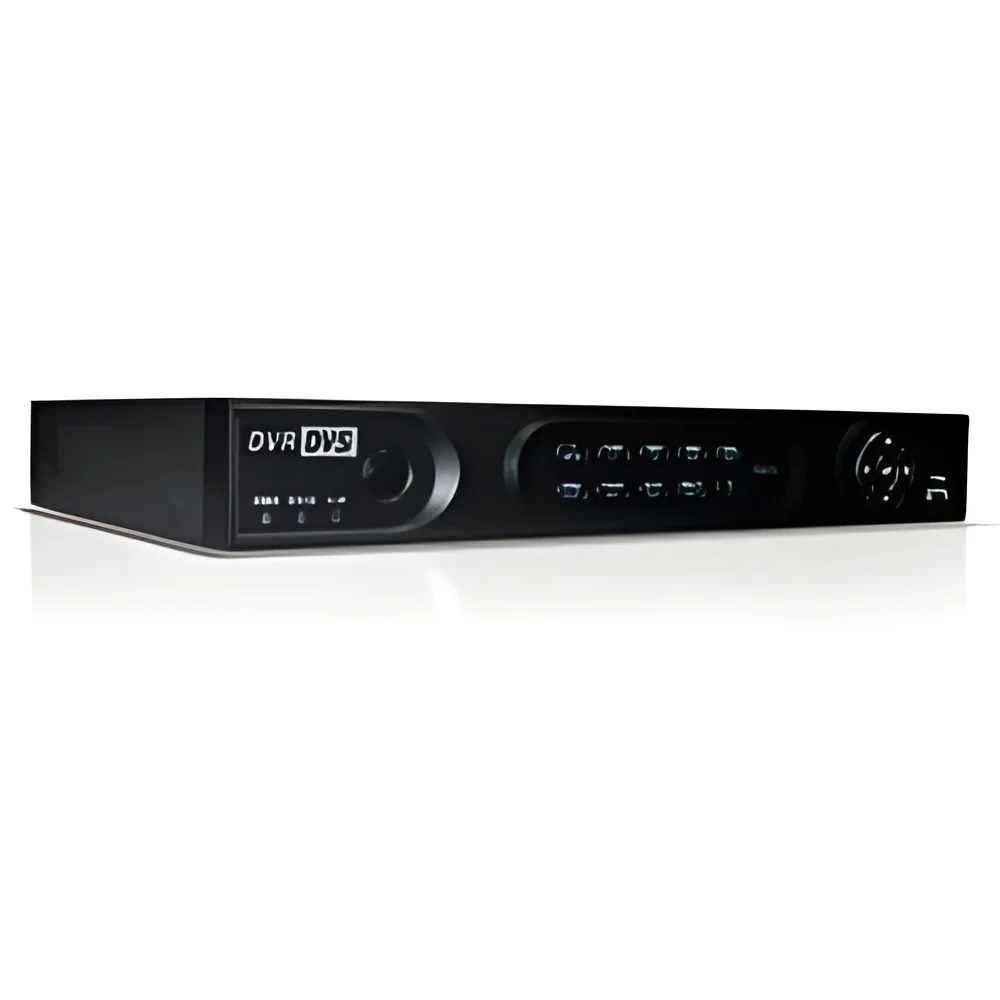
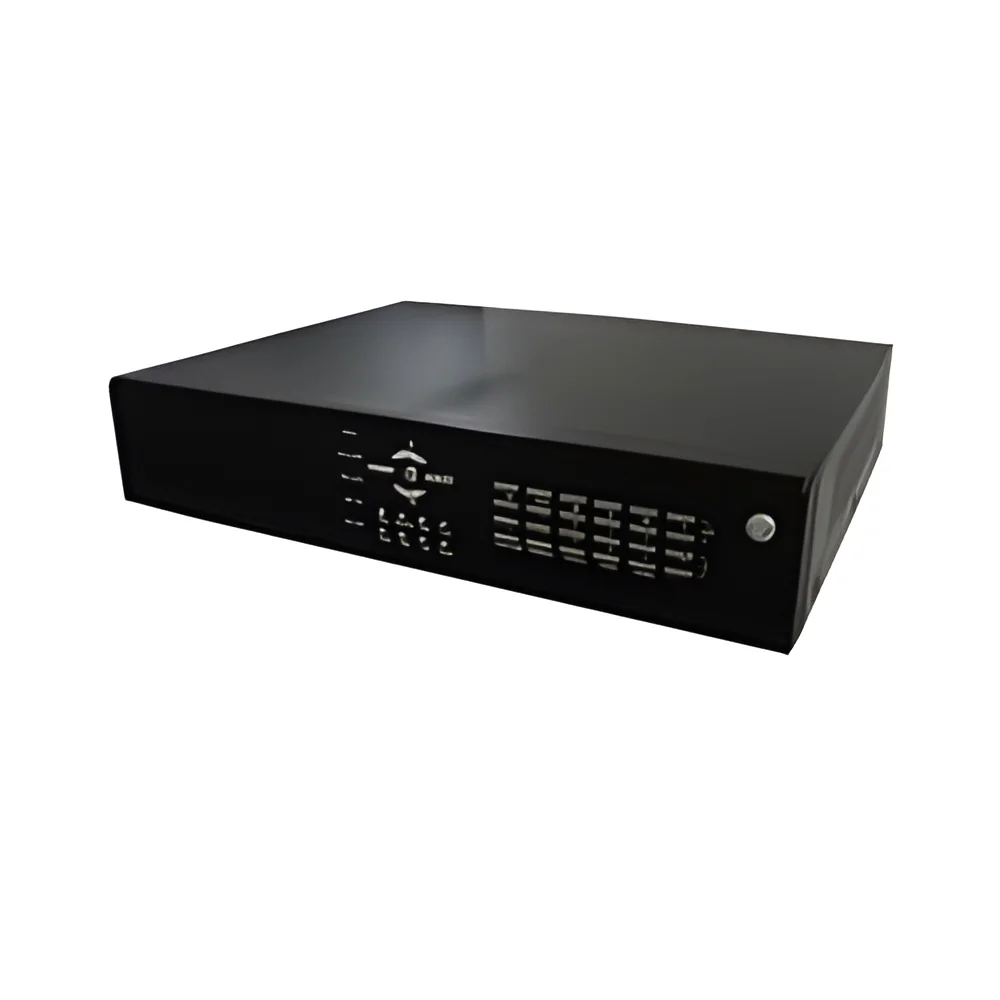
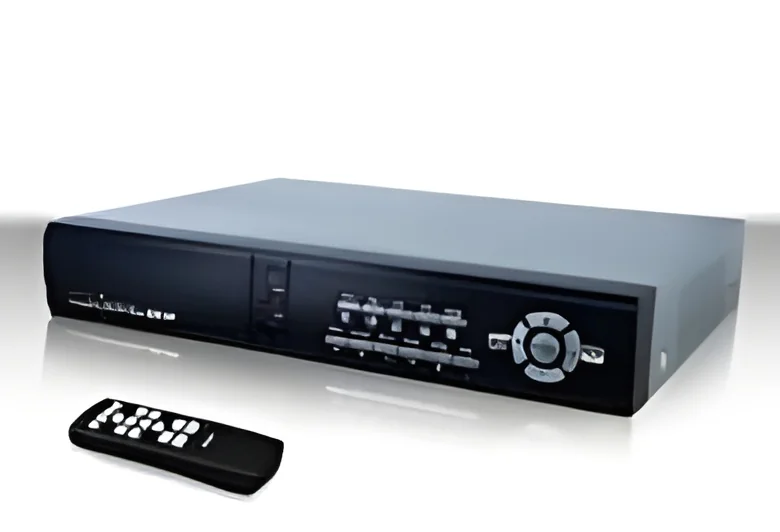
DVRs come with a range of features and specifications that cater to various recording and playback needs. Understanding these specifications is critical for businesses looking to invest in DVR technology.
Key specifications include:
1. Video Input Channels
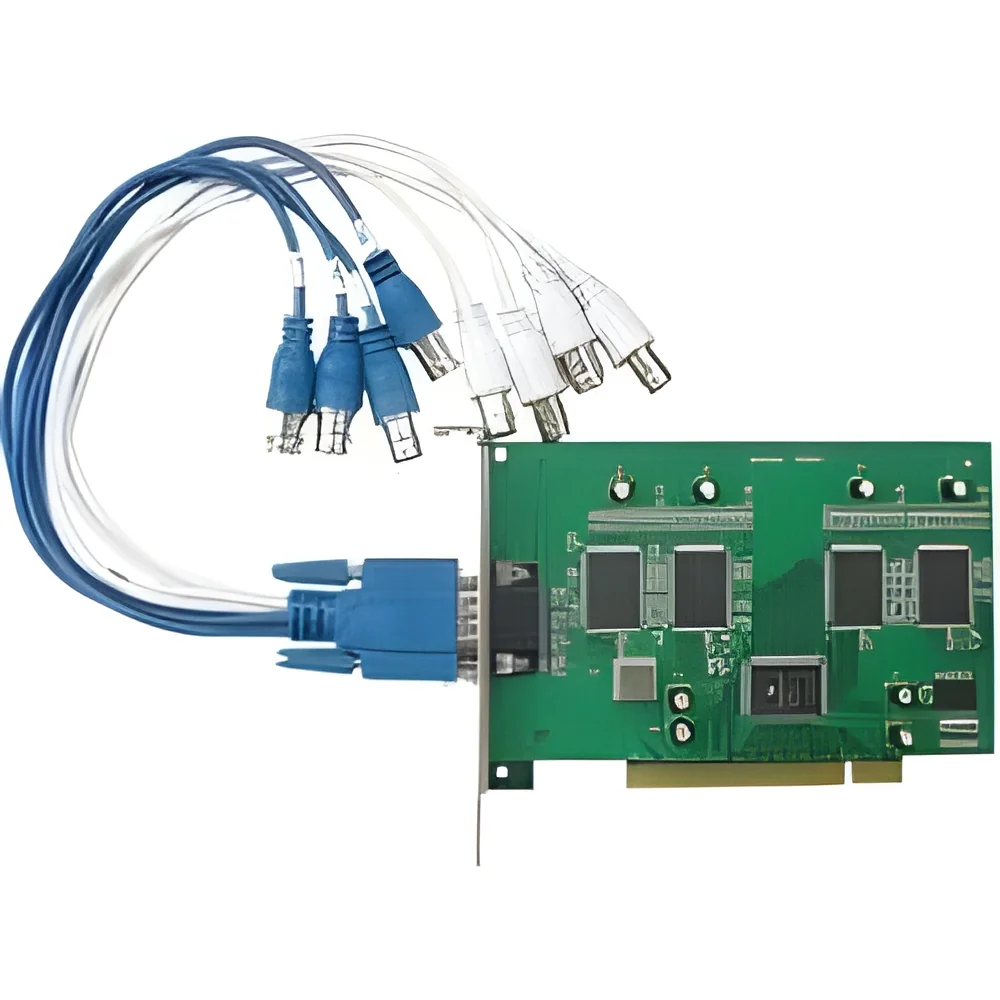
- Number of video input channels determines how many cameras can be connected to the DVR.
- Common configurations include 4, 8, 16, or more channels.
2. Storage Capacity
- Refers to the amount of video data the DVR can store, typically measured in terabytes (TB).
- Higher storage capacity allows for longer retention of recorded footage.
3. Video Resolution
- Indicates the clarity of recorded video, with standard options ranging from 720p to 4K.
- Higher resolution provides better detail, essential for identifying incidents.
4. Compression Format
- The method used to reduce file size, with common formats including H.264 and H.265.
- Efficient compression allows for longer recordings without compromising quality.
5. Remote Access
- Capability to access the DVR's recordings via mobile devices or computers.
- Enables users to monitor live feeds or playback footage from anywhere.
6. Backup Options
- Refers to methods available for storing recorded footage externally, such as USB or cloud backup.
- Ensures data is preserved even if the DVR fails.
7. User Interface
- The design and usability of the DVR’s operating system.
- A user-friendly interface simplifies navigation and settings adjustment.
8. Power Supply
- Details the power requirements and options for the DVR.
- Some models offer redundancy features like UPS support for continuous operation.
In summary, understanding the features and specifications of DVRs is crucial for making informed purchasing decisions. Businesses should consider their specific needs and choose a DVR that aligns with their operational requirements.
Common Applications and Use Cases
DVRs are versatile tools utilized across various sectors for different applications.
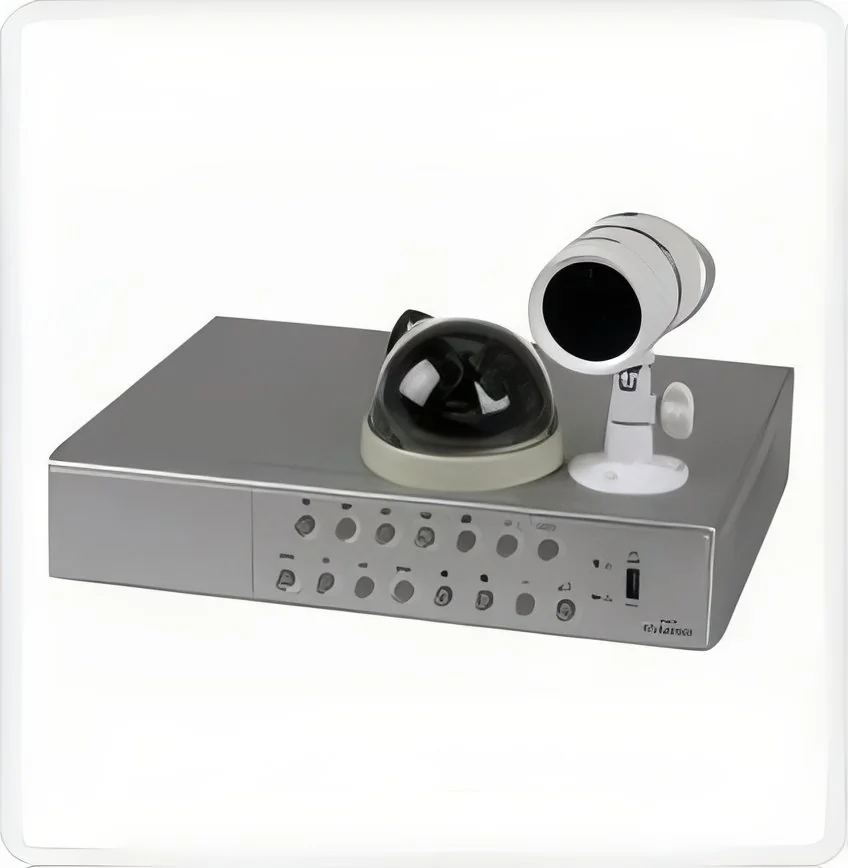
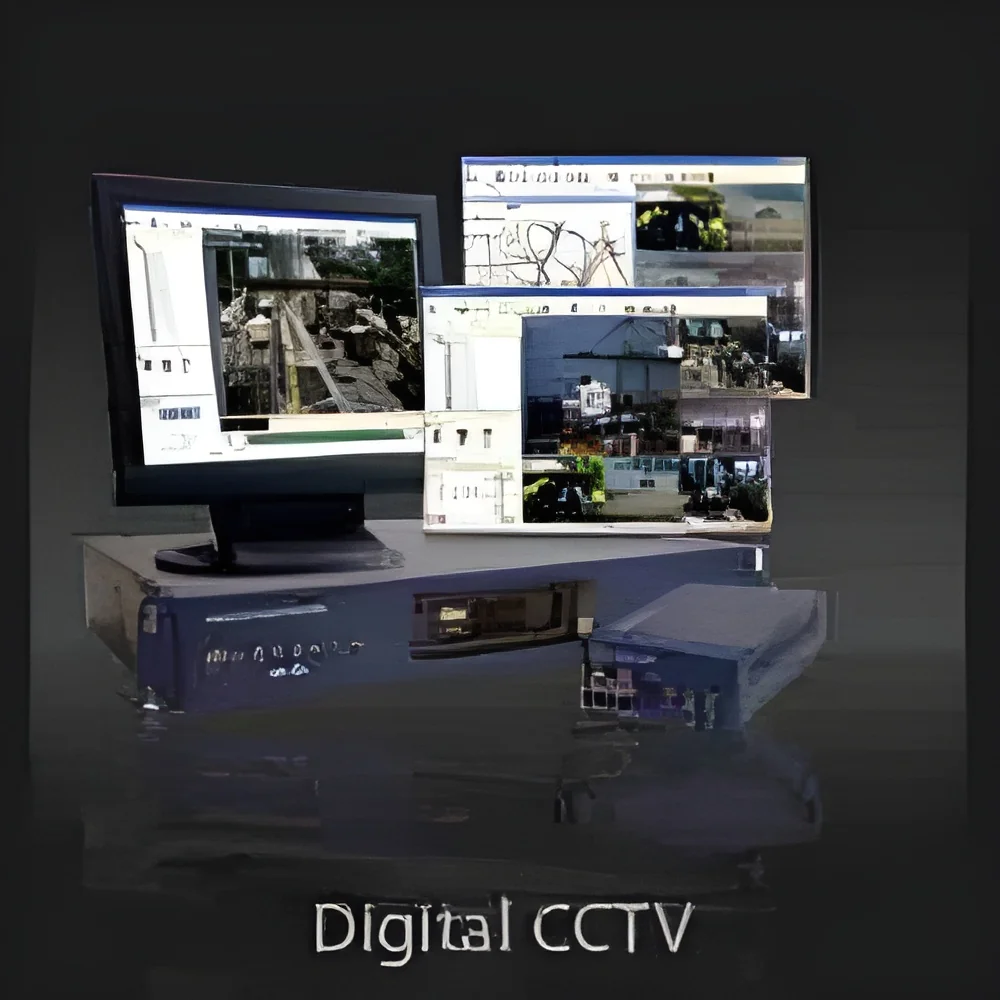
1. Security and Surveillance: DVRs are widely used in security systems to record and store footage from surveillance cameras. This application is critical for monitoring premises and providing evidence in case of incidents.
2. Broadcasting: In the media industry, DVRs are essential for capturing live television broadcasts. They allow broadcasters to record programs for future airing or content management.
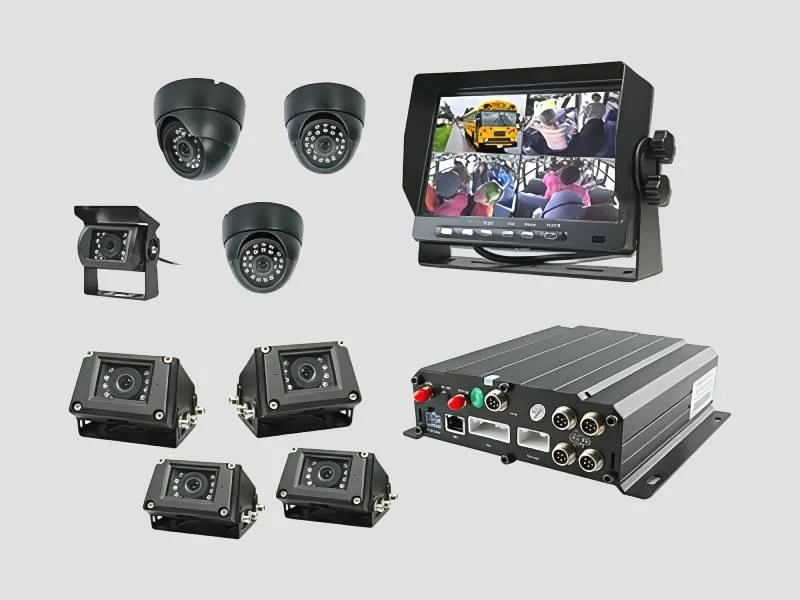
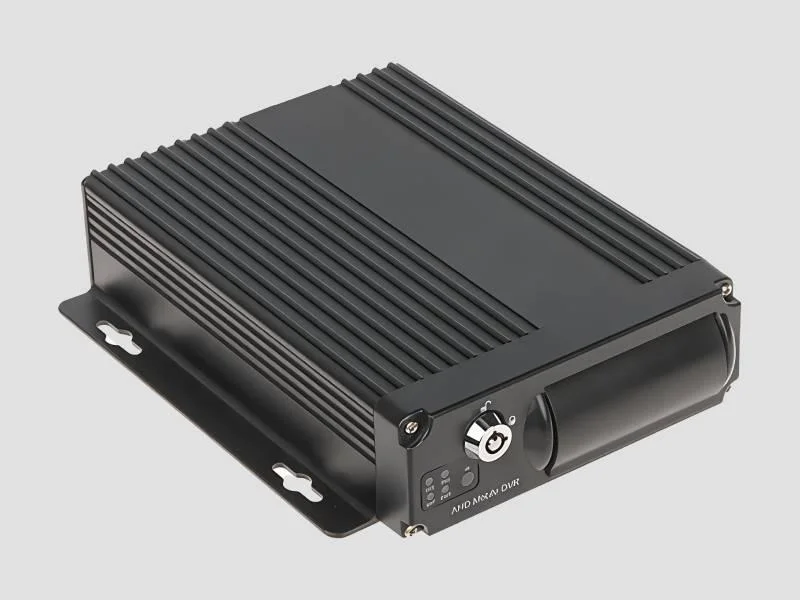
3. Transportation: DVRs are used in vehicles, such as buses and trucks, to record video from dash cameras. This footage aids in accident investigations and enhances driver safety.
4. Retail: In retail environments, DVRs help monitor customer activity and employee performance. Recorded footage can be useful in loss prevention and improving customer service.
5. Education: Educational institutions use DVRs to record lectures and events for later viewing. This aids in providing additional resources for students and faculty.
6. Healthcare: In healthcare settings, DVRs are used to monitor patient interactions and ensure compliance with regulations. Recorded footage can also enhance training programs for staff.
7. Law Enforcement: Police departments utilize DVRs in body cameras to record interactions during law enforcement activities. This helps ensure accountability and transparency.
Product Variants and Subcategories
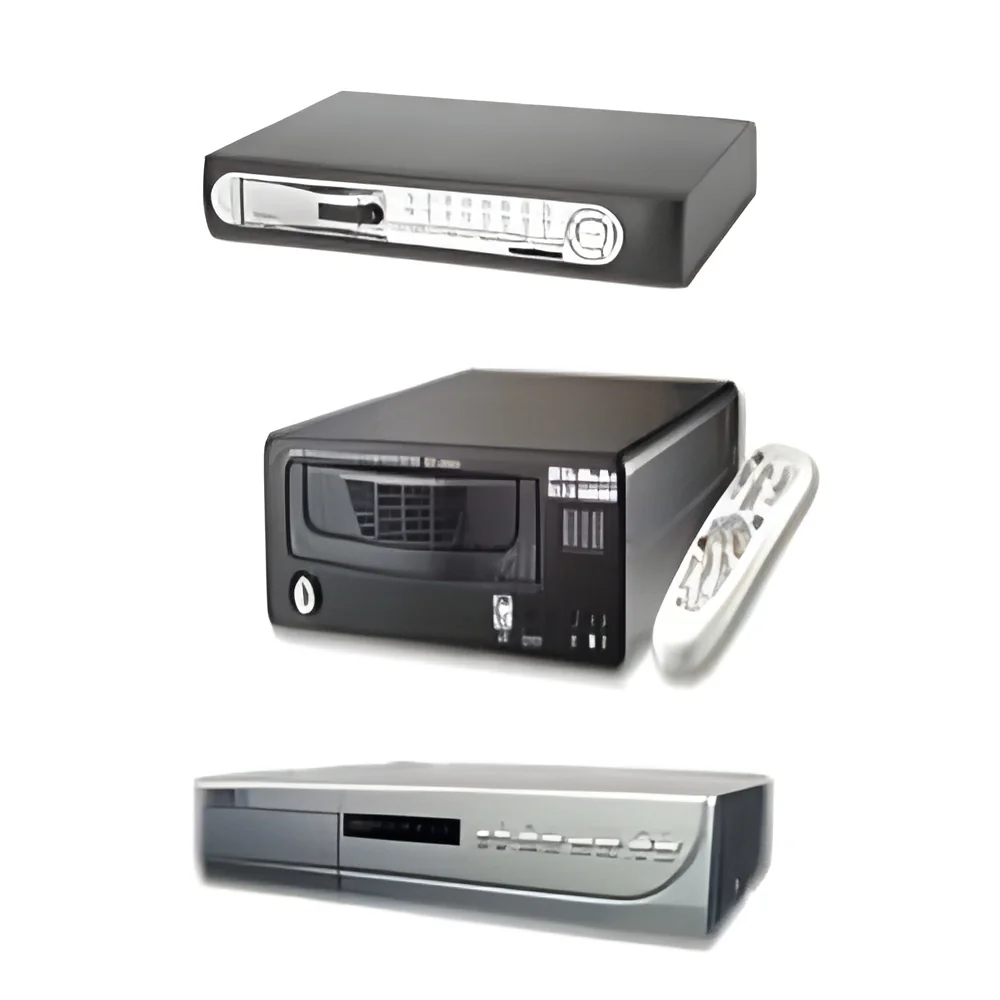
DVRs come in various configurations to suit different needs and preferences. While there are no specified subcategories available, the diversity in features and capabilities allows businesses to choose the right model for their specific requirements.
Standalone DVRs
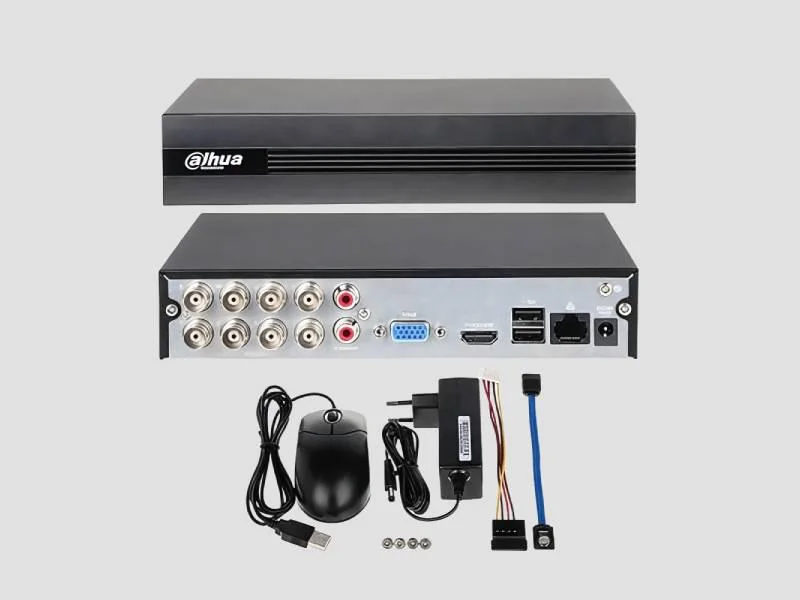
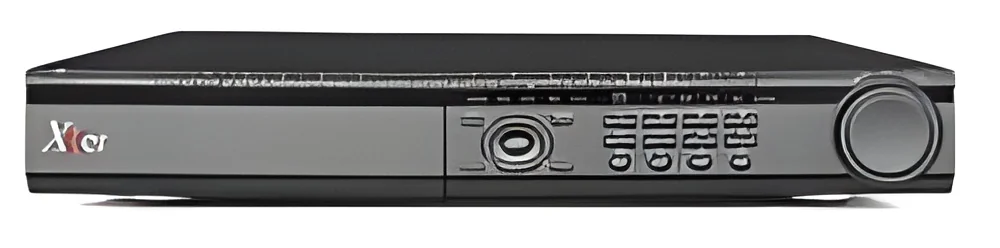
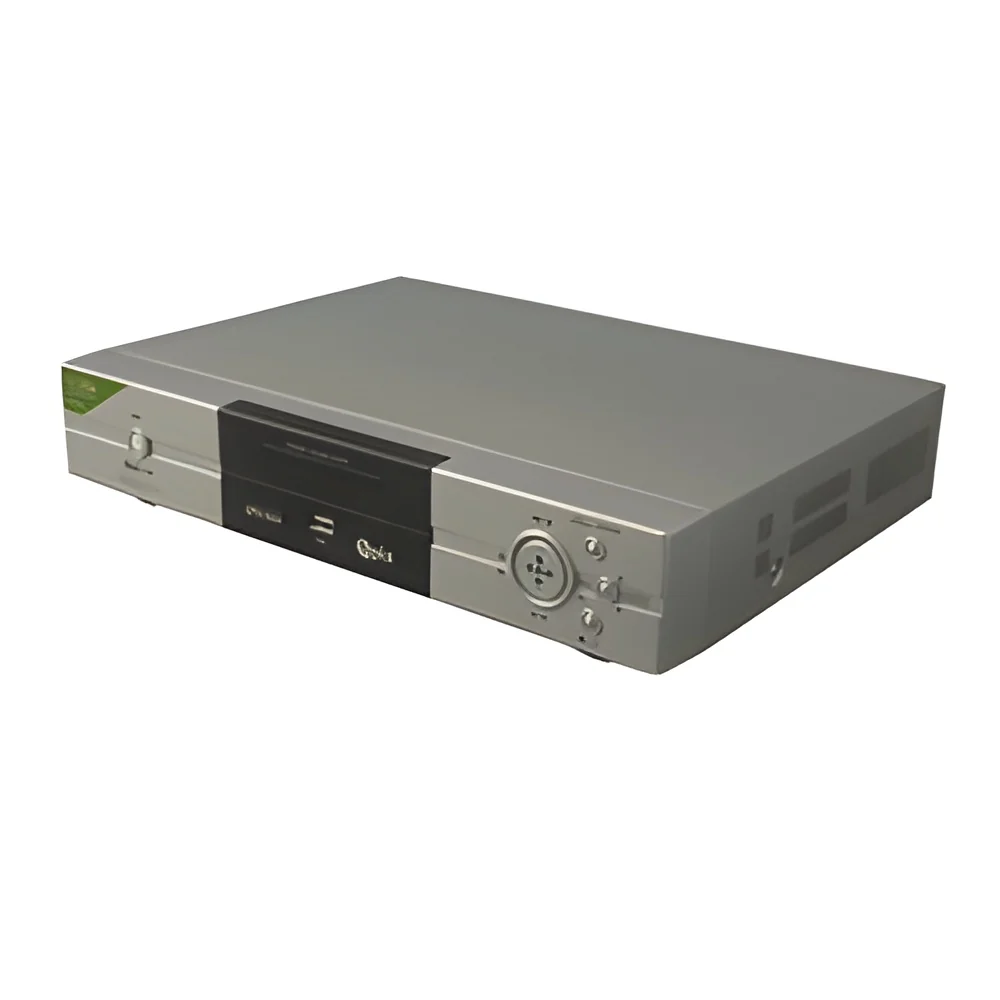
These are self-contained units that record video from connected cameras. They are often used in small to medium-sized security installations, providing a straightforward solution for video recording and playback.
Network DVRs
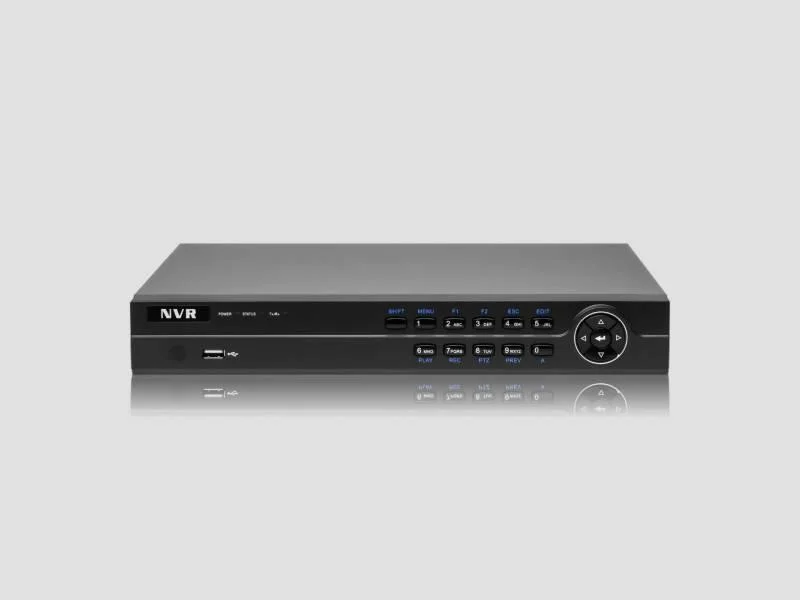
Network DVRs connect to IP cameras over a network. They are ideal for larger installations that require flexibility and scalability, allowing multiple users to access recorded footage remotely.
Hybrid DVRs
Hybrid DVRs support both analog and digital cameras. This versatility makes them suitable for businesses transitioning from older systems while enabling them to adopt newer technology at their own pace.
Benefits and Advantages
DVRs offer numerous advantages that enhance their appeal to businesses seeking video recording solutions.
Key benefits include:
1. Enhanced Security: DVRs provide a reliable means of monitoring and documenting security footage, helping to deter crime and providing critical evidence when needed.
2. Cost-Effective Storage: Digital storage eliminates the need for physical media, reducing costs associated with tape or disk storage while allowing for easier data management.
3. Remote Monitoring: The ability to access recordings remotely enhances flexibility, allowing users to monitor their premises and manage footage from anywhere.
4. High-Quality Recording: With advancements in video resolution and compression technology, DVRs can capture high-definition footage, ensuring clarity and detail in recorded content.
5. User-Friendly Interface: Many DVRs feature intuitive interfaces, making it easy for users to navigate through settings and footage, thus improving operational efficiency.
6. Scalability: DVRs can be expanded with additional cameras and storage options, allowing businesses to adapt as their needs grow.
Buying Guide for B2B Buyers
When sourcing DVRs (Digital Video Recorders), businesses should consider several important factors to ensure they select the right product.
1. Quality Assessment: Evaluate the build quality and performance of the DVR. Look for devices that meet industry standards and have positive reviews regarding reliability and functionality.
2. Supplier Verification: Vet potential suppliers carefully. Ensure they have a good reputation in the market and are known for delivering quality products and services.
3. Pricing and MOQ: Consider the price range of DVRs and inquire about minimum order quantities (MOQ). Look for options that fit within your budget while meeting your specifications.
4. Delivery and Lead Times: Discuss logistics and expected lead times for delivery. Ensure that the supplier can meet your timeline requirements for installation or project commencement.
5. Compliance Requirements: Check for any regulatory compliance needed in your region. Ensure the DVRs meet safety and performance standards relevant to your industry.
Compliance and Certifications
Compliance and certifications play a crucial role in ensuring that DVRs meet quality and safety standards necessary for various industries. Relevant quality standards, such as ISO 9001, ensure that manufacturers adhere to quality management principles, enhancing the reliability of their products.
In addition, certifications like CE indicate that the products meet European safety, health, and environmental protection standards. This certification is essential for gaining trust in markets that prioritize regulatory compliance.
Safety and testing requirements are vital to ensure that DVRs function correctly under various conditions and do not pose risks to users. Depending on the region, there may be specific compliance considerations that manufacturers must adhere to, further emphasizing the importance of sourcing DVRs from reputable suppliers.
Why Source DVRs (Digital Video Recorders) from Pepagora?
Pepagora provides a trusted platform for sourcing DVRs (Digital Video Recorders) with several key advantages.
Verified Supplier Network: Pepagora has a robust network of verified suppliers, ensuring that businesses can source high-quality DVRs from reputable manufacturers who meet established standards.
Streamlined RFQ Process: The platform simplifies the Request for Quotation (RFQ) process, allowing buyers to easily compare options and make informed purchasing decisions based on their specific needs.
Trade Assurance and Support: Pepagora offers trade assurance and support to buyers, providing protection throughout the purchasing process. This instills confidence in transactions and ensures satisfaction with the products received.
Regional Coverage: Pepagora’s reach extends across India, the GCC, and Southeast Asia, allowing businesses in these regions to access a diverse range of DVR options tailored to their market requirements.

 IN
IN