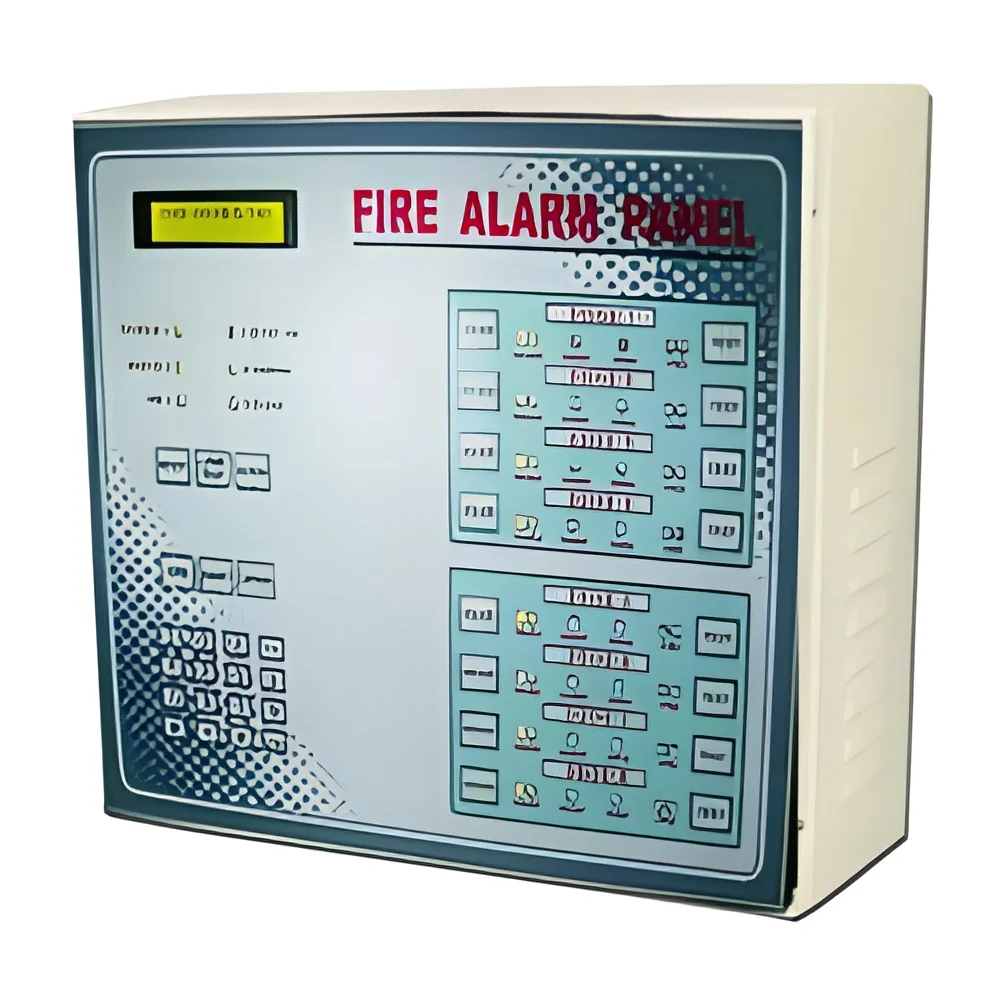
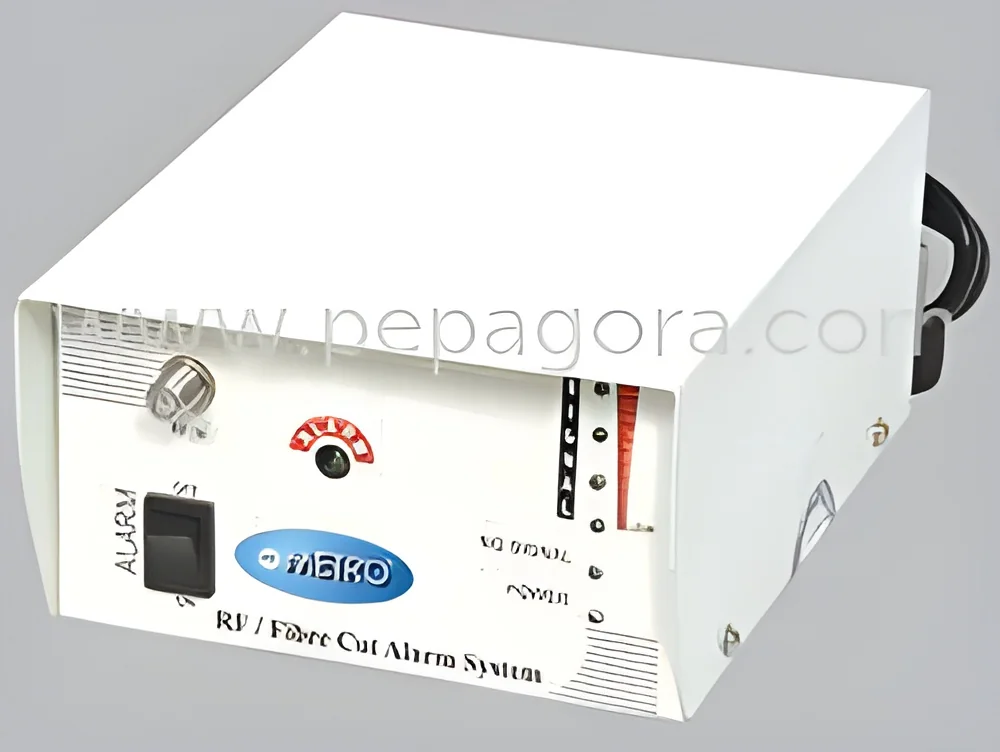
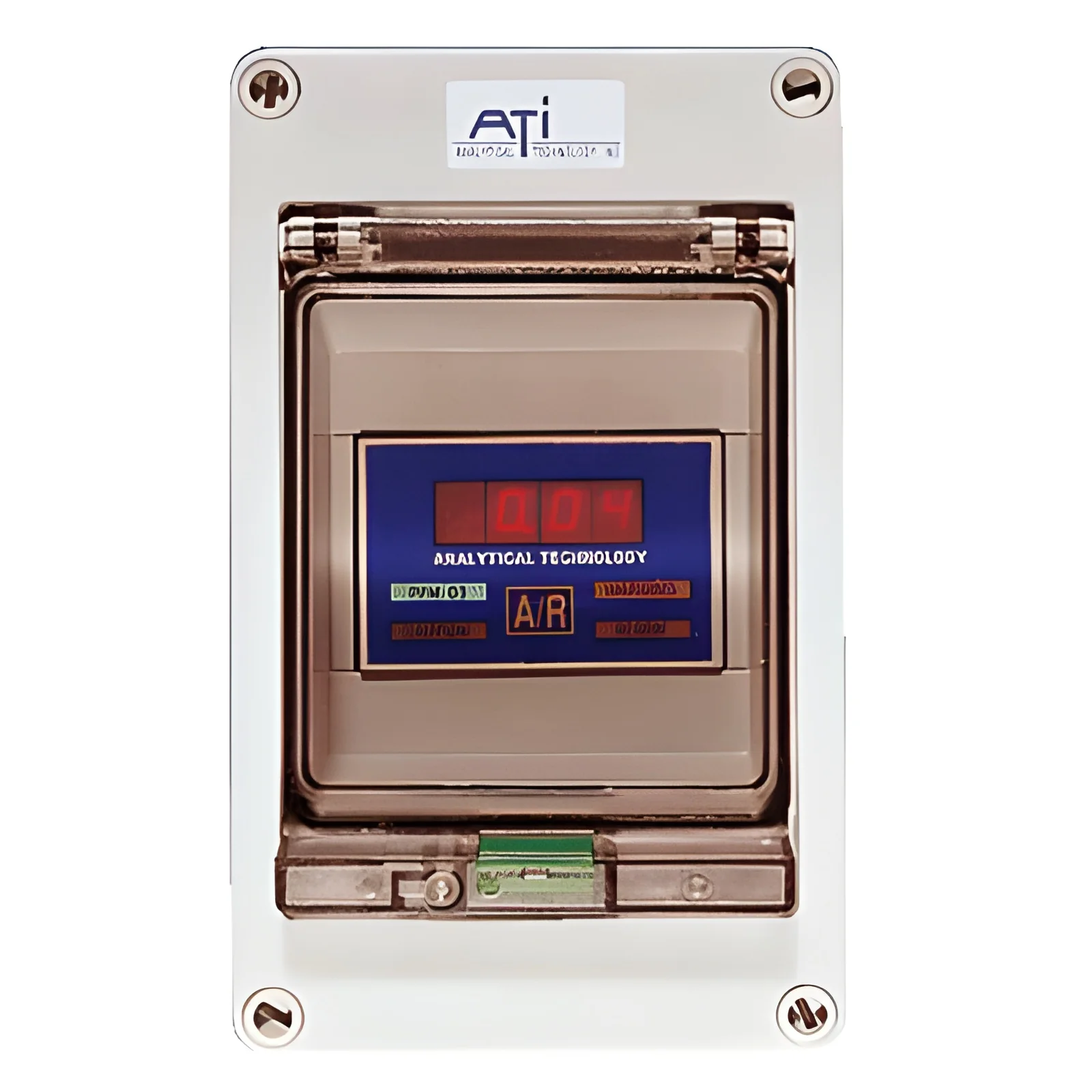
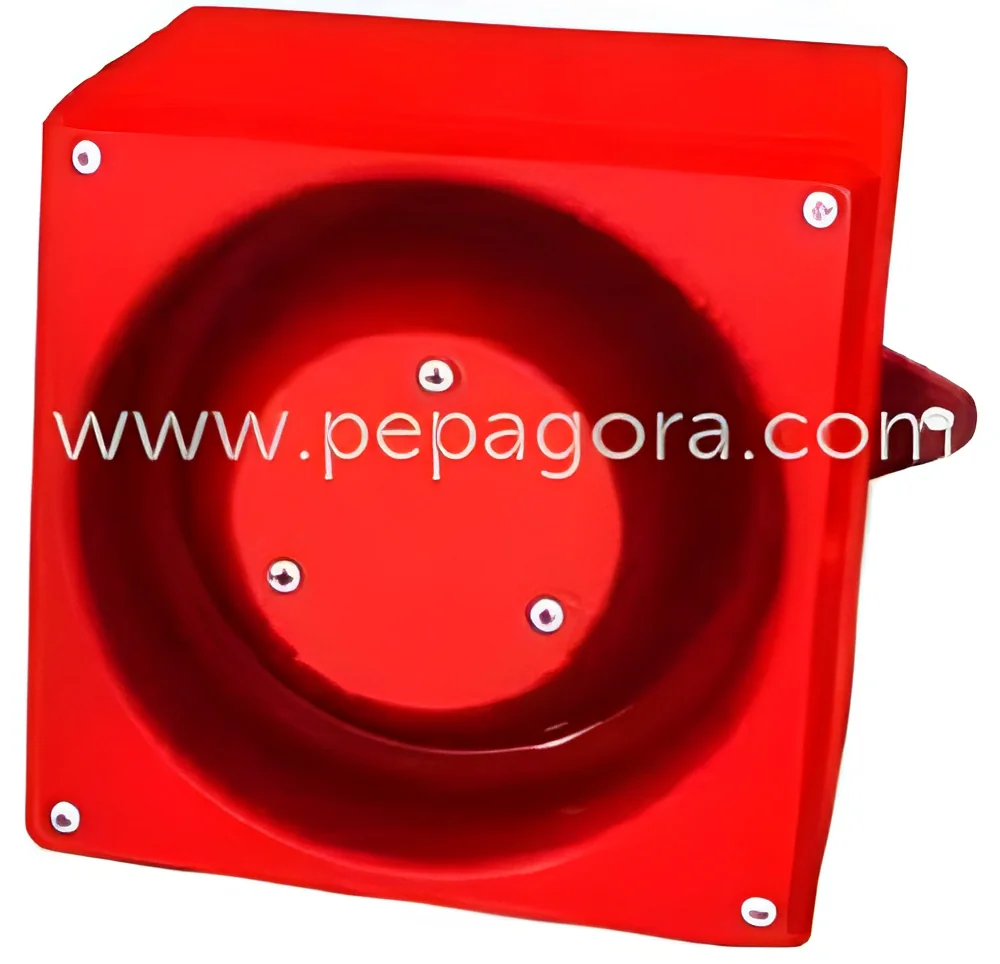
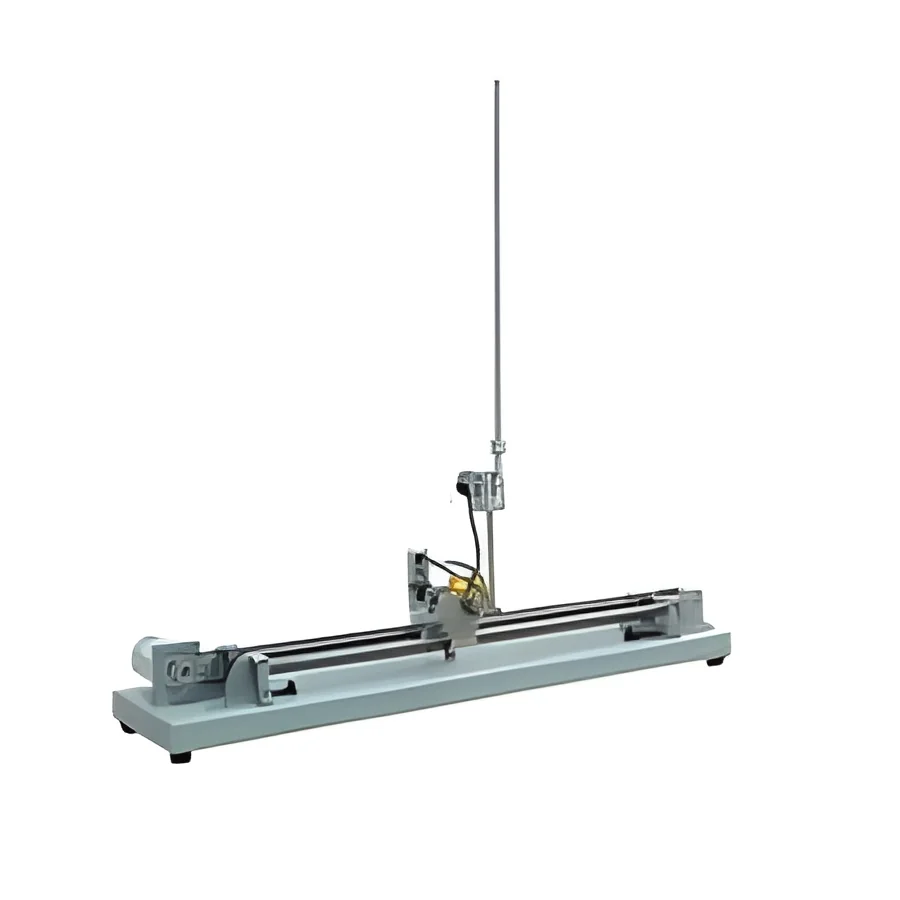
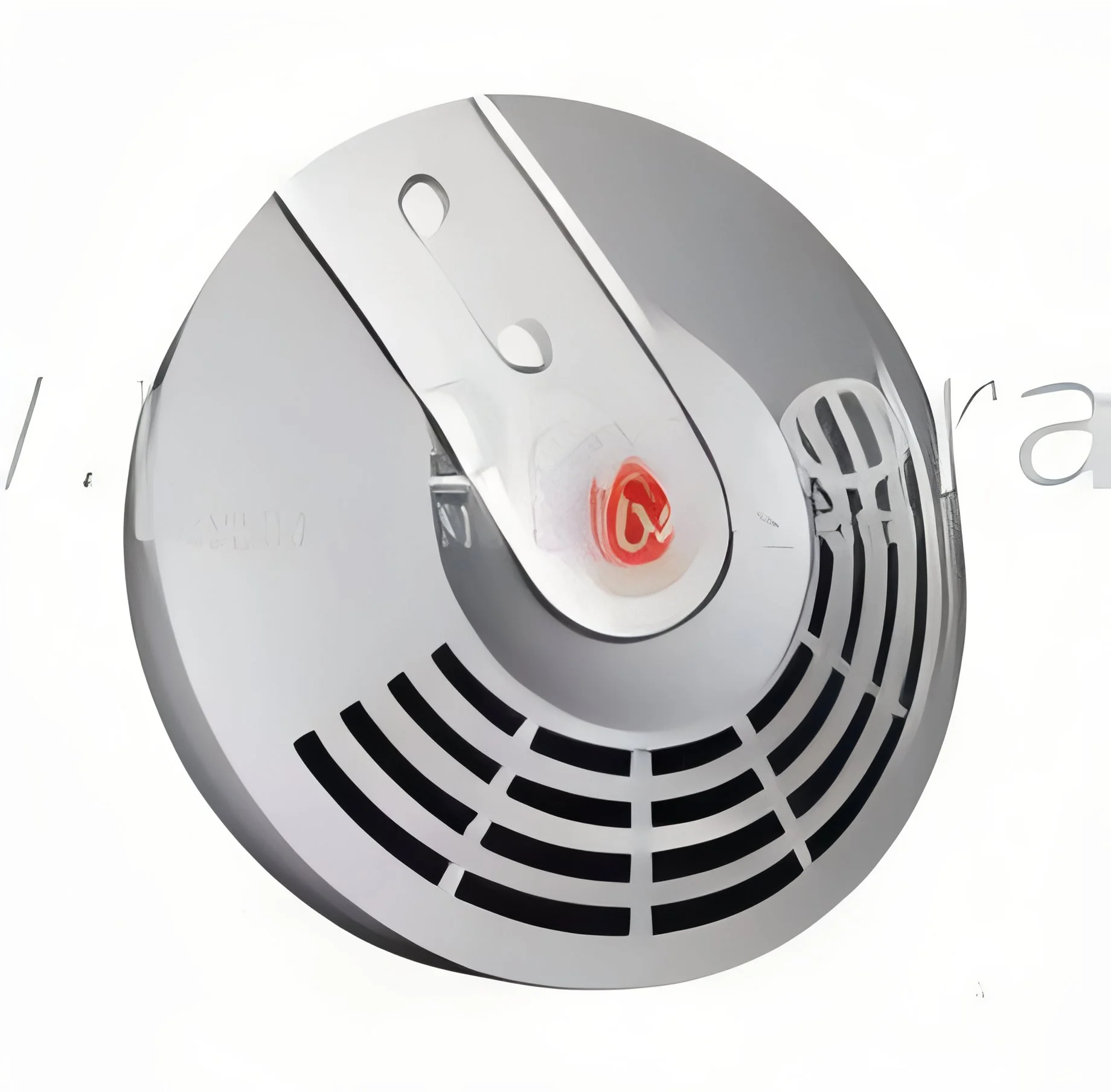
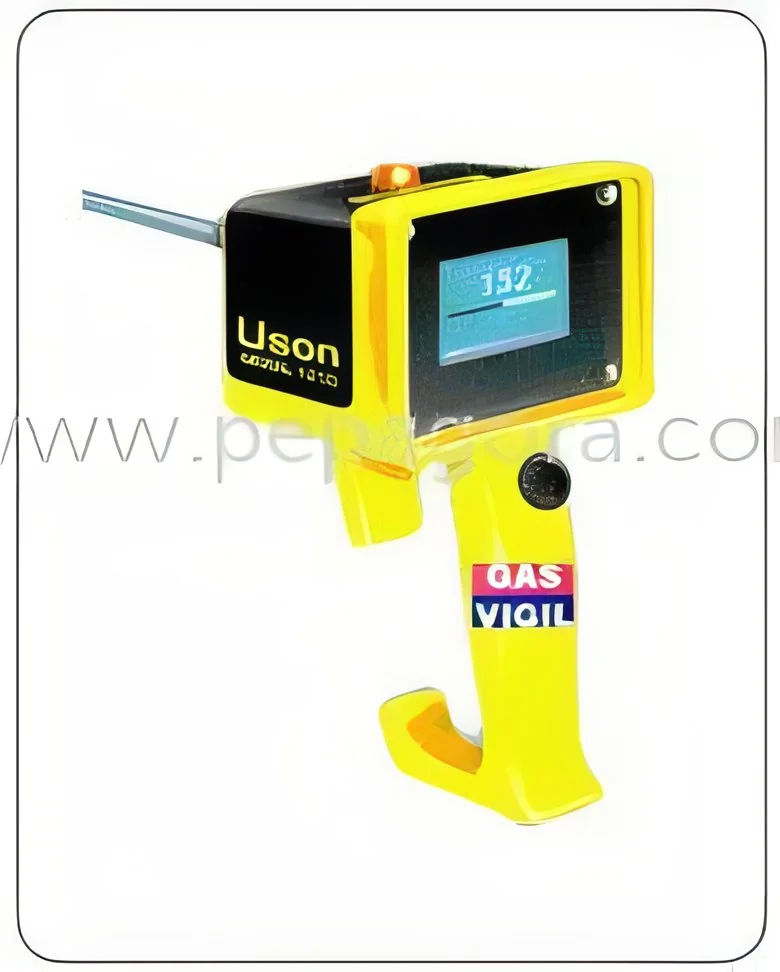
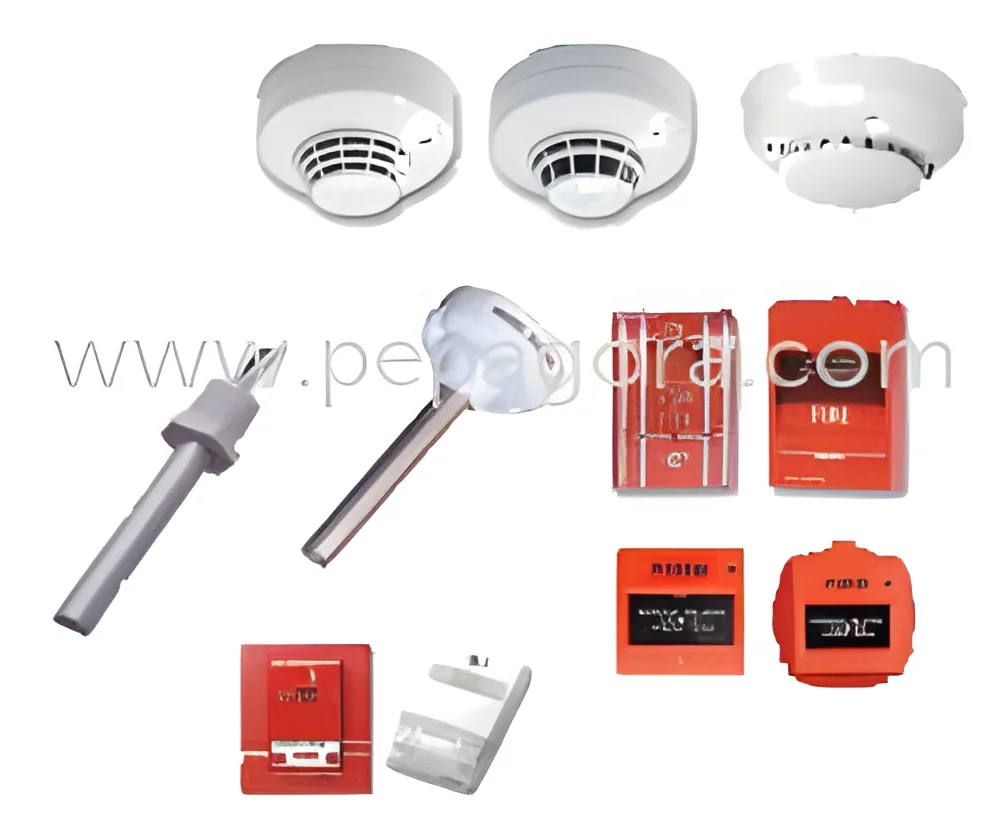
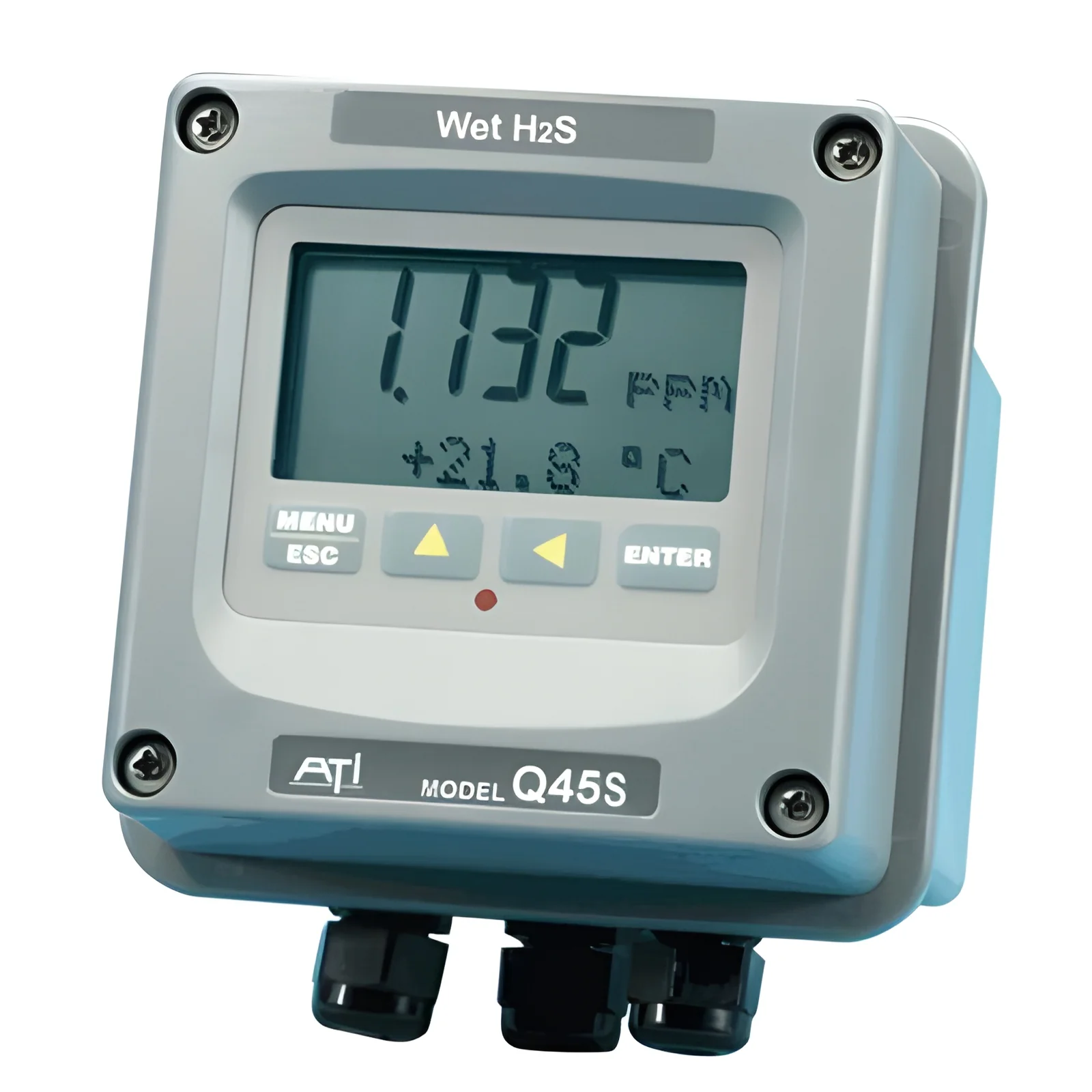
What are Security Alarm Systems?
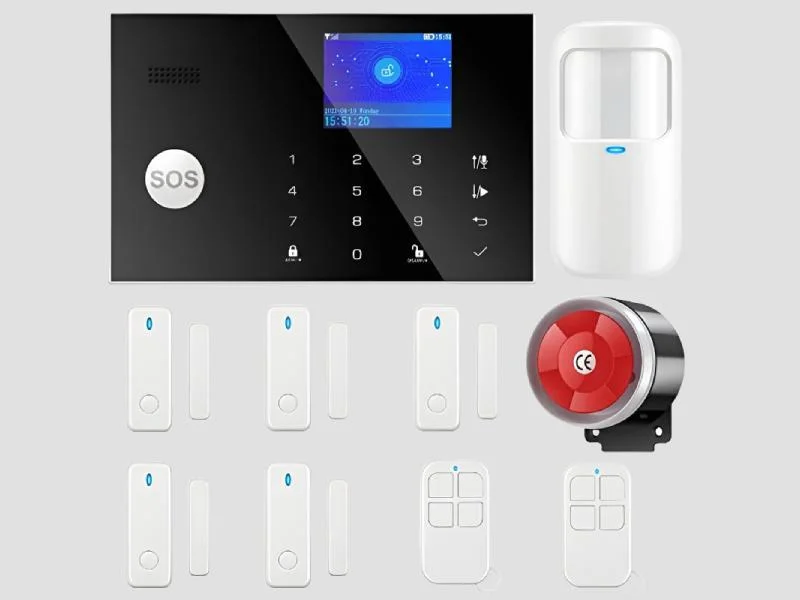
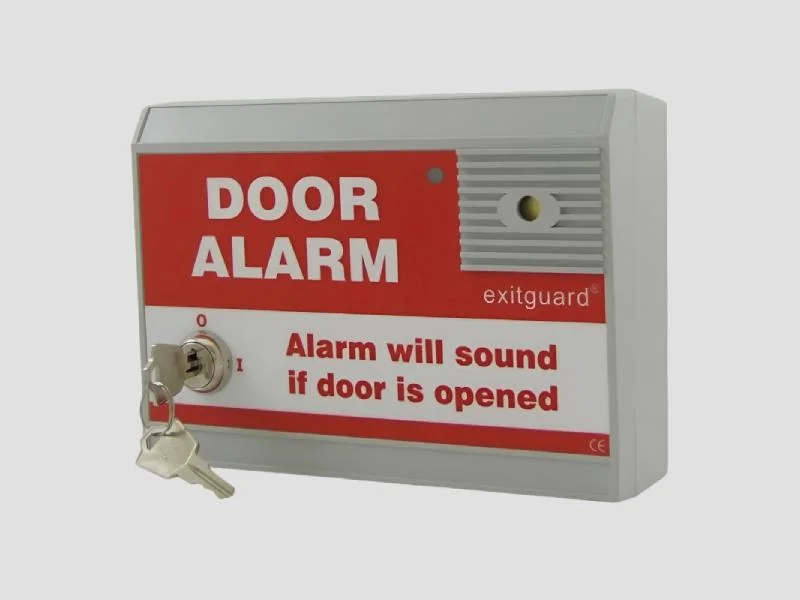
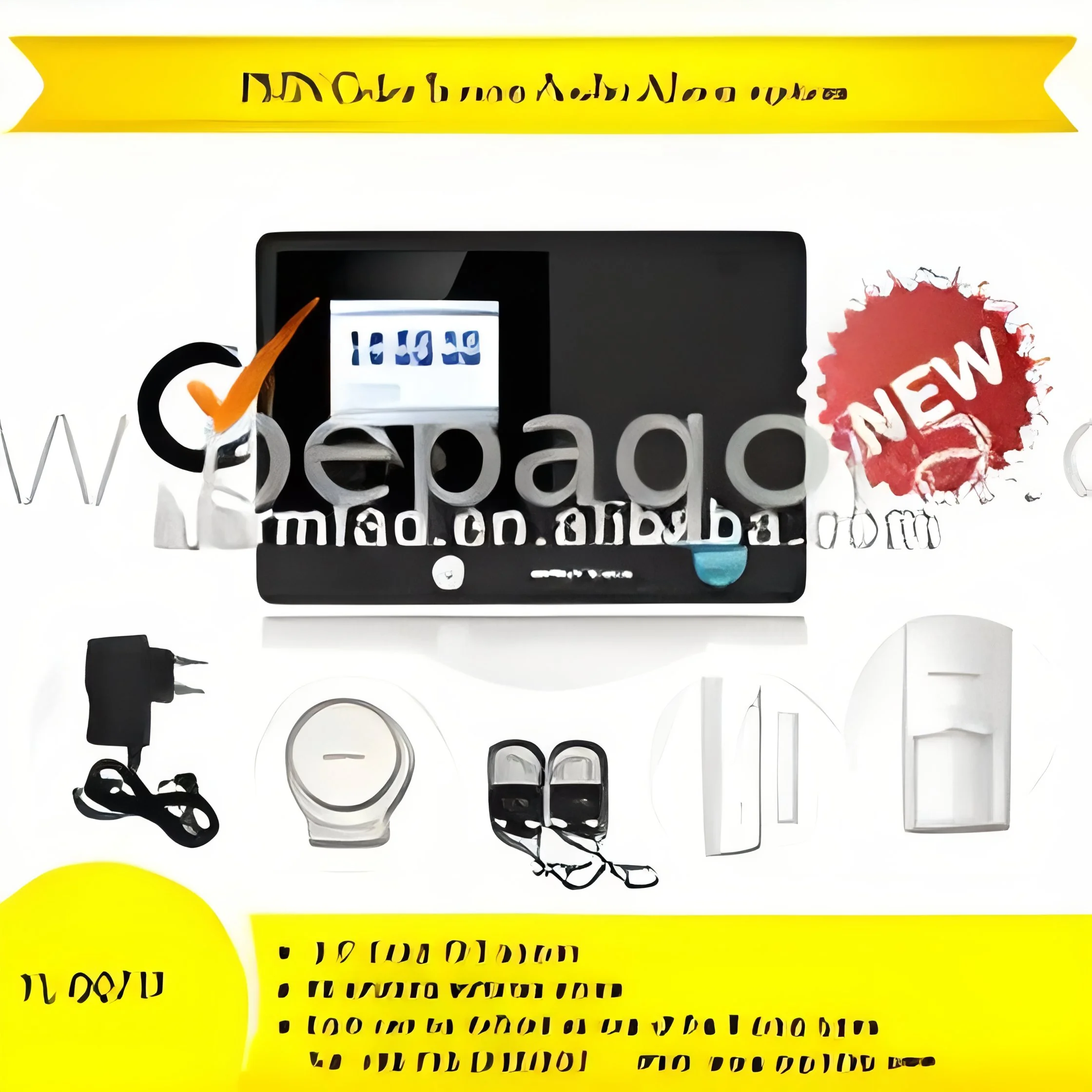
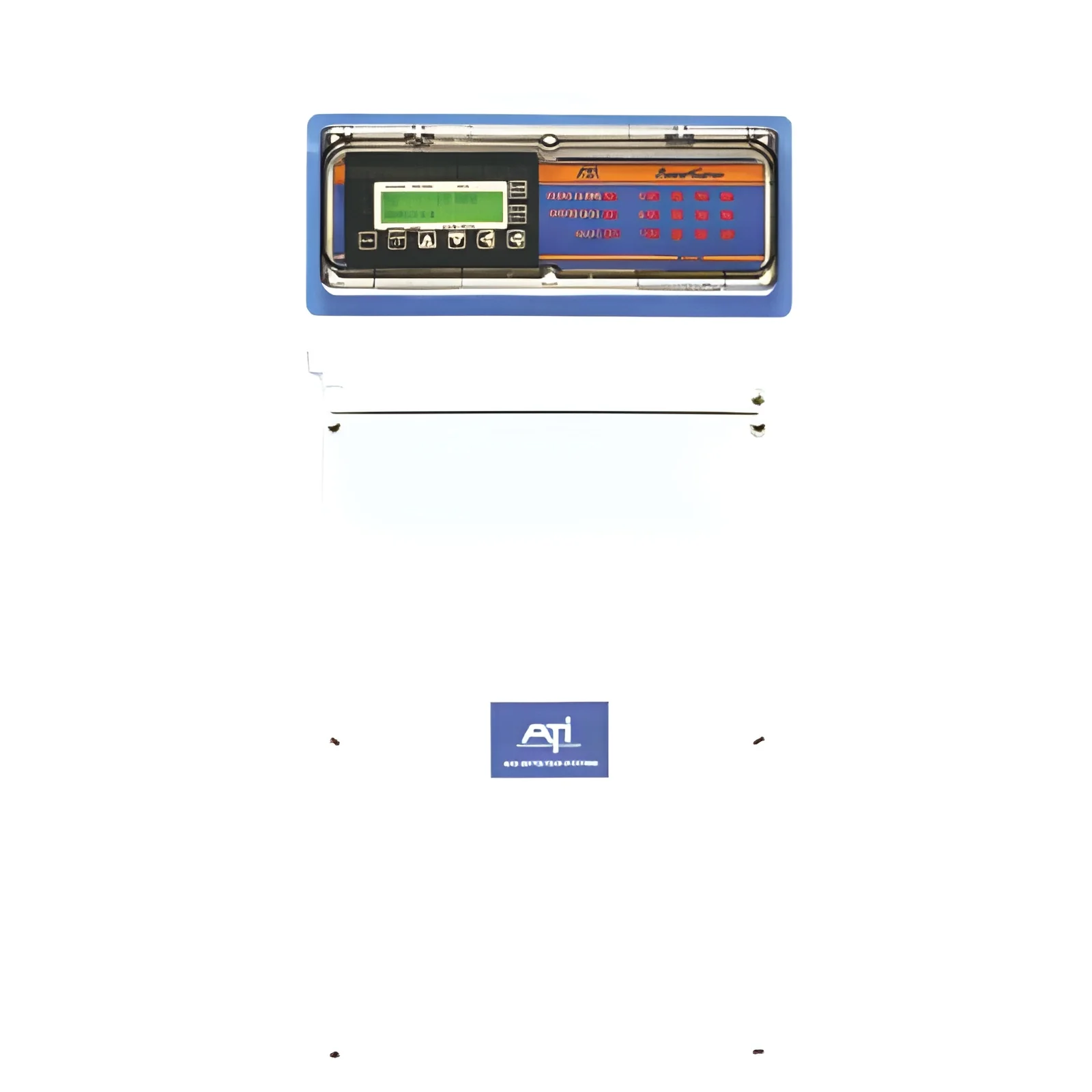
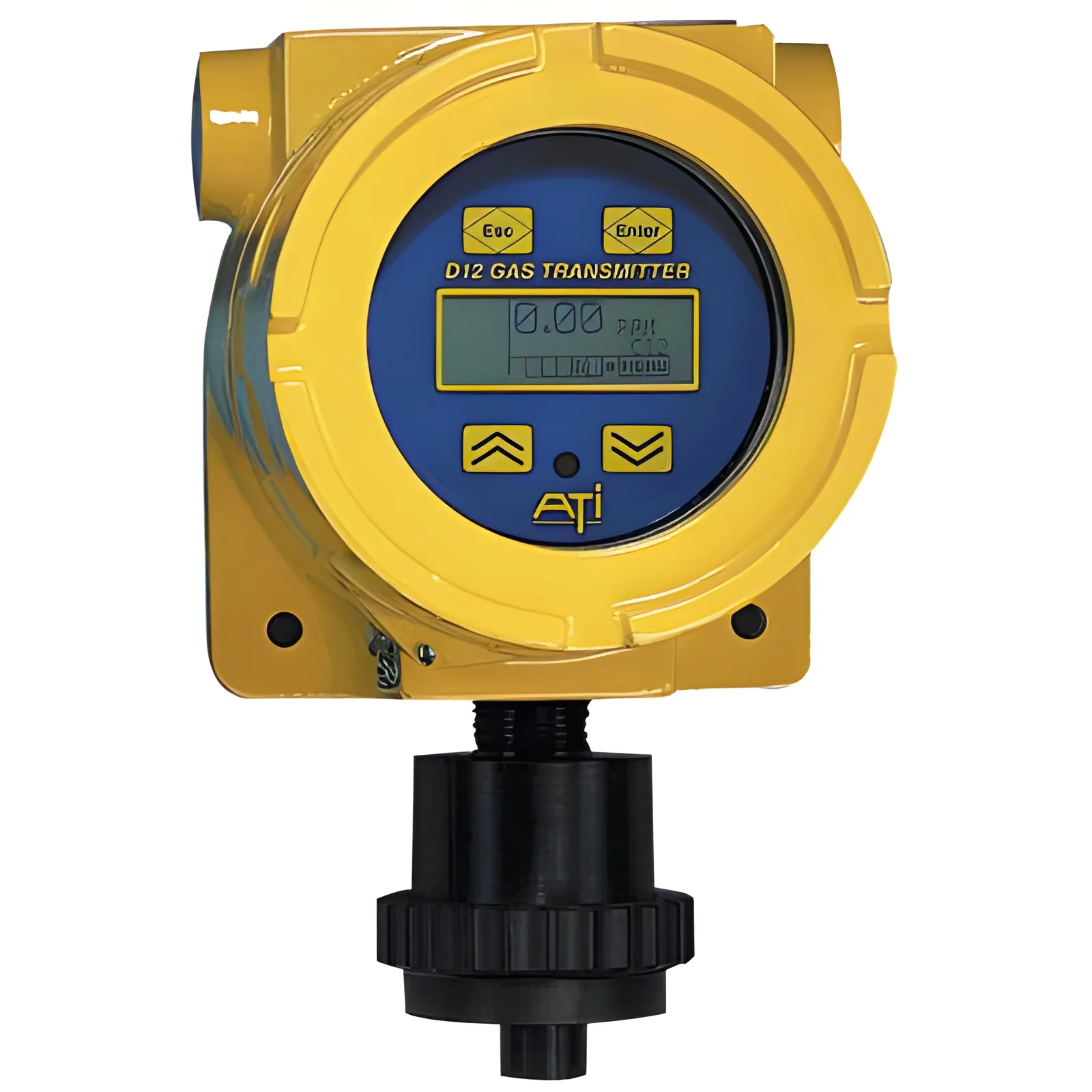
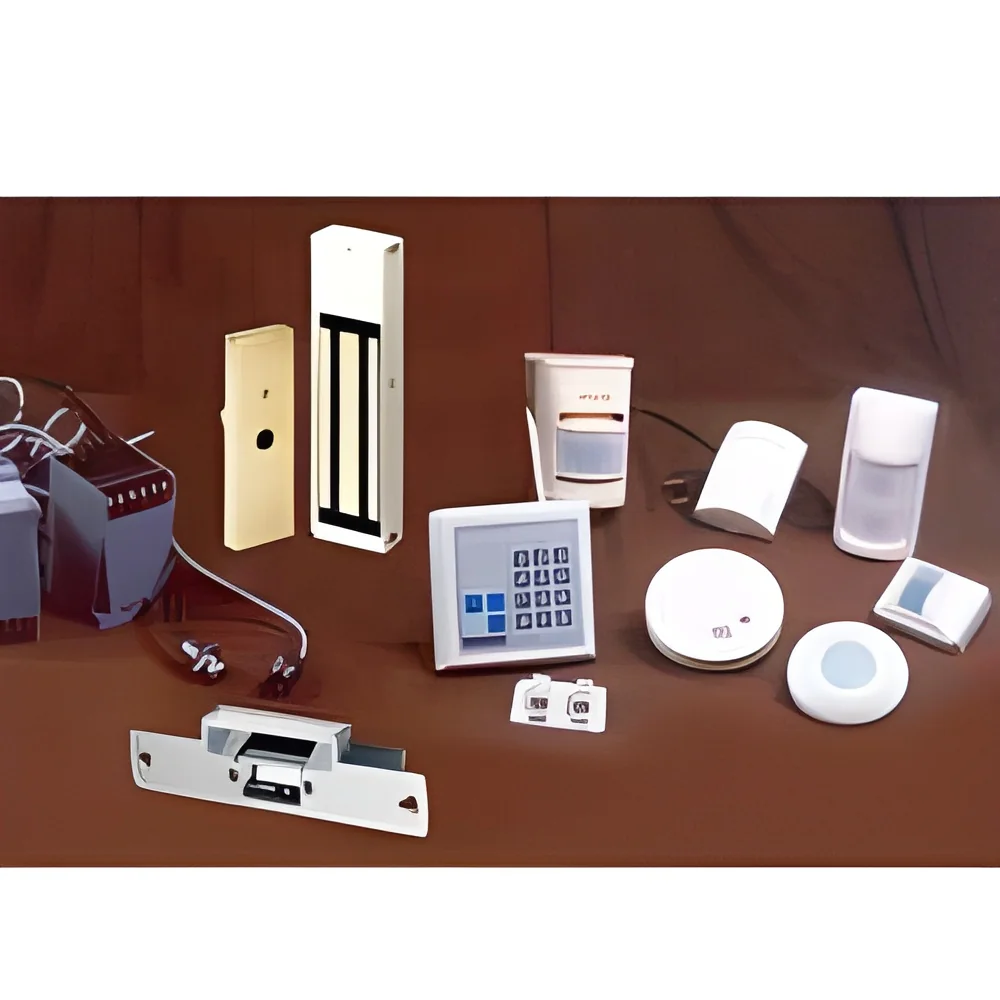
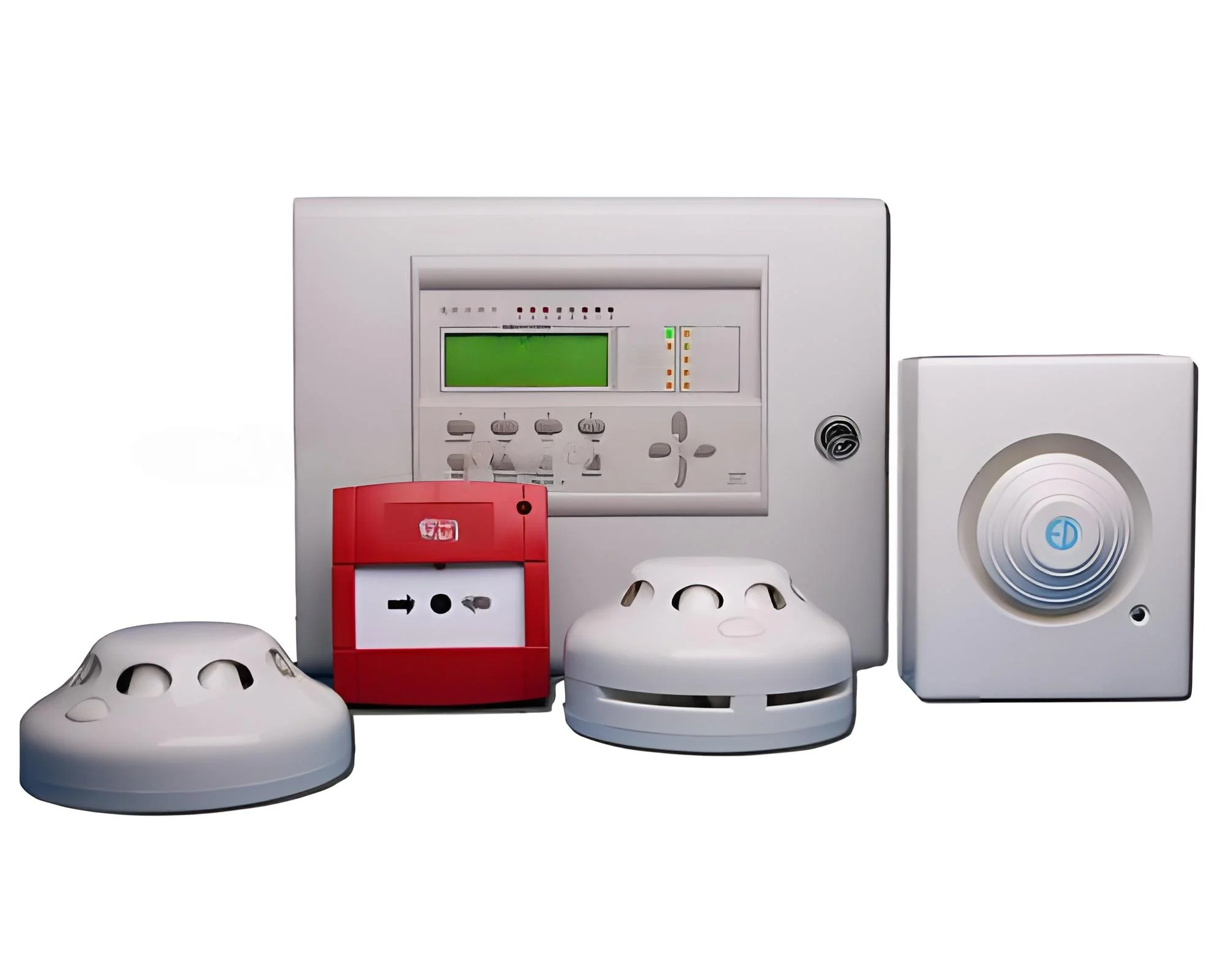
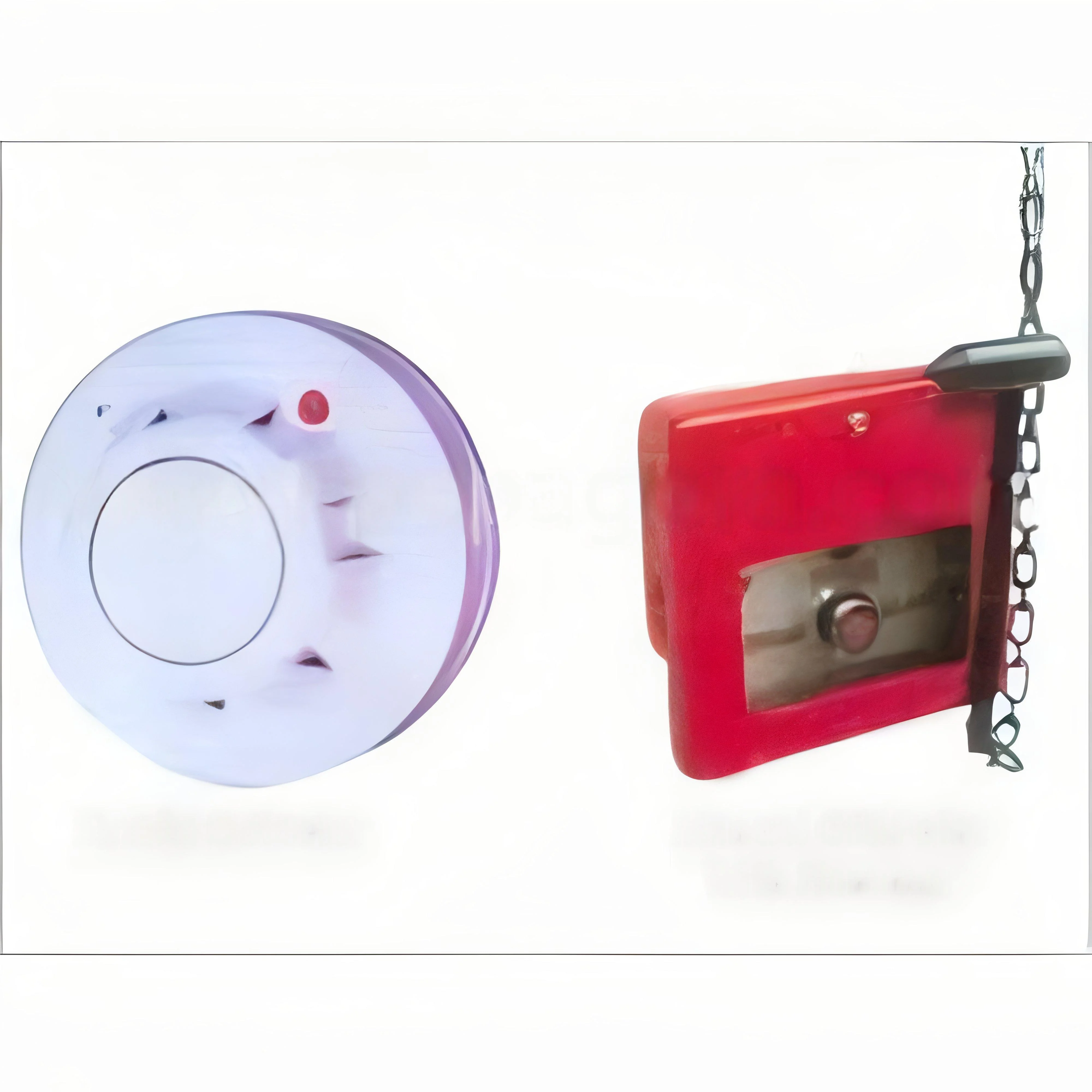
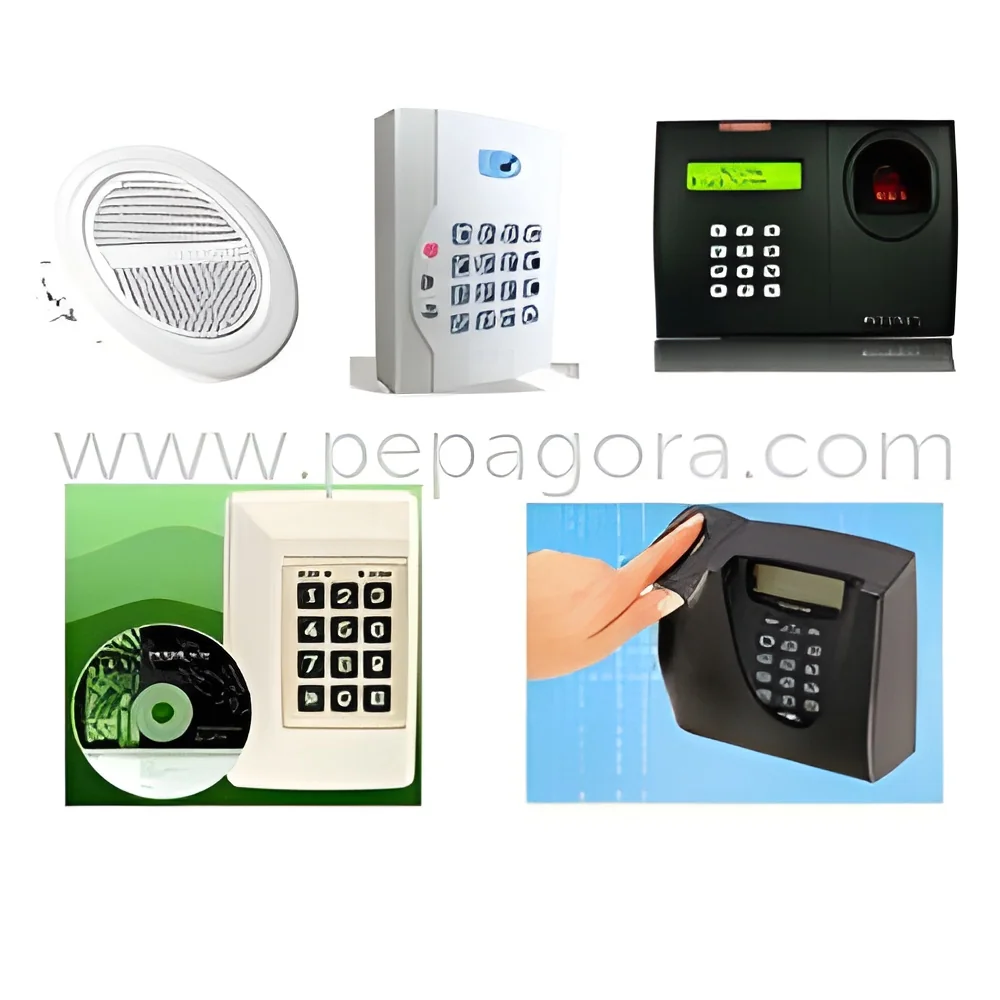
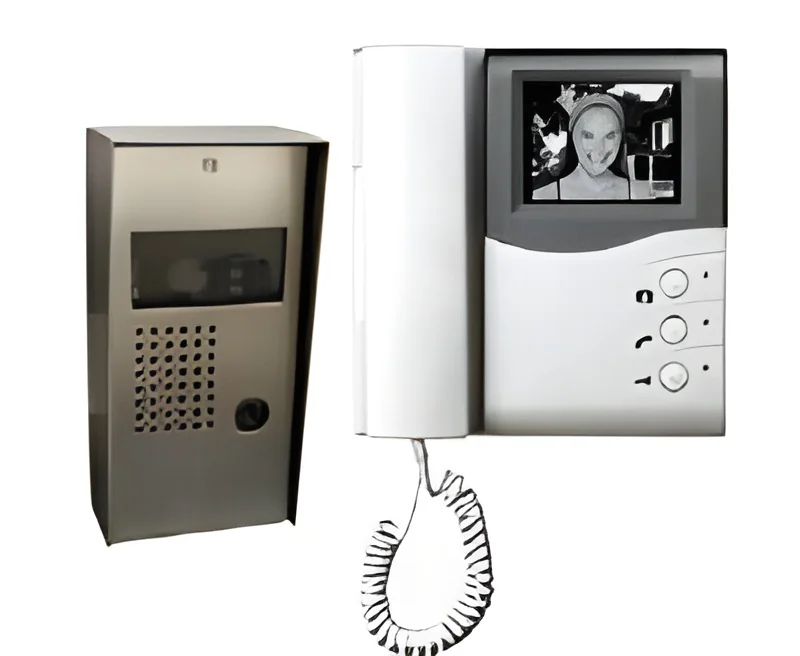
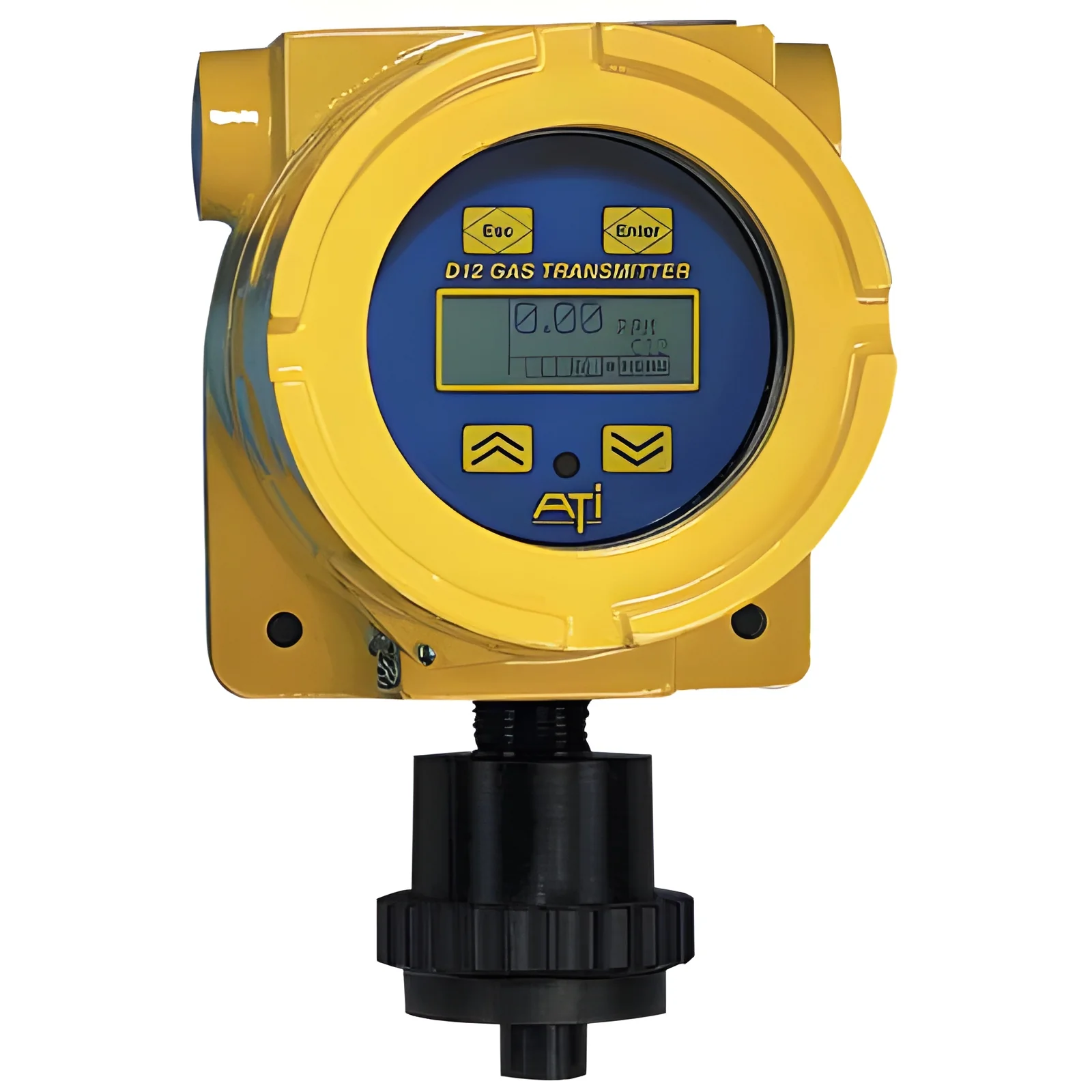
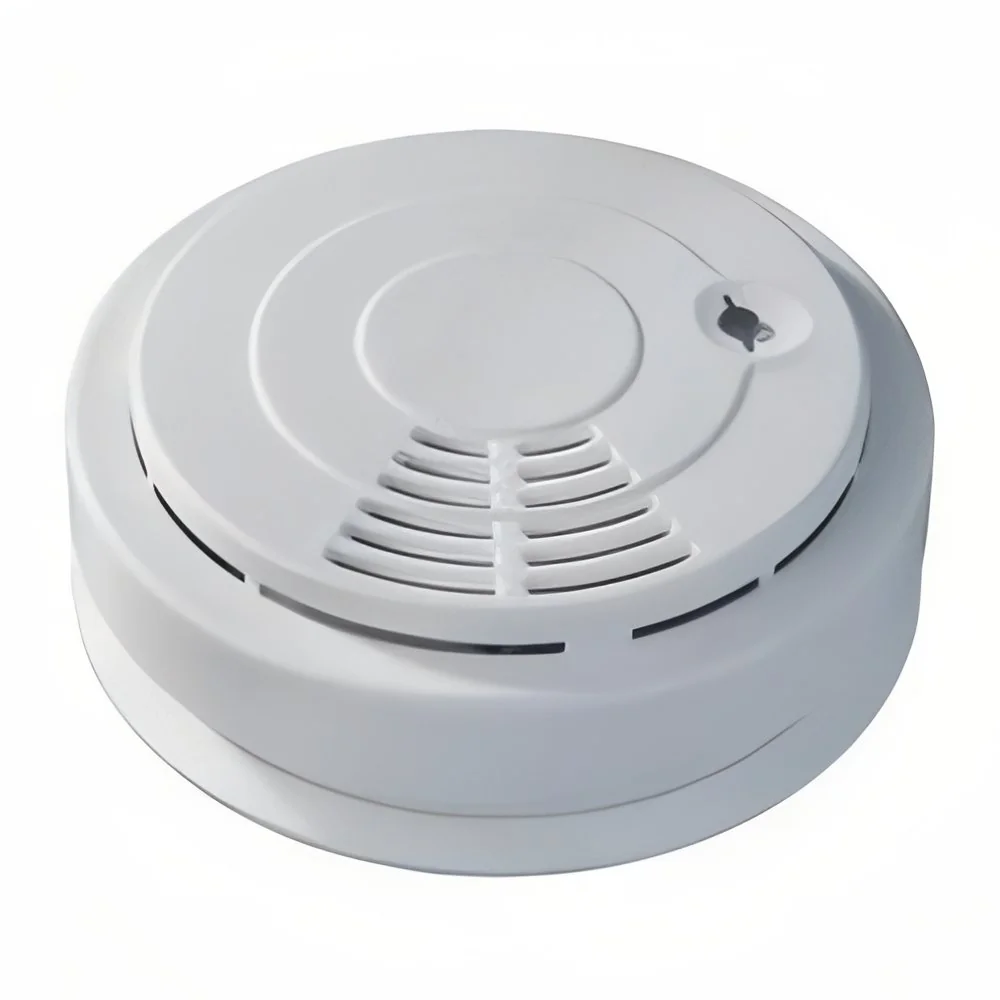
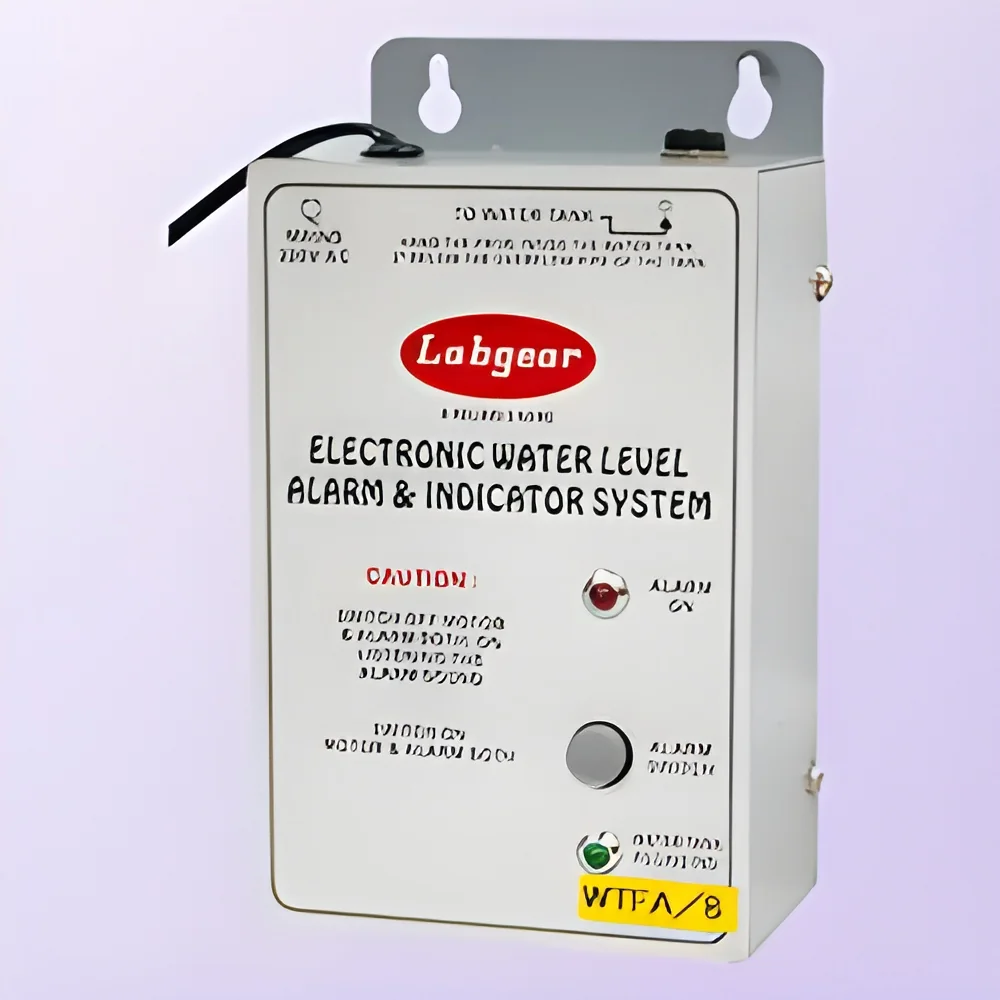
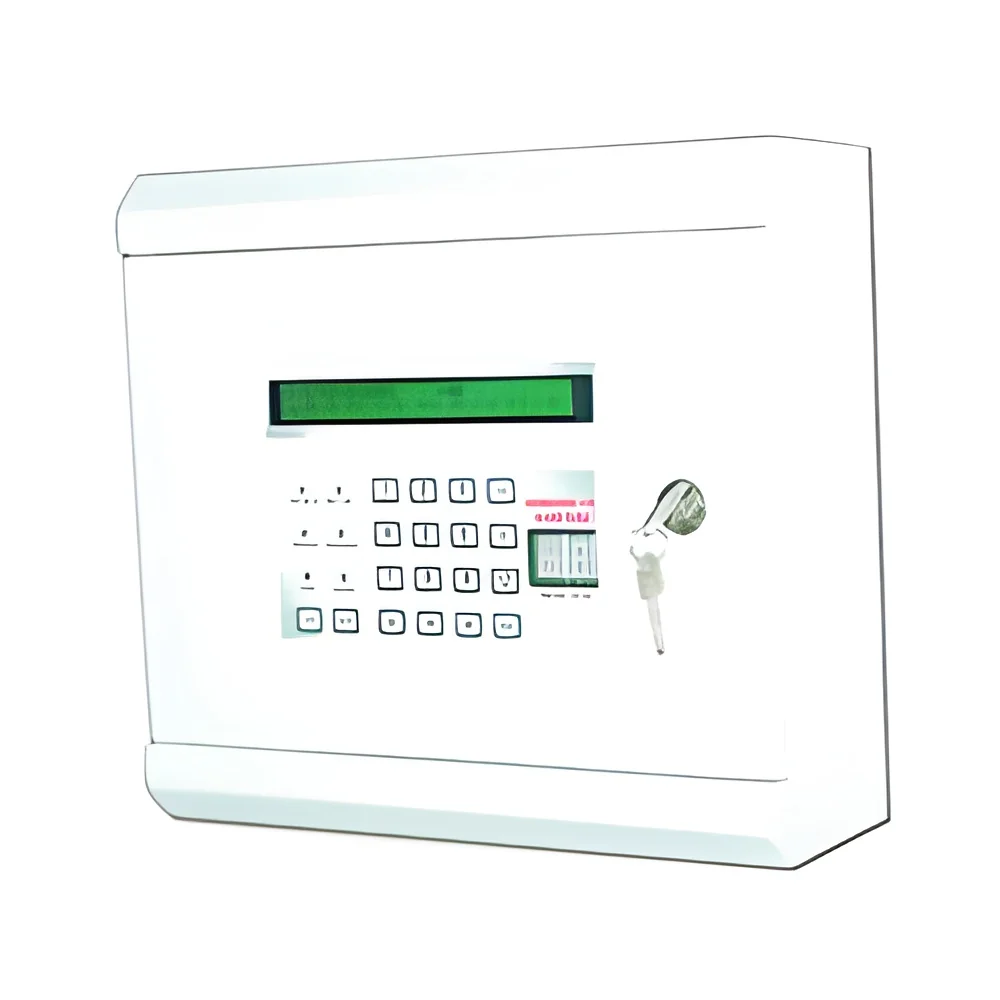
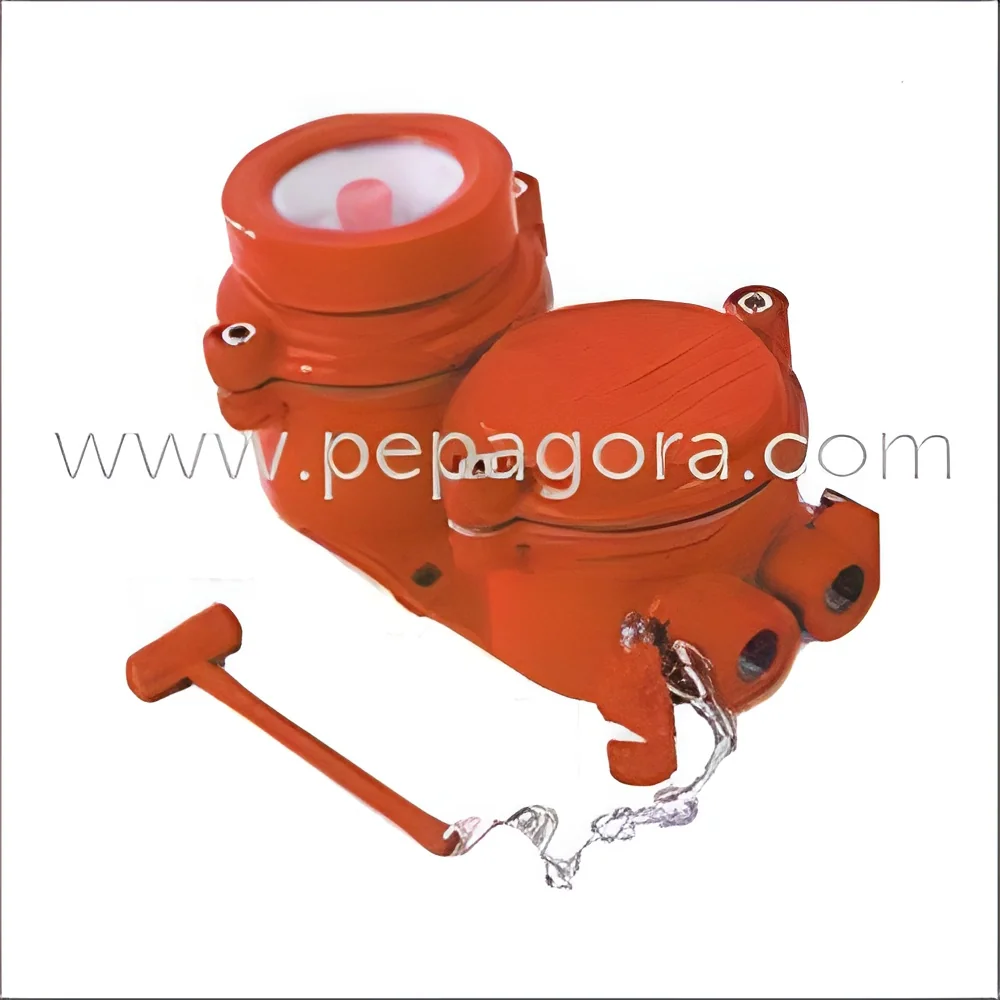
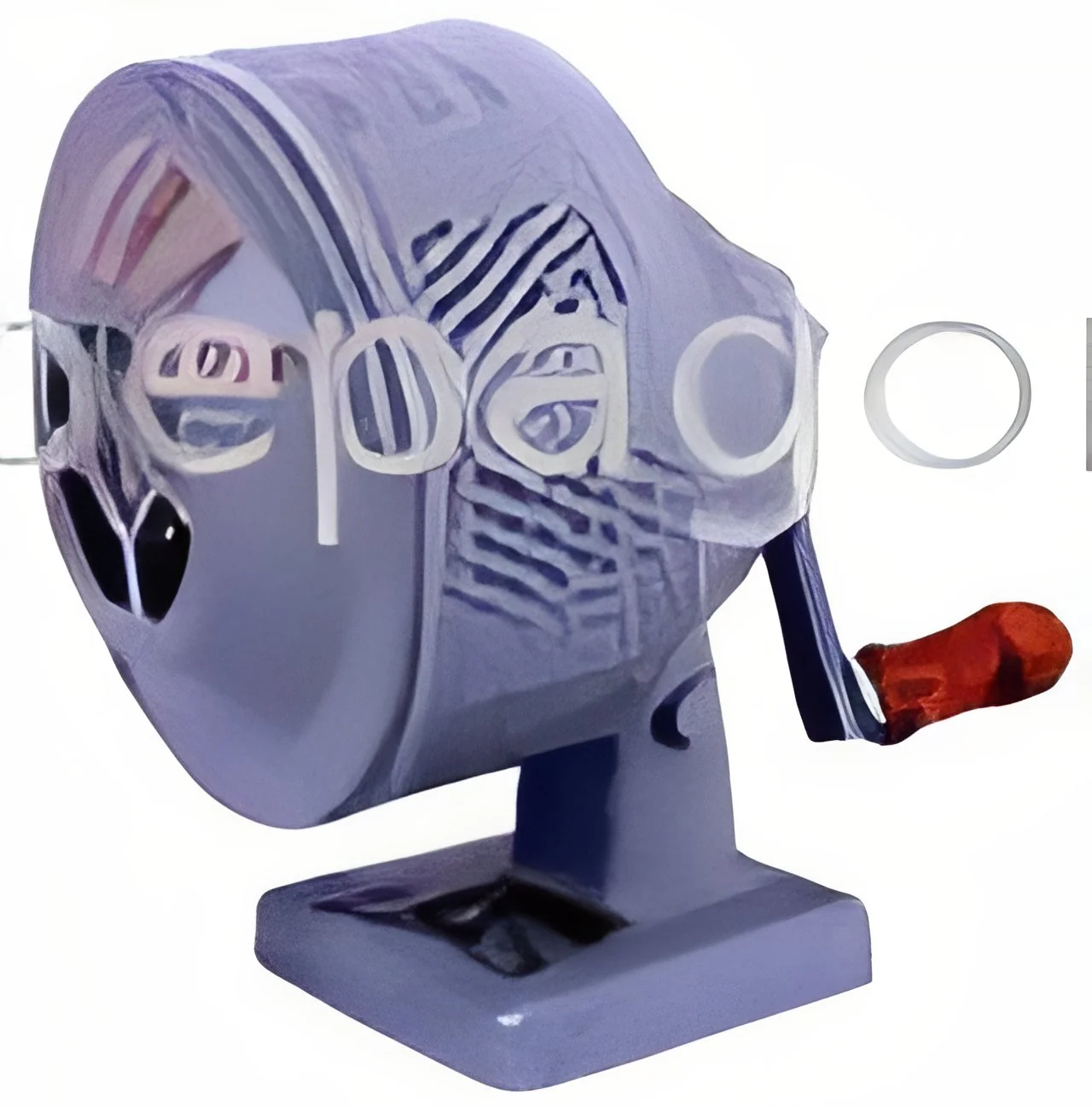
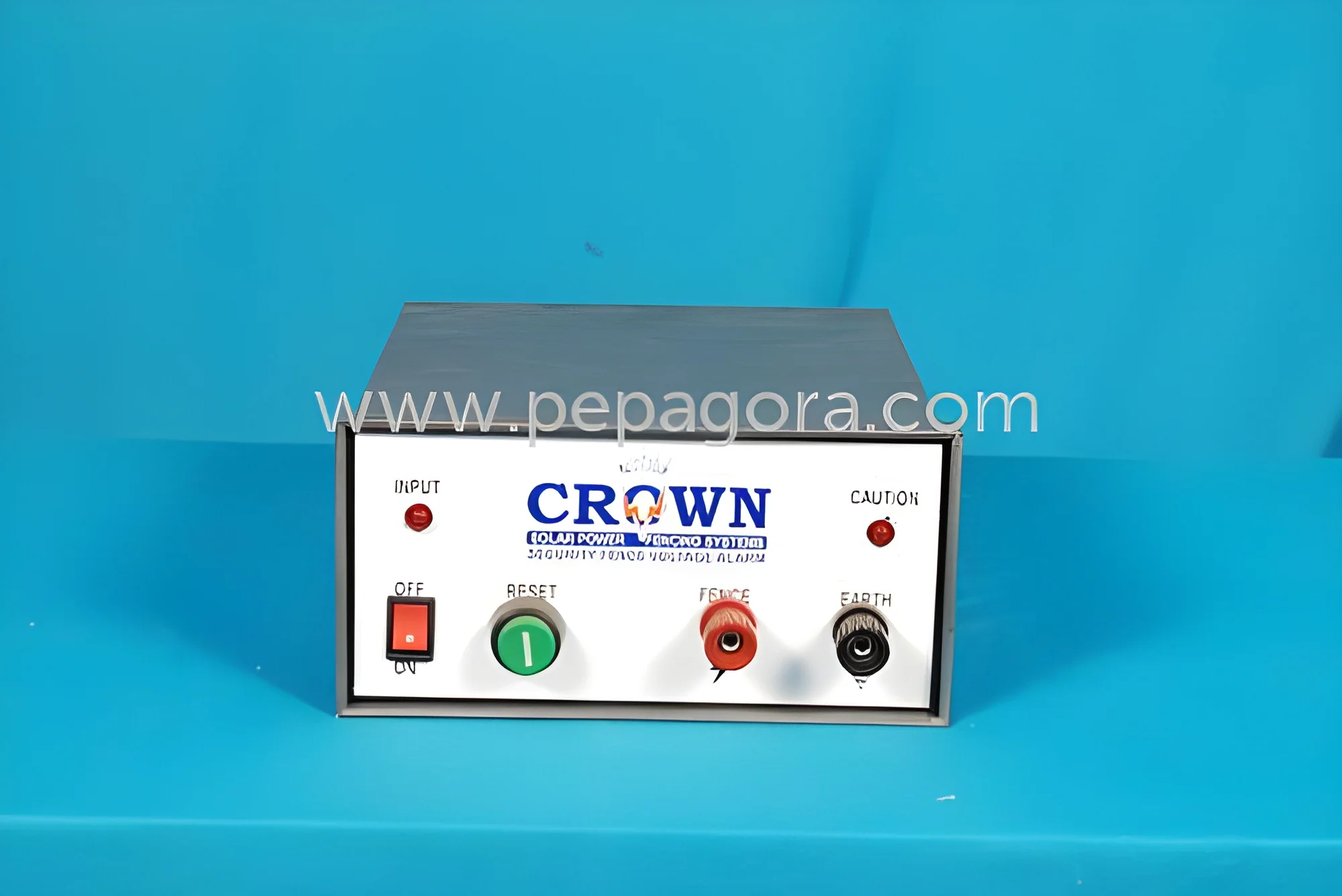
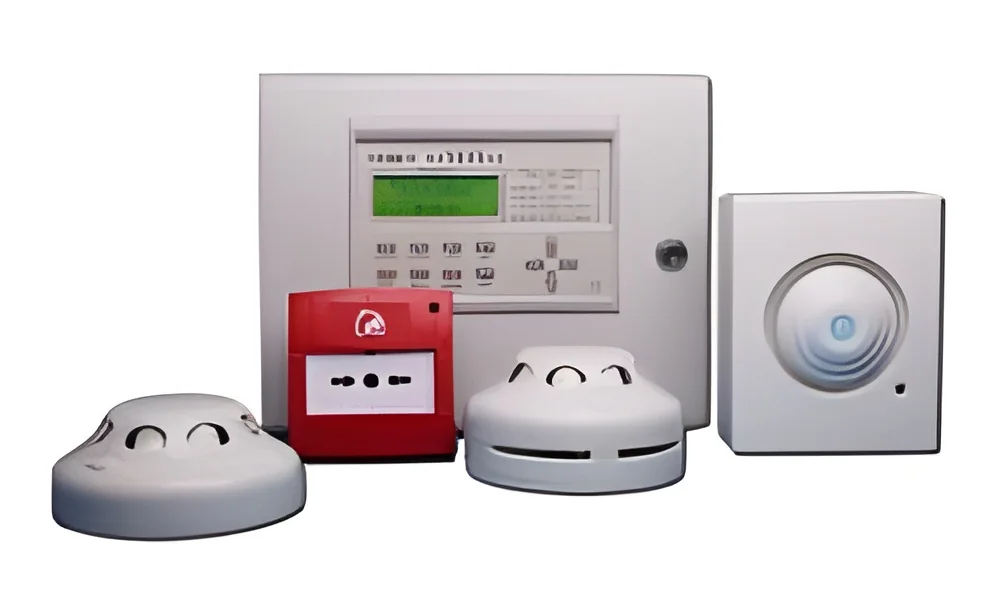
Security alarm systems are designed to detect unauthorized access and alert the appropriate parties. These systems integrate various components such as sensors, alarms, and monitoring devices to create a protective barrier around a physical space. The primary function of these systems is to safeguard property and assets by providing timely notifications of security breaches.
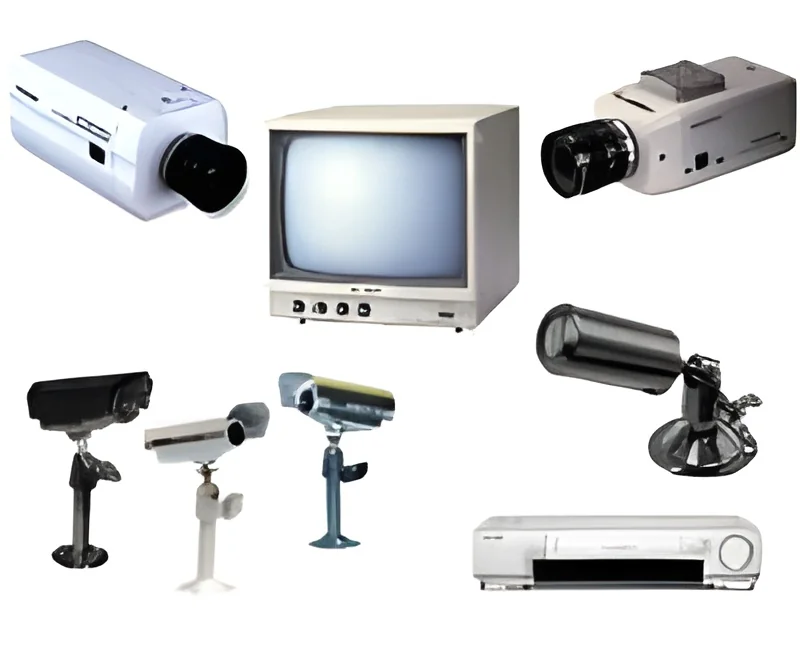
Primarily, security alarm systems are used in commercial and industrial environments, including warehouses, offices, and retail spaces. They help businesses mitigate risks associated with theft, vandalism, and other security threats. Additionally, many systems provide features like remote monitoring and integration with surveillance cameras, enhancing their effectiveness. In today's market, the demand for reliable security solutions continues to rise due to increasing security concerns across various sectors.
The industry relevance of security alarm systems is underscored by the growing emphasis on safety and security in both private and public domains. As businesses increasingly recognize the importance of protecting their assets, the security alarm system market is projected to expand. This growth is driven by technological advancements and the need for more sophisticated and user-friendly security solutions.
Key Features and Specifications
Security alarm systems come equipped with a range of features designed to enhance security and user experience. These specifications can vary significantly depending on the system type and intended application.
Key specifications include:
1. Sensor Types
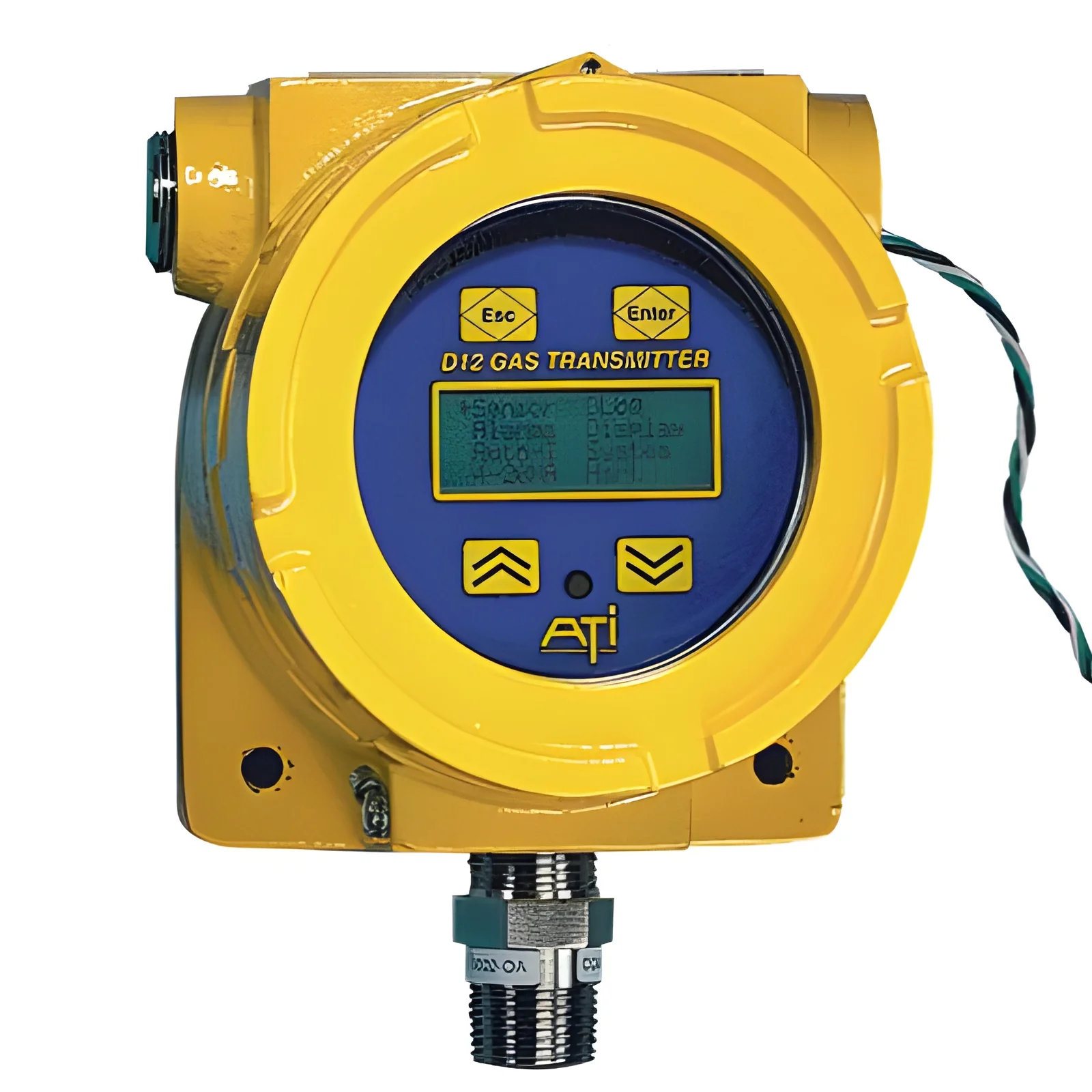
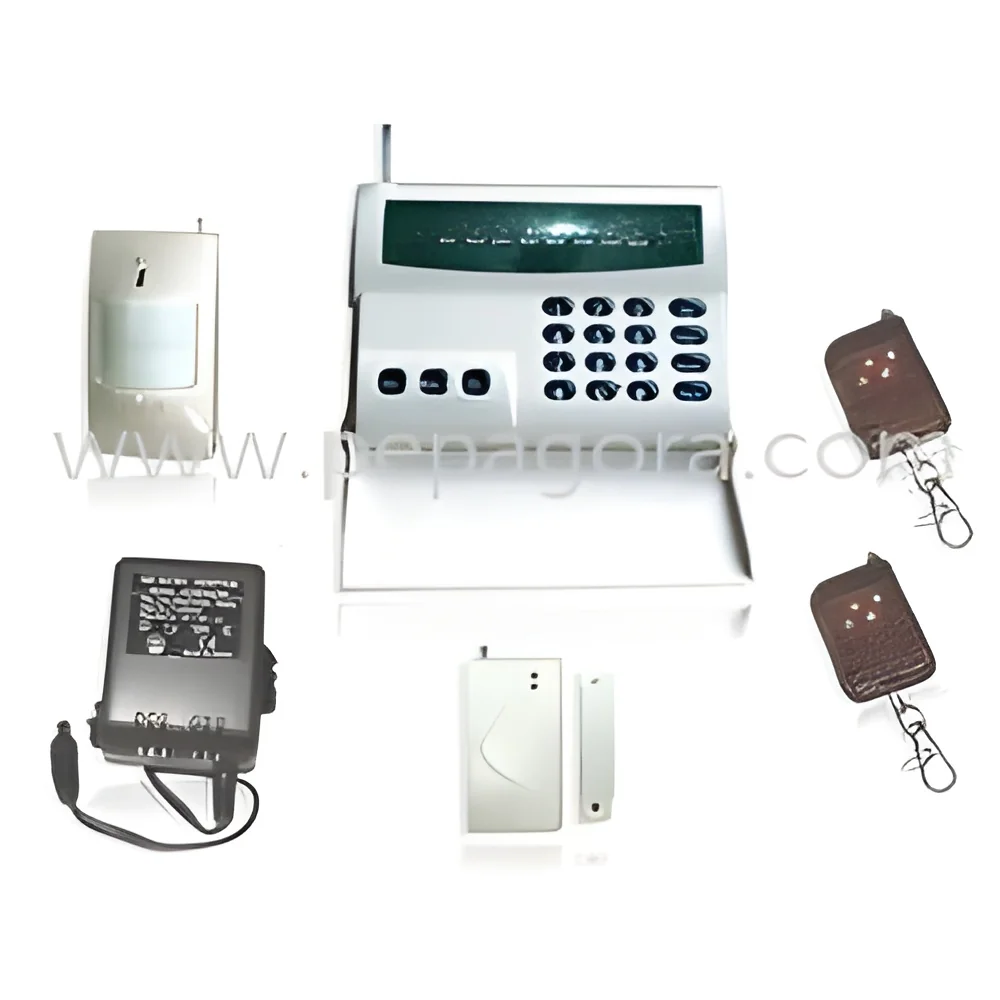
- Motion detectors, glass break sensors, door/window contacts
- Can detect movement or unauthorized access in real-time
2. Alarm Sound Level
- Measured in decibels (dB)
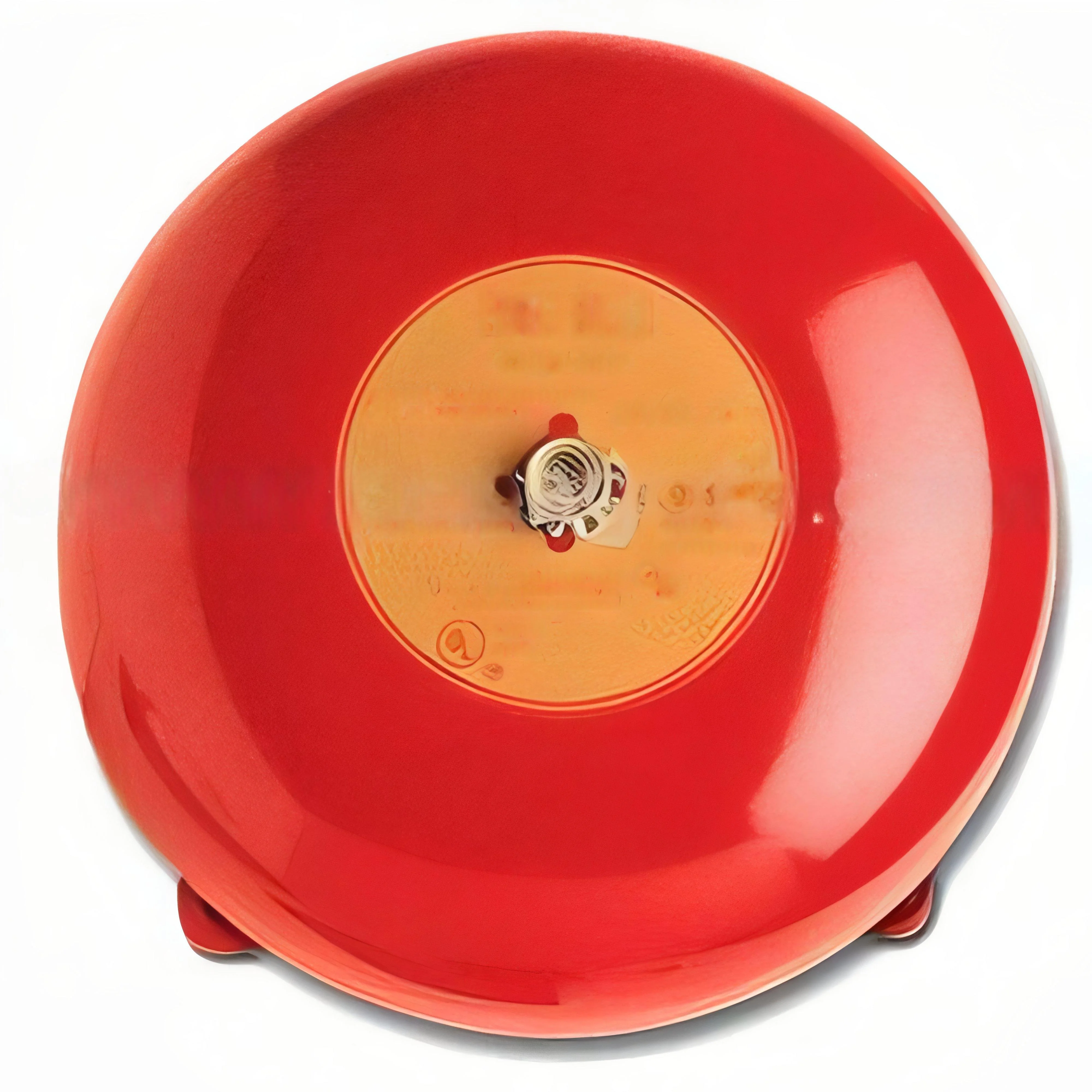
- Typically ranges from 90 dB to 120 dB for effective deterrence
3. Monitoring Options
- Options for self-monitoring or professional monitoring services
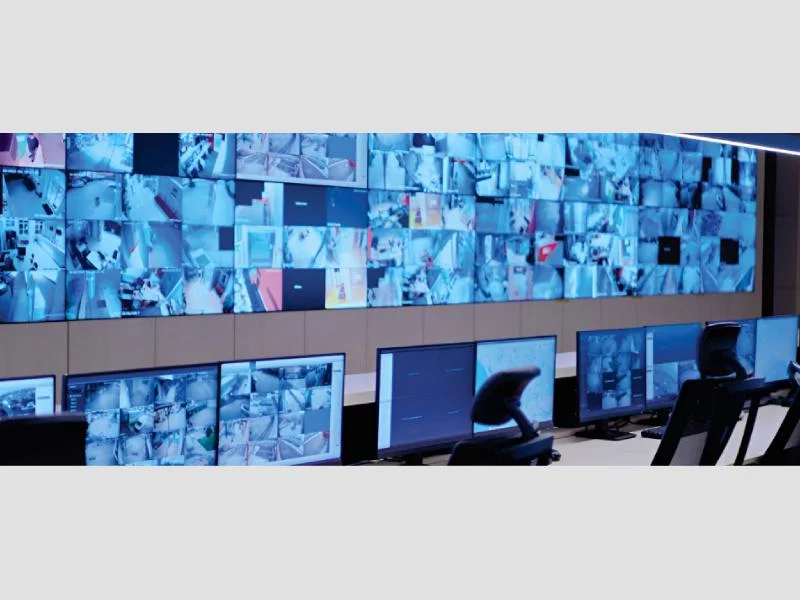
- Allows for real-time alerts via mobile devices or central monitoring stations
4. Connectivity
- Wired or wireless systems available
- Wireless systems offer flexibility in installation and placement
5. Power Source
- Systems powered by batteries, AC power, or both
- Backup options are essential for reliability during power outages
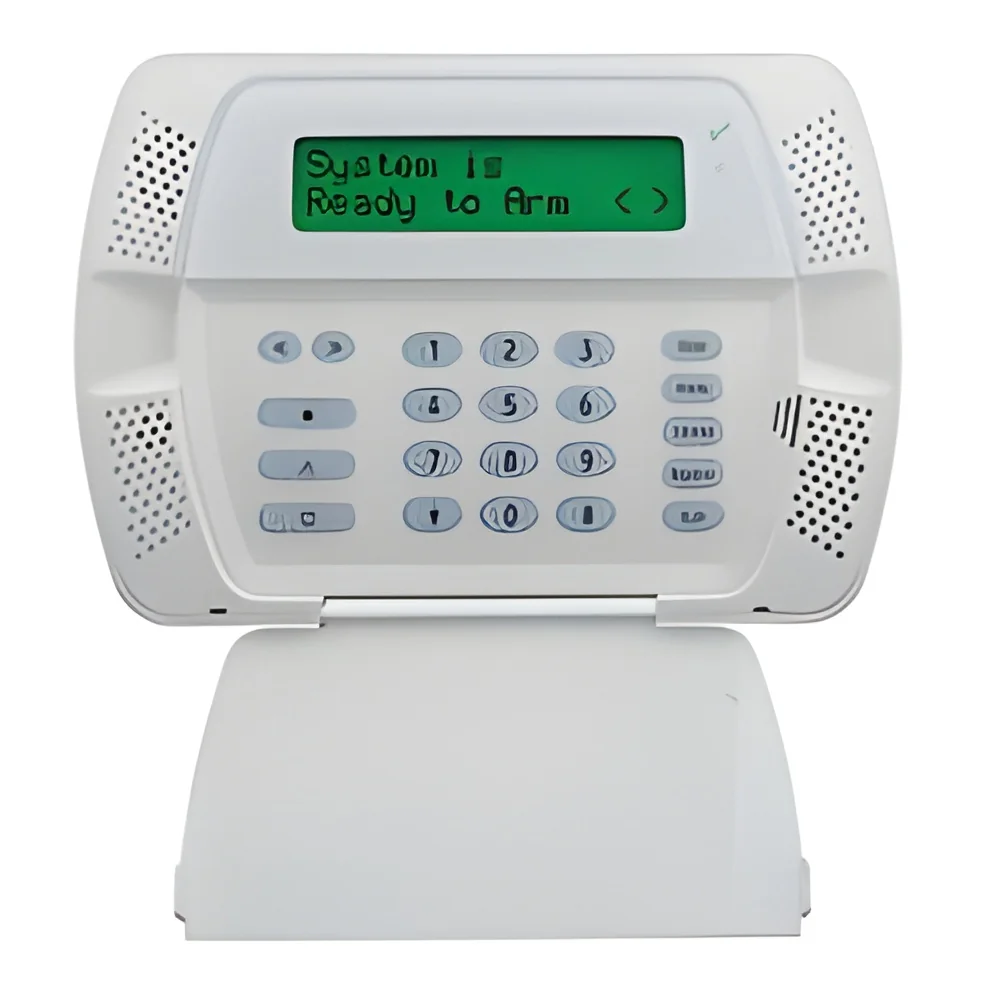
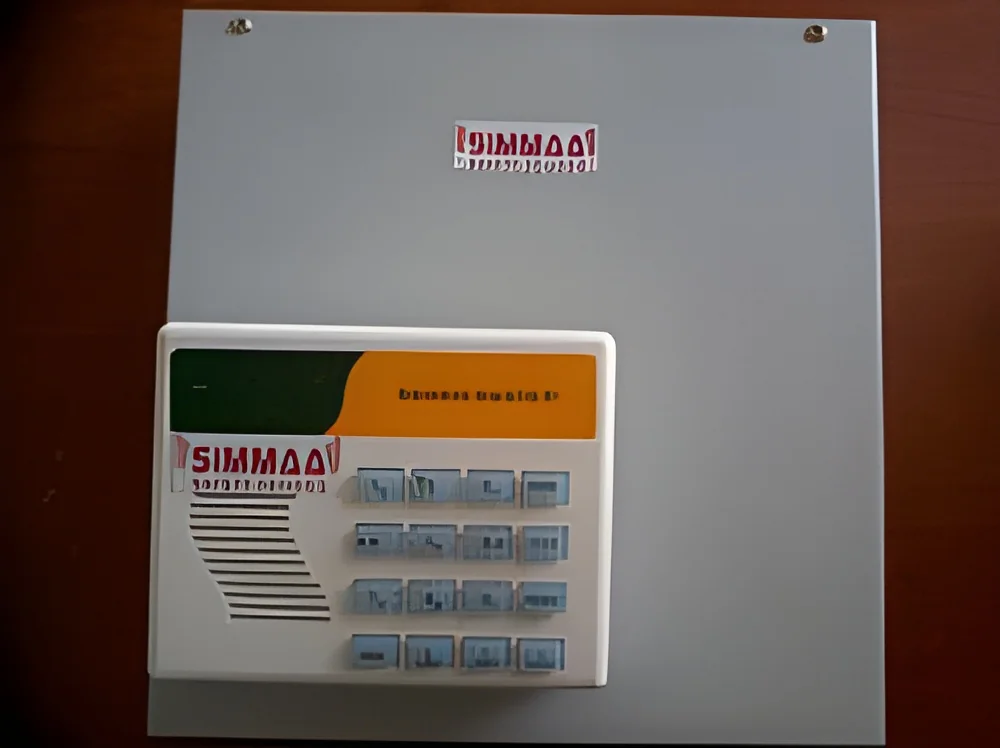
6. User Interface
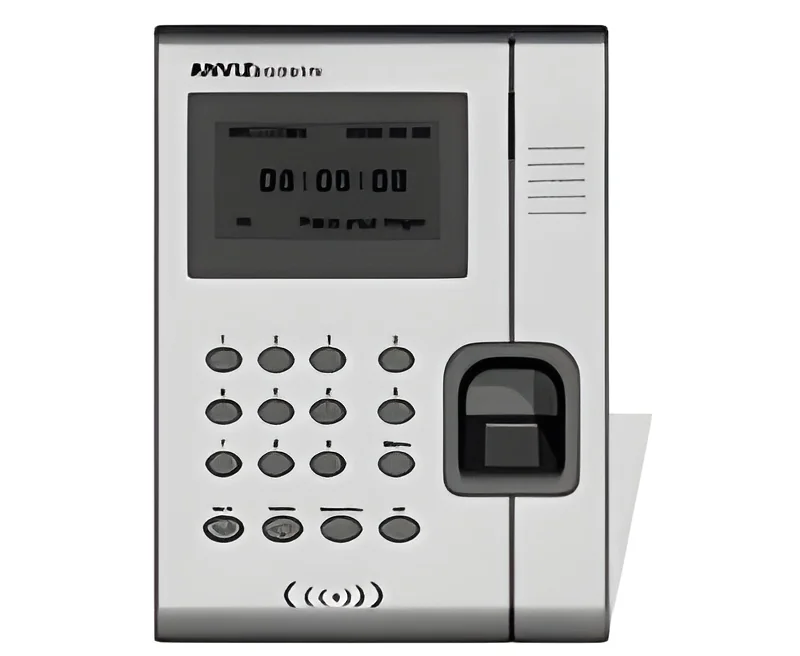
- Keypads, mobile apps, or web portals for user control
- Allows easy arming/disarming and monitoring of the system
7. Integration Capabilities
- Compatibility with other security devices like cameras and access control systems
- Enhances overall security management
8. Certification
- Compliance with safety standards such as CE certification
- Ensures reliability and quality of the product
In summary, understanding the key features and specifications of security alarm systems is critical for selecting the right system to meet specific security needs.
Common Applications and Use Cases
Security alarm systems find applications across multiple industries, ensuring the protection of valuable assets and enhancing safety protocols.
1. Retail: In retail environments, security alarm systems help prevent theft and protect merchandise. They can be integrated with video surveillance systems for comprehensive security.
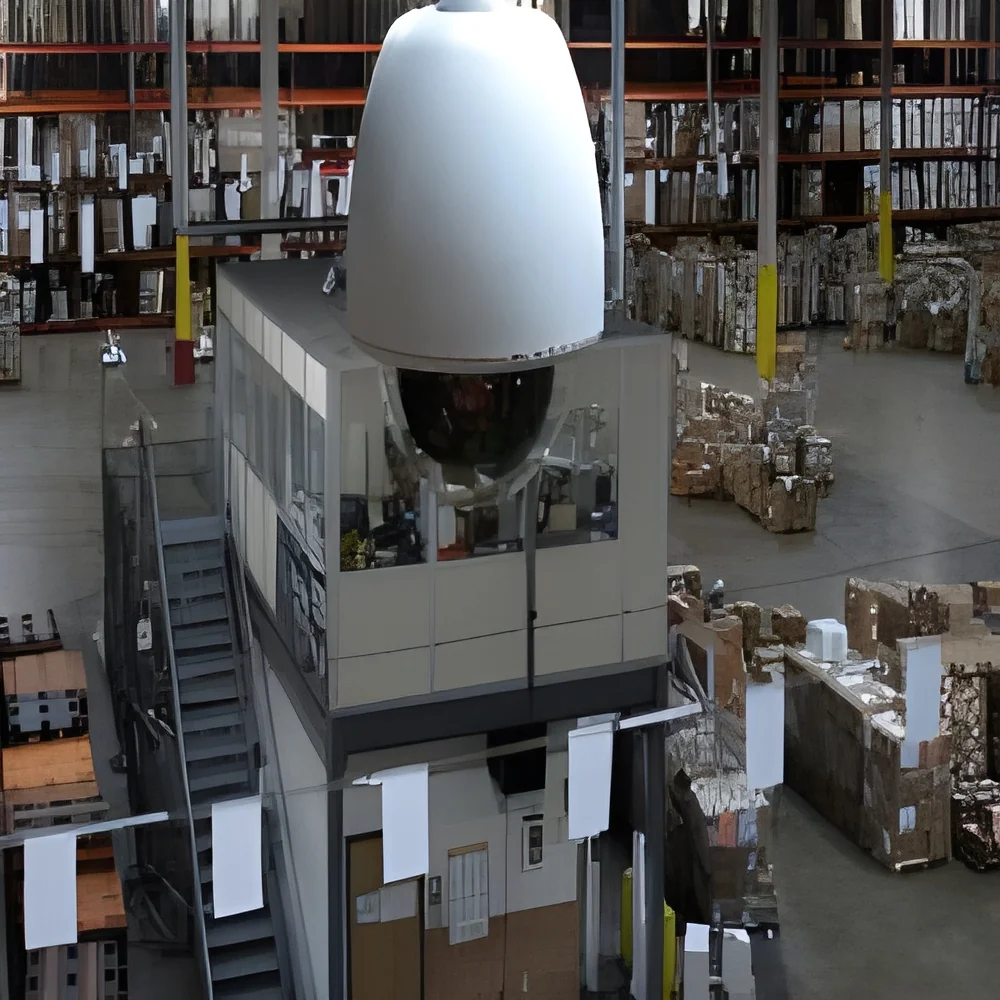
2. Warehousing: Warehouses utilize security alarms to monitor large spaces and protect inventory. Motion sensors and door contacts are commonly used to secure entry points.
3. Offices: In office buildings, these systems safeguard sensitive information and equipment. Alarm systems can be tailored to fit various office layouts and security needs.
4. Manufacturing: In manufacturing settings, security alarms protect machinery and proprietary processes. They help deter unauthorized access to restricted areas.
5. Healthcare: Hospitals and clinics use security alarm systems to protect patients and sensitive medical equipment. These systems are vital for maintaining safety and compliance.
6. Education: Schools and universities implement security alarms to ensure the safety of students and faculty. They provide a secure environment for learning and activities.
7. Government: Government buildings utilize advanced security alarm systems to protect sensitive information and personnel. These systems often include access control features.
Product Variants and Subcategories
Security alarm systems offer a variety of options to meet diverse security needs. Each variant is designed to cater to specific applications and environments.
Wireless Security Alarm Systems
These systems are easy to install and offer flexibility in placement. They are ideal for businesses that require a quick setup without extensive wiring. Wireless systems often include features like remote monitoring and smartphone integration.
Wired Security Alarm Systems
Wired systems provide a more stable connection and are often preferred for larger installations. They are suitable for businesses that require a permanent and robust security solution. Wired systems typically offer higher reliability and fewer maintenance issues.
Monitored Security Alarm Systems
These systems connect to a central monitoring station that alerts law enforcement or emergency responders in case of an alarm. They provide an added layer of security and peace of mind for businesses.
Unmonitored Security Alarm Systems
Unmonitored systems rely on audible alarms to deter intruders. While they may not provide immediate alerts to authorities, they are often more affordable and suitable for smaller businesses.
Benefits and Advantages
Investing in a security alarm system offers several benefits for businesses seeking to enhance their security measures.
Key benefits include:
1. Theft Prevention: A visible security alarm system can deter potential thieves and reduce the likelihood of break-ins.
2. 24/7 Monitoring: Many systems offer round-the-clock monitoring, ensuring that businesses are protected at all times.
3. Insurance Savings: Installing a security alarm can lead to lower insurance premiums, as it reduces the risk of theft and damage.
4. Increased Safety: Security alarms contribute to a safer environment for employees and customers, enhancing overall well-being.
5. Remote Access: Advanced systems allow users to monitor and control their alarms remotely, providing convenience and peace of mind.
6. Customization: Security alarm systems can be tailored to meet the specific needs of a business, ensuring optimal protection.
Buying Guide for B2B Buyers
When sourcing security alarm systems, it is important for B2B buyers to consider several key factors to ensure they select the right solution.
1. Quality Assessment: Buyers should evaluate product quality based on durability and performance. Look for systems that meet industry standards and have reliable reviews.
2. Supplier Verification: It is crucial to vet suppliers for credibility and reliability. Check references and certifications to ensure they are reputable.
3. Pricing and MOQ: Understand the pricing structure and any minimum order quantities (MOQ) that may apply. Compare options to find the best value for your investment.
4. Delivery and Lead Times: Assess the supplier's ability to meet delivery schedules and lead times. Timely delivery is essential for ensuring a seamless installation process.
5. Compliance Requirements: Ensure that the security alarm system adheres to local regulations and compliance standards. This is vital for legal and operational purposes.
Compliance and Certifications
Compliance and certification are critical aspects of security alarm systems. Adhering to relevant quality standards ensures that the systems operate effectively and safely.
Common quality standards include ISO 9001, which emphasizes quality management systems and continuous improvement. This standard is crucial for manufacturers to maintain high-quality production processes.
Industry certifications such as CE indicate that the security alarm systems meet European safety, health, and environmental protection standards. This certification assures buyers of the product's compliance with necessary regulations.
Additionally, safety and testing requirements may vary by region. Some areas may have specific compliance measures that security systems must meet to be legally installed and operated.
In conclusion, understanding compliance and certifications is essential for ensuring that security alarm systems are reliable and safe for use.
Why Source Security Alarm Systems from Pepagora?
Pepagora offers a trusted platform for sourcing security alarm systems, providing several key advantages for B2B buyers.
The verified supplier network at Pepagora ensures that buyers have access to reputable and reliable manufacturers. Each supplier is vetted for credibility, giving buyers confidence in their choices.
The streamlined RFQ process simplifies the quotation system, allowing buyers to request quotes easily from multiple suppliers. This efficiency helps businesses make informed decisions quickly.
Pepagora also provides trade assurance and support, protecting buyers during the procurement process. This buyer protection fosters trust and encourages a smooth purchasing experience.
Finally, Pepagora's regional coverage spans India, the GCC, and Southeast Asia, making it a convenient choice for businesses looking for security solutions in these regions. This extensive reach ensures that buyers can find suitable products tailored to their specific needs.

 IN
IN