What are CCTV Cameras (Dome, Bullet, PTZ)?
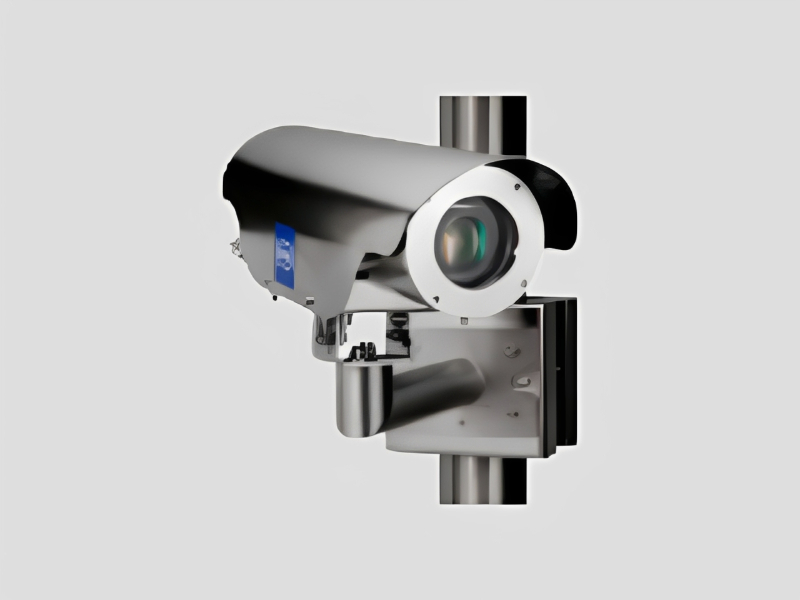
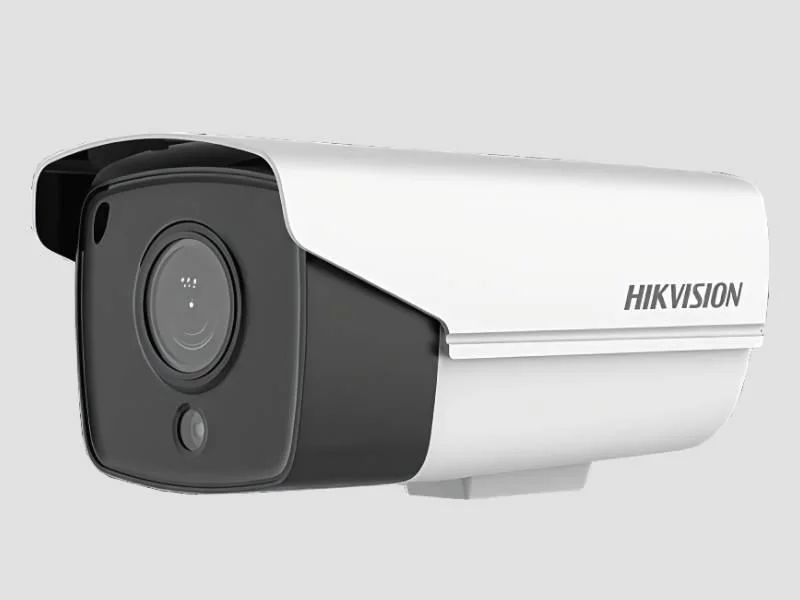
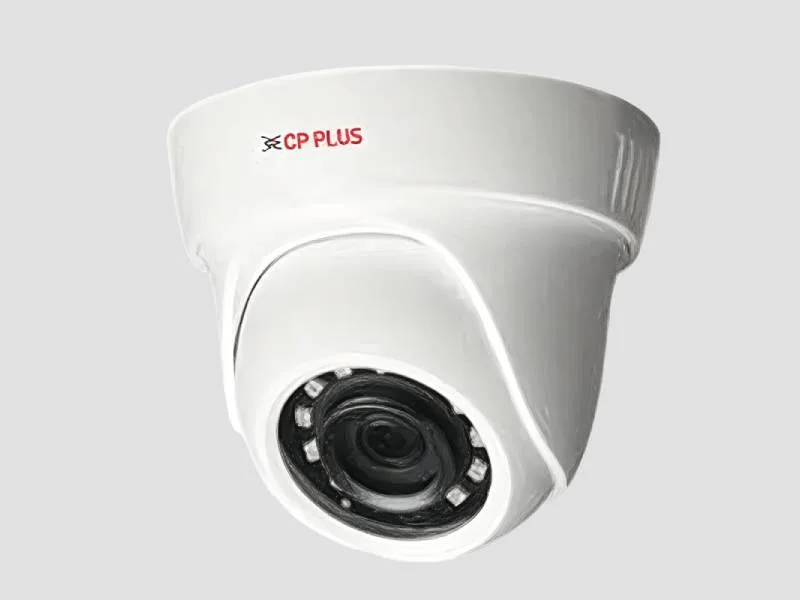
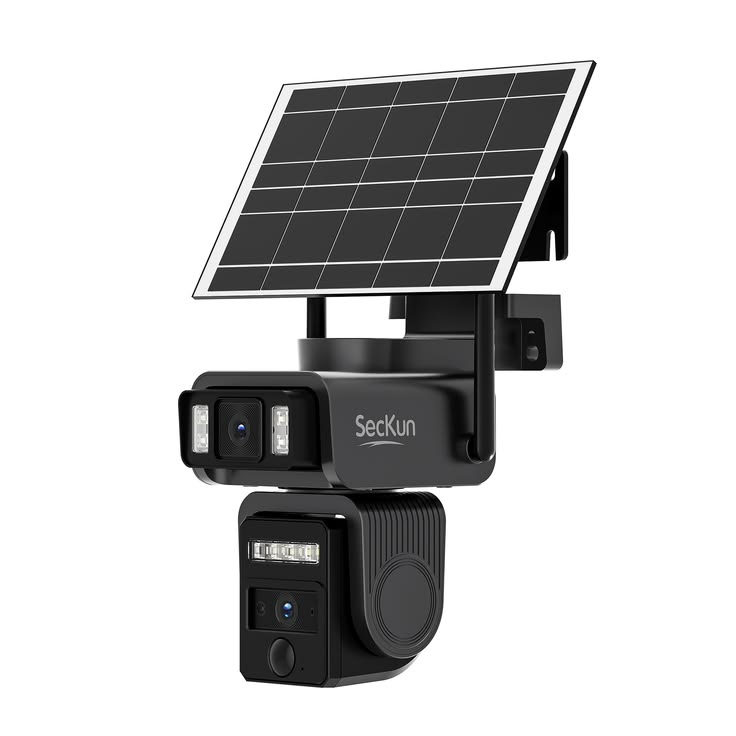
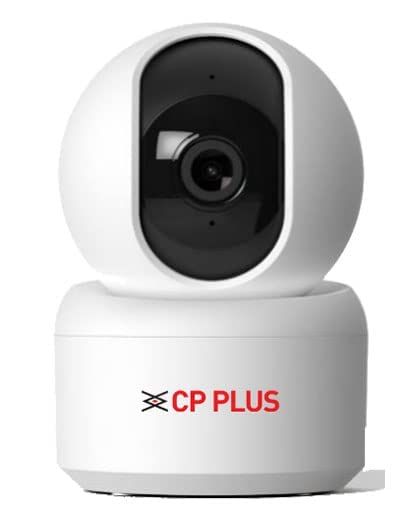
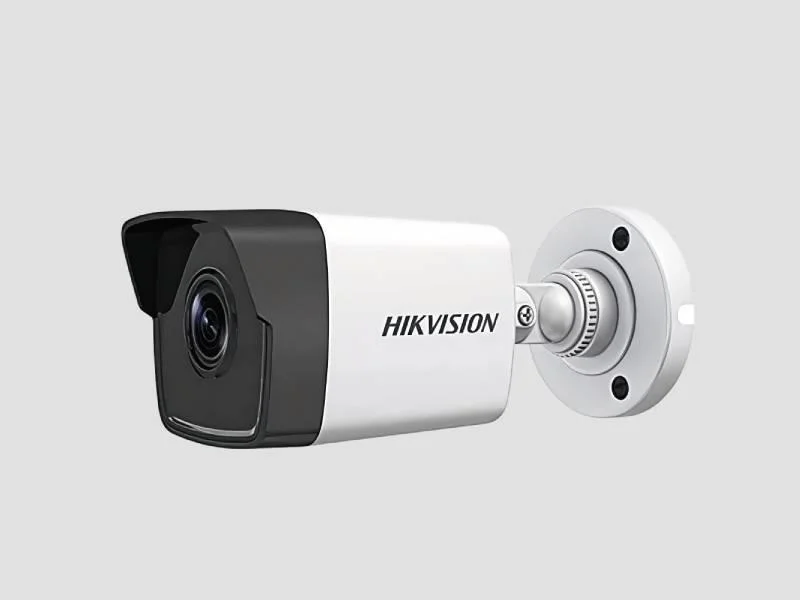
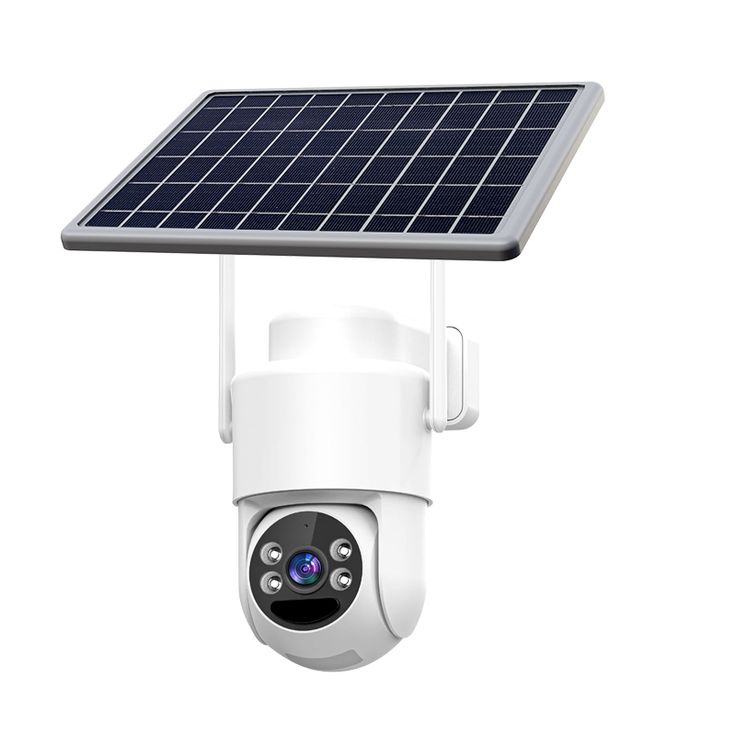
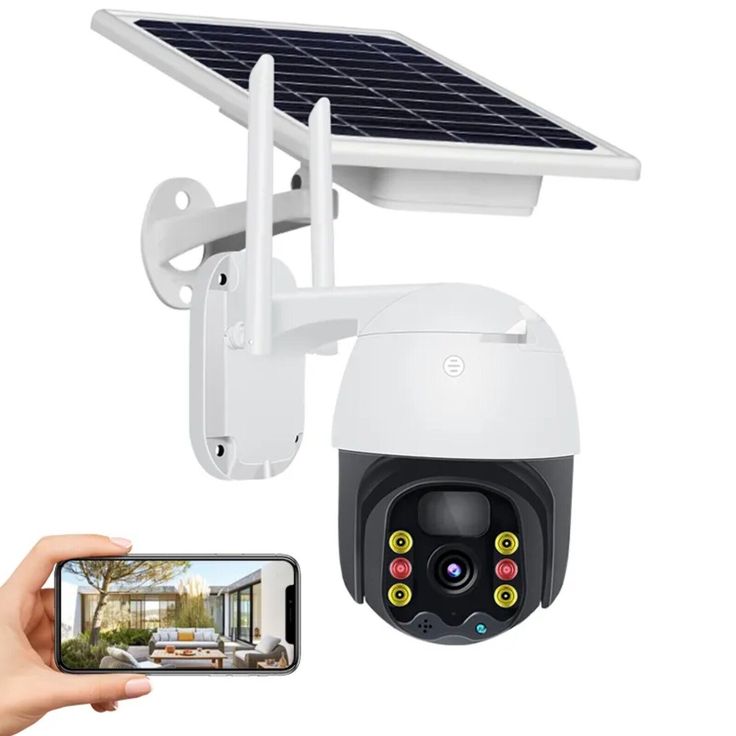
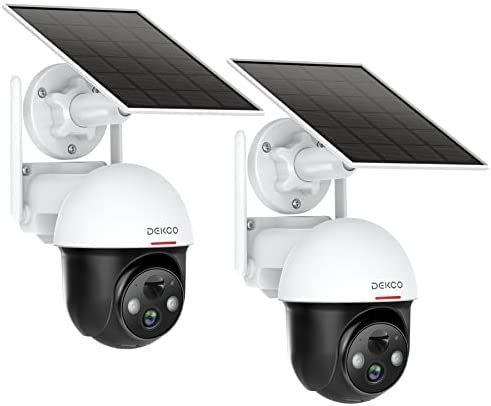
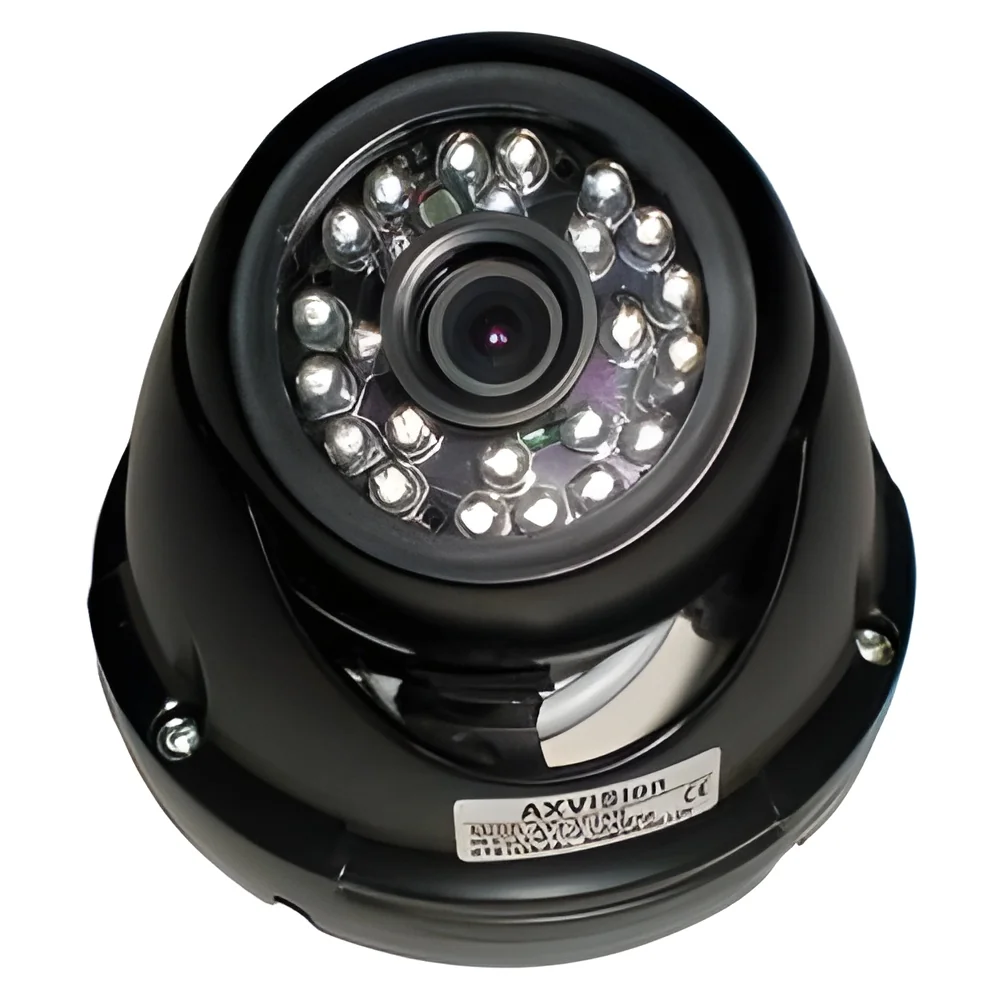
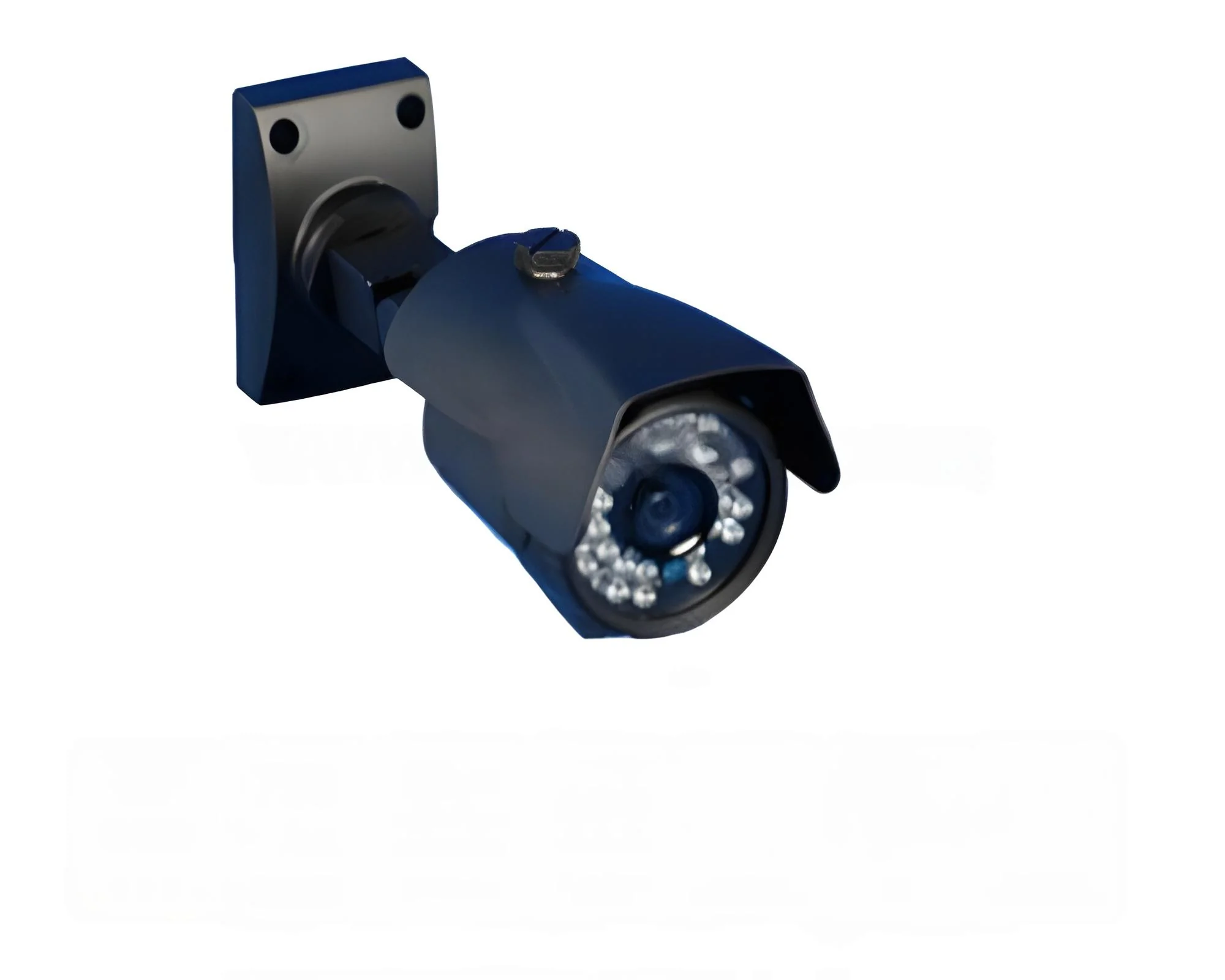
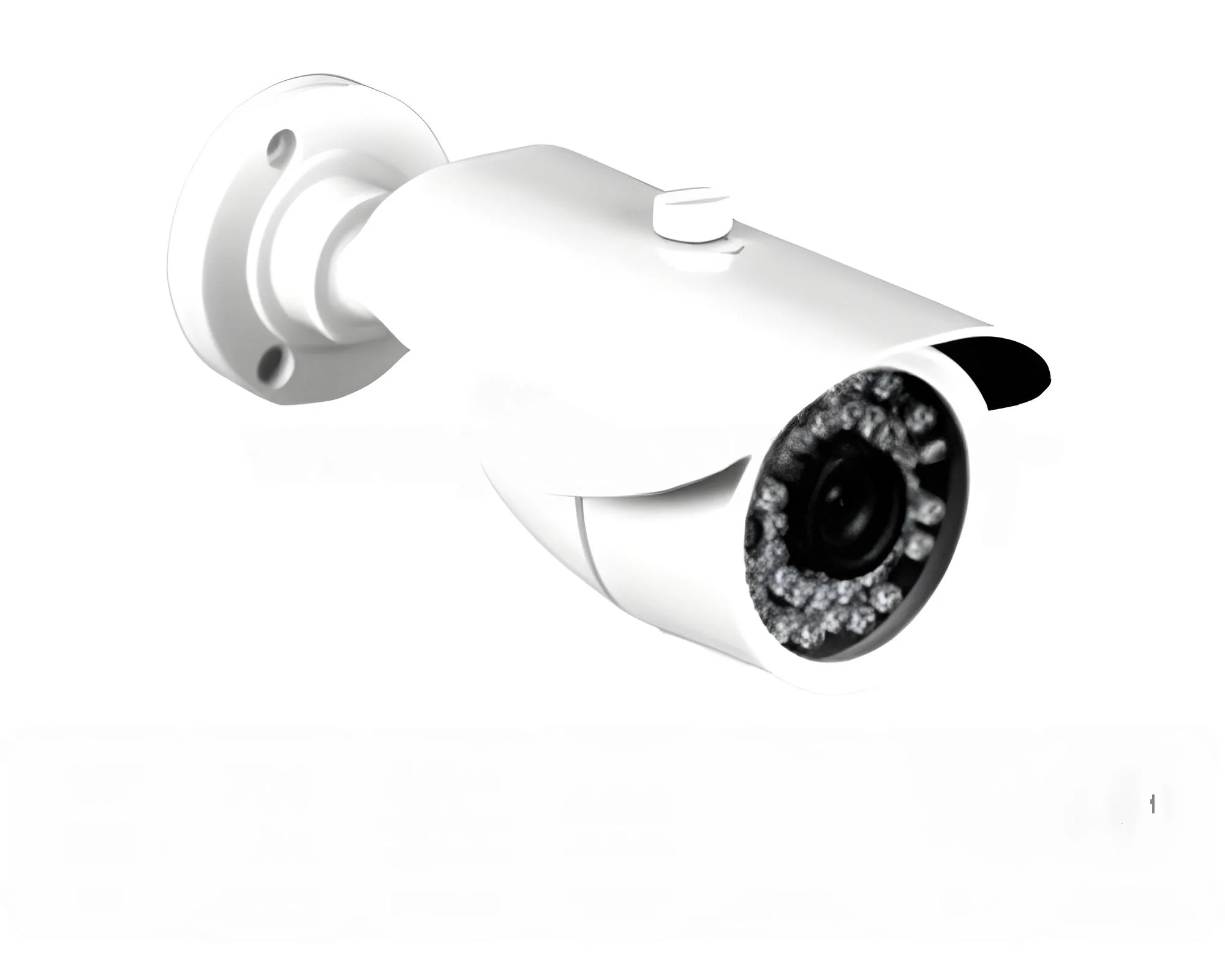
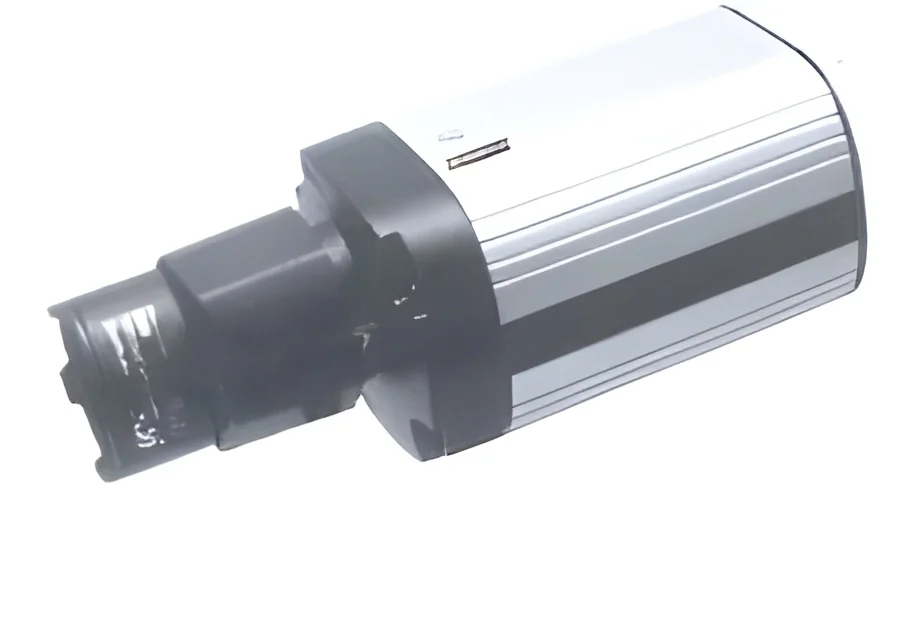
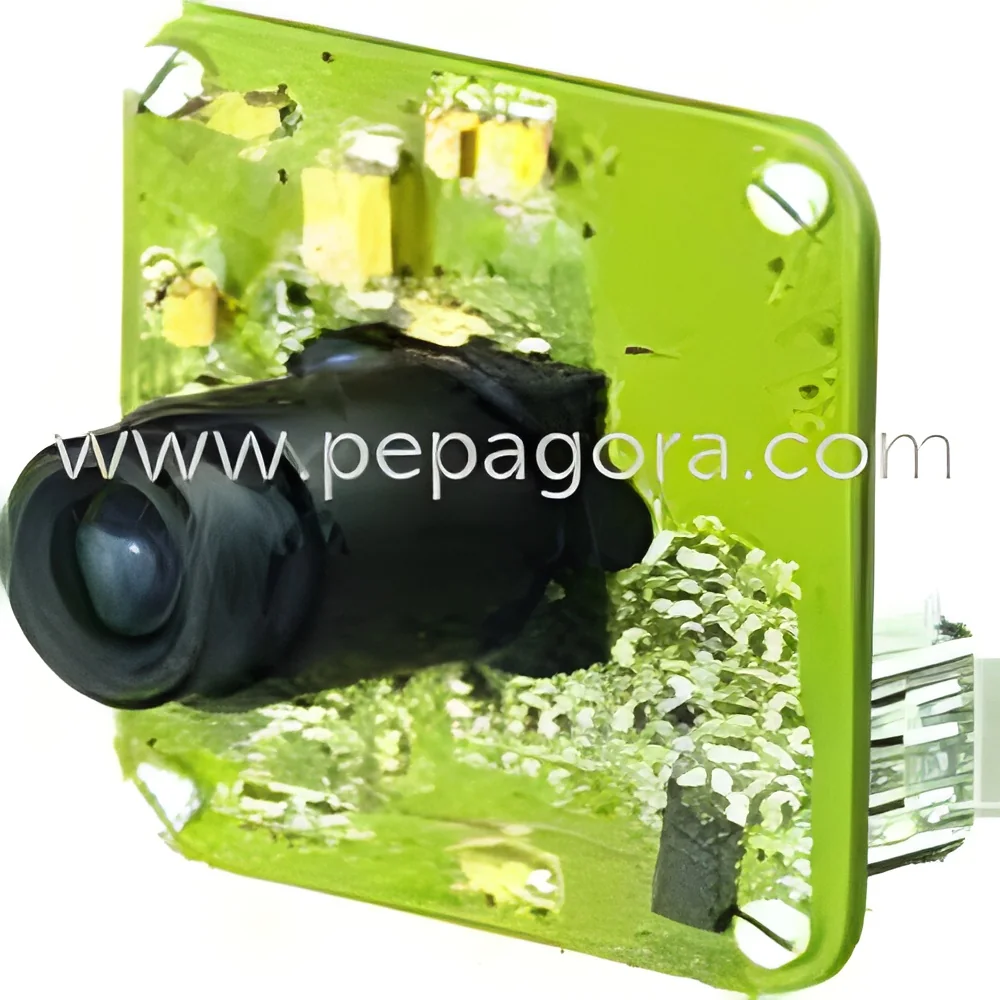
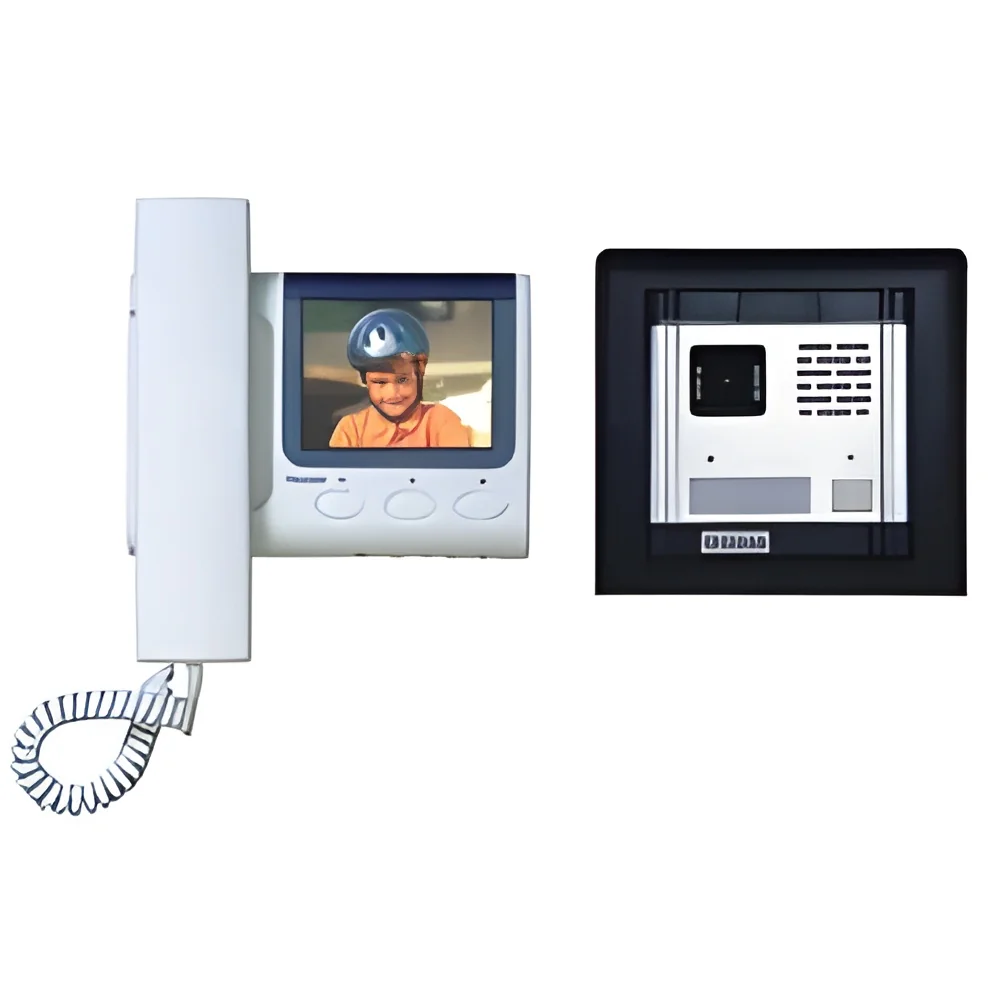
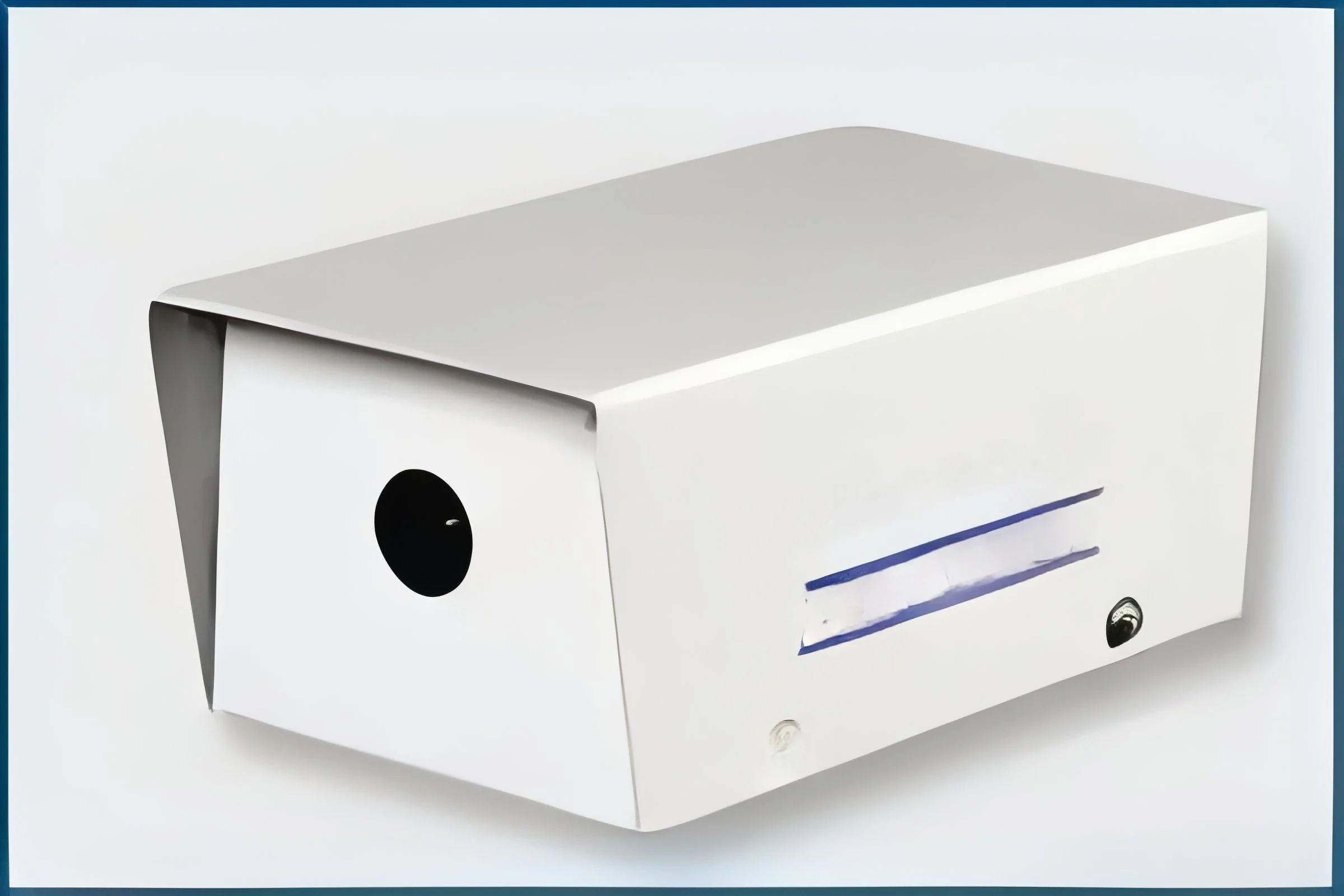
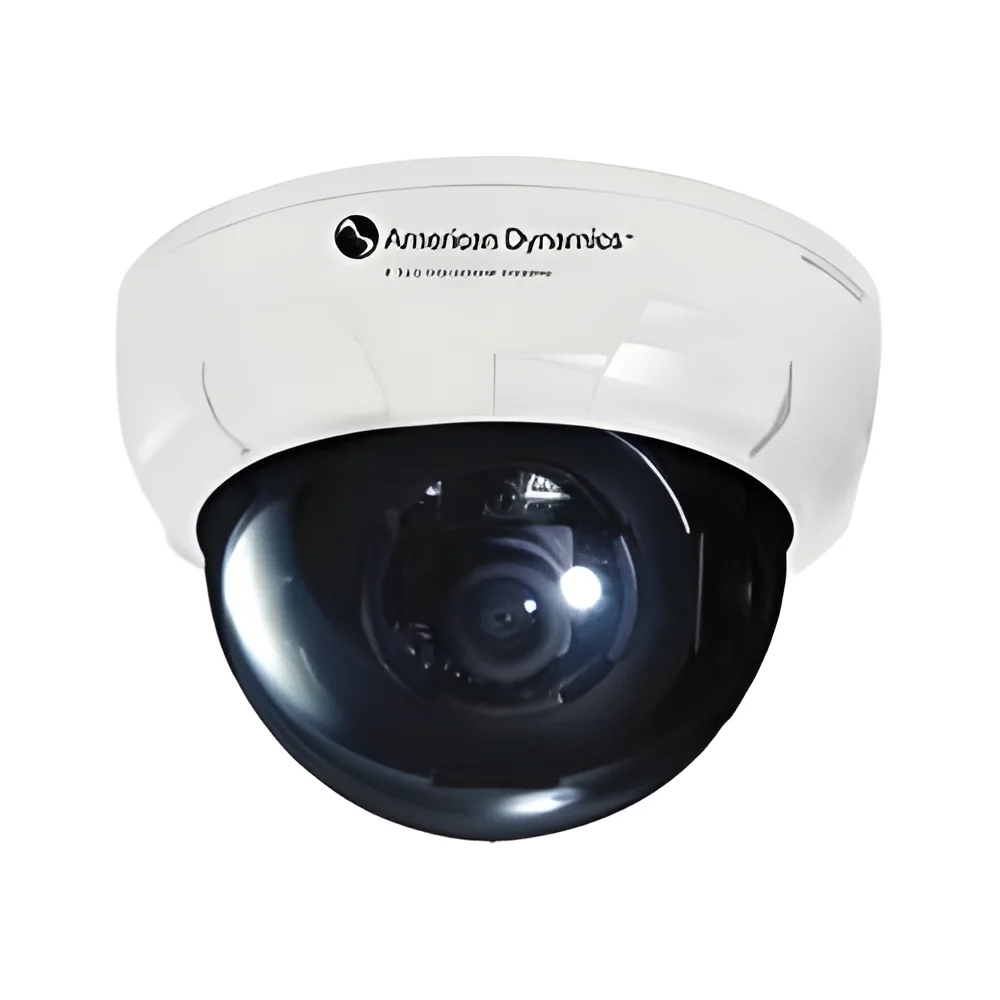
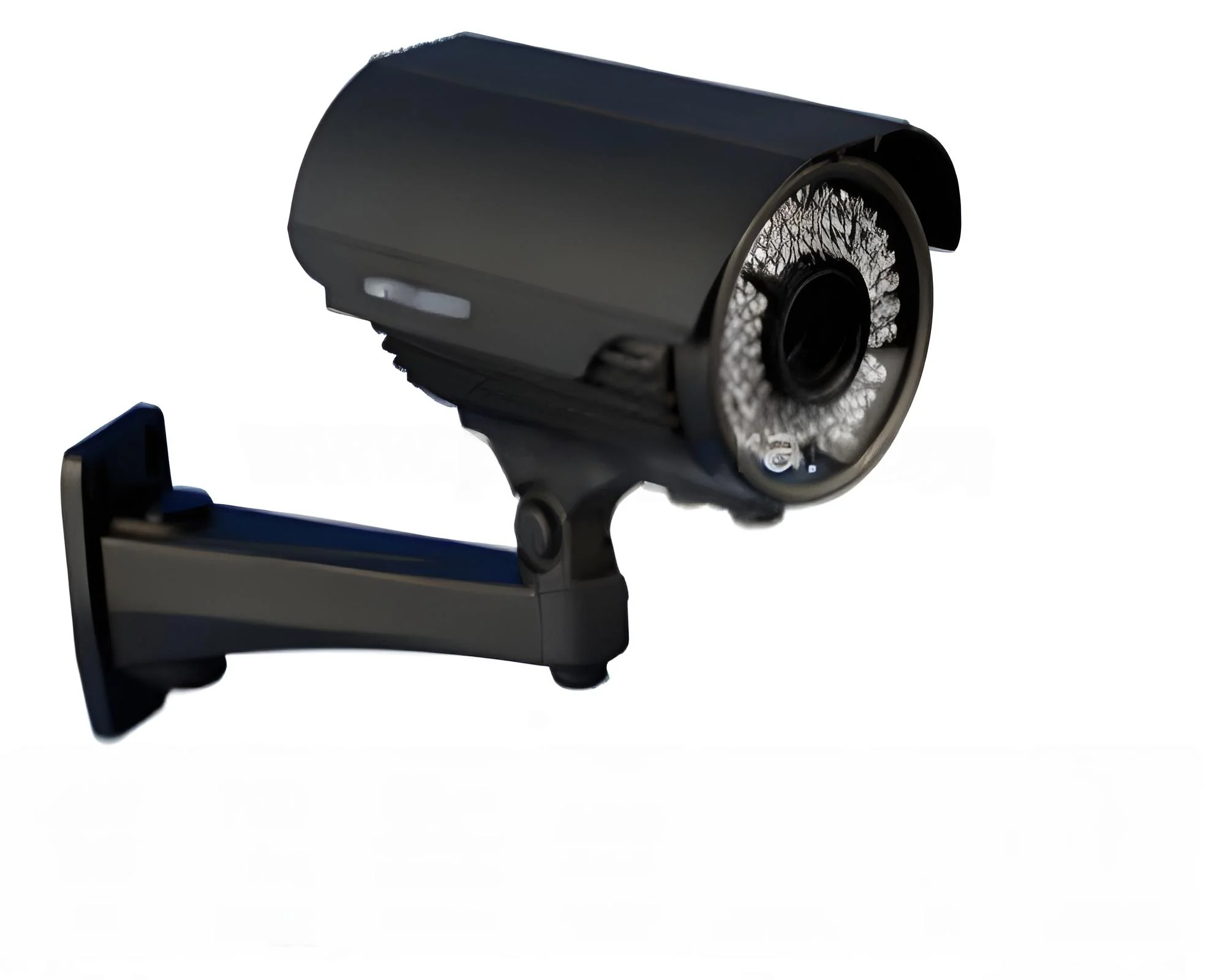
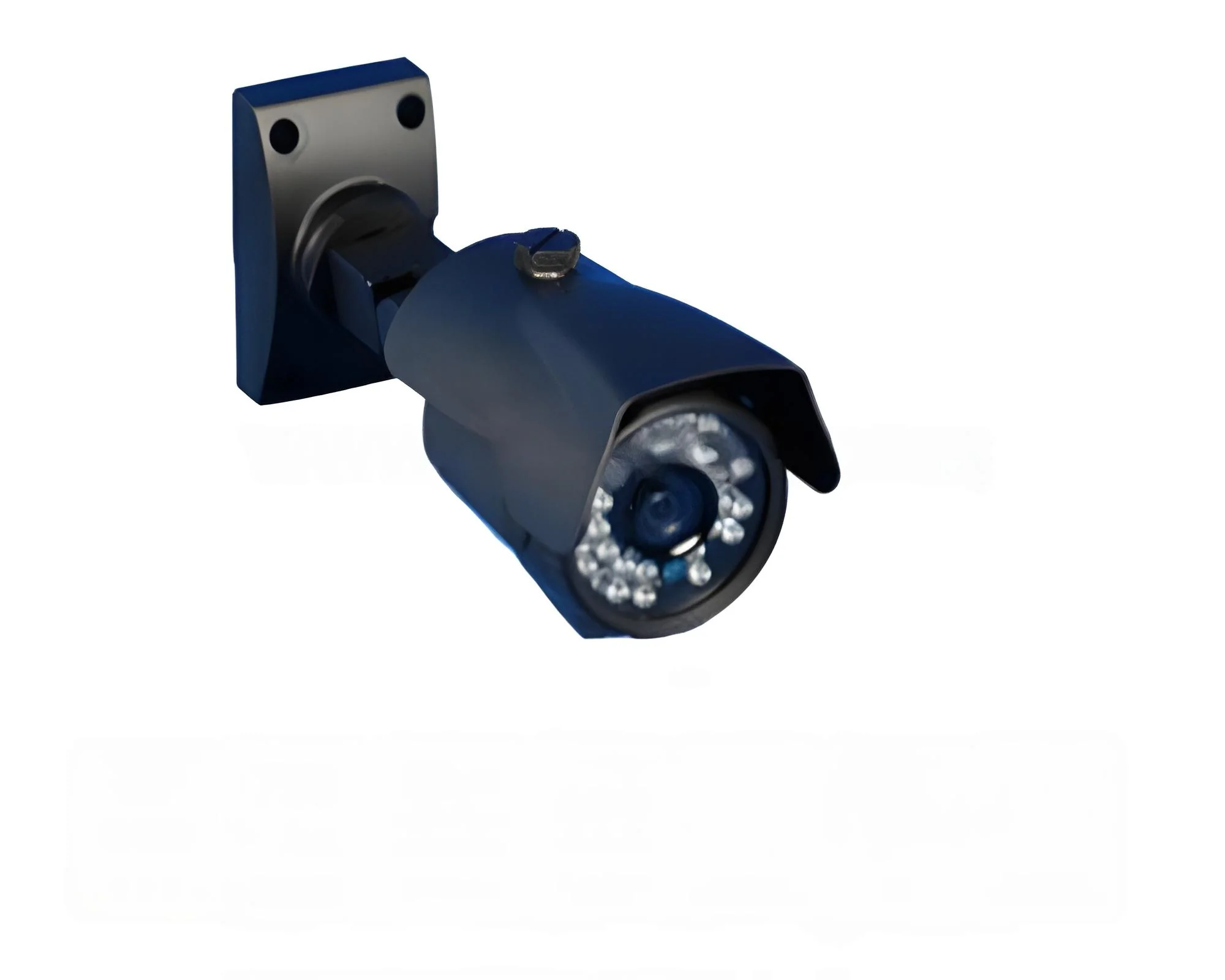
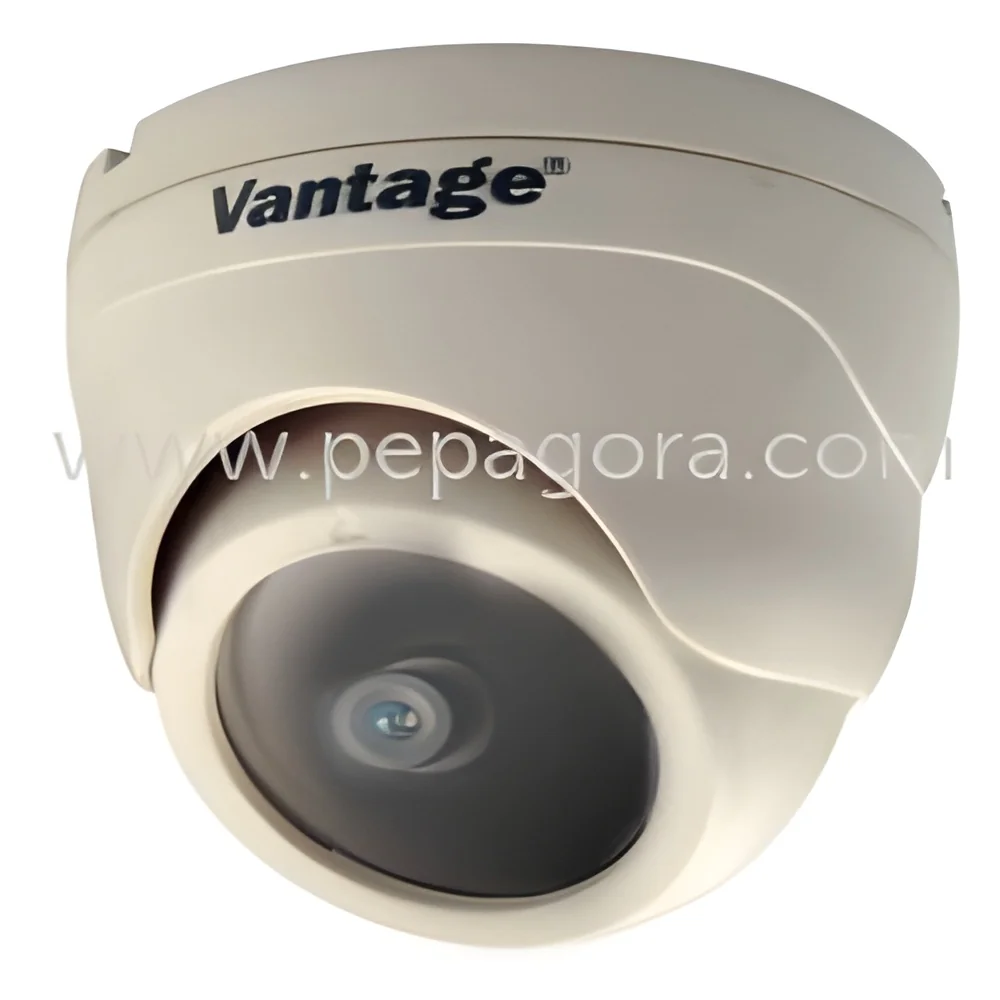
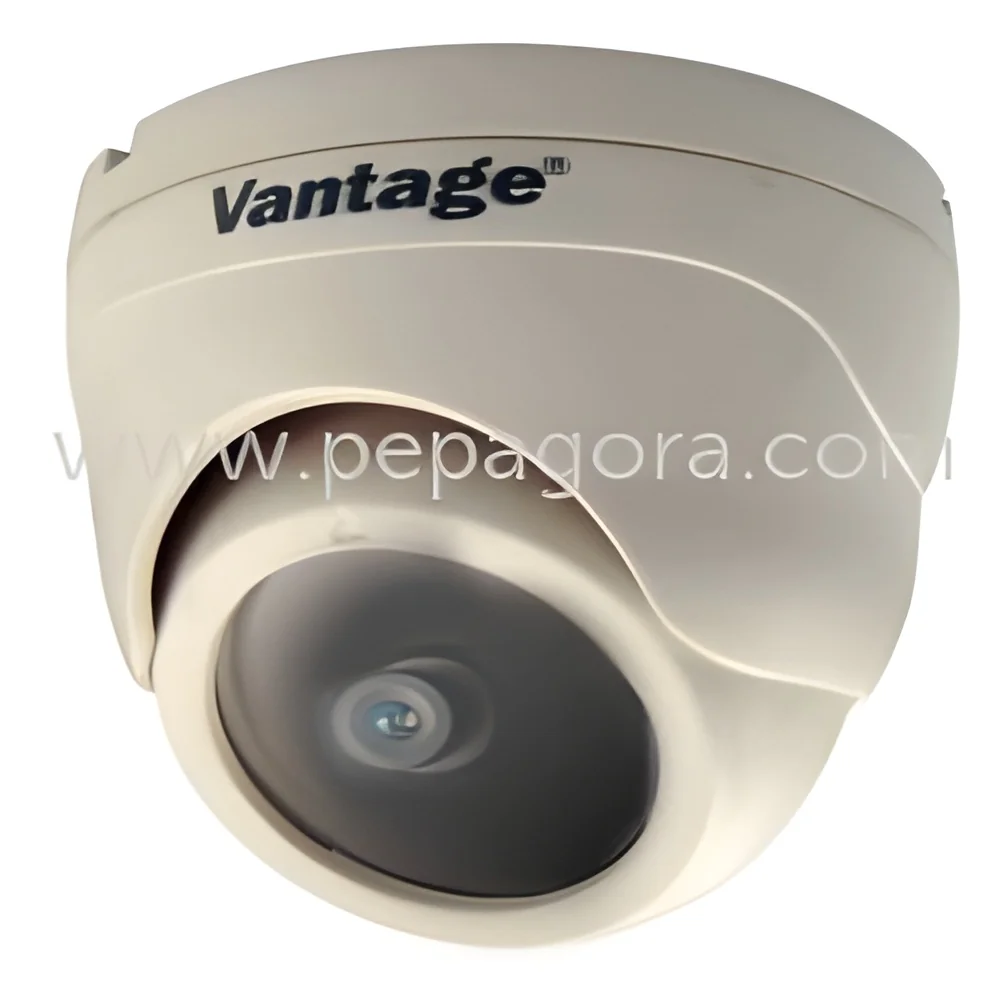
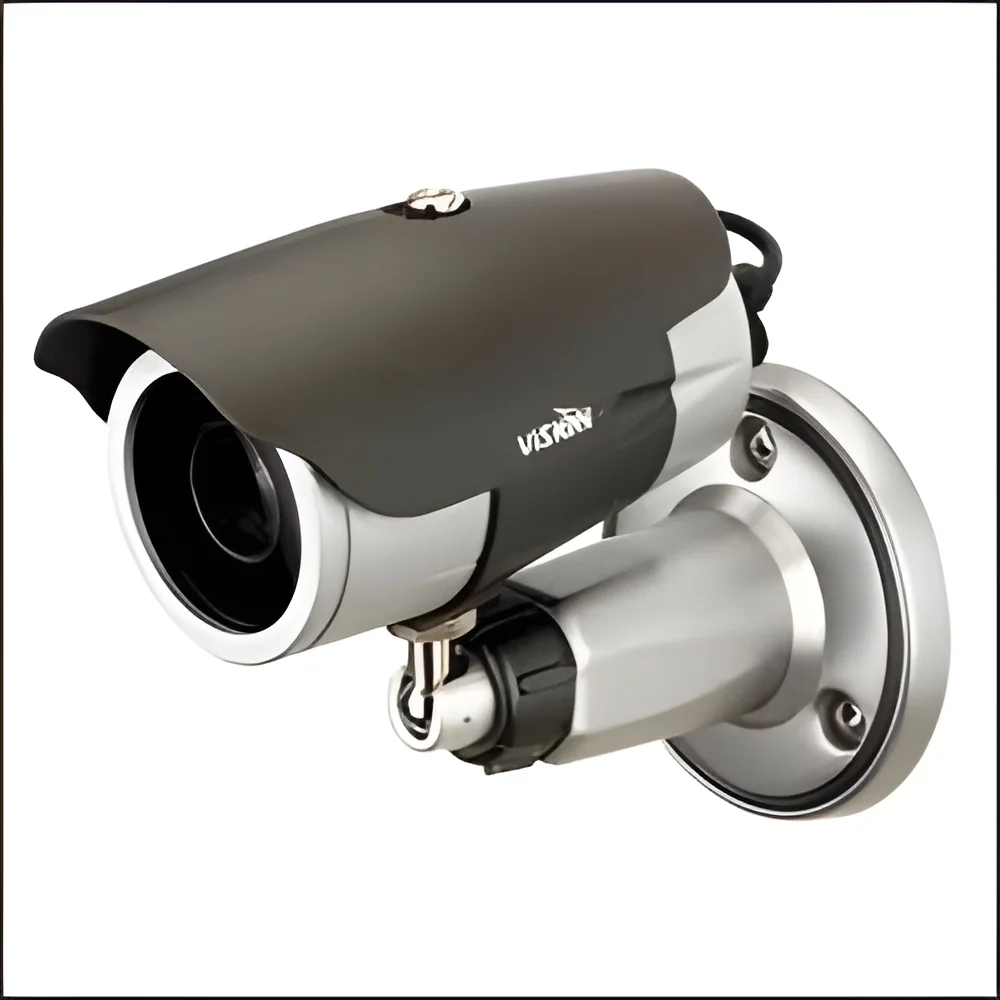
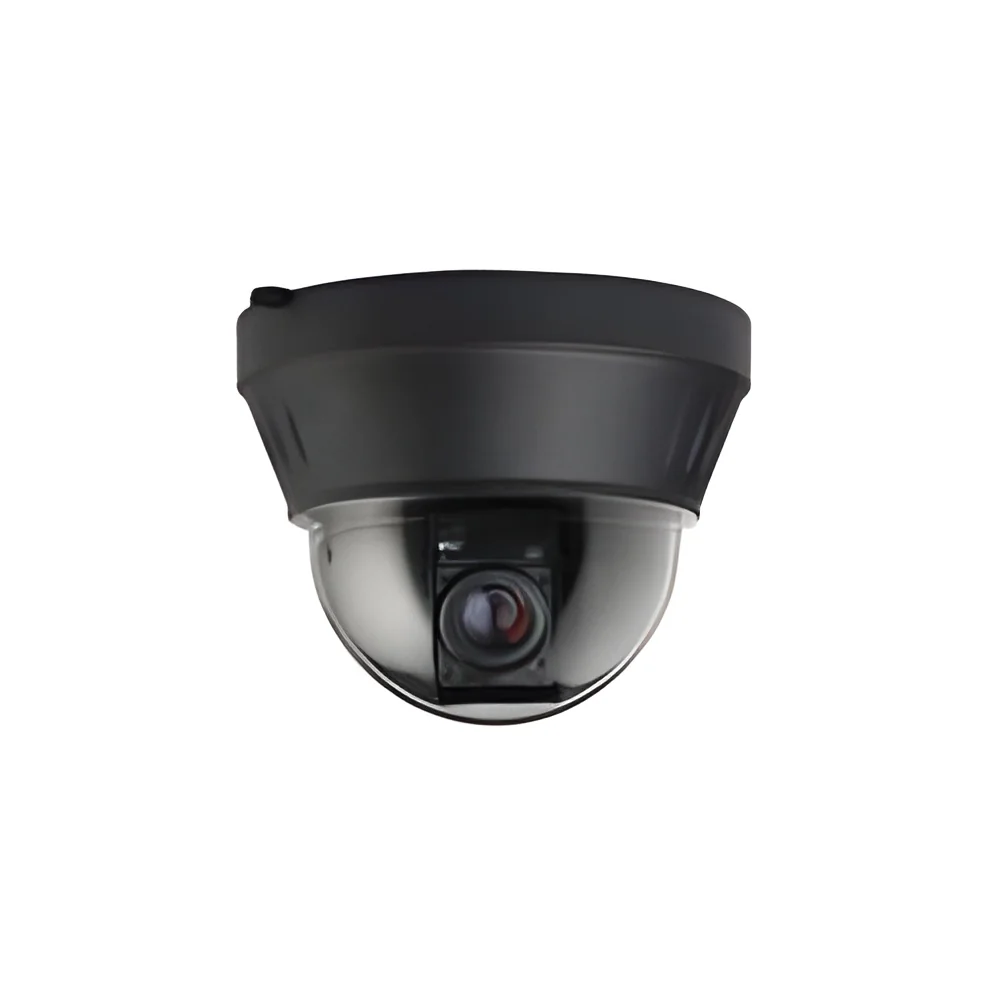
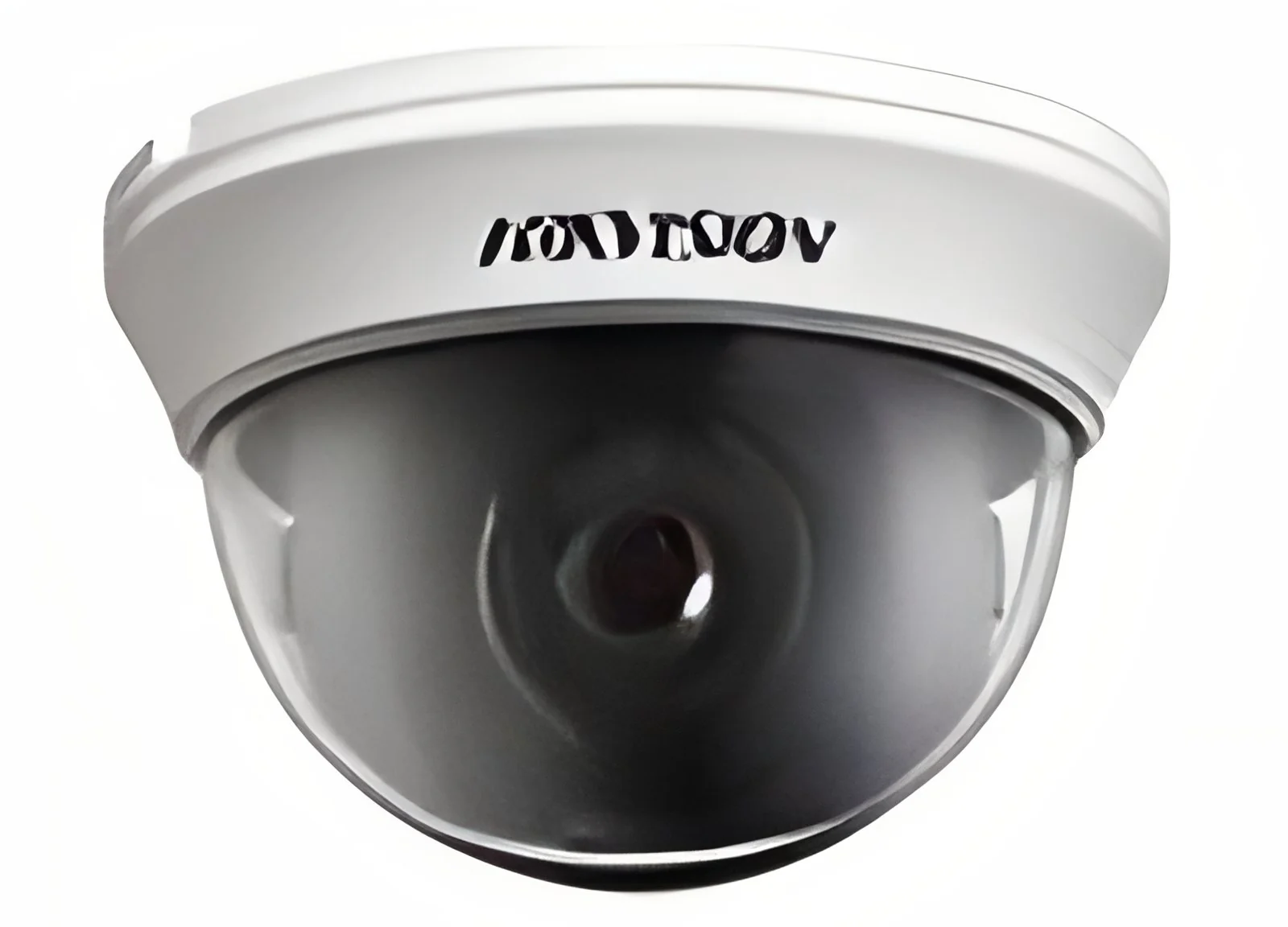
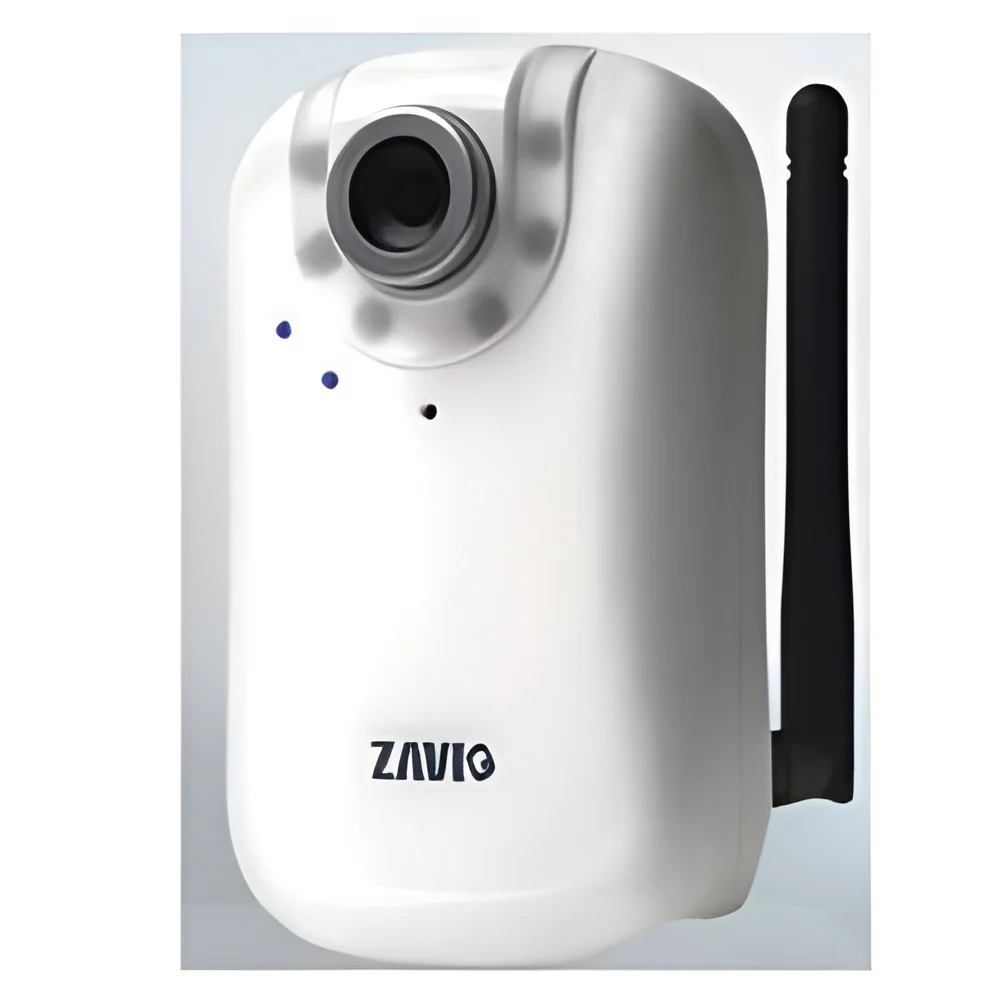
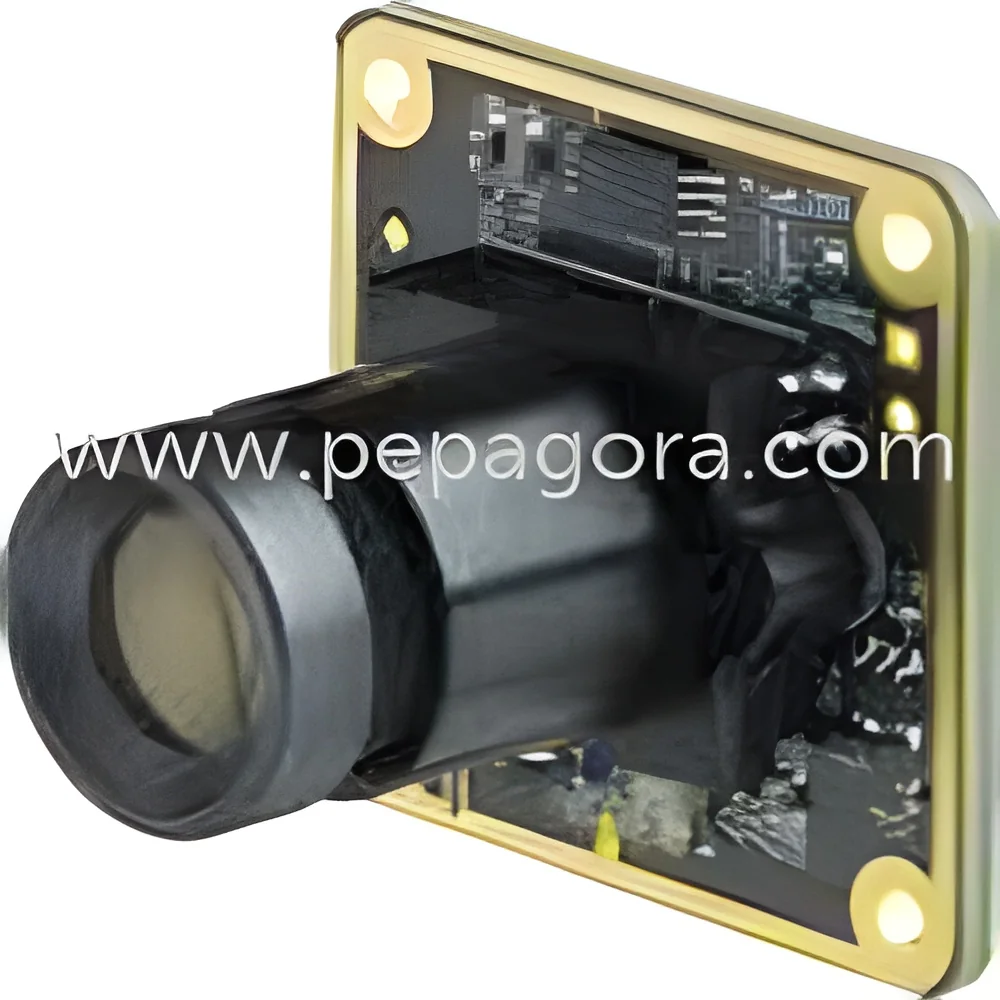
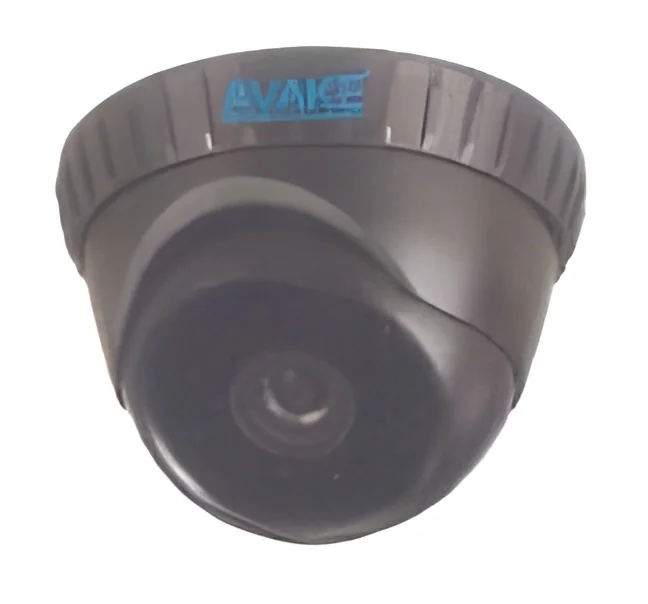
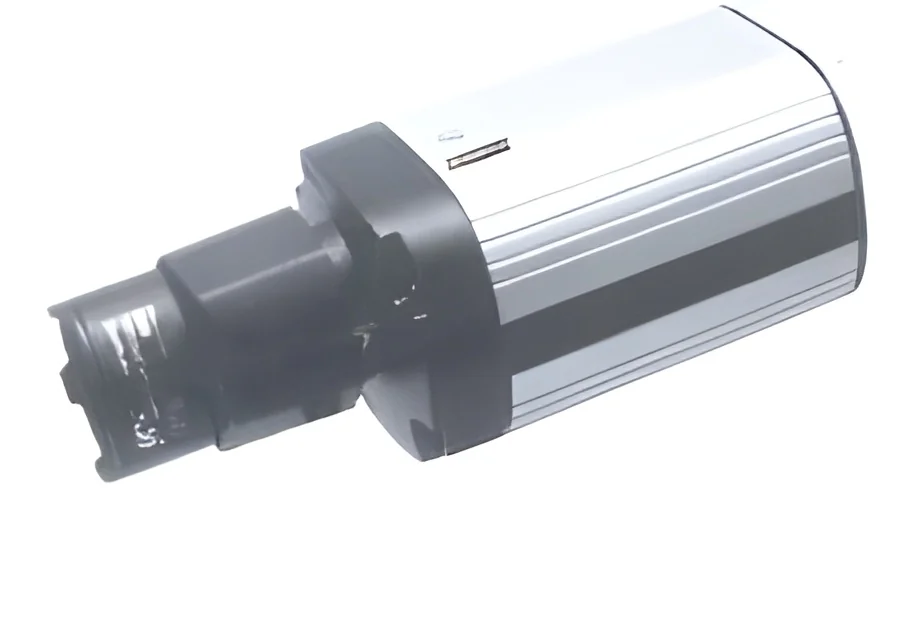
CCTV cameras, or closed-circuit television cameras, are a crucial component of modern surveillance systems. They are designed to monitor specific areas, providing real-time video feed for security and safety purposes. There are several types of CCTV cameras, including dome, bullet, and PTZ (pan-tilt-zoom), each serving different needs and environments. Dome cameras are typically mounted on ceilings and provide a discreet appearance. Bullet cameras are more visible and suited for outdoor use due to their robust design. PTZ cameras offer versatility with the ability to pan, tilt, and zoom in on specific areas of interest.
These cameras are primarily used in various business applications, including security monitoring in retail stores, banks, and warehouses. They play a vital role in deterring theft, monitoring employee activity, and ensuring safety in public spaces. With the rise of smart technology, CCTV cameras are increasingly integrated with other security systems, enhancing their effectiveness. The demand for CCTV cameras continues to grow globally, driven by an increasing focus on security and safety across industries.
𝗞𝗲𝘆 𝗙𝗲𝗮𝘁𝘂𝗿𝗲𝘀 𝗮𝗻𝗱 𝗦𝗽𝗲𝗰𝗶𝗳𝗶𝗰𝗮𝘁𝗶𝗼𝗻𝘀
CCTV cameras come with a variety of features and specifications that cater to different surveillance needs. When evaluating these systems, consider essential technical parameters that influence performance and reliability.
Key specifications include:
1. Resolution
- Determines the clarity of the image captured
- Common ranges are 720p, 1080p, and 4K
2. Lens Type
- Affects the field of view and detail captured
- Options include fixed, varifocal, and motorized lenses
3. Night Vision
- Enables visibility in low-light conditions
- Typically achieved through infrared LEDs or low-light sensors
4. Weather Resistance
- Important for outdoor installations
- Rated by the Ingress Protection (IP) standard, such as IP66
5. Connectivity
- Refers to how the camera connects to a network
- Options include wired Ethernet, Wi-Fi, or cellular connectivity
6. Storage Options
- Determines how recorded footage is saved
- Options include local storage (SD cards) or cloud storage
7. Motion Detection
- Triggers recording based on movement
- Can be set to alert users via mobile apps
8. Power Supply
- Refers to how cameras are powered
- Options include Power over Ethernet (PoE) or standard power adapters
In summary, understanding these features helps businesses choose the right CCTV camera system suited to their specific requirements.
𝗖𝗼𝗺𝗺𝗼𝗻 𝗔𝗽𝗽𝗹𝗶𝗰𝗮𝘁𝗶𝗼𝗻𝘀 𝗮𝗻𝗱 𝗨𝘀𝗲 𝗖𝗮𝘀𝗲𝘀
CCTV cameras find applications across various industries, providing critical surveillance solutions.
1. Retail: In retail environments, CCTV cameras help reduce theft and enhance customer safety. They monitor store activity and can deter shoplifting through visible placement.
2. Banking: Financial institutions utilize CCTV cameras for security monitoring and fraud prevention. High-resolution cameras are installed in branches and ATMs to capture clear footage of transactions.
3. Transportation: Airports and public transport hubs use CCTV systems to ensure safety and monitor passenger flow. Cameras are strategically placed to cover key areas, enhancing security.
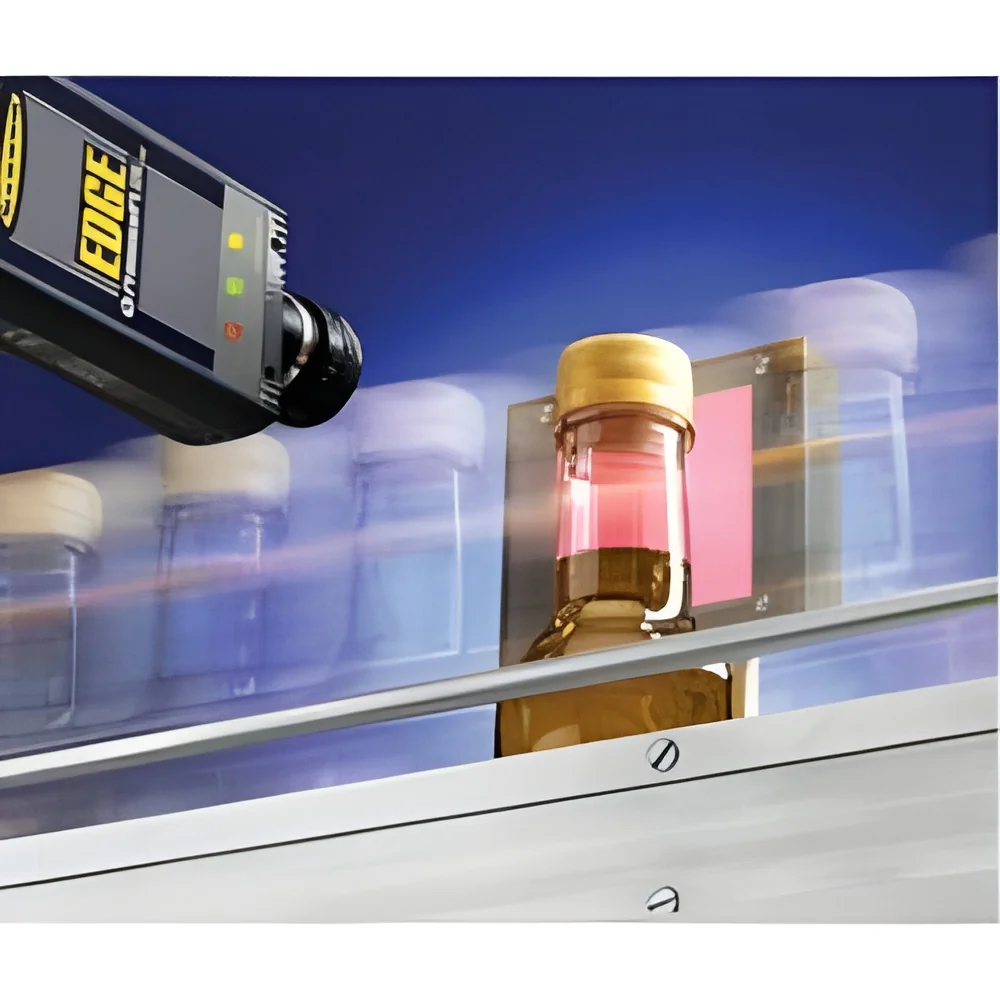
4. Manufacturing: In manufacturing facilities, CCTV cameras monitor production lines and ensure compliance with safety protocols. They help identify hazards and improve operational efficiency.
5. Healthcare: Hospitals and clinics implement CCTV cameras to protect patients and staff. They monitor sensitive areas, ensuring safety and security for all individuals.
6. Education: Schools and universities use CCTV cameras to ensure the safety of students and staff. They help monitor premises and deter unauthorized access.
7. Warehousing: Warehouses utilize CCTV systems for inventory management and theft prevention. Cameras track movement and ensure compliance with safety regulations.
𝗣𝗿𝗼𝗱𝘂𝗰𝘁 𝗩𝗮𝗿𝗶𝗮𝗻𝘁𝘀 𝗮𝗻𝗱 𝗦𝘂𝗯𝗰𝗮𝘁𝗲𝗴𝗼𝗿𝗶𝗲𝘀
CCTV cameras are available in diverse variants, each designed for specific applications and environments.
Dome Cameras
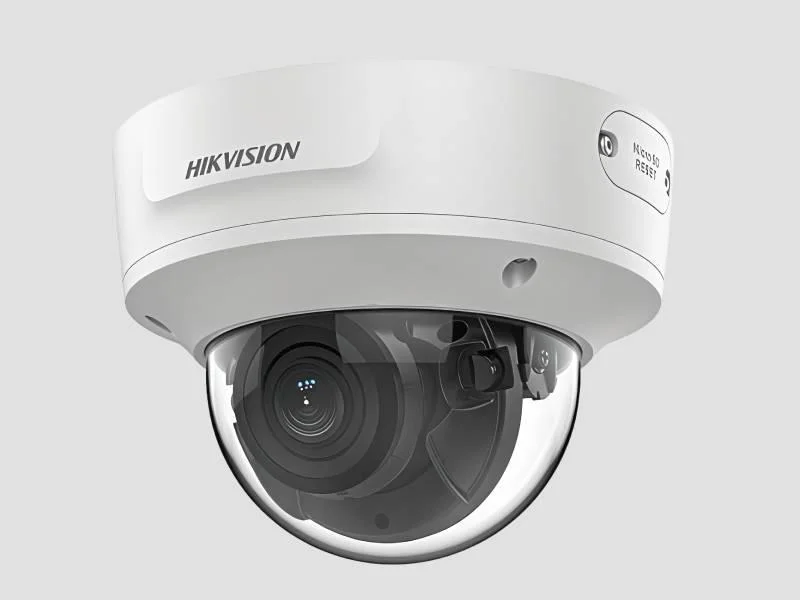
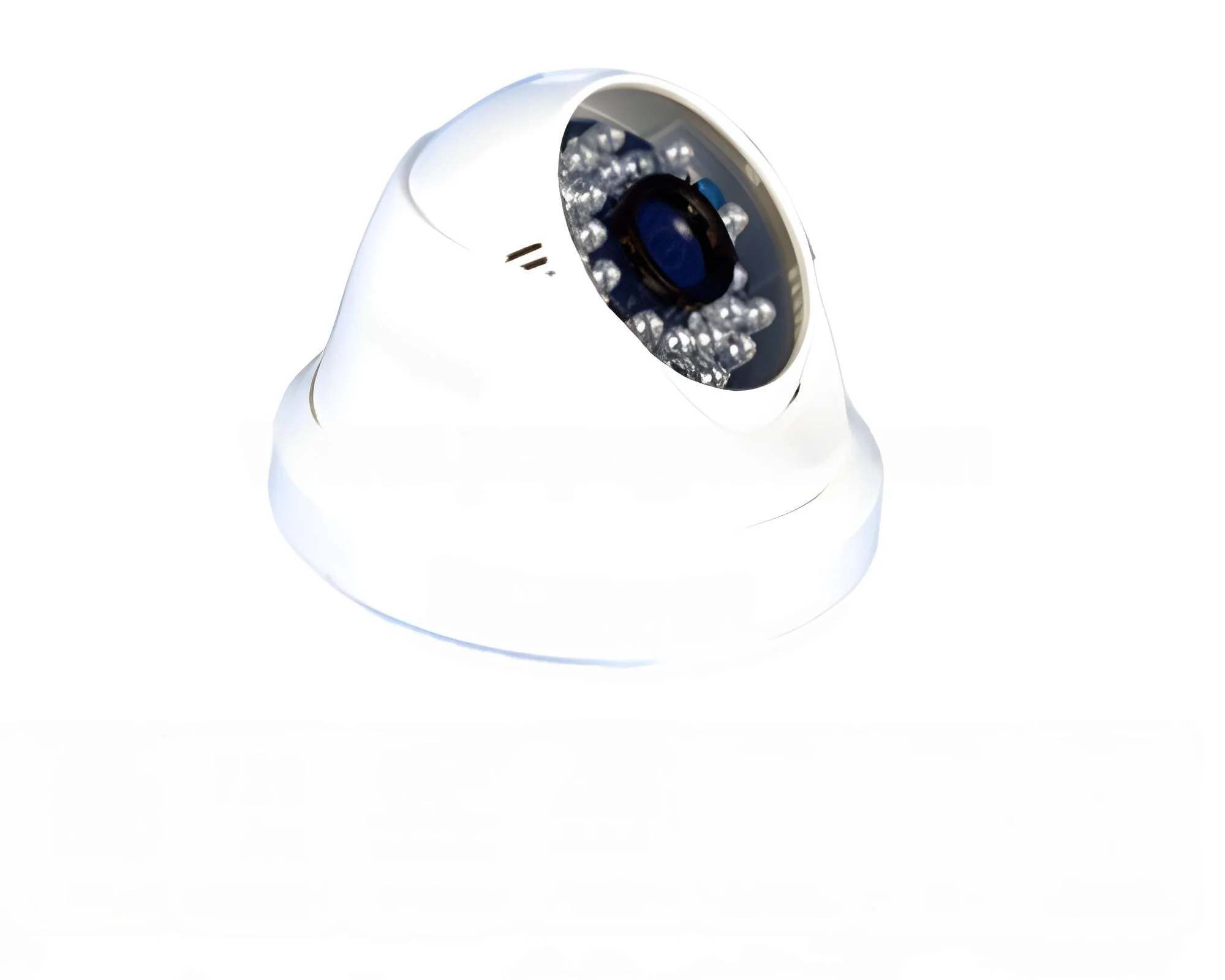
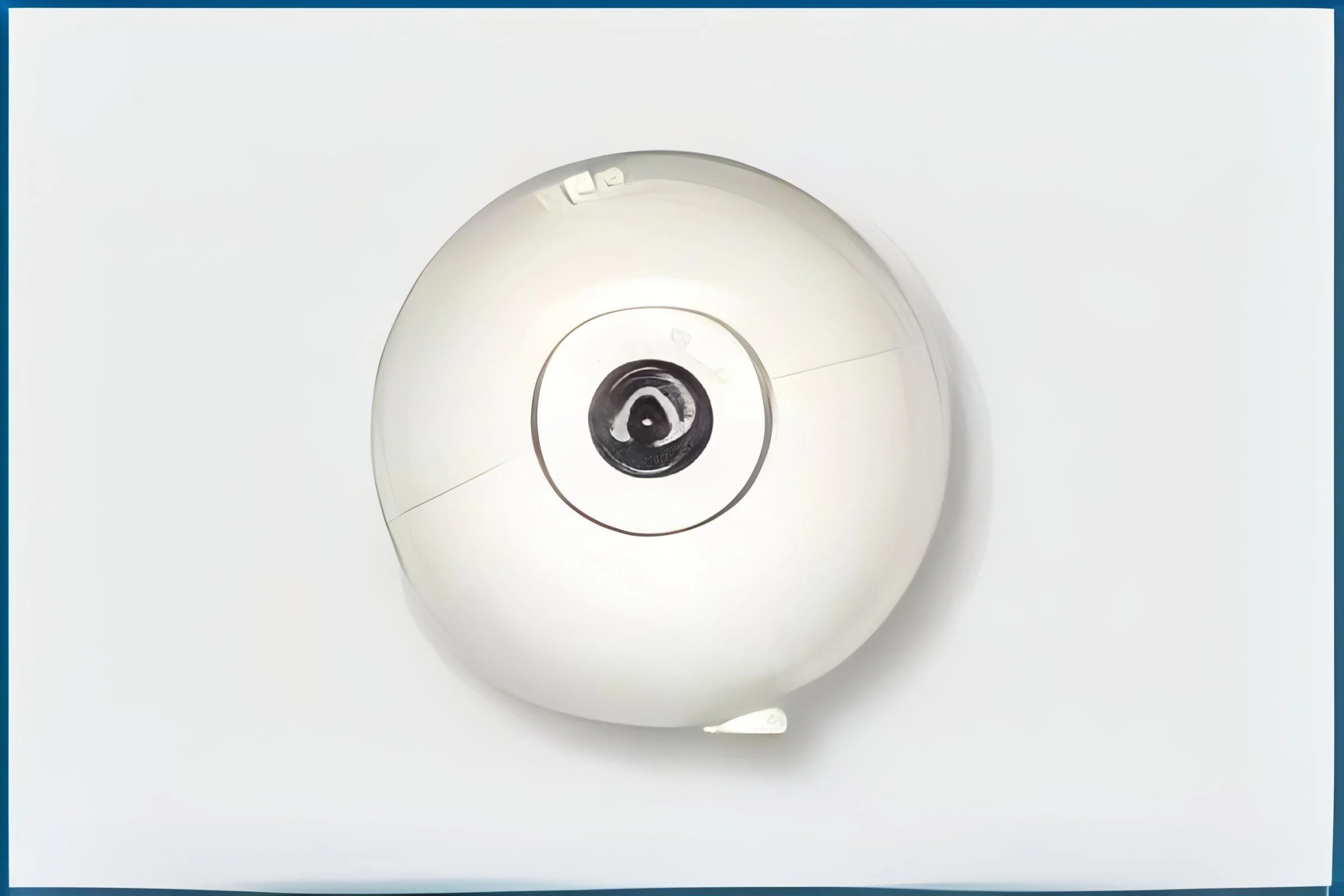
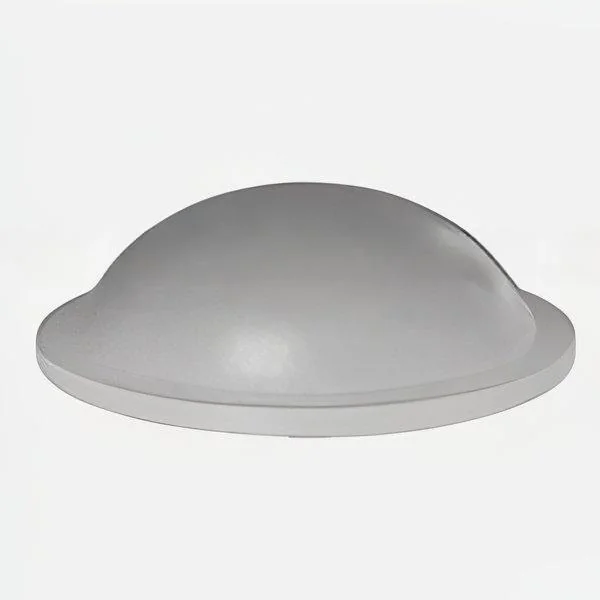
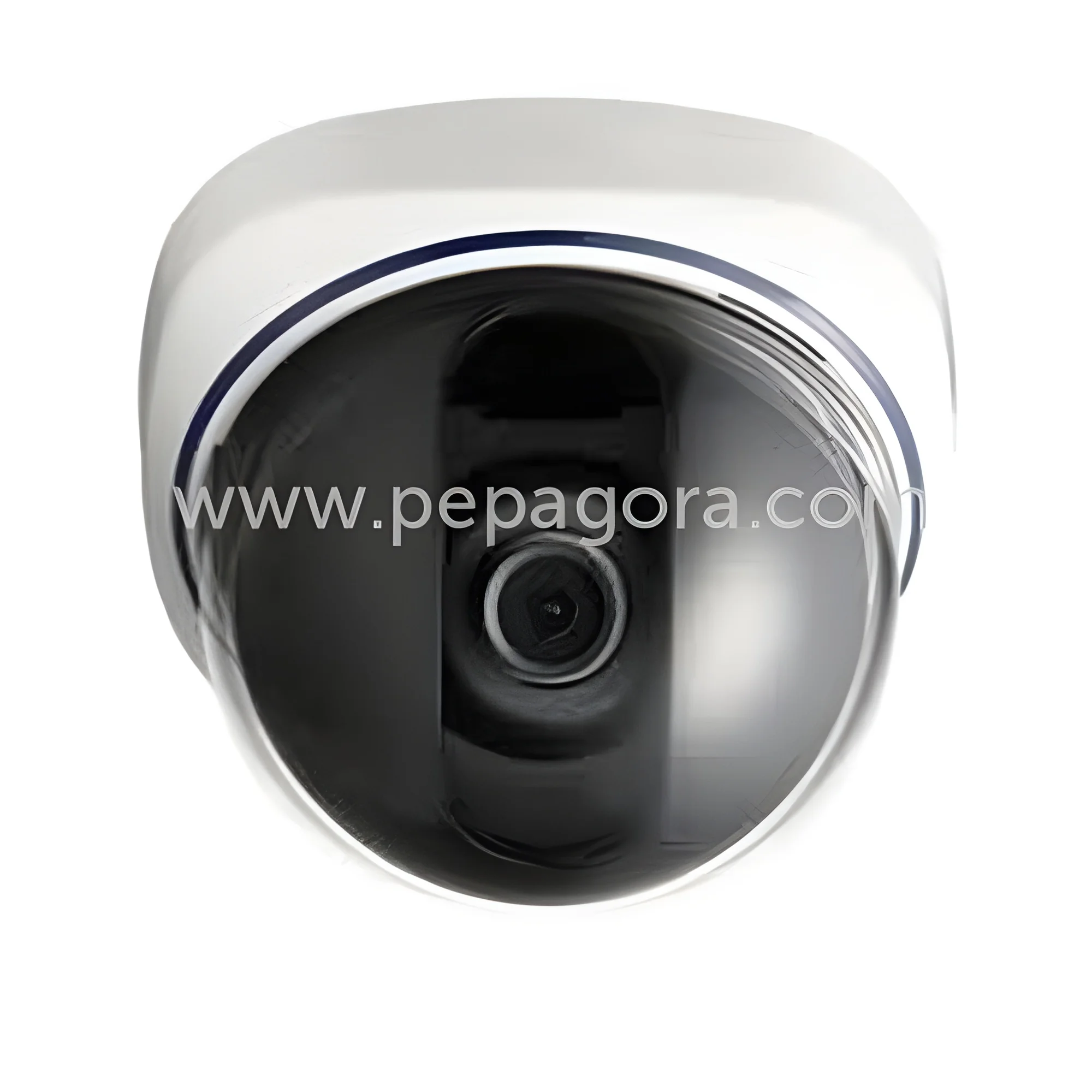
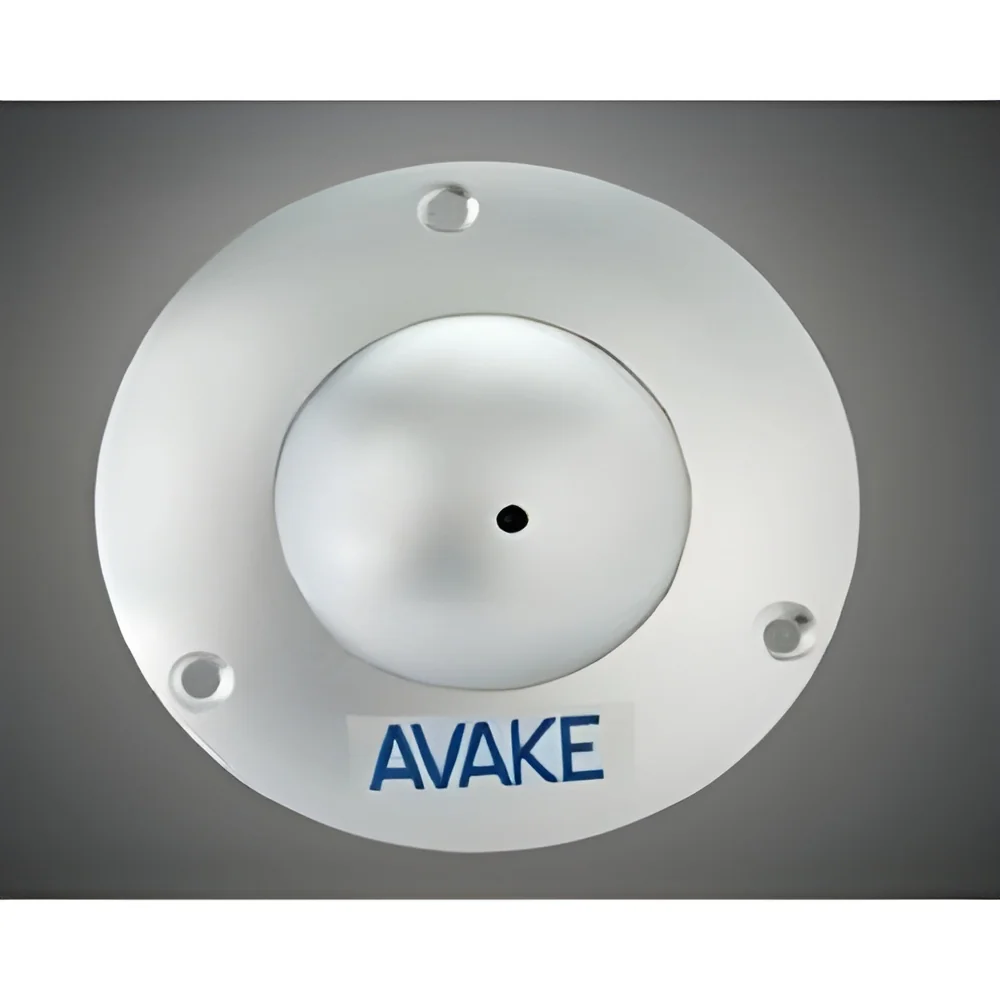
Dome cameras are compact and discreet, making them ideal for indoor surveillance. They offer a wide-angle view and are often vandal-resistant. Their design allows for flexible mounting, making them versatile in various settings.
Bullet Cameras
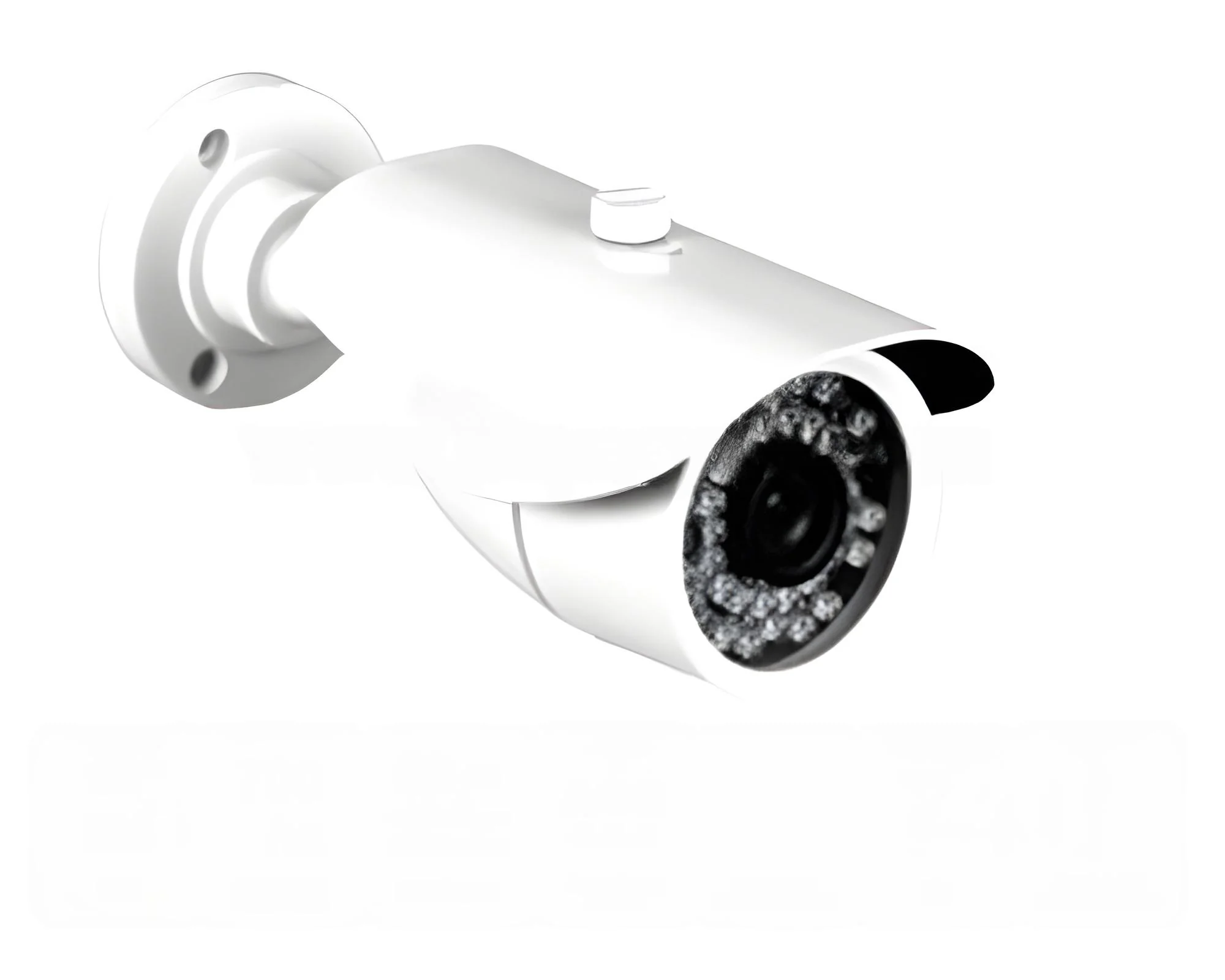
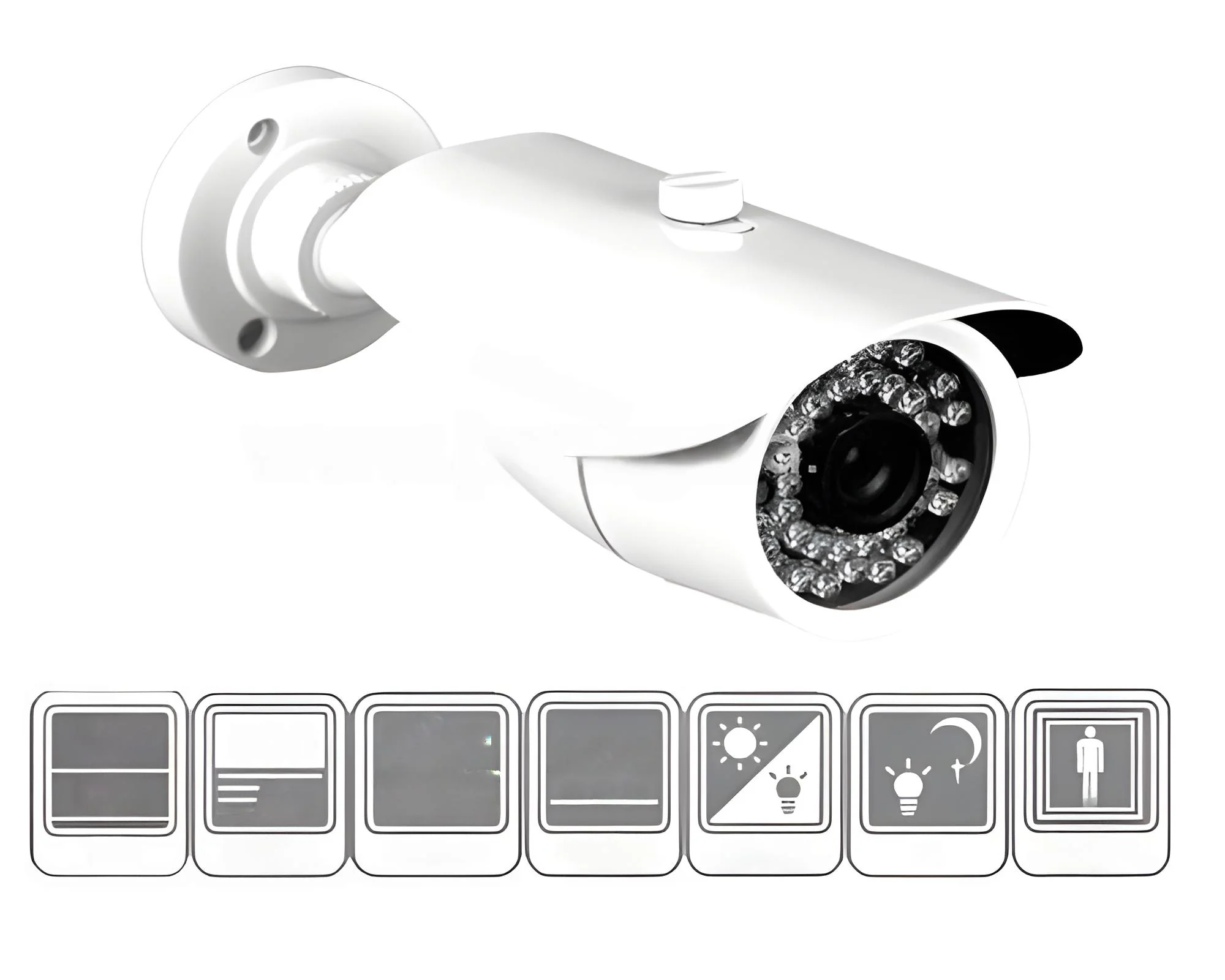
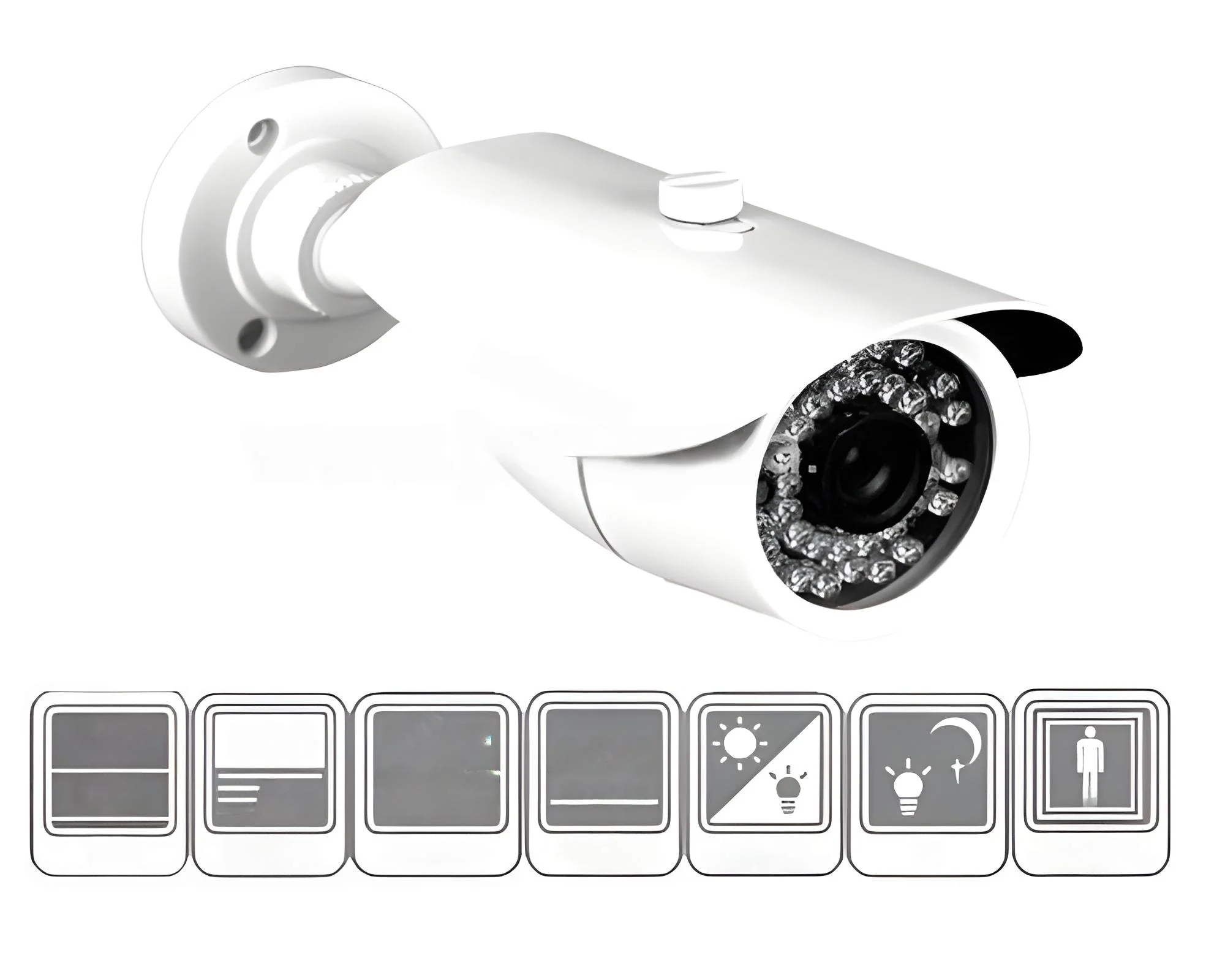
Bullet cameras are easily recognizable due to their cylindrical shape. They are suited for outdoor use, providing clear footage over long distances. Bullet cameras often come with built-in infrared capabilities for night vision.
PTZ Cameras
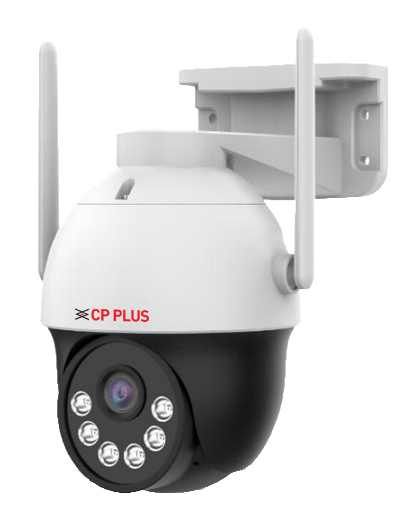
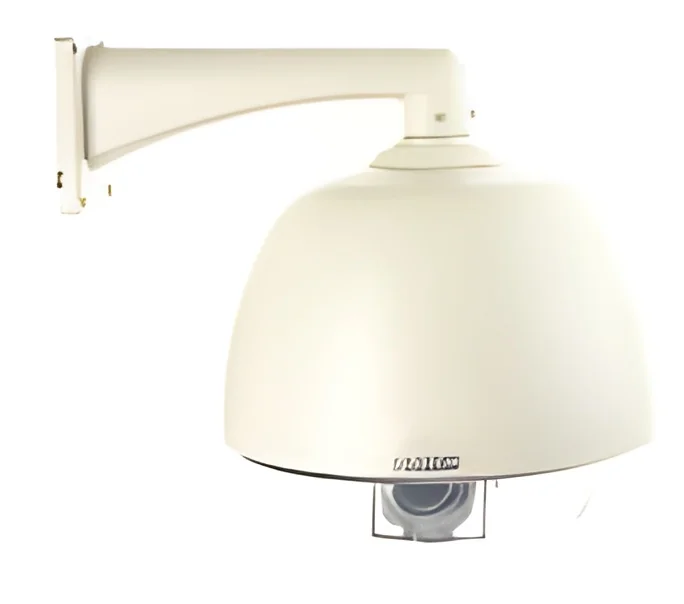
PTZ cameras offer advanced functionality with the ability to pan, tilt, and zoom in on specific areas. They are ideal for monitoring large areas, such as parking lots or event spaces. PTZ cameras can be controlled remotely, allowing for real-time adjustments.
𝗕𝗲𝗻𝗲𝗳𝗶𝘁𝘀 𝗮𝗻𝗱 𝗔𝗱𝘃𝗮𝗻𝘁𝗮𝗴𝗲𝘀
CCTV cameras offer numerous benefits that enhance security and operational efficiency in various settings.
1. Enhanced Security: CCTV cameras provide constant monitoring, deterring criminal activity and ensuring a safer environment.
2. Remote Access: Many modern CCTV systems allow users to access live footage from anywhere, providing flexibility and peace of mind.
3. Evidence Collection: Recorded footage can serve as vital evidence in legal cases, aiding in investigations and enhancing accountability.
4. Cost-Effective: Investing in CCTV cameras can reduce losses from theft and vandalism, providing a strong return on investment.
5. Increased Productivity: Surveillance can help monitor employee performance and ensure compliance with safety standards, leading to improved productivity.
6. Insurance Benefits: Installing CCTV systems may lead to lower insurance premiums, as insurers recognize the reduced risk associated with enhanced security.
𝗕𝘂𝘆𝗶𝗻𝗴 𝗚𝘂𝗶𝗱𝗲 𝗳𝗼𝗿 𝗕𝟮𝗕 𝗕𝘂𝘆𝗲𝗿𝘀
When sourcing CCTV cameras, several factors should be considered to ensure the best fit for business needs.
1. Quality Assessment: Evaluate the build quality and features of the cameras. Look for reputable brands known for reliability and performance.
2. Supplier Verification: Vet potential suppliers by checking their credentials, customer reviews, and certifications. A reliable supplier will provide necessary support and warranties.
3. Pricing and MOQ: Understand the pricing structure, including options for bulk purchasing. Minimum Order Quantities (MOQ) can vary, so clarify before proceeding with an order.
4. Delivery and Lead Times: Discuss logistics and lead times with suppliers to ensure timely delivery. Delays can impact business operations.
5. Compliance Requirements: Ensure that the chosen CCTV cameras meet any regulatory requirements relevant to your industry. This may include safety standards and certifications.
𝗖𝗼𝗺𝗽𝗹𝗶𝗮𝗻𝗰𝗲 𝗮𝗻𝗱 𝗖𝗲𝗿𝘁𝗶𝗳𝗶𝗰𝗮𝘁𝗶𝗼𝗻𝘀
CCTV cameras must adhere to various quality standards and certifications to ensure reliability and safety. Relevant quality standards include ISO 9001, which focuses on quality management systems, ensuring that manufacturers consistently produce high-quality products.
Industry certifications such as UL and CE signify that the cameras meet safety and performance requirements. UL certification ensures that the products have been tested for safety, while CE marking indicates compliance with European health, safety, and environmental protection standards.
Furthermore, manufacturers must consider safety and testing requirements during production. This encompasses rigorous testing for durability, functionality, and performance under various conditions. Regional compliance may also apply, requiring adherence to specific local regulations governing electronic devices.
Why Source CCTV Cameras (Dome, Bullet, PTZ) from Pepagora?
Pepagora offers a reliable platform for sourcing CCTV cameras, providing several key advantages for B2B buyers.
Verified Supplier Network: Pepagora features a network of verified suppliers, ensuring that buyers can trust the quality and reliability of products. Each supplier is vetted to maintain high standards.
Streamlined RFQ Process: The platform simplifies the request for quotation process, allowing buyers to easily compare prices and features from multiple suppliers. This efficiency saves time and resources.
Trade Assurance and Support: Pepagora provides trade assurance, protecting buyers from potential risks associated with transactions. This assurance includes support throughout the purchasing process, ensuring a smooth experience.
Regional Coverage: With a focus on India, the GCC, and Southeast Asia, Pepagora offers extensive regional coverage. This geographic reach allows businesses to access a wide variety of CCTV solutions tailored to specific market needs.