
 IN
Non-Ferrous Metal Scrap
8 products available
What are Non-Ferrous Metal Scrap?
Non-ferrous metal scrap refers to any scrap material that contains non-ferrous metals, which are metals that do not contain significant amounts of iron. Common examples include aluminum, copper, lead, nickel, and zinc. These metals are valued for their resistance to corrosion, lightweight properties, and excellent conductivity. Non-ferrous metal scrap is typically collected from various sources, including industrial waste, construction debris, and consumer products.
The primary uses of non-ferrous metal scrap are in recycling and manufacturing. Industries utilize these materials to produce new products, thereby conserving natural resources and reducing environmental impact. For instance, recycled aluminum can be used in the production of beverage cans, automotive parts, and construction materials. The growing emphasis on sustainability and resource efficiency has increased the demand for non-ferrous metal scrap, making it a critical component in modern manufacturing processes.
In terms of industry relevance, the market for non-ferrous metal scrap is influenced by global economic conditions, technological advancements in recycling, and regulatory frameworks promoting sustainable practices. As industries continue to seek eco-friendly solutions, non-ferrous metal scrap plays a significant role in meeting both economic and environmental goals.
Key Features and Specifications
Non-ferrous metal scrap offers various features and specifications that are important for industrial applications. Understanding these specifications helps businesses make informed purchasing decisions.
Key specifications include:
1. Type of Metal
- Common types include aluminum, copper, brass, lead, and nickel.
- Each metal has distinct properties and applications.
2. Purity Levels
- Purity levels can vary, affecting the scrap's value and usability.
- Common purity levels range from 85% to 99%.
3. Form and Size
- Non-ferrous metal scrap can come in various forms such as shavings, sheets, and castings.
- Size may vary based on the source, impacting recycling processes.
4. Weight
- Weight can significantly influence shipping costs and purchasing decisions.
- Common units of measurement include pounds and kilograms.
5. Market Pricing
- Prices fluctuate based on market demand, metal type, and purity.
- Regular market analysis is important for buyers.
6. Processing Requirements
- Some scrap may require processing before it can be reused.
- Processing techniques include shredding, baling, and sorting.
7. Compliance Standards
- Compliance with industry standards ensures quality and safety.
- Common certifications include CE.
8. Geographic Availability
- Availability may vary by region, influencing sourcing decisions.
- Businesses should consider local suppliers for better logistics.
In summary, understanding the key features and specifications of non-ferrous metal scrap is essential for businesses looking to optimize their sourcing and recycling strategies.
Common Applications and Use Cases
Non-ferrous metal scrap serves a wide range of industries, contributing to various applications and use cases.
1. Automotive Industry: Non-ferrous metals are used in manufacturing lightweight components, improving fuel efficiency and performance in vehicles.
2. Construction Industry: Scrap metals are repurposed for structural applications, including roofing, window frames, and plumbing systems.
3. Electrical Industry: Copper and aluminum scrap are essential for producing wiring, connectors, and electronic components due to their excellent conductivity.
4. Aerospace Industry: Lightweight non-ferrous metals are crucial for manufacturing aircraft parts, enhancing flight efficiency and safety.
5. Marine Industry: Non-ferrous metals are used in shipbuilding and repair, particularly for their corrosion resistance in marine environments.
6. Telecommunications: Scrap metals are utilized in the production of communication devices and infrastructure, supporting advancements in technology.
7. Packaging Industry: Recycled aluminum and other non-ferrous materials are commonly used in producing cans and containers, promoting sustainability.
Product Variants and Subcategories
Non-ferrous metal scrap is diverse, allowing for various product variants tailored to specific industry needs.
Aluminum Scrap
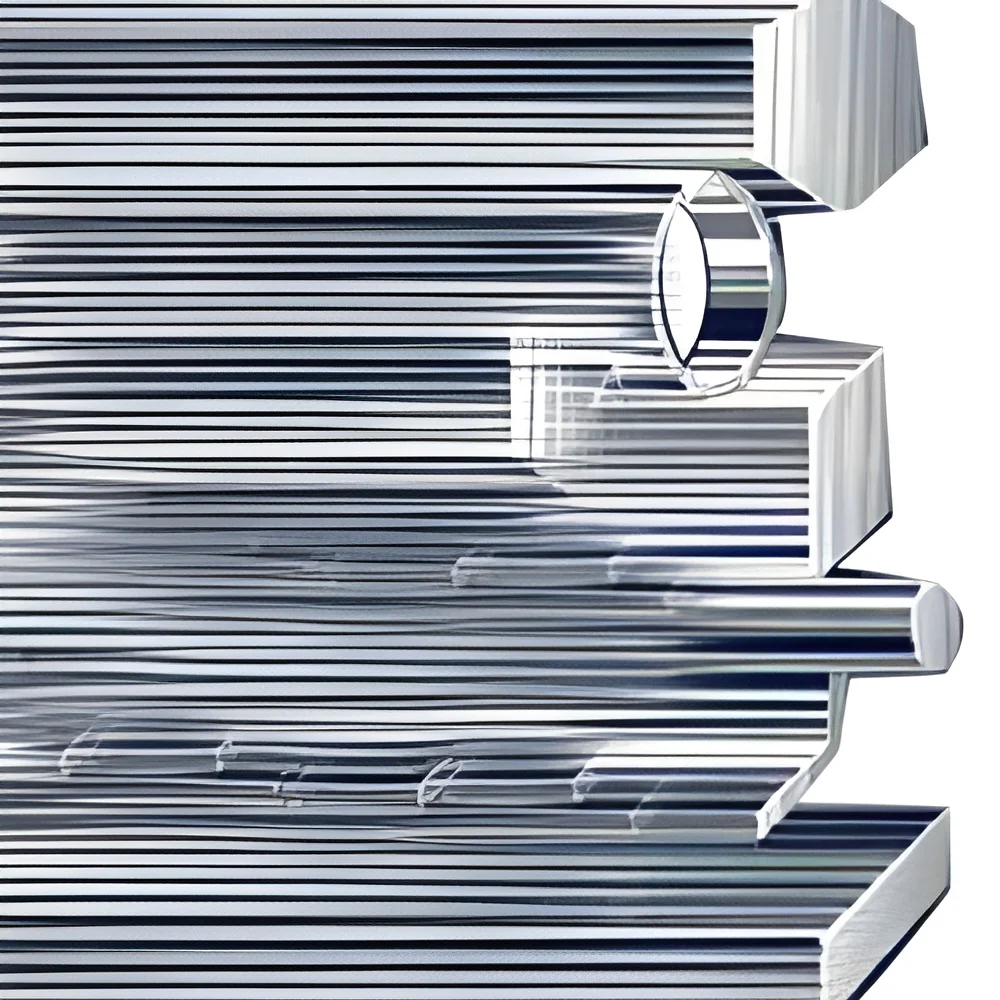
Aluminum scrap consists of discarded aluminum products, such as cans and extrusions. This variant is lightweight and corrosion-resistant, making it highly sought after for recycling and manufacturing new aluminum products.
Copper Scrap
Copper scrap is generated from electrical wiring, plumbing, and industrial machinery. This variant is prized for its high conductivity and is commonly used in electrical applications and construction.
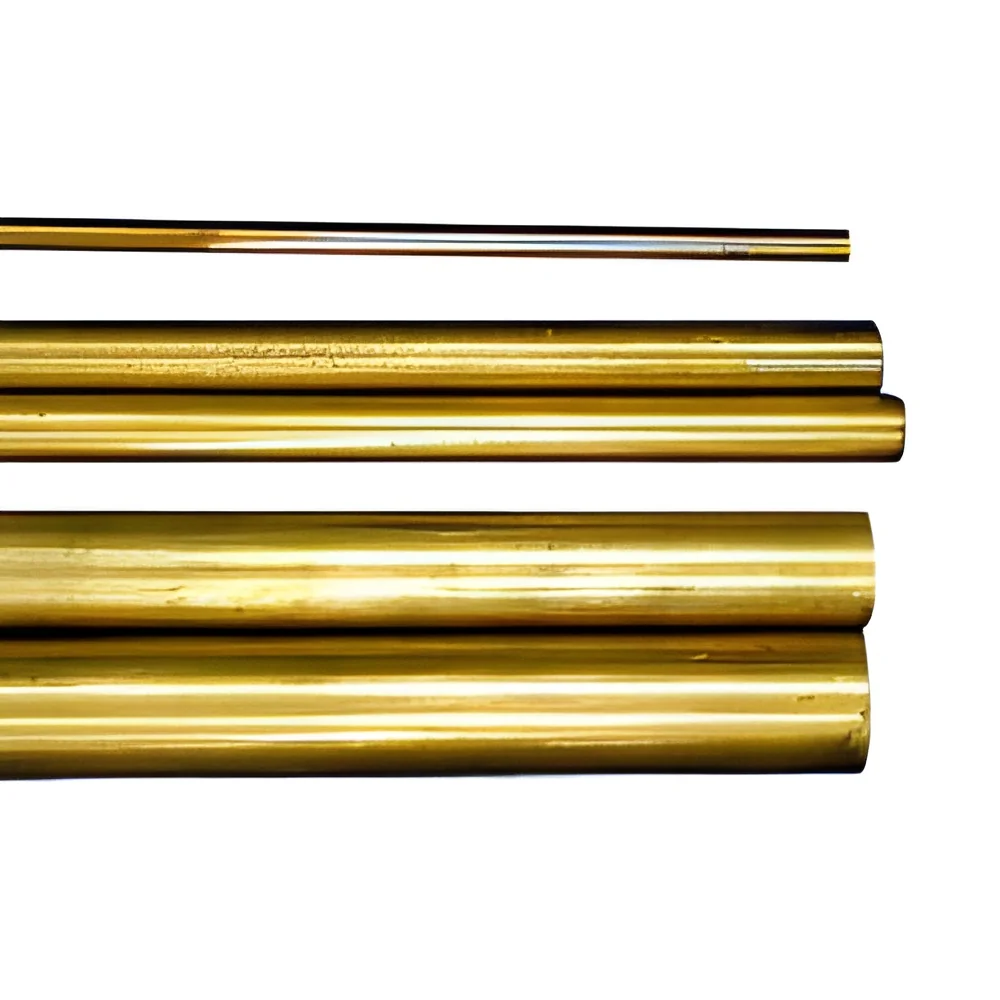
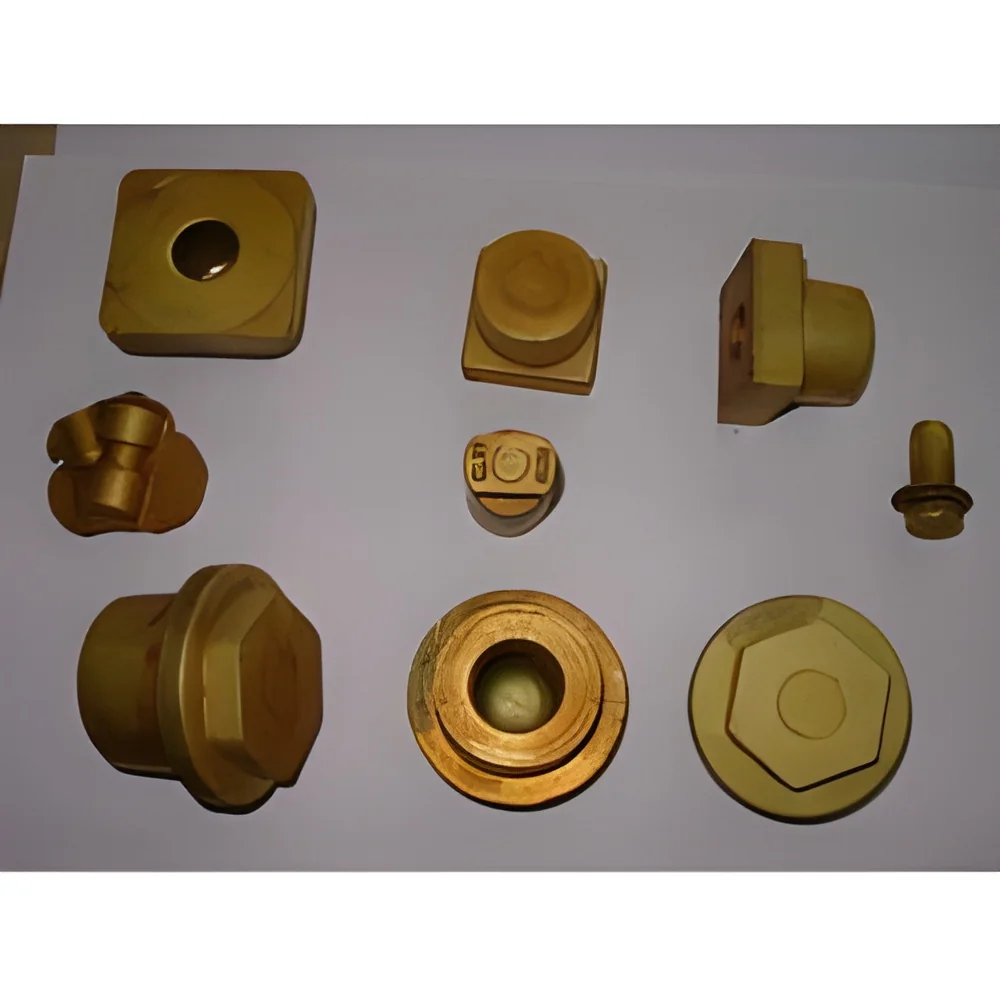
Brass Scrap
Brass scrap is sourced from plumbing fixtures and musical instruments. This variant is known for its machinability and aesthetic appeal, making it suitable for decorative applications.
Lead Scrap
Lead scrap is primarily obtained from batteries and radiation shielding materials. It is crucial for industries needing heavy metal for shielding and weight applications.
Benefits and Advantages
Sourcing non-ferrous metal scrap provides numerous benefits for businesses looking to enhance their operations.
1. Cost-Effectiveness: Purchasing non-ferrous metal scrap is often more economical than sourcing new metals, allowing companies to reduce material costs.
2. Resource Conservation: Recycling non-ferrous metals conserves natural resources and minimizes the environmental impact associated with mining.
3. Quality Assurance: High-quality non-ferrous metal scrap can meet industry standards, ensuring reliable performance in manufacturing processes.
4. Sustainability: Utilizing recycled metals supports sustainability initiatives and helps companies achieve their environmental goals.
5. Versatility: Non-ferrous metals can be used across various industries, providing flexibility in applications and product offerings.
6. Regulatory Compliance: Sourcing certified non-ferrous metal scrap ensures adherence to safety and environmental regulations, minimizing legal risks.
Buying Guide for B2B Buyers
When sourcing non-ferrous metal scrap, businesses should consider several key factors to ensure they make informed purchasing decisions.
1. Quality Assessment: Evaluate the quality of scrap based on purity, form, and weight. High-quality scrap will yield better results in manufacturing processes.
2. Supplier Verification: Vet potential suppliers for their reliability and reputation in the market. Look for certifications and customer reviews to ensure credibility.
3. Pricing and MOQ: Understand the pricing structure and minimum order quantities. Compare prices from different suppliers to find the best deal.
4. Delivery and Lead Times: Discuss logistics and expected lead times with suppliers. Timely delivery is crucial for maintaining production schedules.
5. Compliance Requirements: Ensure that the scrap meets relevant compliance and safety standards. This is vital for avoiding legal issues and ensuring product quality.
Compliance and Certifications
Compliance with industry standards is essential for non-ferrous metal scrap. Key quality standards include ISO 9001, which focuses on quality management systems, and CE certification, which indicates compliance with European health, safety, and environmental protection standards.
Additionally, safety and testing requirements are critical in ensuring that non-ferrous metal scrap is free from harmful contaminants. Companies must be aware of regional compliance considerations, as different areas may have specific regulations regarding waste management and recycling.
By adhering to these compliance standards, businesses can ensure the safe and efficient use of non-ferrous metal scrap in their operations.
Why Source Non-Ferrous Metal Scrap from Pepagora?
Pepagora offers a trusted platform for sourcing non-ferrous metal scrap, providing several key advantages for businesses.
Verified Supplier Network: Pepagora connects buyers with a network of verified suppliers, ensuring that businesses can source high-quality scrap from reliable sources. This verification process helps minimize risks associated with supplier reliability.
Streamlined RFQ Process: The platform features a streamlined Request for Quotation (RFQ) process, allowing buyers to efficiently compare offers from multiple suppliers. This simplifies the decision-making process and saves time for businesses.
Trade Assurance and Support: Pepagora provides trade assurance and support to protect buyers throughout the transaction process. This ensures that businesses can source scrap with confidence, knowing they are covered in case of any disputes.
Regional Coverage: Pepagora has a broad geographic reach, covering regions such as India, the Gulf Cooperation Council (GCC), and Southeast Asia. This allows businesses to tap into local markets and benefit from competitive pricing and logistics.
By choosing Pepagora as a sourcing partner, businesses can enhance their procurement processes and ensure they secure the best non-ferrous metal scrap for their needs.

Frequently Asked Questions
What are Non-Ferrous Metal Scrap?
Non-Ferrous Metal Scrap refers to scrap materials that do not contain significant amounts of iron or iron alloys. These metals, such as aluminum, copper, lead, nickel, and zinc, are valued for their corrosion resistance, lightweight, and recyclability.
What are the different types of Non-Ferrous Metal Scrap?
The different types of Non-Ferrous Metal Scrap include aluminum scrap, copper scrap, brass scrap, lead scrap, and nickel scrap. Each type has unique properties and applications, making them suitable for various industrial processes.
How do I choose the right Non-Ferrous Metal Scrap?
Choosing the right Non-Ferrous Metal Scrap involves considering the intended application, the specific metal type, and its quality. Additionally, it is important to evaluate the supplier's reputation and the scrap's compliance with industry standards.
What are the standard specifications for Non-Ferrous Metal Scrap?
Standard specifications for Non-Ferrous Metal Scrap include purity levels, size, and form (such as sheet, wire, or ingot). These specifications can vary based on the type of metal and the requirements of the end-user or industry standards.
What is the price range for Non-Ferrous Metal Scrap?
The price range for Non-Ferrous Metal Scrap can vary significantly based on the type of metal, market demand, and quality. Typically, prices are quoted per kilogram or ton, and fluctuations are common based on global commodity markets.
What quality standards apply to Non-Ferrous Metal Scrap?
Quality standards for Non-Ferrous Metal Scrap often include specific grades and classifications based on purity and contamination levels. Compliance with standards set by organizations such as ISRI (Institute of Scrap Recycling Industries) can also be crucial.
Where can I find Non-Ferrous Metal Scrap suppliers in India?
Non-Ferrous Metal Scrap suppliers in India can be found through B2B marketplaces, local industrial directories, and trade shows. Platforms like Pepagora.com offer listings of verified suppliers to facilitate sourcing.
Can Non-Ferrous Metal Scrap be customized?
Yes, Non-Ferrous Metal Scrap can be customized in terms of size, form, and alloy composition based on the specific needs of buyers. However, customization options may vary from supplier to supplier.
What is the typical minimum order quantity for Non-Ferrous Metal Scrap?
The typical minimum order quantity (MOQ) for Non-Ferrous Metal Scrap can range from a few hundred kilograms to several tons, depending on the supplier and the specific metal type. It is advisable to check with individual suppliers for their specific MOQs.
What is the typical lead time for Non-Ferrous Metal Scrap?
The typical lead time for Non-Ferrous Metal Scrap can vary based on the supplier and order size, generally ranging from a few days to several weeks. Factors influencing lead time include availability, processing, and shipping logistics.
Why Businesses Trust Pepagora
Thousands of companies trust Pepagora to source smarter and sell faster
Expand Your Sales Globally

Source Smarter,Grow Faster
