What are Mild Steel Scrap?
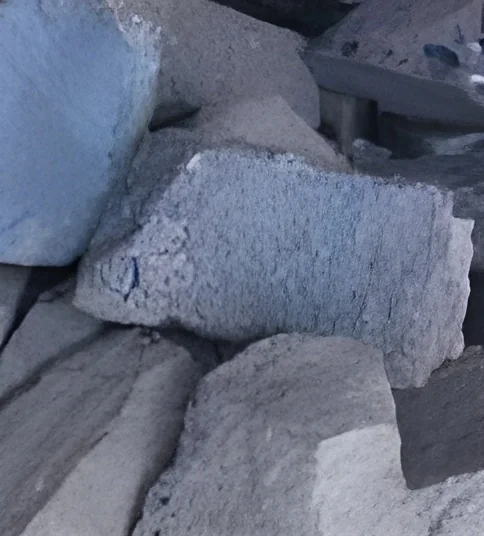
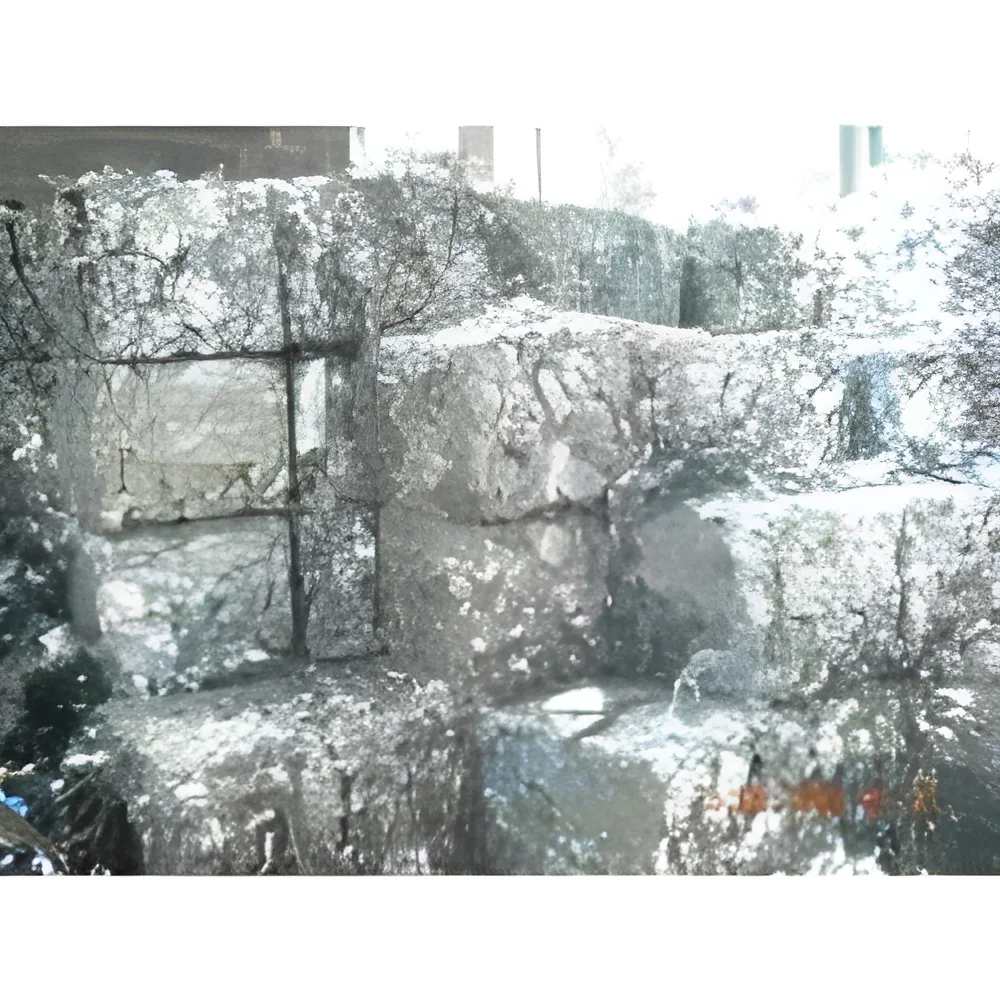
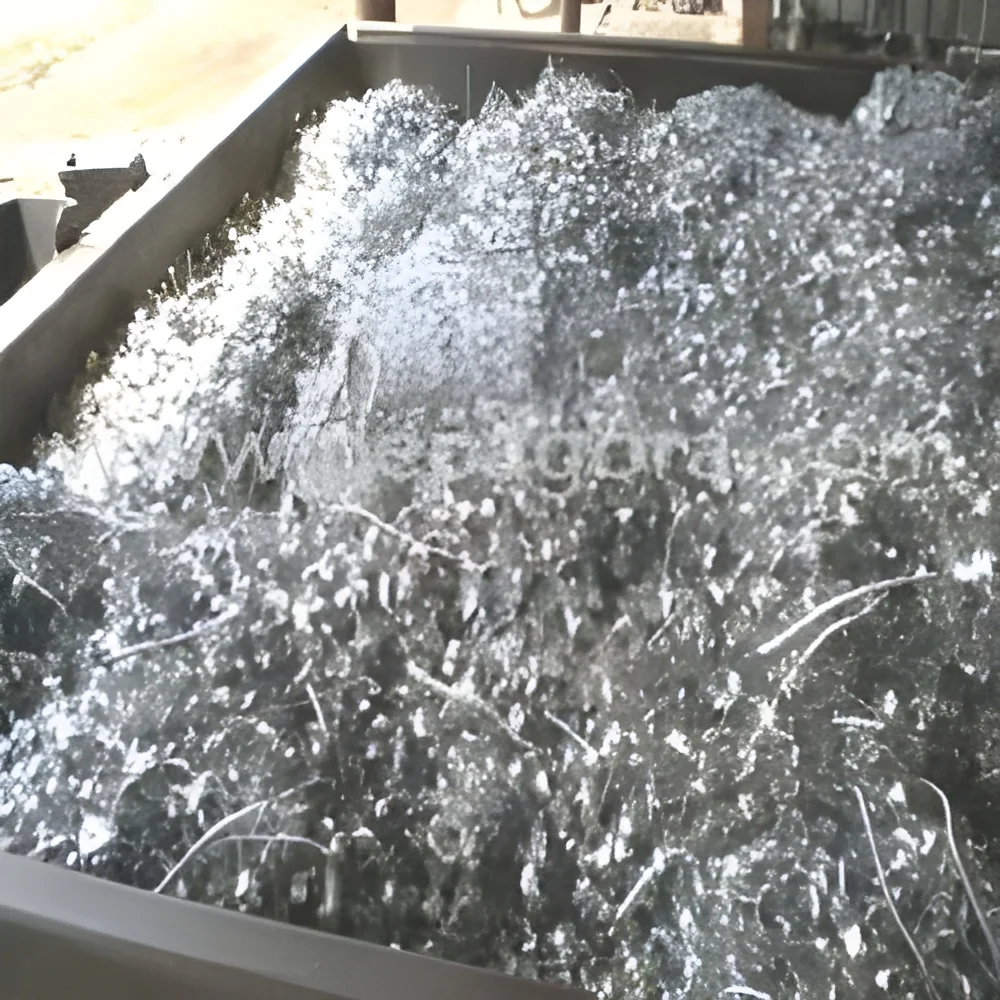
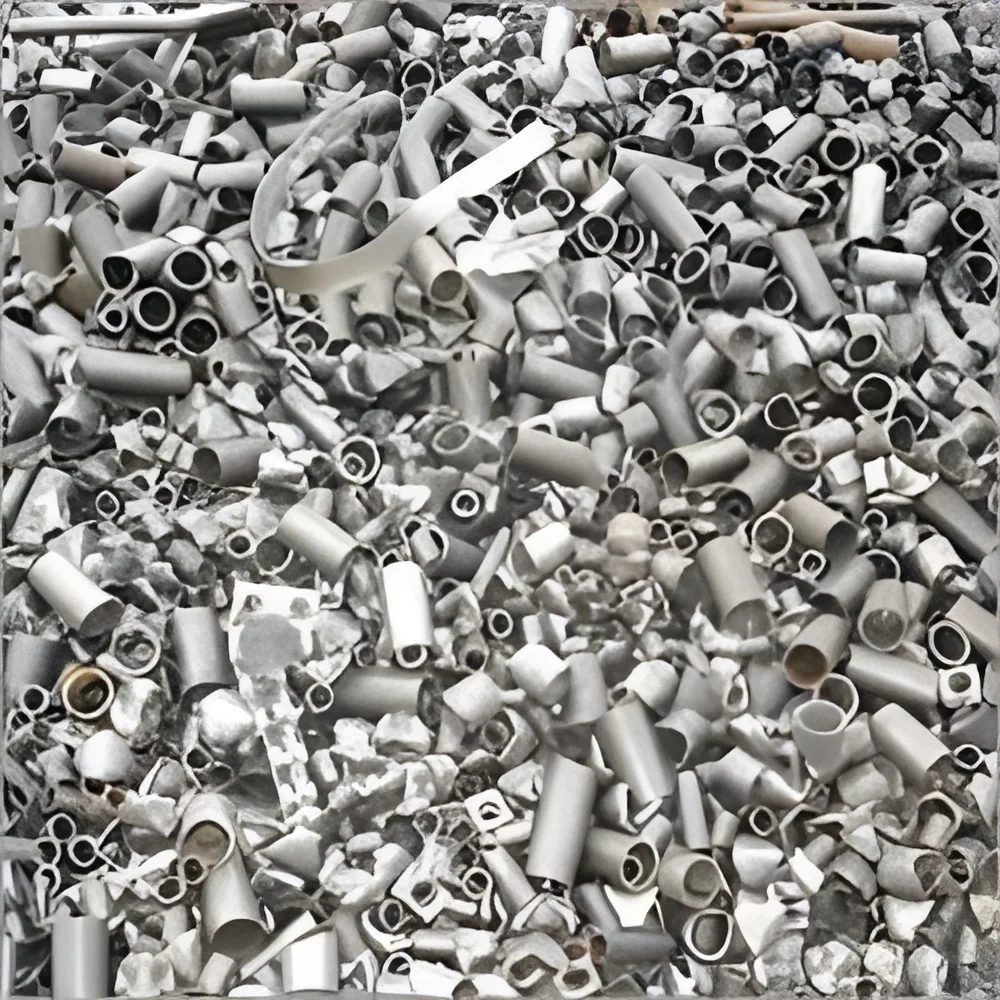
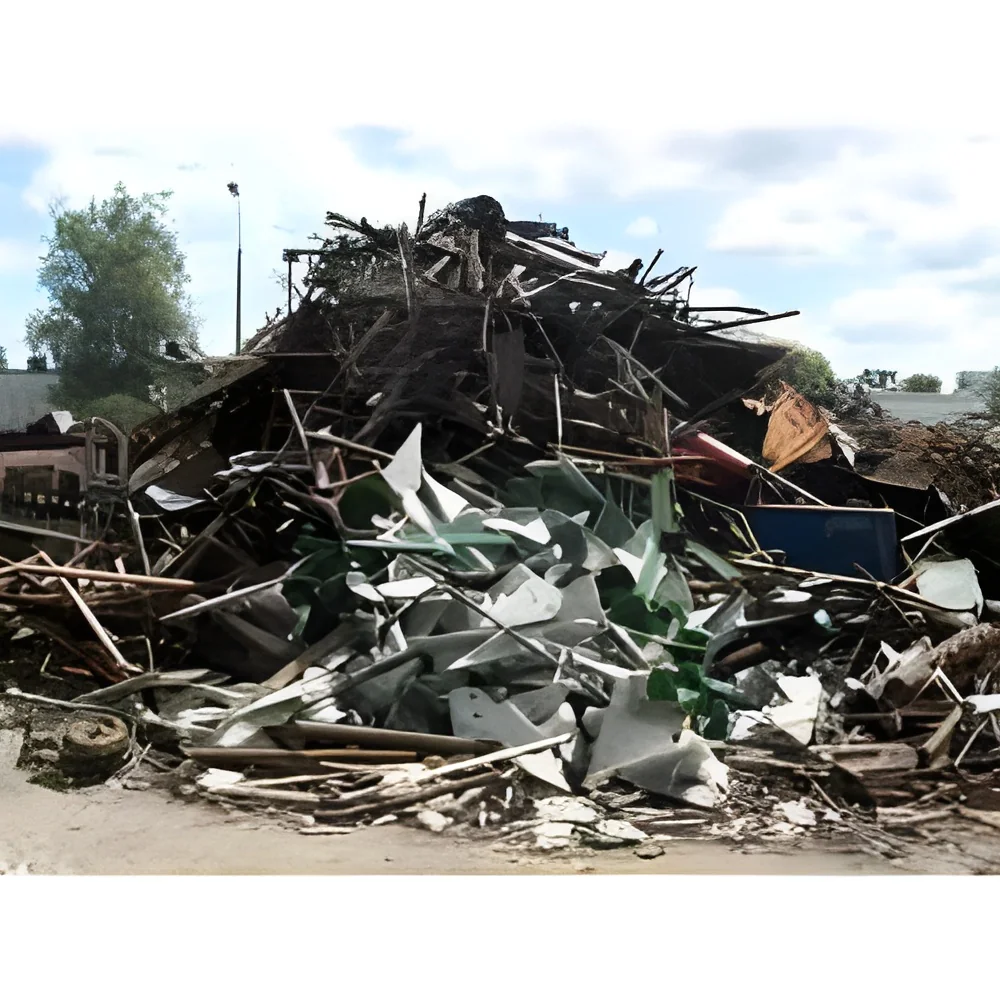
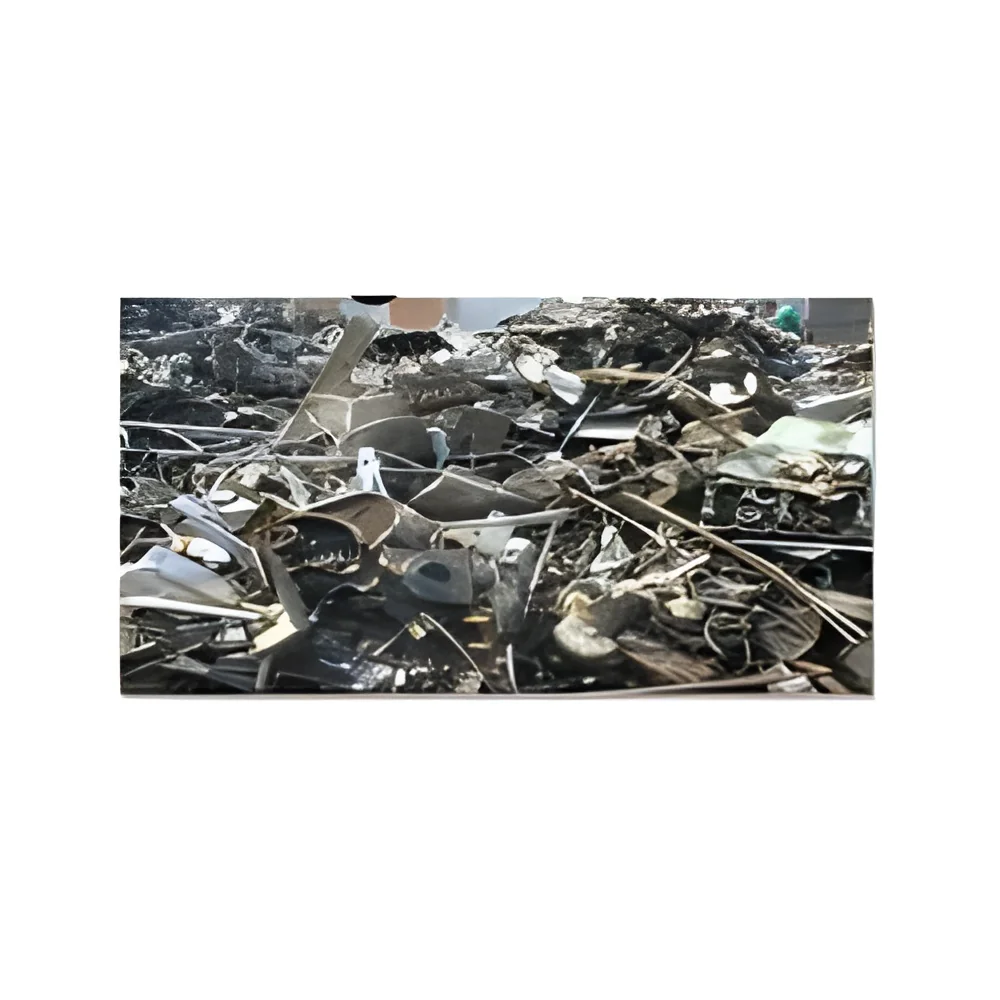
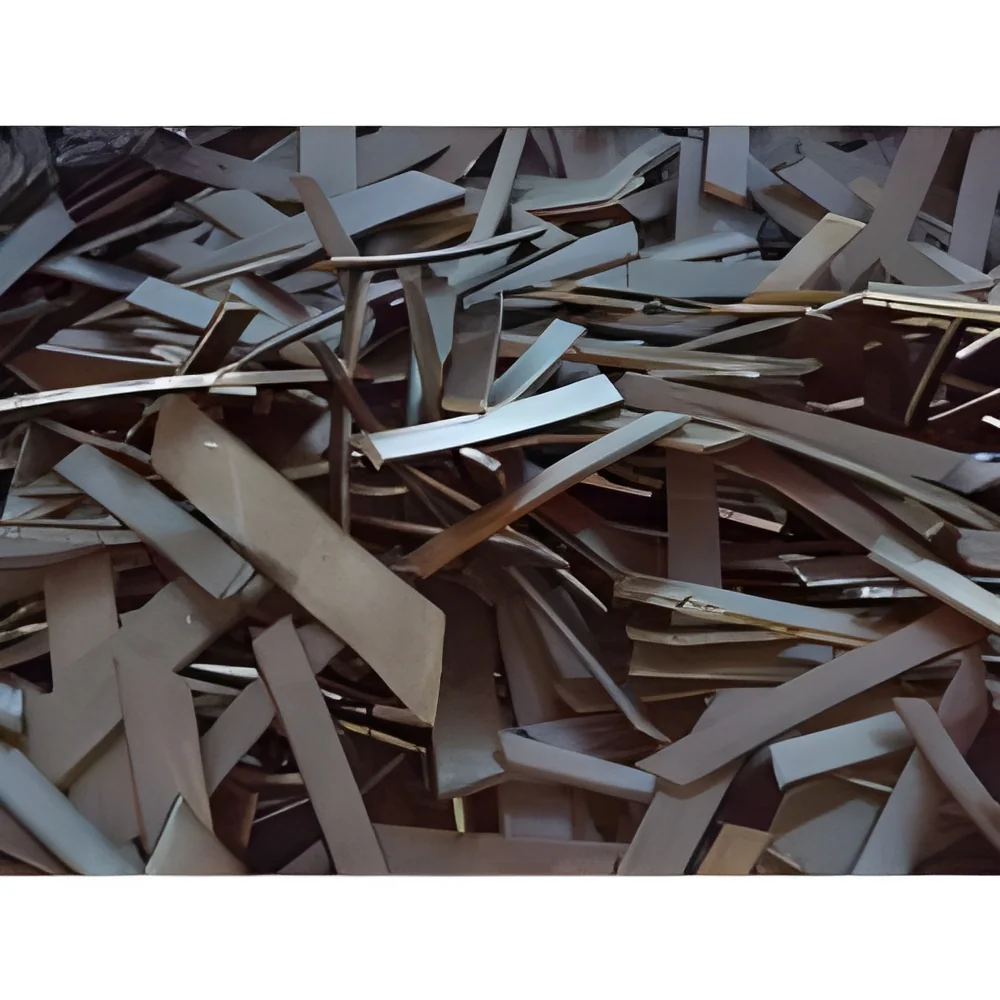
Mild Steel Scrap refers to waste or leftover materials from the production and fabrication of mild steel products. This type of scrap is characterized by its low carbon content, which gives it excellent ductility and weldability. Mild Steel Scrap can come from various sources, including manufacturing processes, construction sites, and demolition activities. It is usually processed for recycling, allowing it to be melted down and repurposed for new steel products.
The primary uses of Mild Steel Scrap span several industries, particularly in metal recycling and manufacturing. Businesses utilize this scrap in processes such as steel production, where it is melted and converted back into raw materials. Additionally, it serves applications in construction, automotive, and machinery manufacturing, providing a cost-effective solution for sourcing steel materials. The relevance of Mild Steel Scrap in today’s market cannot be overstated, as it supports sustainability efforts by reducing waste and conserving resources.
Key Features and Specifications
Mild Steel Scrap comes with various features and specifications that make it suitable for multiple applications. Understanding these specifications helps businesses make informed decisions when sourcing this material.
Key specifications include:
1. Composition
- Mild Steel Scrap typically contains iron with a low carbon content of approximately 0.05% to 0.25%.
- This composition allows for easy recycling and conversion back into steel.
2. Grade
- Mild Steel Scrap is usually categorized into different grades based on purity and source.
- Common grades include heavy scrap, light scrap, and shredded scrap.
3. Size
- The size of Mild Steel Scrap can vary from small pieces to large chunks.
- Standard sizes for processing include 1-2 inch pieces for efficient melting and remanufacturing.
4. Contaminants
- The level of contaminants such as rust or paint can affect the quality.
- High-quality scrap should have minimal contaminants for better recycling outcomes.
5. Density
- The density of Mild Steel Scrap can range from 7.5 to 8.0 grams per cubic centimeter.
- This density is crucial for calculating shipping and handling costs.
6. Availability
- Mild Steel Scrap is generally available year-round, with fluctuations based on market demand.
- Reliable supply sources are essential for consistent production processes.
In summary, the specifications of Mild Steel Scrap play a critical role in its usability and market value. Buyers should assess these features to align their needs with the available material.
Common Applications and Use Cases
Mild Steel Scrap serves various industries, providing flexibility and cost savings in material acquisition.
1. Construction: Mild Steel Scrap is often used in the construction industry for reinforcing structures, manufacturing beams, and creating steel frames. Its strength and ductility make it an ideal choice for building applications.
2. Automotive: In the automotive sector, Mild Steel Scrap is utilized for producing components such as chassis, body panels, and other structural elements. Its lightweight properties contribute to improved fuel efficiency.
3. Machinery Manufacturing: Manufacturers of machinery use Mild Steel Scrap to create parts and tools, benefiting from its durability and ease of machining. This scrap is fundamental for fabricating various industrial equipment.
4. Shipbuilding: The shipbuilding industry relies on Mild Steel Scrap for constructing hulls and other critical components. Its resistance to impact and corrosion is vital for marine applications.
5. Metal Fabrication: Metal fabricators frequently use Mild Steel Scrap for welding and machining projects, allowing for cost-effective production of custom metal items.
6. Energy Sector: In energy production, Mild Steel Scrap is repurposed for constructing pipelines and other infrastructure. Its strength helps ensure safety and longevity.
Product Variants and Subcategories
Mild Steel Scrap is diverse, catering to various industrial needs. Although specific subcategories are not available, the following variants are commonly recognized.
Heavy Scrap: This variant consists of larger pieces of mild steel, often sourced from industrial machinery and construction sites. Heavy scrap is ideal for recycling into structural steel products due to its robust nature.
Light Scrap: Comprised of smaller, lighter pieces, this variant is often collected from manufacturing processes. Light scrap is easily processed and melted down, making it suitable for a range of applications.
Shredded Scrap: This variant includes finely shredded pieces of mild steel, often resulting from recycling operations. Shredded scrap is favored for its uniform size, which enhances melting efficiency.
Benefits and Advantages
Sourcing Mild Steel Scrap offers several advantages for businesses in various sectors.
1. Cost-Effectiveness: Utilizing Mild Steel Scrap provides substantial savings compared to sourcing new steel. This can significantly impact overall project budgets.
2. Sustainability: Using recycled materials helps reduce waste and the carbon footprint associated with steel production. Companies can demonstrate their commitment to environmental responsibility.
3. Versatility: Mild Steel Scrap can be used in numerous applications across different industries, allowing for flexibility in material sourcing.
4. Quality Assurance: With proper assessment and verification, businesses can ensure they receive high-quality scrap suitable for their specific needs.
5. Reduced Lead Times: Sourcing Mild Steel Scrap often leads to faster delivery times compared to new materials, enhancing project timelines.
6. Supplier Support: Many suppliers provide expert guidance and support, helping businesses navigate the complexities of sourcing and processing scrap materials.
Buying Guide for B2B Buyers
When sourcing Mild Steel Scrap, buyers should consider several key factors to ensure they obtain the right material for their needs.
1. Quality Assessment: It is crucial to evaluate the quality of Mild Steel Scrap before purchase. Buyers should look for minimal contaminants and ensure the composition meets their specifications.
2. Supplier Verification: Vetting suppliers is essential to ensure reliability and consistency. Checking certifications, customer reviews, and previous work can help build trust in the supplier's capabilities.
3. Pricing and MOQ: Understanding the pricing structure and minimum order quantities (MOQ) is necessary for budgeting. Buyers should compare prices across multiple suppliers to secure the best deal.
4. Delivery and Lead Times: Inquire about the delivery schedules and lead times to ensure that the scrap can be supplied within the project timelines. Planning for logistics is essential to avoid delays.
5. Compliance Requirements: Familiarize yourself with any regulatory or compliance requirements associated with sourcing Mild Steel Scrap. This may include documentation for recycling and environmental standards.
Compliance and Certifications
Mild Steel Scrap must adhere to certain quality standards and certifications to ensure its suitability for industrial applications. While specific standards are not detailed, common benchmarks include ISO 9001 for quality management systems, which assures buyers of consistent quality.
Industry certifications like CE indicate compliance with European safety standards, ensuring that the scrap meets essential safety and performance criteria. Additionally, safety and testing requirements play a vital role in evaluating the quality of Mild Steel Scrap, as they help establish trust in the material's integrity.
Regional compliance considerations may also apply, depending on the geographical area of sourcing. Buyers should be aware of local regulations governing the recycling and use of scrap materials to ensure full compliance.
Why Source Mild Steel Scrap from Pepagora?
Pepagora offers a trusted platform for businesses looking to source Mild Steel Scrap, providing several key advantages.
Verified Supplier Network: Pepagora's extensive network of verified suppliers ensures that buyers can find quality Mild Steel Scrap from reputable sources. This verification process helps mitigate risks associated with sourcing.
Streamlined RFQ Process: The platform features an efficient Request for Quotation (RFQ) system that simplifies the process of obtaining quotes from multiple suppliers. This allows buyers to compare offerings quickly and make informed decisions.
Trade Assurance and Support: Pepagora provides trade assurance, offering protection to buyers in case of discrepancies. This support helps build confidence in transactions, making the sourcing process smoother.
Regional Coverage: With a strong presence in India, the GCC, and Southeast Asia, Pepagora facilitates access to local and regional suppliers. This geographic reach ensures that businesses can find Mild Steel Scrap tailored to their specific market needs.

 IN
IN