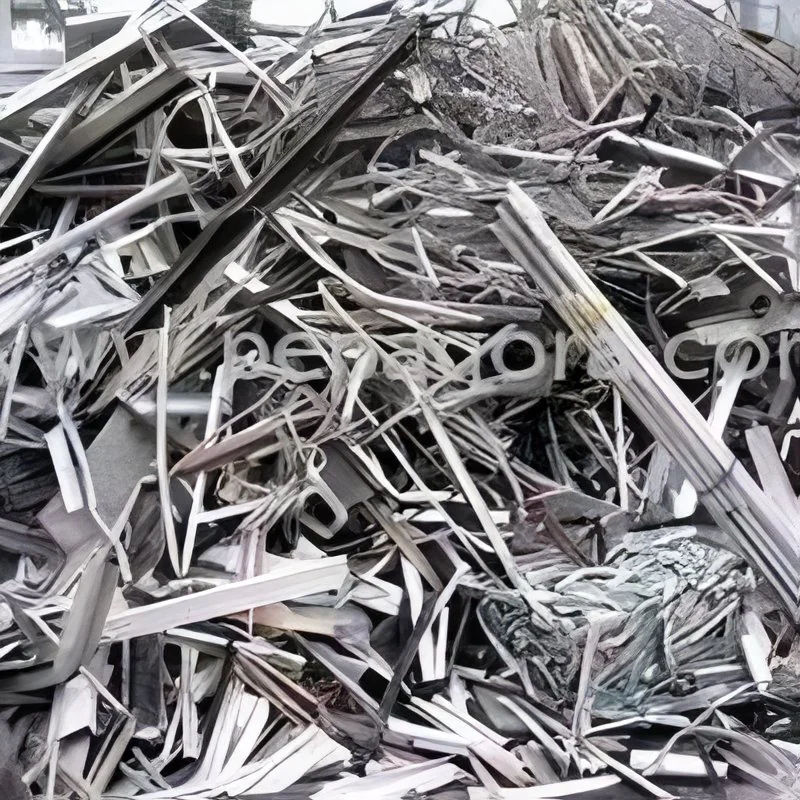
What are Aluminum Scrap?
Aluminum scrap refers to discarded aluminum materials that can be recycled and reused in various manufacturing processes. This material is generated from production scraps, end-of-life products, and industrial processes. Aluminum is highly valued in recycling due to its lightweight nature, durability, and the fact that it can be recycled repeatedly without losing quality. As a result, aluminum scrap is an essential component of the circular economy, where materials are continuously reused to minimize waste and promote sustainability.
The primary uses of aluminum scrap include the production of new aluminum products and components. Industries such as automotive, aerospace, construction, and electronics rely heavily on recycled aluminum for manufacturing. By utilizing aluminum scrap, companies can significantly reduce production costs and energy consumption compared to using virgin aluminum. The relevance of aluminum scrap in the market is underscored by the growing emphasis on sustainability and resource efficiency, making it a vital material for modern industries.
Key Features and Specifications
Aluminum scrap comes with a variety of features and specifications that define its quality and usability. Understanding these specifications is crucial for businesses looking to source aluminum scrap for their operations.
Key specifications include:
1. Material Grade
- The grade of aluminum scrap indicates the purity and type of aluminum, which affects its recycling value.
- Common grades include 6061, 6063, and 7075, each with specific properties and applications.
2. Contamination Level
- This refers to the presence of non-aluminum materials in the scrap, which can affect the recycling process.
- Lower contamination levels are preferred for higher quality recycling outcomes.
3. Physical Form
- Aluminum scrap is available in various forms, including shavings, chips, turnings, and sheets.
- The form can influence processing and melting efficiency.
4. Size and Dimensions
- The size of aluminum scrap pieces can vary, with standard sizes facilitating easier handling during processing.
- Smaller pieces often melt more efficiently and are easier to transport.
5. Weight
- The weight of aluminum scrap is an important factor for pricing and logistics.
- It can vary significantly depending on the form and density of the scrap.
6. Moisture Content
- Excess moisture can affect the quality and weight of aluminum scrap.
- Ideally, moisture content should be minimal to ensure optimal processing.
7. Market Price
- The price of aluminum scrap fluctuates based on market demand, supply levels, and global economic factors.
- Buyers should stay informed about market trends to negotiate better prices.
In summary, understanding these specifications helps businesses make informed decisions when sourcing aluminum scrap, ensuring they receive quality material suitable for their needs.
Common Applications and Use Cases
Aluminum scrap serves various industries, demonstrating its versatility and importance in manufacturing.
1. Automotive Industry: Aluminum scrap is extensively used in the production of car parts, such as body panels, wheels, and engine components. Its lightweight properties contribute to fuel efficiency.
2. Aerospace Industry: In aerospace, aluminum scrap is recycled to manufacture aircraft components, where strength-to-weight ratio is critical for performance and safety.
3. Construction Industry: Scrap aluminum is repurposed for windows, doors, and structural components in buildings, providing durability and aesthetic appeal.
4. Electronics Industry: Aluminum scrap is utilized in the production of casings and frames for electronic devices, enhancing both functionality and design.
5. Packaging Industry: Recycled aluminum is used in packaging materials, including cans and foil, which are lightweight and recyclable.
6. Consumer Goods: Many household products, such as furniture and appliances, incorporate recycled aluminum, underlining its importance in everyday items.
7. Industrial Manufacturing: Aluminum scrap is essential in manufacturing machinery and tools, where strength and lightweight characteristics are advantageous.
Product Variants and Subcategories
Aluminum scrap comes in various forms, each catering to different processing needs and applications.
Aluminum Turnings
Aluminum turnings are small shavings created during machining processes. They are ideal for recycling due to their high surface area, allowing for efficient melting and reprocessing.
Aluminum Sheet Scrap
This variant consists of flat pieces of aluminum, often sourced from manufacturing or fabrication processes. It is commonly used in packaging and automotive applications due to its versatility.
Aluminum Extrusion Scrap
Extrusion scrap refers to leftovers from the extrusion process, where aluminum is shaped into specific profiles. This type of scrap is highly sought after for its quality and ease of recycling.
Benefits and Advantages
Sourcing aluminum scrap offers several key benefits for businesses.
1. Cost Savings: Using recycled aluminum scrap can significantly reduce material costs compared to sourcing new aluminum.
2. Environmental Impact: Recycling aluminum scrap conserves natural resources and reduces energy consumption, supporting sustainability efforts.
3. Quality Assurance: High-quality aluminum scrap can be processed to meet stringent manufacturing standards, ensuring reliable end products.
4. Supply Chain Efficiency: Sourcing aluminum scrap can streamline supply chains and provide a steady material flow for manufacturers.
5. Versatility: Aluminum scrap can be used across multiple industries, enhancing its appeal for diverse applications.
6. Reduced Waste: Utilizing aluminum scrap minimizes landfill waste and promotes a circular economy, benefiting both businesses and the environment.
Buying Guide for B2B Buyers
When sourcing aluminum scrap, businesses should consider several critical factors to ensure they make informed purchasing decisions.
1. Quality Assessment: Evaluate the quality of aluminum scrap by checking for contamination levels, material grades, and supplier certifications to ensure the material meets industry standards.
2. Supplier Verification: Vet suppliers thoroughly by checking their reputation, previous client feedback, and compliance with industry regulations to ensure reliability and trustworthiness.
3. Pricing and MOQ: Understand market pricing trends and minimum order quantities (MOQ) to negotiate better deals while ensuring that orders meet production needs.
4. Delivery and Lead Times: Discuss logistics with suppliers to understand delivery schedules and lead times, which are essential for maintaining production timelines.
5. Compliance Requirements: Ensure that the aluminum scrap meets regulatory standards and certifications, as well as any specific industry requirements that may apply.
Compliance and Certifications
Aluminum scrap must adhere to various compliance standards and certifications to ensure quality and safety in its processing and use. ISO 9001 is a key quality management standard that applies to many manufacturers, ensuring that processes are efficient and meet customer expectations.
Additionally, the CE marking signifies that products conform to health, safety, and environmental protection standards within the European Economic Area. This certification is critical for businesses exporting aluminum scrap to Europe, ensuring that they meet necessary regulations.
Safety and testing requirements are also paramount, as recycled materials must be free from harmful contaminants. Companies should implement thorough testing protocols to guarantee that the aluminum scrap is safe for reuse in manufacturing processes.
Regional compliance considerations may vary, with different countries having specific regulations governing the handling and recycling of scrap materials. Businesses should remain informed about local laws to ensure compliance and avoid potential legal issues.
Why Source Aluminum Scrap from Pepagora?
Pepagora provides a trusted platform for sourcing aluminum scrap, offering various key advantages to B2B buyers. The verified supplier network ensures that businesses connect with reputable suppliers, minimizing risks associated with unreliable sources.
The streamlined RFQ process simplifies procurement by allowing buyers to receive multiple quotations quickly, enabling informed decision-making. This efficiency is crucial for businesses looking to secure the best price and terms for their aluminum scrap needs.
Trade assurance and support from Pepagora further enhance buyer protection. This feature ensures that transactions are secure and that buyers receive the quality materials they expect.
Additionally, Pepagora's regional coverage across India, GCC, and Southeast Asia makes it an ideal platform for businesses operating in these regions. This extensive reach allows companies to access a diverse range of aluminum scrap options, supporting their operational needs effectively.

 IN
IN