What are Titanium Scrap?
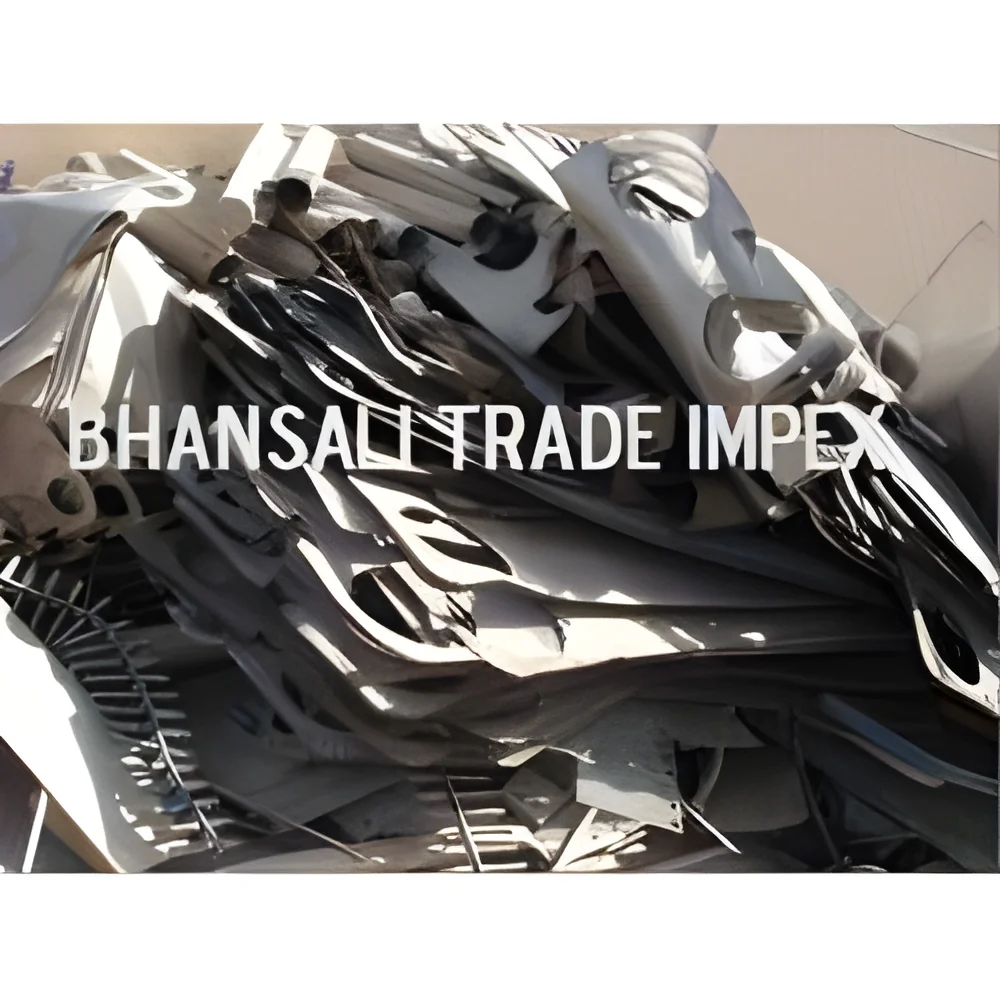
Titanium scrap refers to the leftover materials generated during the manufacturing, processing, or machining of titanium products. This scrap can come in various forms, including turnings, shavings, and cut-offs. Titanium scrap is prized in various industries due to its beneficial properties, such as high strength-to-weight ratio, corrosion resistance, and biocompatibility. Recycling titanium scrap plays a significant role in reducing waste and the environmental impact associated with titanium production.
The primary applications of titanium scrap include its use in aerospace, automotive, medical, and industrial sectors. In aerospace, titanium scrap can be recycled and remelted to produce high-quality titanium alloys for aircraft components. In the automotive industry, it is utilized in manufacturing lightweight parts that enhance fuel efficiency. Medical applications involve using titanium scrap in producing implants and surgical instruments, thanks to its biocompatibility. The market for titanium scrap has grown, influenced by the increasing demand for sustainable practices and the high cost of titanium production.
Key Features and Specifications
Titanium scrap offers several features that make it a valuable material in various industries. Its high strength-to-weight ratio, excellent corrosion resistance, and recyclability are crucial factors contributing to its demand. The specifications of titanium scrap vary based on the source and processing methods.
Key specifications include:
1. Material Grade
- Titanium scrap is classified into various grades based on its chemical composition and purity.
- Common grades include Grade 1, Grade 2, and Grade 5, each with specific properties.
2. Particle Size
- The size of titanium scrap particles can vary significantly.
- Sizes can range from small turnings to larger cut pieces, affecting its usability in recycling processes.
3. Contaminant Levels
- The level of contaminants present in titanium scrap is critical for its recycling.
- High-quality scrap should have minimal impurities to ensure the integrity of the final product.
4. Form
- Titanium scrap can come in several forms, including chips, shavings, and cuttings.
- Each form can be utilized differently based on the recycling process.
5. Recovery Rate
- The recovery rate indicates how much of the titanium can be extracted from the scrap during recycling.
- Higher recovery rates are desirable for economic efficiency.
6. Density
- The density of titanium scrap can affect its transportation and processing.
- Typical density values range from 4.5 to 5.0 g/cm³.
7. Melting Point
- The melting point of titanium scrap is essential for determining the recycling techniques used.
- Titanium has a melting point of approximately 1,668 degrees Celsius.
8. Compliance with Standards
- Compliance with specific industry standards and certifications, such as CE, is necessary for quality assurance.
- Adherence to these standards ensures that the scrap meets the required specifications for various applications.
In summary, titanium scrap is a versatile and valuable material characterized by its various grades, forms, and specifications that cater to diverse industrial applications.
Common Applications and Use Cases
Titanium scrap serves a wide range of industries due to its desirable properties and versatility.
1. Aerospace: Titanium scrap is extensively recycled to produce aircraft components, such as airframes and engine parts, which require high strength and low weight.
2. Automotive: The automotive industry utilizes titanium scrap to manufacture lightweight components for performance vehicles, enhancing fuel efficiency and overall performance.
3. Medical: In the medical field, titanium scrap is used to create surgical instruments and implants, capitalizing on its biocompatibility and resistance to corrosion.
4. Marine: The marine industry uses titanium for components exposed to harsh environments, where scrap can be recycled to meet high-performance standards.
5. Industrial Equipment: Titanium scrap is also utilized in the production of various industrial machinery and equipment, where its strength and lightweight properties are advantageous.
6. Chemical Processing: The chemical industry benefits from titanium's corrosion resistance, with scrap being repurposed for equipment that handles corrosive substances.
7. Sports Equipment: Titanium scrap is used in creating high-performance sports gear, such as bicycles and golf clubs, where weight reduction is crucial.
8. Construction: In construction, titanium scrap is recycled for architectural elements and structural components, ensuring durability and aesthetic appeal.
Product Variants and Subcategories
Titanium scrap is available in several forms, each serving specific applications.
Turnings: This variant consists of small, curled pieces of titanium generated during machining processes. Turnings are often easy to recycle and can be melted down for new production.
Shavings: Shavings are fine particles produced when titanium is cut or shaped. These are valuable for recycling as they can yield high purity titanium when processed.
Cut-offs: Cut-offs refer to leftover pieces from titanium sheets or bars. These scraps can be utilized in various applications, depending on their size and quality.
Benefits and Advantages
Recycling titanium scrap offers numerous benefits for businesses and the environment.
1. Cost-Effectiveness: Utilizing titanium scrap reduces production costs, as recycled material is generally cheaper than new titanium.
2. Environmental Sustainability: Recycling titanium scrap minimizes waste and lowers the carbon footprint associated with titanium extraction and production.
3. Resource Efficiency: By recycling, businesses can maximize resource use and lessen the demand for virgin titanium, conserving natural resources.
4. High-Quality Output: Recycled titanium can meet the same quality standards as newly produced titanium, ensuring performance in critical applications.
5. Supply Chain Stability: Sourcing titanium scrap can provide a more stable supply chain, reducing dependence on fluctuating raw material markets.
6. Compliance with Regulations: Using recycled titanium scrap helps companies meet sustainability goals and comply with environmental regulations.
Buying Guide for B2B Buyers
When sourcing titanium scrap, it is essential for B2B buyers to consider several factors to ensure they make informed decisions.
1. Quality Assessment: Evaluate the quality of titanium scrap based on its grade, purity, and contaminant levels. High-quality scrap will yield better results in recycling.
2. Supplier Verification: Conduct thorough vetting of suppliers to ensure they provide reliable and compliant materials. Look for established suppliers with positive industry reputations.
3. Pricing and MOQ: Understand the pricing structure and minimum order quantity (MOQ) of titanium scrap. This knowledge can help buyers negotiate better deals and plan their budgets.
4. Delivery and Lead Times: Inquire about logistics, including delivery times and shipping options. Timely delivery is crucial for maintaining production schedules.
5. Compliance Requirements: Ensure that the titanium scrap meets relevant industry standards and regulations. Ask suppliers about their certifications and compliance with environmental guidelines.
Compliance and Certifications
Titanium scrap must adhere to various quality standards and certifications to ensure its suitability for industrial applications.
Relevant quality standards include ISO 9001, which outlines requirements for quality management systems. Compliance with this standard indicates that a supplier maintains consistent quality in their products.
Industry certifications, such as CE, are vital for ensuring that products meet European safety and environmental standards. These certifications provide assurance to buyers regarding the quality and safety of the titanium scrap.
Safety and testing requirements are also critical aspects of sourcing titanium scrap. Buyers should verify that suppliers conduct necessary testing to confirm the material's quality and purity.
Furthermore, buyers should consider regional compliance, as different countries may have specific regulations governing the sourcing and recycling of titanium scrap. Adhering to these regulations is essential for maintaining a sustainable supply chain.
Why Source Titanium Scrap from Pepagora?
Pepagora provides a trusted platform for sourcing titanium scrap, offering several advantages for B2B buyers.
Verified Supplier Network: Pepagora has established a network of verified suppliers, ensuring that buyers have access to high-quality titanium scrap from reputable sources. This verification process helps mitigate risks associated with sourcing materials.
Streamlined RFQ Process: The platform allows for a streamlined Request for Quotation (RFQ) process, making it easy for buyers to obtain quotes from multiple suppliers. This efficiency saves time and enables buyers to compare options effectively.
Trade Assurance and Support: Pepagora offers trade assurance and support to protect buyers throughout the procurement process. This includes assistance with negotiations and ensuring compliance with industry standards.
Regional Coverage: With a wide geographic reach, Pepagora serves buyers not only in India but also in the Gulf Cooperation Council (GCC) and Southeast Asia. This regional coverage provides buyers with diverse sourcing options and access to a broader supply base.

 IN
IN