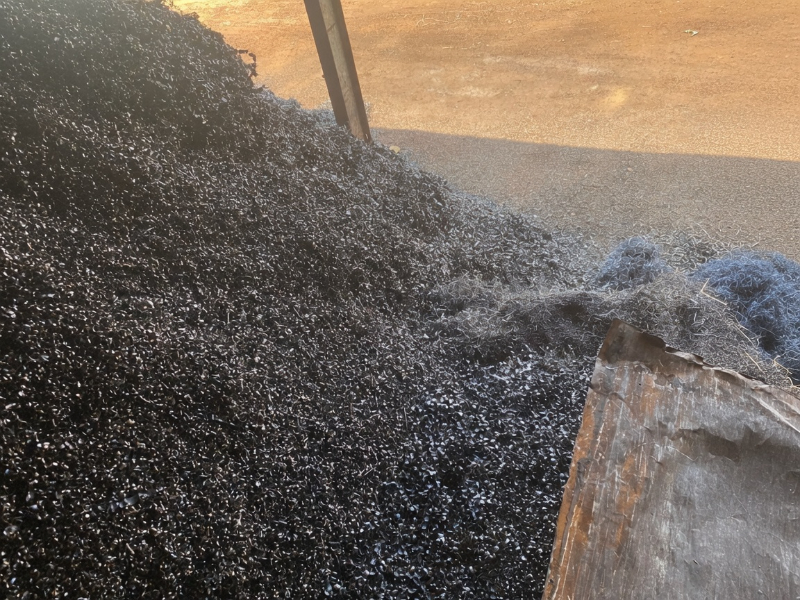
What are Steel Turnings & Borings?
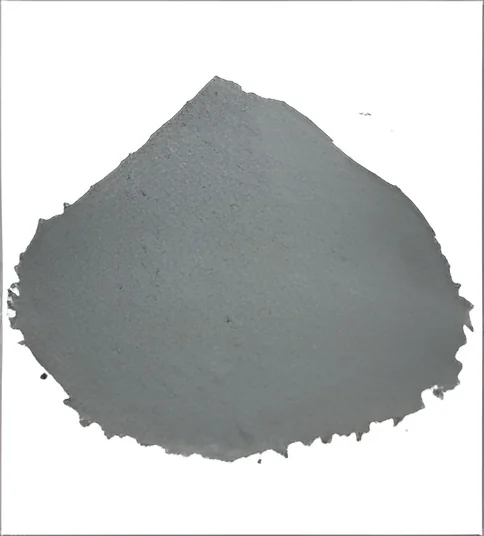
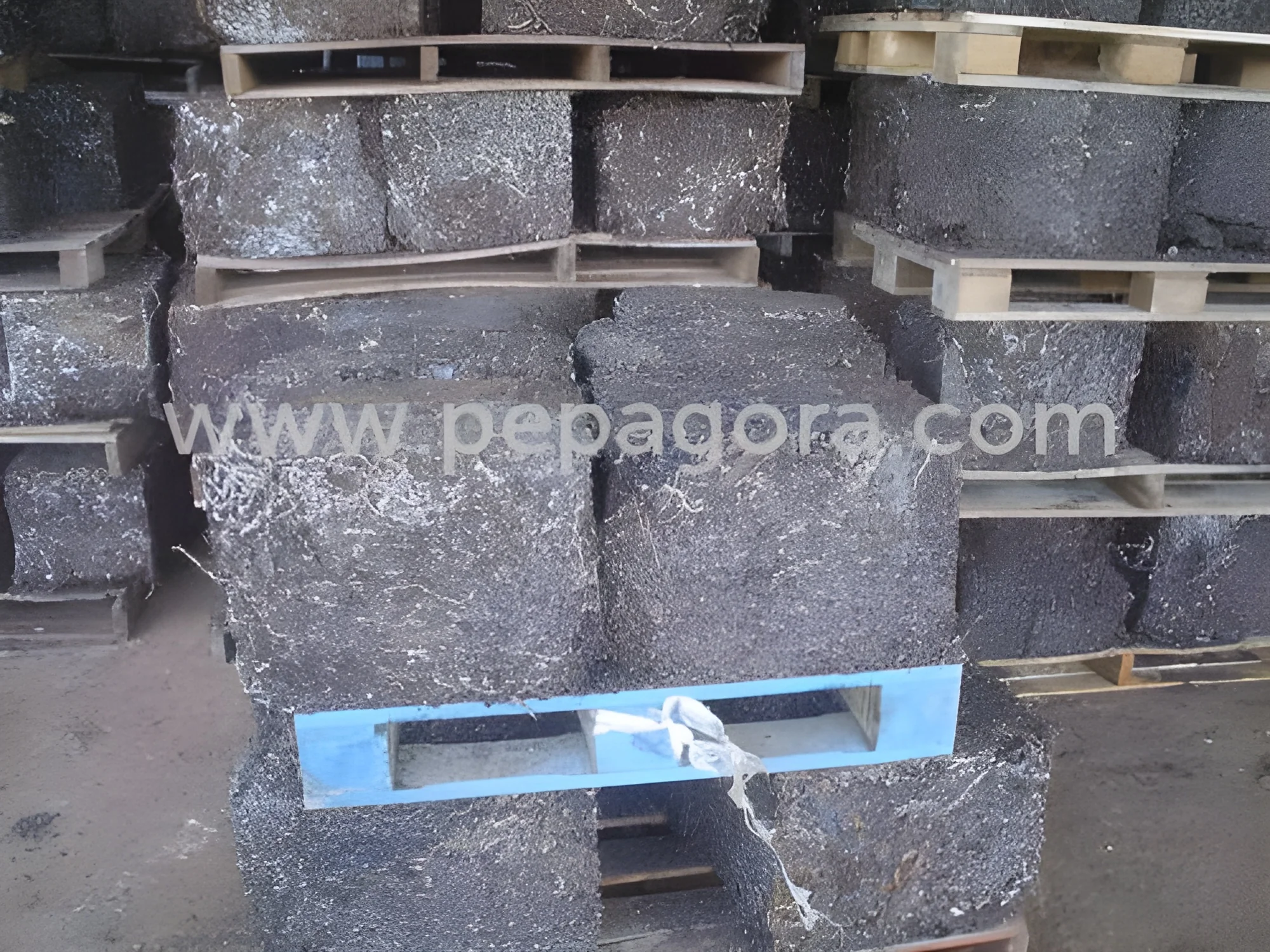
Steel turnings and borings are by-products generated during the machining of steel components. Steel turnings refer to the fine, curly metal shavings produced when metal is cut or shaped, while borings are the cylindrical chips created when a hole is drilled into steel. These materials are typically collected and recycled, contributing to sustainability in manufacturing processes.
These products have a range of applications across various industries. They can be repurposed for the production of new steel products or used as raw materials in different manufacturing processes. Additionally, they are often utilized in the production of alloys and as feedstock for metal recycling facilities. The relevance of steel turnings and borings in the market is significant, as they represent both an opportunity for resource recovery and a means of reducing waste in industrial operations.
Key Features and Specifications
Steel turnings and borings come with a variety of specifications that cater to different industrial needs. Understanding these specifications is crucial for selecting the appropriate product for your specific application.
Key specifications include:
1. Material Composition
- Primarily composed of various grades of steel, including carbon steel and alloy steel.
- Composition can vary based on the machining process and the source of the material.
2. Size and Shape
- Available in various sizes, typically ranging from fine shavings to larger cylindrical pieces.
- Shape is determined by the machining process used to create them.
3. Purity Level
- Purity can vary, with higher purity levels preferred for recycling and manufacturing.
- Contaminants may include oils and other residues from machining processes.
4. Moisture Content
- Moisture levels should be minimal to prevent corrosion and degradation.
- Specifications typically require low moisture content for optimal handling.
5. Magnetism
- Steel turnings and borings are generally ferromagnetic, which aids in their collection.
- Magnetic properties can vary based on the type of steel.
6. Density
- Density can affect the handling and processing of these materials.
- Typical density values range according to the type of steel used.
7. Recyclability
- Both products are highly recyclable and can be reprocessed into new steel products.
- Recycling processes may vary based on local capabilities and regulations.
In summary, understanding these specifications helps businesses select the right steel turnings and borings for their operations, ensuring efficiency and quality in their applications.
Common Applications and Use Cases
Steel turnings and borings serve various industries due to their versatility and recyclability.
1. Manufacturing: Steel turnings are commonly used in manufacturing processes to create new steel components. They can be melted down and reformed, reducing the need for virgin materials.
2. Construction: In the construction industry, steel borings can be used in the production of concrete and as aggregate materials, providing necessary structural support.
3. Automotive: Both turnings and borings are utilized in the automotive sector for producing parts, contributing to the recycling of steel in vehicle manufacturing.
4. Aerospace: The aerospace industry benefits from these materials in the production of lightweight components, ensuring high-performance standards.
5. Metal Recycling: Steel turnings and borings are integral to metal recycling operations, where they are processed and transformed into usable materials.
6. Energy: In energy production, these materials can be repurposed for various applications, including turbine manufacturing and machinery components.
7. Shipbuilding: The shipbuilding industry uses recycled steel turnings and borings for the production of ship components and other marine applications.
Product Variants and Subcategories
Steel turnings and borings come in various forms, allowing for flexibility in their applications.
Standard Steel Turnings
These are the most common form of steel turnings, generated during standard machining processes. They are typically used in recycling to produce new steel products or alloys.
High-Grade Steel Borings
High-grade steel borings are sourced from precision machining processes, ensuring a higher quality of steel. They are often utilized in industries requiring stringent quality standards, such as aerospace and automotive sectors.
Recycled Steel Turnings
These turnings are collected from various manufacturing processes and reprocessed for reuse. They serve as an eco-friendly option for companies looking to reduce their environmental impact.
Benefits and Advantages
Steel turnings and borings offer several advantages to businesses in various sectors.
1. Cost-Effectiveness: Recycling steel turnings and borings can significantly reduce production costs compared to using raw materials.
2. Sustainability: Utilizing recycled materials contributes to sustainable practices, minimizing waste and lowering the carbon footprint.
3. Versatility: These materials can be repurposed for numerous applications across different industries, enhancing their utility.
4. Quality Assurance: High-quality steel turnings and borings can meet rigorous industry standards, ensuring the reliability of final products.
5. Resource Efficiency: Sourcing steel turnings and borings promotes resource efficiency by maximizing the use of available materials.
6. Streamlined Supply Chain: The availability of turnings and borings from local suppliers can simplify the supply chain process for manufacturers.
Buying Guide for B2B Buyers
When sourcing steel turnings and borings, it is essential to consider several factors to ensure you select the right materials for your needs.
1. Quality Assessment: Evaluate the quality of steel turnings and borings by checking for purity levels and the absence of contaminants. High-quality materials will provide better performance in applications.
2. Supplier Verification: Vet suppliers to ensure they have a reliable track record in providing quality steel products. Look for reviews and certifications that demonstrate their credibility.
3. Pricing and MOQ: Understand the pricing structure and minimum order quantities. Compare quotes from different suppliers to find competitive pricing without compromising quality.
4. Delivery and Lead Times: Inquire about delivery schedules and lead times to ensure timely supply for your operations. Efficient logistics can prevent delays in production.
5. Compliance Requirements: Be aware of regulatory compliance requirements in your region, including safety standards and environmental regulations that may apply to steel turnings and borings.
Compliance and Certifications
Compliance and certifications are vital in the manufacturing and recycling of steel turnings and borings. Adherence to quality standards ensures that products meet industry requirements.
One of the key quality standards is ISO 9001, which outlines the criteria for a quality management system. This standard helps organizations ensure they consistently provide products that meet customer and regulatory requirements.
Additionally, certifications such as CE signify that products comply with European safety, health, and environmental protection standards. This is particularly important for businesses operating in markets with stringent regulatory frameworks.
Safety and testing requirements also play a crucial role in ensuring that steel turnings and borings are safe for use. Regular testing for contaminants and physical properties helps maintain product integrity.
Regional compliance considerations may vary, so it is essential for businesses to stay informed about local regulations regarding the recycling and use of steel products.
Why Source Steel Turnings & Borings from Pepagora?
Pepagora provides a trusted platform for sourcing steel turnings and borings, offering several key advantages to buyers.
Verified Supplier Network: Pepagora connects buyers with verified suppliers, ensuring you receive quality products from reputable sources. This network helps streamline the procurement process and builds trust between buyers and suppliers.
Streamlined RFQ Process: The request for quotation (RFQ) system at Pepagora simplifies the process of obtaining quotes from multiple suppliers. This feature allows buyers to compare prices and terms efficiently.
Trade Assurance and Support: Pepagora offers trade assurance, protecting buyers throughout the purchasing process. Their support team is available to assist with any inquiries or issues that may arise, ensuring a smooth transaction.
Regional Coverage: With a broad geographic reach across India, GCC, and Southeast Asia, Pepagora allows buyers to access a diverse range of suppliers. This regional coverage enhances the chances of finding the right materials to suit specific needs.

 IN
IN