What are Industrial Equipment Scrap?
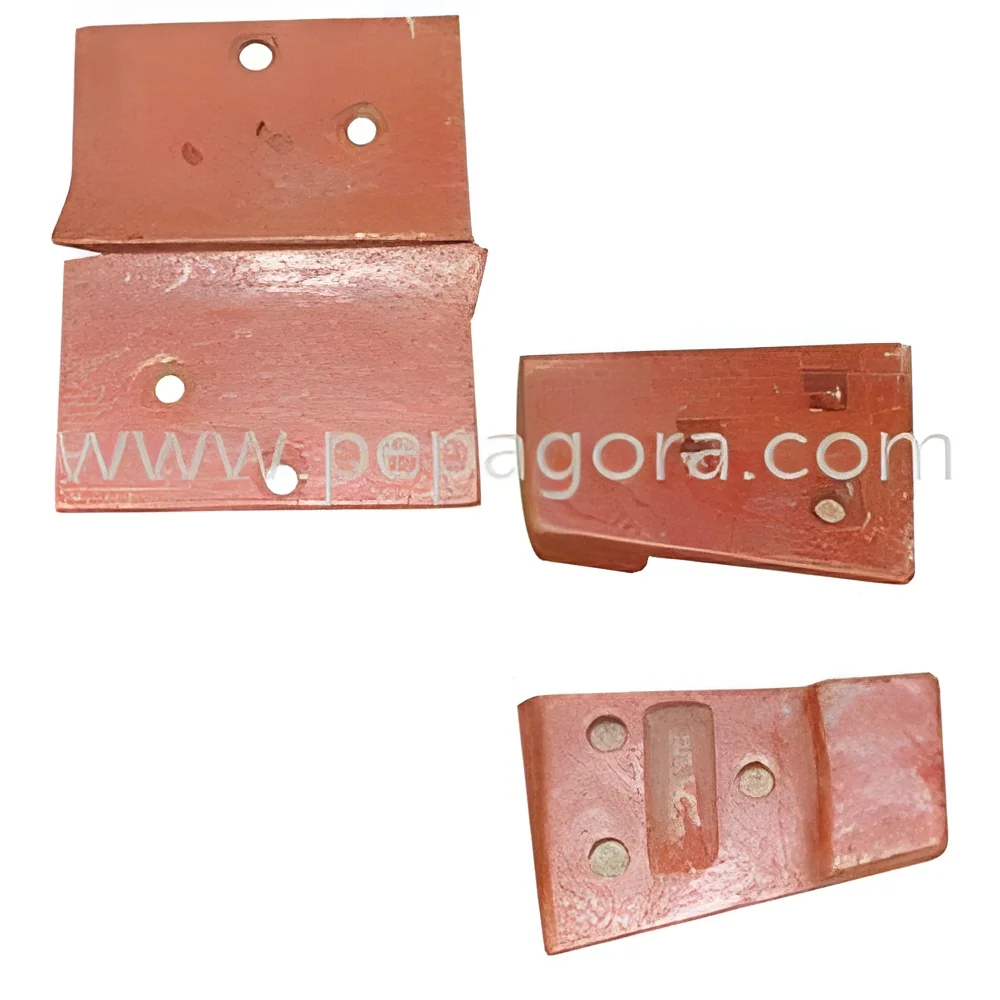
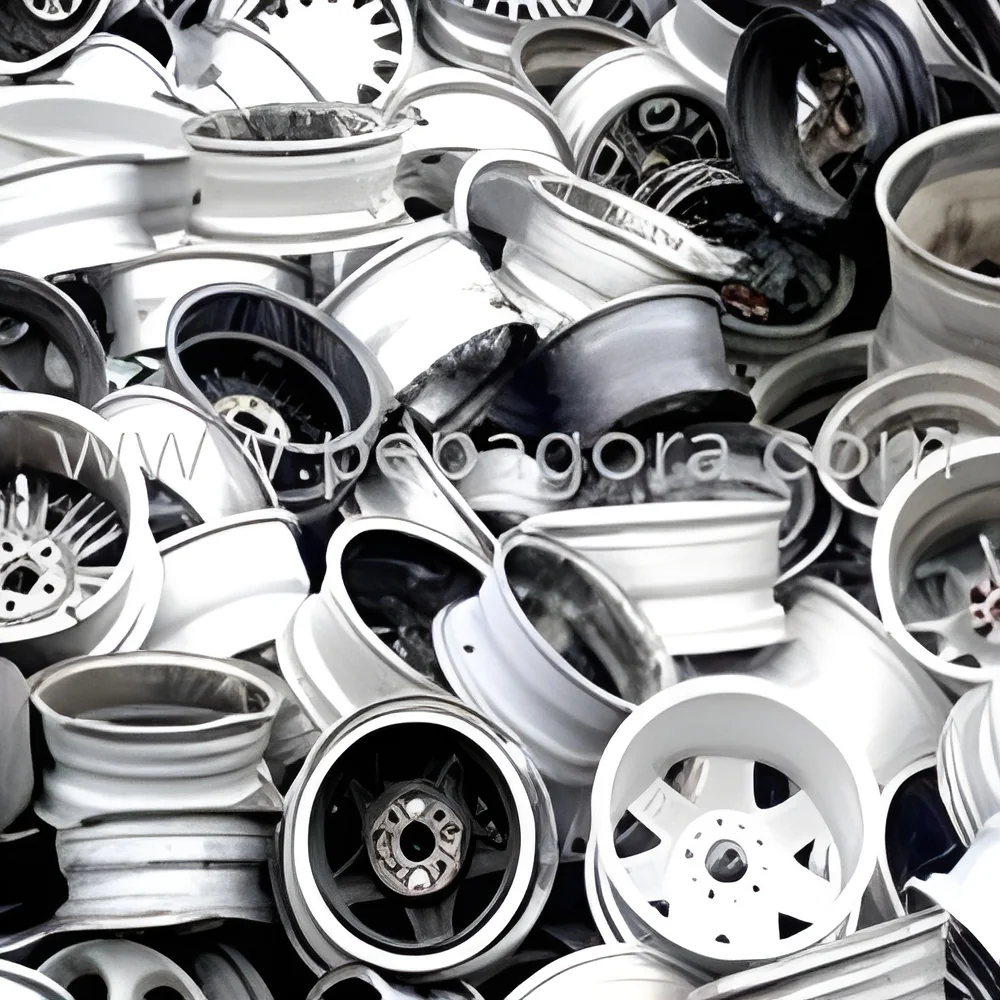
Industrial Equipment Scrap refers to discarded or unused materials that originate from various industrial processes. This scrap can include metal, plastic, or electronic components derived from manufacturing, construction, and other industrial applications. The materials are often recycled or repurposed, making them valuable for businesses looking to minimize waste and reduce operational costs.
The primary uses of Industrial Equipment Scrap involve recycling and recovery. Businesses can sell scrap materials to recycling facilities, which process the materials into reusable products. Additionally, companies can utilize scrap in manufacturing processes to create new items, thereby reducing the demand for virgin resources. This practice not only promotes environmental sustainability but also helps businesses manage their waste more effectively.
In the current market, the demand for recycled materials continues to grow due to increasing environmental regulations and the push for sustainable practices. Businesses across various sectors are becoming more aware of the importance of recycling and waste management. This trend is driving the market for Industrial Equipment Scrap, making it a relevant and essential component of modern industrial operations.
Key Features and Specifications
Industrial Equipment Scrap is characterized by its diverse types and qualities, which can vary significantly depending on the source and composition. Understanding the specifications of scrap materials is crucial for businesses looking to optimize their recycling processes or sourcing strategies.
Key specifications include:
1. Material Type
- Common types include ferrous metals, non-ferrous metals, plastics, and electronic waste.
- Each type has different recycling processes and end-use applications.
2. Size and Shape
- Scrap can come in various sizes, from small shavings to large components.
- The size may affect processing methods and transportation logistics.
3. Contamination Level
- Indicates the presence of non-recyclable materials within the scrap.
- Higher contamination levels may lower the value and usability of the scrap.
4. Weight
- Scrap is often measured by weight, which influences pricing.
- Weight can vary widely depending on the type and condition of the material.
5. Source of Scrap
- Industrial Equipment Scrap can originate from manufacturing plants, construction sites, or electronic waste facilities.
- The source may determine the quality and type of scrap available.
6. Market Demand
- Fluctuations in demand can affect pricing and availability.
- Understanding market trends is essential for effective sourcing.
In summary, the specifications of Industrial Equipment Scrap play a vital role in determining its value, usability, and market potential.
Common Applications and Use Cases
Industrial Equipment Scrap serves numerous industries, providing valuable materials for various applications.
1. Manufacturing: Scrap materials are often recycled into new products, such as metal components, plastic parts, and electronic devices.
2. Construction: Recycled metals and plastics can be used in building materials, reducing the need for virgin resources and promoting sustainability.
3. Automotive: Scrap from manufacturing processes can be repurposed into vehicle parts, contributing to the circular economy within the automotive sector.
4. Electronics: Electronic scrap can be processed to recover valuable metals and components, which can then be reused in new electronic devices.
5. Aerospace: Aircraft manufacturers utilize recycled materials to create lightweight components, enhancing fuel efficiency and reducing costs.
6. Energy: Scrap metals can be used in energy generation processes, such as in the production of biofuels or energy-efficient systems.
7. Agriculture: Recycled plastics can be utilized in various agricultural applications, including irrigation systems and greenhouse structures.
Product Variants and Subcategories
Industrial Equipment Scrap encompasses a wide range of materials and types, catering to different needs and applications.
Ferrous Scrap Metal
This variant includes materials such as iron and steel, which are widely recycled in the manufacturing of new metal products. Ferrous scrap is valued for its magnetic properties, making it easily separable during recycling.
Non-Ferrous Scrap Metal
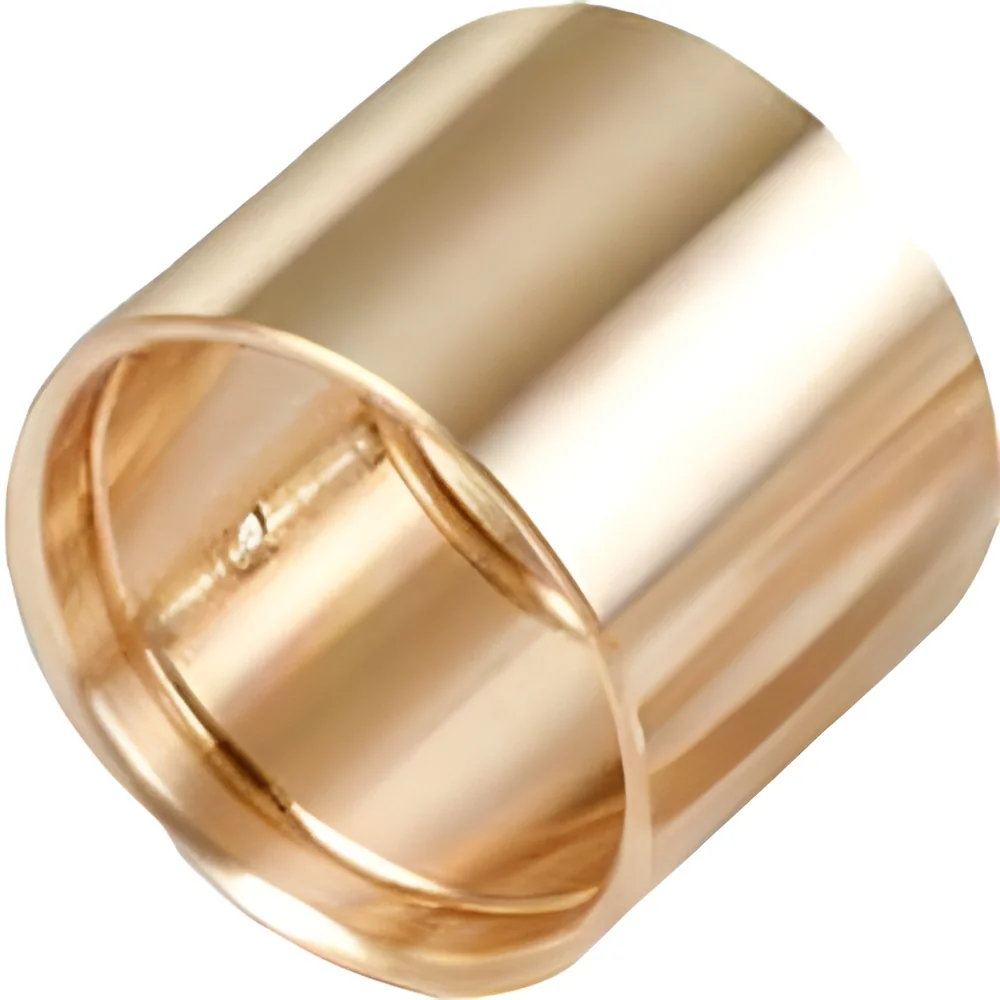
Non-ferrous scrap includes metals such as aluminum, copper, and brass. These materials are often sought after for their lightweight and corrosion-resistant properties and are commonly used in electrical applications and high-strength products.
Plastic Scrap
Plastic scrap consists of various types of plastics, which can be recycled into new plastic products. This variant is essential for reducing plastic waste and promoting sustainability in manufacturing processes.
Electronic Scrap
This category includes discarded electronic devices and components. Electronic scrap often contains valuable metals such as gold, silver, and copper, making it a lucrative source for recycling.
Benefits and Advantages
Sourcing Industrial Equipment Scrap can provide numerous advantages for businesses.
1. Cost Savings: Recycling scrap materials can significantly reduce costs associated with raw materials and waste disposal.
2. Environmental Impact: Utilizing scrap helps decrease landfill waste and lowers the carbon footprint of manufacturing processes.
3. Resource Efficiency: Recycling promotes the efficient use of resources by reintroducing materials into the production cycle.
4. Compliance with Regulations: Many industries face stringent environmental regulations, and integrating scrap recycling can help ensure compliance.
5. Market Opportunities: As demand for recycled materials grows, businesses can capitalize on new market opportunities through the sale of scrap.
6. Improved Brand Image: Companies that prioritize recycling and sustainability can enhance their brand reputation and appeal to environmentally conscious consumers.
Buying Guide for B2B Buyers
When sourcing Industrial Equipment Scrap, businesses should consider several key factors to ensure they make informed purchasing decisions.
1. Quality Assessment: Evaluate the quality of scrap materials by checking for contamination levels and overall composition. Higher quality scrap typically yields better recycling results.
2. Supplier Verification: Vet potential suppliers to ensure they have a reliable reputation and adhere to industry standards. This can include checking references and reviewing certifications.
3. Pricing and MOQ: Understand the pricing structures and minimum order quantities (MOQ) associated with scrap materials. This knowledge can aid in budgeting and negotiation.
4. Delivery and Lead Times: Confirm delivery timelines and logistics arrangements to ensure timely access to scrap materials for production needs.
5. Compliance Requirements: Familiarize yourself with any regulatory compliance needs related to recycling and waste management in your region.
Compliance and Certifications
In the realm of Industrial Equipment Scrap, compliance with quality standards and certifications is crucial for ensuring the safety and effectiveness of recycling processes.
Relevant quality standards include ISO 9001, which focuses on quality management systems, and HACCP, which is essential for ensuring food safety in related industries. These standards help maintain the integrity of recycled materials and promote consistent quality.
Industry certifications such as CE indicate that products meet European safety, health, and environmental protection standards. This certification is particularly relevant for businesses involved in international trade.
Safety and testing requirements are also significant, as they ensure that scrap materials do not pose risks during processing or use. Businesses should be aware of regional compliance considerations, as regulations may vary by location.
Why Source Industrial Equipment Scrap from Pepagora?
Pepagora provides a trusted platform for sourcing Industrial Equipment Scrap, offering several key advantages for businesses.
Verified Supplier Network: Pepagora ensures that all suppliers on the platform are thoroughly vetted. This process guarantees reliability and adherence to industry standards, providing peace of mind for buyers.
Streamlined RFQ Process: The Request for Quotation (RFQ) system simplifies the procurement process, allowing buyers to quickly receive competitive quotes from multiple suppliers. This efficiency can save time and enhance decision-making.
Trade Assurance and Support: Pepagora offers trade assurance to protect buyers throughout the purchasing process. This support includes assistance with disputes and ensures that transactions are secure.
Regional Coverage: With a strong presence in India, the GCC, and Southeast Asia, Pepagora connects buyers with suppliers across a wide geographic area. This reach enhances the availability of diverse scrap materials, catering to various industrial needs.

 IN
IN