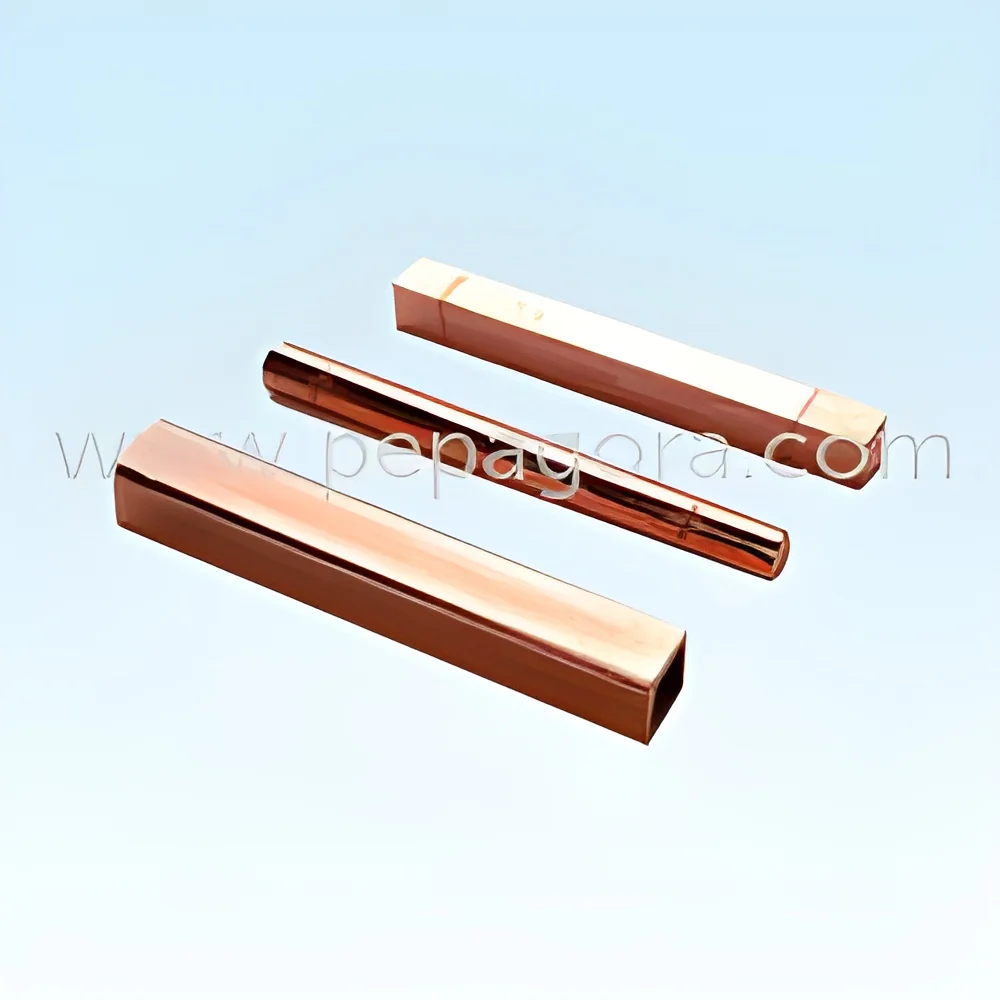
What are Copper Scrap?
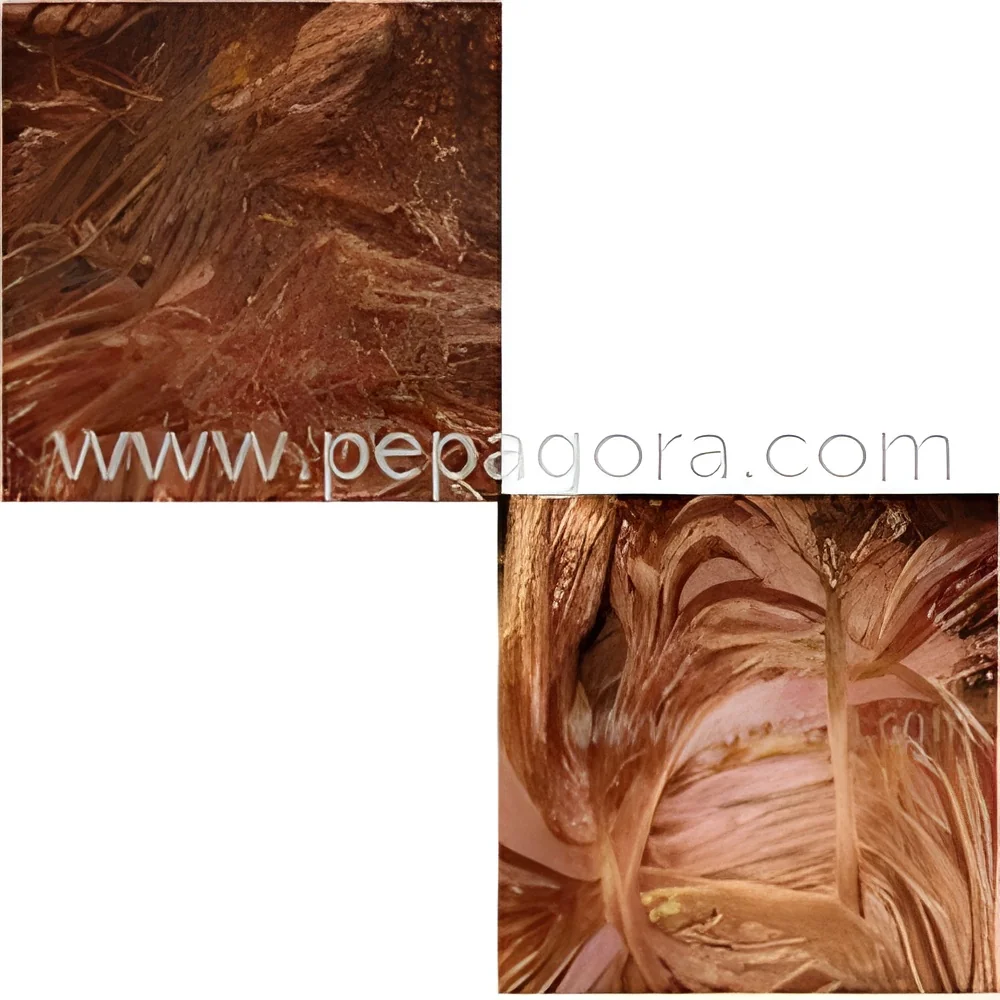
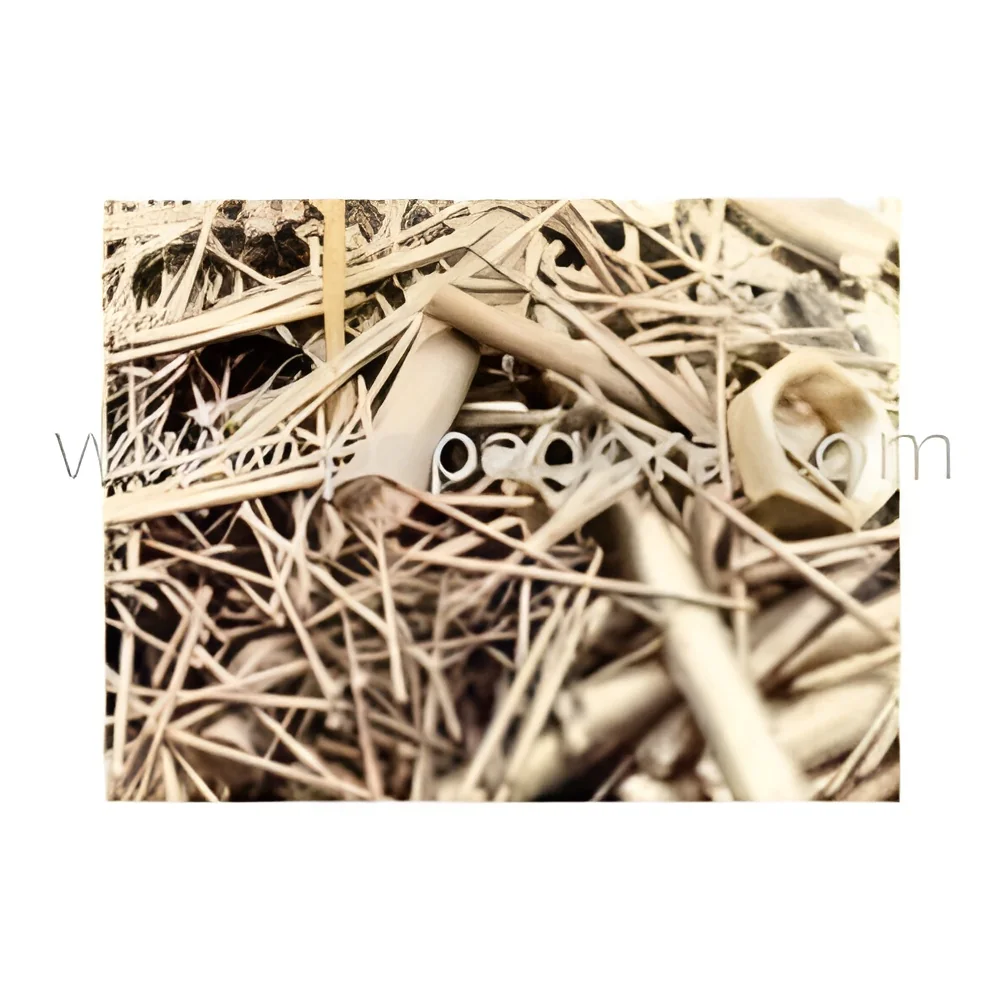
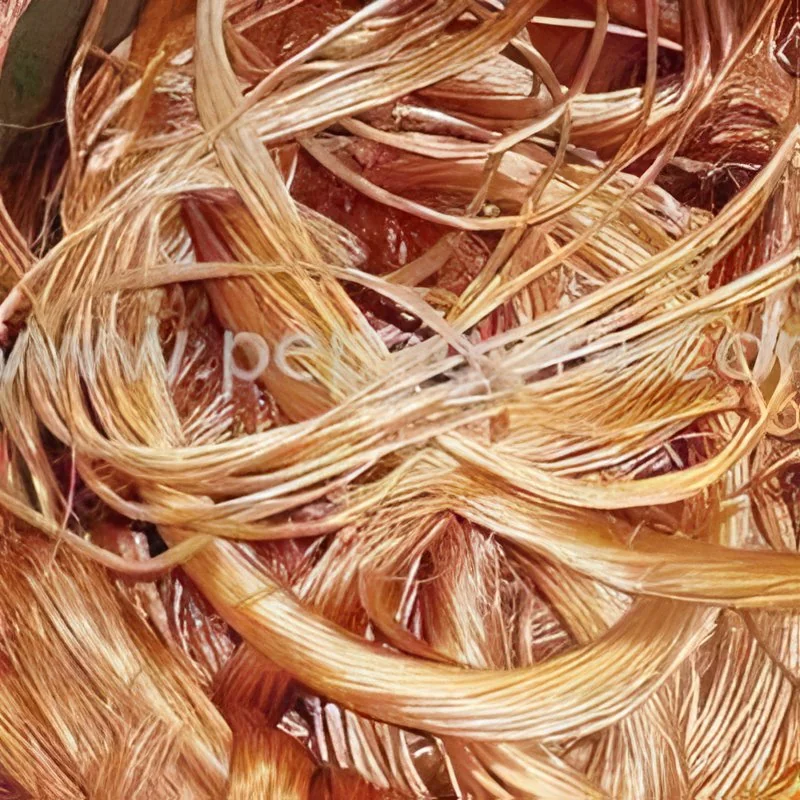
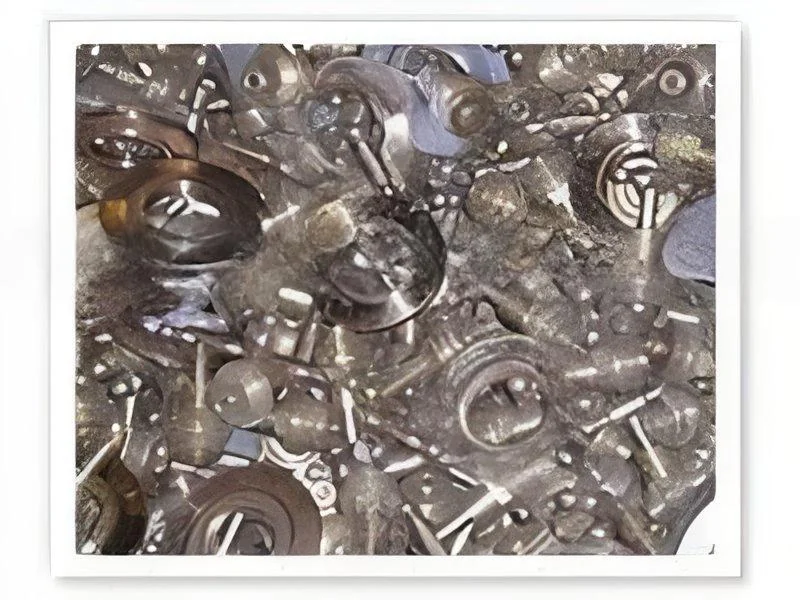
Copper scrap refers to any copper materials that can no longer be used for their original purpose and are collected for recycling. This includes a variety of sources such as electrical wiring, plumbing pipes, roofing materials, and industrial machinery components. The recycling process involves collecting, sorting, and processing these materials to produce new copper products. As a highly conductive and versatile metal, copper is in high demand across numerous industries, making copper scrap an essential resource for manufacturers and recyclers alike.
The primary uses of copper scrap revolve around its ability to be melted down and reformed into new copper products. This recycling process conserves natural resources and reduces environmental impact by minimizing the need for new copper mining. Businesses in construction, electrical, automotive, and manufacturing sectors utilize recycled copper for a range of applications. The copper recycling industry is significant in the global market, with rising demand for sustainable materials driving the need for efficient scrap collection and processing.
Key Features and Specifications
Copper scrap is characterized by its diverse types and grades, which impact its market value and usability. Understanding these specifications is crucial for both suppliers and buyers in the B2B space. Key specifications include:
1. Grade of Copper Scrap
- Copper scrap is often categorized by grades such as bare bright, #1 copper, #2 copper, and others.
- Each grade has specific copper content and quality characteristics that influence pricing.
2. Purity Levels
- Purity levels reflect the percentage of copper in the scrap material.
- High purity levels (typically over 95%) are more desirable for recycling industries.
3. Physical Condition
- The physical condition of the scrap, including cleanliness and presence of contaminants, affects its value.
- Cleaner scrap fetches higher prices in the market.
4. Source of Scrap
- The source can vary widely and includes residential, commercial, and industrial origins.
- Industrial scrap often offers higher grades due to larger quantities.
5. Market Trends and Prices
- The market for copper scrap fluctuates based on demand and supply dynamics.
- Prices may vary significantly based on current market conditions.
6. Regional Availability
- Availability of copper scrap can differ by region, influencing sourcing strategies.
- Local market conditions can affect transportation and logistics costs.
In summary, understanding these specifications helps businesses make informed decisions and ensures they acquire the right type of copper scrap for their needs.
Common Applications and Use Cases
Copper scrap finds extensive applications across multiple industries due to its excellent conductivity and recyclability.
1. Construction: In the construction industry, copper scrap is often reused in plumbing systems, electrical wiring, and roofing materials, contributing to sustainable building practices.
2. Electrical Manufacturing: Electrical manufacturers utilize copper scrap to produce new wiring, connectors, and other components, minimizing waste and resource consumption.
3. Automotive: The automotive sector often relies on recycled copper for electrical systems and components, supporting eco-friendly manufacturing processes.
4. Renewable Energy: In renewable energy applications, copper scrap is used in solar panels and wind turbines, aiding in the transition to sustainable energy solutions.
5. Industrial Machinery: Manufacturers of industrial machinery recycle copper scrap for parts and components, enhancing operational efficiency.
6. Consumer Electronics: The consumer electronics industry often repurposes copper scrap in devices such as smartphones and computers.
7. Telecommunications: Telecommunications infrastructure relies heavily on copper for wiring and components, making recycled copper a valuable resource.
Product Variants and Subcategories
Copper scrap encompasses a variety of forms, each suited for different applications and industries.
Bare Bright Copper Scrap
This variant is known for its high purity and minimal contaminants, making it ideal for electrical wiring and applications requiring superior conductivity.
#1 Copper Scrap
This grade contains a higher percentage of pure copper and is often sourced from clean scrap without heavy oxidation, making it suitable for recycling processes.
#2 Copper Scrap
With some oxidation and solder, this type is commonly found in plumbing applications and is generally less expensive than higher grades.
Benefits and Advantages
Sourcing copper scrap offers numerous benefits that contribute to sustainable practices and economic efficiency.
1. Environmental Sustainability: Recycling copper scrap significantly reduces environmental impact by conserving natural resources and lowering energy consumption compared to mining new copper.
2. Cost-Effectiveness: Utilizing copper scrap can be more cost-effective than sourcing new copper, providing financial advantages for businesses.
3. Resource Efficiency: Recycling copper helps in reducing waste and promotes efficient use of materials, aligning with circular economy principles.
4. Market Demand: The growing demand for recycled materials across various sectors makes copper scrap a viable business opportunity.
5. Versatile Applications: Copper scrap can be repurposed in diverse industries, ensuring a wide range of applications and usability.
6. Reduced Carbon Footprint: By recycling copper, businesses can contribute to lower carbon emissions, supporting global sustainability goals.
Buying Guide for B2B Buyers
When looking to source copper scrap, buyers should consider several essential factors to ensure they make informed purchasing decisions.
1. Quality Assessment: It is crucial to evaluate the quality of the copper scrap being offered. Look for specifications regarding purity levels and physical condition to ensure it meets industry standards.
2. Supplier Verification: Vetting suppliers is essential to ensure reliability and integrity. Check for certifications, customer reviews, and their track record in the industry.
3. Pricing and MOQ: Understanding the market price for copper scrap and the minimum order quantities (MOQ) set by suppliers aids in budgeting and cost management.
4. Delivery and Lead Times: Clarify logistics parameters, including delivery schedules and lead times, to ensure timely availability of the copper scrap.
5. Compliance Requirements: Be aware of any regulatory compliance requirements associated with sourcing copper scrap, including safety and environmental standards.
Compliance and Certifications
Copper scrap is subject to various compliance and certification standards that ensure safety and quality in the recycling process.
Quality standards such as ISO 9001 help ensure that suppliers meet specified quality management criteria, leading to consistent product quality.
In addition, certifications like CE signify that the copper scrap complies with European safety and environmental regulations, enhancing marketability.
Safety and testing requirements are critical in the recycling industry to ensure that the materials meet health and safety standards, preventing contamination and hazards.
Regional compliance considerations may vary, so it is essential for businesses to understand local regulations regarding the sourcing and processing of copper scrap.
Why Source Copper Scrap from Pepagora?
Pepagora provides a trusted platform for sourcing copper scrap, offering several key advantages to B2B buyers.
Verified Supplier Network: Pepagora has a rigorous supplier verification process, ensuring that all suppliers meet quality and reliability standards. This gives buyers confidence in their sourcing decisions.
Streamlined RFQ Process: The request for quotation (RFQ) process on Pepagora is user-friendly, allowing buyers to submit their requirements easily and receive competitive offers from multiple suppliers.
Trade Assurance and Support: Pepagora offers trade assurance for buyers, protecting their investments and providing support throughout the transaction process to address any concerns.
Regional Coverage: With a strong presence in India, the GCC, and Southeast Asia, Pepagora's geographic reach makes it easy for buyers to source copper scrap from trusted suppliers in their region, optimizing logistics and delivery times.

 IN
IN