IN
IN₹
Apparel & Fashion
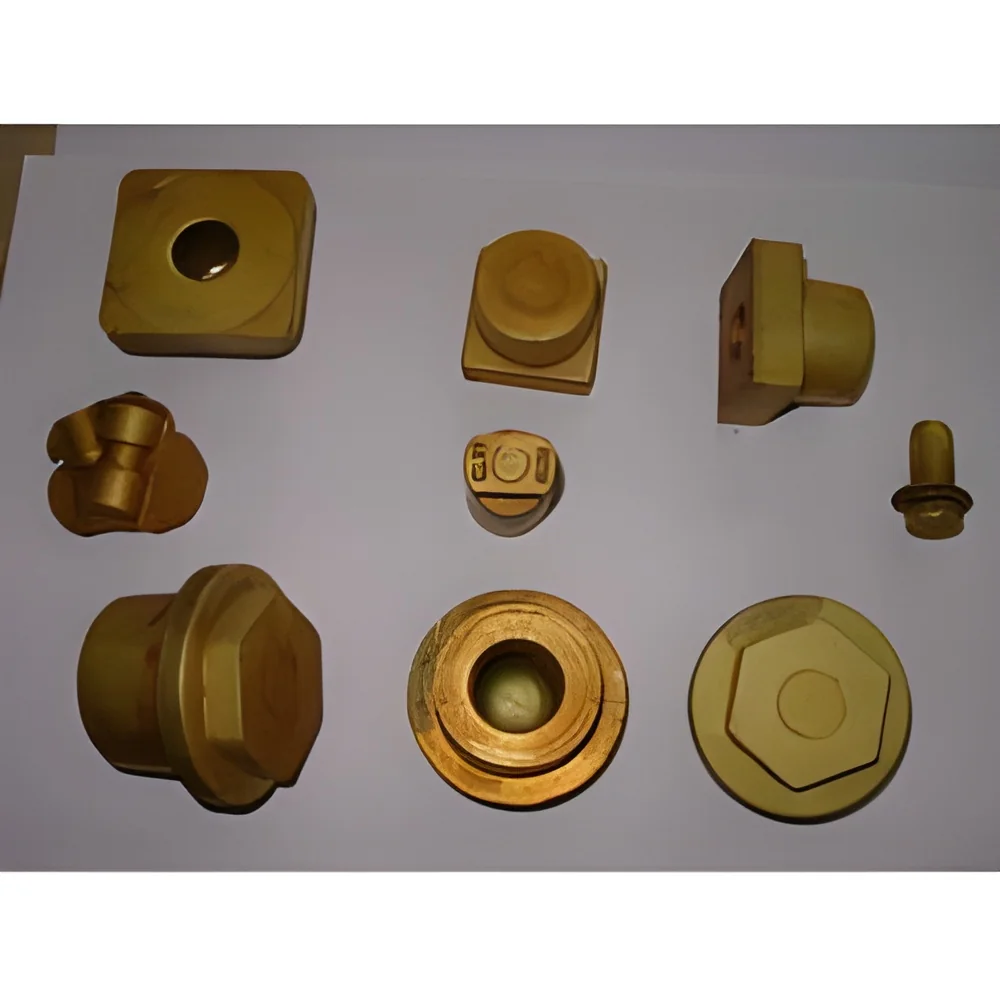
Description
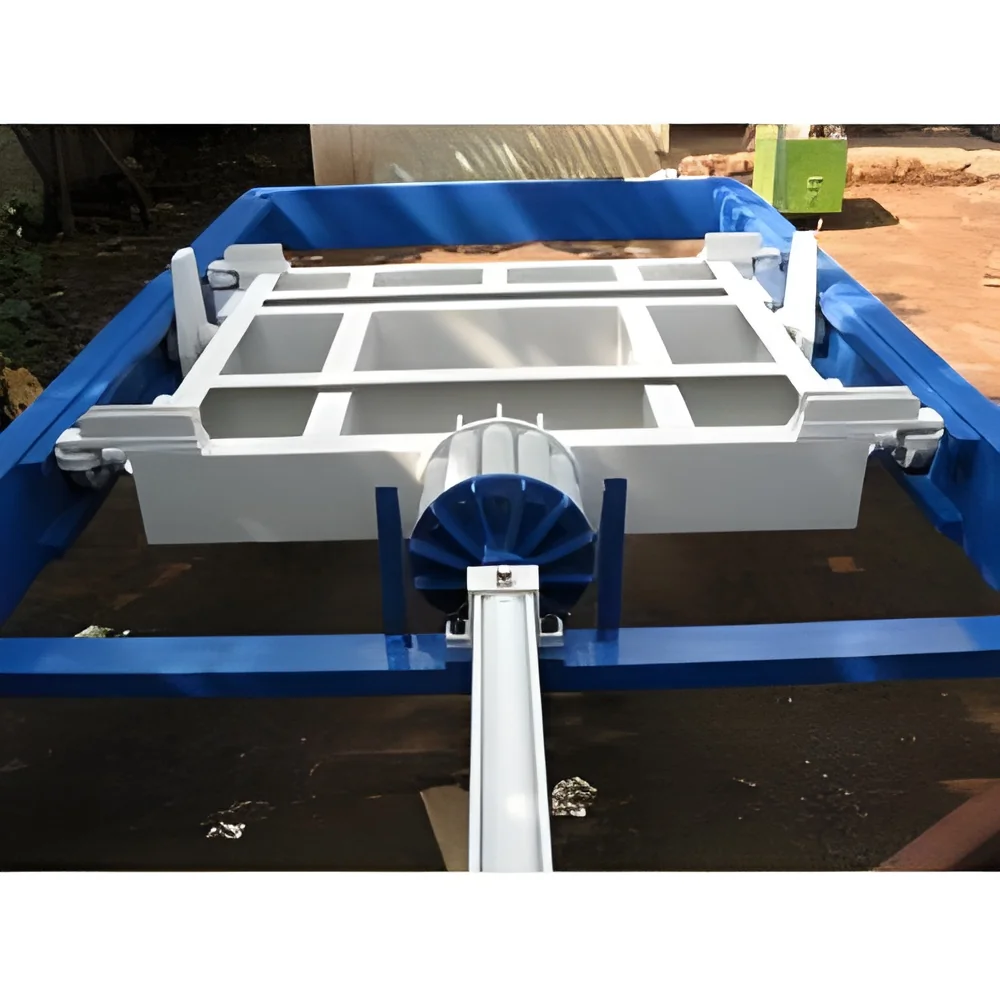
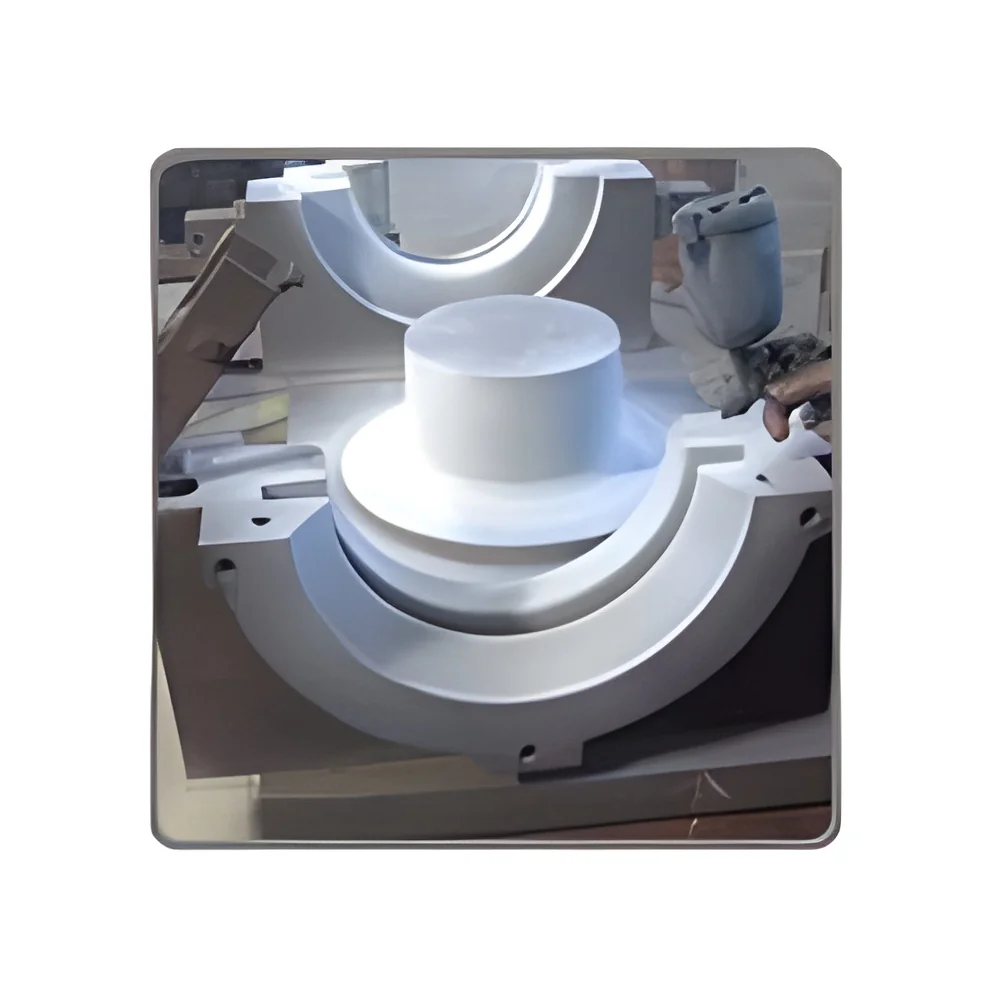
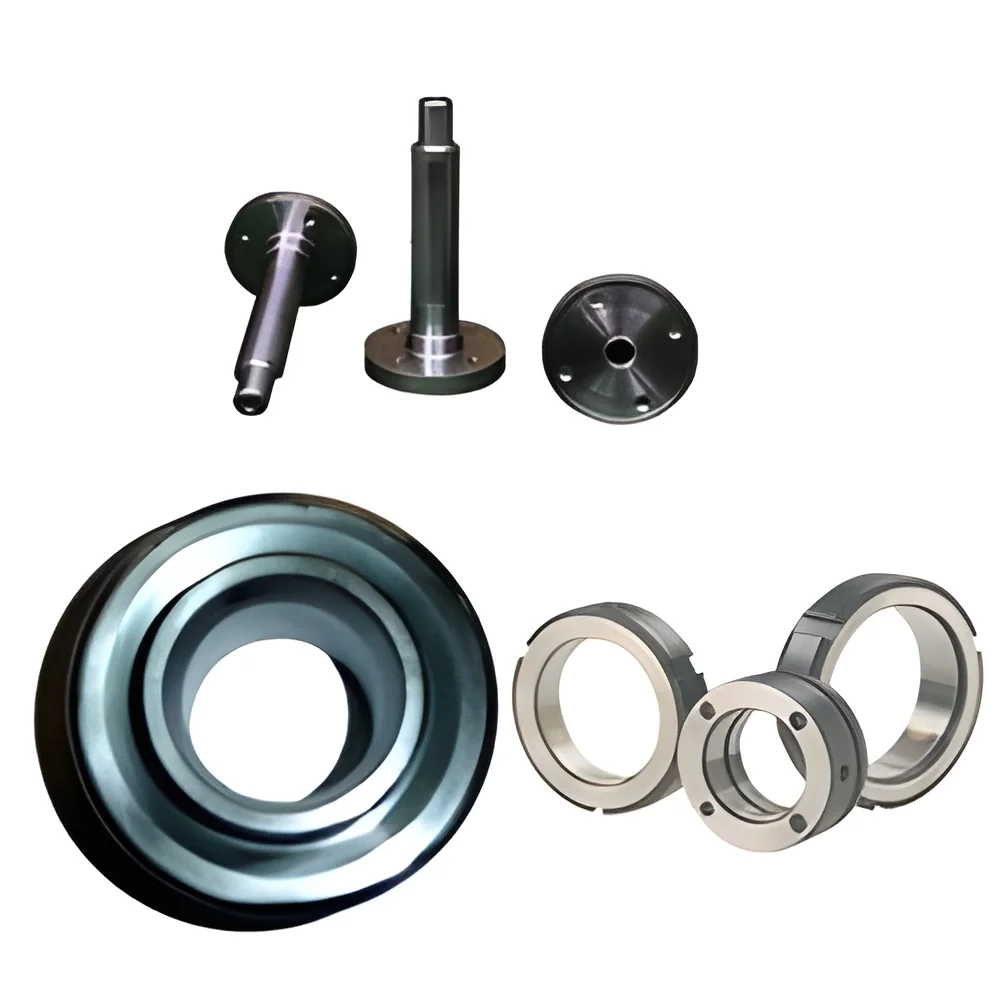
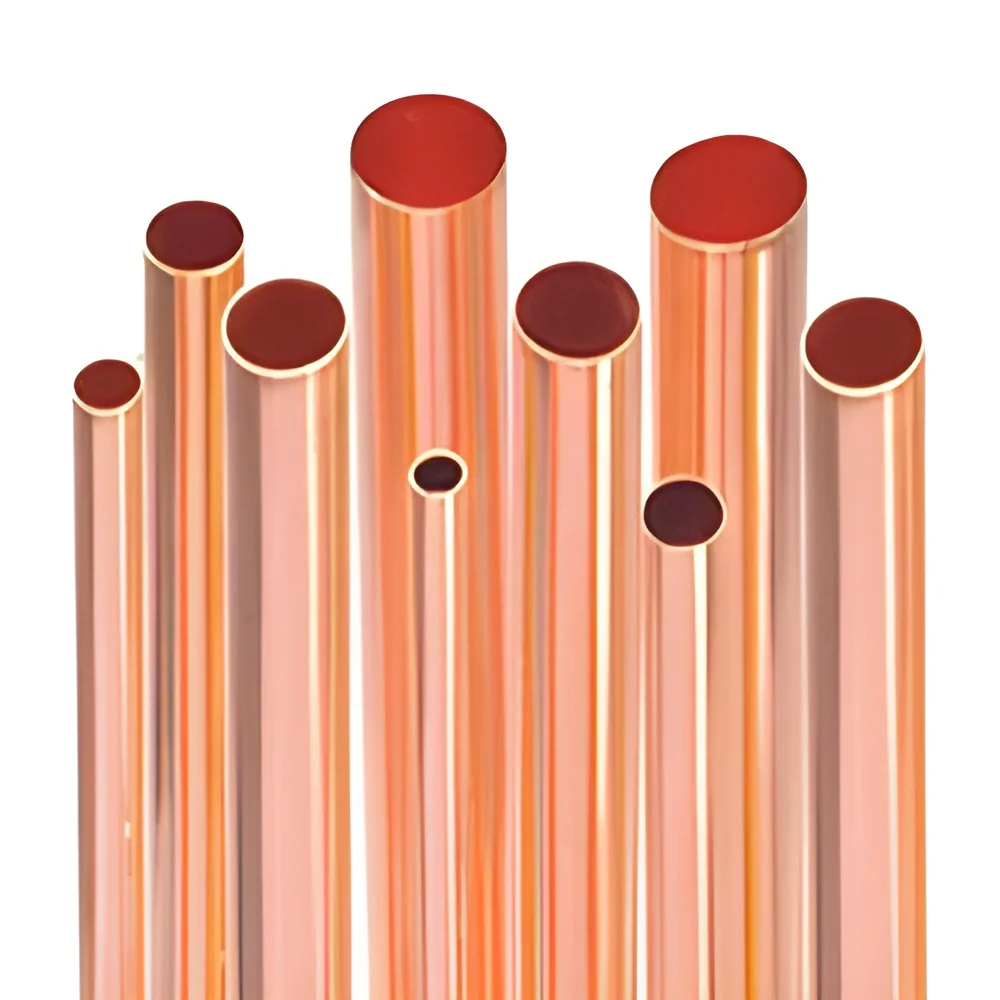
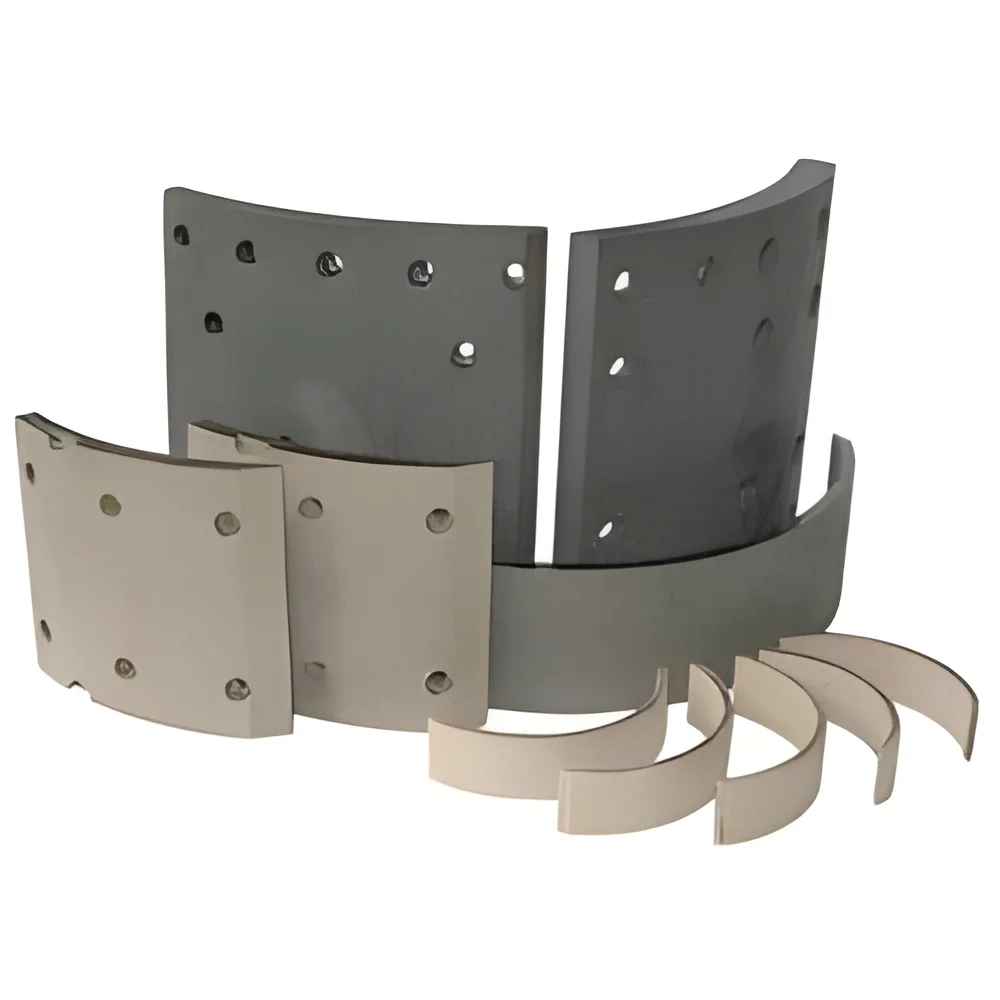
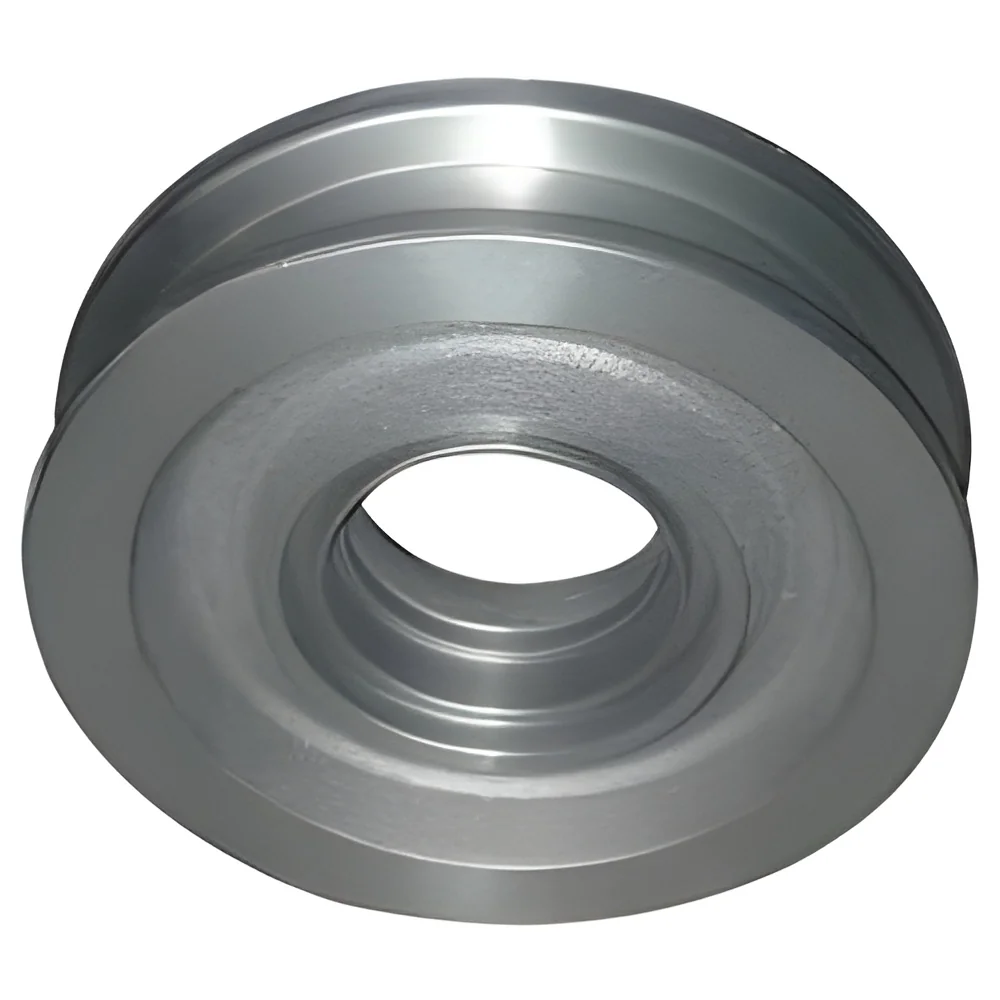
Industrial non-ferrous forged components represent the pinnacle of metal part manufacturing for critical applications. Produced from high-grade copper, brass, and aluminum alloys through controlled high-pressure forging, these components achieve superior mechanical properties unattainable by other methods. The forging process refines the metal's internal grain structure, eliminating porosity and defects while enhancing strength, toughness, and fatigue resistance. This results in parts that consistently outperform cast or machined alternatives in demanding environments. Each component is engineered to deliver reliable performance under extreme conditions of stress, temperature, and corrosion, ensuring long service life and minimal maintenance requirements. The inherent qualities of non-ferrous metals—including excellent corrosion resistance, non-magnetic properties, and superior conductivity—are maximized through this manufacturing technique.

These forged components serve as foundation...
Industrial non-ferrous forged components represent the pinnacle of metal part manufacturing for critical applications. Produced from high-grade copper, brass, and aluminum alloys through controlled high-pressure forging, these components achieve superior mechanical properties unattainable by other methods. The forging process refines the metal's internal grain structure, eliminating porosity and defects while enhancing strength, toughness, and fatigue resistance. This results in parts that consistently outperform cast or machined alternatives in demanding environments. Each component is engineered to deliver reliable performance under extreme conditions of stress, temperature, and corrosion, ensuring long service life and minimal maintenance requirements. The inherent qualities of non-ferrous metals—including excellent corrosion resistance, non-magnetic properties, and superior conductivity—are maximized through this manufacturing technique.

These forged components serve as foundational elements across industries where performance and safety are non-negotiable. In the automotive sector, they are integral to engine and drivetrain systems, handling high thermal loads and mechanical stresses. Aerospace applications utilize them for critical airframe and landing gear components where weight savings and structural integrity directly impact aircraft performance and safety. The marine industry depends on their corrosion resistance for propulsion and hull systems. Electrical and power generation sectors leverage their conductivity for efficient energy transmission. Additionally, they are essential in industrial machinery, oil and gas equipment, and specialized manufacturing tools where durability under continuous operation is paramount. Their application extends to any scenario requiring parts that maintain dimensional stability and material properties under cyclical loading.

Choosing forged non-ferrous components delivers measurable business value through enhanced operational reliability and reduced total cost of ownership. These parts minimize unplanned downtime by withstanding extreme operational conditions that would cause lesser components to fail. Their extended service life translates to lower replacement frequency and reduced maintenance costs over time. The consistency of the forging process ensures every part meets exact specifications, providing supply chain reliability and eliminating performance variations. This reliability protects your production schedules and product quality. By investing in components engineered for longevity and performance, businesses secure their operational continuity and build reputations for quality in their own products and services.

Key Features:
- Manufactured from premium-grade copper, brass, and aluminum alloys selected for specific application requirements.
- High-pressure forging process enhances grain structure for superior strength, toughness, and fatigue resistance.
- Excellent corrosion resistance suitable for harsh environments including marine and chemical exposure.
- Non-magnetic properties with high electrical and thermal conductivity for specialized applications.
- Dimensional stability and consistency maintained under extreme temperature variations and mechanical stress.

Benefits:
- Maximized operational uptime through exceptional durability and resistance to failure in critical systems.
- Reduced long-term costs via extended service life and minimal maintenance requirements compared to alternatives.
- Enhanced safety and performance reliability in applications where component failure carries significant risk.
- Consistent quality and precise specifications ensure perfect fit and function within complex assemblies.
- Material properties optimized for specific needs including conductivity, weight savings, and corrosion resistance.
Specifications
| Additional Information | |
|---|---|
| Country of Origin | India |
Application
Forged non-ferrous components made from copper, brass, and aluminum alloys provide unmatched structural integrity for applications where failure is not an option. The forging process aligns the metal's grain flow to the part's shape, creating components with superior fatigue resistance, impact strength, and dimensional stability compared to casting or machining. This makes them essential for high-stress, high-cycle environments across multiple demanding sectors.
These parts are engineered to excel in specific operational conditions. Copper components offer exceptional thermal and electrical conductivity, brass provides excellent machinability and corrosion resistance, while aluminum delivers a high strength-to-weight ratio. This material versatility allows for precise selection based on application needs, whether for conductive elements, corrosive environments, or weight-sensitive assemblies. Their reliability supports continuous operation in critical systems.
- Automotive engine and transmission components like valves, connecting rods, and gear blanks that require high durability under thermal and mechanical stress.
- Aerospace structural fittings, landing gear parts, and engine mounts where lightweight strength and reliability are critical for safety.
- Marine hardware, propeller shafts, and valve bodies that must withstand prolonged exposure to saltwater and corrosive environments.
- Electrical power distribution systems including busbars, connectors, and switchgear components that demand high conductivity and thermal management.
- Heavy industrial machinery such as pump housings, compressor parts, and forging dies that operate under extreme pressure and wear conditions.
Trade Details
| Available Stock | In Stock |
| Sample Availability | No |
Payment Terms
| Payment Terms |
|
Company Profile

Bestow International, Tamil Nadu
 Tamil Nadu, India
Tamil Nadu, IndiaConstruction•Manufacturer•Distributor / Wholesaler•Importer / Exporter
Factory Details
Factory SizeBelow 1000 sqm
Annual Production Capacity0
Industrial Non Ferrous Forged Components Copper Brass Aluminum
Industrial forged components in copper, brass, and aluminum deliver superior strength and reliability for demanding automotive, aerospace, and machinery applications. Trusted quality for critical parts.
Min. Order Quantity: 1 unit
Shipping
Shipping fee and delivery date to be negotiated. Contact supplier now for more details.
Bestow International
 Tamil Nadu, India
Tamil Nadu, IndiaConstructionManufacturer