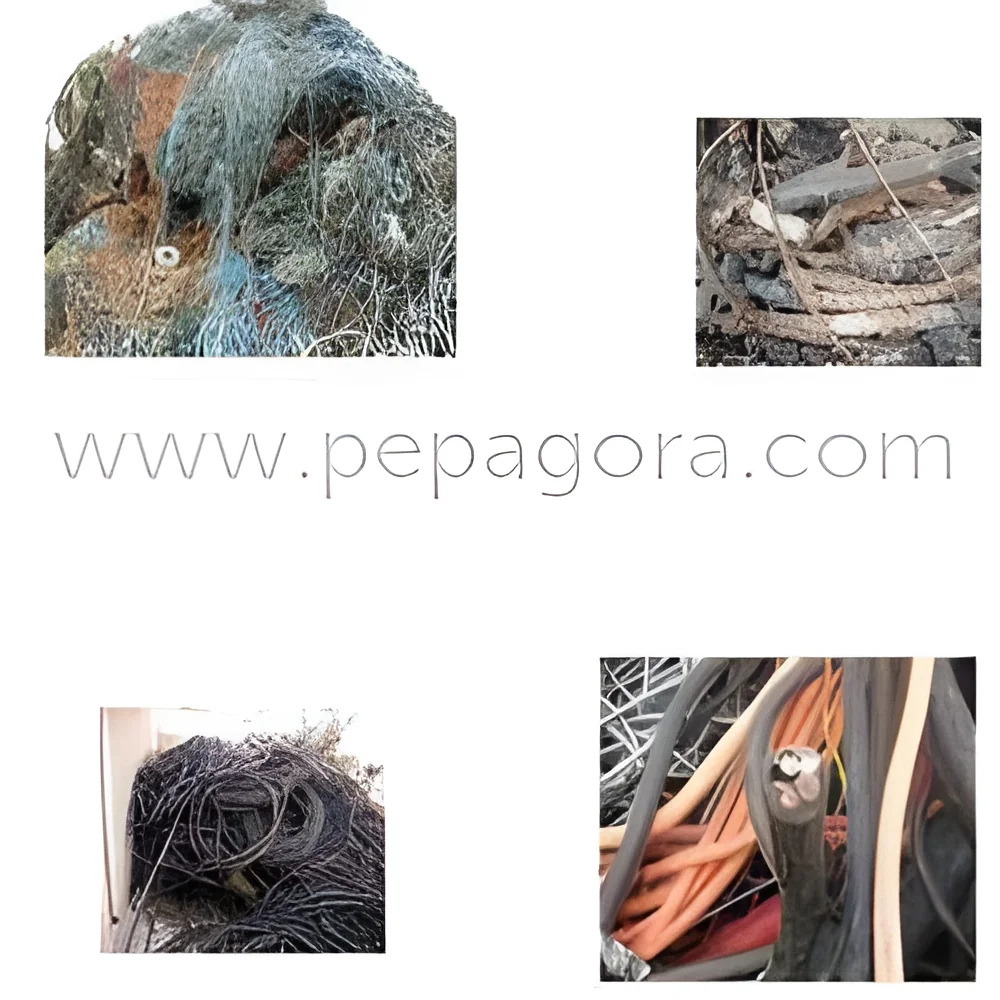
What are Cable & Wire Scrap?
Cable and wire scrap refers to discarded or unused electrical cables and wires that are collected for recycling or resale. These materials are typically composed of metals like copper, aluminum, and various insulation materials. The recycling of cable and wire scrap plays a significant role in the circular economy by reducing waste and conserving natural resources.
The primary uses of cable and wire scrap include the recovery of valuable metals and materials for reuse in manufacturing processes. Businesses in various sectors, including construction, telecommunications, and electronics, often collect and sell scrap cables as part of their waste management strategies. The market for cable and wire scrap is driven by the demand for recycled metals, which are often used in the production of new electrical components and other industrial applications.
In terms of industry relevance, the cable and wire scrap market has gained significant traction due to increased awareness of environmental sustainability and resource conservation. With the growing emphasis on recycling and waste management, companies are seeking reliable sources of scrap materials to meet their production needs while minimizing their ecological footprint.
Key Features and Specifications
Cable and wire scrap offers several key features that make it a valuable resource for various industries. These features are characterized by the composition, quality, and processing methods used to prepare the scrap for resale or recycling.
Key specifications include:
1. Material Composition
- Predominantly consists of copper, aluminum, and plastic insulation.
- Varies based on cable type and source.
2. Purity Levels
- Purity levels can range from 90% to 99% for metals.
- Higher purity generally yields better market value.
3. Size and Weight
- Available in various sizes, from small pieces to large bundles.
- Weight can affect pricing and handling.
4. Insulation Types
- Includes PVC, rubber, and other materials.
- Types of insulation can influence recycling processes.
5. Source Types
- Sourced from industrial, commercial, and residential applications.
- Different sources can provide varying material quality.
6. Market Value
- Prices fluctuate based on metal market trends.
- Regular assessment of market conditions is essential.
In summary, understanding the key features and specifications of cable and wire scrap is crucial for buyers looking to maximize their value and make informed purchasing decisions.
Common Applications and Use Cases
Cable and wire scrap is widely used across multiple industries, each benefiting from the recycling and reuse of these materials.
1. Construction: Scrap cables are used for electrical installations and infrastructure projects, reducing costs and waste.
2. Telecommunications: Companies utilize recycled wires for new communication lines, promoting sustainability in the industry.
3. Electronics: Manufacturers incorporate recovered metals into the production of electronic devices, enhancing resource efficiency.
4. Automotive: Recycled wire components are used in vehicle manufacturing, aiding in the reduction of raw material consumption.
5. Energy: Renewable energy projects often rely on recycled cable materials for grid installations and equipment upgrades.
6. Manufacturing: Various sectors use cable scrap for metal recovery processes, contributing to material sustainability.
7. Recycling: Scrap yards and recycling facilities process cable and wire scrap for resale, supporting local economies.
Product Variants and Subcategories
Cable and wire scrap comes in various forms, reflecting its diverse applications and market needs.
Copper Wire Scrap
This variant consists primarily of copper wiring, known for its high conductivity and value. It is extensively used in electrical applications and is favored for its recyclability.
Aluminum Wire Scrap
Aluminum wire scrap is lighter and less expensive than copper. It finds applications in various industries, particularly where weight savings are essential.
Insulated Cable Scrap
This variant includes cables with insulation materials. It requires specific recycling processes to separate metals from insulating components but offers significant value when processed.
Benefits and Advantages
Sourcing cable and wire scrap provides numerous benefits to businesses engaged in recycling and manufacturing processes.
1. Cost Savings: Buying scrap materials is often more economical than sourcing new materials, helping businesses reduce production costs.
2. Environmental Impact: Utilizing recycled scrap supports eco-friendly practices, lowering the carbon footprint associated with manufacturing.
3. Material Availability: Cable and wire scrap is often readily available, ensuring a consistent supply for businesses that rely on metal inputs.
4. Resource Conservation: Recycling scrap contributes to the conservation of natural resources, promoting sustainable industry practices.
5. Versatile Applications: Scrap materials can be repurposed across various industries, enhancing their utility and market demand.
6. Revenue Generation: Selling scrap can provide an additional revenue stream for businesses, turning waste into profit.
Buying Guide for B2B Buyers
When sourcing cable and wire scrap, buyers should consider several critical factors to ensure a successful procurement process.
1. Quality Assessment: Evaluate the quality of scrap materials based on purity, composition, and overall condition to ensure they meet industry standards.
2. Supplier Verification: Conduct thorough vetting of suppliers to confirm their credibility, reliability, and compliance with industry regulations.
3. Pricing and MOQ: Analyze pricing structures and minimum order quantities to align procurement strategies with budgetary constraints.
4. Delivery and Lead Times: Assess logistics capabilities and delivery schedules to ensure timely availability of materials for production needs.
5. Compliance Requirements: Understand relevant regulatory requirements for sourcing and processing scrap materials to maintain compliance within the industry.
Compliance and Certifications
Compliance with quality standards is essential in the cable and wire scrap industry. Relevant certifications, such as CE, ensure that materials meet safety and quality benchmarks for recycling and manufacturing.
ISO 9001 certification is significant, as it reflects a commitment to quality management systems. Companies that adhere to this standard demonstrate their ability to consistently provide products that meet customer and regulatory requirements.
Safety and testing requirements are crucial in the handling and processing of cable scrap. Proper testing ensures that materials do not contain hazardous substances, aligning with health and safety regulations.
Regional compliance considerations vary, with different countries implementing specific laws governing waste management and recycling practices. Buyers should stay informed about these regulations to ensure adherence and avoid potential legal issues.
Why Source Cable & Wire Scrap from Pepagora?
Pepagora provides a trusted platform for sourcing cable and wire scrap, offering several key advantages for businesses.
Verified Supplier Network: Pepagora connects buyers with a network of verified suppliers, ensuring that all vendors meet stringent quality and compliance standards. This reduces the risk associated with procurement and enhances buyer confidence.
Streamlined RFQ Process: The platform features an efficient request for quotation (RFQ) system, enabling buyers to easily submit inquiries and receive competitive quotes from multiple suppliers. This simplifies the sourcing process and saves time.
Trade Assurance and Support: Pepagora offers trade assurance and dedicated support to buyers, providing protection and assistance throughout the purchasing journey. This ensures a smooth transaction experience and fosters long-term relationships.
Regional Coverage: With a strong presence in key markets, including India, the GCC, and Southeast Asia, Pepagora expands sourcing opportunities for buyers. This geographic reach facilitates access to a diverse range of suppliers and material options, catering to varying business needs.

 IN
IN