What are Ferrous Metal Scrap?
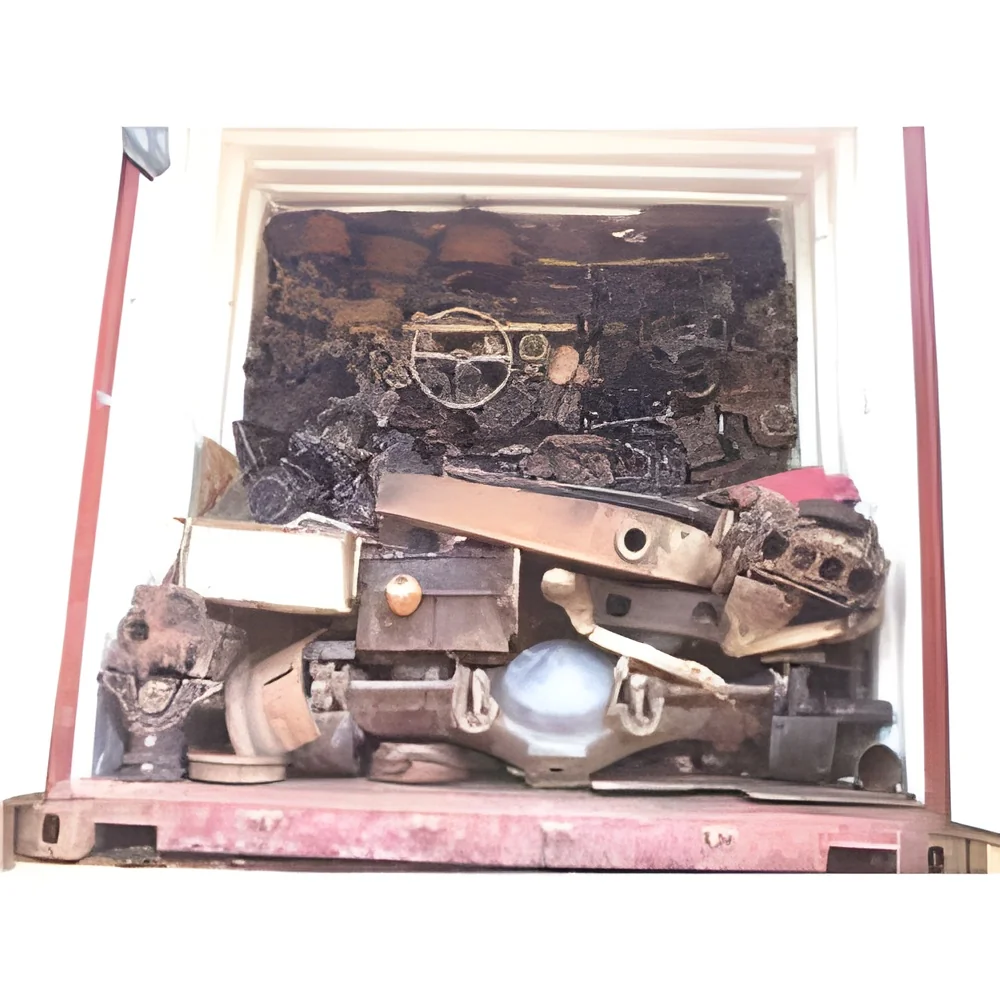
Ferrous metal scrap refers to waste or discarded materials made primarily of iron and steel. This type of scrap is characterized by its magnetic properties and is a key component in the recycling industry. Ferrous metals can come from various sources, including manufacturing processes, construction sites, and end-of-life products such as vehicles and appliances. The recycling of ferrous metal scrap not only contributes to sustainability efforts but also provides significant economic benefits by reducing the need for virgin materials.
The primary uses of ferrous metal scrap include the production of new steel and iron products. Manufacturers utilize this scrap to create a variety of products ranging from structural steel beams to household appliances. The recycling process involves melting down the scrap and refining it to remove impurities, allowing for the creation of high-quality metal. In today's market, the demand for ferrous scrap remains strong due to the ongoing need for steel in construction, automotive, and heavy machinery industries.
Ferrous metal scrap plays a vital role in the global economy, particularly in regions with robust manufacturing sectors. The market for ferrous scrap is influenced by factors such as steel production rates, economic growth, and international trade policies. As industries continue to prioritize sustainability, the relevance of ferrous metal scrap is expected to grow, making it an essential component of modern manufacturing and recycling practices.
Key Features and Specifications
Ferrous metal scrap is characterized by several key features that make it an invaluable resource in the recycling and manufacturing sectors. The specifications of ferrous metal scrap can vary based on its source and intended application. Understanding these features is critical for businesses seeking to source ferrous metal scrap effectively.
Key specifications include:
1. Composition
- Predominantly iron with varying amounts of carbon and other alloying elements
- Common grades include scrap steel and cast iron
2. Purity Levels
- Defined by the percentage of contaminants present
- High-purity scrap typically contains less than 2% impurities
3. Size and Form
- Available in various forms such as shredded, bulky, or baled
- Size often affects processing and transportation costs
4. Weight
- Measured in tons, with typical transactions occurring in bulk
- Heavier loads generally reduce per-ton costs
5. Market Price
- Subject to fluctuations based on supply and demand
- Pricing often tied to international steel market trends
6. Density
- Generally high, affecting transportation and storage efficiency
- Bulk density can range from 1.5 to 3 tons per cubic meter
7. Melting Point
- Varies based on alloying elements and specific steel grades
- Typically around 1,500°C for steel
8. Recyclability
- Highly recyclable with a closed-loop lifecycle
- Can be reprocessed multiple times without significant loss of quality
In summary, understanding the features and specifications of ferrous metal scrap is essential for businesses looking to leverage this resource effectively. The various categories of scrap, along with their specific characteristics, influence both pricing and application.
Common Applications and Use Cases
Ferrous metal scrap serves a multitude of industries, making it a versatile material in the manufacturing and recycling sectors. Its diverse applications highlight its importance in both new product creation and sustainability efforts.
1. Construction: Ferrous scrap is used to produce structural steel for buildings, bridges, and other infrastructure projects. Its strength and durability make it a preferred choice for construction materials.
2. Automotive: The automotive industry uses ferrous scrap in the manufacturing of vehicle frames, engines, and other critical components. Recycling scrap helps reduce costs and environmental impact.
3. Heavy Machinery: Manufacturers of heavy machinery utilize ferrous scrap for components such as gears, axles, and frames, ensuring high performance and longevity.
4. Appliances: Ferrous metal scrap is commonly recycled into new appliances, such as refrigerators and washing machines. This reduces waste and the need for new raw materials.
5. Shipping and Transportation: Scrap metal is used in the production of shipping containers, rail cars, and other transportation equipment, contributing to efficient logistics solutions.
6. Energy Sector: Ferrous scrap is utilized in the construction of energy infrastructure, including wind turbines and power generation equipment, supporting the shift towards renewable energy.
7. Manufacturing: General manufacturing processes leverage ferrous scrap for a wide range of products, enhancing the efficiency and sustainability of production lines.
Product Variants and Subcategories
Ferrous metal scrap encompasses several variants that cater to different industrial needs. Each variant has its unique features and applications, allowing businesses to select the most appropriate type of scrap for their requirements.
Shredded Scrap: This variant consists of small, uniformly sized pieces of ferrous metal, making it easy to handle and transport. It is often used in steel production due to its high surface area, which facilitates melting.
Baled Scrap: Baled scrap refers to compressed bundles of ferrous metal, which are easier to store and transport. This variant is commonly used in large-scale steel mills for efficient processing.
Processed Scrap: Processed scrap undergoes initial sorting and cleaning, resulting in a higher purity level. It is ideal for manufacturers seeking high-quality materials for critical applications.
Mixed Scrap: This variant comprises a blend of different ferrous metals and grades. It is often used in industries where specific composition is less critical, allowing for flexibility in sourcing.
Benefits and Advantages
Sourcing ferrous metal scrap offers numerous benefits to businesses across various sectors. Understanding these advantages can help companies make informed decisions about their material procurement.
Key benefits include:
1. Cost Efficiency: Ferrous metal scrap is often more affordable than virgin materials, leading to significant cost savings for manufacturers.
2. Environmental Sustainability: Recycling ferrous scrap helps reduce waste and conserves natural resources, contributing to a greener economy.
3. High Availability: Ferrous metal scrap is widely available due to its extensive use in various industries, ensuring a reliable supply for manufacturers.
4. Versatility: The diverse applications of ferrous scrap make it suitable for a range of products, from construction materials to automotive components.
5. Quality Assurance: Recycled ferrous scrap can meet or exceed quality standards, making it a viable alternative for critical manufacturing processes.
6. Reduced Energy Consumption: Recycling ferrous scrap generally requires less energy than producing new metals, further enhancing its environmental benefits.
Buying Guide for B2B Buyers
When sourcing ferrous metal scrap, businesses should consider several critical factors to ensure they receive quality materials that meet their needs.
1. Quality Assessment: Evaluate the quality of ferrous scrap by inspecting purity levels, composition, and physical condition. Establishing clear quality criteria will help in selecting the right variant.
2. Supplier Verification: Conduct thorough research on potential suppliers. Verify their reputation, certifications, and past performance to ensure reliability and consistency in supply.
3. Pricing and MOQ: Understand pricing structures and minimum order quantities. Keep in mind that costs can fluctuate based on market conditions, so it's essential to stay informed about current trends.
4. Delivery and Lead Times: Discuss logistics with suppliers to determine delivery times and transportation options. Timely delivery is crucial for maintaining production schedules.
5. Compliance Requirements: Ensure that the ferrous scrap meets any relevant regulatory or industry standards. Familiarize yourself with local and international compliance requirements to avoid potential issues.
Compliance and Certifications
Ferrous metal scrap is subject to various quality standards and certifications that ensure its safe and effective use in manufacturing processes. Compliance with these standards is essential for businesses in the recycling and manufacturing sectors.
Relevant quality standards include ISO 9001, which focuses on quality management systems, ensuring consistent product quality and customer satisfaction. Adhering to these standards helps businesses maintain a competitive edge in the market.
Additionally, industry certifications such as CE demonstrate compliance with European safety and environmental regulations. This certification assures buyers that the ferrous scrap meets stringent safety and quality requirements.
Safety and testing requirements are also critical. Businesses must ensure that ferrous scrap is tested for contaminants and meets safety regulations to protect workers and the environment.
Regional compliance considerations can vary significantly. Companies should be aware of local regulations governing the recycling and handling of ferrous metal scrap, ensuring full compliance to avoid legal issues.
Why Source Ferrous Metal Scrap from Pepagora?
Pepagora provides a trusted platform for sourcing ferrous metal scrap, offering several key advantages that can benefit businesses across various industries.
Verified Supplier Network: Pepagora boasts a network of verified suppliers, ensuring that buyers have access to reliable sources of high-quality ferrous metal scrap. This verification process helps mitigate risks associated with sourcing materials.
Streamlined RFQ Process: The platform features a streamlined request for quotation (RFQ) process that simplifies communication between buyers and suppliers. This efficiency saves time and enhances the purchasing experience.
Trade Assurance and Support: Pepagora offers trade assurance to protect buyers from potential risks associated with online transactions. Additionally, their support team is available to assist with any inquiries or issues that may arise during the sourcing process.
Regional Coverage: With a strong presence in India, the GCC, and Southeast Asia, Pepagora provides extensive geographic coverage. This regional reach enables businesses to connect with local suppliers, reducing shipping times and costs while ensuring accessibility to quality ferrous metal scrap.

 IN
IN