What are Lead Scrap?
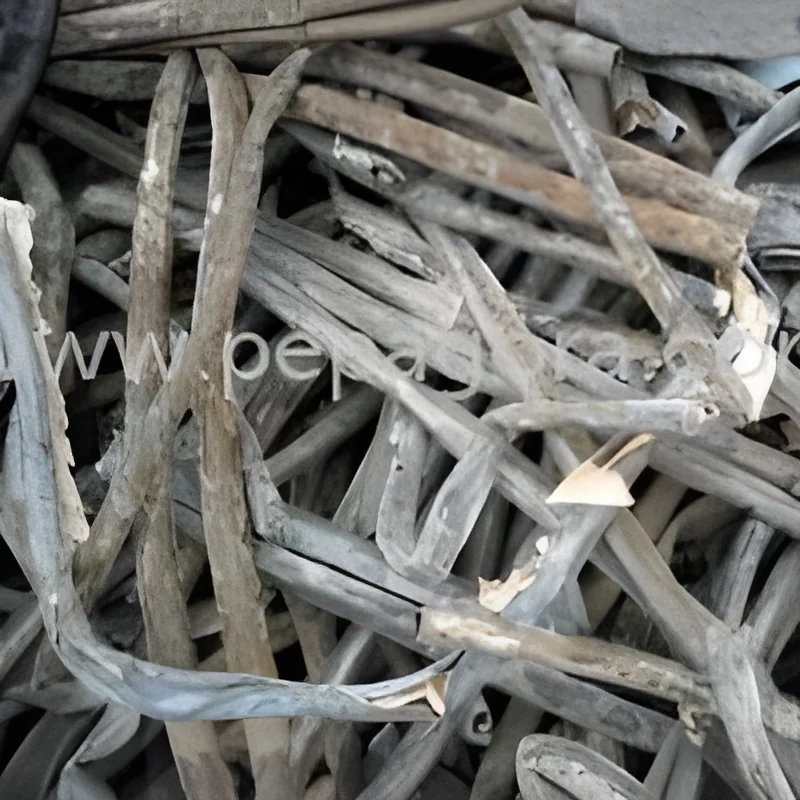
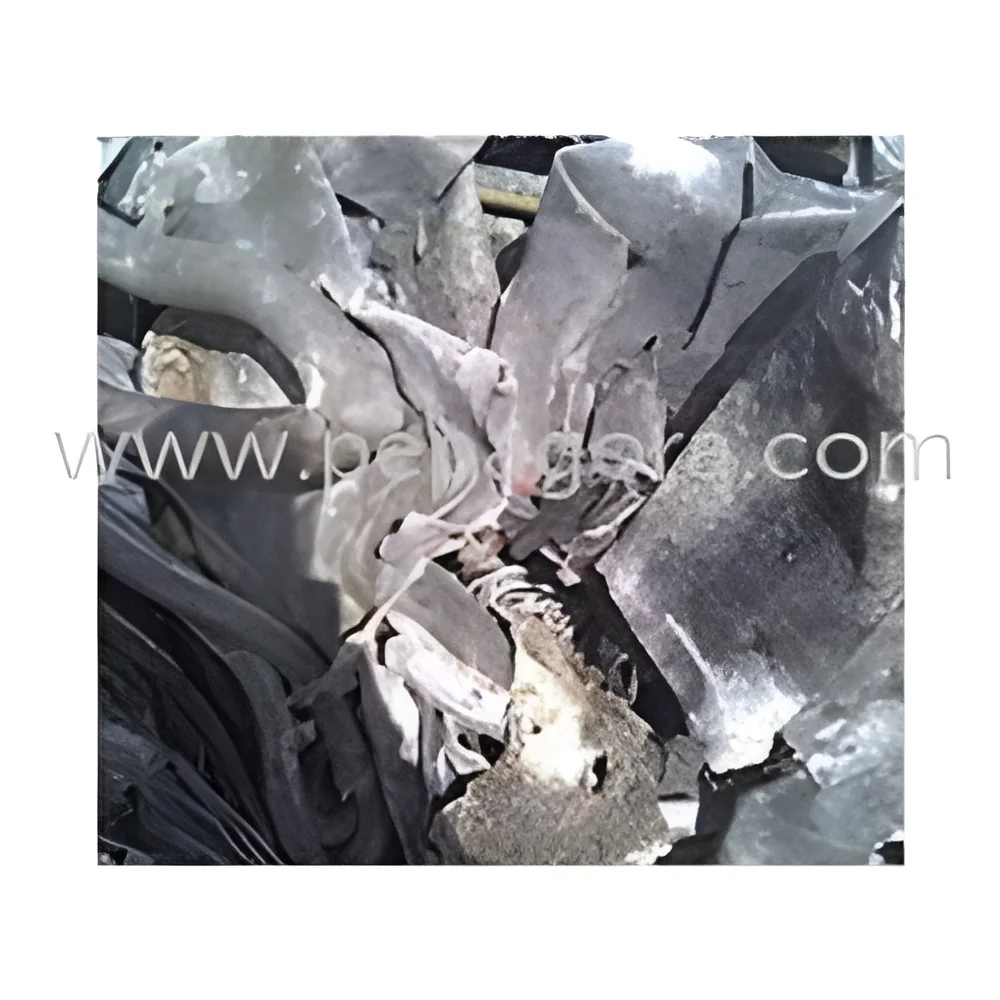
Lead Scrap refers to discarded lead materials that result from manufacturing processes or end-of-life products. This scrap can come from various sources, including batteries, electrical components, and construction materials. Lead Scrap is primarily collected and processed for recycling, allowing the recovery of lead, which can be reused in new products. The recycling process not only helps in conserving resources but also reduces the environmental impact associated with lead waste.
The primary uses of Lead Scrap include the production of new lead-acid batteries, lead sheets, and other lead-based products. Industries that rely heavily on lead for components often depend on Lead Scrap to maintain supply levels and reduce raw material costs. As recycling initiatives grow, the demand for Lead Scrap continues to rise, making it an essential commodity in the industrial sector. The market for Lead Scrap is influenced by fluctuating lead prices, environmental regulations, and advancements in recycling technologies.
Key Features and Specifications
Lead Scrap possesses several features that enhance its value in the manufacturing sector. The specifications of Lead Scrap can vary based on its source and intended use. Understanding these specifications is crucial for buyers looking to source high-quality materials.
Key specifications include:
1. Purity Level
- The purity level indicates the percentage of lead content in the scrap.
- Typical purity levels range from 60% to 90%.
2. Size and Form
- Lead Scrap can exist in various sizes and forms, including shavings, sheets, and battery fragments.
- Size specifications often dictate the processing method.
3. Contaminants
- The presence of contaminants such as plastics or other metals can affect the quality of the scrap.
- Specifications may detail acceptable contamination levels.
4. Origin
- The source of the Lead Scrap, such as industrial or consumer-grade, can impact its market value.
- Different origins may have distinct processing requirements.
5. Regulatory Compliance
- Lead Scrap must meet specific environmental regulations for safe processing.
- Compliance with local and international standards is essential.
6. Packaging
- Packaging specifications may vary depending on transportation and storage needs.
- Proper packaging ensures the integrity of the scrap during transit.
7. Weight
- The weight of Lead Scrap can influence pricing and logistics.
- Buyers may need to consider the weight for transportation costs.
8. Market Demand
- Current market demand can affect the pricing and availability of Lead Scrap.
- Buyers should stay updated on market trends.
In summary, understanding the features and specifications of Lead Scrap is critical for making informed purchasing decisions in the industrial market.
Common Applications and Use Cases
Lead Scrap serves various industries due to its versatile nature and recyclability.
1. Automotive Industry: Lead Scrap is primarily used in the production of lead-acid batteries for vehicles. These batteries are crucial for starting engines and powering electrical systems.
2. Electronics Industry: Lead Scrap from electronic components is recycled to recover lead for soldering and other applications in circuit boards.
3. Construction Industry: Lead Scrap is used in roofing and radiation shielding materials. Its density and malleability make it suitable for various construction needs.
4. Renewable Energy: Lead Scrap is increasingly finding applications in renewable energy, particularly in the manufacturing of energy storage systems.
5. Telecommunications: Lead Scrap is utilized in the production of lead-acid backup batteries for telecommunications systems, ensuring uninterrupted service.
6. Marine Industry: Lead Scrap contributes to the manufacturing of ballast for boats and ships, enhancing stability and safety.
7. Mining: Lead Scrap is used in mining operations, particularly for the construction of protective barriers and equipment.
Product Variants and Subcategories
Lead Scrap can be diverse in its forms and applications, catering to various industrial needs.
Battery Lead Scrap: This variant comes from discarded lead-acid batteries. It is highly sought after for recycling due to its high lead content and demand in battery production.
Sheet Lead Scrap: This type consists of flat lead sheets, often used in construction and radiation shielding. It can be recycled into new sheets or other lead products.
Lead Cable Scrap: This variant includes lead sheathed electrical cables. It is valuable for recovering lead and copper during the recycling process.
Lead Pipe Scrap: Originating from old plumbing systems, Lead Pipe Scrap can be recycled for use in new construction projects or industrial applications.
Benefits and Advantages
Sourcing Lead Scrap offers numerous benefits for businesses looking to optimize their operations and reduce costs.
1. Cost-Effectiveness: Using Lead Scrap can significantly lower raw material costs compared to purchasing new lead.
2. Environmental Responsibility: Recycling Lead Scrap reduces waste and promotes sustainable practices, aligning with corporate social responsibility initiatives.
3. Resource Recovery: Lead Scrap allows businesses to recover valuable materials, minimizing the need for new resource extraction.
4. Regulatory Compliance: Sourcing recycled materials often helps companies meet environmental regulations and sustainability goals.
5. Supply Chain Stability: Utilizing Lead Scrap can enhance supply chain resilience by providing a steady material source.
6. Versatile Applications: Lead Scrap can be repurposed across various industries, ensuring broad market applicability.
Buying Guide for B2B Buyers
When sourcing Lead Scrap, buyers must consider several critical factors to ensure they make informed decisions.
1. Quality Assessment: Buyers should evaluate the purity and contamination levels of Lead Scrap to ensure it meets their production needs. Testing samples before purchase is advisable.
2. Supplier Verification: It is essential to vet suppliers for reliability and compliance with industry standards. Look for established companies with good reputations.
3. Pricing and MOQ: Understanding the pricing structure and minimum order quantities is crucial for budgeting and financial planning. Buyers should compare prices from multiple suppliers.
4. Delivery and Lead Times: Consider logistics and delivery timelines when placing orders. Efficient delivery is vital for maintaining production schedules.
5. Compliance Requirements: Ensure that Lead Scrap meets all necessary regulatory requirements, including environmental and safety standards. This is particularly important for international transactions.
Compliance and Certifications
Compliance with industry standards and certifications is vital for sourcing Lead Scrap.
Relevant quality standards, such as ISO 9001, ensure that suppliers maintain high-quality management systems. This is crucial for consistent product quality.
Industry certifications, including CE, indicate compliance with European safety standards, ensuring that products meet necessary safety and performance criteria.
Safety and testing requirements must be adhered to during the recycling of Lead Scrap to protect workers and the environment. Regular testing for contaminants ensures that the recycled lead is safe for use.
Regional compliance considerations may vary, so it is essential for businesses to understand the regulations specific to their geographic location when sourcing Lead Scrap.
Why Source Lead Scrap from Pepagora?
Pepagora provides a trusted platform for sourcing Lead Scrap with several key advantages that streamline the buying process.
Verified Supplier Network: Pepagora connects buyers with a network of verified suppliers, ensuring that all partners meet rigorous quality and compliance standards. This builds trust and reliability in transactions.
Streamlined RFQ Process: The request for quotation (RFQ) process is simple and efficient, allowing buyers to receive competitive quotes quickly. This saves time and enhances decision-making.
Trade Assurance and Support: Buyers benefit from trade assurance measures that protect their investments. Pepagora offers support throughout the buying process, ensuring a smooth transaction experience.
Regional Coverage: Pepagora has a strong presence in key markets such as India, the GCC, and Southeast Asia. This geographic reach facilitates access to a wider range of suppliers and products, ensuring that buyers can meet their specific needs effectively.

 IN
IN