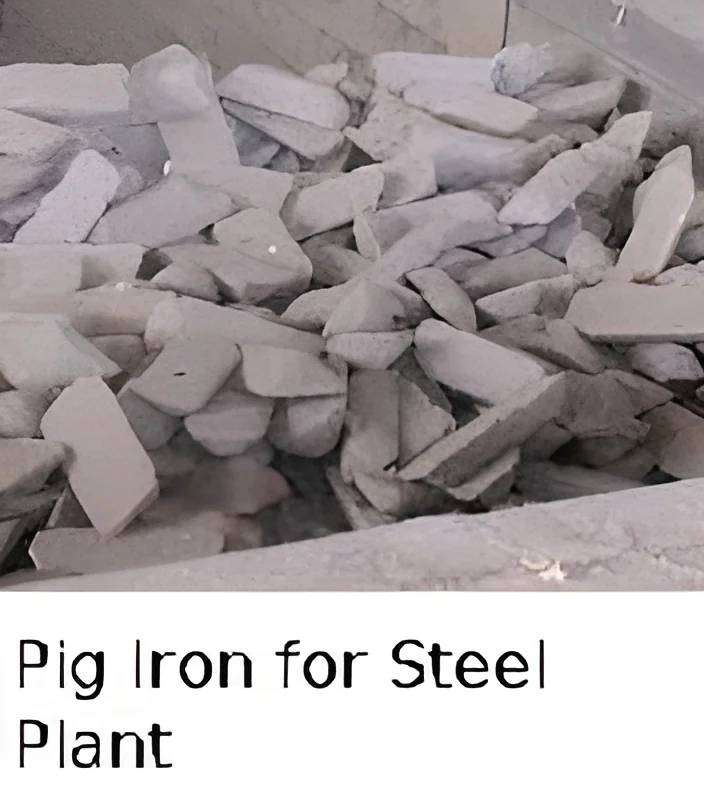
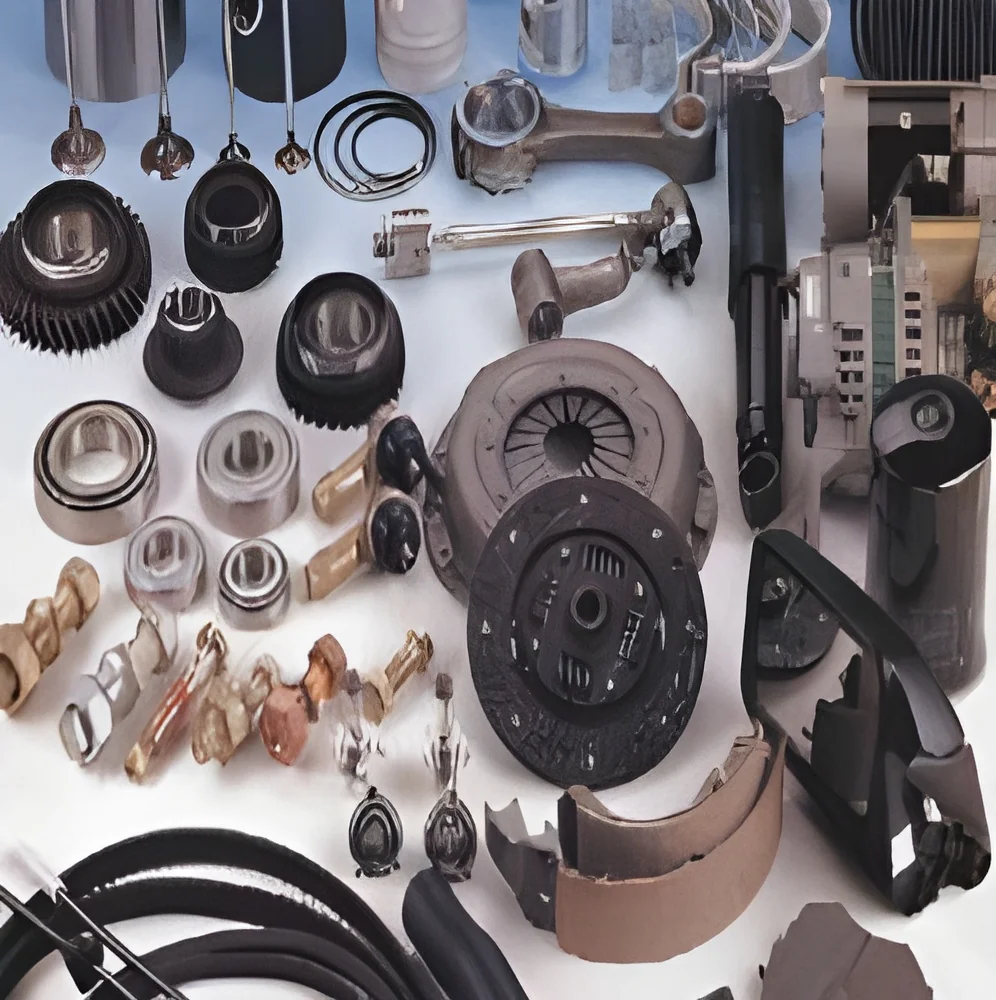
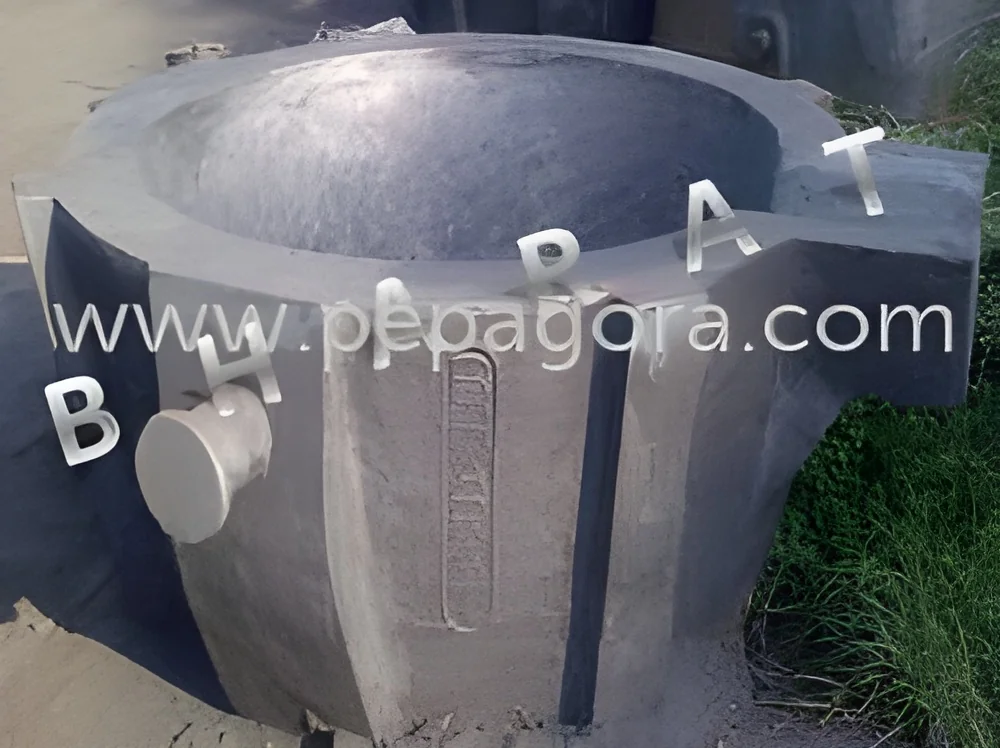
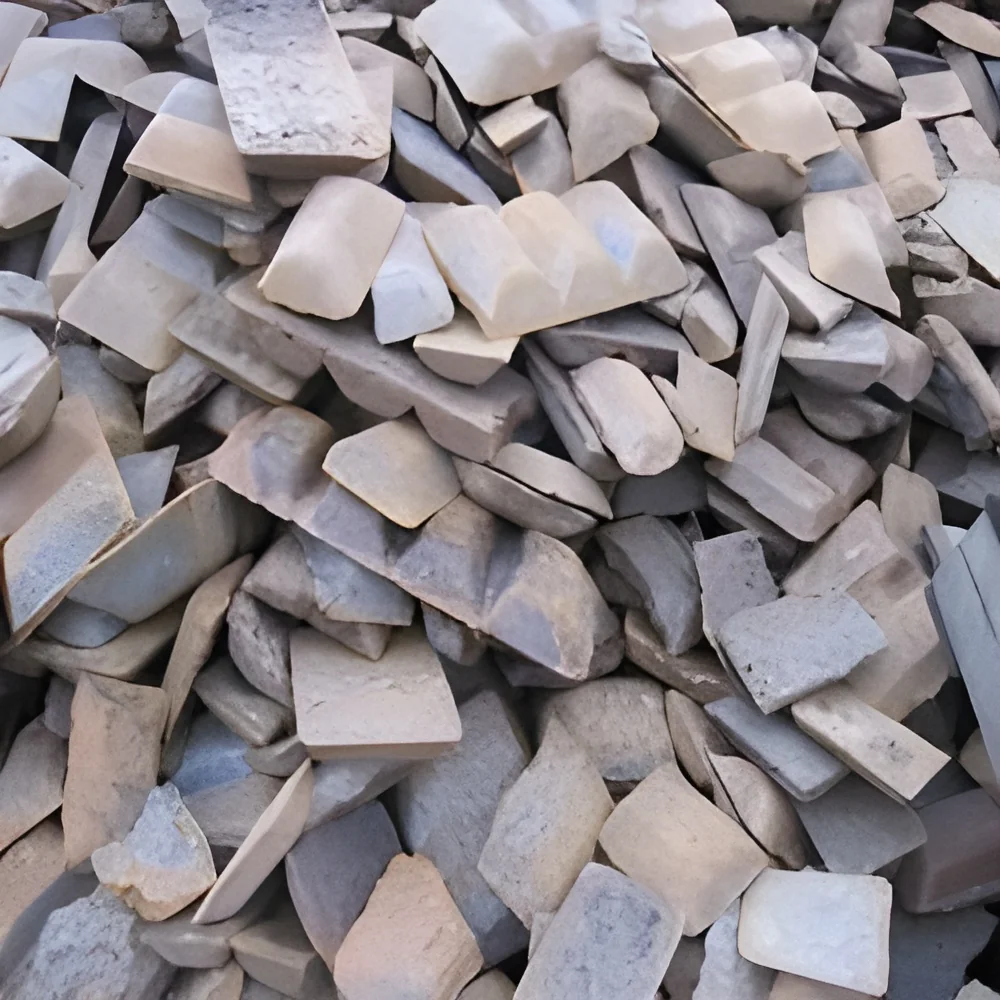
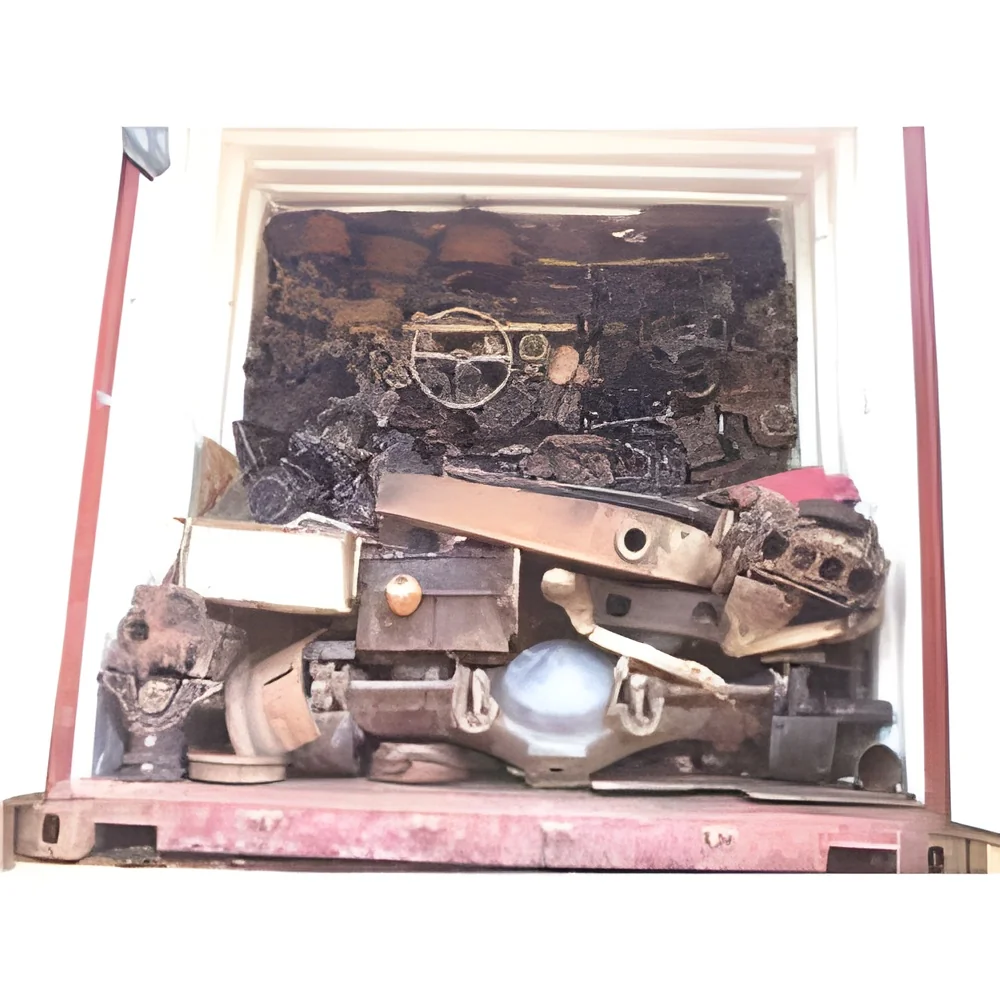
What are Cast Iron Scrap?
Cast iron scrap refers to waste material derived from cast iron products that have reached the end of their life cycle. This scrap is typically collected from manufacturing processes, discarded machinery, and construction sites, where cast iron components are prevalent. Cast iron is favored for its durability and versatility, making it a common material in various industrial applications. The scrap is often processed and recycled to create new cast iron products or other metal alloys, contributing to sustainable practices within the industry.
In terms of business applications, cast iron scrap serves a significant role in metal recycling and manufacturing. Industries such as automotive, construction, and machinery benefit from using recycled cast iron due to its cost-effectiveness and reduced environmental impact. By recycling cast iron scrap, businesses can lower production costs while adhering to sustainability goals. The growing emphasis on recycling and resource management underscores the relevance of cast iron scrap in today’s market.
As the demand for recycled materials continues to rise, cast iron scrap holds a crucial position in the metal industry. It not only provides an affordable raw material option but also supports the circular economy by minimizing waste and promoting the use of recycled resources. The market for cast iron scrap is influenced by factors such as global metal prices, manufacturing demand, and the increasing focus on sustainable practices.
Key Features and Specifications
Cast iron scrap is characterized by several key features that define its suitability for recycling and manufacturing processes. Understanding these specifications is essential for businesses looking to source high-quality materials.
Key specifications include:
1. Composition
- Cast iron scrap typically contains a variety of iron alloys.
- The iron content usually ranges from 80% to 95%.
2. Size and Shape
- Cast iron scrap can come in various sizes and shapes, from large castings to small turnings.
- Common dimensions vary, ensuring compatibility with recycling processes.
3. Purity Level
- The purity of cast iron scrap is crucial for its recycling potential.
- Acceptable purity levels often exceed 85% for effective reuse.
4. Contaminants
- Scrap must be free from non-ferrous metals and other contaminants.
- Excessive impurities can affect the quality of recycled products.
5. Density
- Cast iron scrap has a high density, which influences shipping and processing.
- Typical densities range from 6.5 to 7.5 grams per cubic centimeter.
6. Application Suitability
- Different grades of cast iron scrap may be suited for specific applications.
- High-grade scrap is often used in the production of high-quality cast iron products.
7. Compliance Standards
- Cast iron scrap should meet industry standards for recycling.
- Compliance with certifications like CE is essential for market acceptance.
In summary, understanding the key features and specifications of cast iron scrap is vital for businesses to ensure they are sourcing the right materials for their needs. Quality and composition are critical factors that influence the recycling process and the final product quality.
Common Applications and Use Cases
Cast iron scrap is utilized across various industries, making it a versatile material in the manufacturing landscape.
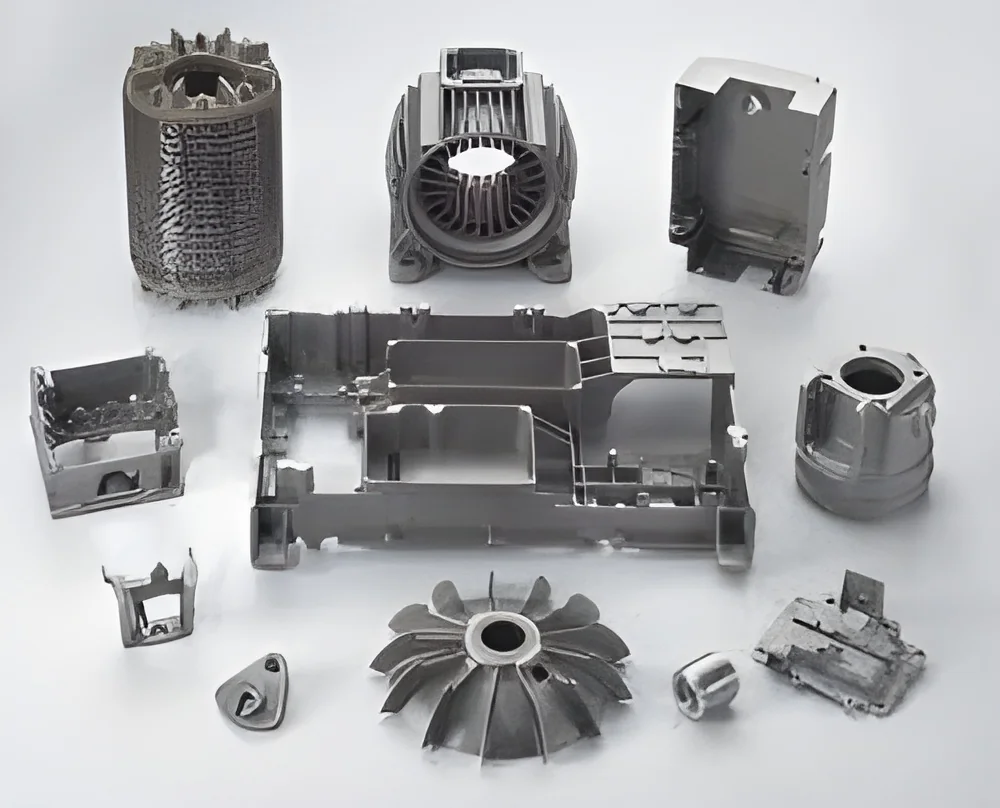
1. Automotive Industry: Cast iron scrap is commonly used in producing engine blocks, cylinder heads, and other critical components. Its durability and strength make it ideal for high-stress applications.
2. Construction Sector: In construction, cast iron scrap is repurposed for various structural applications, including pipes, fittings, and manhole covers. The material's resistance to corrosion enhances its longevity in outdoor environments.
3. Machinery Manufacturing: Many machinery components are made from cast iron due to its excellent wear resistance. Scrap from outdated machines is often recycled into new machinery parts.
4. Foundries: Foundries utilize cast iron scrap as a primary raw material for casting processes. The recycling of scrap helps reduce costs and supports sustainable manufacturing practices.
5. Heavy Equipment: Cast iron scrap is used in the production of heavy equipment components, such as frames and housings. Its strength and rigidity are crucial for machinery that operates under heavy loads.
6. Consumer Goods: Some consumer products, including cookware and decorative items, are manufactured using recycled cast iron scrap. This application supports eco-friendly product lines.
7. Energy Sector: Cast iron scrap can also be found in energy applications, such as turbine housings and components in power generation systems.
These diverse applications highlight the critical role of cast iron scrap in various sectors, underscoring its importance in sustainable industrial practices.
Product Variants and Subcategories
Cast iron scrap comes in various forms that cater to different industrial needs. While specific subcategories may not be defined, the product diversity allows for flexible applications.
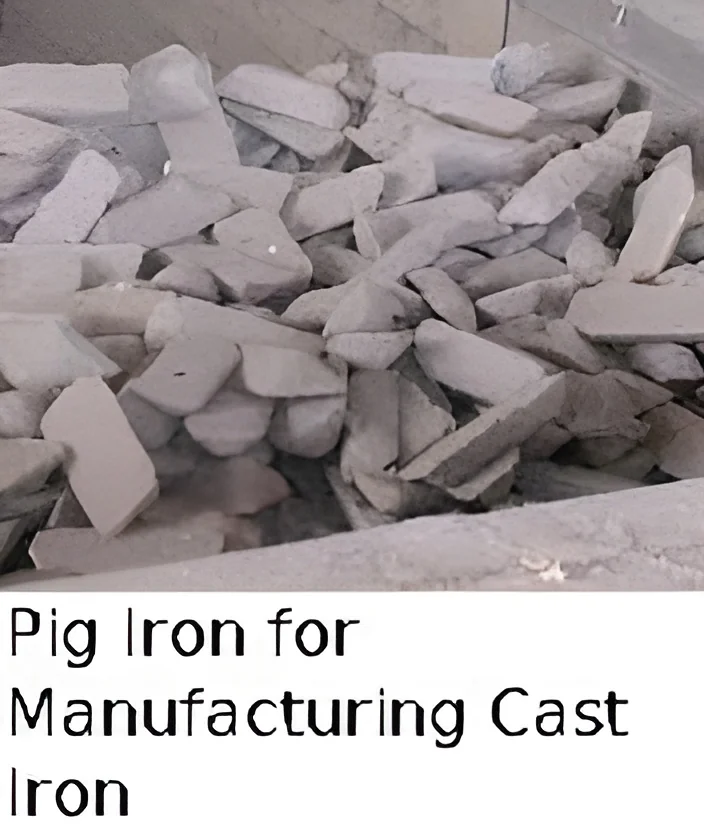
Chunk Scrap: This variant consists of larger pieces of cast iron scrap, often derived from machinery or large castings. Its size makes it suitable for foundries that require substantial raw material input for melting and recycling processes.
Turnings: Cast iron turnings are smaller shavings or chips produced during machining processes. Their fine size allows for efficient melting and integration into new production cycles.
Shredded Scrap: Shredded cast iron is processed into smaller, more manageable pieces. This form is ideal for recycling facilities that require uniformity in scrap size for efficient processing.
Benefits and Advantages
Sourcing cast iron scrap presents numerous advantages for businesses looking to optimize their material usage.
Key benefits include:
1. Cost Efficiency: Using cast iron scrap can significantly reduce raw material costs compared to sourcing new metal.
2. Environmental Impact: Recycling cast iron scrap minimizes waste and supports eco-friendly practices, contributing to sustainability goals.
3. Availability: With a robust supply chain, cast iron scrap is widely available, ensuring that businesses can access the materials they need.
4. Quality Assurance: High-quality cast iron scrap can be sourced to meet specific manufacturing requirements, ensuring product integrity.
5. Versatility: The diverse applications of cast iron scrap allow businesses to use it in various industries, enhancing its value.
6. Reduced Energy Use: Recycling cast iron scrap typically requires less energy compared to producing new iron, lowering overall production costs.
In summary, the benefits of sourcing cast iron scrap make it an attractive option for businesses prioritizing cost, sustainability, and quality.
Buying Guide for B2B Buyers
When sourcing cast iron scrap, businesses should consider several key factors to ensure they make informed purchasing decisions.
1. Quality Assessment: Assessing the quality of cast iron scrap is crucial, focusing on composition, purity, and the presence of contaminants. High-quality scrap leads to better recycling outcomes.
2. Supplier Verification: It is essential to verify suppliers for reliability and credibility. Look for established suppliers with a track record in the industry to ensure consistent quality and service.
3. Pricing and MOQ: Understanding pricing structures and minimum order quantities is vital. Compare costs among suppliers while considering the overall value of quality versus price.
4. Delivery and Lead Times: Evaluate the logistics of delivery and lead times. Timely delivery is critical to maintaining production schedules, so ensure suppliers can meet your requirements.
5. Compliance Requirements: Be aware of any regulatory compliance needs related to sourcing scrap, including certifications like CE. Adhering to these standards is necessary for market acceptance.
Compliance and Certifications
Compliance with industry standards and certifications is crucial for sourcing cast iron scrap. Relevant quality standards, such as ISO 9001, ensure consistent quality management practices among suppliers. This adherence enhances the reliability of the sourced materials.
Additionally, certifications like CE indicate that the products meet European health, safety, and environmental protection standards. Ensuring that suppliers possess these certifications can facilitate smoother transactions and build trust in the quality of the materials.
Safety and testing requirements also play a significant role in the compliance landscape. Proper testing ensures that cast iron scrap is free from harmful contaminants, making it safe for recycling and manufacturing processes.
Regional compliance considerations may vary based on local regulations. It is essential to stay informed about specific compliance requirements in the regions where businesses operate to avoid legal complications and ensure industry standards are met.
Why Source Cast Iron Scrap from Pepagora?
Pepagora offers a reliable platform for sourcing cast iron scrap, providing several key advantages for businesses.
Verified Supplier Network: Pepagora maintains a comprehensive network of verified suppliers, ensuring that businesses can find reputable sources for high-quality cast iron scrap. This verification process helps mitigate risks associated with sourcing.
Streamlined RFQ Process: The request for quotation (RFQ) process on Pepagora simplifies the sourcing journey. Buyers can easily request quotes from multiple suppliers, facilitating comparison and informed decision-making.
Trade Assurance and Support: Pepagora provides trade assurance to protect buyers during transactions. This support fosters confidence in sourcing decisions, ensuring that businesses can proceed with peace of mind.
Regional Coverage: With a strong presence in India, the GCC, and Southeast Asia, Pepagora offers extensive geographic reach. This regional coverage allows businesses to source cast iron scrap efficiently, catering to various market needs.
In conclusion, Pepagora stands out as a trusted platform for sourcing cast iron scrap, offering verified suppliers, streamlined processes, and comprehensive support to enhance the buyer experience.

 IN
IN