
 IN
Nails (Wire Nails, Concrete Nails)
3 products available
Key Features and Specifications
Nails come with a variety of features and specifications that cater to different applications. When selecting nails, it's essential to consider the material, size, and design tailored to specific tasks. Wire nails and concrete nails have distinct characteristics that define their performance and suitability.
Key specifications include:
1. Material Type
- Wire nails are typically made from low carbon steel.
- Concrete nails are made from hardened steel for increased strength.
2. Lengths Available
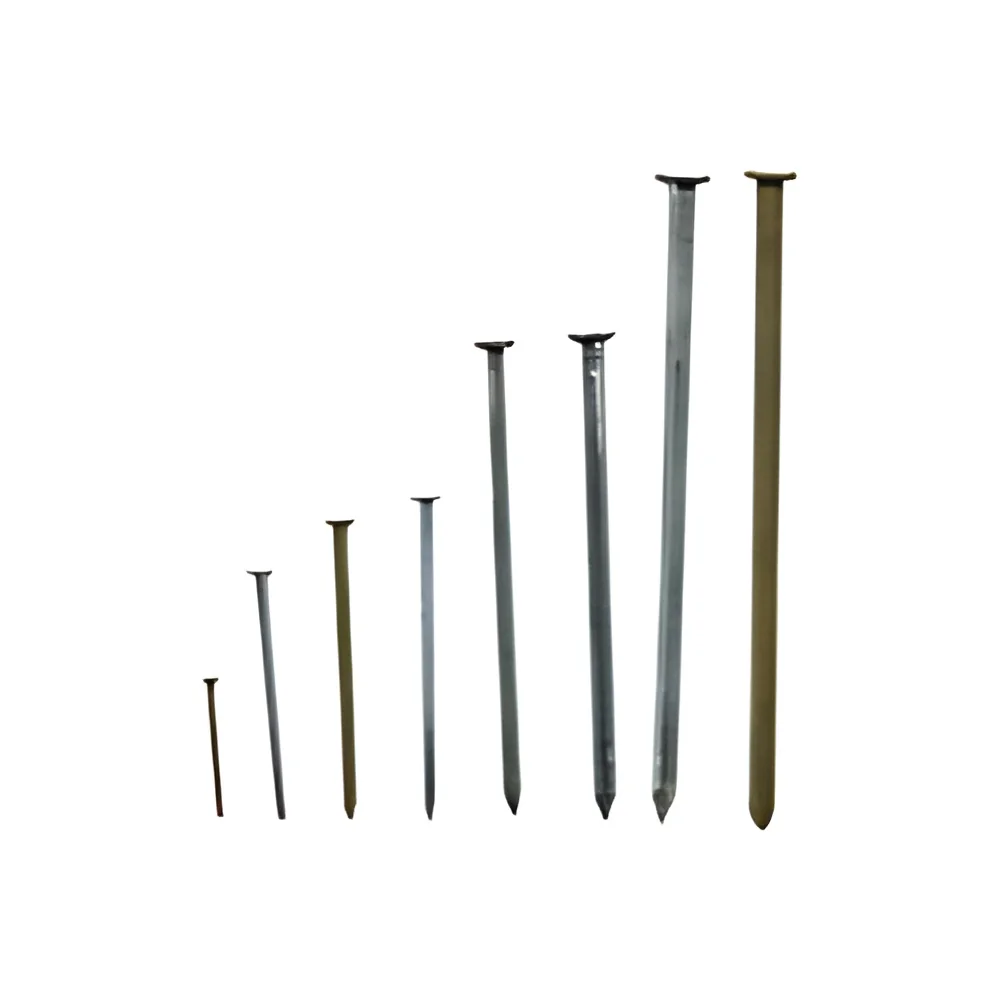
- Wire nails generally range from 1 inch to 4 inches.
- Concrete nails are available in lengths from 1.5 inches to 4 inches.
3. Diameter
- Wire nails vary in diameter from 0.08 inches to 0.12 inches.
- Concrete nails have a larger diameter, usually around 0.12 to 0.16 inches.
4. Coating Options
- Wire nails may come galvanized or uncoated for corrosion resistance.
- Concrete nails are often treated to enhance durability against weather conditions.
5. Head Types
- Wire nails usually have flat heads for flush finishing.
- Concrete nails feature a larger, ribbed head for better retention.
6. Packaging
- Wire nails are commonly sold in boxes or bulk packs.
- Concrete nails are typically packaged in smaller quantities for ease of use.
In summary, nails play a critical role in fastening applications, and understanding their specifications helps ensure that the right type is chosen for each project.
Common Applications and Use Cases
Nails serve various industries and applications, making them indispensable in construction and manufacturing.
1. Construction: In residential and commercial buildings, wire nails are used for framing, roofing, and siding installation, providing essential structural support.
2. Manufacturing: In furniture manufacturing, wire nails are used for assembling components, ensuring a solid and reliable finish.
3. Concrete Work: Concrete nails are specifically designed for anchoring fixtures, framing, and securing materials to concrete surfaces, making them crucial in masonry work.
4. Home Improvement: DIY projects often utilize wire nails for various tasks, including carpentry, repairs, and craft applications.
5. Automotive: In some automotive applications, nails serve to secure components within vehicle assembly processes.
6. Packaging: Nails can also be used in securing wooden crates and pallets for shipping and storage purposes.
Product Variants and Subcategories
The diversity of nails includes various types tailored to specific needs, ensuring optimal performance across different applications.
Wire Nails
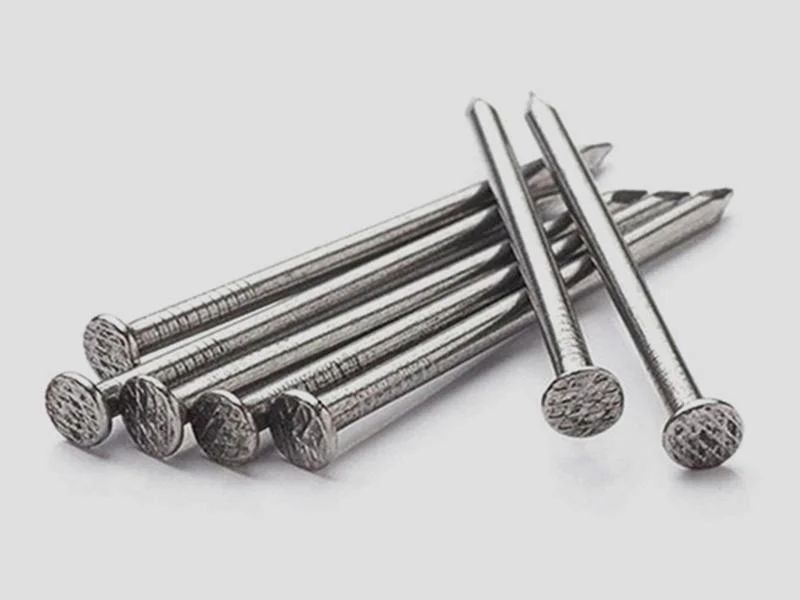
Wire nails are designed for general-purpose use in woodworking, framing, and furniture assembly. They offer a smooth surface for a clean finish and are available in multiple lengths and gauges to suit various projects.
Concrete Nails
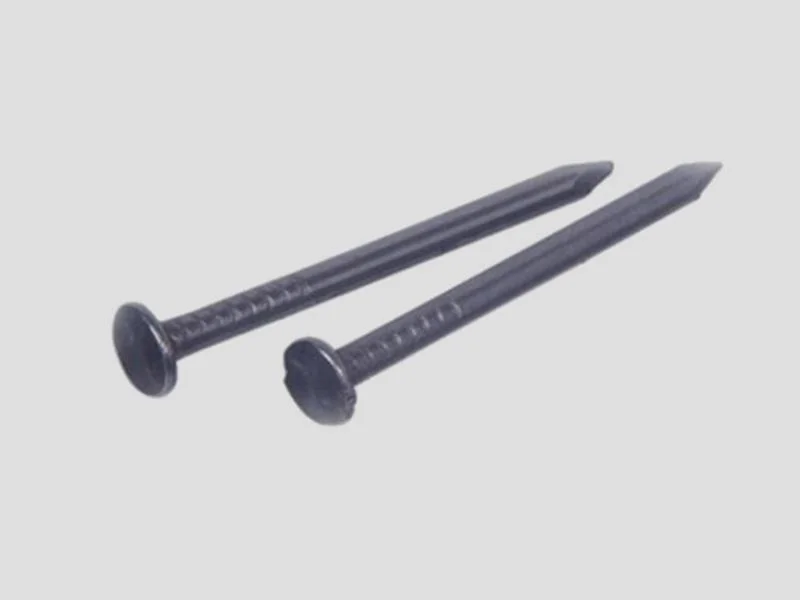
Concrete nails are specifically engineered to penetrate hard surfaces. They feature a hardened tip and a ribbed shank for superior grip, making them ideal for masonry work and securing fixtures to concrete.
Benefits and Advantages
Choosing the right nails provides several benefits that enhance construction and manufacturing processes.
1. Strong Holding Power: Wire nails and concrete nails are designed for high tensile strength, ensuring they hold materials securely in place.
2. Versatility: Wire nails can be used across various applications, making them ideal for general use in construction and woodworking.
3. Durability: Concrete nails withstand heavy loads and resist bending or breaking, especially in tough environments.
4. Easy Installation: Both types of nails can be easily driven into materials, offering quick assembly and reduced labor time.
5. Cost-Effectiveness: Nails are affordable fasteners, providing a budget-friendly solution for various projects.
6. Low Maintenance: Once installed, nails require minimal upkeep, ensuring long-lasting performance in applications.
Buying Guide for B2B Buyers
When sourcing nails, it is vital to consider several factors to ensure the right selection for your needs.
1. Quality Assessment: Look for nails that meet industry standards for strength and durability. Ensure that the materials used are appropriate for the intended application.
2. Supplier Verification: Vet suppliers for reliability and reputation. Check for customer reviews and ratings to ensure quality and service.
3. Pricing and MOQ: Consider the pricing structure and minimum order quantities. Ensure that the costs align with your budget while meeting your project requirements.
4. Delivery and Lead Times: Discuss logistics and expected lead times with suppliers to ensure timely delivery for your projects.
5. Compliance Requirements: Verify that the nails meet any regional compliance and regulatory standards relevant to your industry and location.
Compliance and Certifications
Nails must adhere to various quality standards to ensure safety and reliability in applications. ISO 9001 is a common standard that emphasizes quality management systems, ensuring consistent product quality and customer satisfaction.
Additionally, nails may require certifications such as CE, which indicates compliance with European safety regulations. Safety and testing requirements also play a crucial role, as nails need to be tested for tensile strength and durability to ensure they perform under expected loads.
Regional compliance considerations should be taken into account, as different countries may have specific regulations regarding materials and manufacturing processes. Understanding these requirements aids businesses in sourcing compliant and high-quality fasteners.
Why Source Nails (Wire Nails, Concrete Nails) from Pepagora?
Pepagora provides a trusted platform for sourcing nails, offering several key advantages that facilitate the purchasing process for B2B buyers.
Verified Supplier Network: Pepagora connects buyers with a network of verified suppliers, ensuring that all vendors meet quality standards and industry regulations. This transparency builds trust and confidence in sourcing.
Streamlined RFQ Process: The Request for Quotation system simplifies the buying process, allowing businesses to easily request and compare quotations from multiple suppliers, ensuring the best pricing and terms.
Trade Assurance and Support: Pepagora offers buyer protection through trade assurance policies, providing peace of mind throughout the purchasing process. Support is available to assist with any queries or issues that may arise.
Regional Coverage: With a broad geographic reach across India, the GCC, and Southeast Asia, Pepagora facilitates easy sourcing for businesses looking to procure nails in various locations, ensuring timely delivery and access to local suppliers.


 India
 India
Frequently Asked Questions
What are Nails (Wire Nails, Concrete Nails)?
Nails are small metal fasteners used to join materials together. Wire nails are made from steel wire and are commonly used in woodworking, while concrete nails are designed for fastening materials to concrete or masonry surfaces.
What are the different types of Nails (Wire Nails, Concrete Nails)?
There are various types of nails, including common wire nails, finish nails, and concrete nails. Each type serves specific purposes, such as providing a strong hold in wood or ensuring durability in concrete applications.
How do I choose the right Nails (Wire Nails, Concrete Nails)?
To choose the right nails, consider the material you are working with and the weight of the items being fastened. Additionally, assess the nail length, gauge, and type to ensure optimal performance for your project.
What are the standard specifications for Nails (Wire Nails, Concrete Nails)?
Standard specifications for nails typically include measurements for diameter, length, and material type. Common standards are defined by organizations such as ASTM International, which provides guidelines for nail performance and quality.
What is the price range for Nails (Wire Nails, Concrete Nails)?
The price range for nails can vary based on type, size, and quantity. On average, wire nails can cost between INR 100 to INR 500 per kg, while concrete nails may range from INR 200 to INR 800 per kg.
What quality standards apply to Nails (Wire Nails, Concrete Nails)?
Quality standards for nails often include assessments of tensile strength, corrosion resistance, and dimensional accuracy. Compliance with national and international standards, such as IS and ASTM, is important for ensuring reliability.
Where can I find Nails (Wire Nails, Concrete Nails) suppliers in India?
You can find suppliers of nails in India through B2B marketplaces like Pepagora, local hardware stores, and industrial suppliers. Online platforms often provide a wide range of options, making it easier to compare and choose.
Can Nails (Wire Nails, Concrete Nails) be customized?
Yes, nails can often be customized in terms of size, coating, and packaging to meet specific project requirements. It's advisable to consult with manufacturers or suppliers to discuss customization options.
What is the typical minimum order quantity for Nails (Wire Nails, Concrete Nails)?
The minimum order quantity (MOQ) for nails can vary depending on the supplier and the type of nails being ordered. Typically, MOQs can range from 100 kg to 1 ton.
What is the typical lead time for Nails (Wire Nails, Concrete Nails)?
The typical lead time for nails can range from a few days to several weeks, depending on the supplier's inventory and the order size. Custom orders may require additional time for production and delivery.
Why Businesses Trust Pepagora
Thousands of companies trust Pepagora to source smarter and sell faster
Expand Your Sales Globally

Source Smarter,Grow Faster
