
 IN
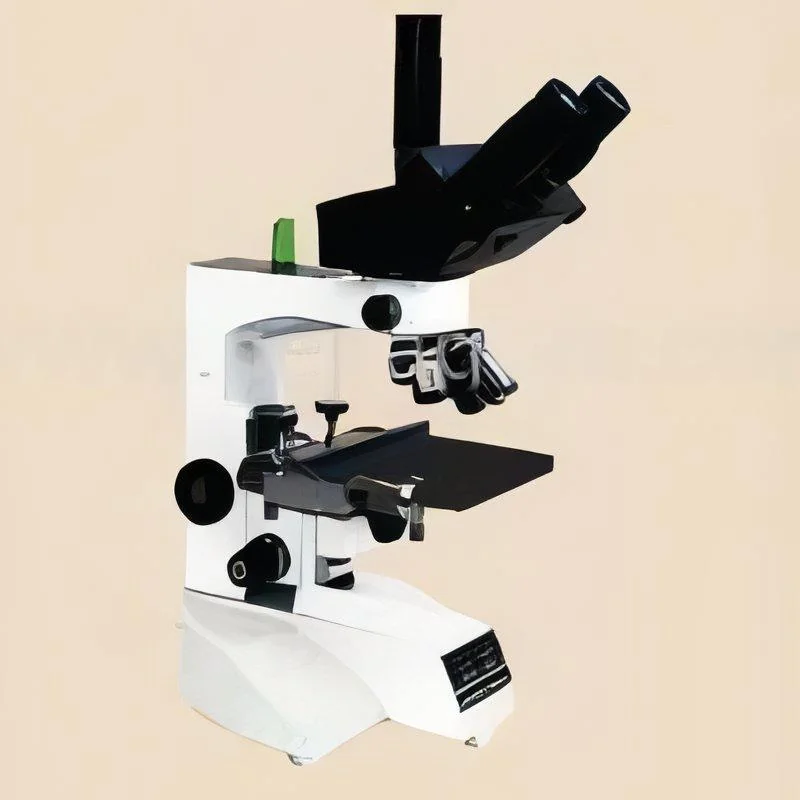
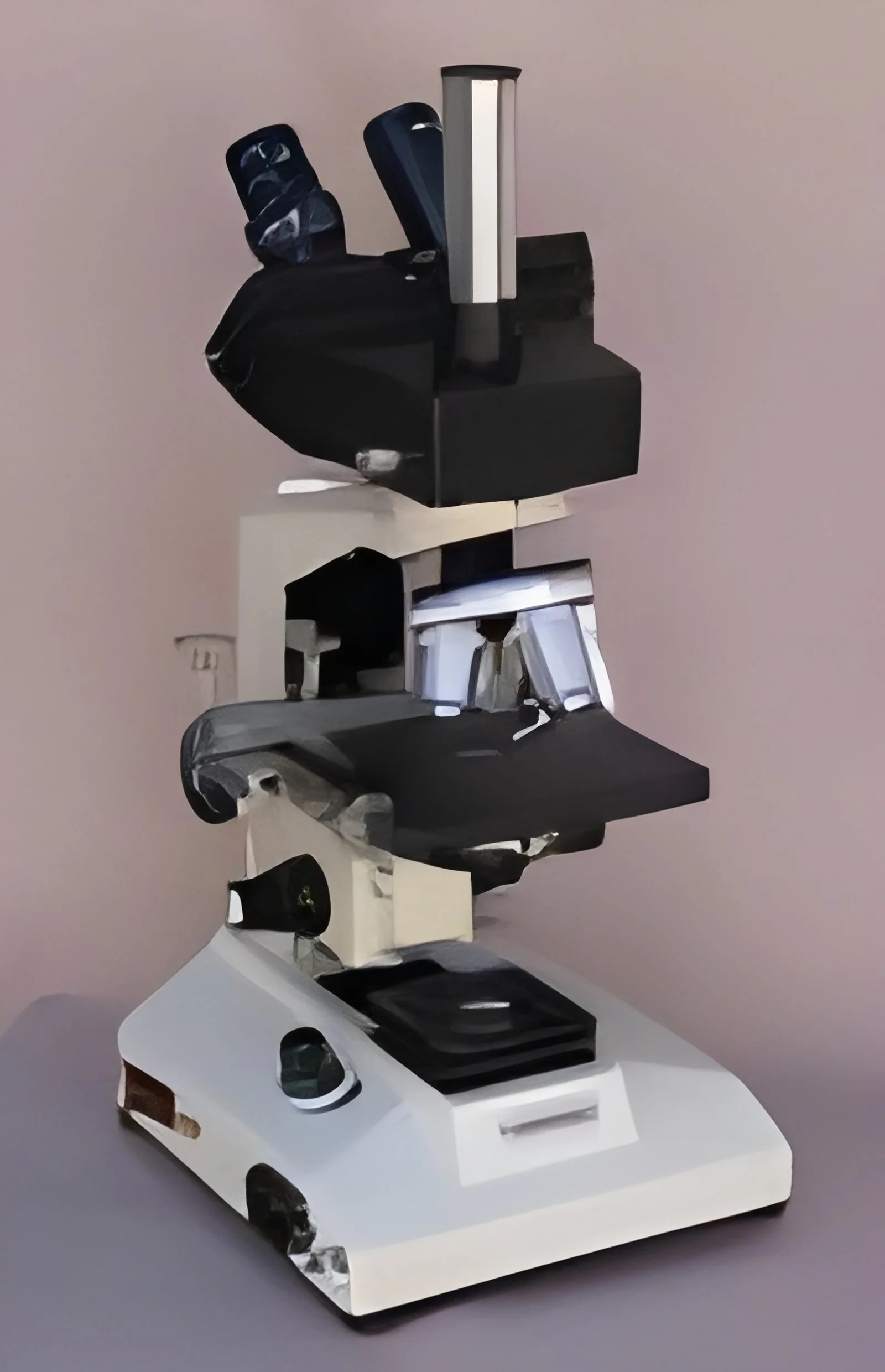
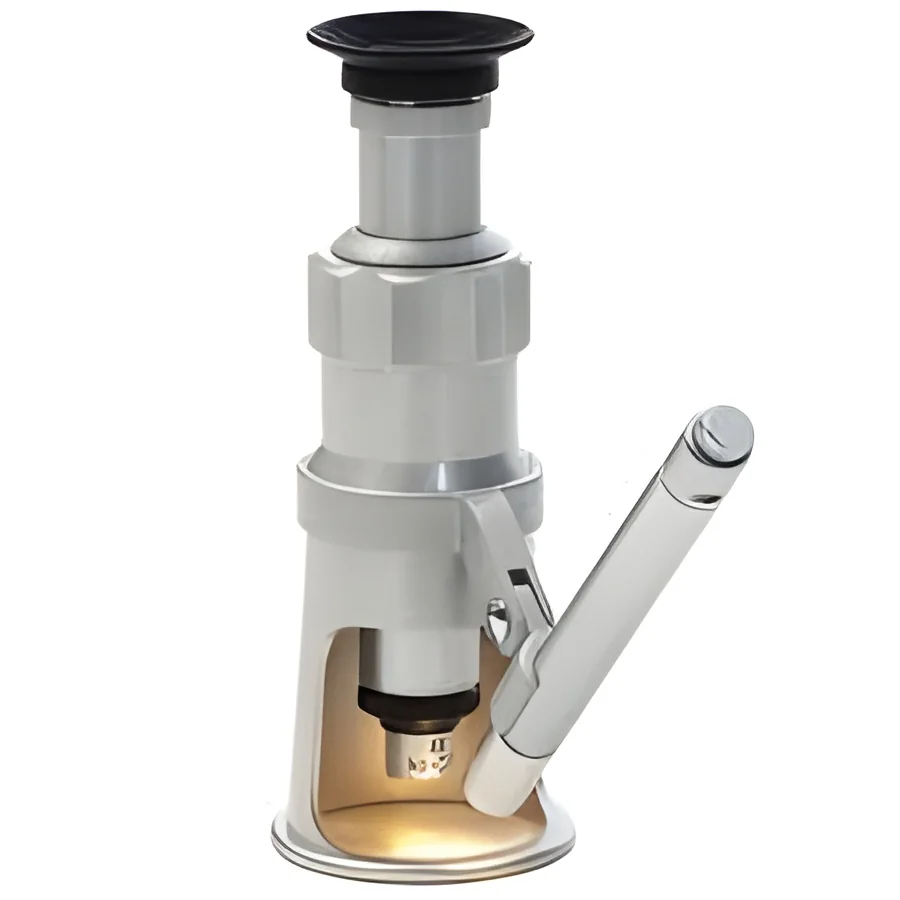
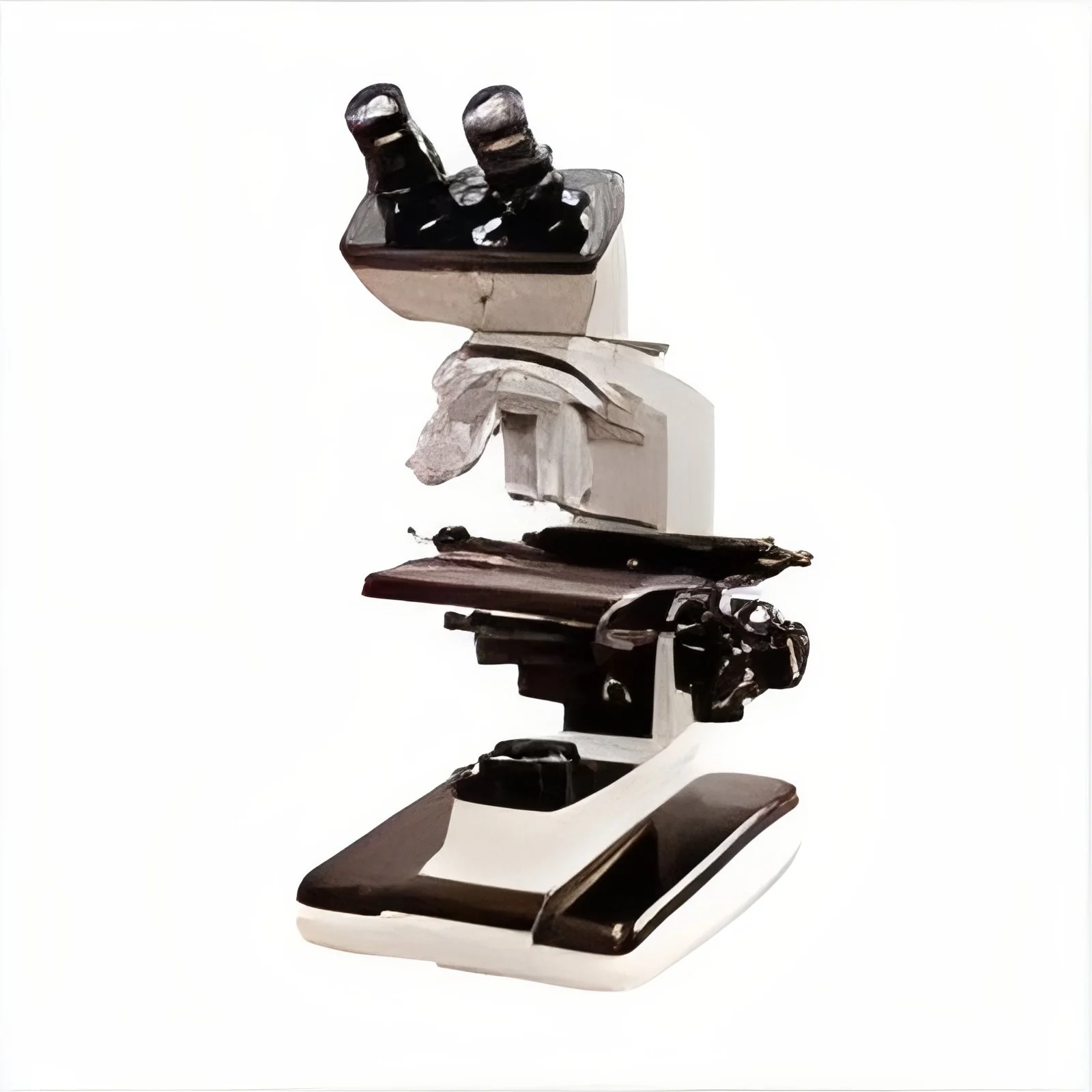
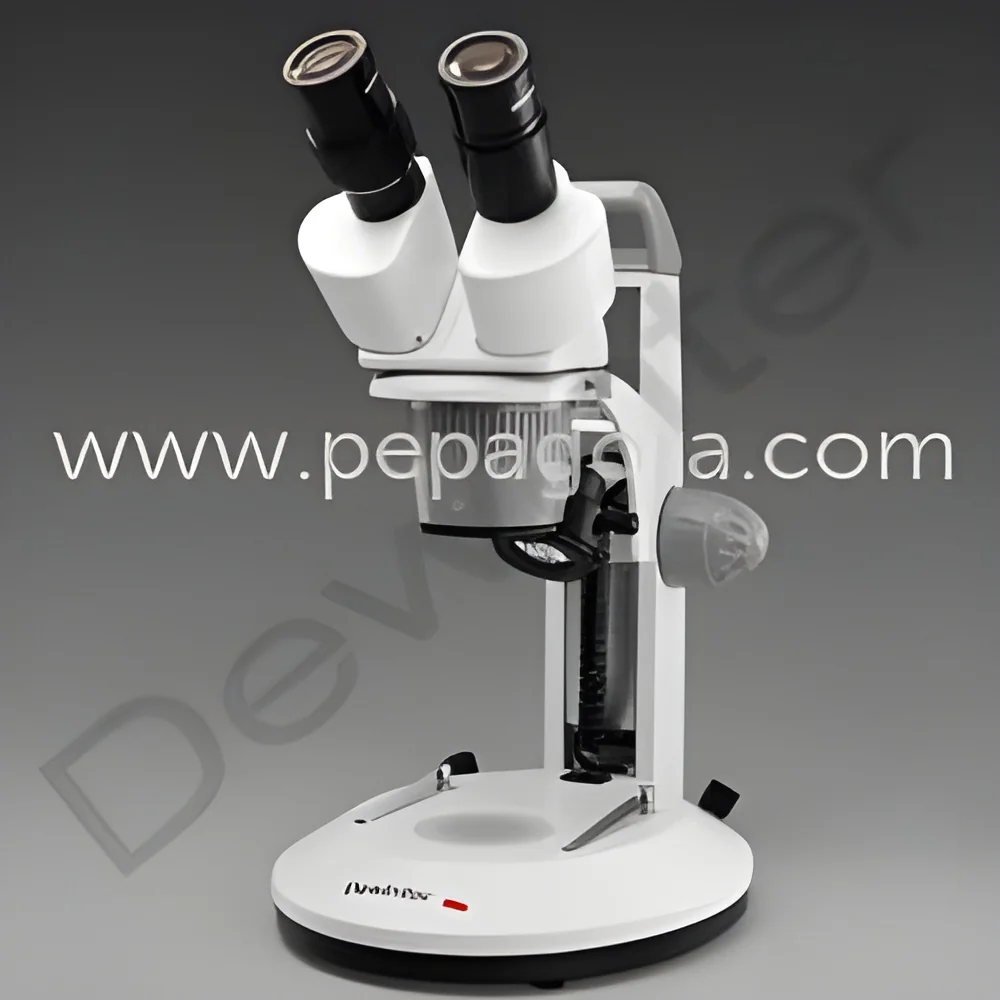
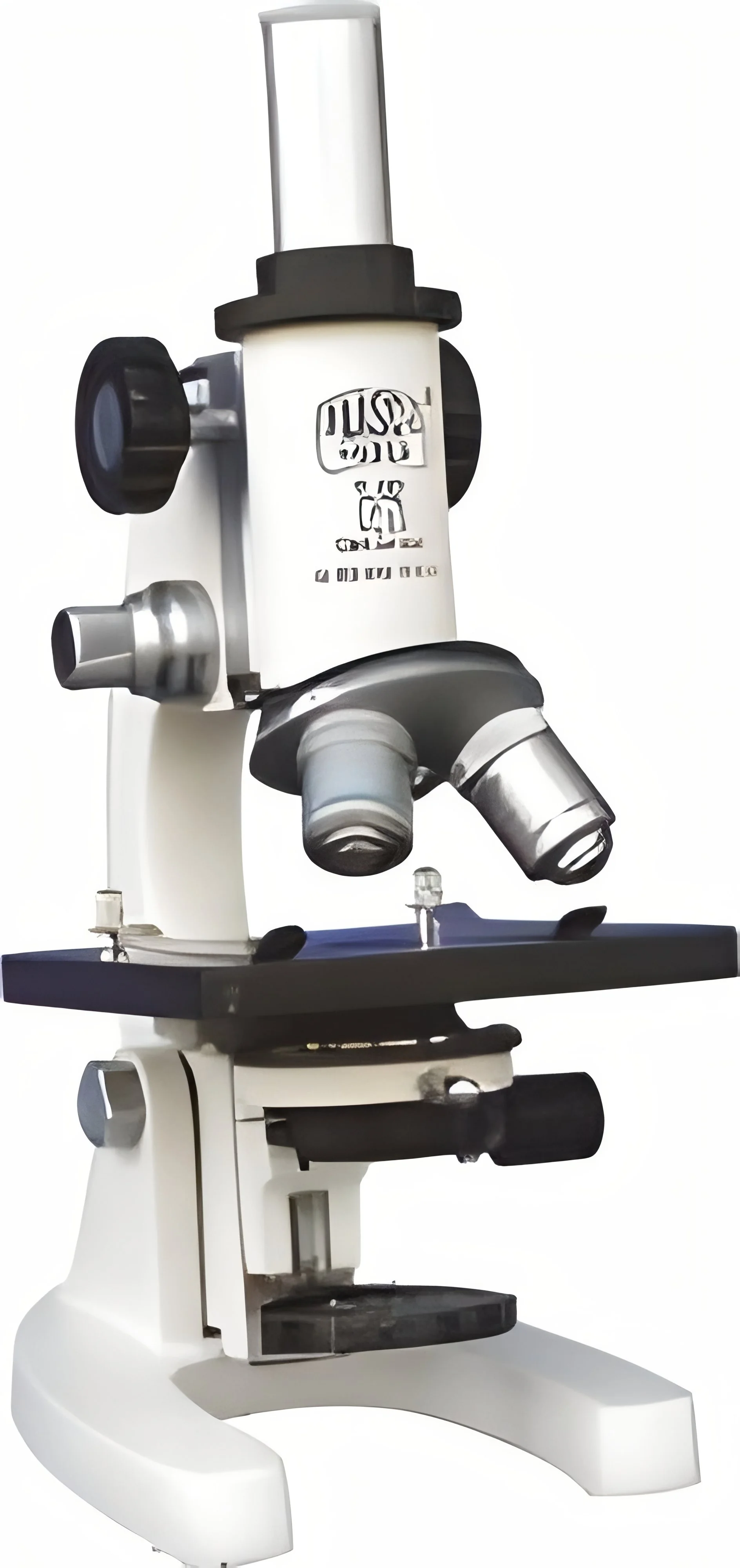
Microscopes (Digital, Optical, Student)
87 products available
Key Features and Specifications
Microscopes come with a range of features and specifications that enhance their usability and performance. When selecting a microscope, it is essential to consider these critical specifications to meet specific operational needs.
Key specifications include:
1. Magnification Range
- The range of magnification indicates how much larger a specimen will appear.
- Typical ranges can be from 40x to 1000x or more.
2. Resolution
- Resolution determines the ability to distinguish between two closely spaced points.
- High-resolution microscopes can achieve resolutions of 200 nanometers or better.
3. Illumination Type
- Microscopes may use LED, halogen, or fluorescence lighting.
- The choice of illumination affects clarity and color representation.
4. Stage Type
- Microscopes can have mechanical or fixed stages for specimen placement.
- Mechanical stages allow for easy movement and positioning.
5. Camera Compatibility
- Digital microscopes often support various camera types for image capture.
- Compatibility with high-resolution cameras enhances documentation.
6. Software Integration
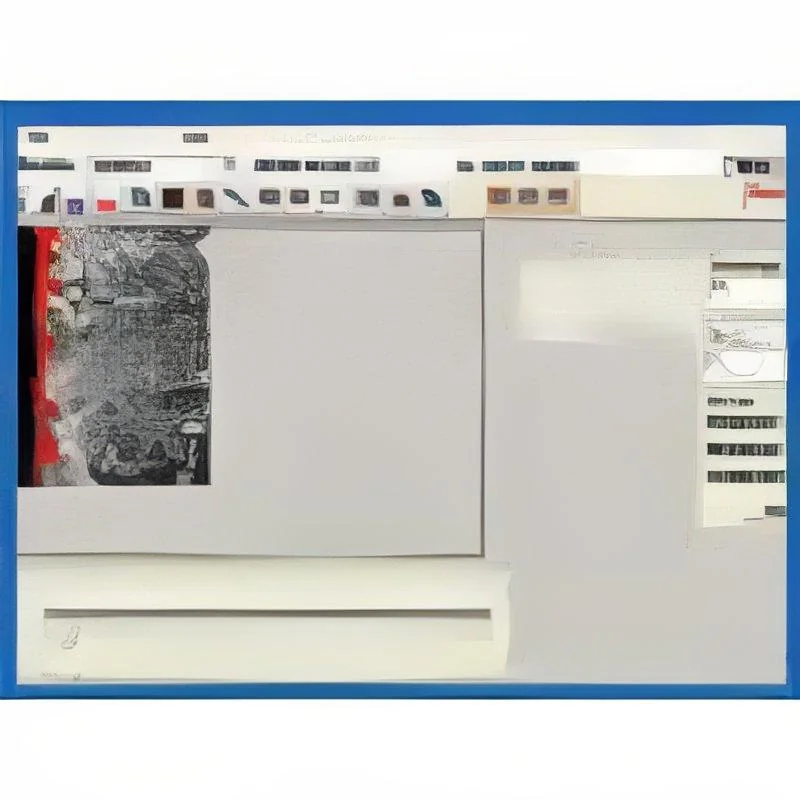
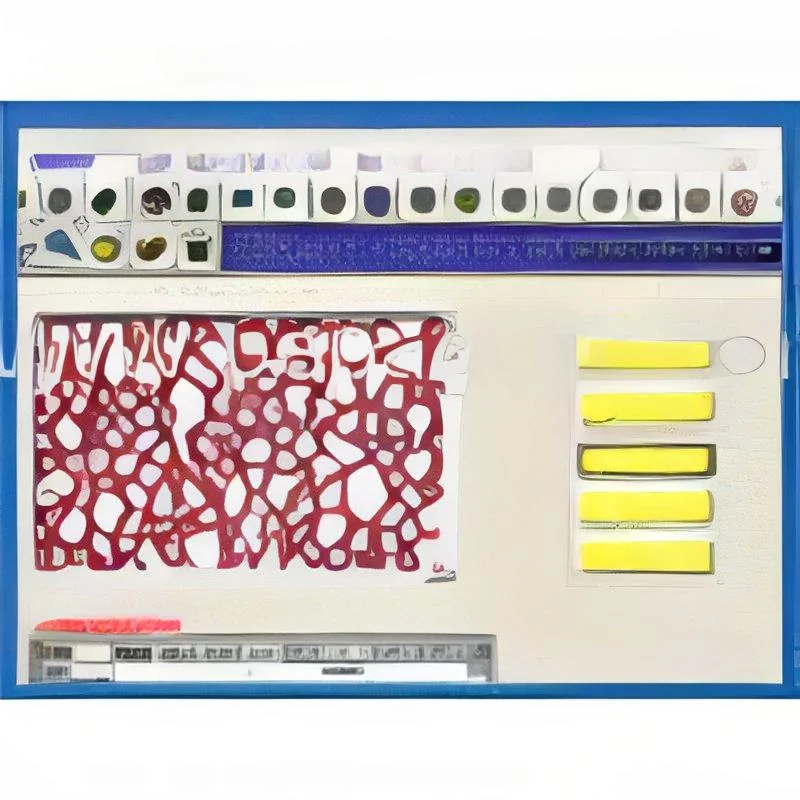
- Many digital microscopes come with software for image analysis and processing.
- Software features may include measurement tools and data reporting.
7. Portability
- Some microscopes are designed to be lightweight and portable for field use.
- Portability can include battery operation and compact design.
8. Build Quality
- The durability of the microscope is important for long-term use.
- High-quality materials and construction lead to better longevity.
In summary, understanding these features and specifications is crucial for selecting the right microscope that aligns with specific operational requirements and applications.
Common Applications and Use Cases
Microscopes serve a variety of industries and applications, providing essential tools for detailed analysis and observation.
1. Education: Student microscopes are widely used in schools and universities, allowing students to investigate biological specimens and learn fundamental scientific concepts.
2. Healthcare: In medical laboratories, optical and digital microscopes are used to examine blood samples, tissues, and other biological materials for diagnostic purposes.
3. Manufacturing: Microscopes help quality control teams inspect materials, components, and assemblies for defects, ensuring product standards are met.
4. Research: Scientific research relies heavily on microscopes for studying cellular structures, materials, and chemical compositions in various fields such as biology and materials science.
5. Environmental Science: Microscopes are used to analyze soil samples, water quality, and microbial populations, aiding in environmental monitoring and conservation efforts.
6. Forensics: In forensic science, microscopes assist in the examination of evidence, such as fibers and hair, helping to solve criminal cases.
7. Electronics: Microscopes play a role in inspecting microelectronic components and solder joints, ensuring the integrity of electronic devices.
Product Variants and Subcategories
Microscopes are available in various forms to cater to different user needs and applications. Each variant offers distinct features tailored to specific tasks.
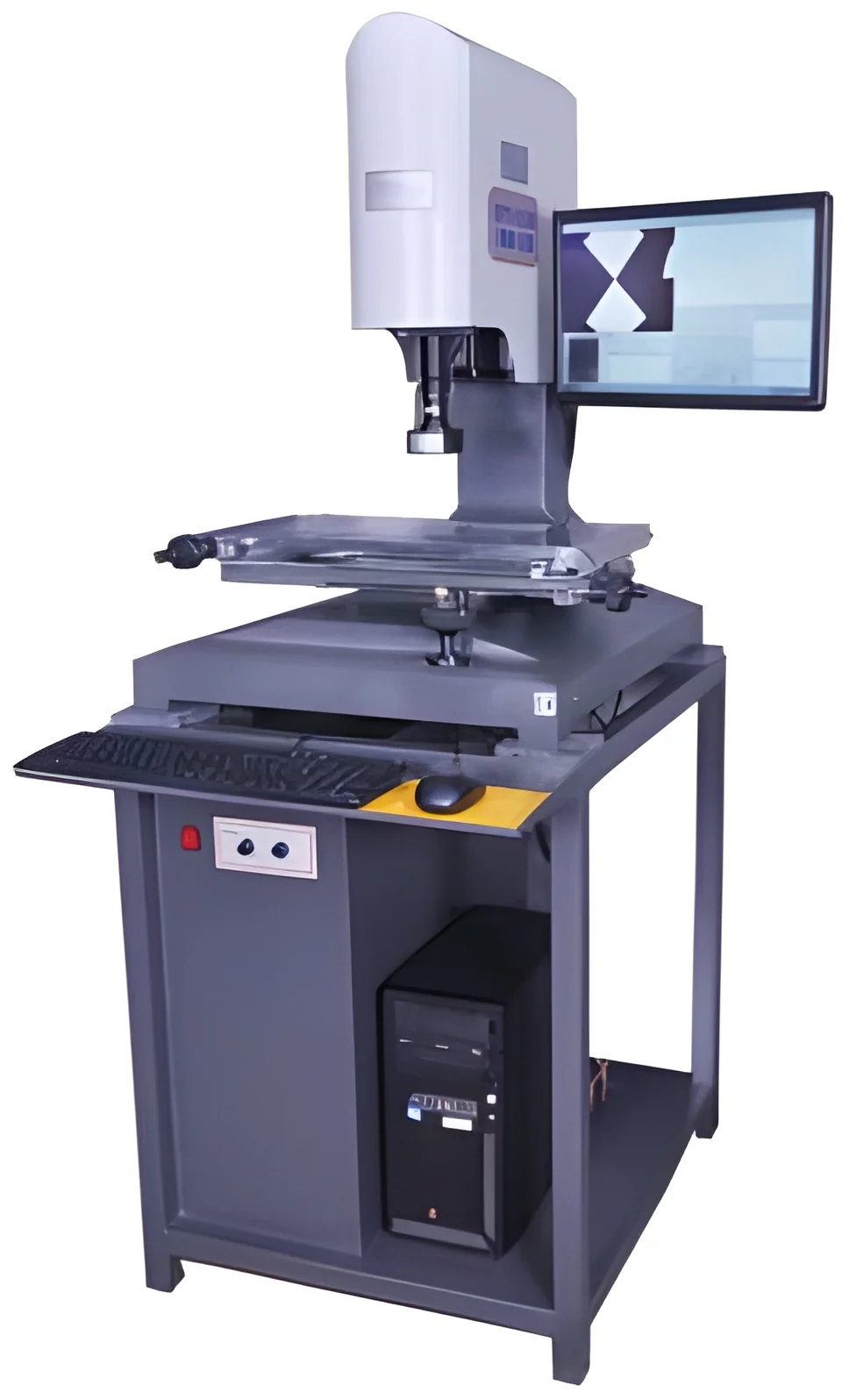
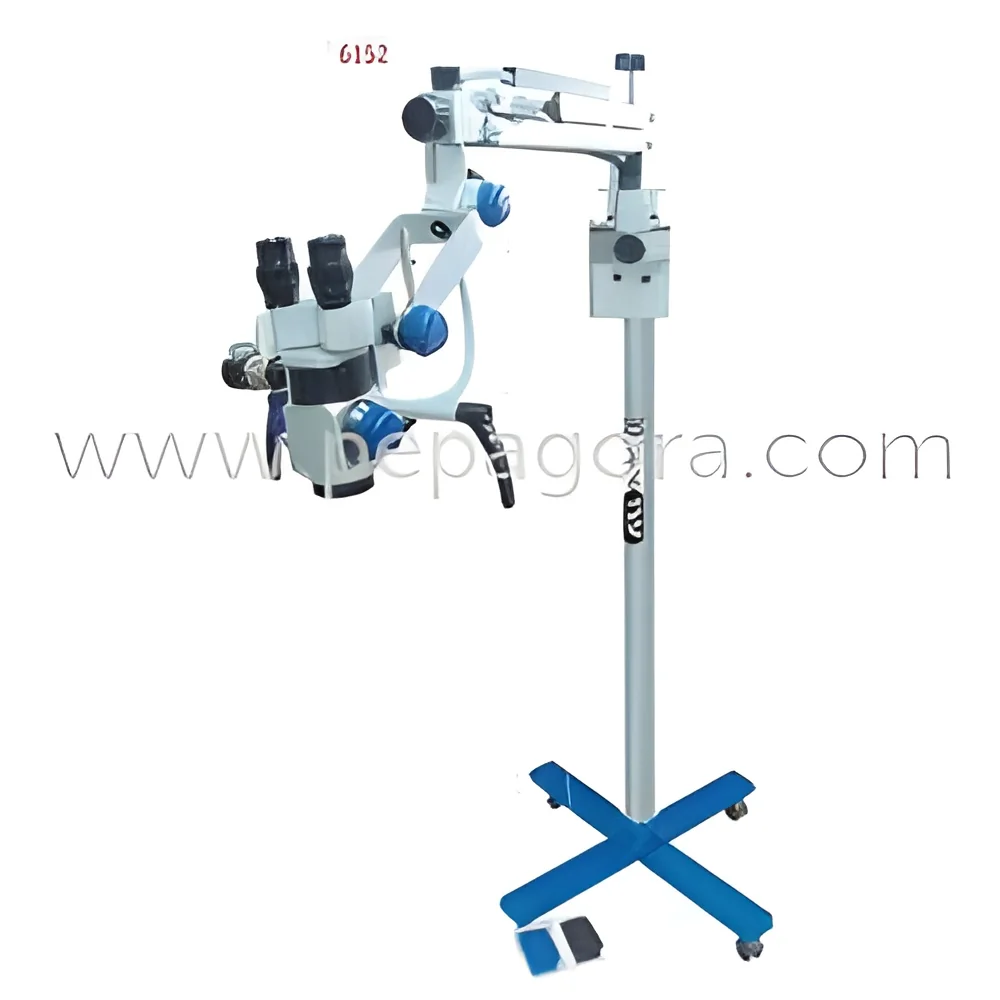
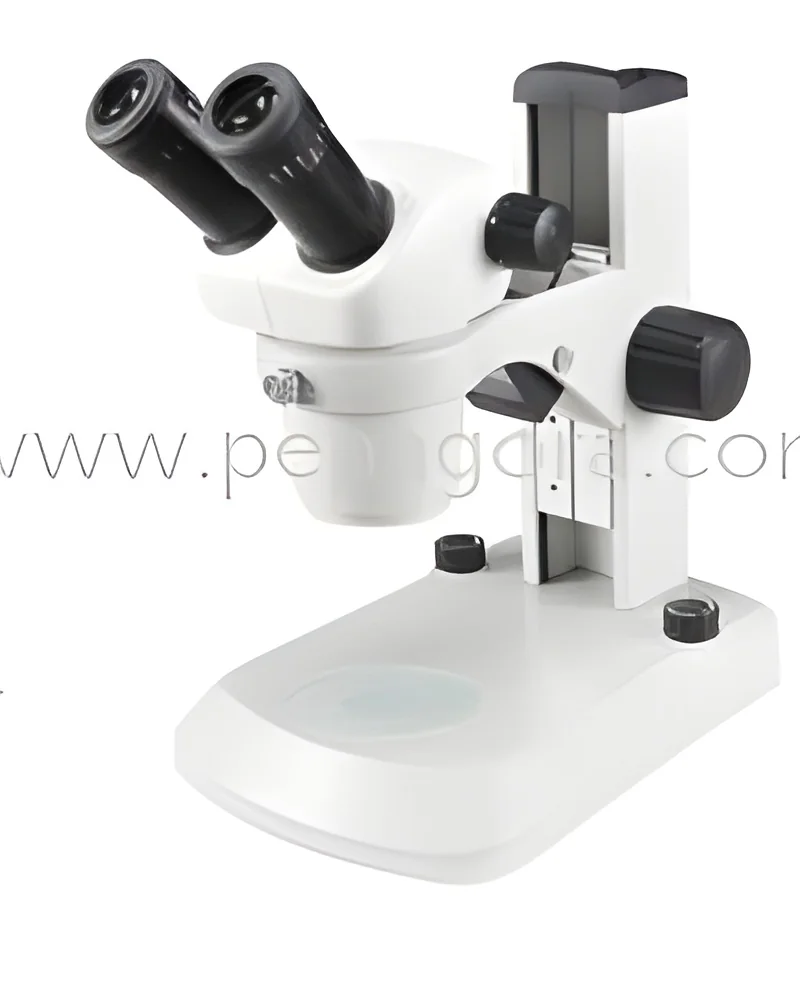
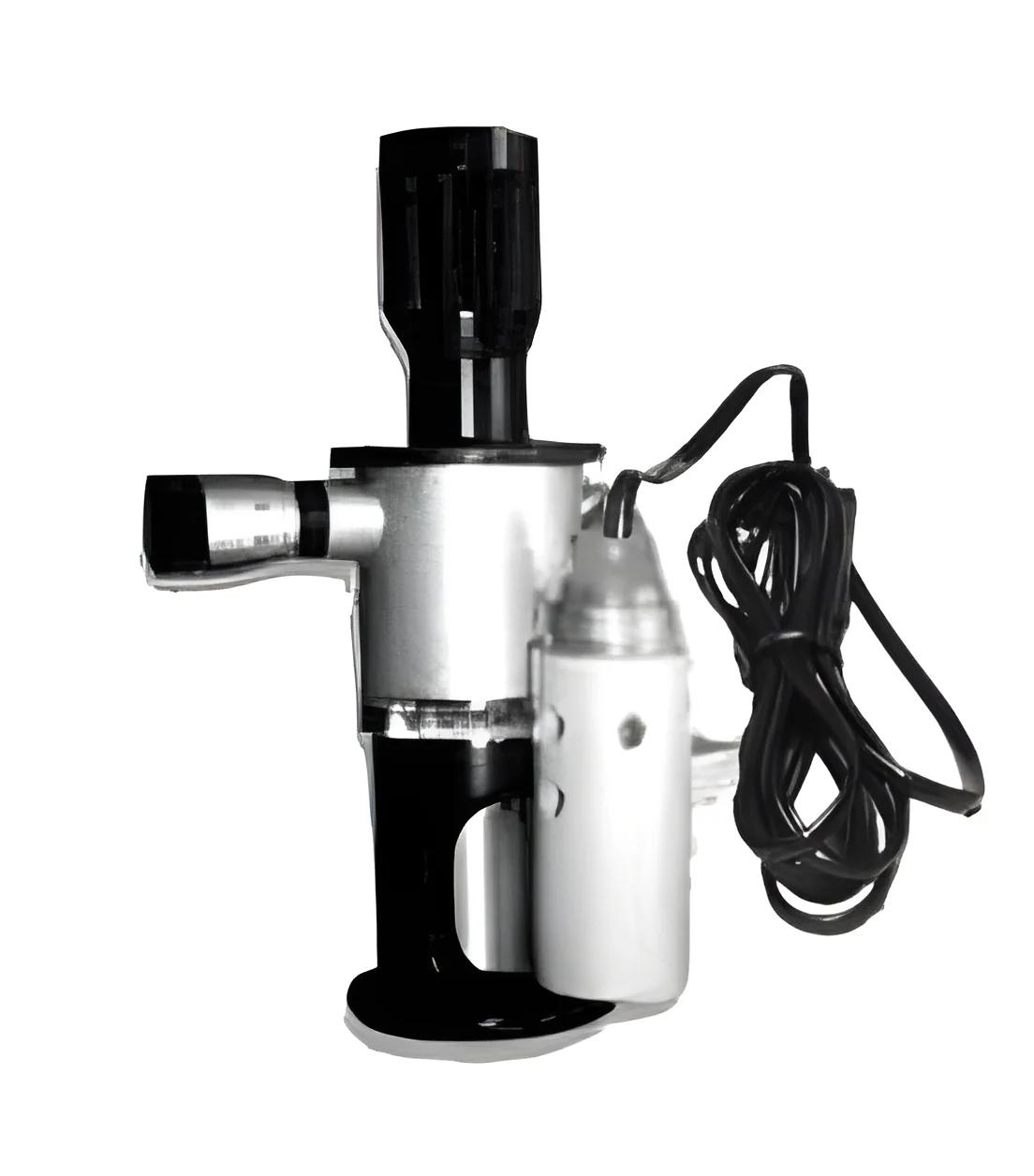
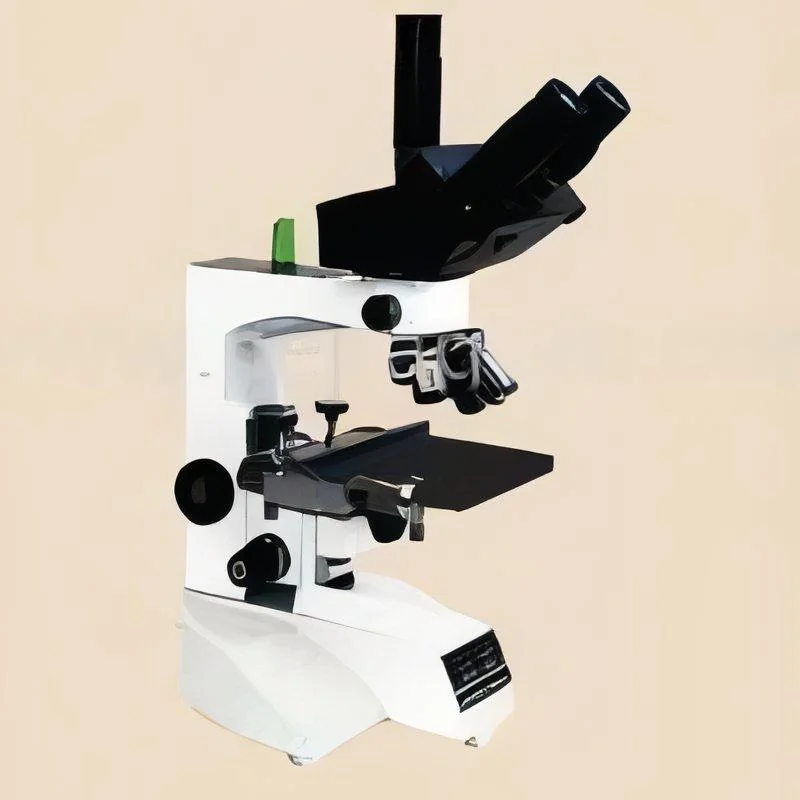
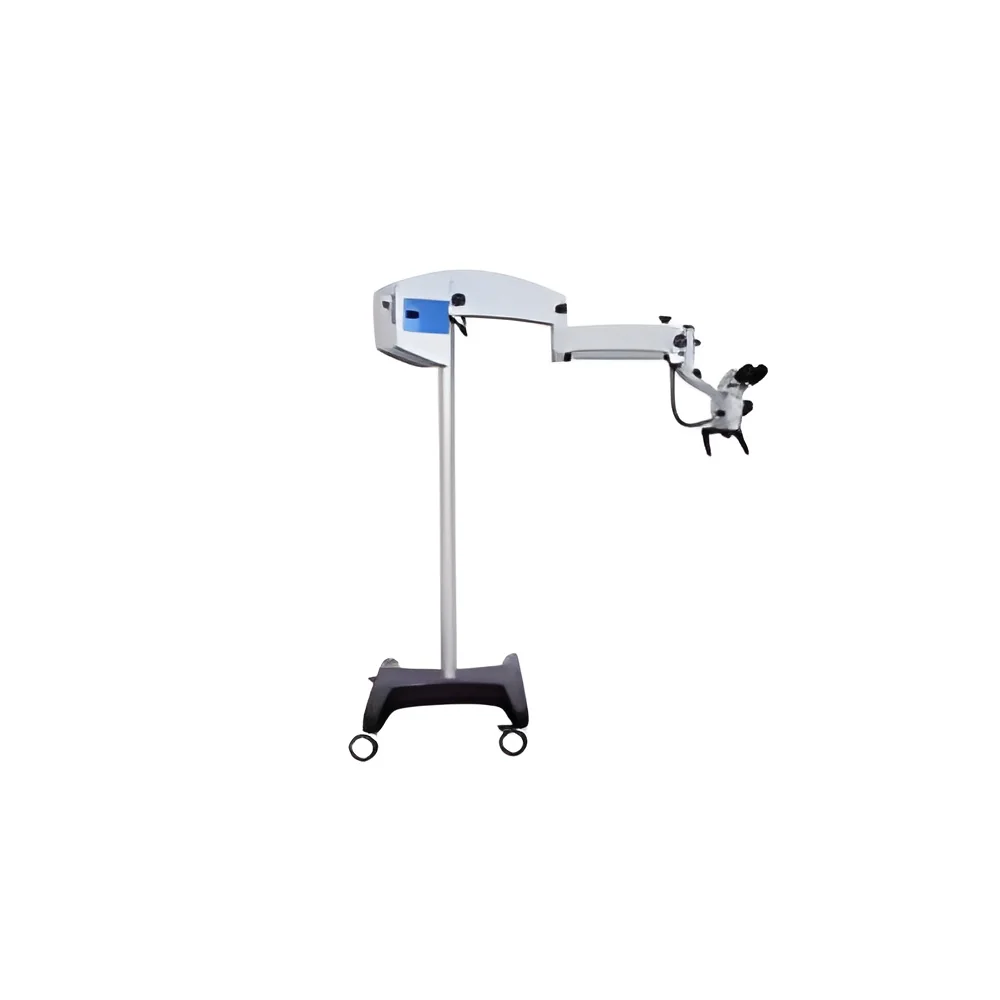
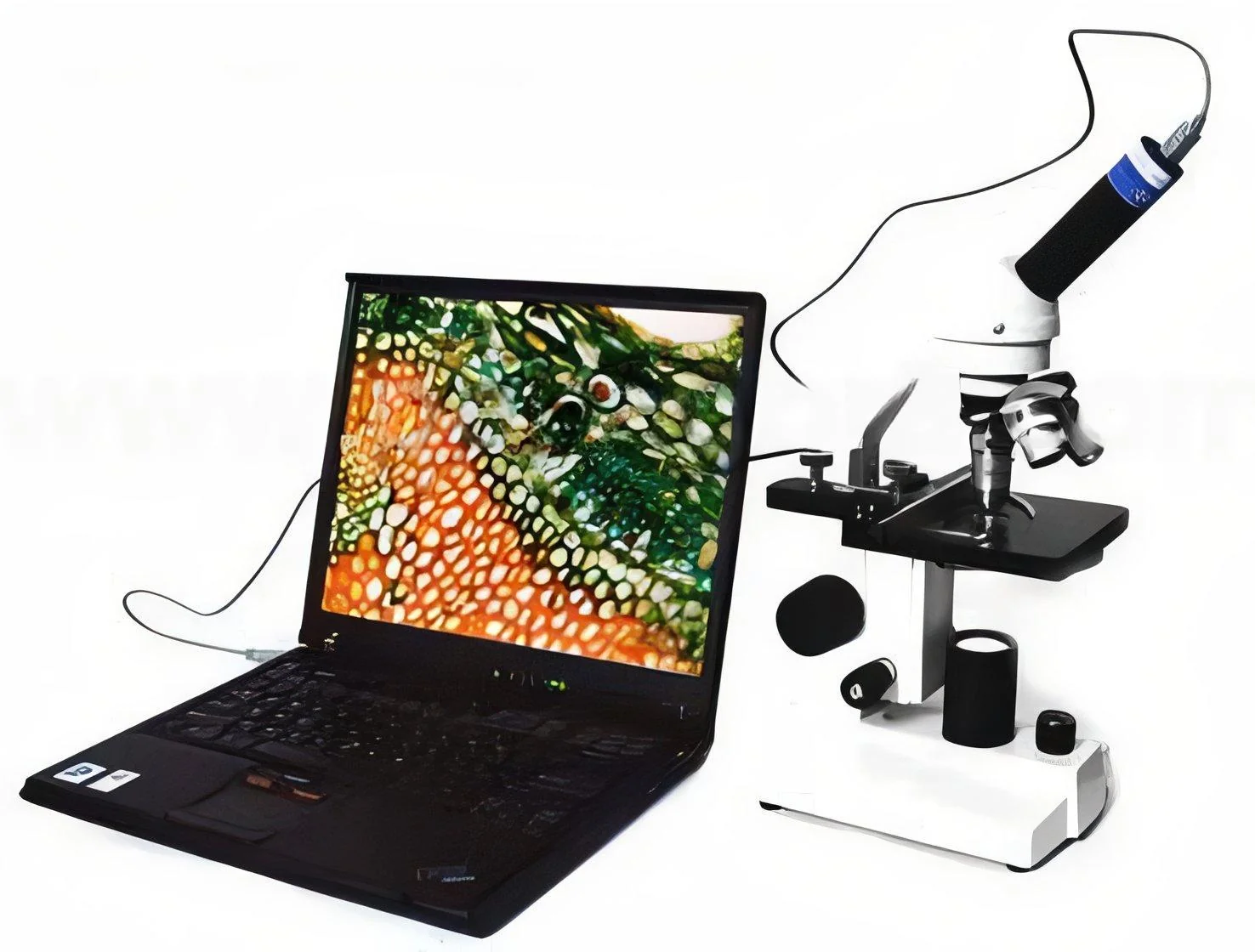
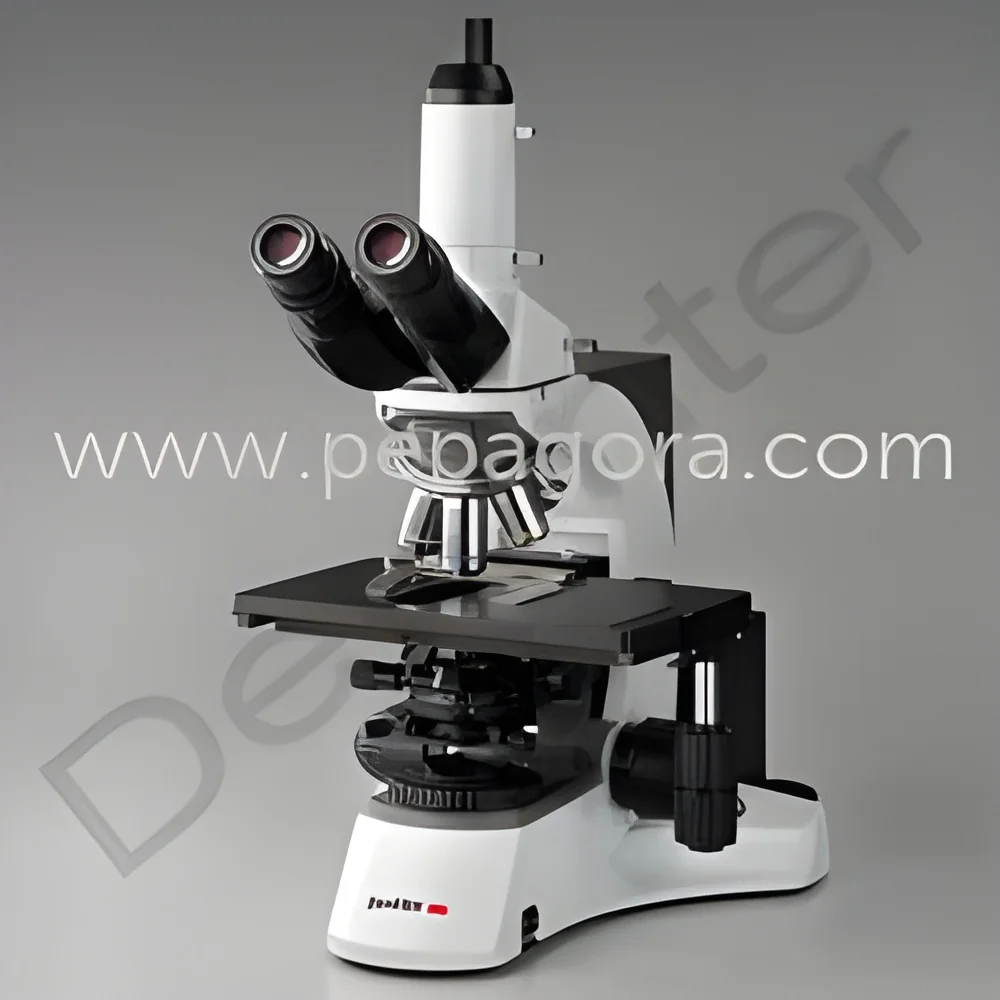
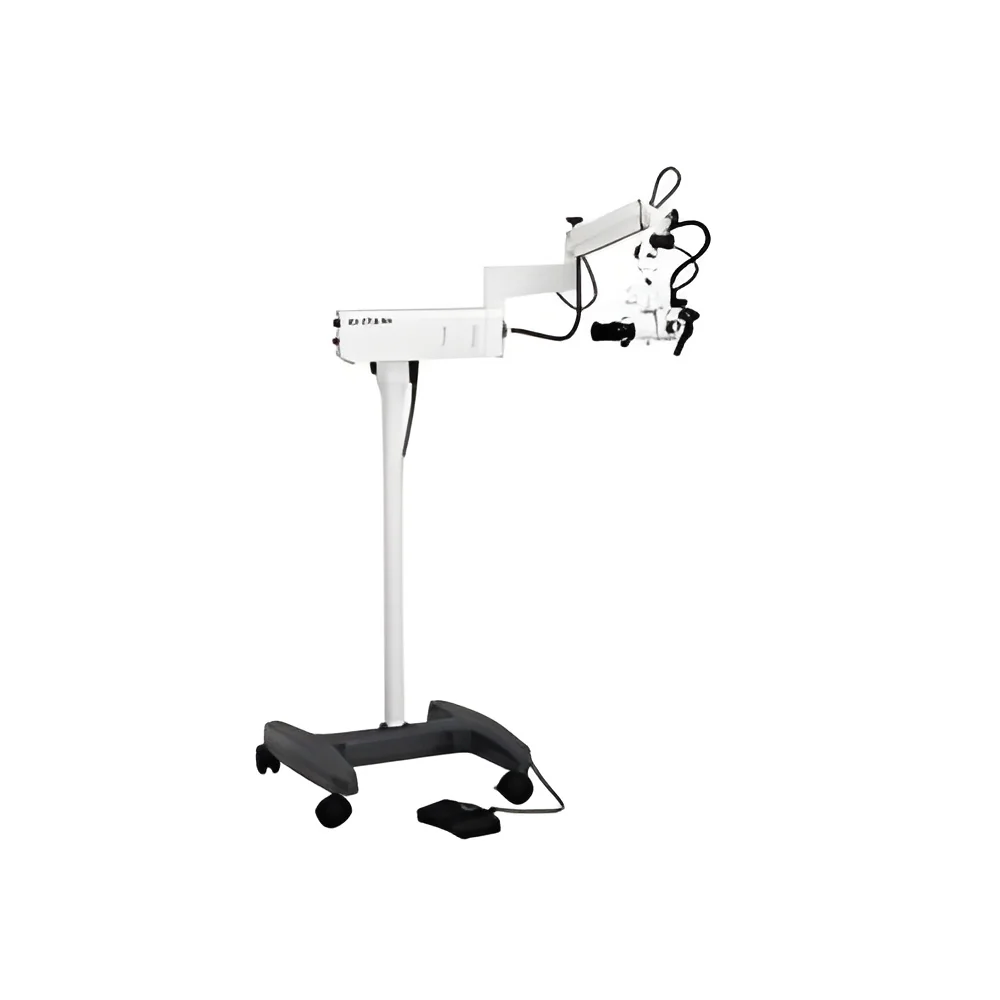
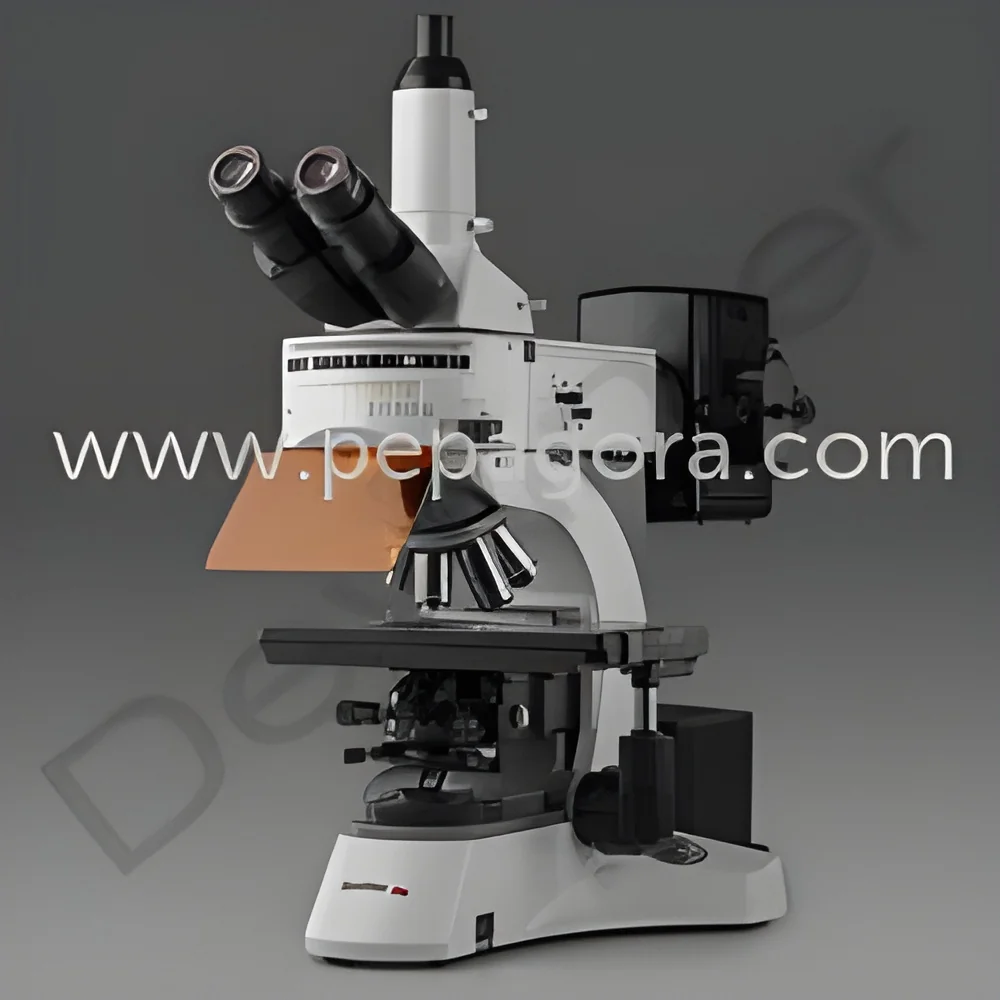
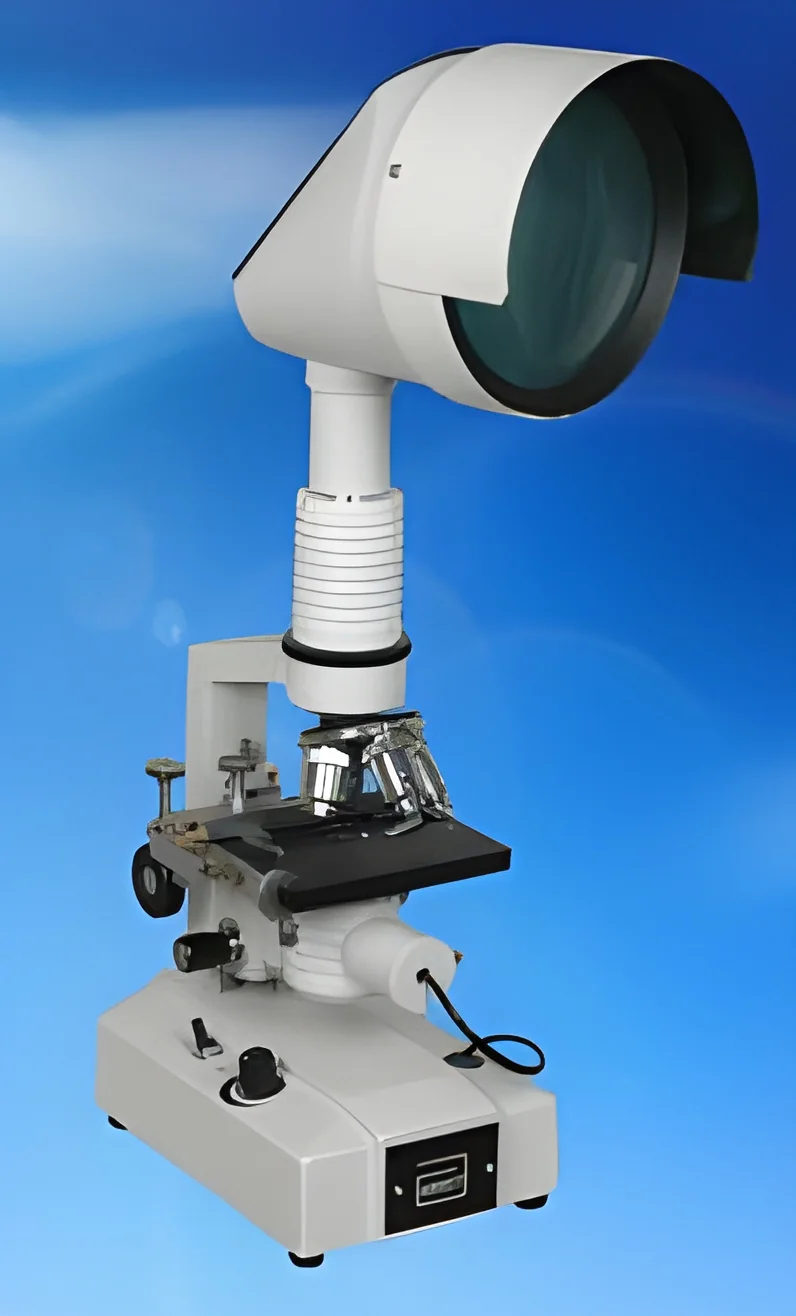
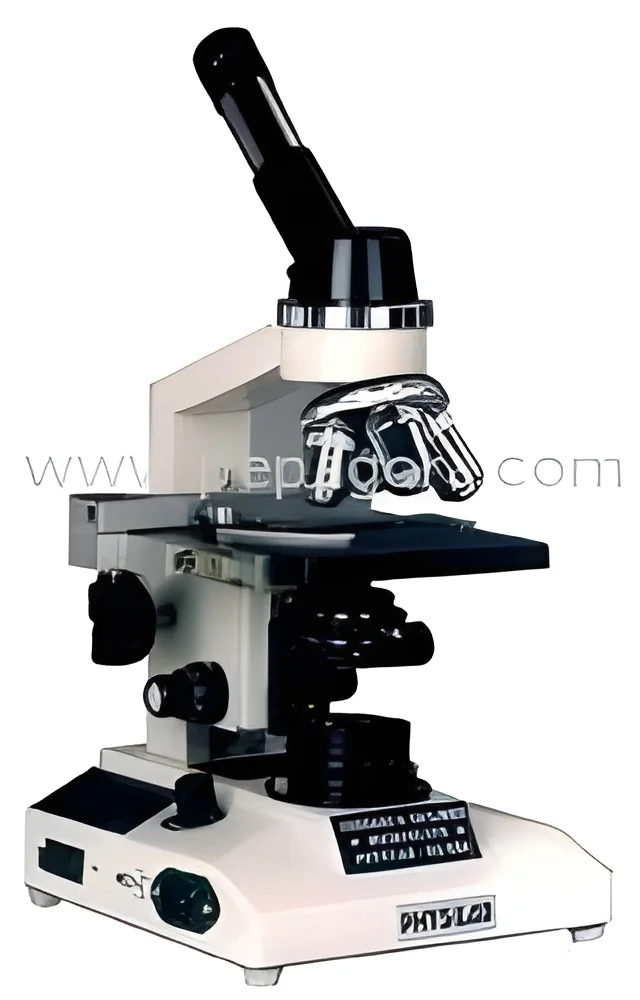
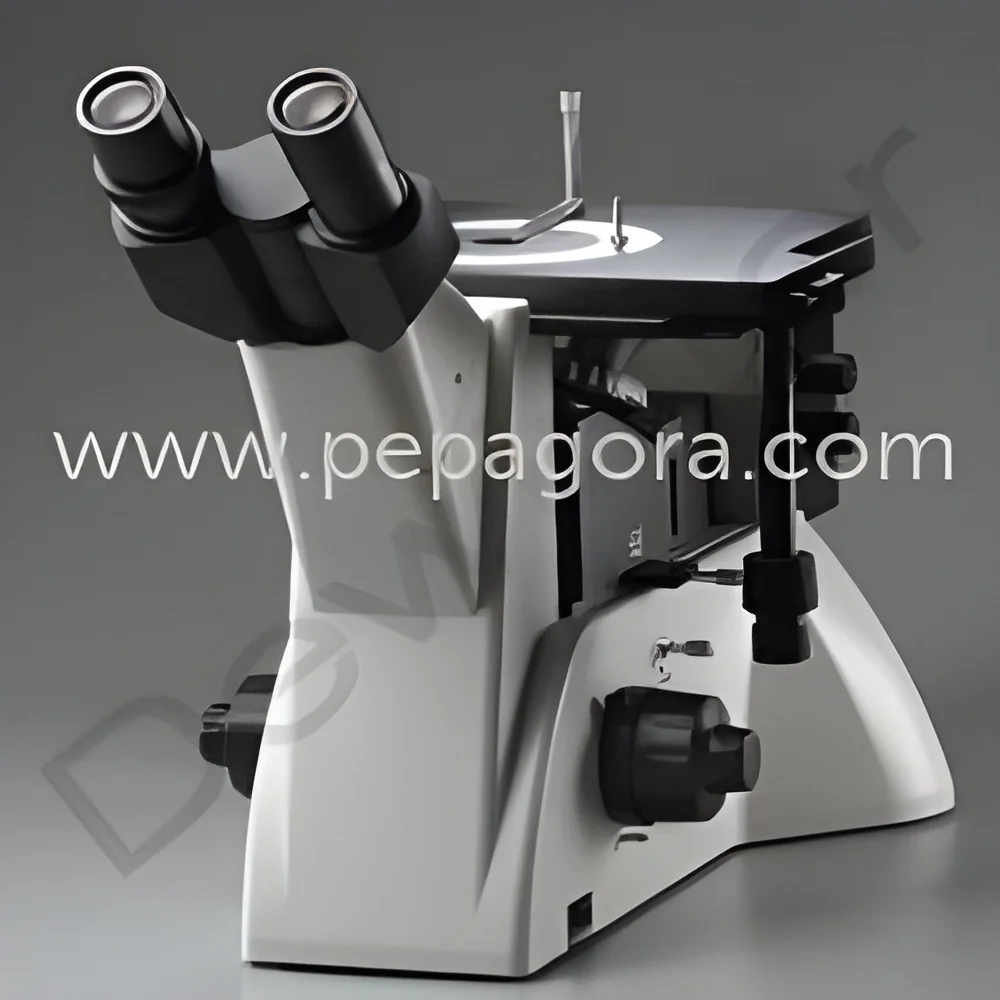
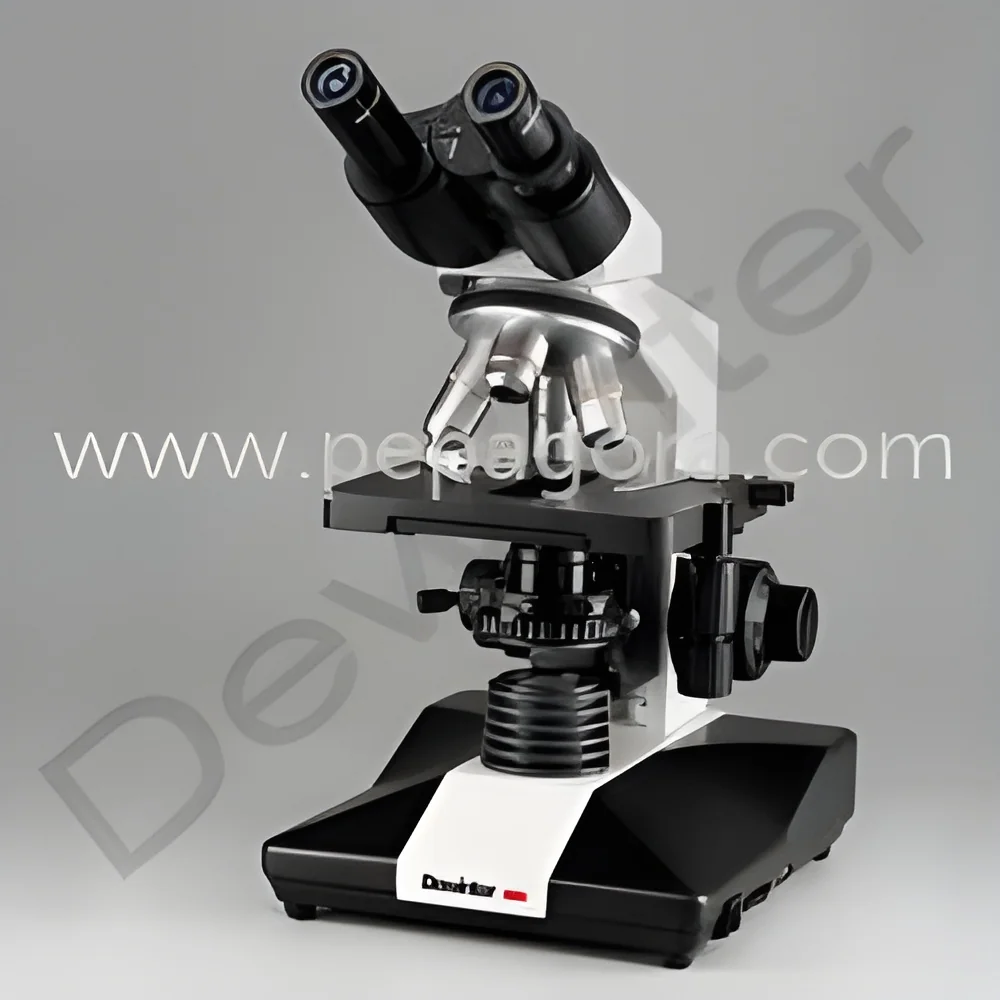
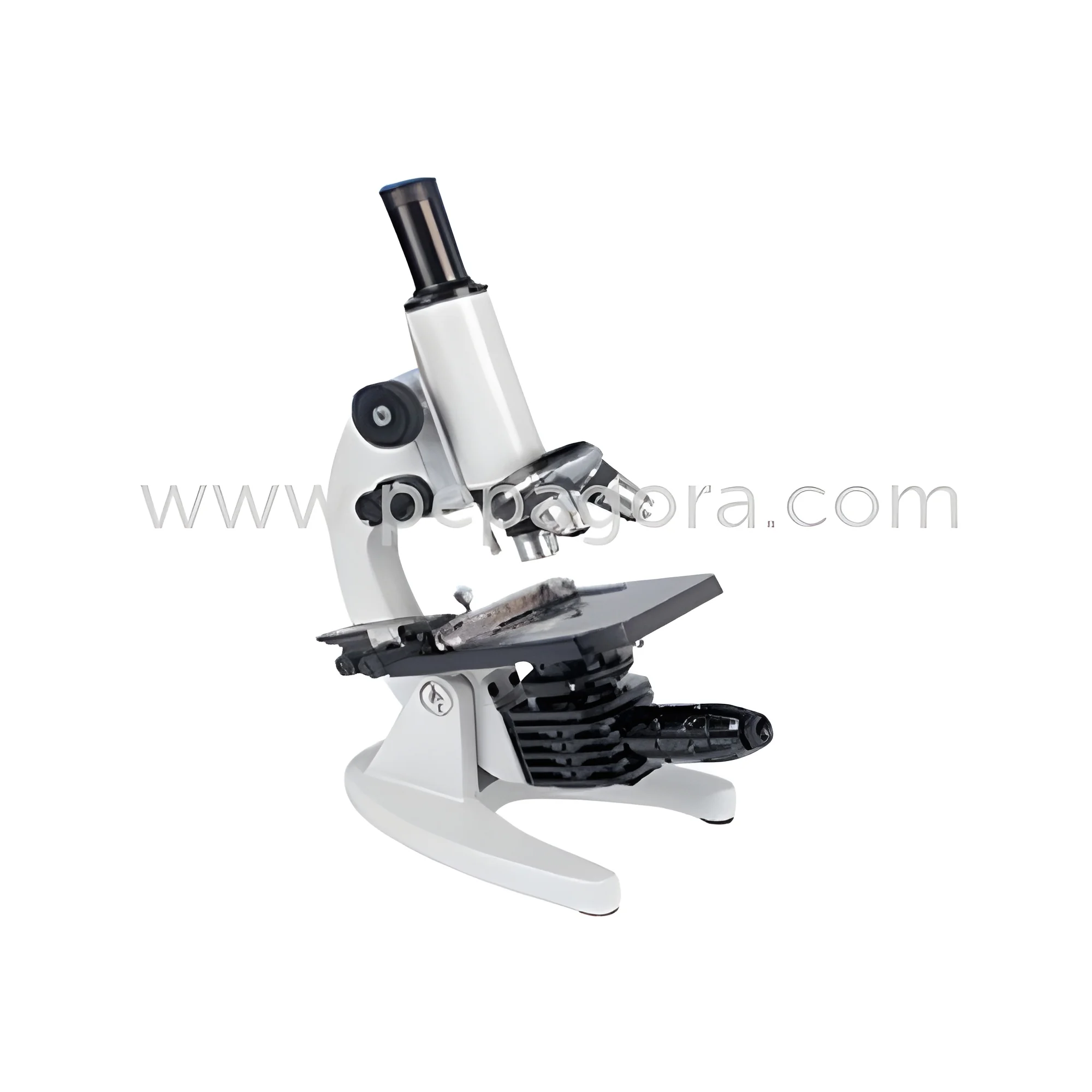
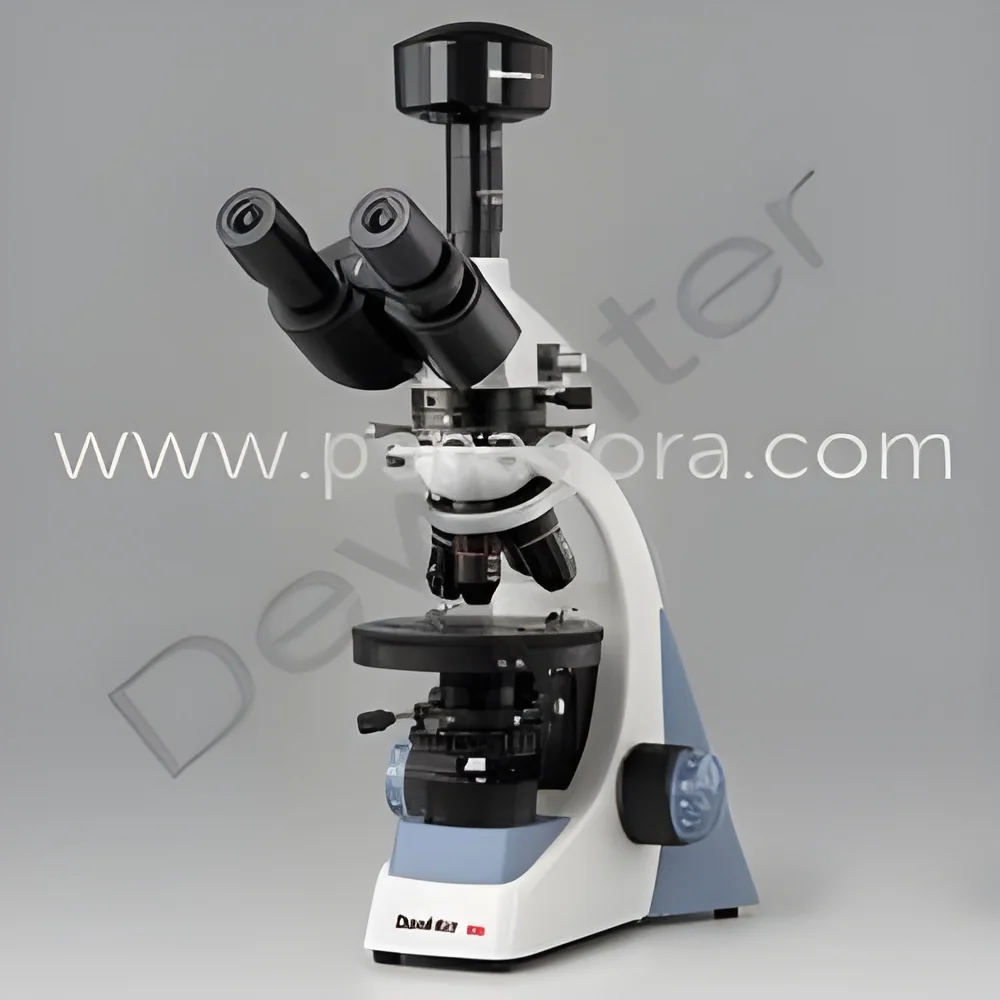
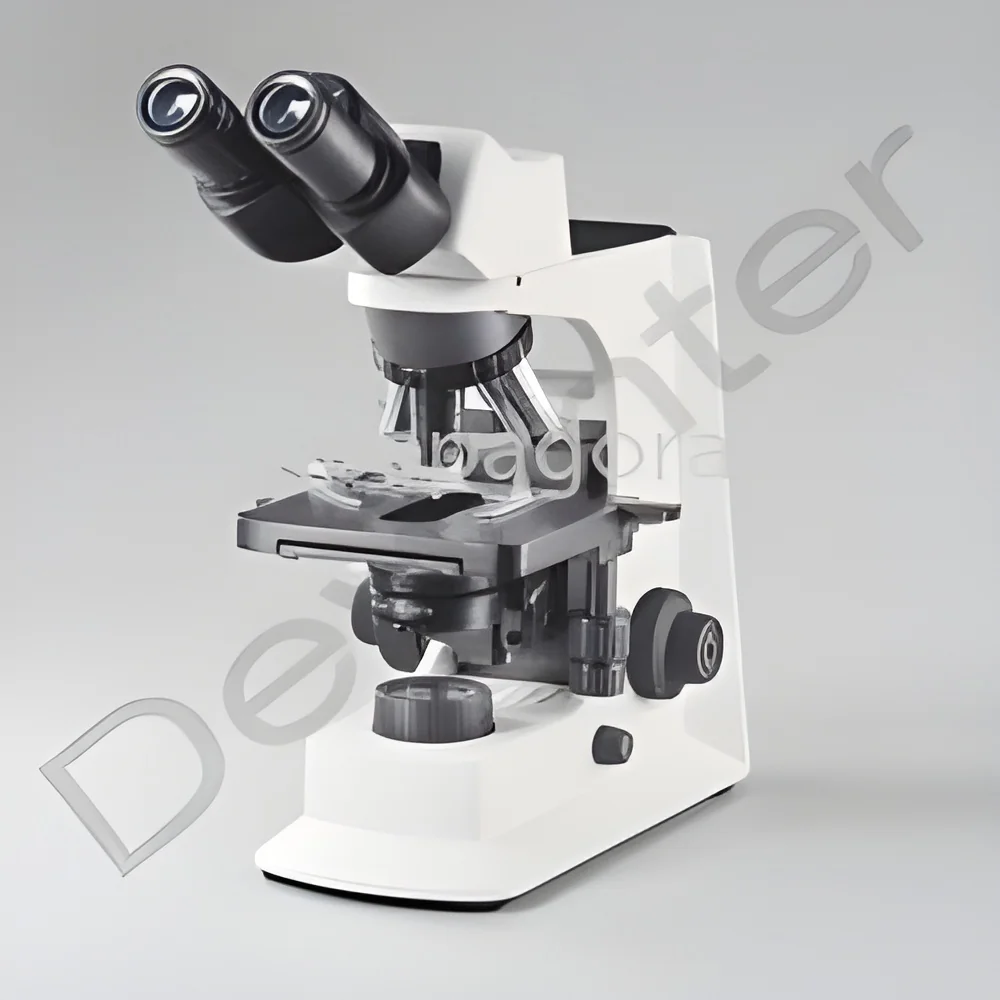
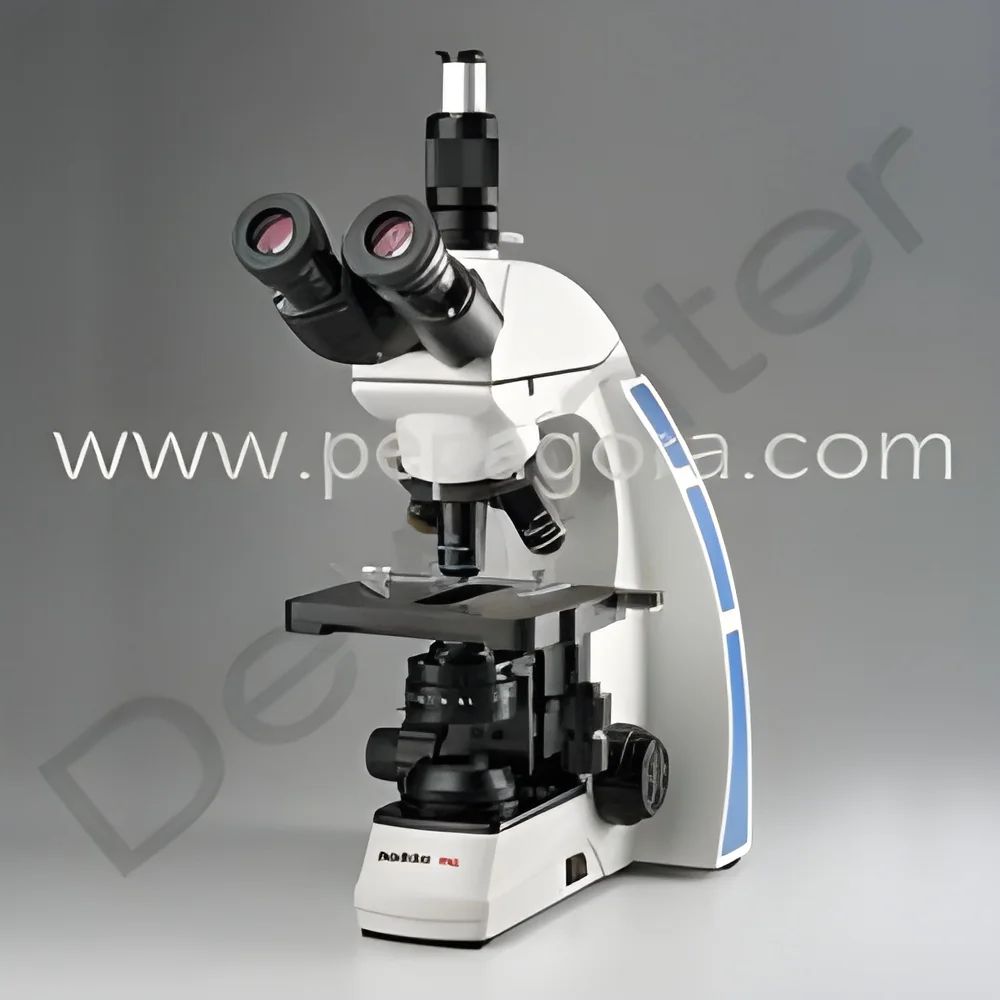
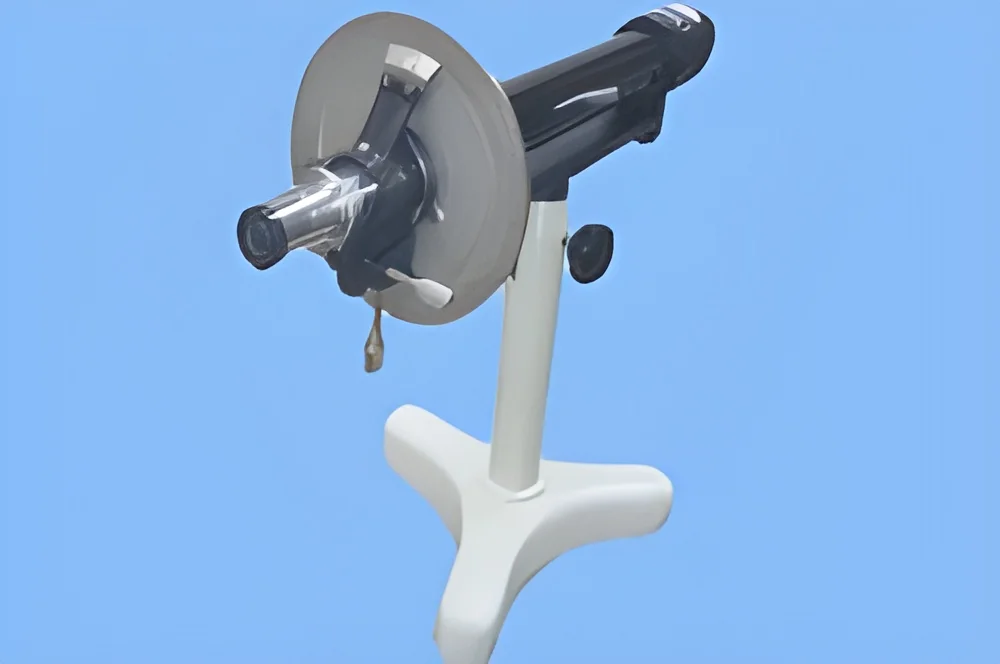
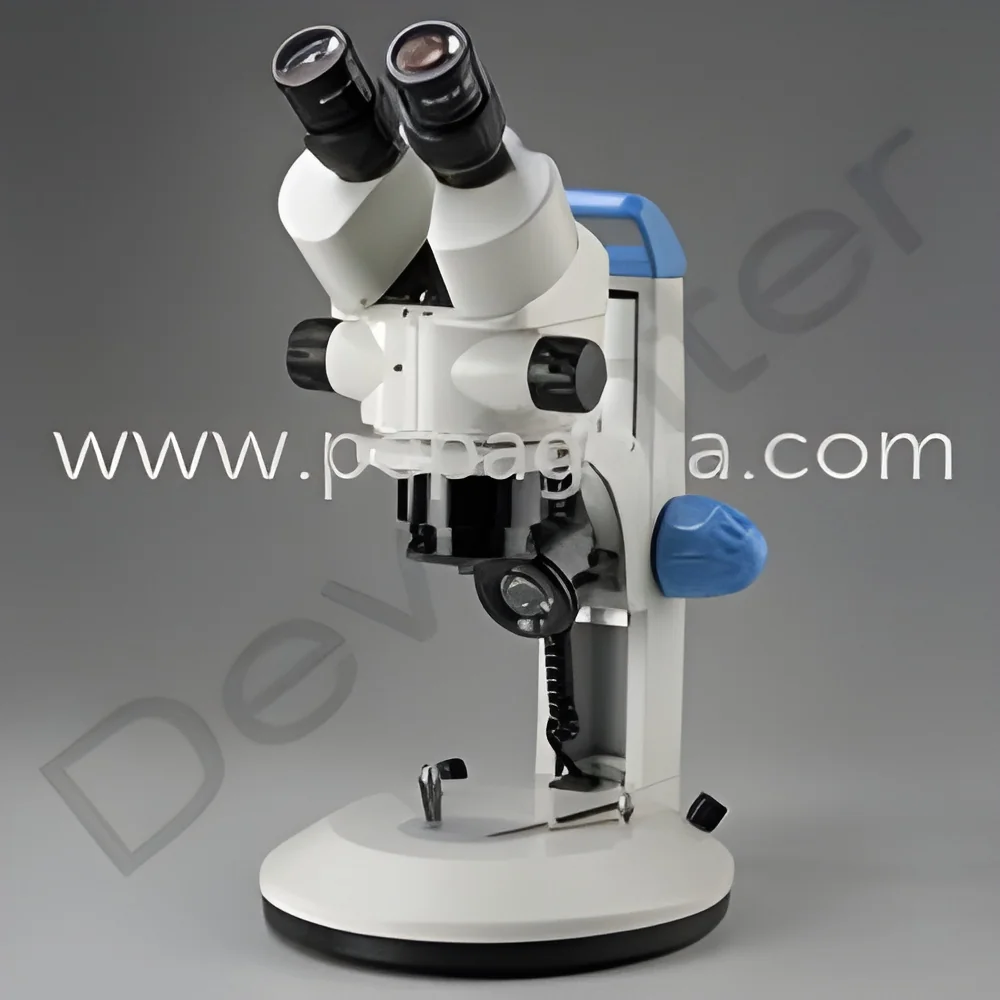
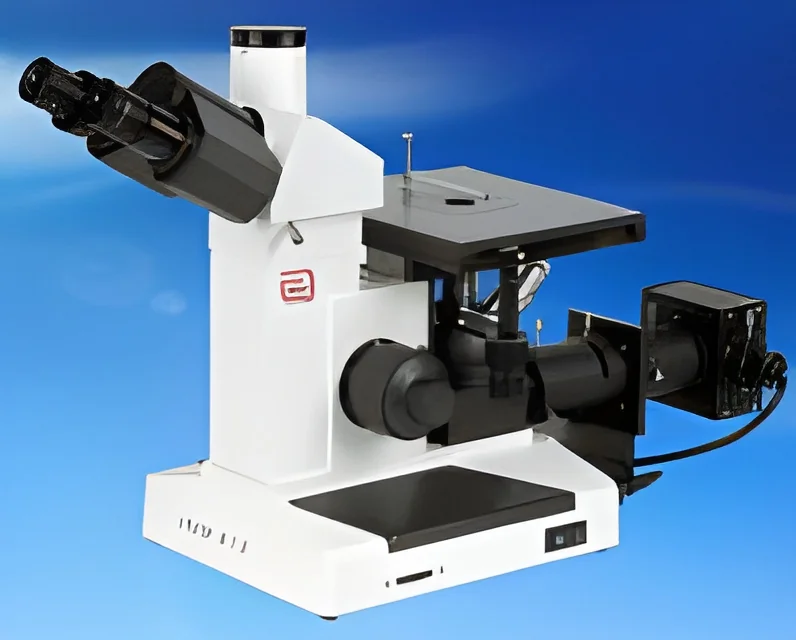
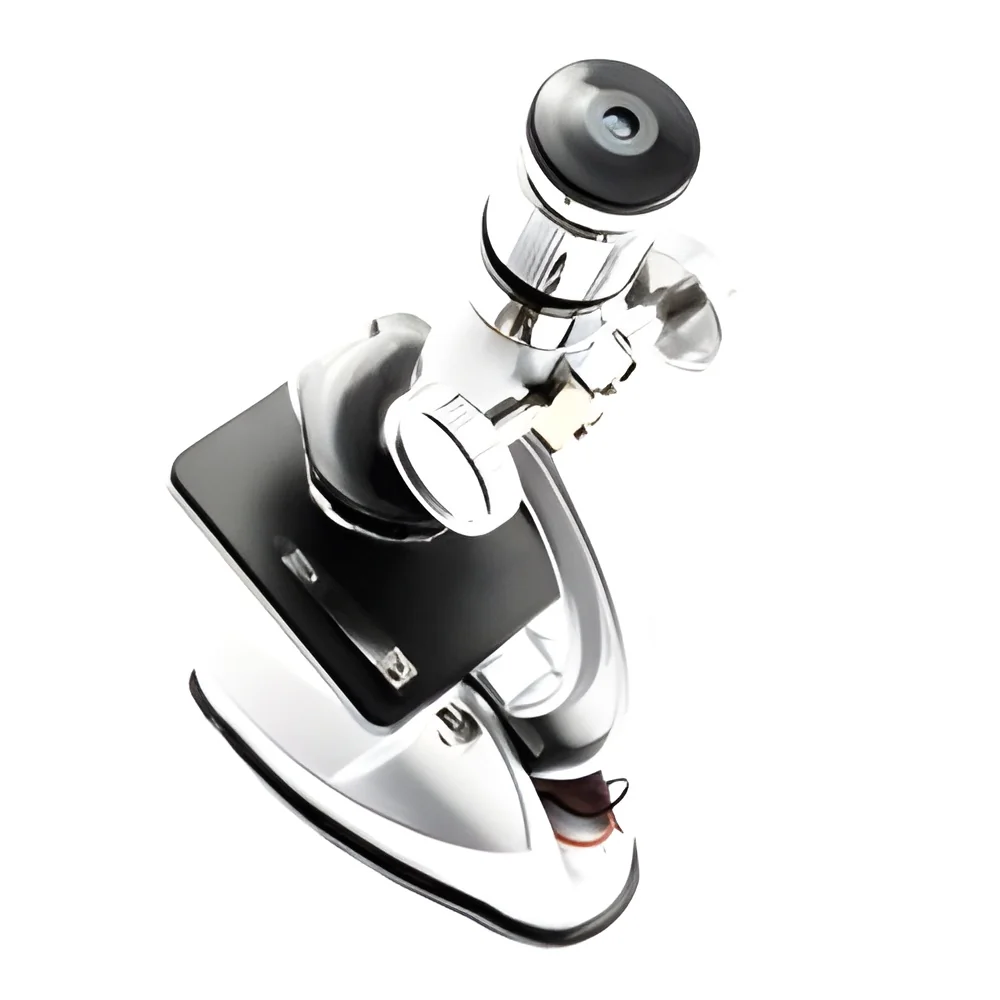
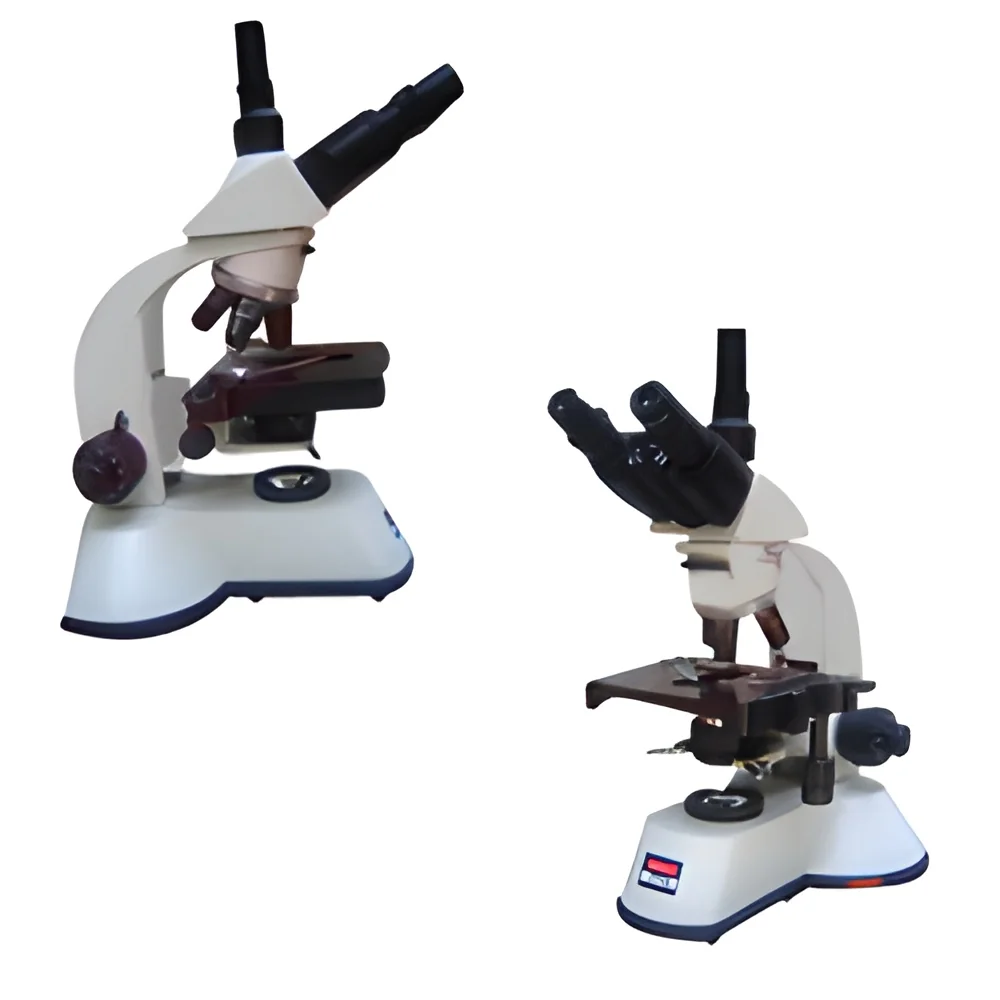
Digital Microscopes: These microscopes integrate digital imaging technology, allowing users to capture and analyze images on computers. They are ideal for research applications where documentation and analysis are essential.
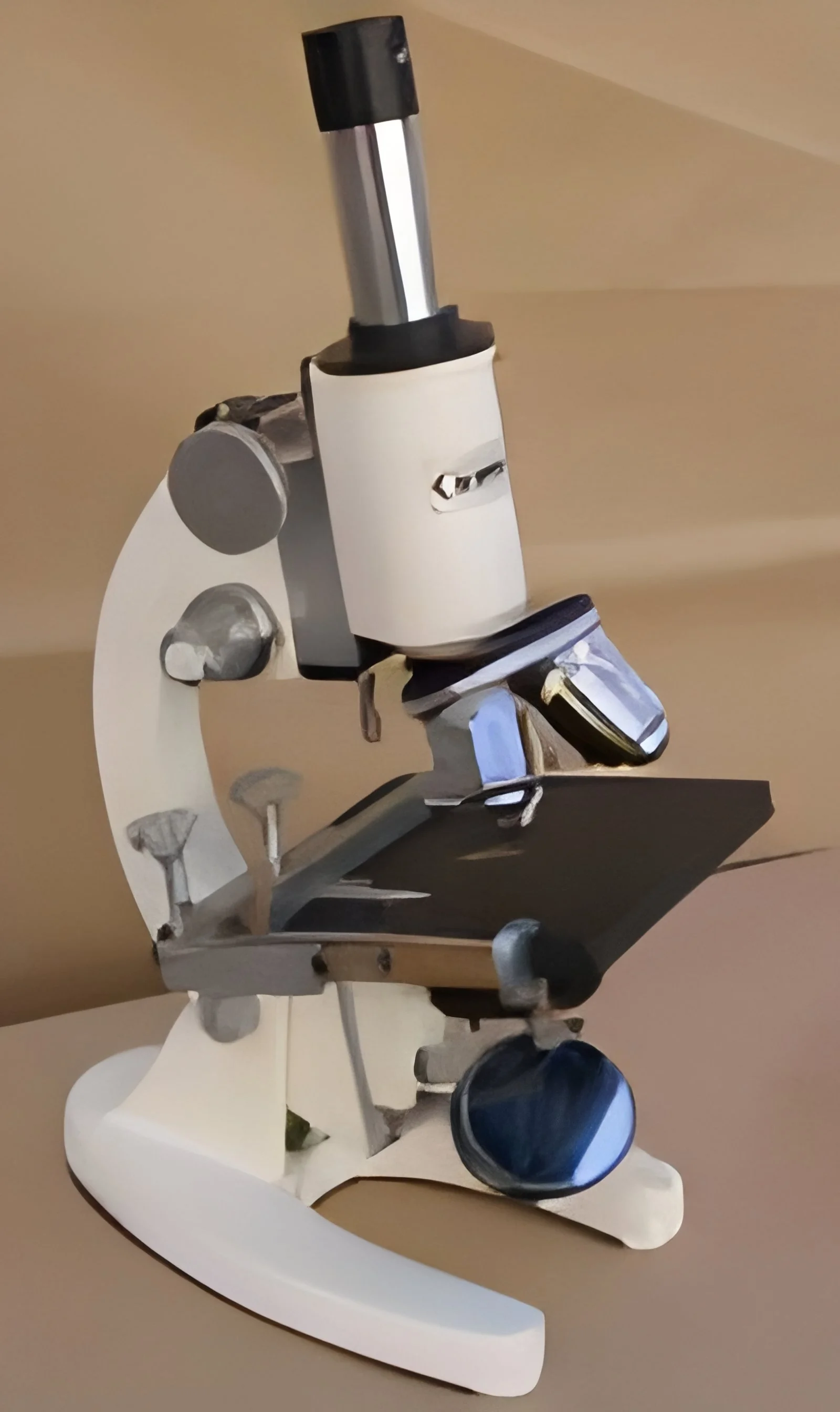
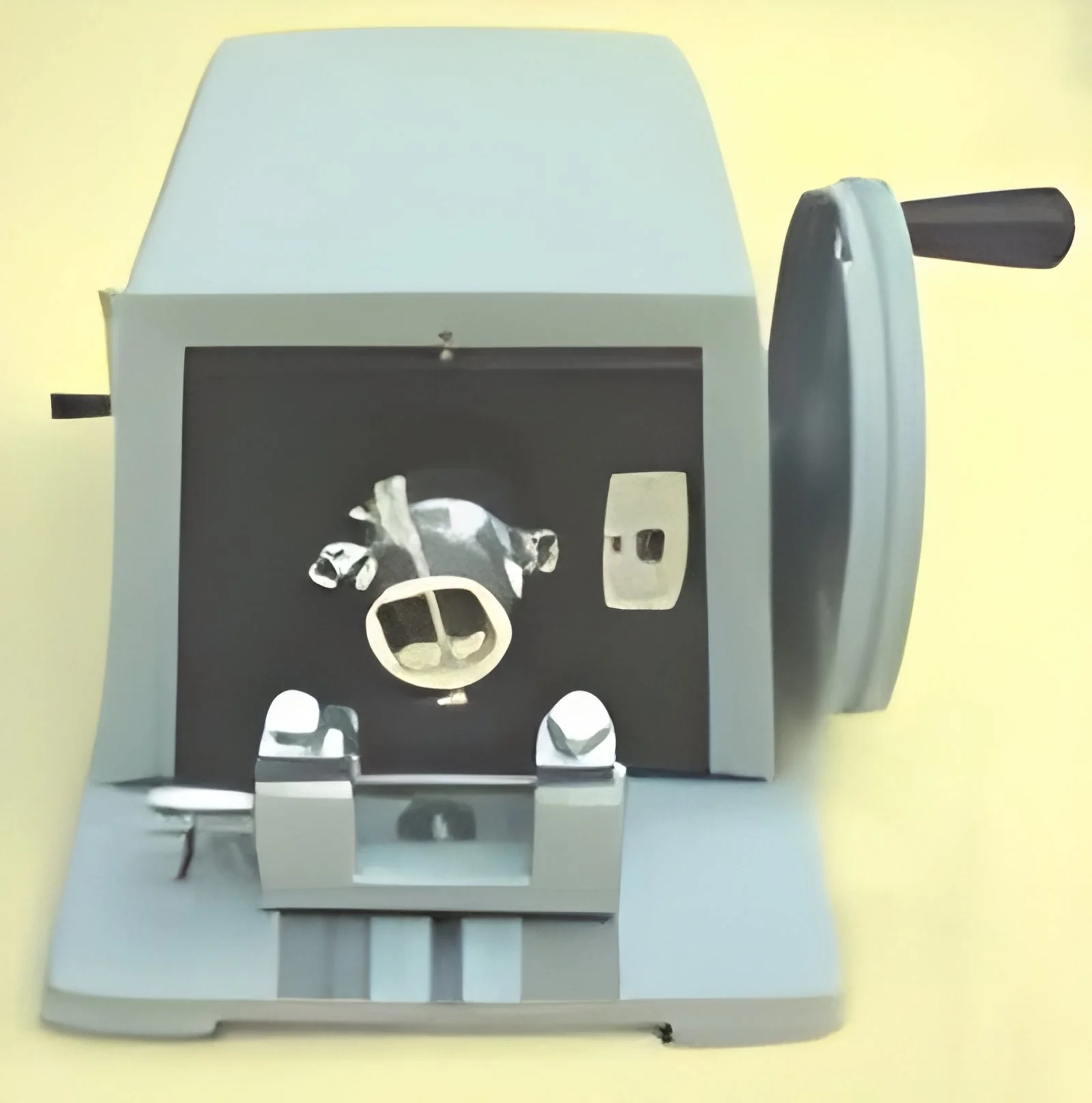
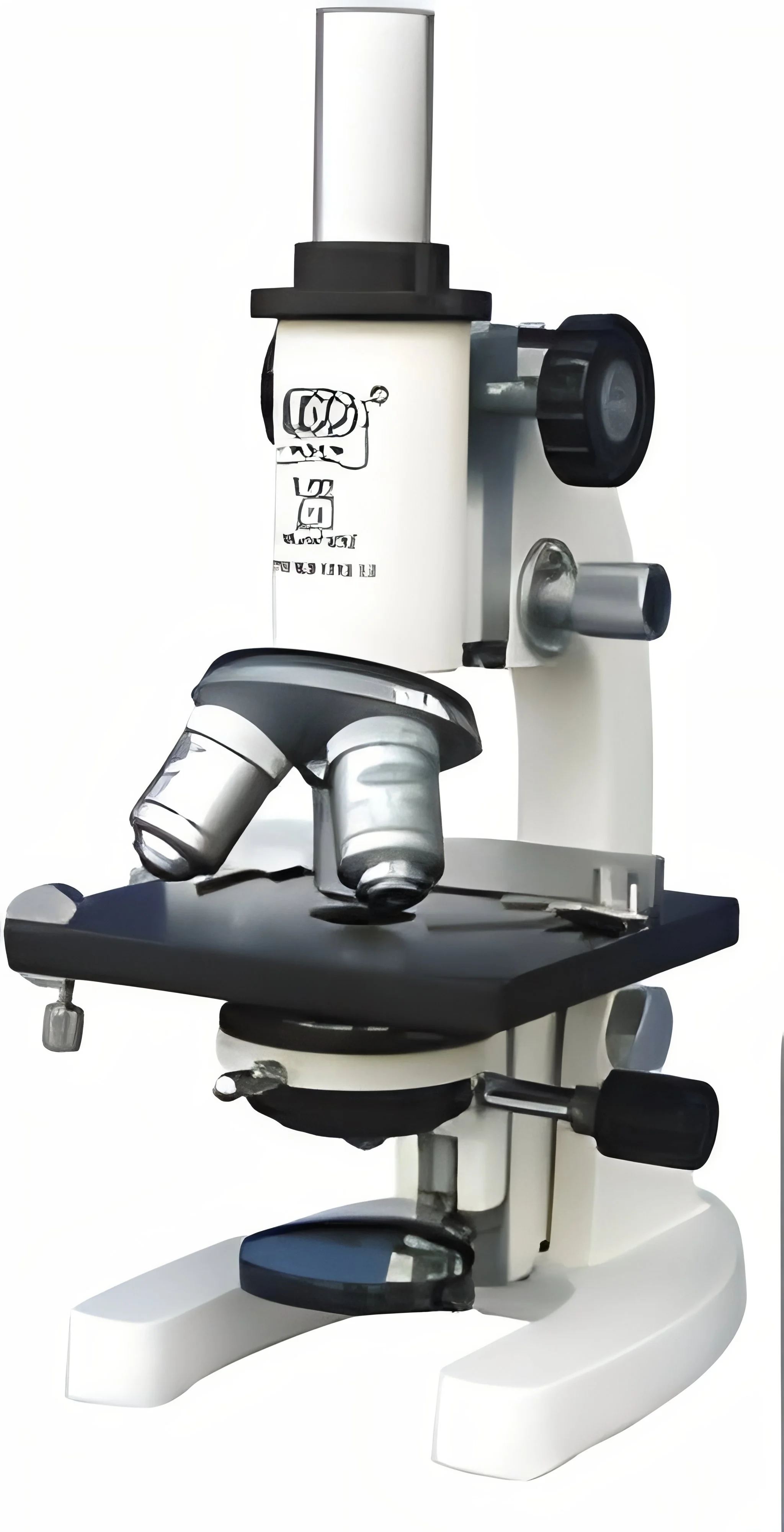
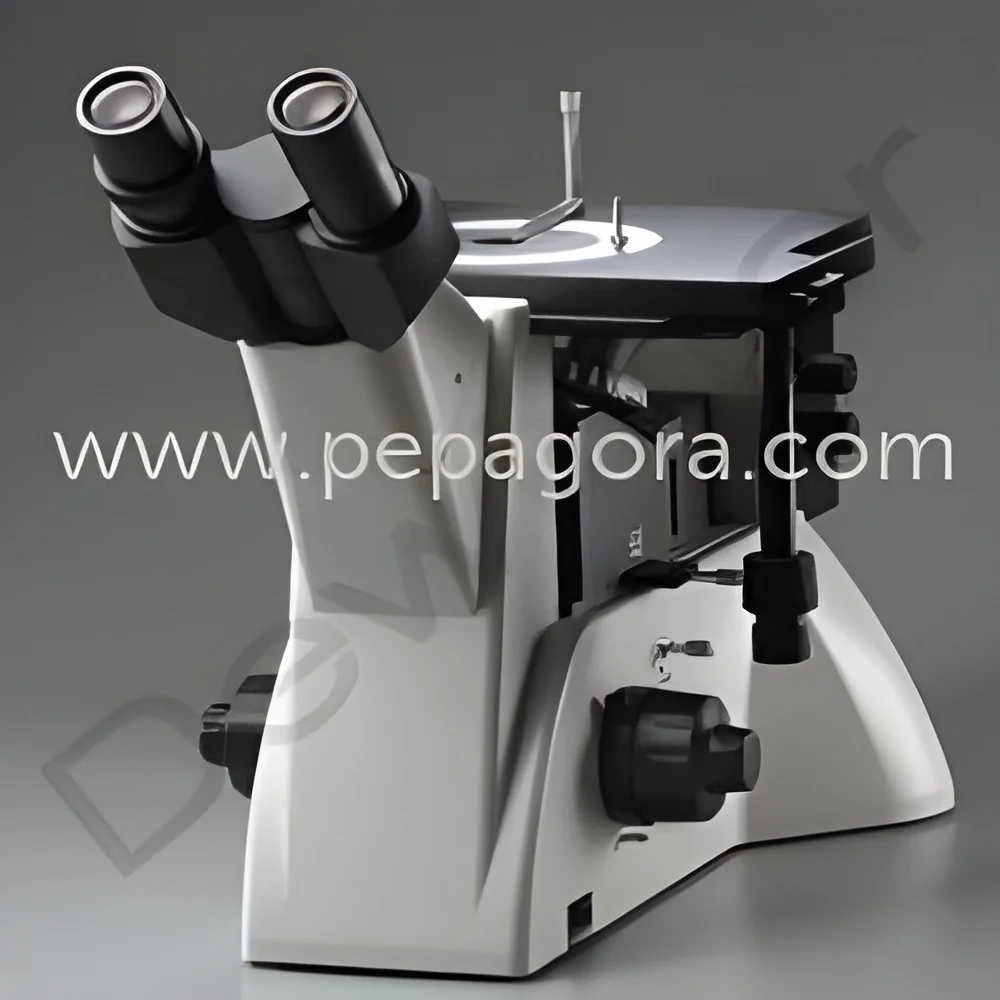
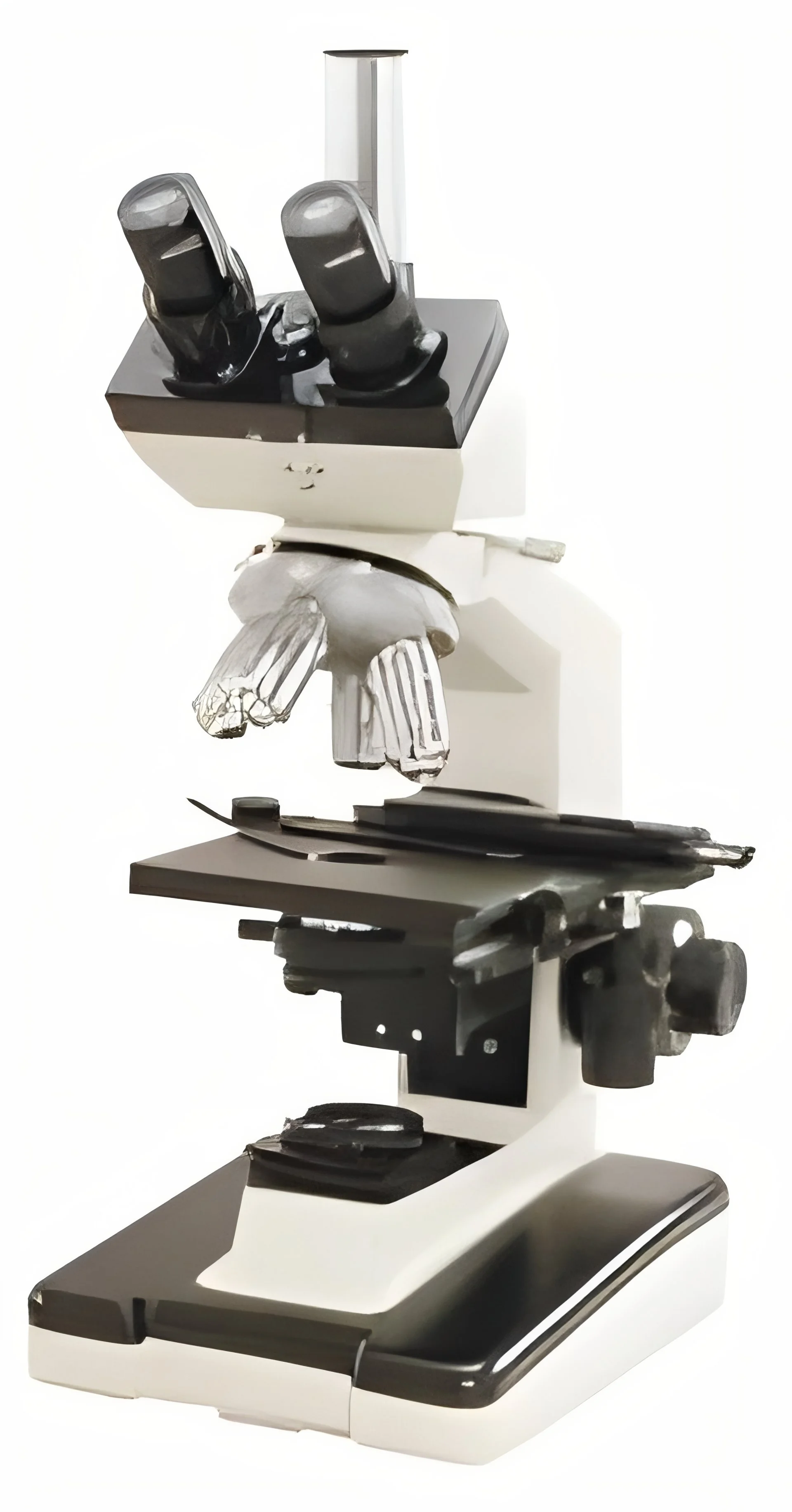
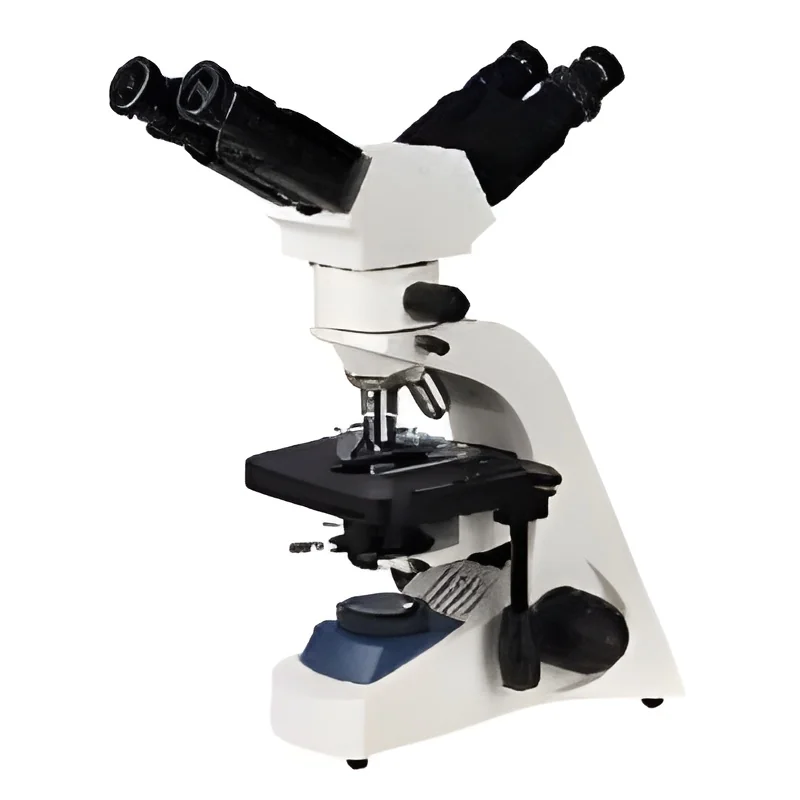
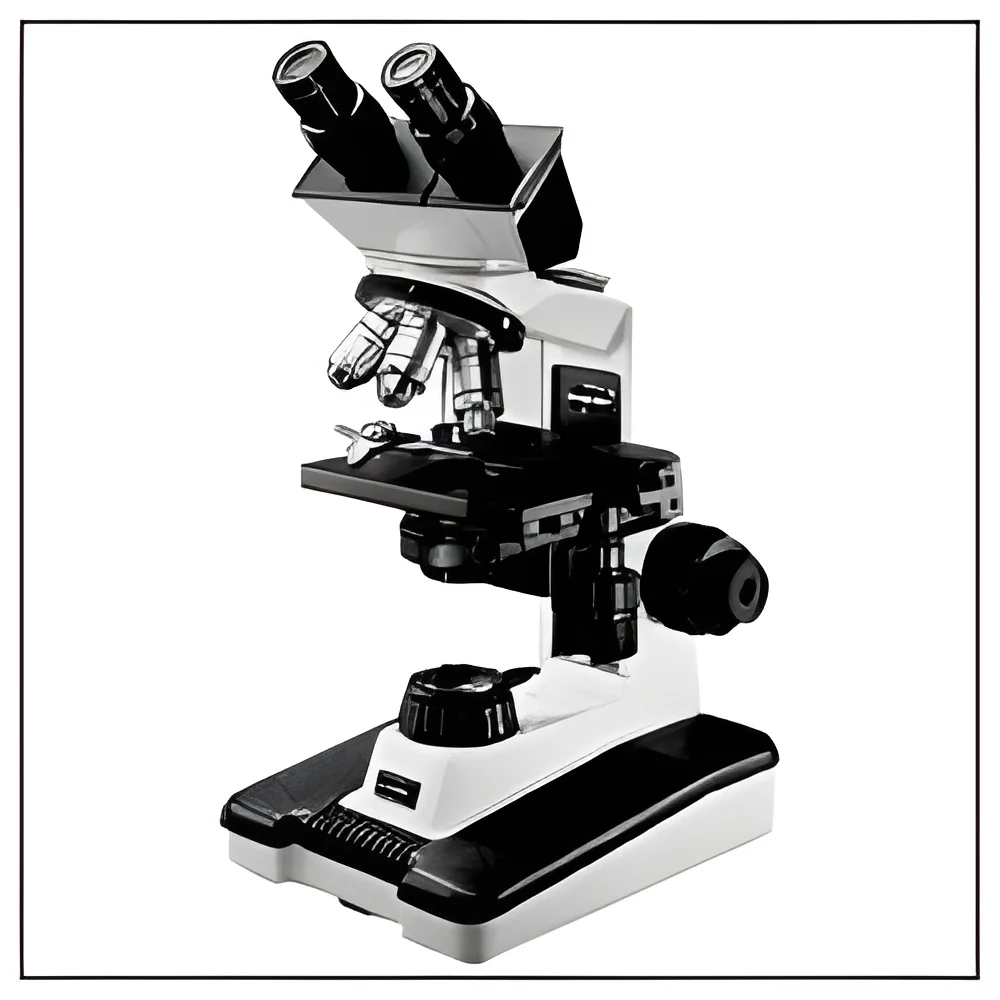
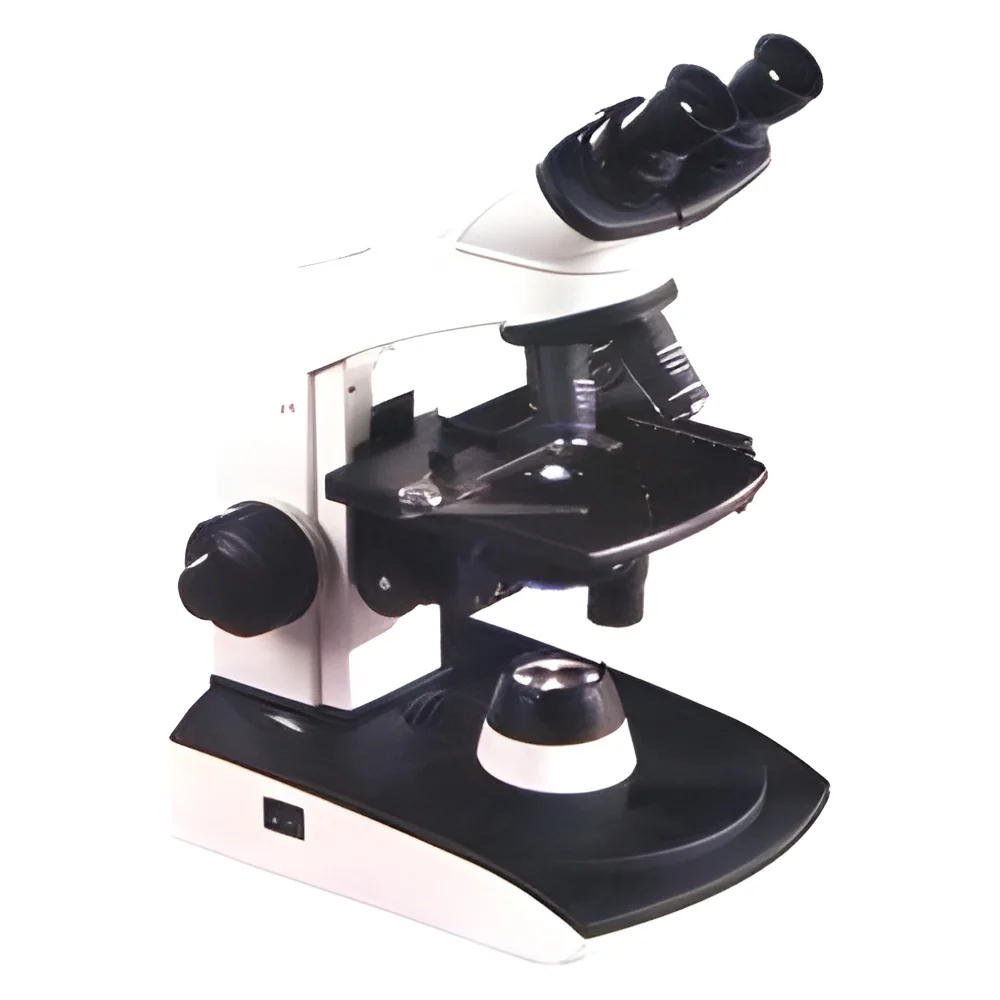
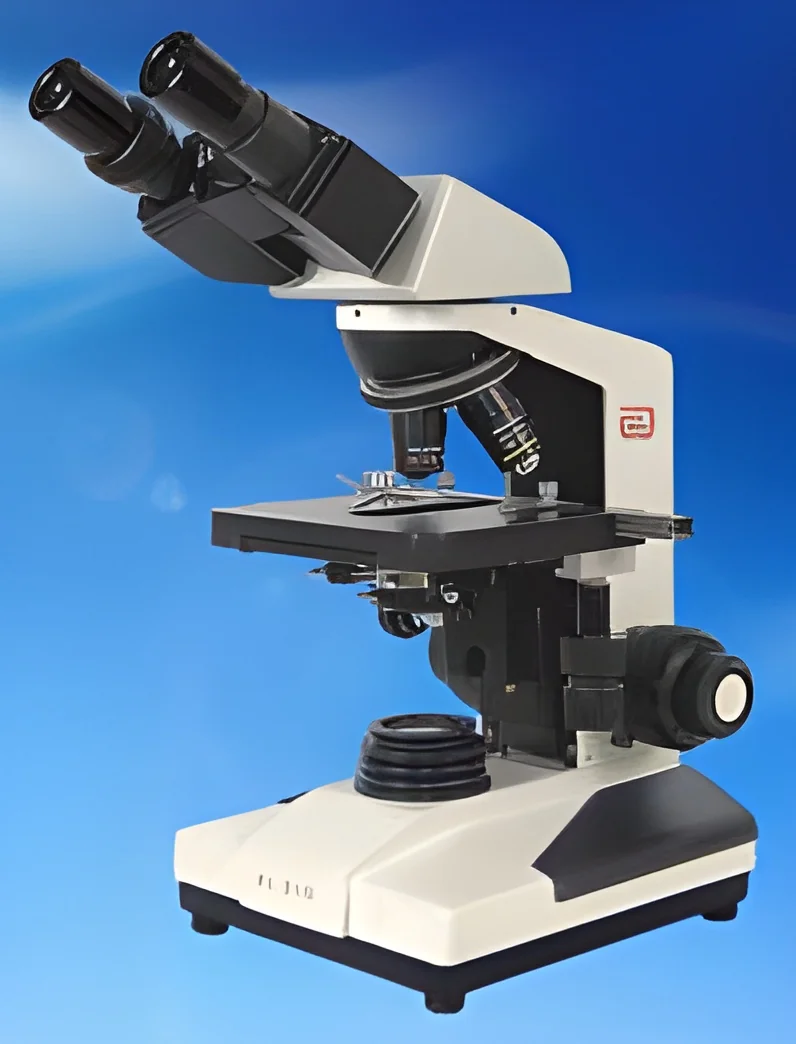
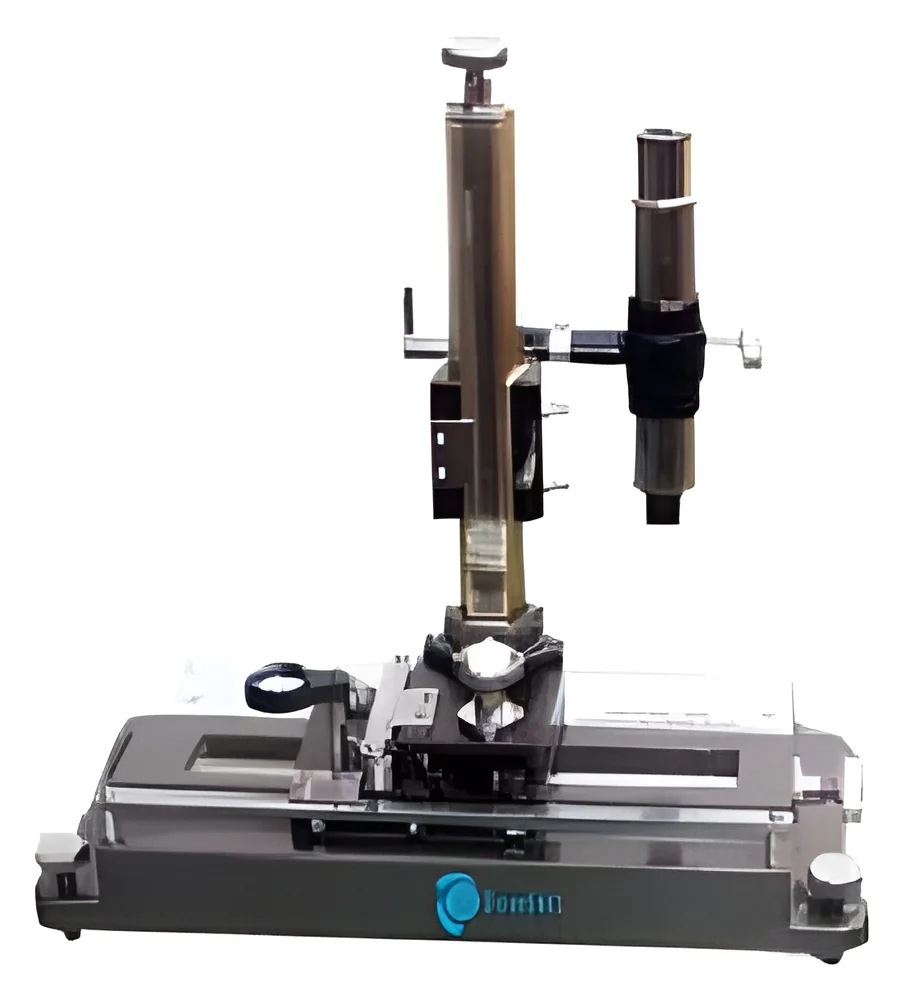
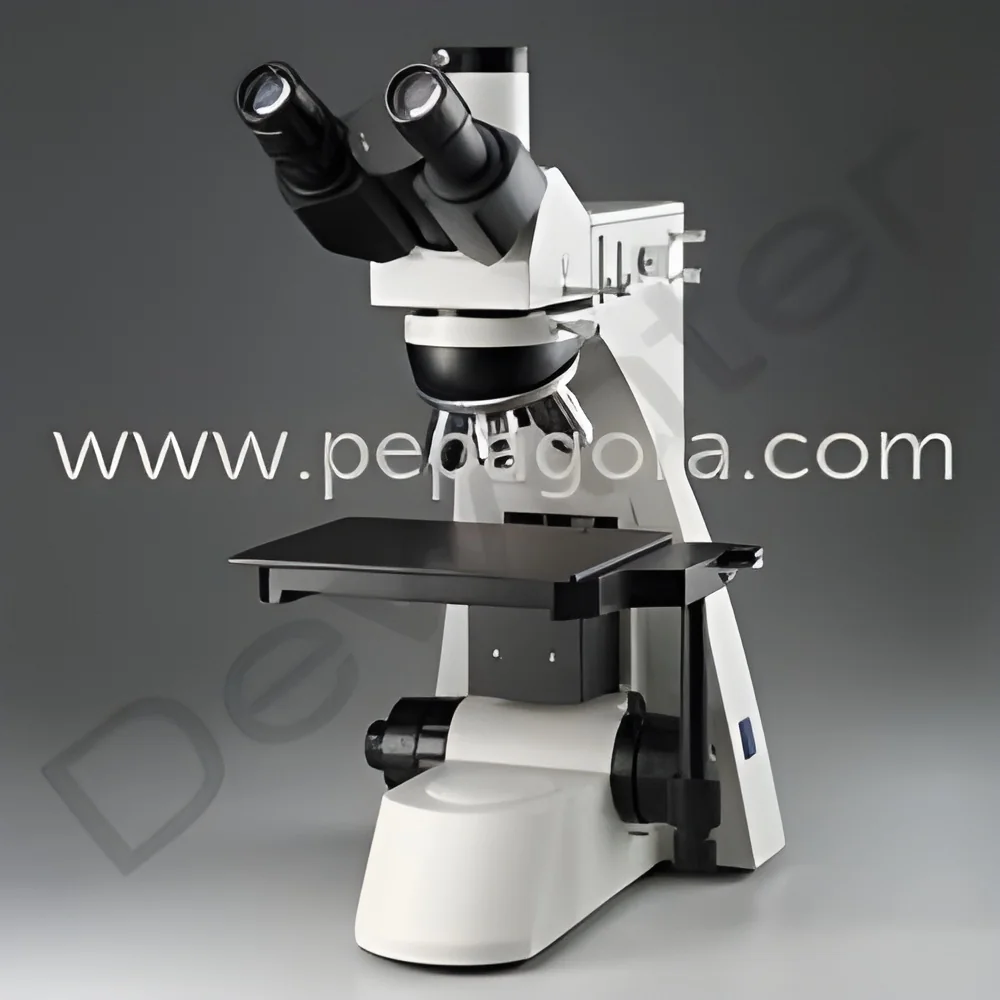
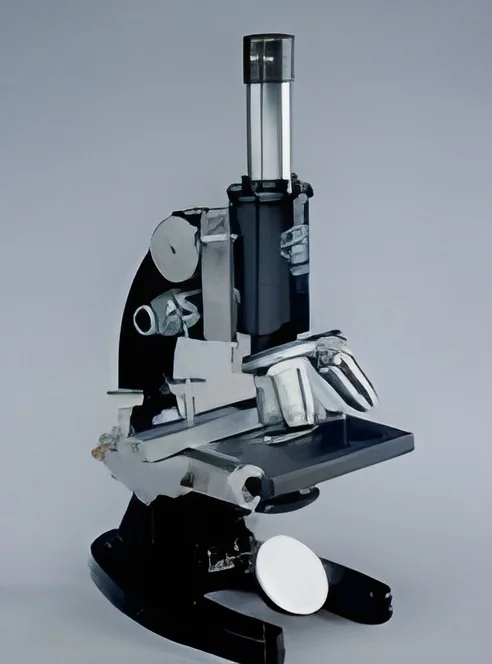
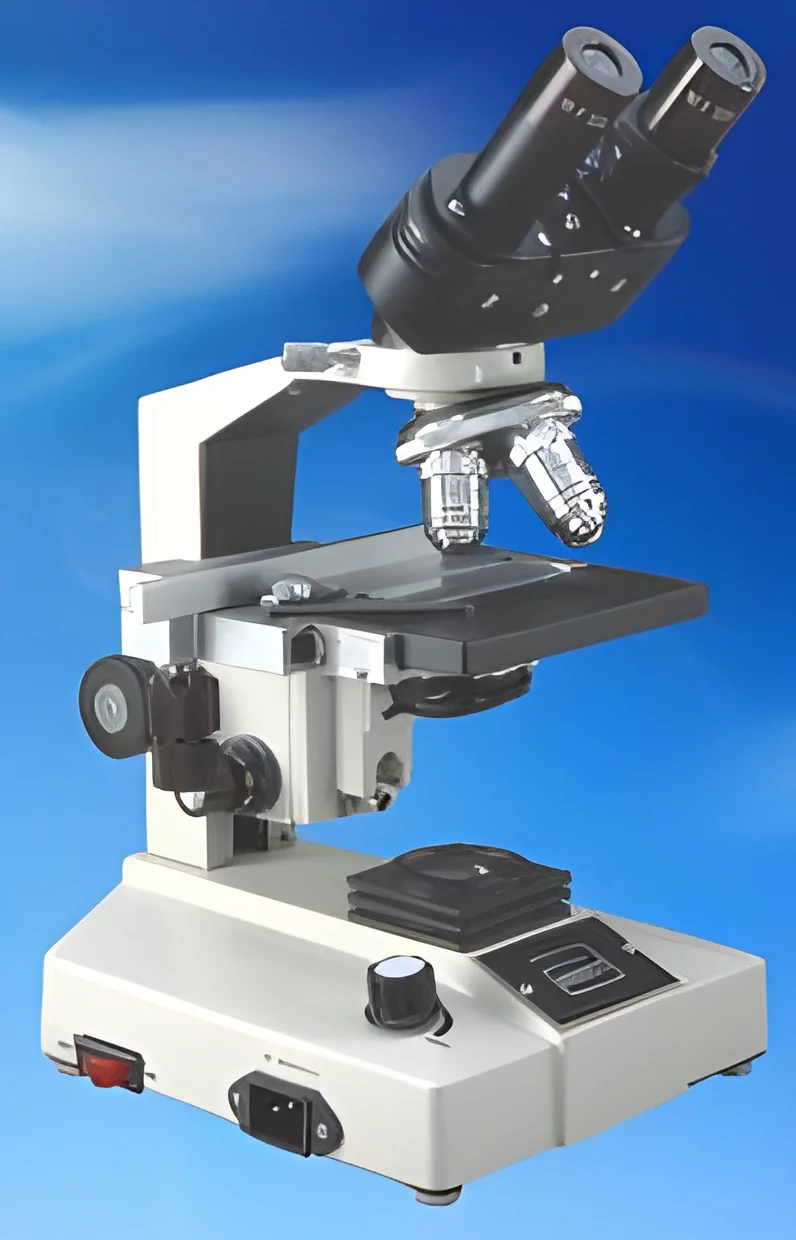
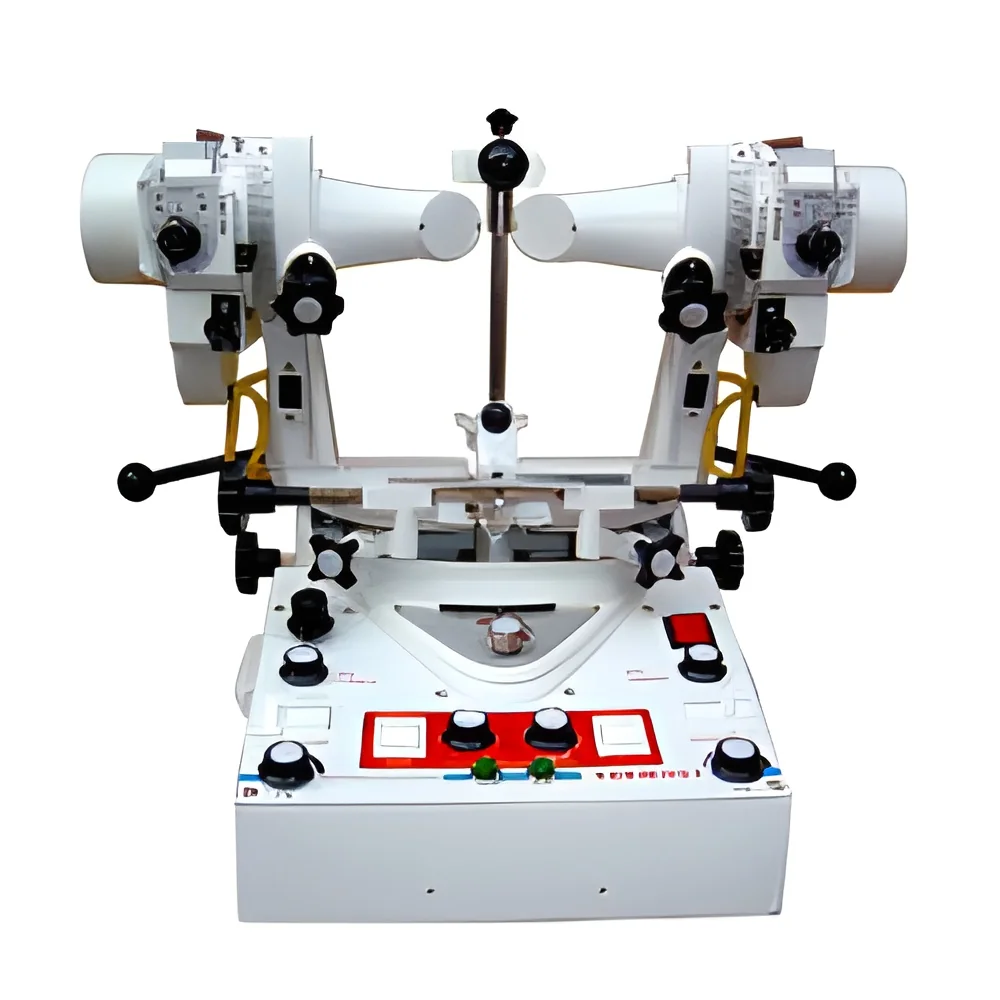
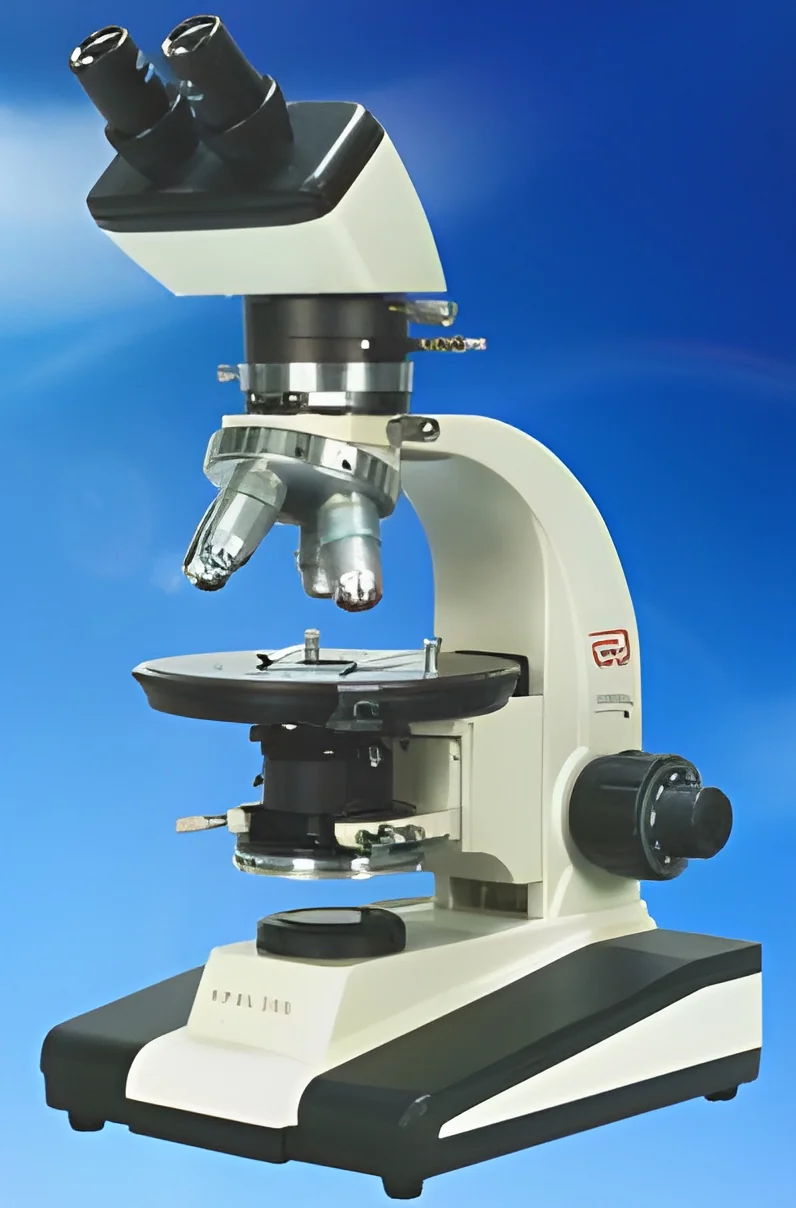
Optical Microscopes: Traditional optical microscopes utilize lenses to magnify specimens. They are commonly used in educational settings and laboratories where direct observation is required.
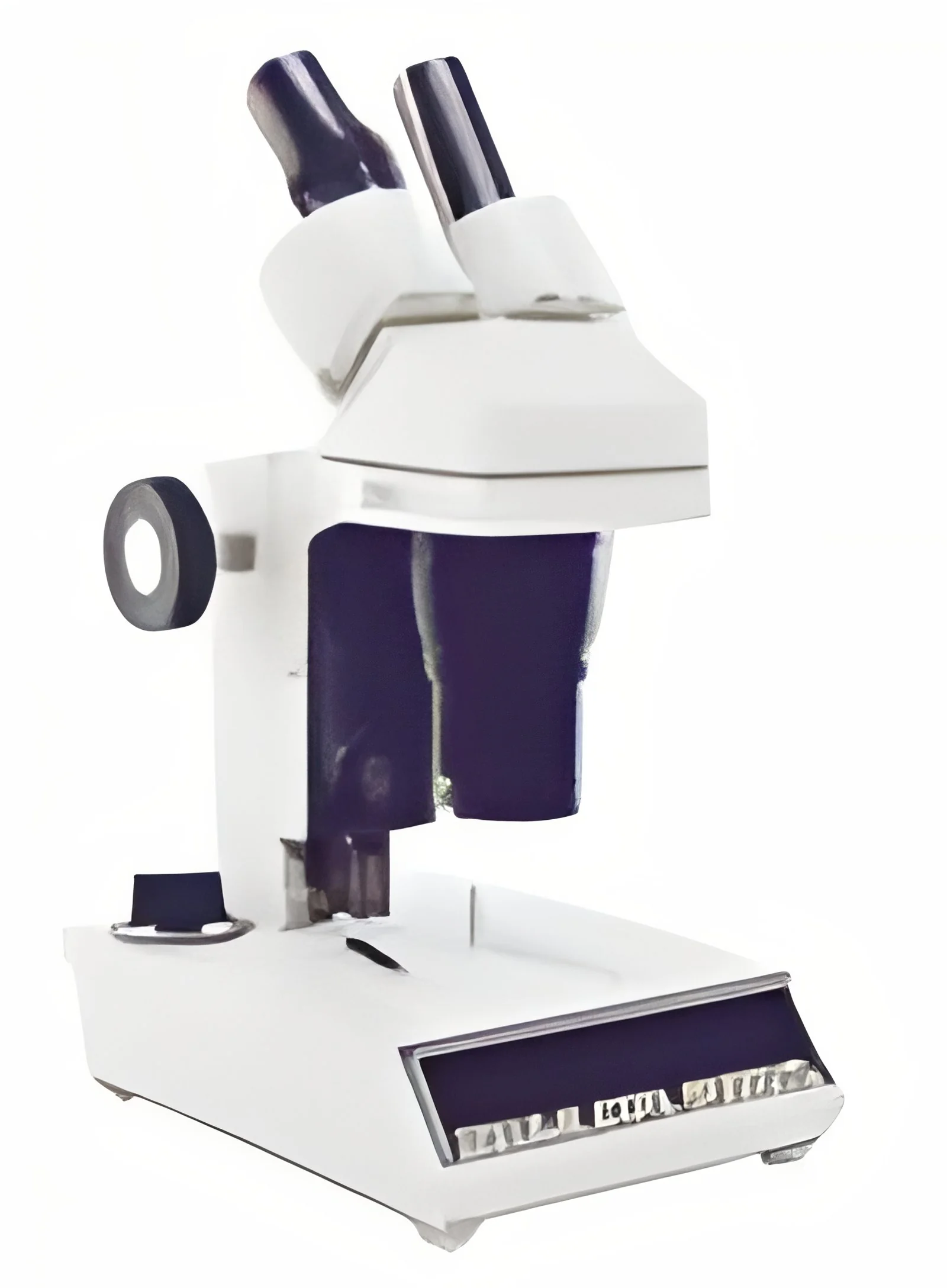
Student Microscopes: Designed specifically for educational use, these microscopes feature simplified controls and robust construction. They provide an excellent introduction to microscopy for learners.
Benefits and Advantages
Microscopes offer numerous benefits that enhance their utility across various applications.
1. Enhanced Visualization: Microscopes provide detailed images of small specimens, enabling users to conduct thorough examinations.
2. Educational Value: They are essential tools in education, promoting active learning and engagement in scientific inquiry.
3. Versatility: Microscopes can be used across multiple industries, from research to manufacturing, making them invaluable tools.
4. Technological Integration: Digital microscopes offer software compatibility for advanced image analysis and data reporting, enhancing productivity.
5. Quality Control: In manufacturing, microscopes are critical for ensuring product quality by identifying defects during the inspection process.
6. Research Advancement: The use of microscopes in scientific research leads to discoveries and innovations that drive progress in various fields.
Buying Guide for B2B Buyers
When sourcing microscopes, it is vital for B2B buyers to consider several factors to ensure they select the right equipment.
1. Quality Assessment: Evaluate the build quality and performance specifications of microscopes. Look for models that meet industry standards for reliability and accuracy.
2. Supplier Verification: Vet potential suppliers to ensure they provide high-quality products and reliable support. Check for customer reviews and certifications to gauge their credibility.
3. Pricing and MOQ: Consider the cost of microscopes and minimum order quantities. Understanding pricing structures can help in budgeting and financial planning.
4. Delivery and Lead Times: Assess the supplier's ability to deliver products on time. Reliable logistics can prevent delays in project timelines.
5. Compliance Requirements: Ensure that the microscopes comply with relevant industry standards and regulations. This may include certifications like CE and adherence to quality management systems.
Compliance and Certifications
Microscopes must adhere to specific quality standards and certifications to ensure safety and effectiveness. Compliance with standards like ISO 9001 ensures that manufacturing processes meet high-quality management criteria, fostering product reliability.
Industry certifications, such as CE marking, indicate that the products meet European safety and health requirements. This is crucial for users in regions where such certifications are mandatory.
Safety and testing requirements are also essential to ensure that microscopes are safe for use in various environments. Buyers should check for regional compliance considerations, especially when sourcing products internationally, to ensure they meet local regulations.
Why Source Microscopes (Digital, Optical, Student) from Pepagora?
Pepagora is a trusted platform for sourcing microscopes, offering several key advantages to B2B buyers.
Verified Supplier Network: Pepagora connects buyers with a network of verified suppliers, ensuring access to high-quality products and dependable service.
Streamlined RFQ Process: The Request for Quotation process is designed to be efficient, allowing buyers to easily obtain multiple quotations from different suppliers, ensuring competitive pricing.
Trade Assurance and Support: Buyers benefit from trade assurance programs that protect their investments, providing peace of mind in transactions.
Regional Coverage: Pepagora extends its services across India, the GCC, and Southeast Asia, catering to a wide geographic area and ensuring access to microscopes tailored to diverse market needs.






Frequently Asked Questions
What are Microscopes (Digital, Optical, Student)?
Microscopes are instruments used to magnify small objects and details that are not visible to the naked eye. There are various types including digital, optical, and student microscopes, each designed for specific applications in fields such as education, research, and industry.
What are the different types of Microscopes (Digital, Optical, Student)?
The main types of microscopes include optical microscopes, which use light to magnify samples; digital microscopes, which capture images electronically; and student microscopes, which are designed for educational purposes with user-friendly features. Each type serves different needs and levels of complexity.
How do I choose the right Microscopes (Digital, Optical, Student)?
Choosing the right microscope depends on your specific needs, such as the type of samples you will be examining and the level of detail required. Consider factors like magnification power, resolution, and whether you need digital capabilities or portability.
What are the standard specifications for Microscopes (Digital, Optical, Student)?
Standard specifications for microscopes typically include magnification levels (commonly ranging from 40x to 1000x), optical resolution, and the type of illumination (LED, halogen, etc.). Additionally, features such as stage size, lens quality, and camera compatibility may also be important.
What is the price range for Microscopes (Digital, Optical, Student)?
The price range for microscopes can vary widely based on type and specifications. Basic student microscopes may start from around INR 2,000, while advanced digital and optical models can exceed INR 50,000.
What quality standards apply to Microscopes (Digital, Optical, Student)?
Quality standards for microscopes generally include adherence to international norms such as ISO and ASTM. These standards ensure the reliability, accuracy, and safety of the instruments used in various applications.
Where can I find Microscopes (Digital, Optical, Student) suppliers in India?
You can find suppliers of microscopes in India through B2B marketplaces like Pepagora.com, where numerous manufacturers and distributors list their products. Additionally, local scientific equipment suppliers and online platforms can also provide options.
Can Microscopes (Digital, Optical, Student) be customized?
Yes, many manufacturers offer customization options for microscopes to meet specific requirements, such as special lenses, additional accessories, or branding. It is advisable to discuss customization options with suppliers before placing an order.
What is the typical minimum order quantity for Microscopes (Digital, Optical, Student)?
The typical minimum order quantity (MOQ) for microscopes can vary by supplier, but it often ranges from 5 to 10 units for standard models. It's best to check with individual manufacturers or suppliers for their specific MOQ.
What is the typical lead time for Microscopes (Digital, Optical, Student)?
The typical lead time for microscopes can range from 2 to 4 weeks, depending on the supplier, order size, and customization requirements. Always confirm the expected delivery time with the supplier when placing an order.
Why Businesses Trust Pepagora
Thousands of companies trust Pepagora to source smarter and sell faster
Expand Your Sales Globally

Source Smarter,Grow Faster
