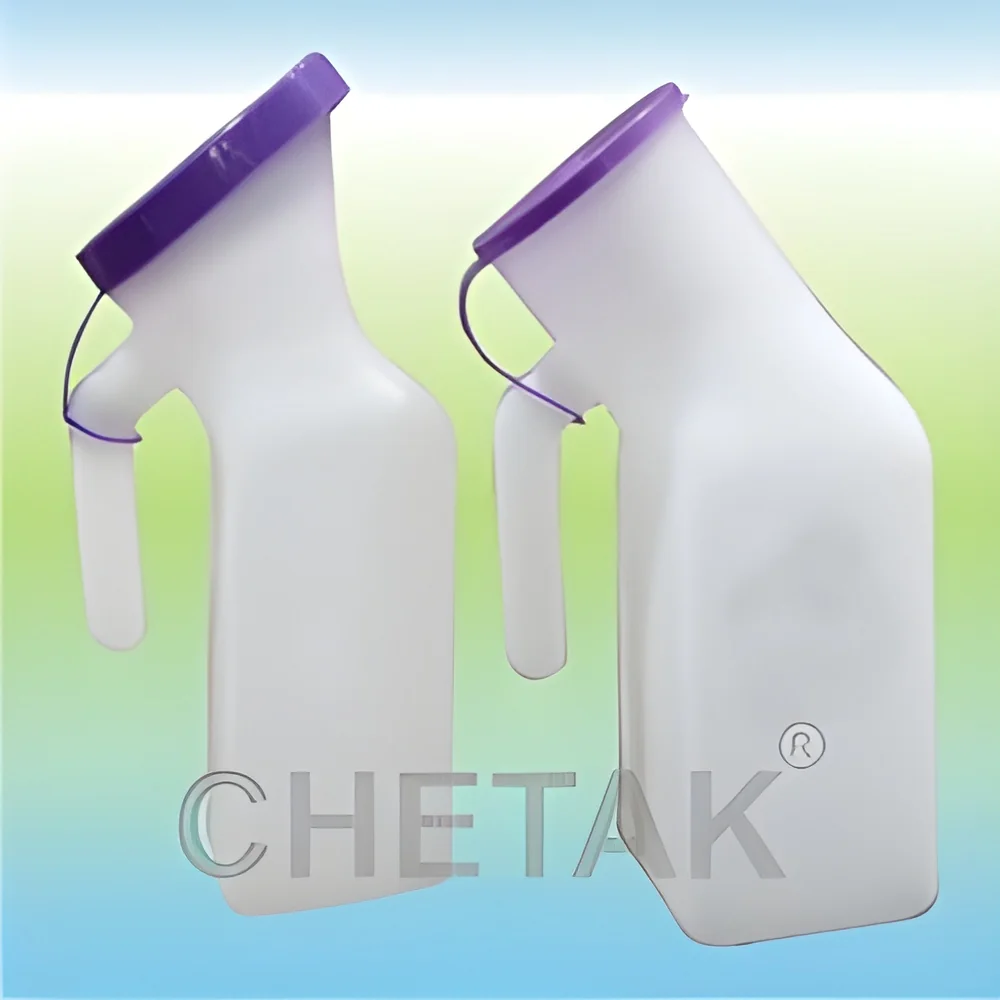
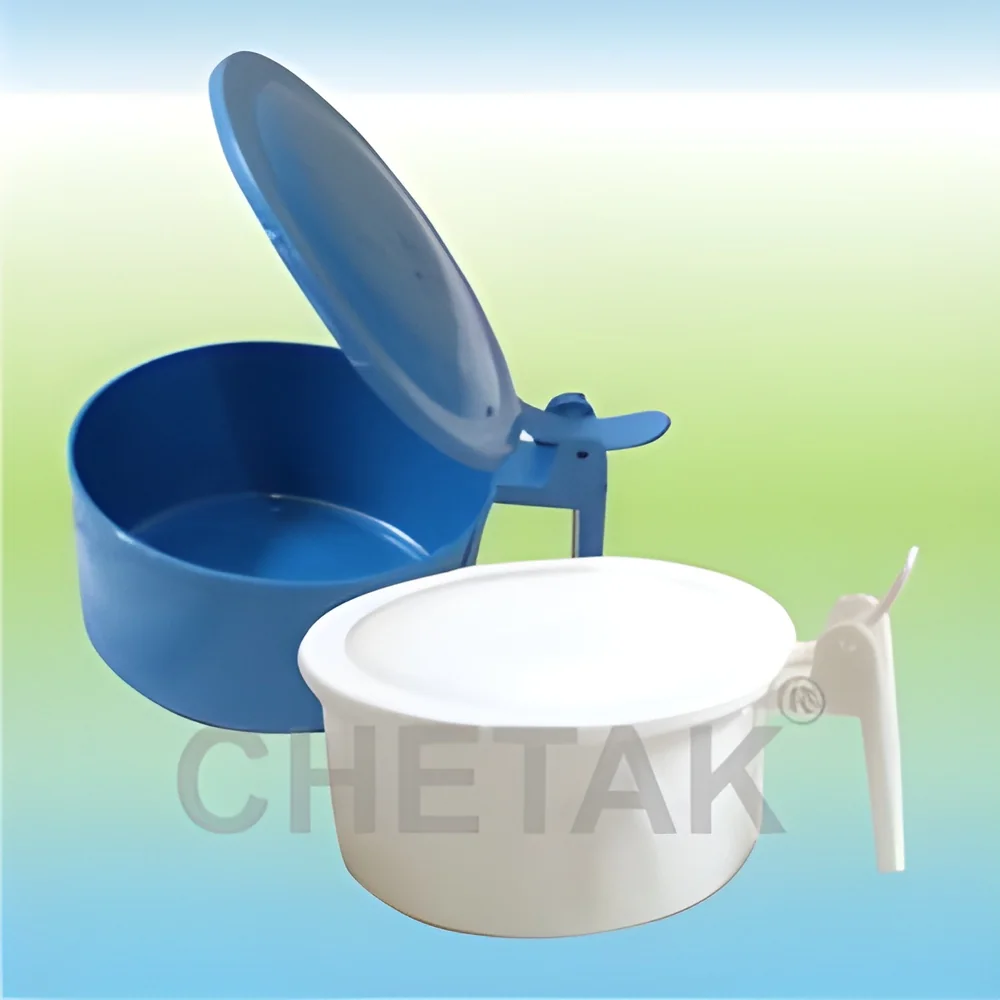
What are Specimen Containers?
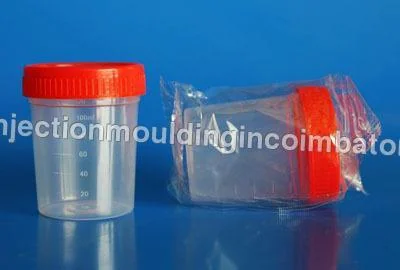
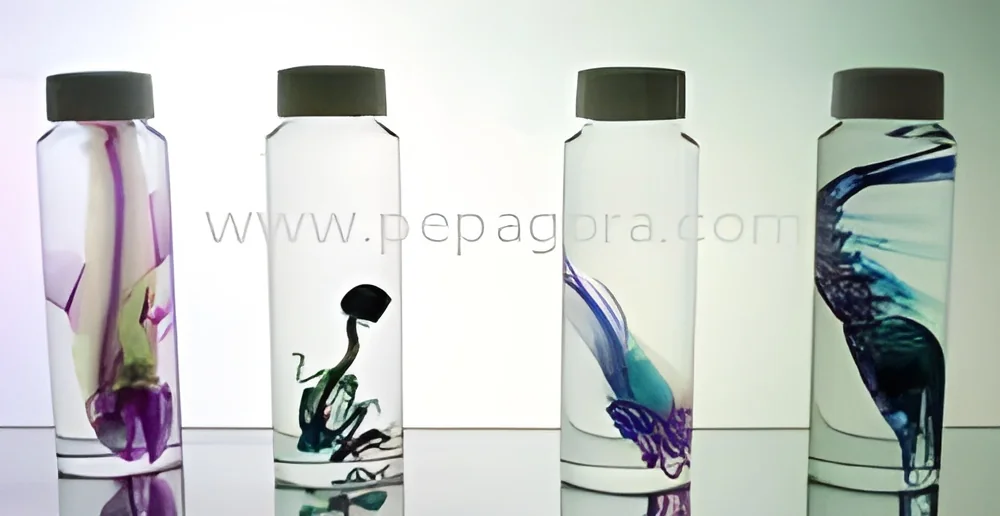
Specimen containers are specialized vessels designed to securely collect, store, and transport biological samples for laboratory analysis. These containers are made from materials that protect the integrity of the specimen while preventing contamination. They come in various sizes and types, tailored to accommodate different sample requirements, including blood, urine, tissue, and other biological materials.
The primary uses of specimen containers are found in medical, research, and laboratory settings. They are essential for diagnostic testing, clinical research, and quality control in pharmaceutical production. By ensuring that samples are collected and transported safely, specimen containers play a crucial role in obtaining accurate test results and advancing medical knowledge. The growing demand for laboratory testing and healthcare services drives the market for specimen containers across the globe.
In the current market context, the demand for specimen containers is influenced by an increase in healthcare services, a rise in diagnostic testing, and advancements in medical research. As laboratories strive for efficiency and reliability, the need for high-quality specimen containers is paramount, making them an integral part of the healthcare supply chain.
Key Features and Specifications
Specimen containers are characterized by a variety of features that ensure their functionality and reliability in laboratory settings. These features include specialized materials, secure sealing mechanisms, and compatibility with various specimen types. Understanding these specifications helps buyers choose the right containers for their needs.
Key specifications include:
1. Material
- Typically made from high-grade plastics or glass
- Ensures durability and resistance to breakage
2. Capacity
- Available in different volumes, typically ranging from 10 ml to 1000 ml
- Allows for flexibility based on the sample type and volume needed
3. Seal Type
- Options include screw-top, snap-on, and capillary action seals
- Provides optimal protection against leakage and contamination
4. Sterility
- Many containers are pre-sterilized for immediate use
- Ensures sample integrity and reduces contamination risk
5. Color-Coding
- Often color-coded for easy identification of container types
- Facilitates quick sorting and organization in laboratory settings
6. Labels
- Some containers come with pre-printed labels for sample information
- Enhances traceability and data management during testing
7. Safety Features
- Features such as sharp-free lids and break-resistant designs
- Reduces risk of accidents in the laboratory environment
In summary, the key features and specifications of specimen containers are designed to enhance safety, efficiency, and reliability in laboratory settings.
Common Applications and Use Cases
Specimen containers are utilized across various industries, ensuring proper sample handling and analysis.
1. Healthcare: In hospitals and clinics, specimen containers are used for collecting blood, urine, and tissue samples. They are critical for diagnostic testing and monitoring patient health.
2. Research Laboratories: In academic and private research settings, these containers facilitate the storage and transportation of biological samples, ensuring accurate results in experiments.
3. Pharmaceutical Industry: Specimen containers are essential for clinical trials, allowing for the collection of samples from participants while maintaining their integrity for analysis.
4. Environmental Testing: Used for collecting samples of water, soil, and air, these containers help in analyzing environmental pollutants and ensuring compliance with safety regulations.
5. Veterinary Medicine: Specimen containers are also used in veterinary practices for collecting samples from animals, ensuring accurate diagnosis and treatment.
6. Forensic Science: In forensic labs, these containers are crucial for collecting and preserving evidence for criminal investigations.
7. Food and Beverage Industry: Specimen containers are utilized for quality control testing of food samples to ensure safety and compliance with health standards.
Product Variants and Subcategories
Specimen containers come in various forms to meet diverse requirements in sample collection and storage. Each variant is designed with specific features to cater to different applications.
Standard Specimen Containers: These are the most commonly used containers, suitable for a wide range of biological samples. They are often made from durable plastic and are available in various sizes.
Vacutainer Tubes: Designed for blood collection, these tubes come with specific additives to facilitate testing. They are compatible with various blood tests and help maintain sample integrity.
Urine Collection Cups: These containers are designed specifically for urine samples, featuring secure lids to prevent spillage and contamination. They may come with graduated markings for accurate volume measurement.
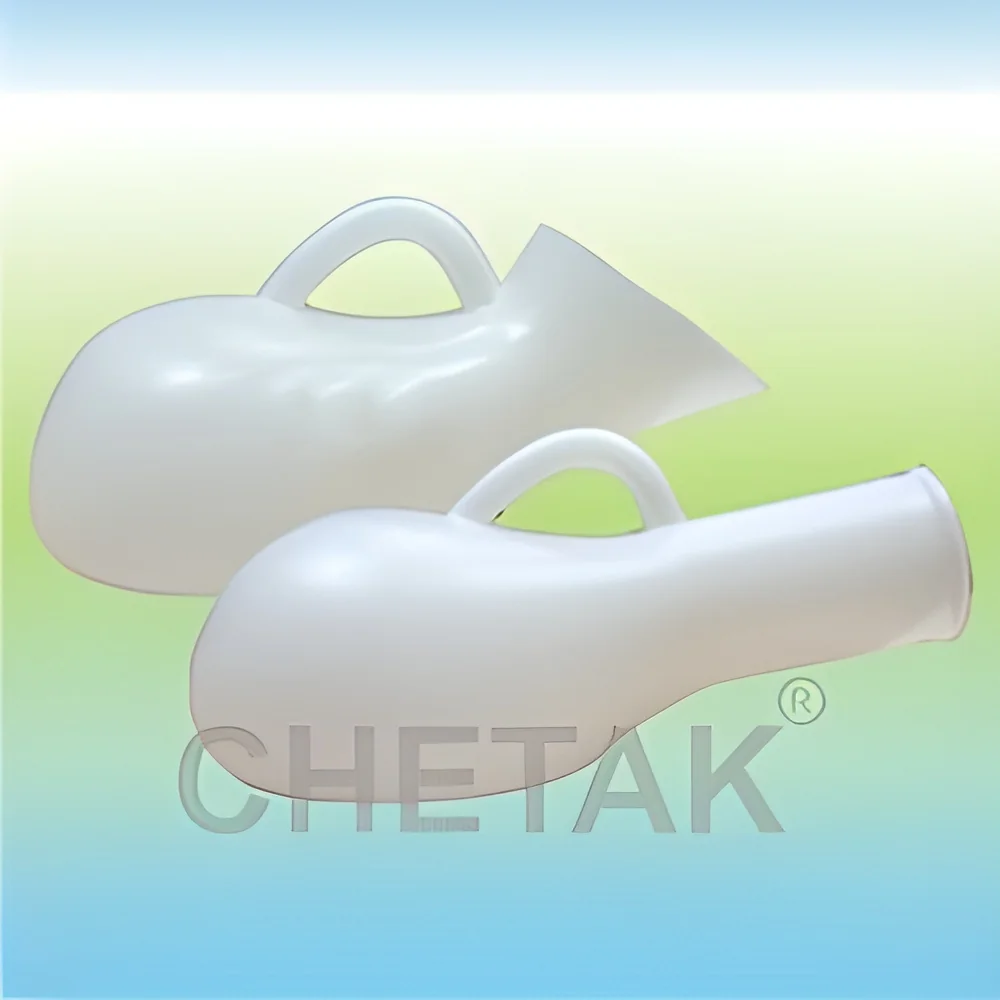
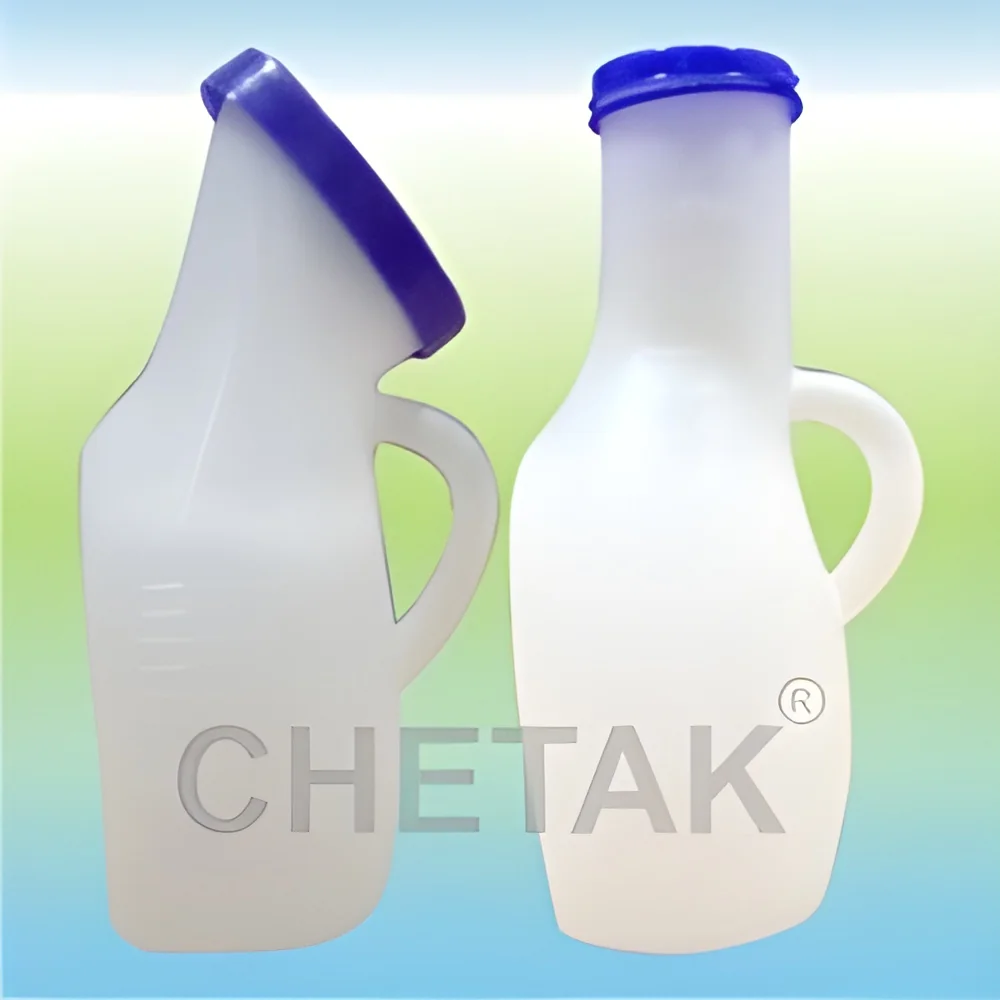
Transport Containers: These are used for safely transporting specimens to laboratories. They are designed to withstand various conditions and protect samples during transit.
Benefits and Advantages
Specimen containers offer numerous benefits that enhance their usability and effectiveness in various settings.
1. Sample Integrity: By providing a secure environment, these containers help maintain the integrity of samples, leading to more accurate test results.
2. Contamination Prevention: The design and materials used in specimen containers minimize the risk of contamination, ensuring reliable outcomes in laboratory analysis.
3. Versatility: With different types and sizes available, specimen containers can accommodate various sample types and volumes, making them suitable for diverse applications.
4. Compliance Assurance: Many containers meet industry standards and regulations, helping laboratories maintain compliance and quality control.
5. Cost-Effectiveness: Bulk purchasing options allow businesses to save costs while ensuring they have the necessary supplies for sample collection.
6. Easy Identification: Color-coded and labeled containers aid in quick identification and organization, improving workflow efficiency in laboratories.
Buying Guide for B2B Buyers
When sourcing specimen containers, B2B buyers should consider several key factors to ensure they select the best products for their needs.
1. Quality Assessment: Look for containers that meet industry quality standards. Consider certifications such as CE and ISO to ensure reliability and safety.
2. Supplier Verification: Vet potential suppliers by checking their reputation, customer reviews, and compliance with regulatory standards. A trusted supplier will ensure consistent product quality.
3. Pricing and MOQ: Evaluate the pricing structure and minimum order quantities. Ensure that the costs align with your budget while meeting your volume requirements.
4. Delivery and Lead Times: Assess the supplier’s ability to meet delivery schedules. Timely delivery is crucial for maintaining workflow and project timelines.
5. Compliance Requirements: Ensure that the specimen containers meet any specific regulatory requirements pertinent to your industry to avoid compliance issues.
Compliance and Certifications
Specimen containers must comply with various quality standards and certifications to ensure safety and performance. Notable standards include ISO 9001, which emphasizes quality management systems, and HACCP principles, which focus on food safety.
Certifications such as CE indicate that the products have met European safety, health, and environmental protection standards. These certifications provide assurance to buyers regarding the reliability of the containers.
It is also essential to consider safety and testing requirements specific to the intended use of the containers. Buyers should ensure that the containers are tested for durability, leakage prevention, and compatibility with different sample types.
Regional compliance considerations may vary; therefore, it is crucial to understand any specific regulations applicable in your region to ensure adherence.
Why Source Specimen Containers from Pepagora?
Pepagora provides a trusted platform for sourcing specimen containers with several key advantages.
Verified Supplier Network: Pepagora partners with a network of verified suppliers, ensuring that buyers have access to high-quality products. This verification process includes thorough checks on supplier reputation and compliance with industry standards.
Streamlined RFQ Process: The platform offers a streamlined Request for Quotation (RFQ) system, allowing buyers to easily request quotes from multiple suppliers. This simplifies the procurement process and helps buyers compare options effectively.
Trade Assurance and Support: Pepagora prioritizes buyer protection through trade assurance programs. This support ensures that transactions are secure and that buyers can resolve any issues that may arise during the sourcing process.
Regional Coverage: With a strong presence in India, GCC, and Southeast Asia, Pepagora facilitates access to specimen containers across these regions. Buyers can benefit from local suppliers and timely delivery, enhancing their overall procurement experience.

 IN
IN